



Scene 1
Prophetic Opening and Testimonies from the Prophet's House
The chapter on Yazid, first to campaign against Constantinople, opens with the Prophet's saying that the first army to attack Caesar's city is forgiven. It then quotes Muhammad ibn Ali ibn Abi Talib on Yazid's devotion to prayer and the Sunnah, and warm words from Abdullah ibn Ja'far and Abdullah ibn Abbas.

Scene 2
Forgery on Trial: Dismantling False Reports
The author says false reports absorbed since childhood have hardened into unquestionable history, repeated even by scholars. He chooses to go against the current and reject blind inheritance, declaring before God that he loves Yazid, his father Muawiyah and grandfather Abu Sufyan, as he loves al-Husayn, Ali and the Prophet ﷺ.

Scene 3
The Author's Plea in Defence of Constantinople's Commander
The author imagines pleading before God: did the Prophet ﷺ not say the first army to attack Caesar's city is forgiven, and was Yazid not its commander? Did he not foretell twelve caliphs, Yazid being the seventh by a valid pledge from Companions such as Abdullah ibn Omar and Abdullah ibn Abbas?
Scene 4
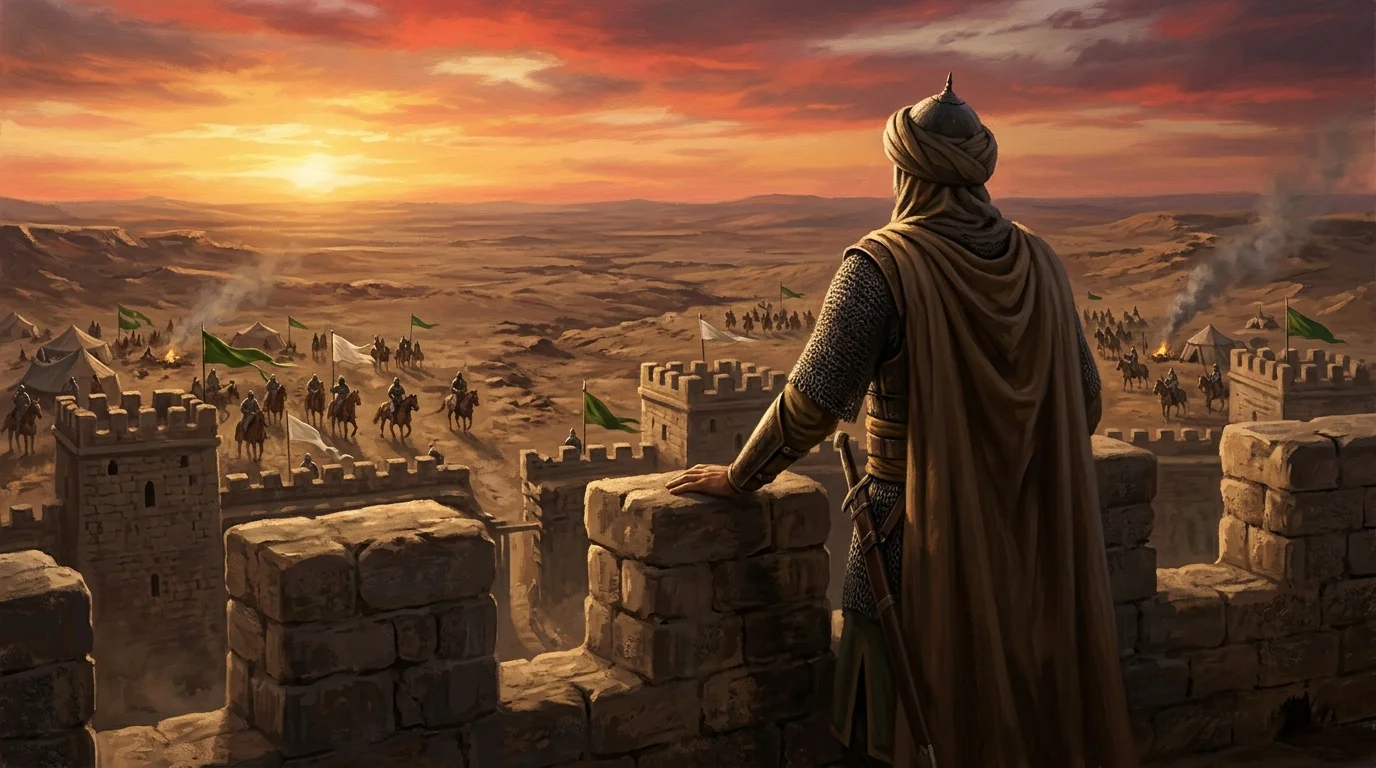
The Truth About Yazid and Answering the Falsehoods
The author says he defends "the great Islamic commander" Yazid ibn Muawiyah not personally but to defend the nation's history, the Companions who pledged to him, the Prophet ﷺ and Allah's Book; to stop "those criminals" who kill Sunnis in Iraq and Iran claiming revenge for al-Husayn, and "those lowlifes" who impugn the honour of Aisha. Ismail al-Safawi, "founder of modern Shia thought", began by attacking Yazid, then Muawiyah, Uthman, Abu Bakr and Umar, then Aisha's honour, then claimed the Quran was altered. In the end our blood is made lawful, as by "the terrorist Shia militias" in Iraq.
Scene 5
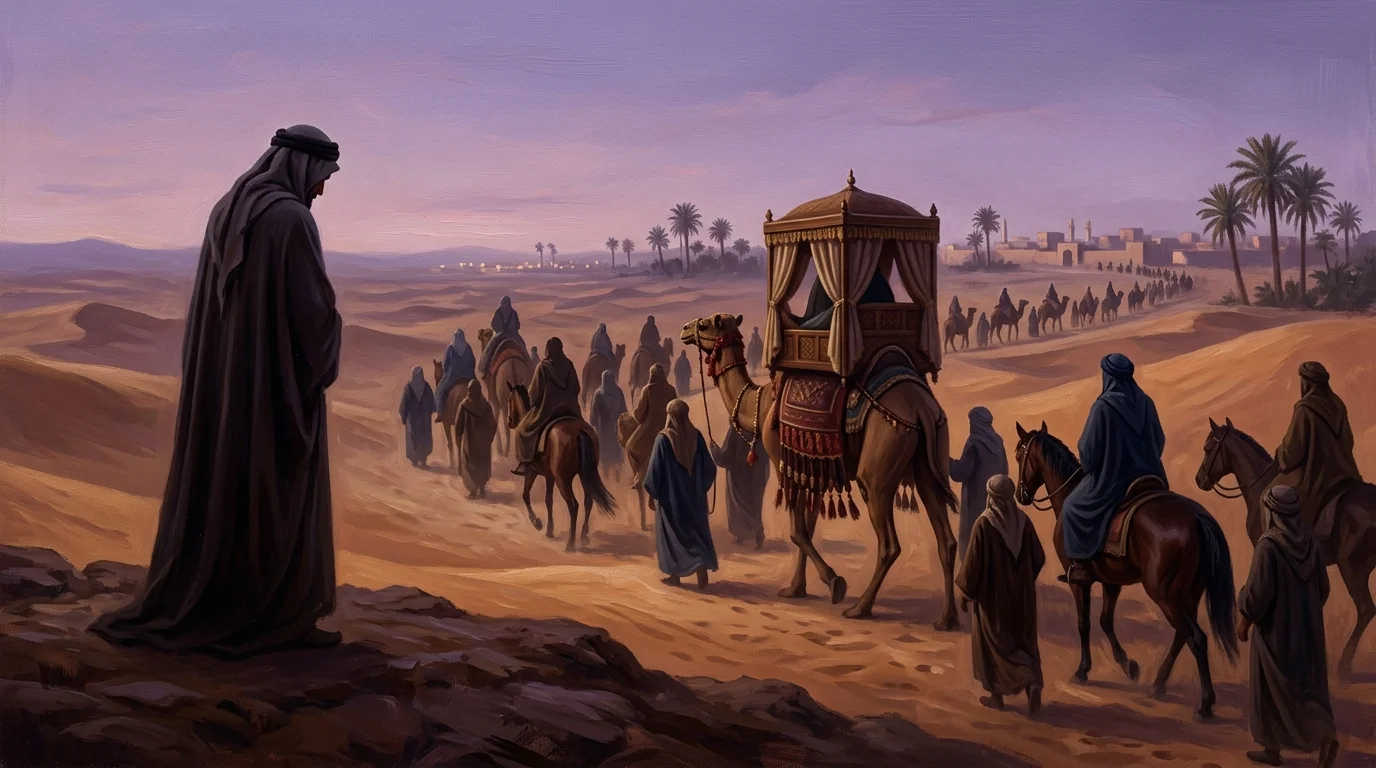
The Tragedy of Karbala and Yazid's Innocence
Al-Husayn's killing, the book says, was no worse than that of Ali, Uthman, Umar or the prophet Zakariyya: "it seems the Shia weep only for one who had a Persian wife". All Companions pledged to Yazid except al-Husayn and Ibn al-Zubayr. Thousands of letters from the Shia of Iraq deceived al-Husayn, though Ibn Umar and Ibn Abbas warned him against "the traitorous people of Iraq"; he thought the Shia had changed "their filthy nature of betrayal". Eighteen thousand pledged to Muslim ibn Aqil at dawn; once the governor brought money to "those mercenaries", he was alone by sunset.

Scene 6
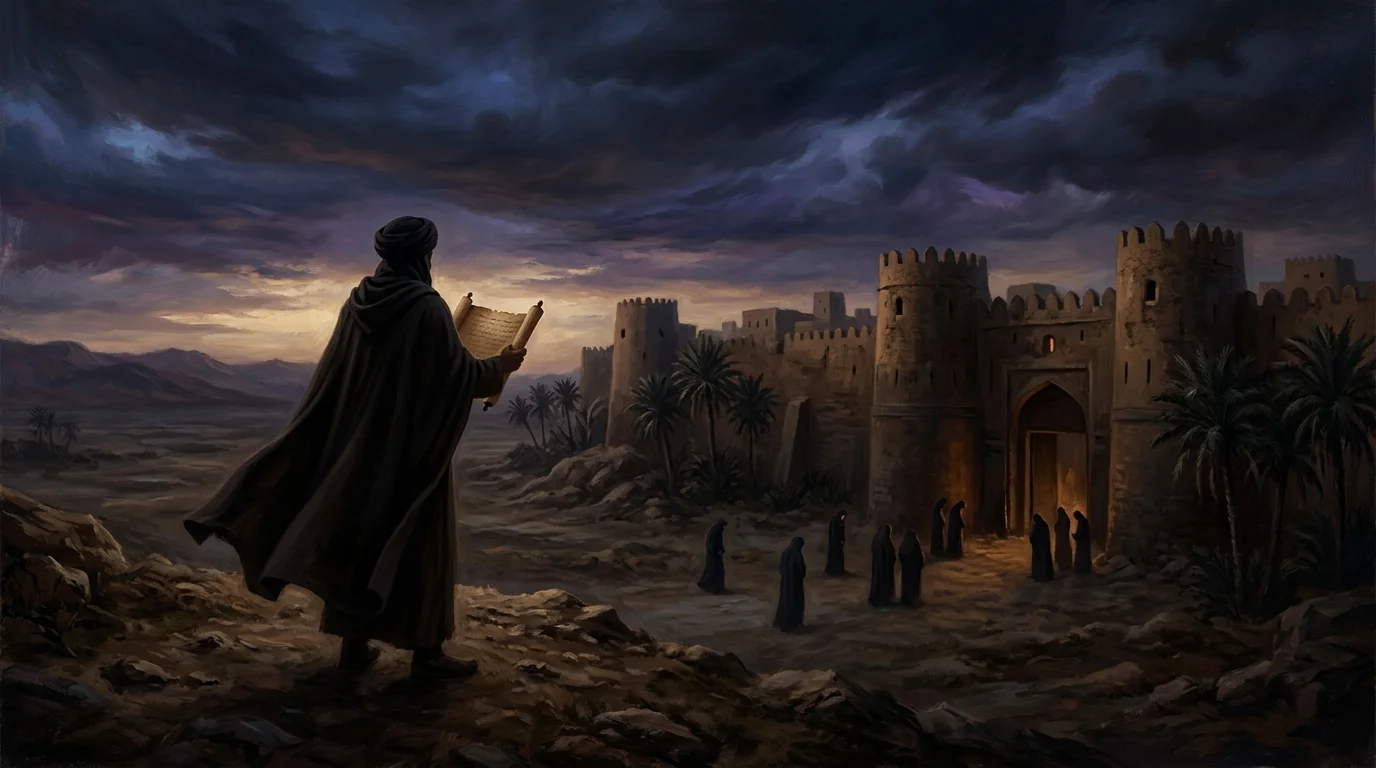
Muslim ibn Aqil and the Desertion of the People of Kufa
Muslim wandered Kufa's alleys begging the Shia for water. Even the old Shia "hag" who took him in, the book says, would not change "the Shia's filthy nature of treachery and betrayal": she fetched men with iron chains to hand him to the governor for a few dirhams. Before dying, "the dagger of Shia treachery" in his side, he asked that al-Husayn be warned that his father's Shia were "nothing more than traitors". The warning came late; 30,000 Iraqi Shia joined the governor's army, refused al-Husayn's three requests, including going to his cousin Yazid, killed him and mutilated his body.
Scene 7
Testimony from Shi'i Sources on Kufa's Desertion
The author cites Shia sources themselves: A'yan al-Shi'a says twenty thousand Iraqis pledged to al-Husayn, then betrayed and killed him; Ali ibn al-Husayn and Zaynab reproach the people of Kufa; al-Husayn prays against those who invited then attacked him; and Bihar al-Anwar reports Yazid saying he would have pardoned him.
Scene 8
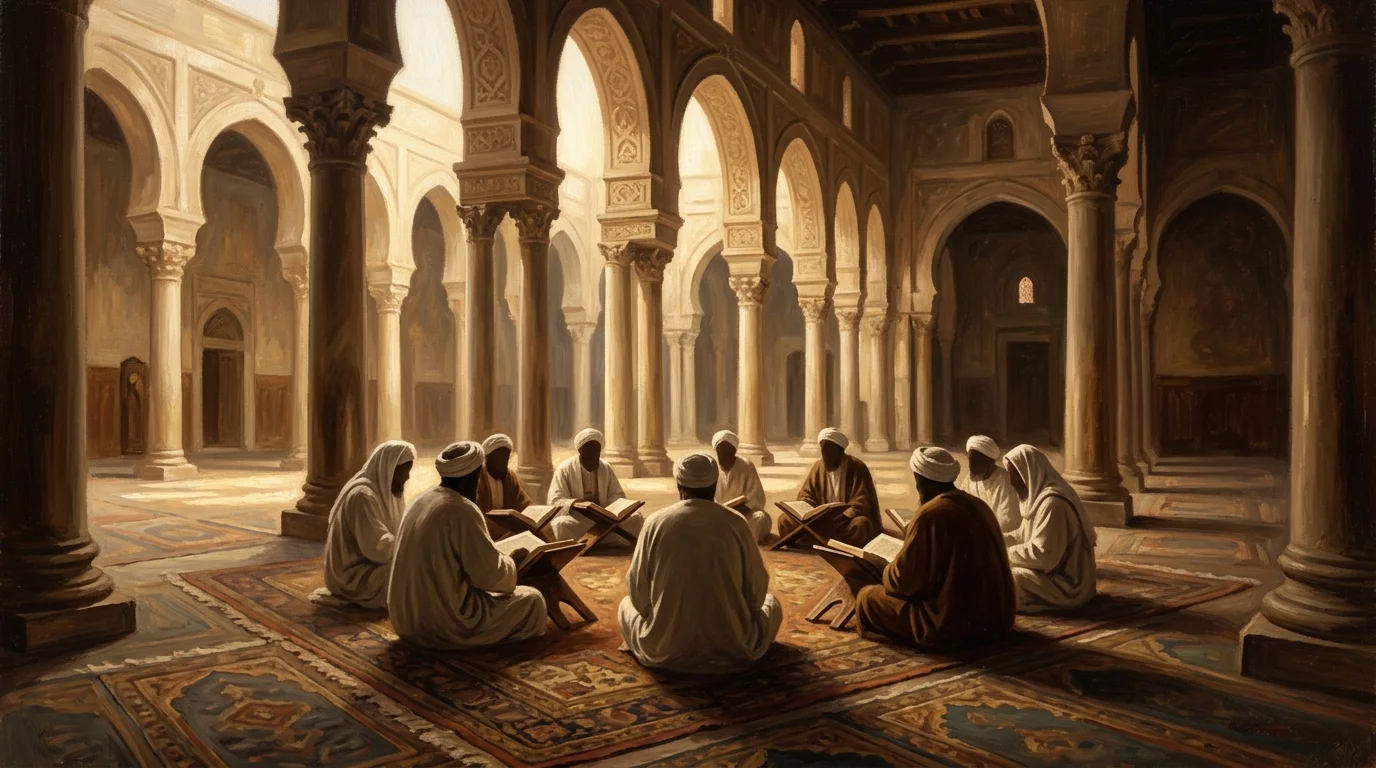
Testimonies of Sunni Imams, Scholars and Historians
Having shown who killed al-Husayn, the author offers Sunni critics of Yazid earlier testimonies: a sermon cited by Ahmad ibn Hanbal, Muhammad ibn Ali's witness to his prayer and piety, Ibn Khaldun on Muawiyah's choice of heir, al-Ghazali denying Yazid ordered the killing, and Ibn Kathir judging the hadiths against him fabricated.
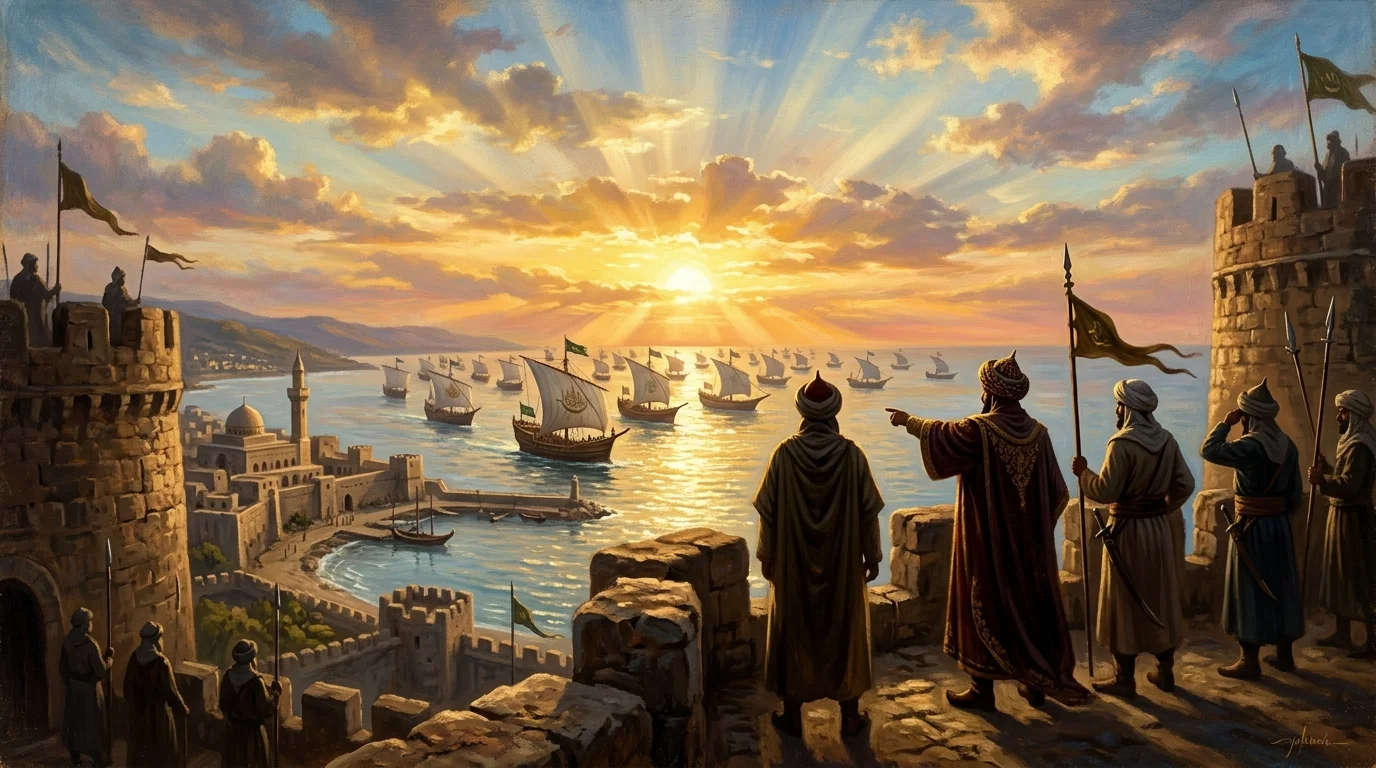
Scene 9
The Riddle of Hostility and the Constantinople Promise
Why so fierce an attack on Yazid? The author argues that distorting him distorts all Islamic history: Yazid continued his father's jihad, opening Tibet and Turkestan, homeland of the later Ottomans. He then asks about the army the Prophet ﷺ prayed for and the aged Companion martyred at Constantinople's walls.
These are English scene notes. The full chapter text, as the author wrote it, is in the app.