


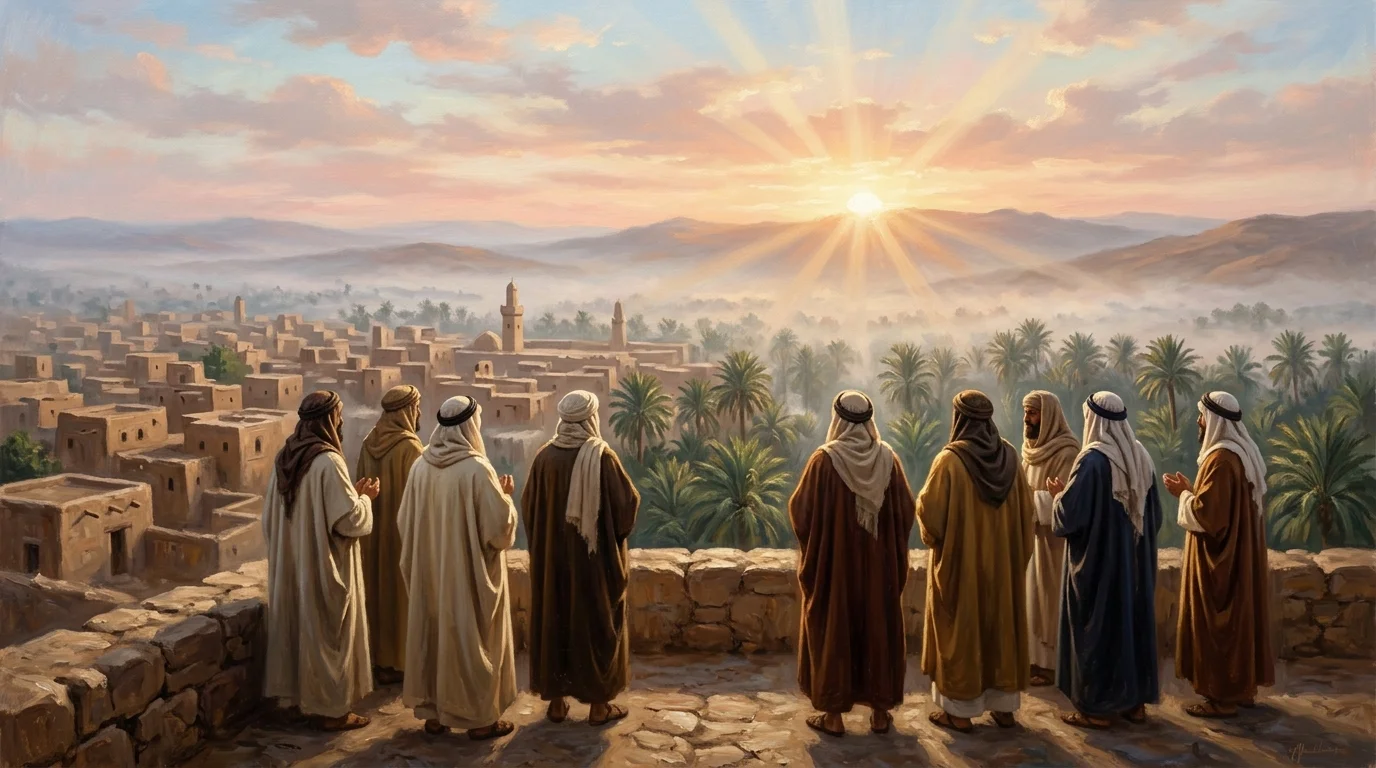
Scene 1
Prophetic Opening: A Master Who Reconciles the Nation
The chapter "The Fifth Rightly Guided Caliph" opens with the Prophet's ﷺ words, "This son of mine is a master; perhaps Allah will reconcile through him two groups of Muslims," and al-Hasan's: "By Allah, I see Muawiyah as better for me than these who claim to be my Shia; they sought to kill me!" The author expects "a raging sea of hypocrites", says Shia scholars would cut him to pieces and throw his flesh in the streets of Tehran, Qom and Mashhad for exposing "the history of their filthy betrayals", and calls the tomb-profiting Sufi orders the Shia's "fifth column".
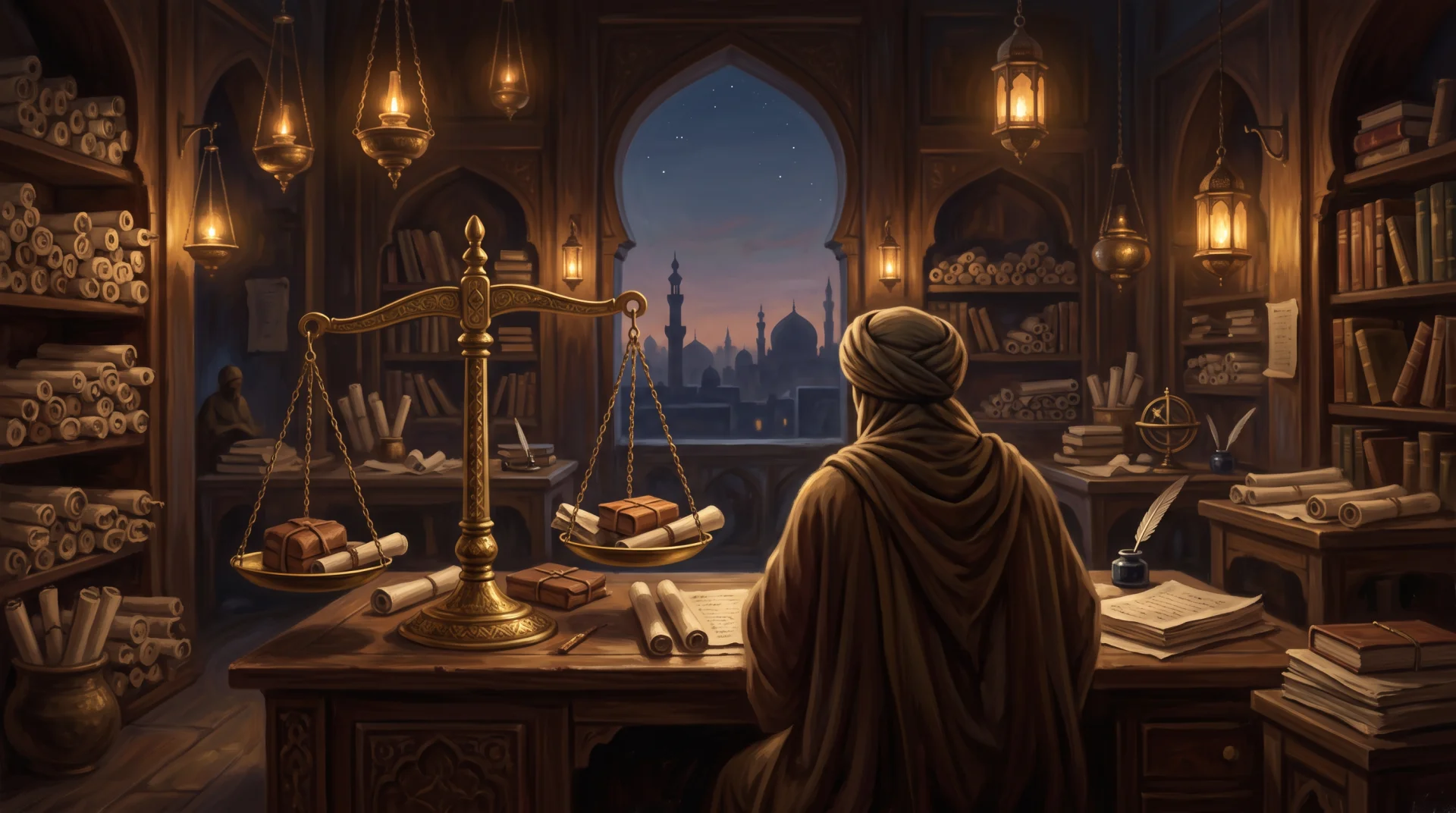
Scene 2
The Title of Fifth Rightly Guided Caliph Under the Microscope
The author says the title is the heart of the matter, not a side issue. Giving it to Omar ibn Abd al-Aziz is a truth used for a false end: he was a model of justice and asceticism, yet the best Umayyad ruler was Muawiyah, the Prophet's Companion and scribe, as Ibn al-Mubarak's saying affirms.
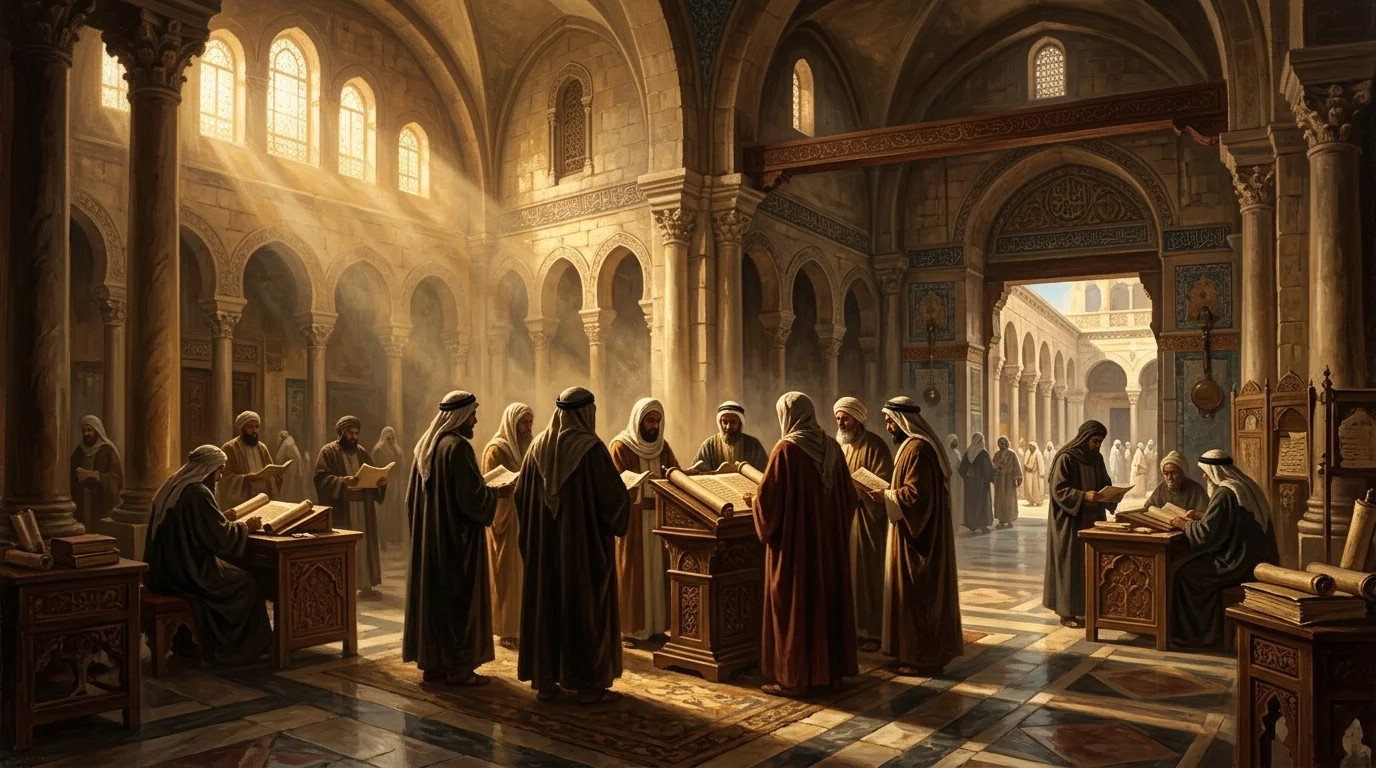
Scene 3
Clearing the Pulpit of Damascus and Umayyad Myths
The truth the "invaders of history" want ignored, the book says, is that Umar ibn Abd al-Aziz was simply one caliph of the great Umayyad state. It calls the claim that he stopped the cursing of Ali from mosque pulpits, supposedly spread by the Umayyad caliphs, "by Allah a slander and injustice" from "these forgers", and an attack on the Companions and Successors. The Shia use such fabricated narrations to convert Sunni youth; the author says he himself nearly became Shia, and might then have written "The Hundred Accursed of the Nation of Islam" instead.
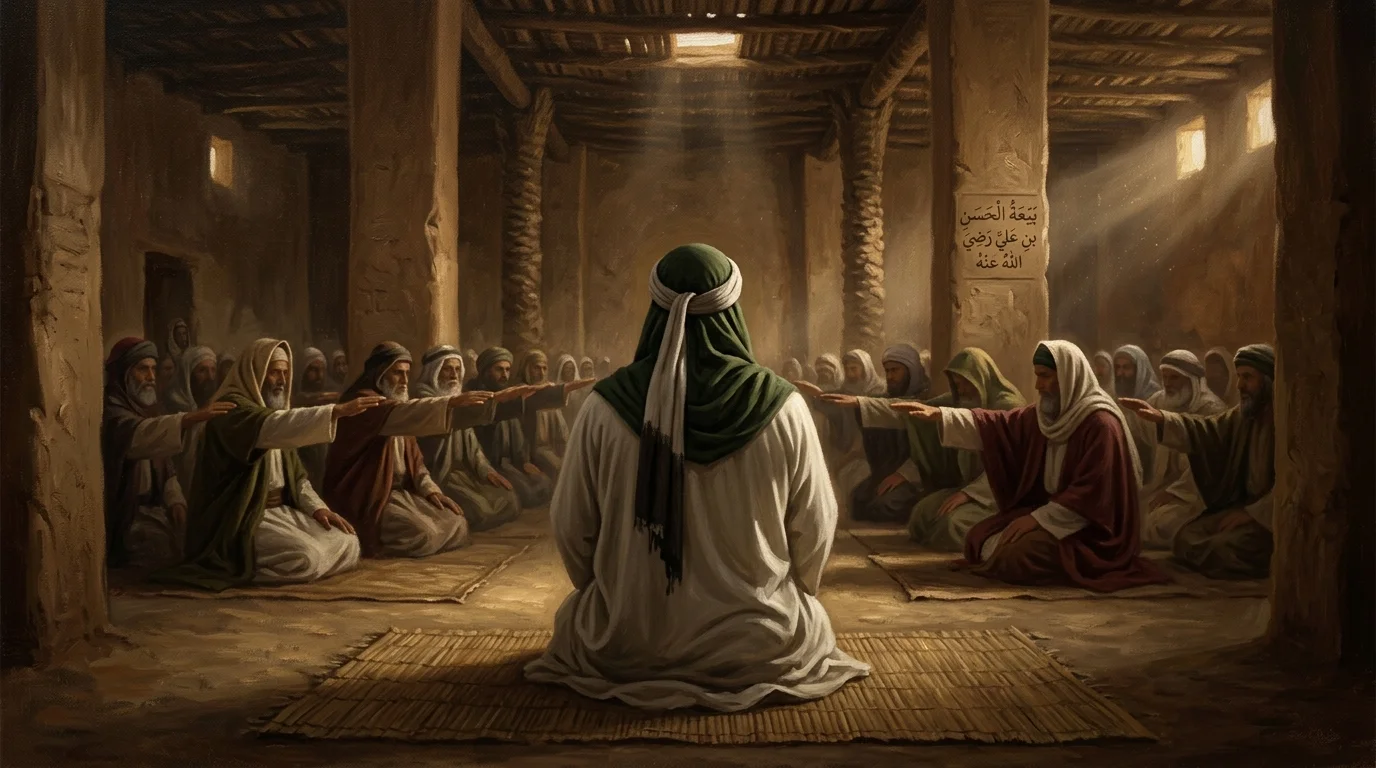
Scene 4
The Fifth Rightly Guided Caliph and the Thirty Years
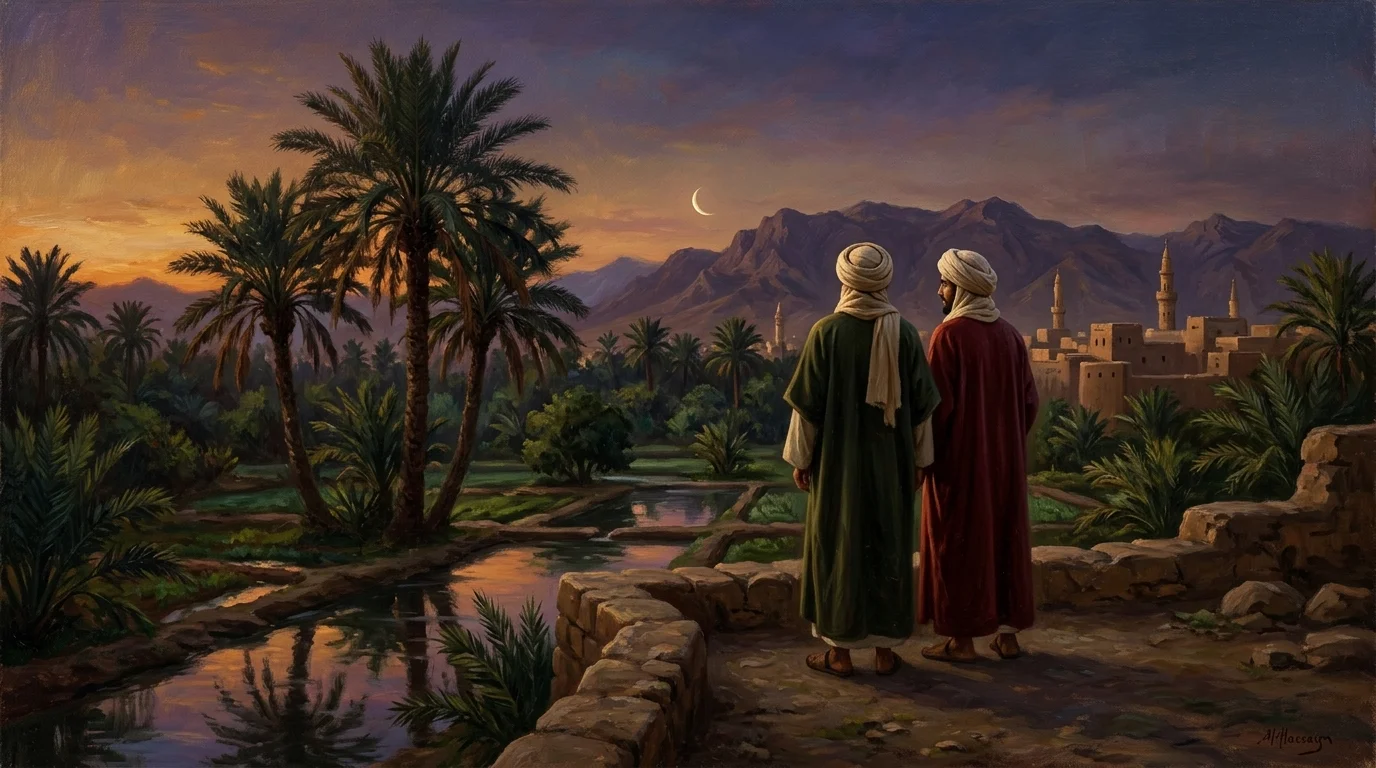
Most importantly, the Prophet ﷺ said the caliphate after him would last thirty years, and those years ended the day al-Hasan ibn Ali stepped down after six months as caliph. He is therefore the fifth Rightly Guided Caliph; if a sixth is named among the Umayyads, the author says, Muawiyah has the better claim.
Scene 5
The Prophet's Sweet Basil, Master of Paradise's Youth
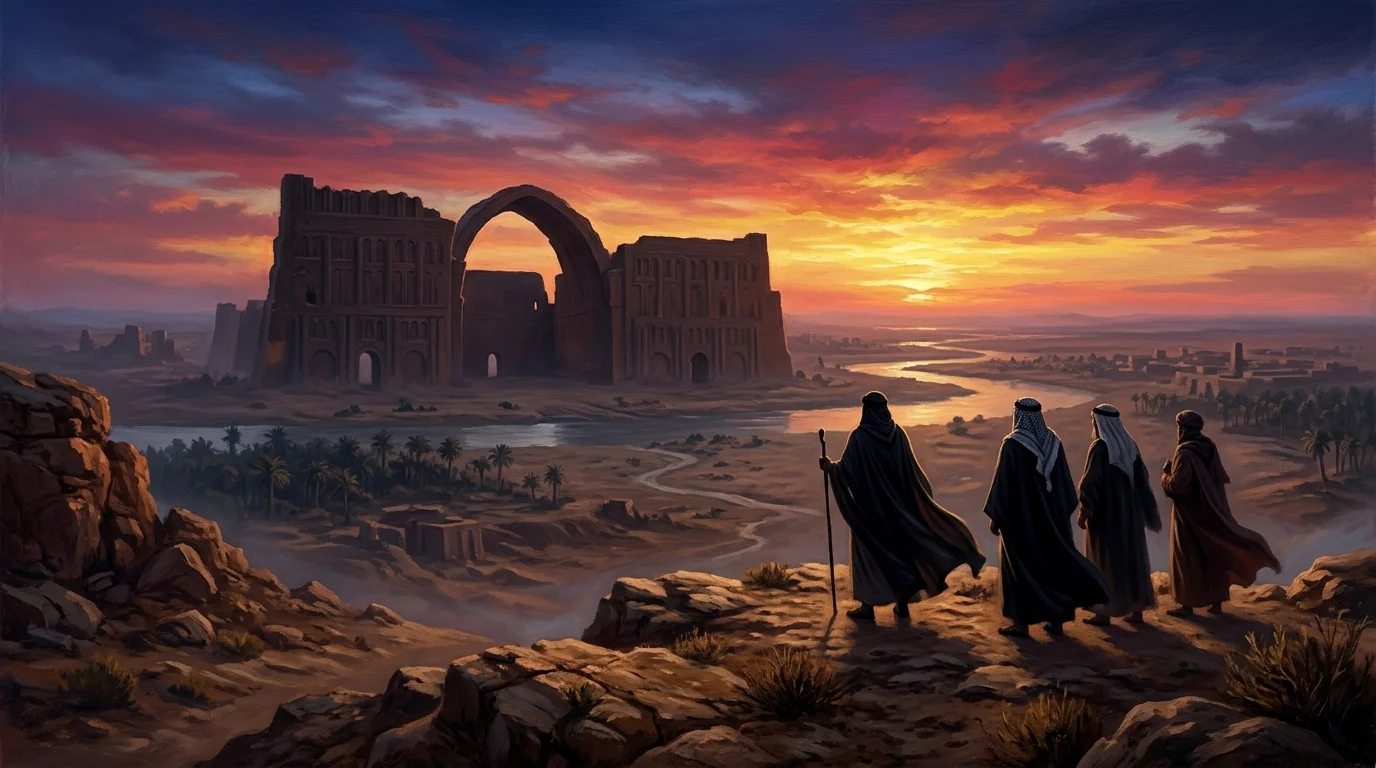
Comparing the Prophet's two grandsons, the author holds al-Hasan the greater: the hadith calling him a master who reconciles two Muslim groups is his alone, and Ali appointed him. Both are masters of the youth of Paradise. Historically, al-Hasan gave up an empire stretching from China to the Maghreb, a rare act in human history.
Scene 6
Roots of Division, Khosrow's Kin and the Man of Peace
Why do the Shia glorify al-Husayn and not al-Hasan? First, the book answers: "the Shia religion is a Persian religion par excellence": the Imams descend only from al-Husayn's Persian wife Shah-i Zanan, daughter of Khosrow Yazdegerd, "king of the Magians". It cites al-Tabarsi's al-Najm al-Thaqib that the Mahdi is named "Khusraw Majus", saviour of the Magians, and al-Majlisi's Bihar al-Anwar (53/163-164), and says the Mahdi will kill all Arabs and dig up Umar's and Aisha's graves. Second, al-Hasan was a man of peace, rejected by "the descendants of the devil Ibn Saba"; his pledge to Muawiyah topples their doctrine.
Scene 7
Betrayal at al-Mada'in and the Wound in the Imam's Thigh
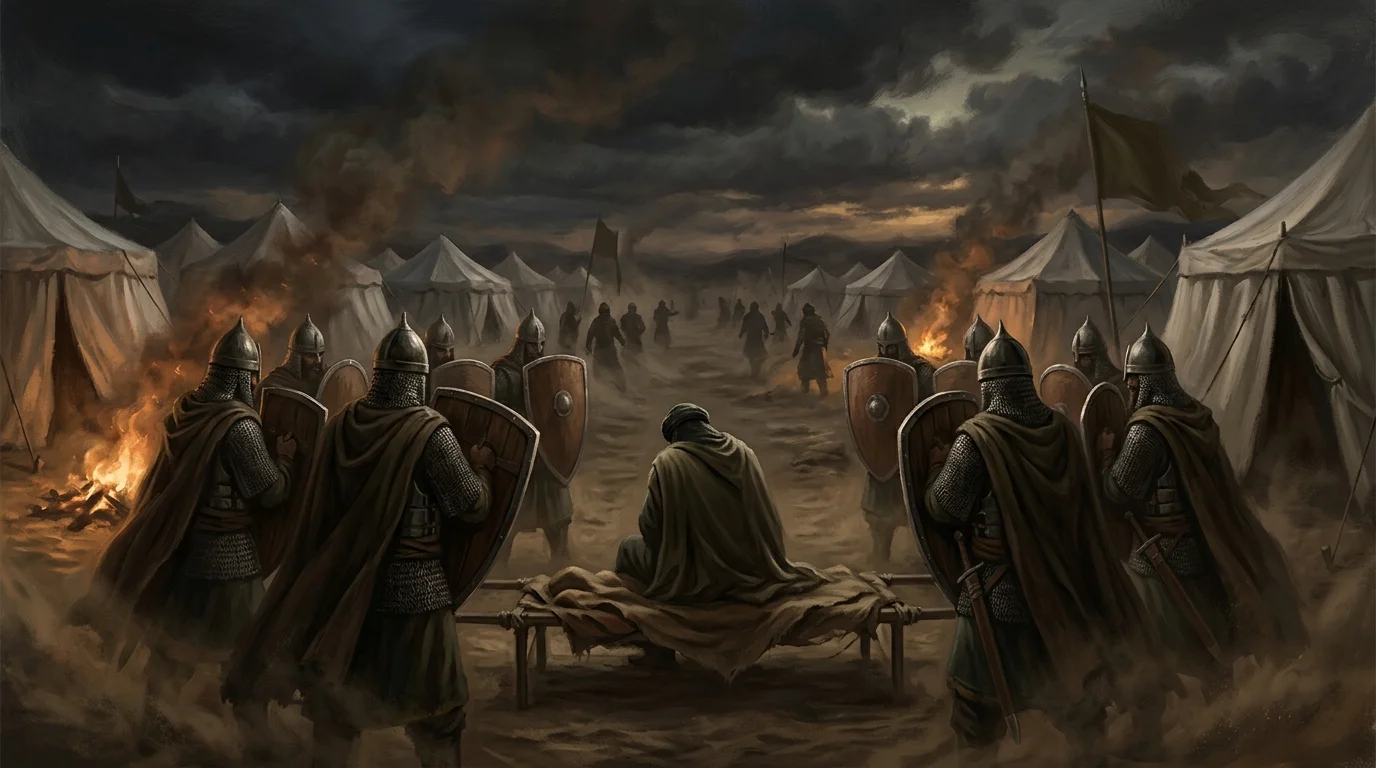
Al-Hasan opposed the war from the start, holding that the group that withdrew from the strife, led by Sa'd ibn Abi Waqqas, Abdullah ibn Umar and Muhammad ibn Maslama, was right. Muawiyah secretly proposed peace. Then "the Shia of the people of Iraq returned to their nature of betrayal": they attacked his pavilion and looted his belongings, "those traitors" even snatching the rug beneath him, and stabbed him, while al-Mukhtar ibn Abi Ubayd thought to chain him and hand him over for money. Al-Hasan realised he was among "a filthy group of traitors and criminals from the Shia of Iraq".
Scene 8
The Year of Unity and the Pledge to Mu'awiyah
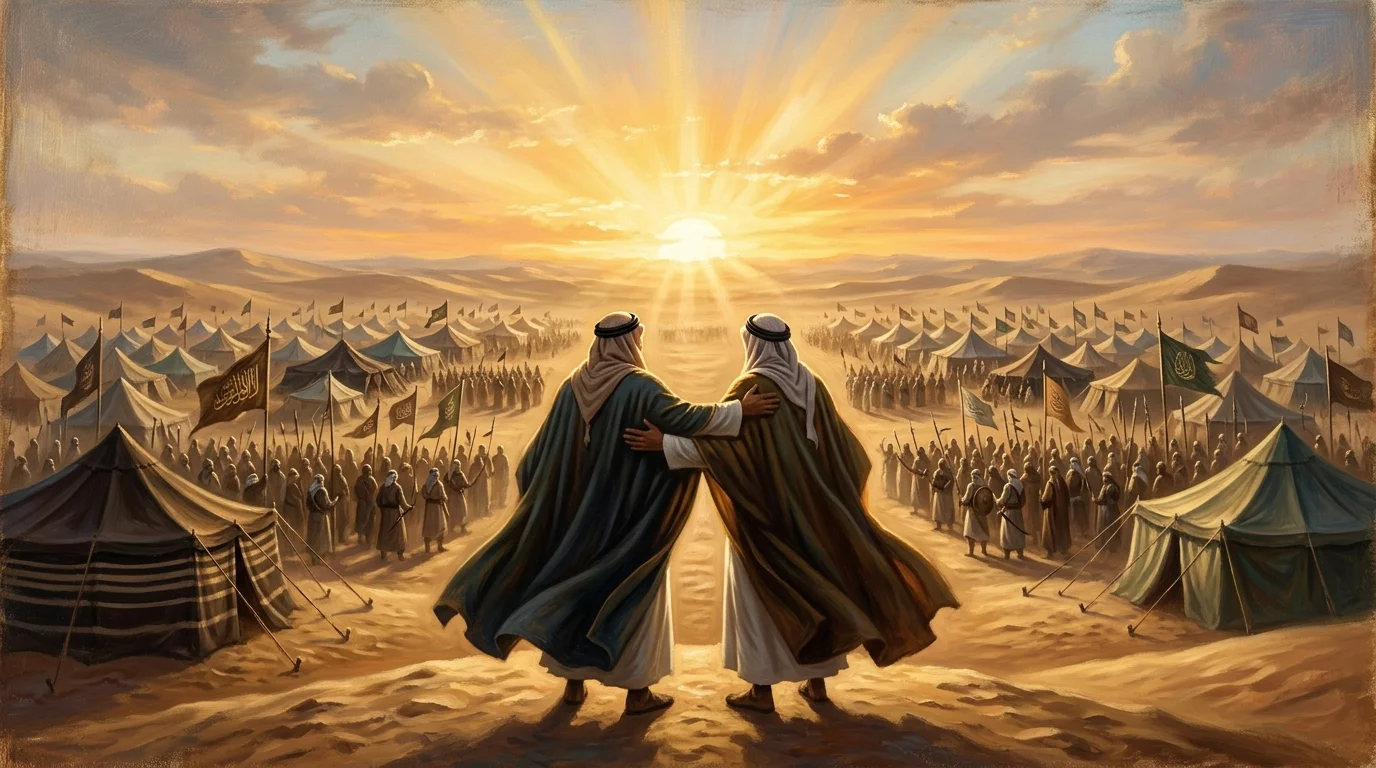
The book quotes al-Hasan: "I see Muawiyah as better for me than these who claim to be my Shia; they sought to kill me... O people of Kufa, for three things I would turn from you: your killing my father, your stabbing my thigh, and your plundering my baggage." Realising he was among "a filthy group of traitors and criminals", he hastened to make peace with Muawiyah, giving up an empire from China to Morocco, after Ibn Saba's followers had halted the conquests for five years. But did the Shia change "their filthy nature of betrayal"? To be continued.
These are English scene notes. The full chapter text, as the author wrote it, is in the app.