


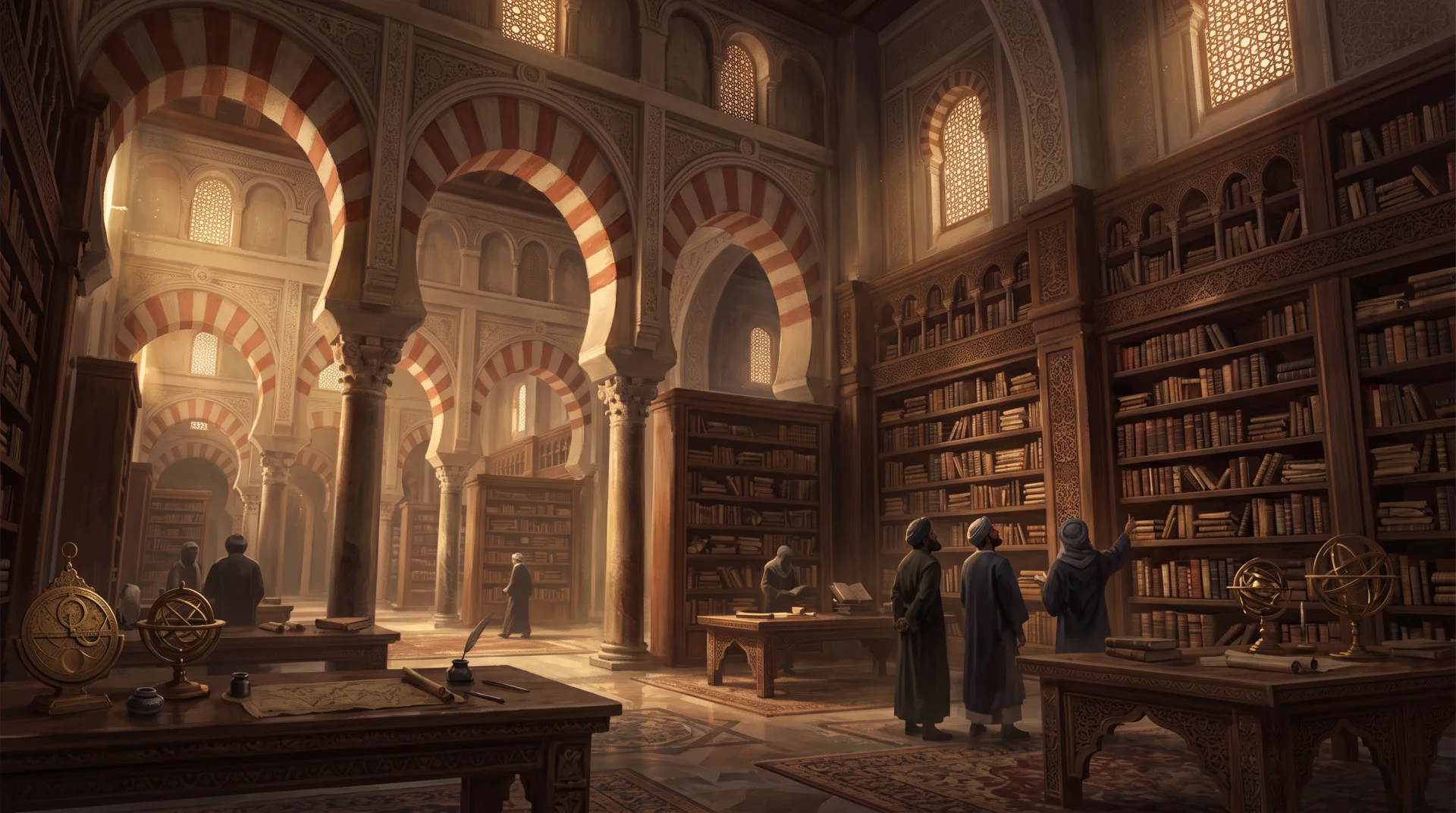
Scene 1
Prologue: Fair-Minded Testimonies to Islamic Civilization
Under the heading "the first astronaut in history", the chapter opens with four quotations in praise of Islamic science, attributed to Romain Rolland, Leopold Weiss, Briffault and Sigrid Hunke. They say that science in Islam was never separated from religion, which inspired and drove it, and that Western civilization is indebted to the Muslims for its merits in science, art and industry. Briffault's words go further: Western science owes its very existence to that of the Arabs.
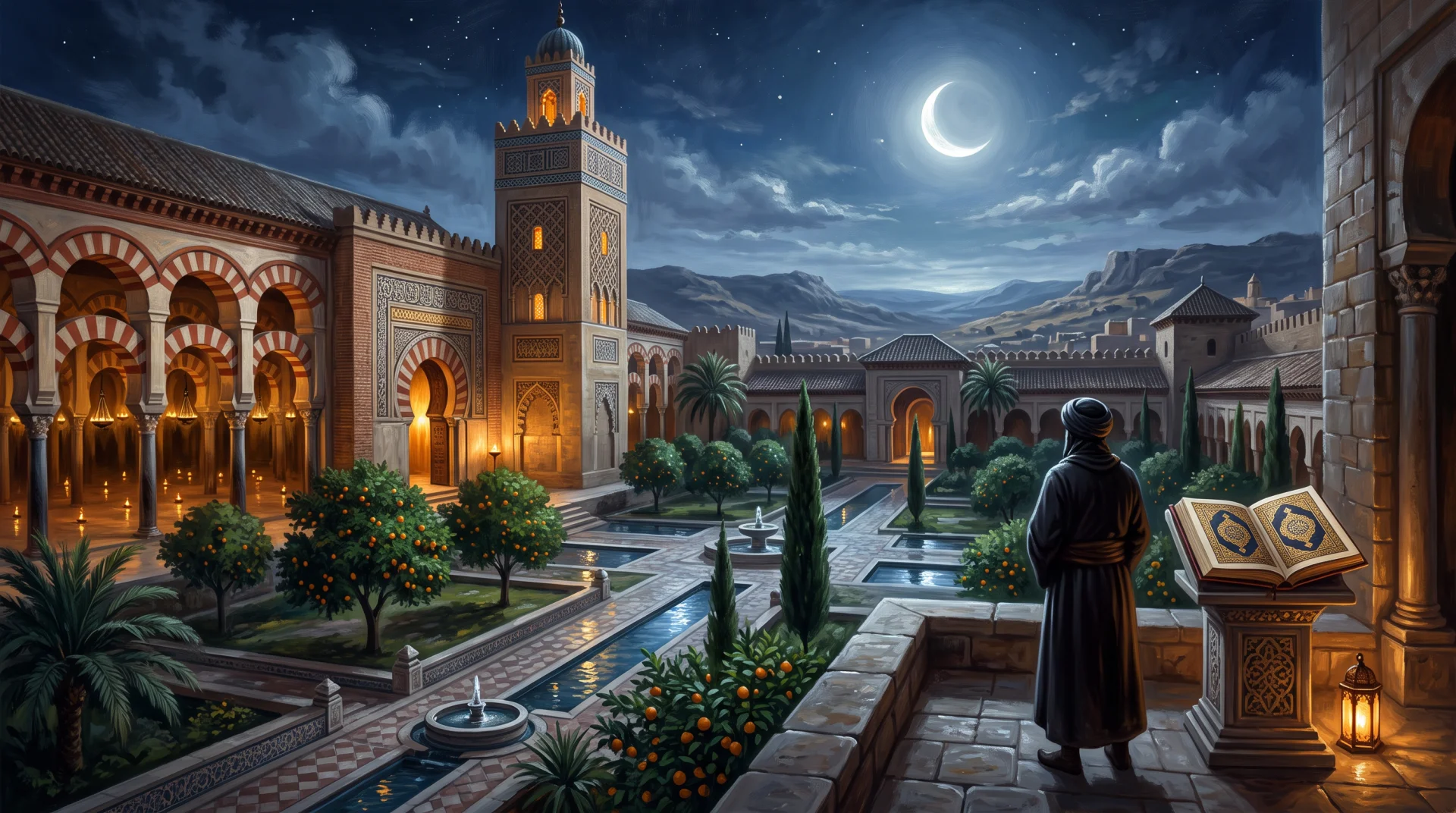
Scene 2
Western Voices Calling for a New Revival
Three more quotations follow. The one attributed to Wells points to the Quran's scientific outlook and social laws and declares that Islam is civilization. Renan's asks whether the fertile Muslim mind may yet create civilization again, noting that Europe too was in decline before it rose, and the last urges Muslims, while their holy book and their Prophet's teachings remain with them, to return to the past in order to build the future.
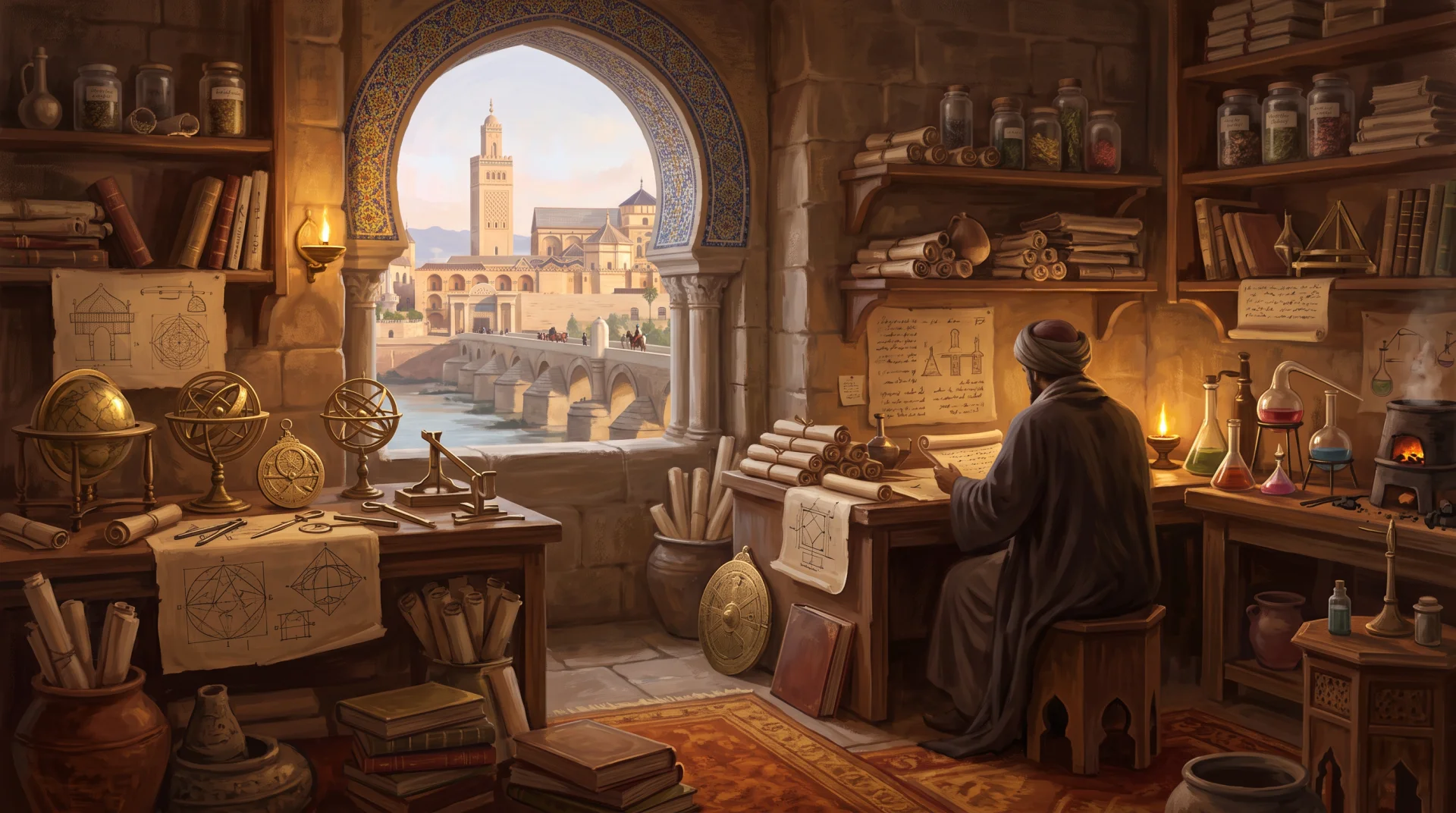
Scene 3
Abbas ibn Firnas: The Berber Scholar of Many Talents
The author says Abbas ibn Firnas may be one of the main reasons he wrote the book, because his story sums up the whole tale of Islamic civilization. This Berber scholar emerged in al-Andalus and, like the other scholars of Islam, excelled in everything. He was not only the first astronaut in history but also an eloquent poet, a devout jurist, an astronomer, physician, pharmacist, mathematician, chemist, physicist, philosopher, grammarian and inventor.
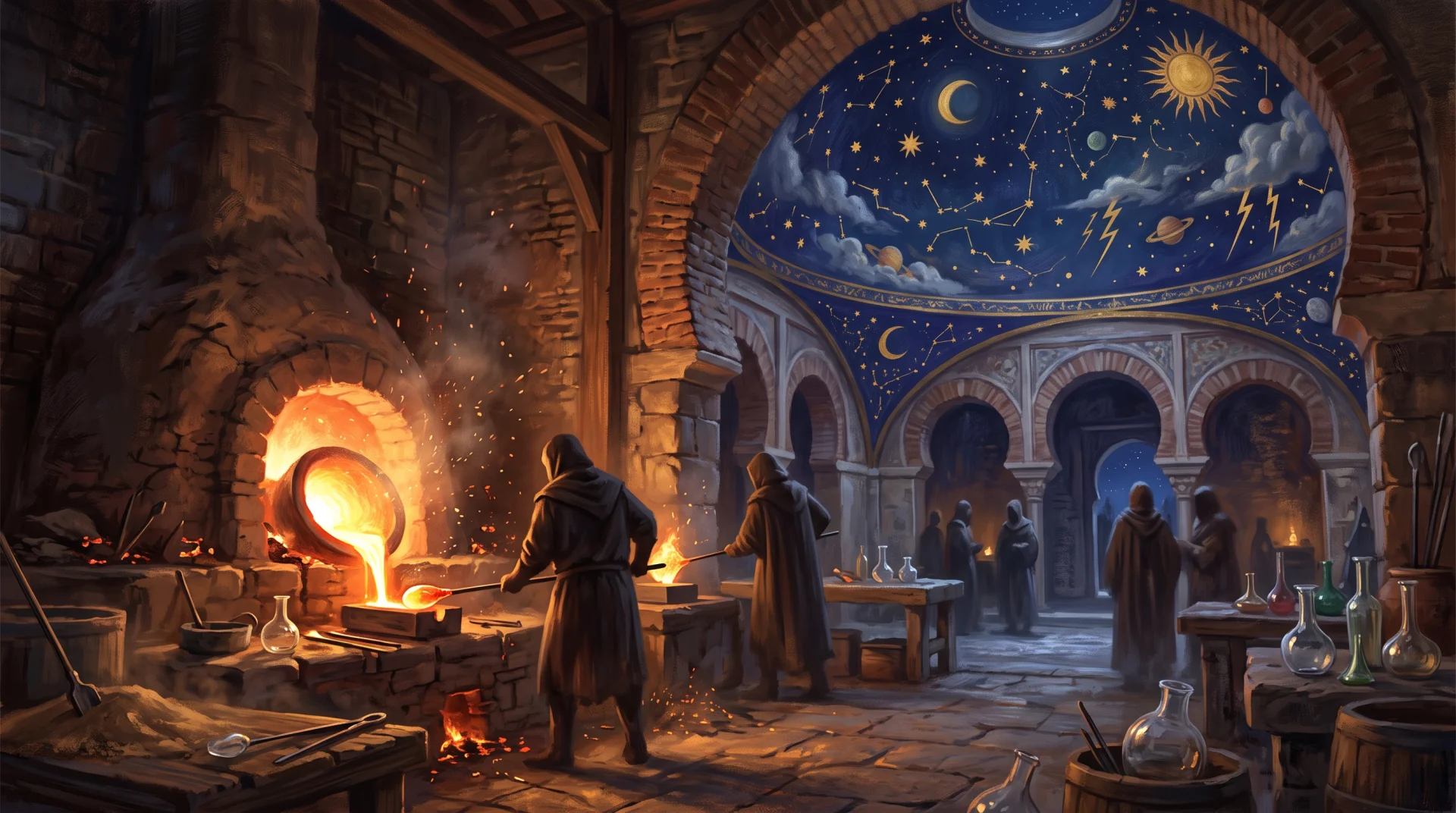
Scene 4
Glass from Sand, a Sky from a Dome
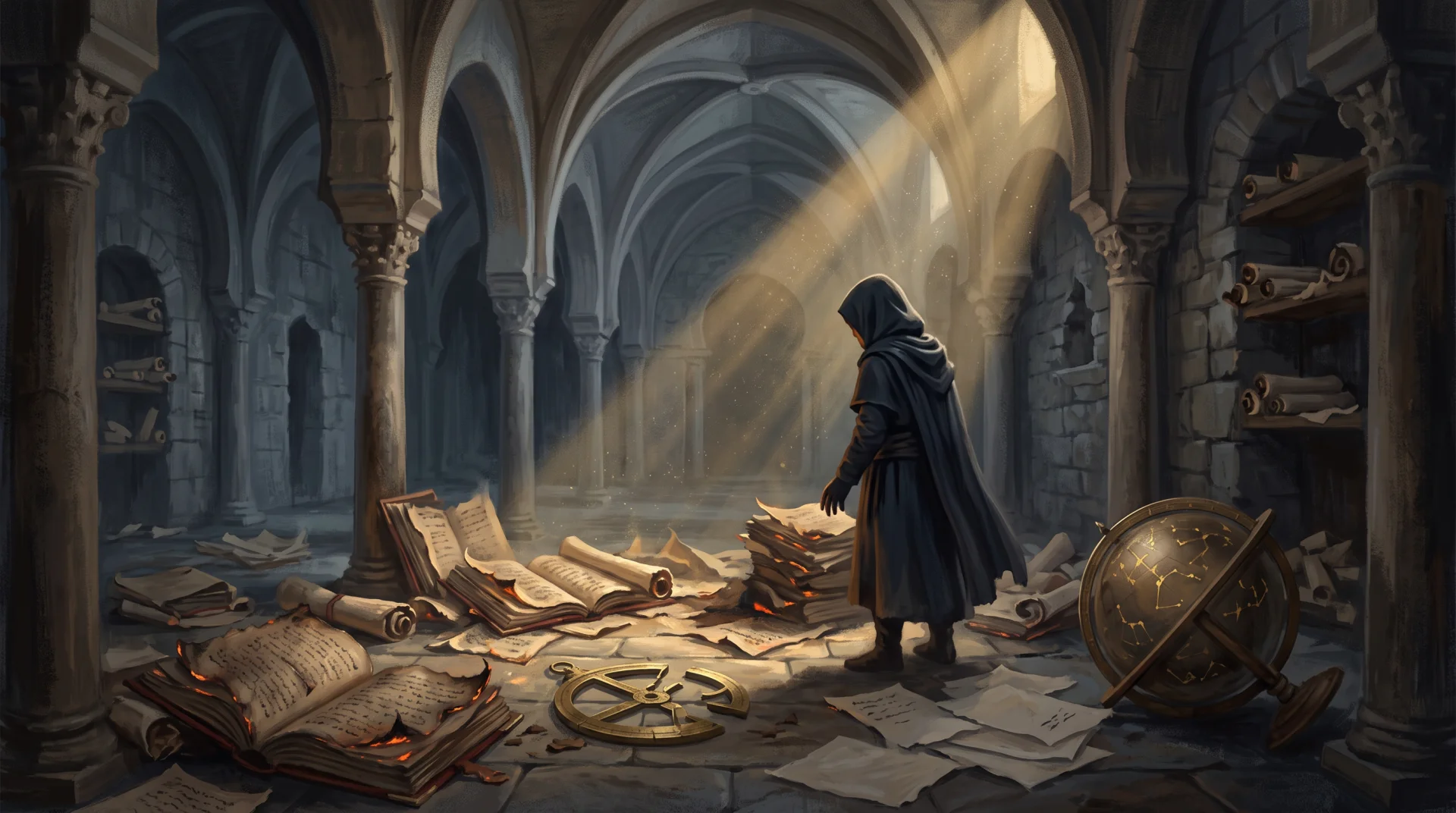
Ibn Firnas was the first person in history to devise the making of glass from stones and sand. He also invented the minqala, an instrument for measuring time, and the armillary sphere, an instrument for astronomical observation. The ceiling of his house was a wondrous dome he designed in the likeness of the sky, with its stars, clouds, lightning and thunder, the sun, the moon and the planets, as al-Zirikli and other historians and biographers relate.
Scene 5
The Historical Invasion: A Distorted History, a Buried Truth
For the author, the most important thing about the story of Abbas ibn Firnas is that it encapsulates the theory of the "historical invasion". The history of this brilliant Muslim scholar was distorted and falsified to a frightening degree, so much so that the great scholar was turned into a mere madman.
Scene 6
Soaring over the Skies of Cordoba
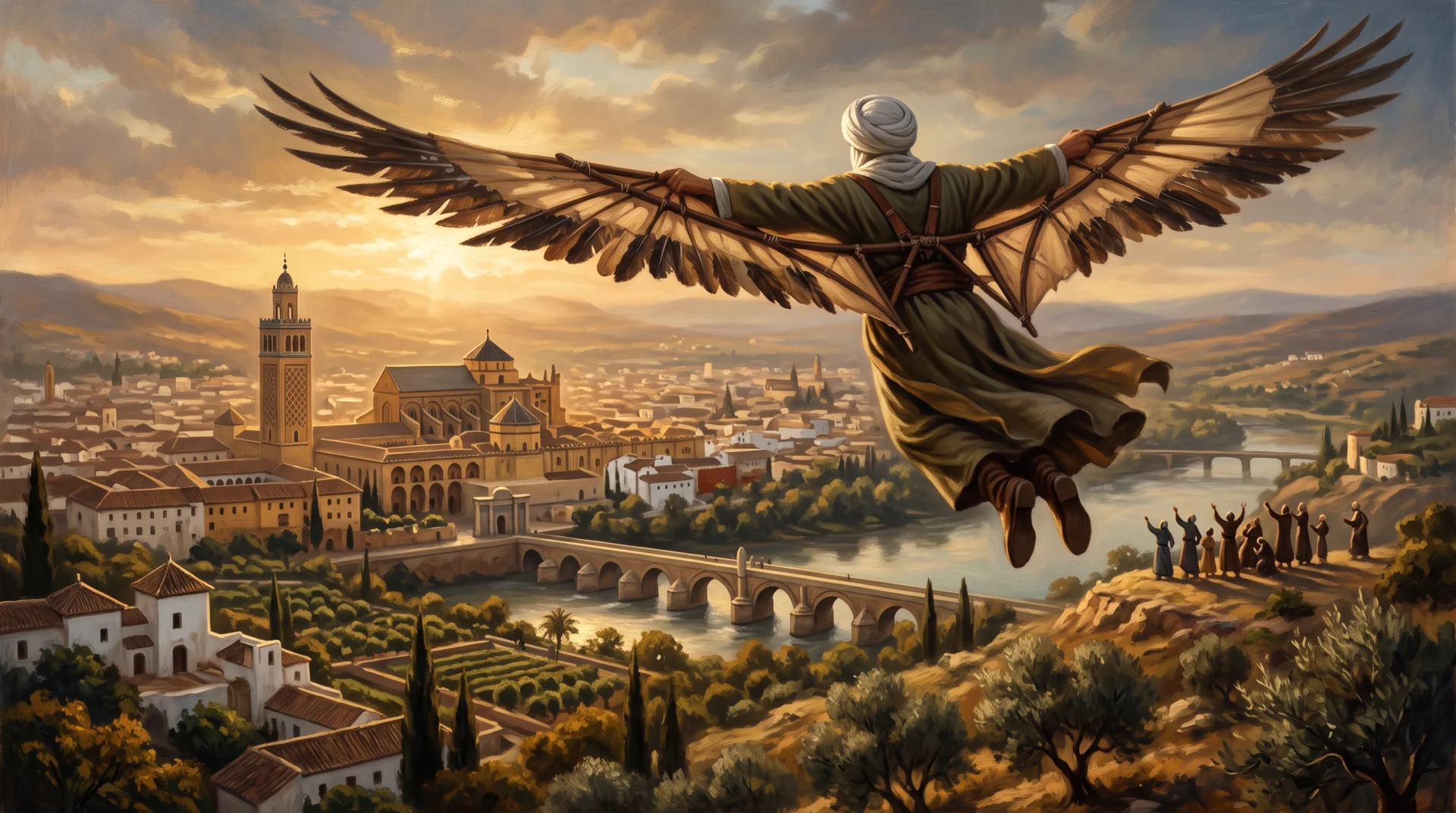
The author stresses that Abbas ibn Firnas succeeded in flying: he soared over Cordoba and came down to the ground without dying, contrary to what was taught in schools. He says he pities the young people who are defeated within and have lost respect for themselves. Yet he does not blame them alone; he lays the blame on the scholars who neglected the historical side of Islamic civilization.
Scene 7
The Great Deception and the Falsifying of Human History
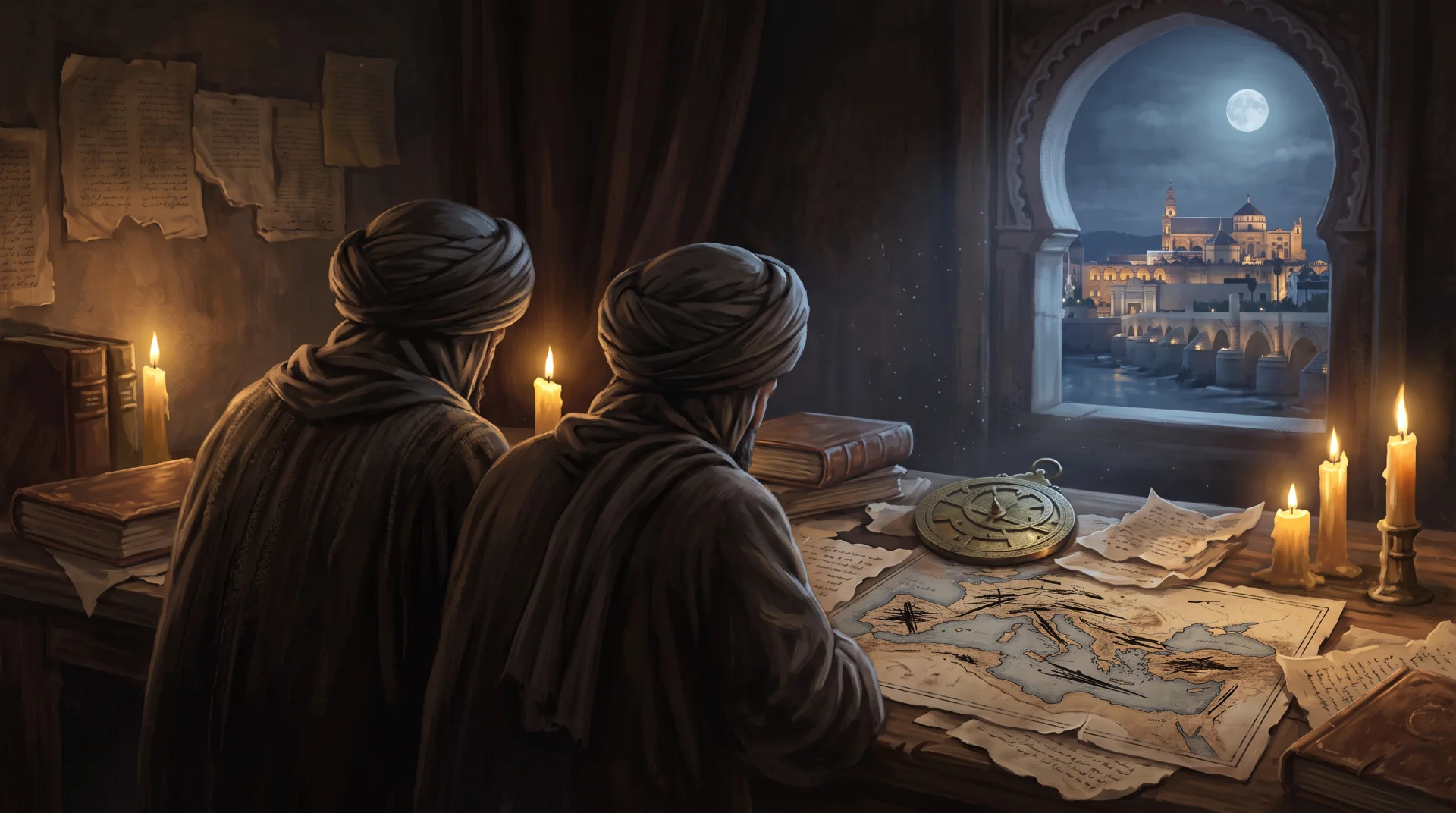
The author announces that the story of the next hero will be used to show the scale of the great deception in which he and the reader live. It will reveal how dreadfully history has been falsified: the history of humanity in general, and before that the history of Islam in particular.
Scene 8
Sailing for Marmara: A New Hero in Gallipoli
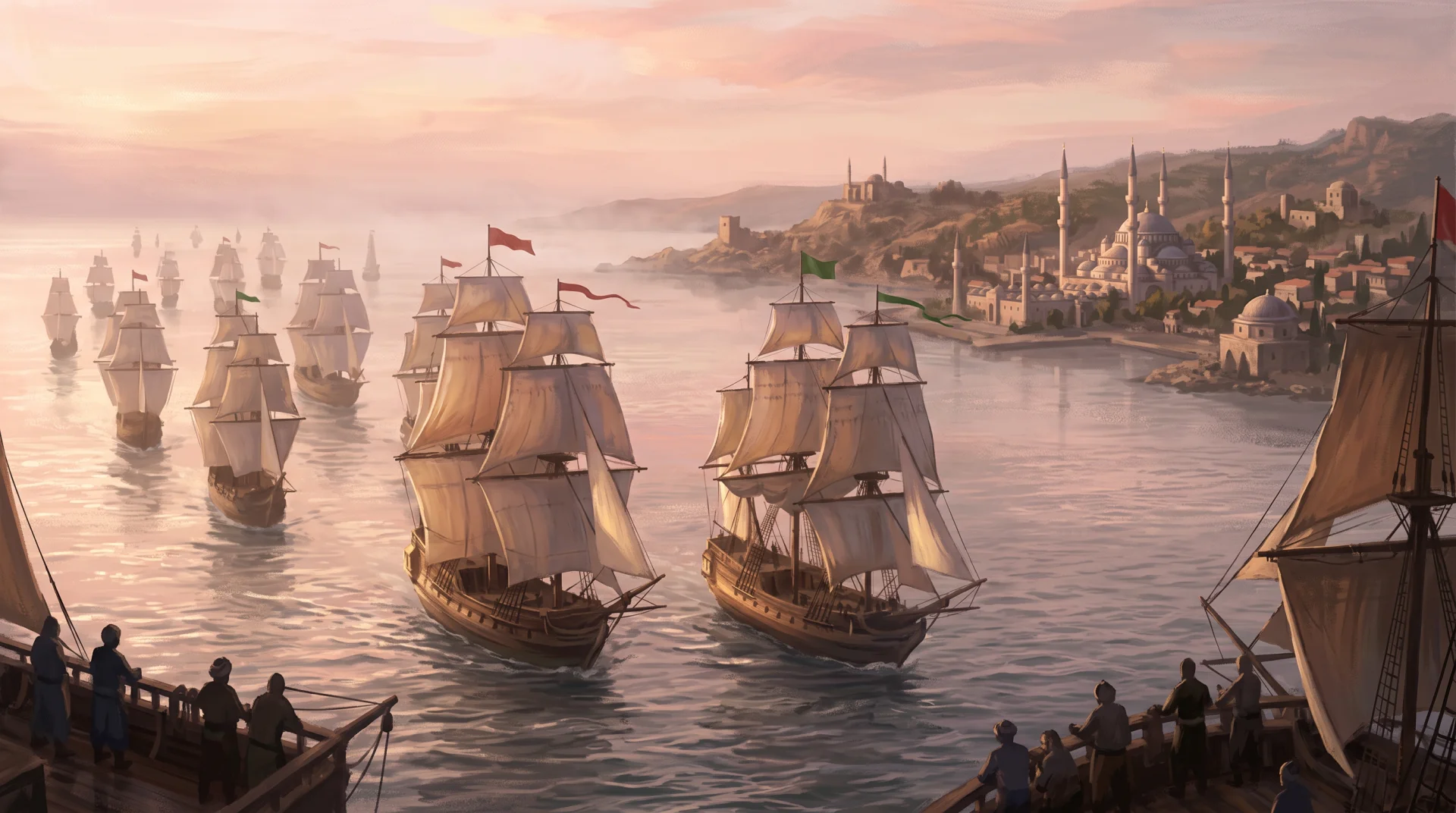
If you believe Christopher Columbus discovered America, the author says, step down from Ibn Firnas's aircraft and board the ship of Islamic history. Together author and reader sail to the Sea of Marmara, towards Turkey, and drop anchor in the harbour of a Turkish city called Gallipoli, where the next great figure was born.
These are English scene notes. The full chapter text, as the author wrote it, is in the app.