


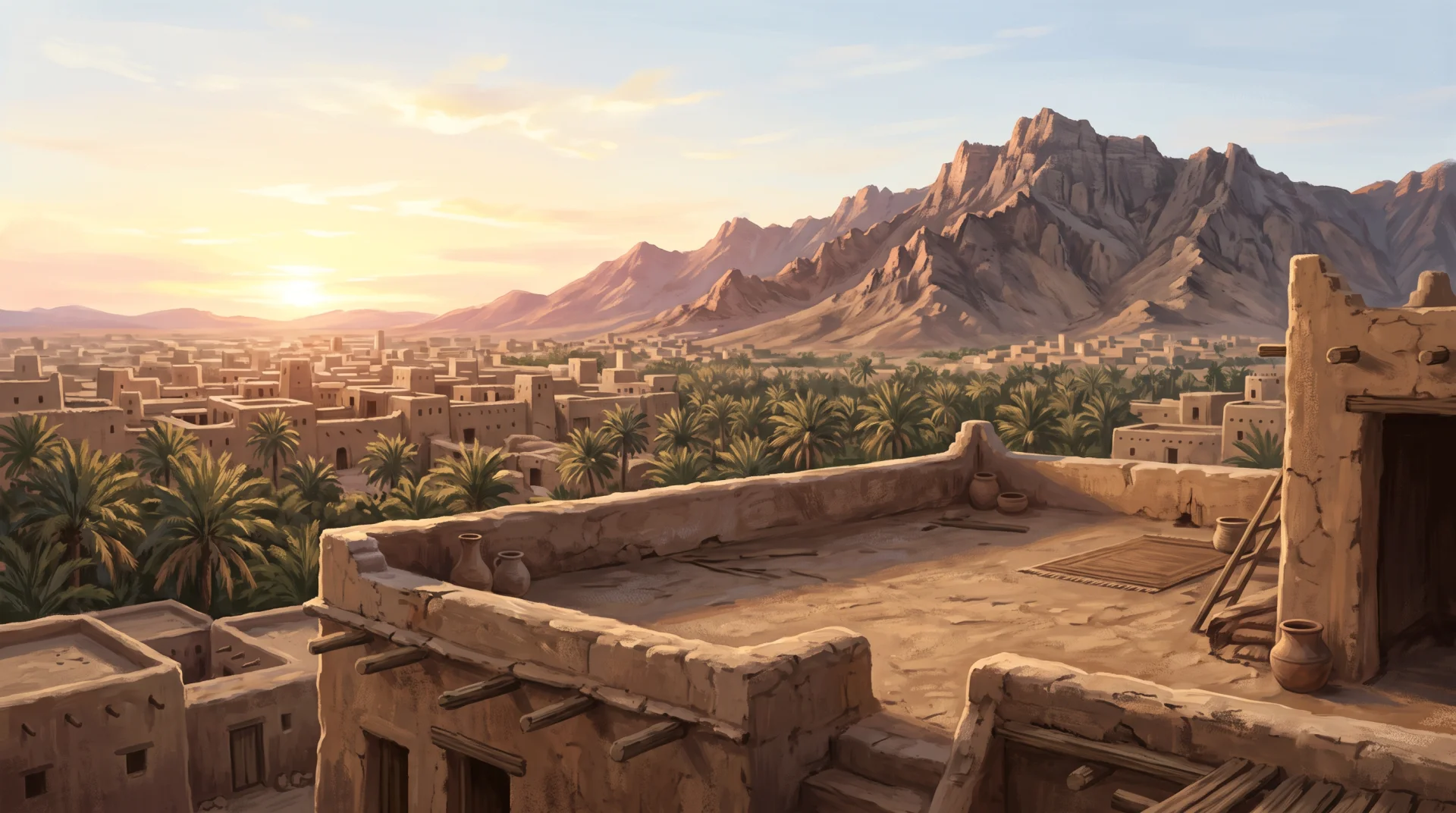
Scene 1
The Three Who Stayed Behind
The chapter opens with the verse «and upon the three who were left behind», its title, and the words of Ka'b ibn Malik: after fifty nights since the Messenger of God forbade speaking to them, he heard at dawn a shout from Mount Sal' telling him to rejoice, and he fell down in prostration.
Scene 2
The History of Islam Is Older Than the Mission
The author says the book covered the Tatars, the history of Andalusia, the story of the great discord, the hidden story of Islam in America, and the Shia and their betrayals, and tried to show the different states of Islam. But he thinks the most important story in it is the story of Islam itself. In his view many historians wrongly start Islam's history with the revelation to Muhammad, or at the Year of the Elephant, when in fact it is as old as man: Islam as a law began with the Messenger of God, but Islam as a creed, the oneness of God, came before him, and there were Muslims among the Arabs before the mission, Arian Christians, Pharaoh's wife, the Companions of the Cave and the believers of Thamud. Islam is the history of humanity, not a history within it.
Scene 3
The Beginning of the Crusades
In this wider view, the author says, it is wrong to date the Crusades from the Clermont council of 27 November 1095; their real beginning was 20 May 325, the Council of Nicaea, where the Crusaders declared war on the monotheist Muslims led by the priest Arius, who rejected its decisions. For the nation of Muhammad the Crusade began in the seventh year of the Hijra with the Messenger's letter to Heraclius; the first martyr was the Roman archbishop Sughatir, killed as soon as he became Muslim. The Christians answered the Prophet's peaceful call by killing his envoy, then an army of 200,000 Christian fighters betrayed a small Muslim force of 3,000 who had not gone to fight the Romans, and the three knights fell at Mu'ta.
Scene 4
War for Twelve Companions
From that moment the Messenger of God resolved to declare total war on the Roman Empire that had betrayed the Muslims. The author asks whether he declared war on the biggest empire for only twelve Companions who fell at Mu'ta, and answers yes: they were not chained conscripts like the Persians' soldiers nor slaves like the Romans', and the Messenger is the person who best knows the meaning of loyalty to a companion, while the Companions are the best of mankind after the prophets. The author adds that he declared war on the scholars of the Rafidi Shia in his book only out of love for Muhammad and in imitation of him, since it is a shame to bury our heads in the sand while a hundred thousand Companions are cursed by the outcasts of Persia and their followers, and he will not stop unless they stop cursing the Companions.
Scene 5
The Army of Tabuk
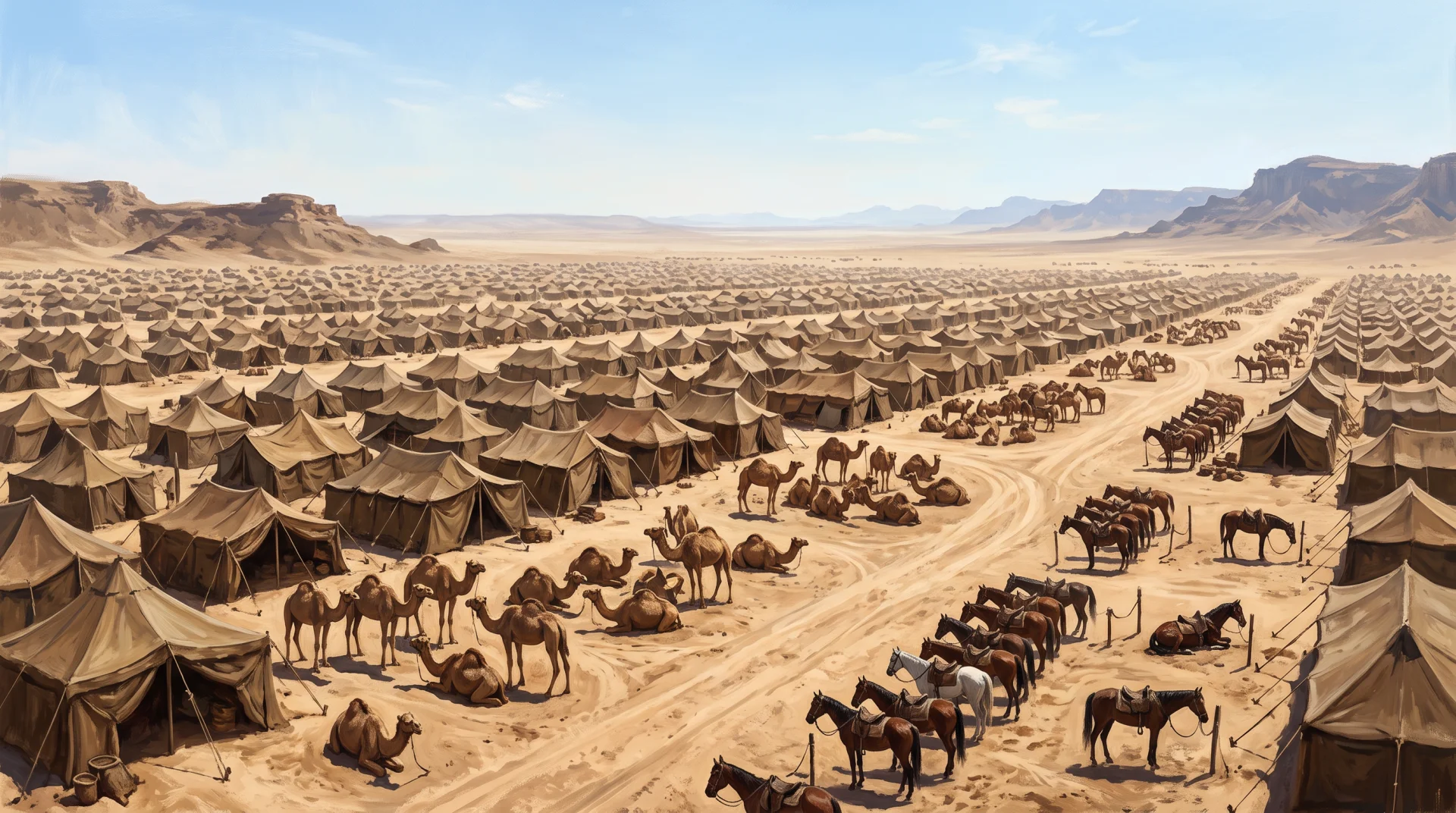
The Messenger of God mobilised an army of 30,000 fighters, the largest army the Arabs had ever assembled, and marched toward Tabuk to meet the Romans. The surprise was that the Romans fled. The Messenger stayed in Tabuk three days encamped to show the Romans that he was waiting for them without fear, but none appeared, and the Muslims won the immortal battle of Tabuk without fighting.
Scene 6
Why the Romans Fled
The author asks why the Roman emperor himself took part with nearly a quarter of a million fighters against a small force of three thousand Muslims, yet avoided fighting the Messenger of Islam who came to him on foot, even avoiding sending a battalion. He gives two answers: first, the terror that filled the Romans' hearts after the bravery of the army of Mu'ta and the three knights, since three thousand Muslims had beaten about a quarter of a million, and the army of Tabuk was ten times larger; second, from the story told by Abu Sufyan in al-Bukhari, Heraclius fully believed in the Messenger's prophethood but was stingy with his kingdom and preferred this world to the next, so when he learned the Messenger had come at the head of an army he turned his back and did not look back.
Scene 7
Ka'b ibn Malik Delays
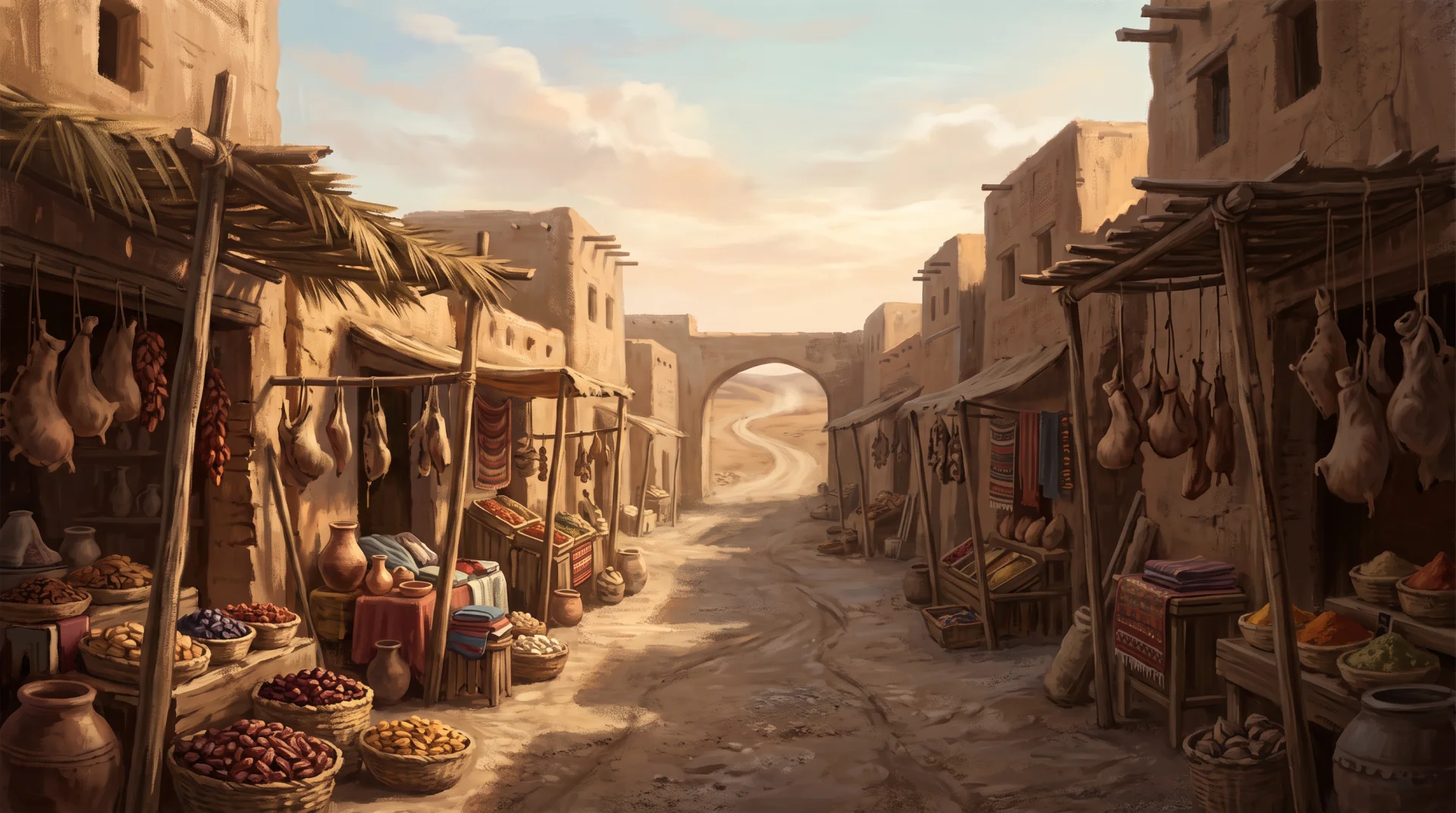
Whenever the expedition of Tabuk is mentioned, the great event is mentioned with it that Medina lived for fifty nights: the news of the three who were left behind, Ka'b ibn Malik, Murara ibn al-Rabi' and Hilal ibn Umayya. They were the only believers who stayed behind, not out of hypocrisy or cowardice but through procrastination. Ka'b tells how he had gathered two mounts and was most able to fight, yet each day said he would buy his gear tomorrow and catch up with them, until the days passed and the army had gone; walking the markets he saw only men suspected of hypocrisy or men God had excused.
Scene 8
Truthfulness and the Boycott
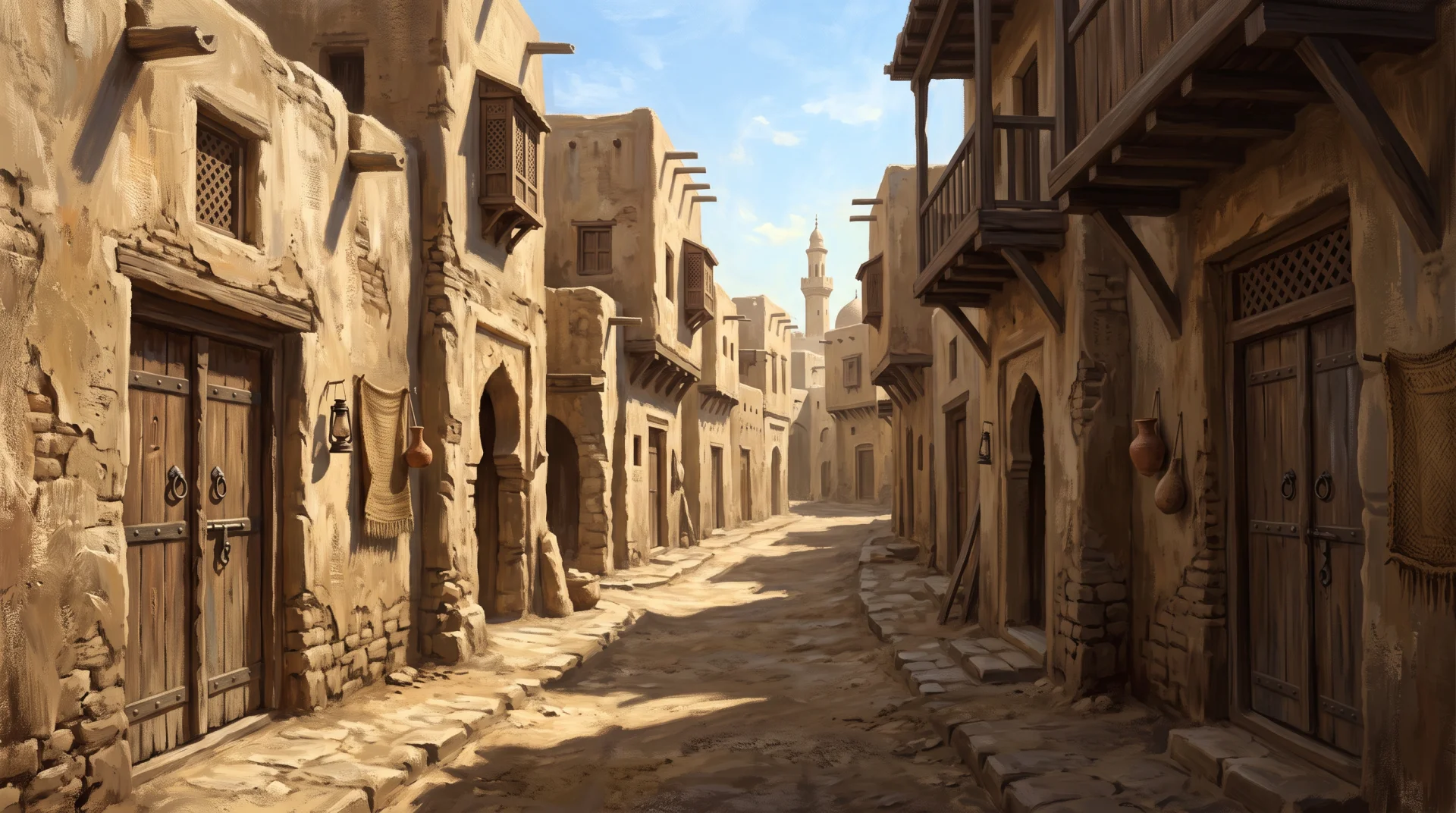
When the Prophet returned from Tabuk and sat for the people, the hypocrites among those who stayed behind, about eighty men, made excuses and swore oaths, and he accepted their outward words and left their secrets to God. Ka'b came, knew he could be saved only by truth, and said he had no excuse and had never been stronger or better off than when he stayed behind. The Prophet said he had told the truth and told him to wait for God's judgement. His tribesmen blamed him for not making an excuse, but he found two righteous men of Badr who had said the same, Murara and Hilal. People then avoided the three, even the earth seemed strange to him; his two companions stayed at home weeping, while Ka'b went to prayers and the markets with no one speaking to him, and his cousin Abu Qatada would not answer his greeting.
Scene 9
The Letter from Ghassan and the Relief
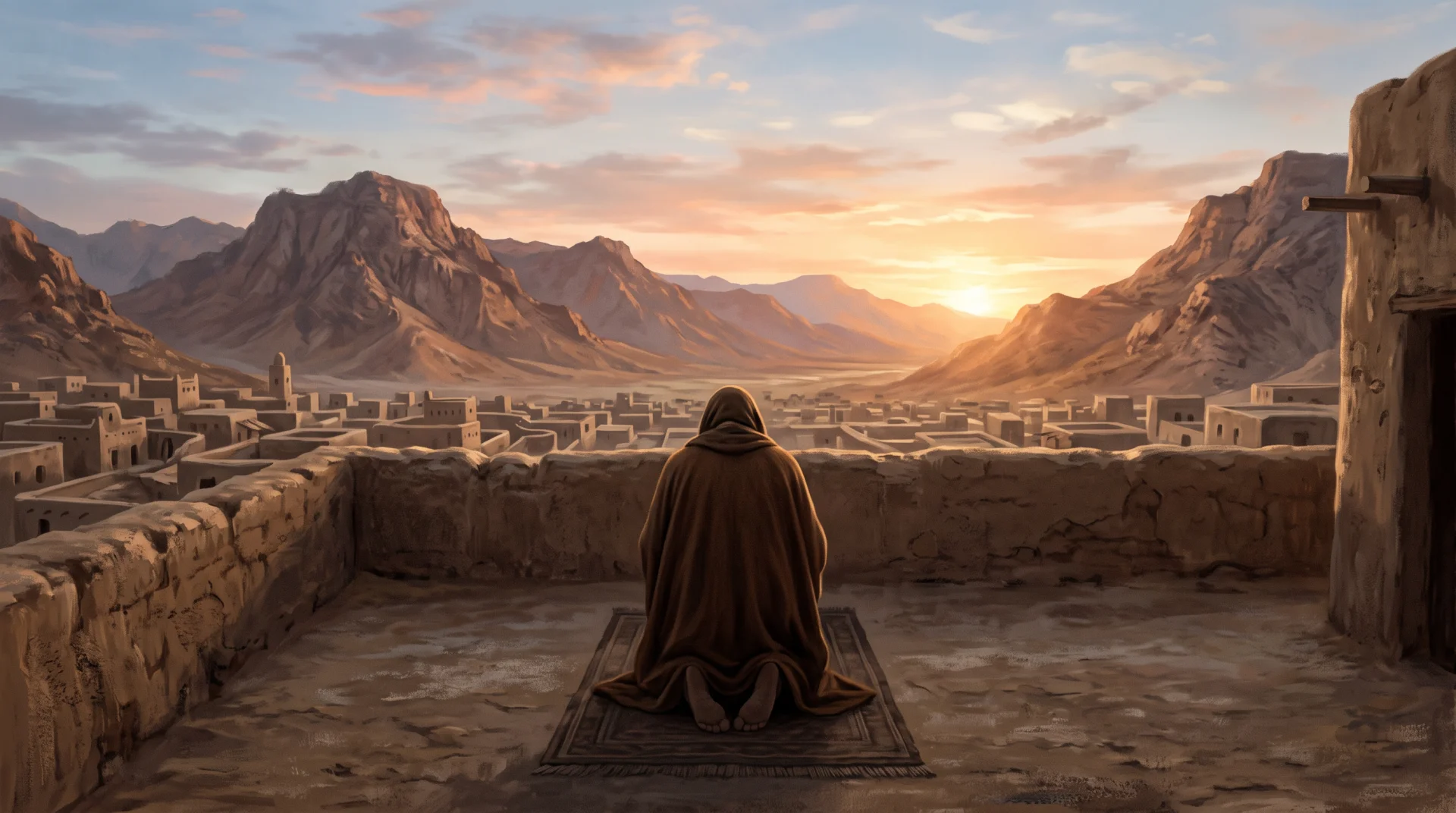
Ka'b's eyes overflowed. A Nabatean from Syria brought him a letter from the Christian king of Ghassan saying that his companion had wronged him and inviting him to join them; Ka'b took this too as a trial, and burned the letter in the oven. After forty of the fifty nights a messenger of the Messenger of God told him to separate from his wife, and he sent her to her family; Hilal's wife was allowed to serve him. After ten more nights, on the fiftieth morning on the roof of his house, with the earth narrow upon him though wide, he heard a shout from Mount Sal' telling him to rejoice, and he fell down in prostration, knowing relief had come; he gave the one who brought the good news both his garments.
Scene 10
God Accepts Their Repentance
Ka'b borrowed two garments and went to the mosque, where people met him in groups congratulating him on God's forgiveness and Talha ibn Ubaydullah hurried to shake his hand, which he never forgot. The Messenger of God, his face shining with joy, told him to rejoice at the best day since his mother bore him, and said it was from God. Ka'b said part of his repentance was to give up his wealth as charity; he was told to keep some of it, and he kept his share at Khaybar, and vowed never to speak anything but truth as long as he lived. God immortalised the story of the three who stayed behind in verses of the Quran, Surat al-Tawba 117-119. The chapter closes asking who the great Companion was who gave half his wealth to equip the army for Tabuk and founded Islamic economics.
These are English scene notes. The full chapter text, as the author wrote it, is in the app.