


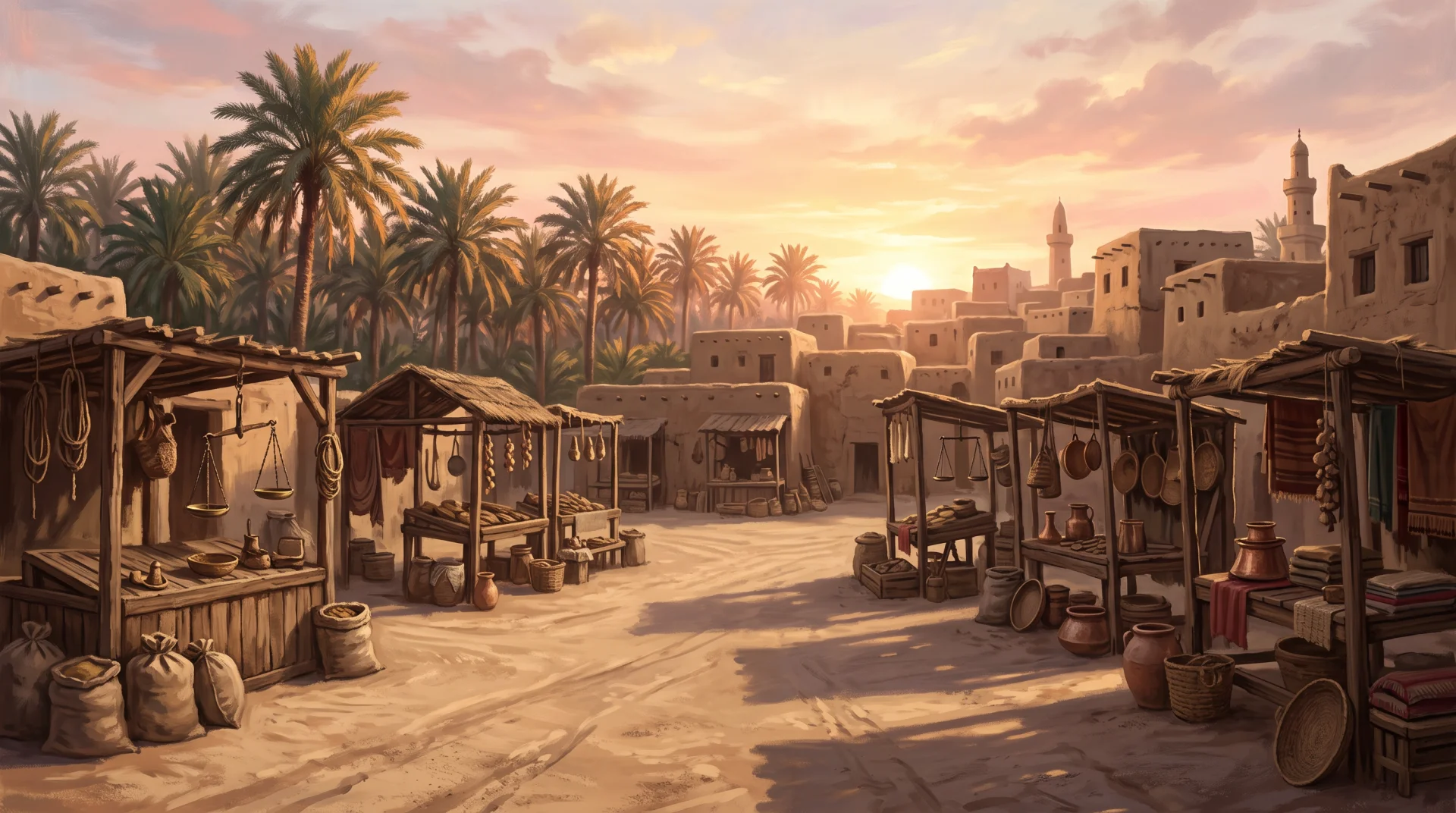
Scene 1
Show Me the Market
The chapter is titled 'The Founder of Islamic Economics' (Abd al-Rahman ibn Awf) and opens with his words: 'Show me the market!'
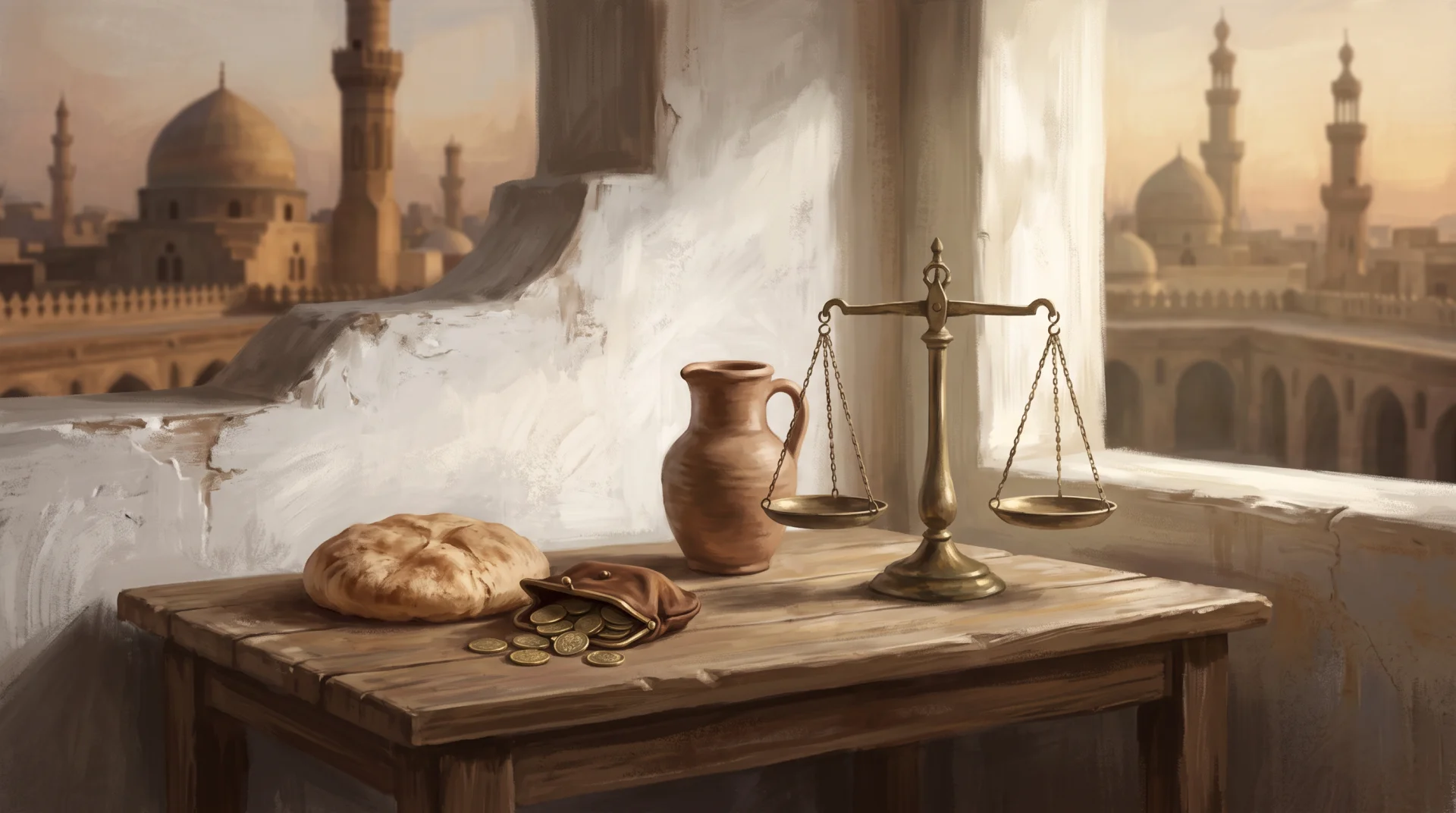
Scene 2
Islam Is the Religion of the Poor and the Rich Alike
Islam is not the religion of the poor as some think, nor of the rich as others wish: it is the religion of Muslims, of the poor and the rich alike. It is not true that you must be penniless to be pious, nor that wealth equals tyranny. The big mistake some Muslims make is to think true Islam is leaving the world and withdrawing from it; that is not how the Companions of Muhammad or the righteous predecessors who opened the world lived, for Islam needs the rich as it needs the poor.
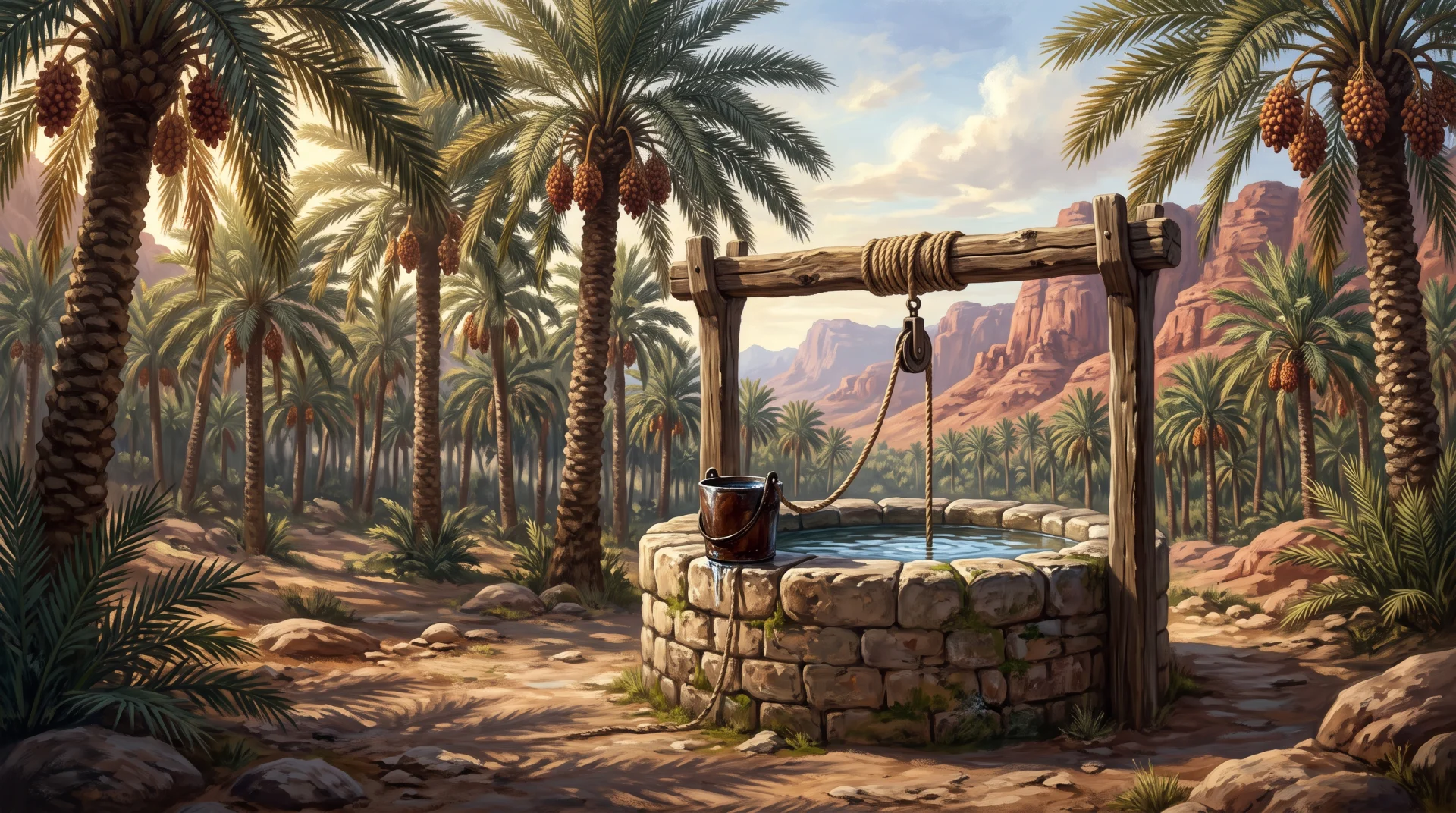
Scene 3
A Nation Carried by Wealthy Merchants
The author asks who said this nation is the nation of the poor. God made merchants serve it and carry it on their hands: without Abu Bakr's wealth Bilal would have stayed tortured under the stones of Mecca; without Uthman's wealth the Companions would have stayed thirsty waiting for a drink from the Jew who owned the well of Ruma; without Ibn Badis's wealth no generation would have freed Algeria. By God, this nation will never stand without its rich, who spend on the call and carry the concern of its revival, for money is power, and power is what we need at this sensitive stage.
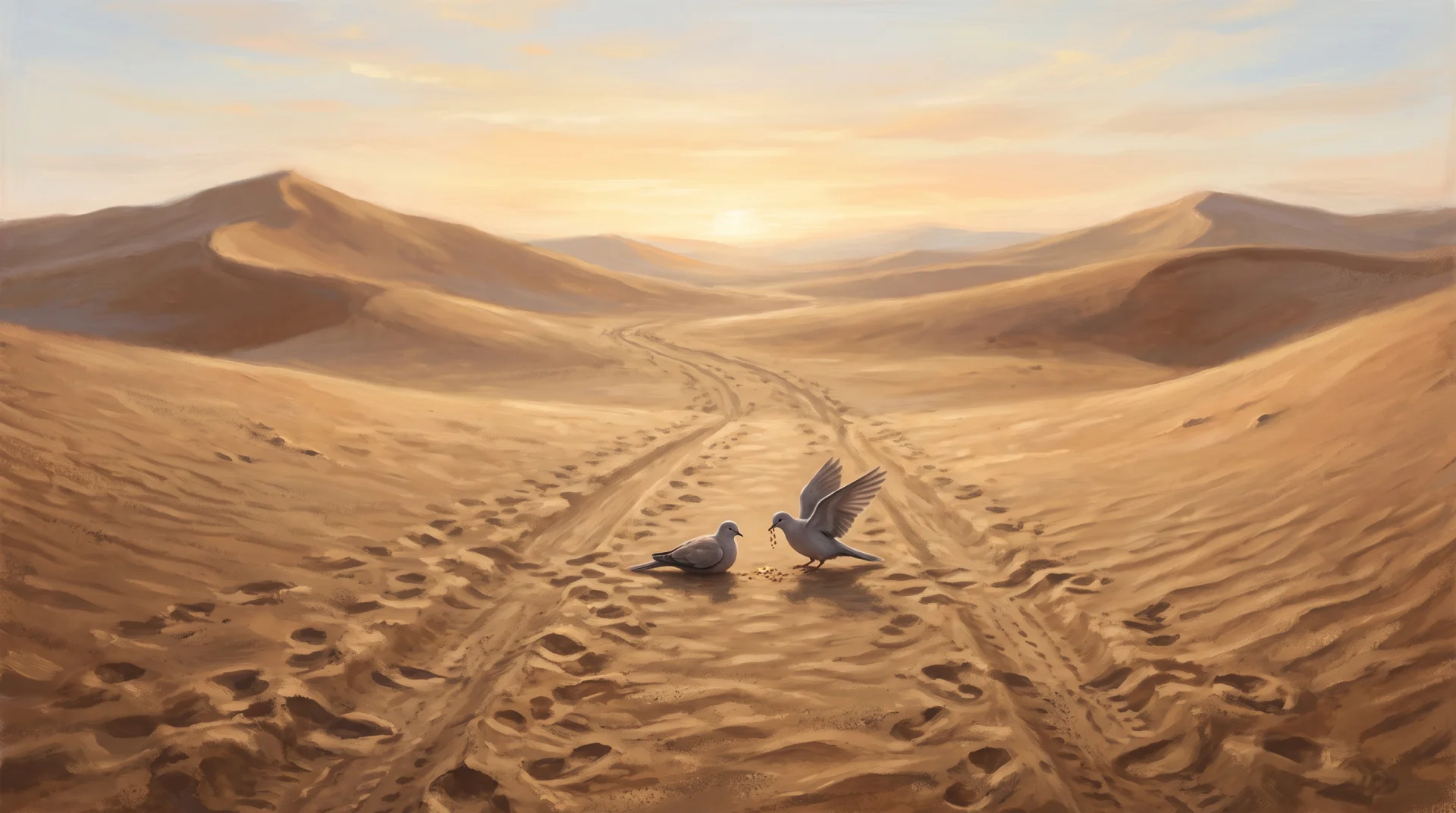
Scene 4
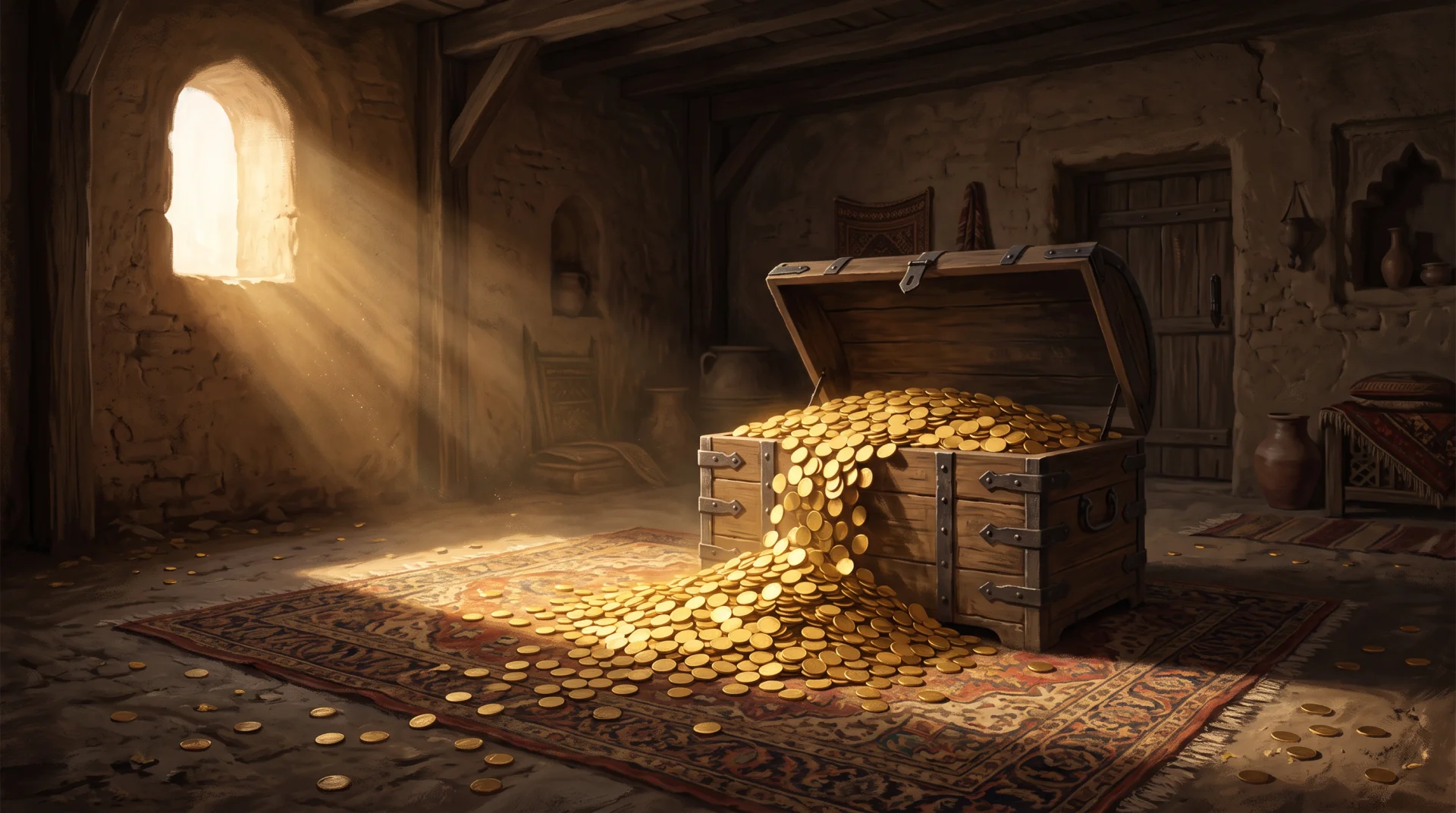
The Story of the Lame Dove
Before the Companion's story, the author tells a story handed down in tradition: a merchant set out on a trading trip and returned the next day, and told his friend he had seen a lame blind dove in the middle of the road and another dove bringing it food, and thought that He who feeds this dove in the desert can feed him without his chasing the world, so he went back to his family. His friend put a hand on his shoulder and asked: 'Glory to God! Why are you content to be a lame dove waiting for food from others, and not content to be a strong dove that feeds other doves?'
Scene 5
The Rich Man Who Gave Without Fear
Our present hero is one of the richest Muslims in history, one of the ten promised Paradise, one of the five great men who became Muslim at the hand of al-Siddiq, one of the six of the Shura council, a man of Badr, of the Pledge of Ridwan, the owner of the two emigrations, who prayed toward the two qiblas: the symbol of giving and model of the rich, who gave in charity without fear, Abd al-Rahman ibn Awf. He was not only rich and a believer: he and Abu Bakr were the only two beings behind whom the Messenger of the Worlds prayed.
Scene 6
Show Me the Market, He Said
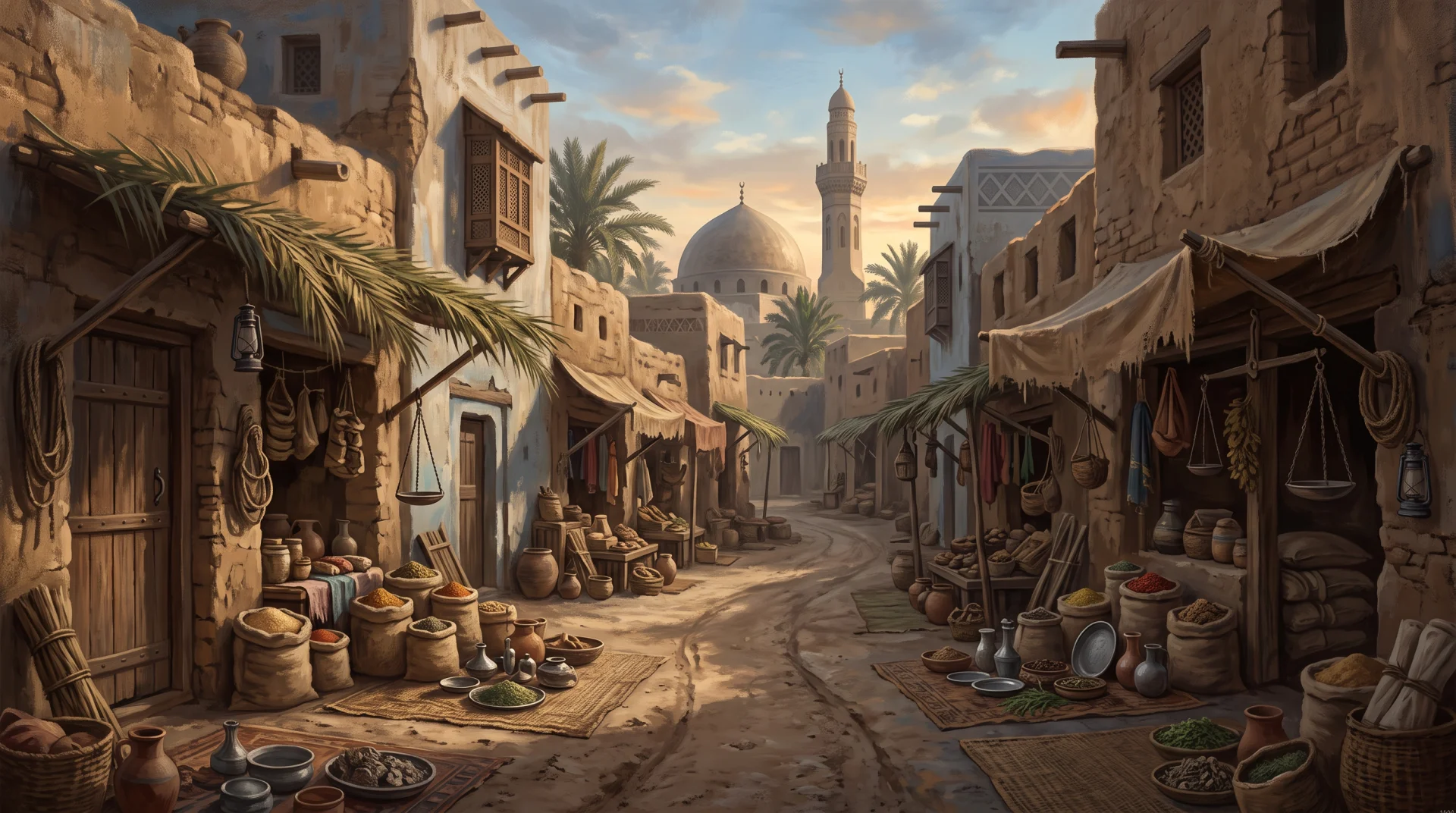
Abd al-Rahman ibn Awf wanted to be in the column of giving, not taking. When he emigrated to Medina the Messenger paired him as brother with the great Companion Sa'd ibn al-Rabi'. He arrived empty-handed like the other emigrants who left homes, markets and wealth behind in Mecca for God's sake. His Ansari brother offered him half of what he owned, and Abd al-Rahman declined with the modesty of the noble: 'May God bless your wealth and family, but show me the market.' He went to the market of Medina and bought and sold, and in a short time became a master of millions.
Scene 7
Abd al-Rahman's Fortune and Giving
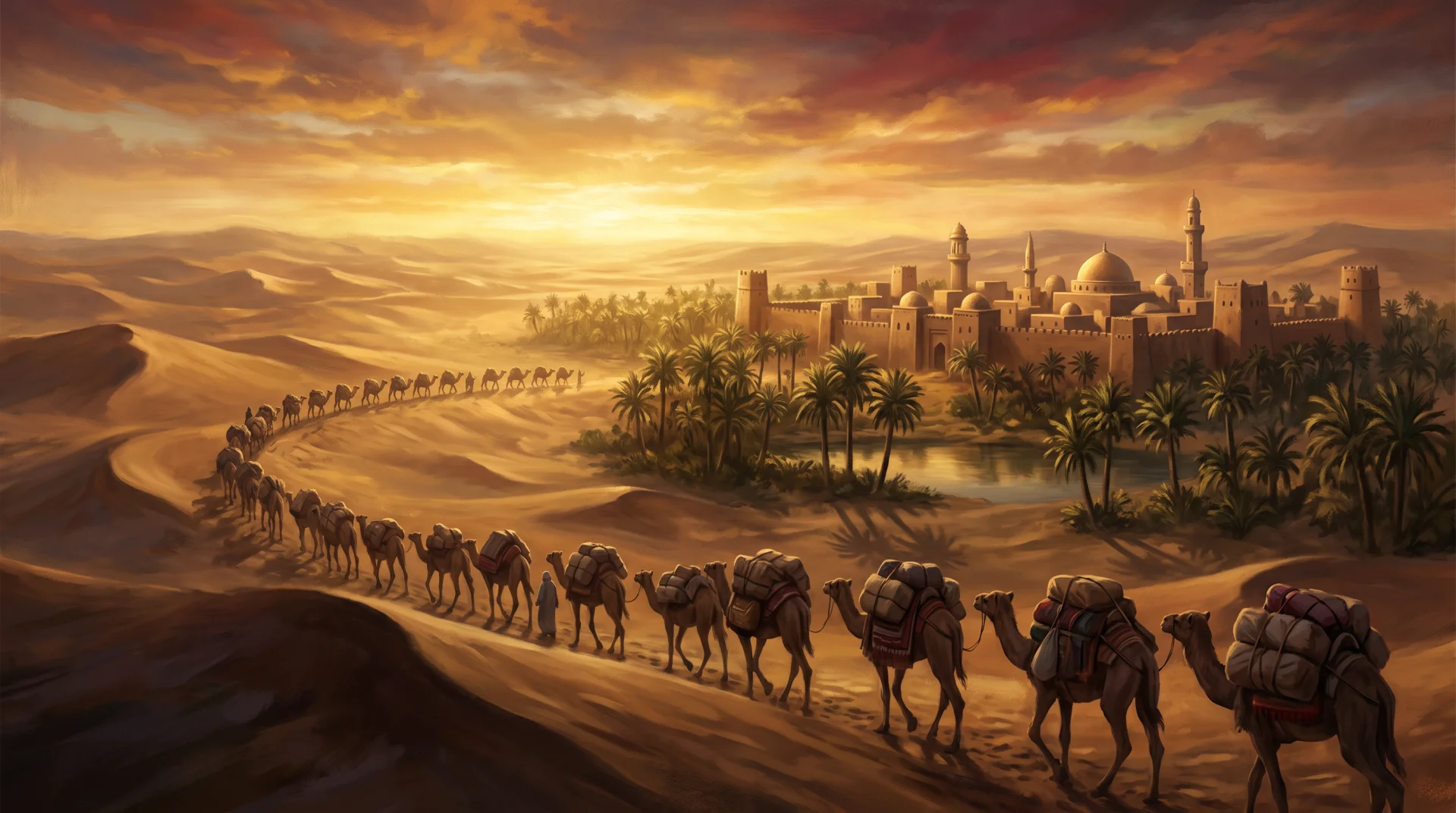
Imam Ibn Hajar al-Asqalani says Abd al-Rahman ibn Awf left four wives and each inherited 100,000 dinars; the wives share an eighth, so by a simple count the whole estate he left his heirs was 3,200,000 gold dinars (the numbers appear in the book as printed). This is apart from the money he spent on Muslims and the caravans he endowed in God's cause. All this, the author says, was because he did not wait for the 'job' to come to him as our university graduates do: the secret word is 'Show me the market!'
Scene 8
The End of the Companions' Stories
With the end of this story, the author says, he has finished the stories of the Companions in this book: he began with the first of the ten promised Paradise, Abu Bakr al-Siddiq, and ended with the tenth, Abd al-Rahman ibn Awf, mentioning some Companions between them. Had it been up to him he would have written the stories of the more than a hundred thousand Companions, each of whom has an amazing story that made him one of the greatest of God's creation.
Scene 9
Farewell, Companions of Muhammad
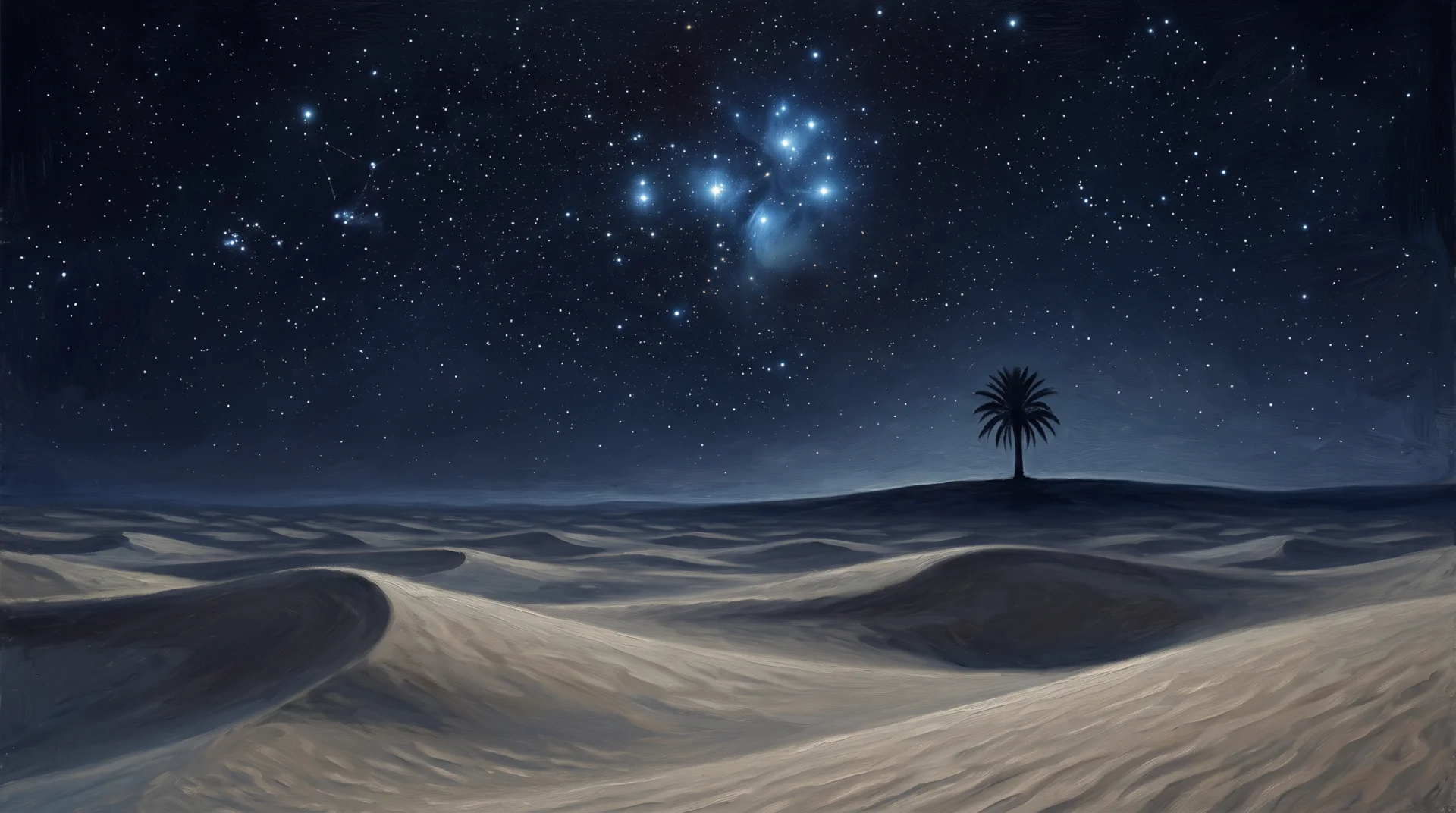
The author bids farewell to the Companions of Muhammad and asks forgiveness if he fell short of their right, for how could a person do justice to the like of them: their greatness reached the heights of the sky and passed the stars and the Pleiades. He says that he never wrote about one of them without living with him as if he saw him before him, that he does not know whether one like him may hope to be granted the sight of them in the presence of their Prophet on the Day of Resurrection, but he knows God has power over all things.
Scene 10
The Eagle of Green Tunisia
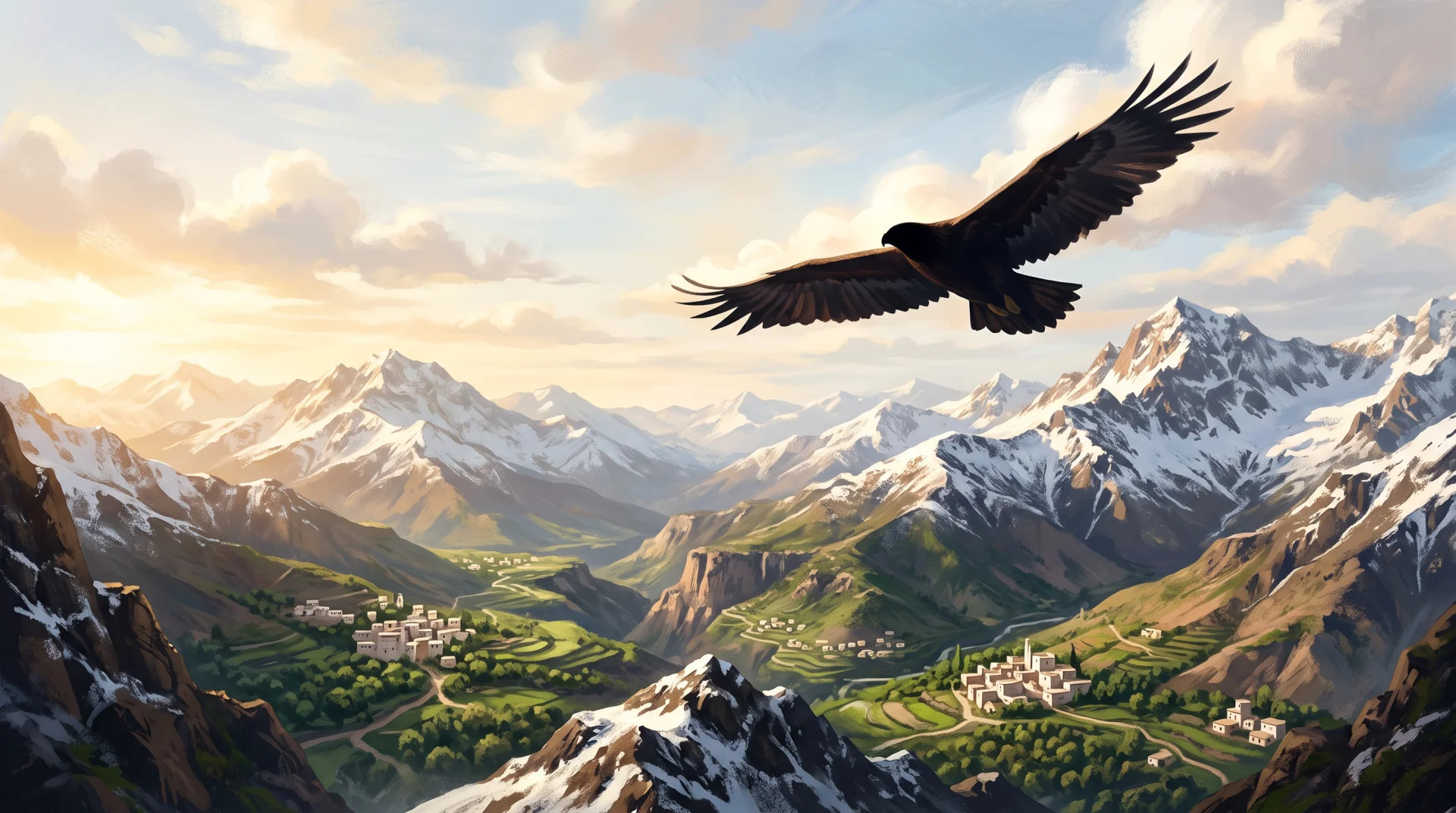
From Abd al-Rahman to Abd al-Aziz, from the deserts of the Hijaz to the gardens of green Tunisia, the author invites the reader to fly with a giant Islamic eagle who soared above the peaks of the Atlas mountains, raising the banner of Islam with his wings to embrace the clouds. Who is the great Islamic leader who taught France a lesson in Islamic struggle in Tunisia and the English another in Muhammadan freedom in Iraq? The nation's reader is asked to explore this eagle who raised the banner of liberation in green Tunisia and declared a revolution until victory.
These are English scene notes. The full chapter text, as the author wrote it, is in the app.