


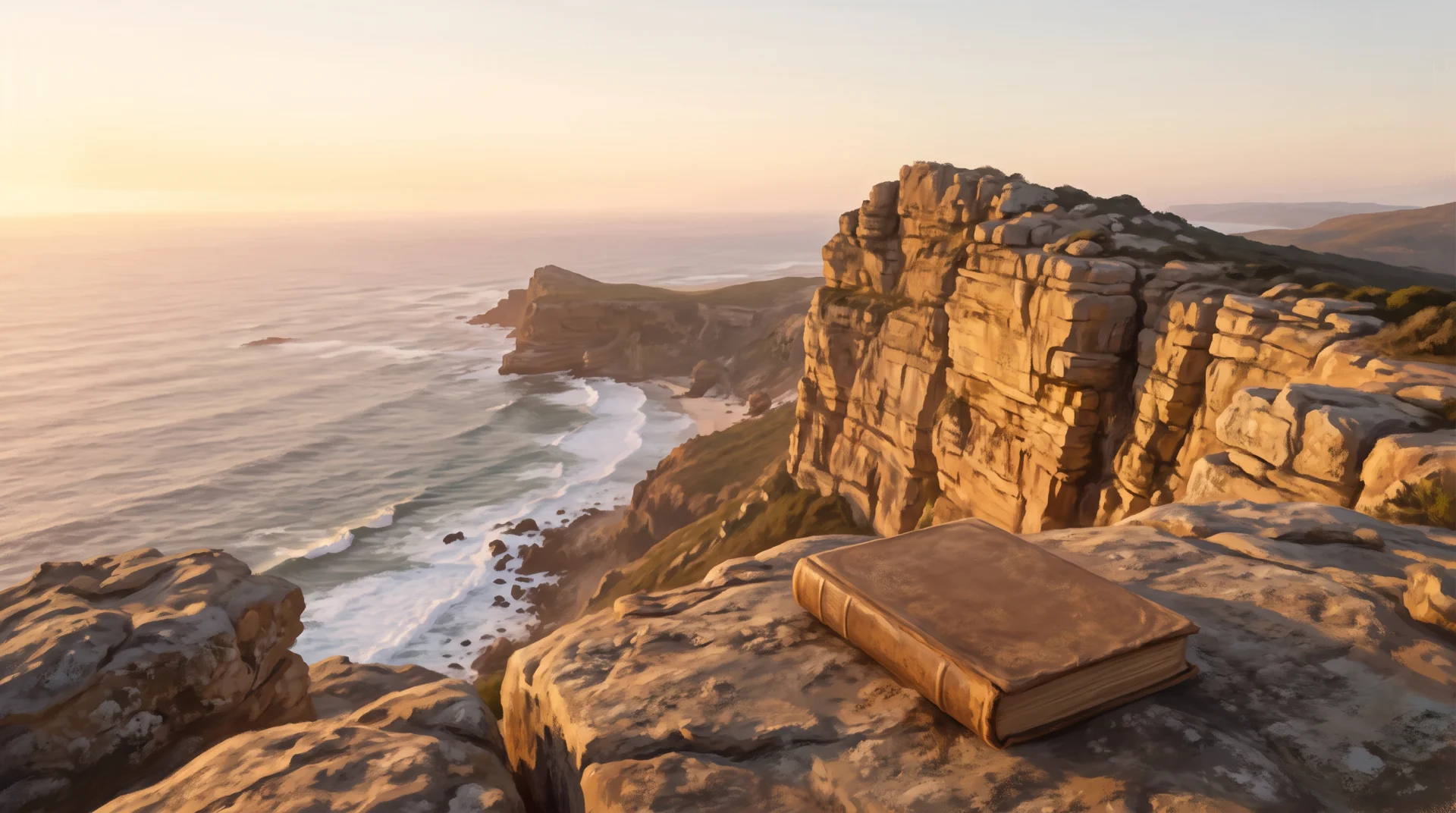
Scene 1
The Lion of South Africa
The chapter opens with the verse «They have certainly disbelieved who say that God is the Messiah, son of Mary», its title, Ahmad Deedat, and his words to the Arabs: they are the first target of the world's missionary campaigns, and the coming challenge.
Scene 2
The Stormy Night at the Factory
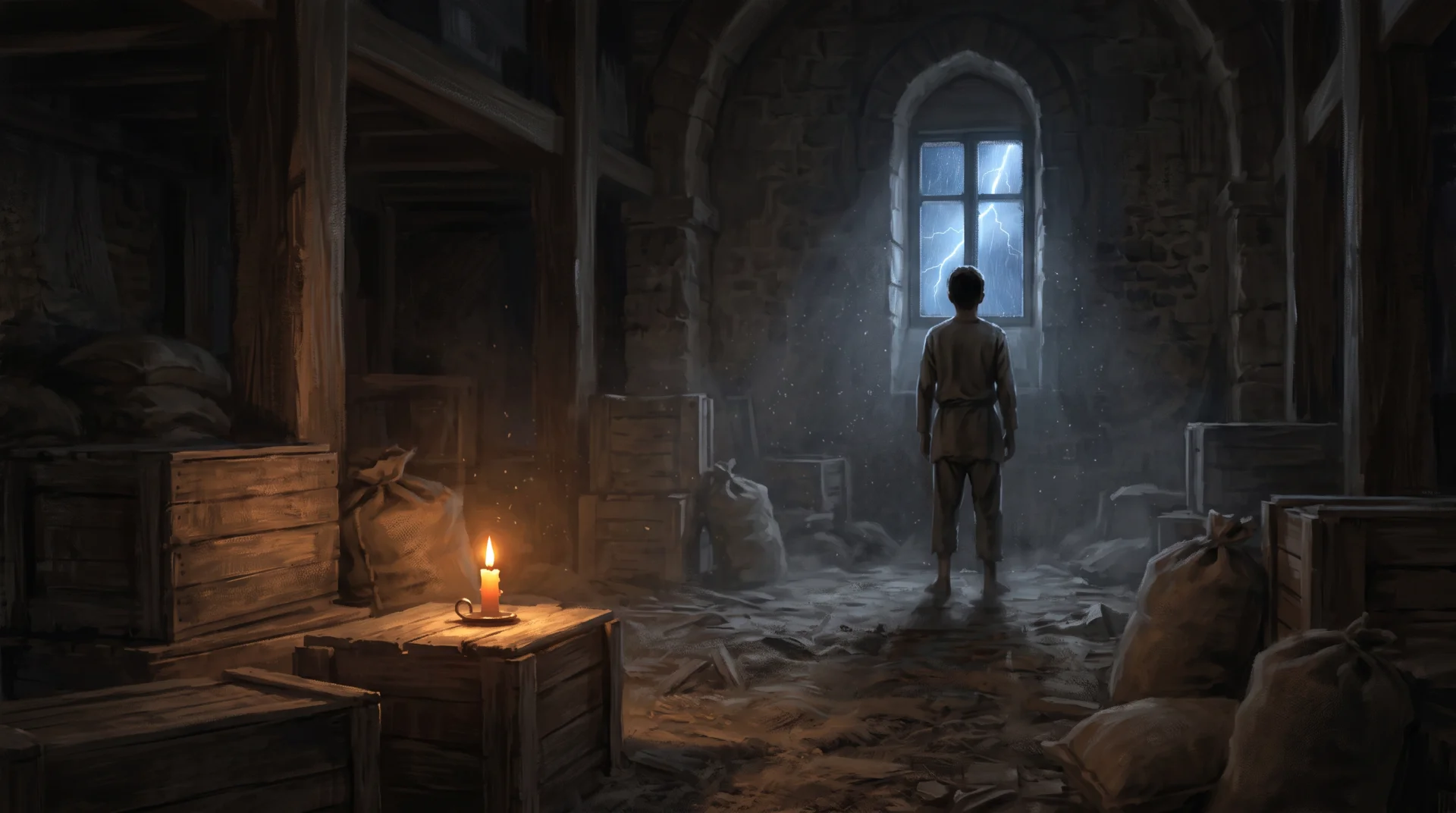
On a stormy night all the employees went home and only a poor young man was left in the factory, with no house to return to. His boss had told him to arrange the goods piled up in an old abandoned warehouse. He went down with a small candle into dust and thunder, and when he opened a high window the wind knocked him down and put out the candle, so he went on working in thick darkness, waiting for the lightning.
Scene 3
The Book That Changed His Life
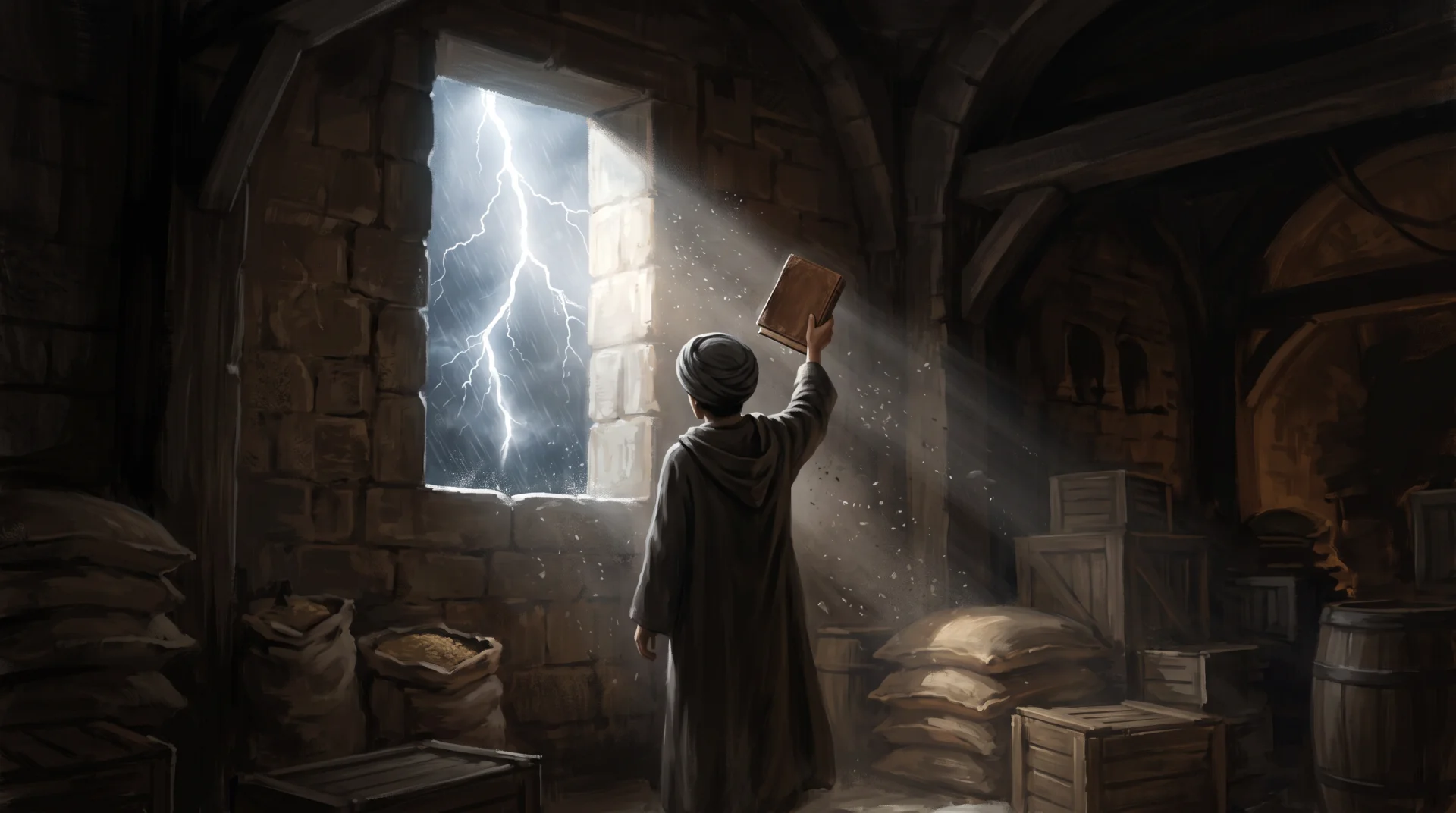
At midnight, as the storm grew stronger, the exhausted and hungry young man's foot struck an unknown object: a book lying among the neglected crates. He could not read its title by the faint lightning, so he carried it to the window against the wind and waited. A bright blade of lightning fell on the book and its title appeared: «Izhar al-Haqq». The author says it was the book that would turn his life upside down and make this penniless youth a great hero of the nation of Islam; that night and that dark room were the start of a living Islamic legend, Sheikh Ahmad Deedat.
Scene 4
The Author of «Izhar al-Haqq»
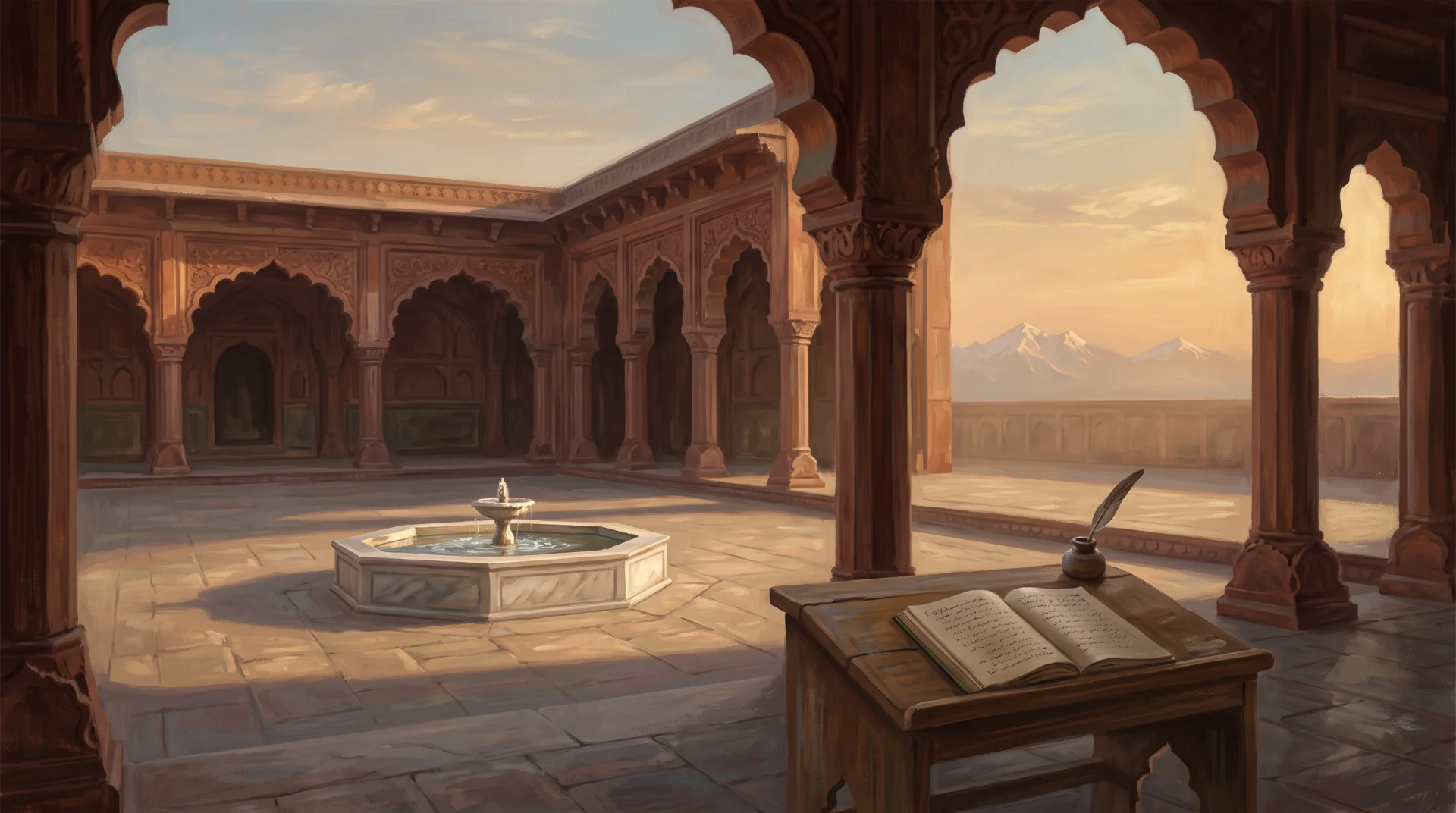
About a century and a half earlier the author of the book was born in India: Sheikh Muhammad Rahmatullah ibn Khalil al-Rahman al-Kairanawi, of Umayyad descent reaching Uthman ibn Affan at the thirty-fourth grandfather. After Britain occupied India, the English were sure any future trouble would come only from Indian Muslims, so they planned to Christianize them in order to stay in India a thousand years. They brought waves of missionaries, helped by an eloquent priest, Father Pfander, who harassed the Muslims morning and evening with accusations while the Muslims were unable to answer.
Scene 5
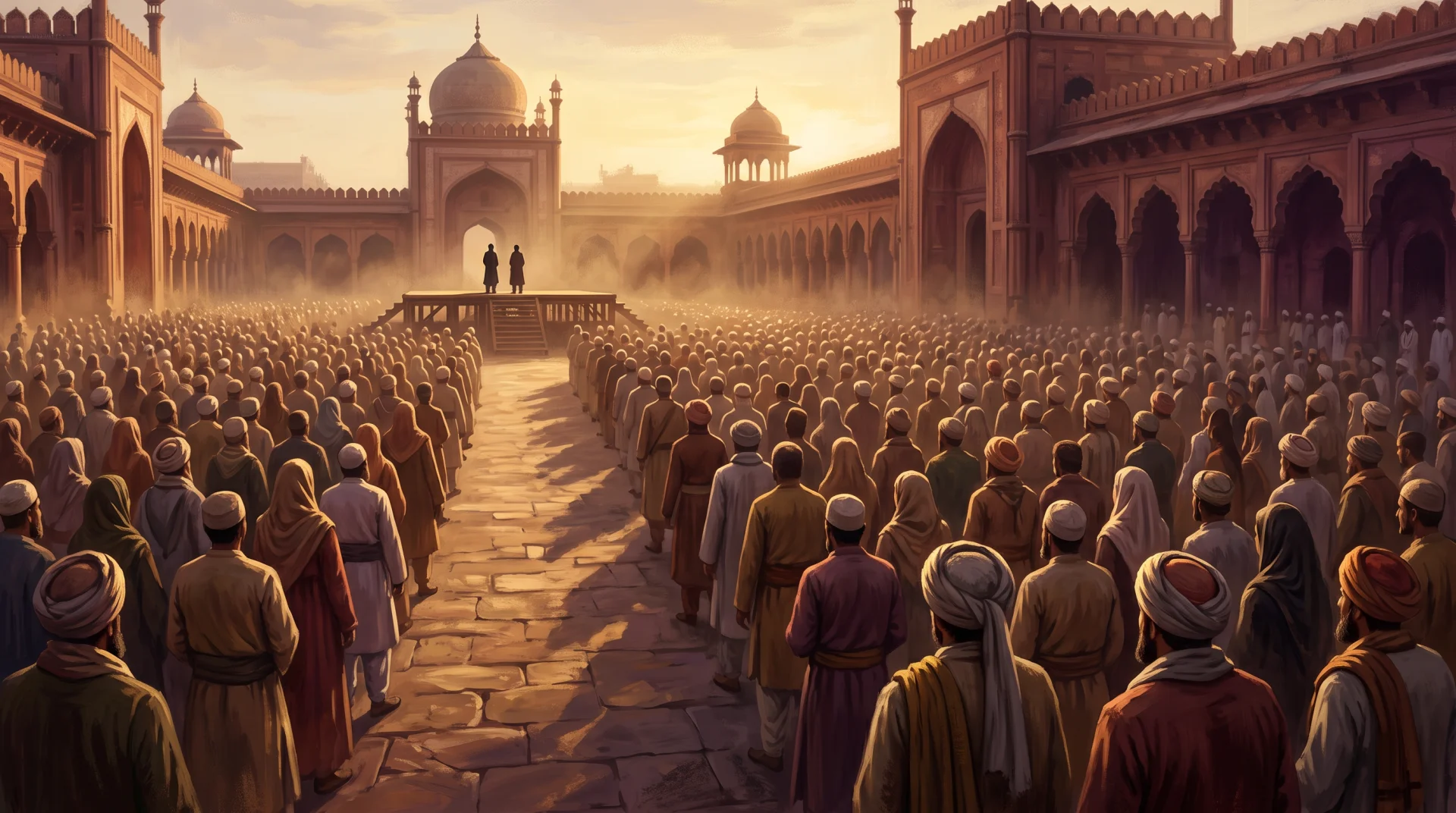
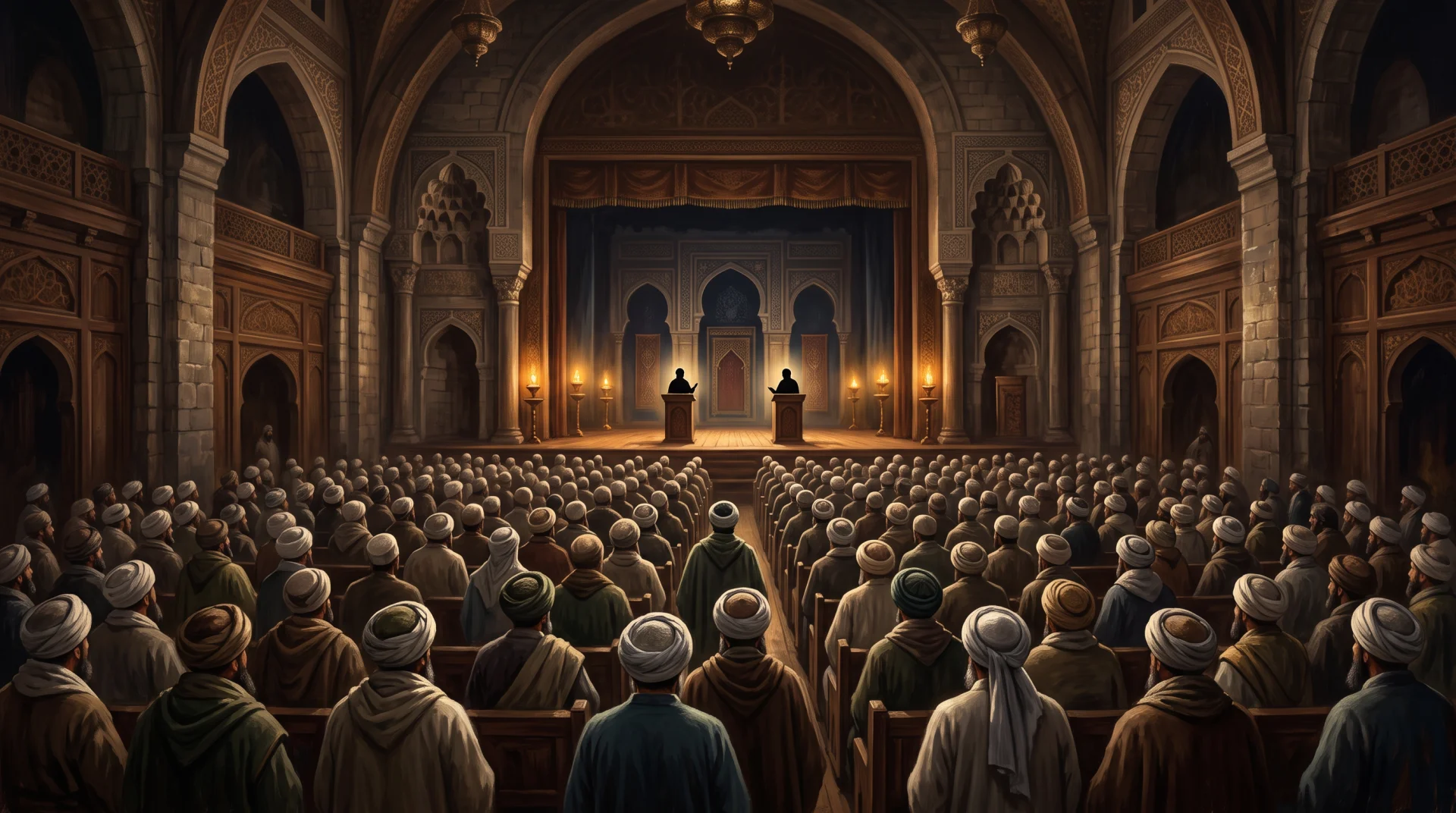
The Great Debate in Delhi
This Umayyad falcon came down from the peaks of the Himalayas and asked to debate Father Pfander in public. Tens of thousands of Indian Muslims and Hindus gathered in the main square of Delhi. Pfander opened with a flood of accusations against the Prophet's honour; Sheikh Rahmatullah refuted them one by one, then attacked from the priest's own scripture, reciting it book by book for hours without stumbling, until hundreds of Hindus declared their Islam and the priest retreated. News of the 'Great Debate' spread across India, the English put a price of a thousand rupees on his arrest, and he fled in disguise to Mecca.
Scene 6
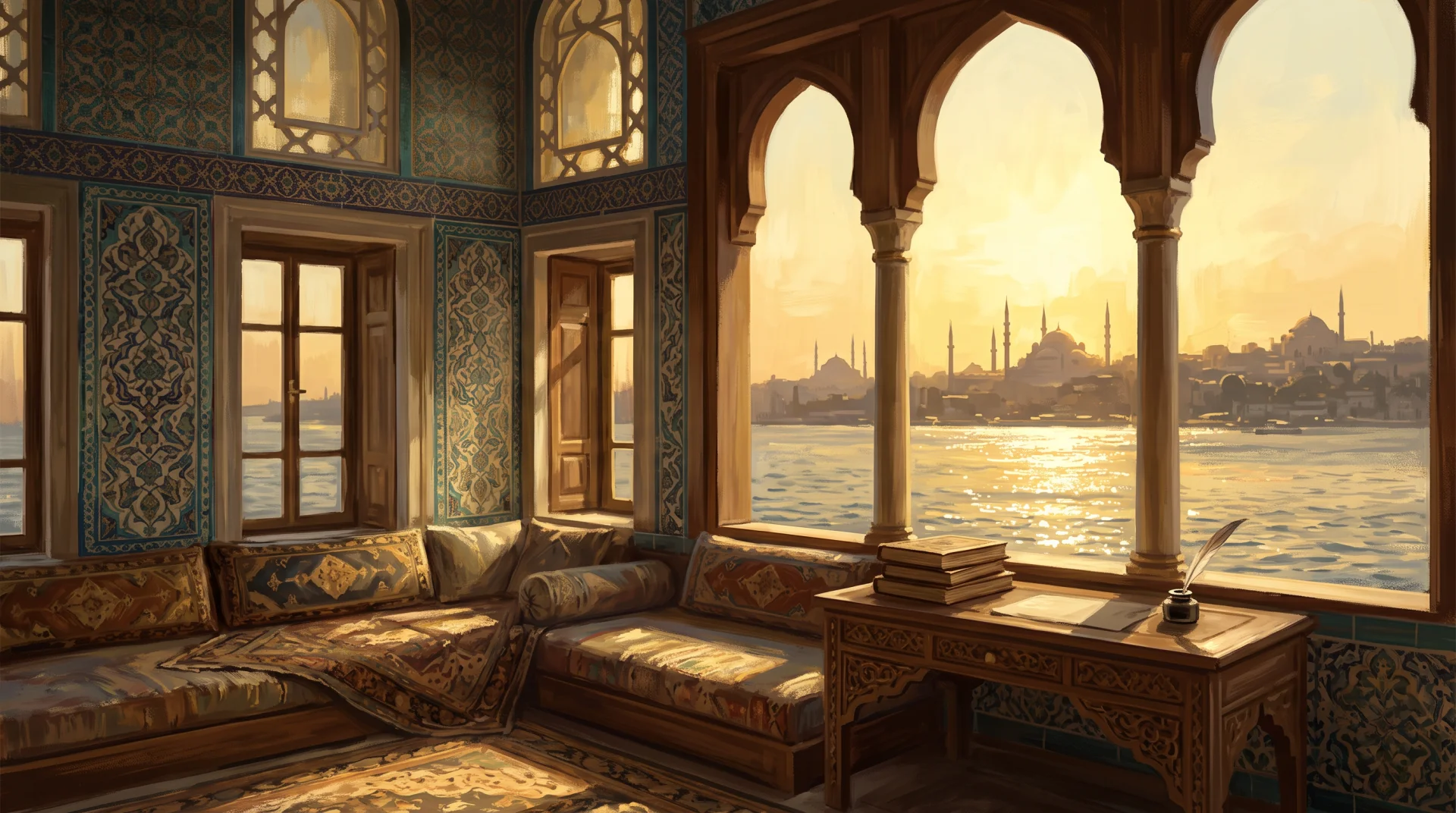
The Caliph and the Book
The Ottoman caliph Abd al-Aziz Khan asked for him in Istanbul after the news reached the Sublime Porte. Rahmatullah told him the story of the Great Debate, and the caliph, pleased, asked him to record it in a book funded by the caliph himself for Muslims in every land and age. He wrote «Izhar al-Haqq». A hundred years later God willed that Ahmad Deedat find a rare copy, which opened for him the way of answering the doubts of the Christians and the start of a scholarly method of dialogue with the People of the Book that matches the Quranic method, making him the first debater against the Christians in the history of the nation of Muhammad.
Scene 7
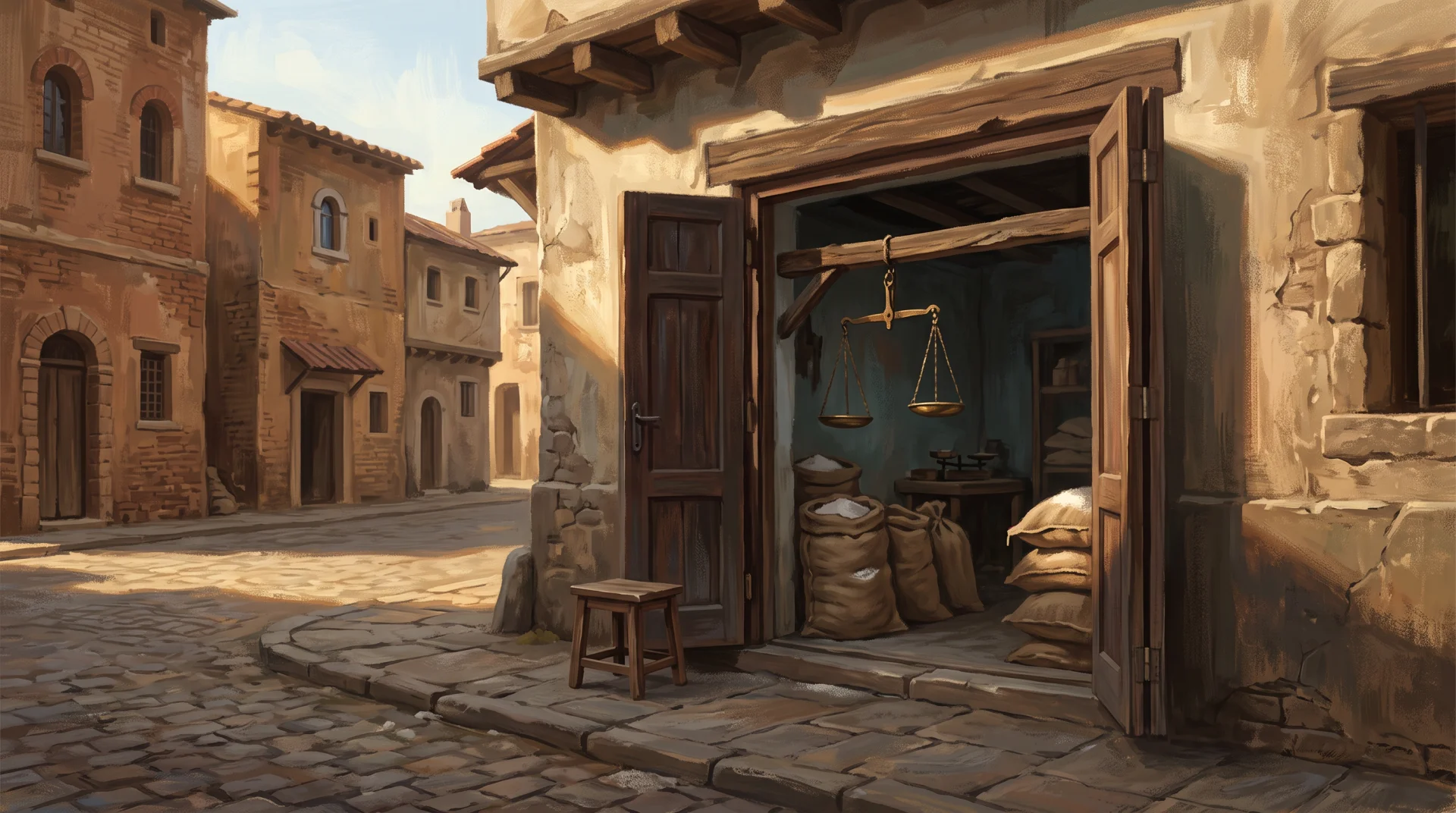
The Christians Made This Giant
The author says some will be surprised that the Christians themselves made this Islamic giant. Ahmad Deedat was only a poor boy who knew nothing of Islam but the Shahada, as he said himself. In the 1940s the missionaries in Durban, South Africa, used to pass by the salt shop where he worked and put provocative questions to him: that his Prophet stole his Quran from the Torah and the Gospel, that he had many wives, that he spread his religion by the sword.
Scene 8
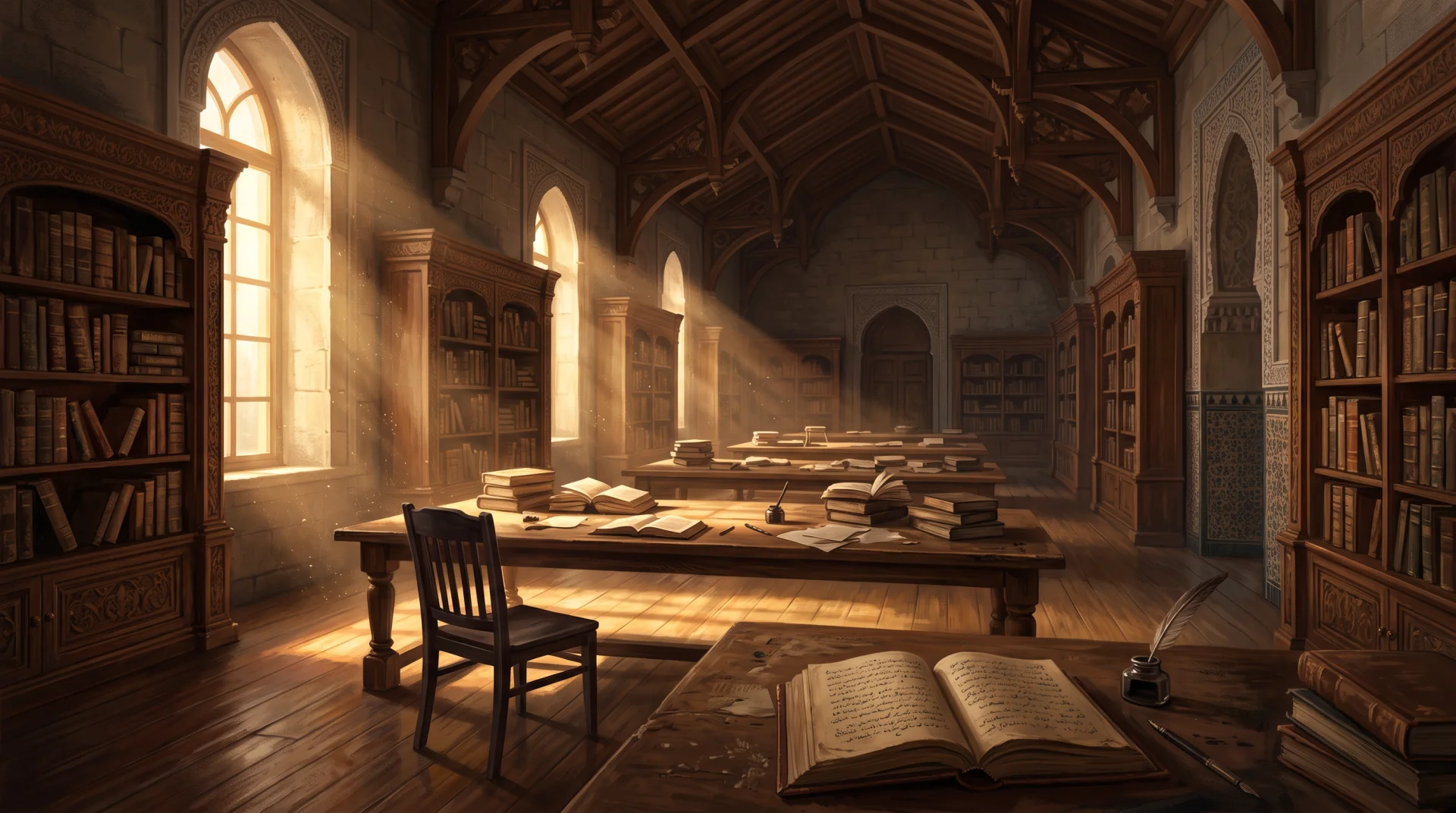
Read
The boy did not know what the missionaries wanted, but he understood the tone of mockery and racism and that his helplessness came from his ignorance, so he carried out the first divine command to Muslims: 'Read'. A South African who had gone to India with his father after his mother died, he read everything he found, then the town library, history, literature, physics, engineering, languages, and Christianity, its books, history, philosophy and interpretations, until there was no book left for him in the Durban library. Then he began the counter-attack, waiting for the missionaries in the salt shop, silencing them and turning the question back on them from their own books; he had memorized the four Gospels by heart, after memorizing the Quran with its verse numbers and surahs. The missionaries stopped coming, so he went on his weekly day off to their churches to debate them.
Scene 9
His Debates with the Leading Missionaries
After he found «Izhar al-Haqq», Sheikh Deedat became the most important Muslim debater on earth, travelling the five continents. The missionaries then threw at him the greatest missionary in the world, the American Jimmy Swaggart, who used the worn-out trick of attacking the Prophet's honour, and Deedat defeated him in the United States. (The author adds that Swaggart was arrested in 1988 with a prostitute in his car.) The Christians tried once more with the biggest Arab missionary, the Palestinian Anis Shorosh, and Deedat taught him a lesson in Arabic and won. (The author adds that Shorosh was arrested in Alabama in 2008 trying to burn documents proving he had embezzled church money.) Deedat recorded his debates on video tapes that spread across the Muslim world from Indonesia to Senegal.
Scene 10
The Lion Who Spoke with His Eyes
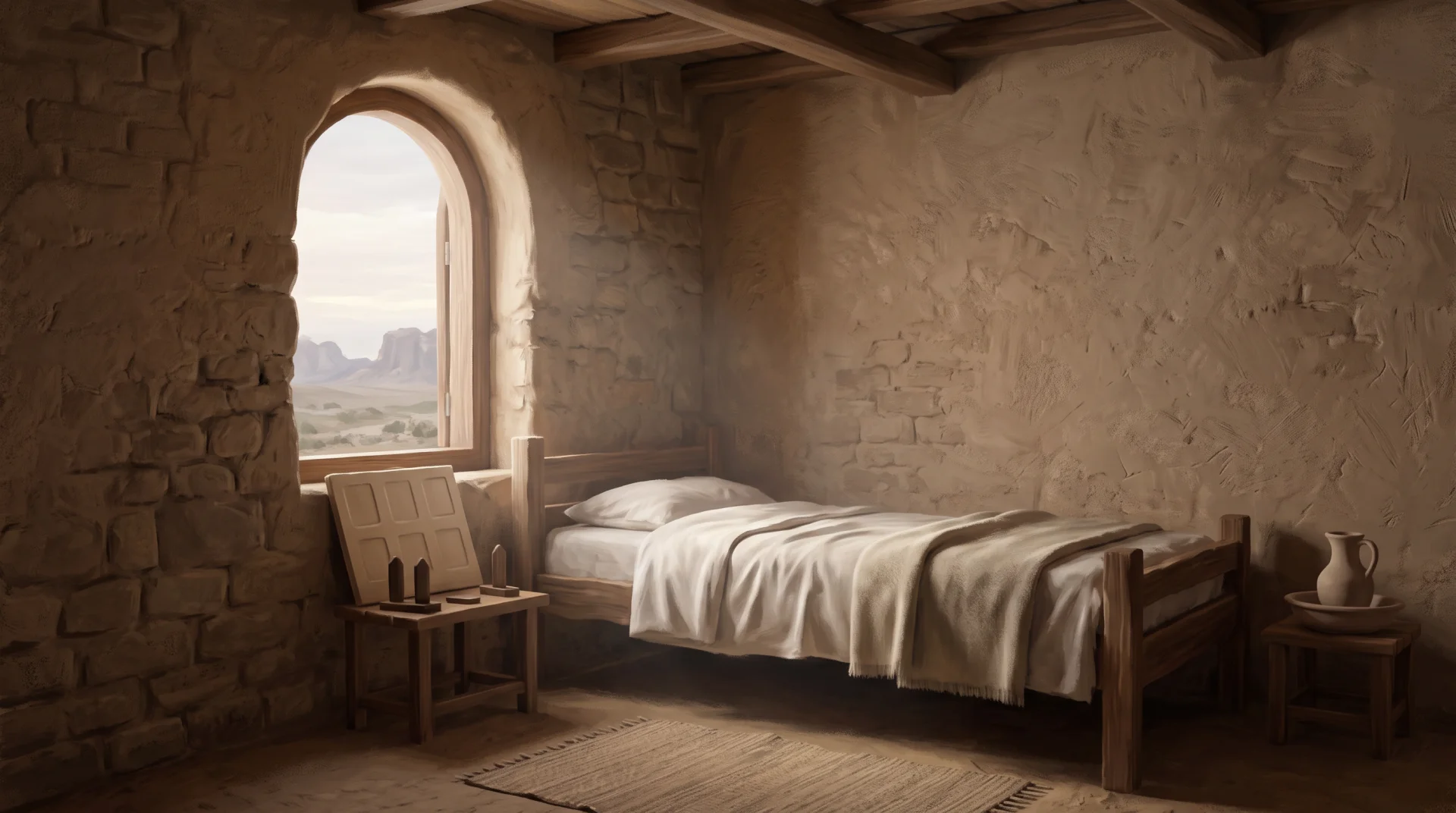
In April 1996 Sheikh Deedat suffered a stroke in the brain. The doctors advised rest but this veteran lion refused and travelled to Australia, challenging missionaries who had insulted Islam and touring its states, lecturing and debating though ill and nearly eighty, until he collapsed from exhaustion and suffered another stroke. He became bedridden, able to move only his eyes, yet he did not despair: he used a light board from which he chose the letters of words with his eyes, and for nine years he taught his students with the glances of his eyes. On Monday 8 August 2005, 3 Rajab 1426 H, the nation lost the great preacher, the Islamic lion of South Africa, the mujahid Sheikh Ahmad Deedat. The chapter ends with questions about why the Crusaders carry such hatred of Islam, when the Islamic-Crusader conflict began, the story of Tabuk, and the three who stayed behind.
These are English scene notes. The full chapter text, as the author wrote it, is in the app.