


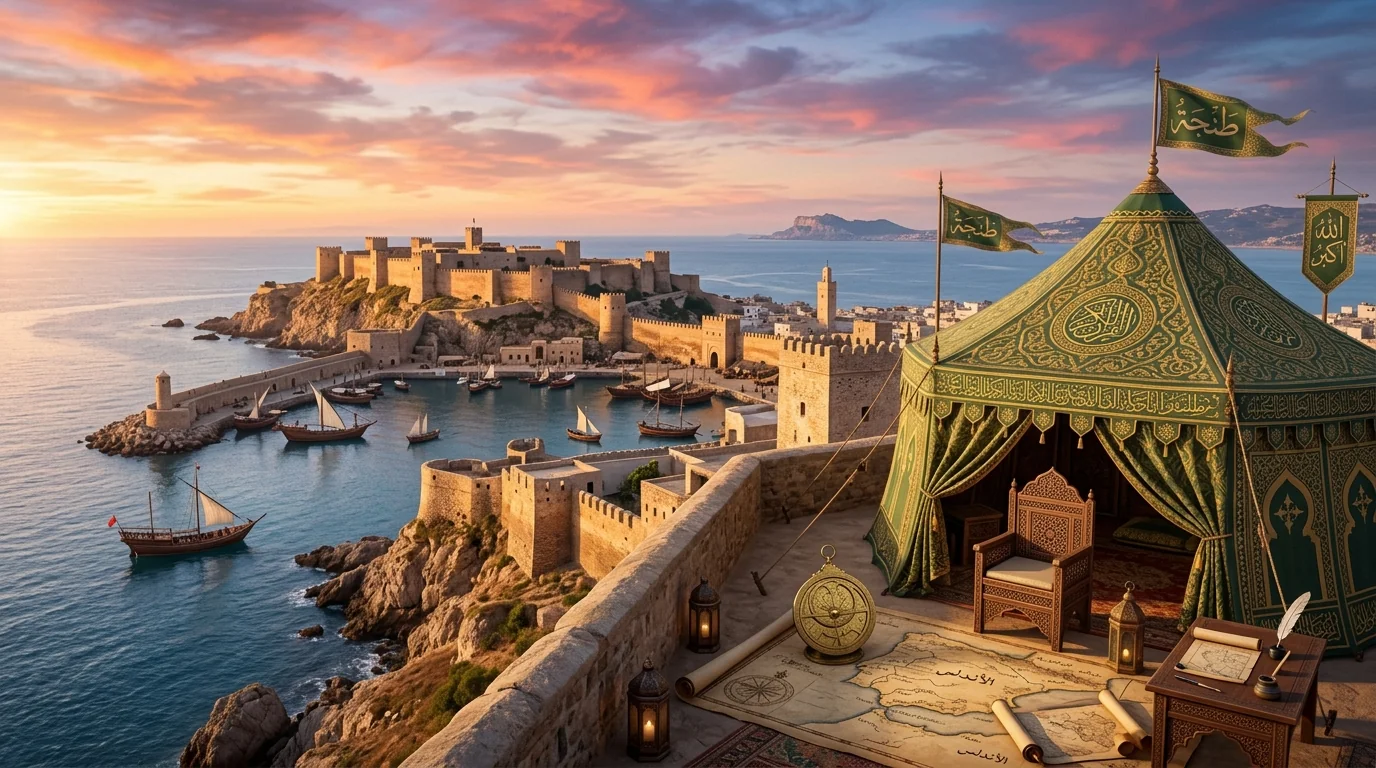
Scene 1
The Conqueror of Andalusia and the Launch from Tangier
The chapter opens with a Gothic commander's cry to Roderic that a people had landed who might be from earth or heaven. Introducing Tariq ibn Ziyad, the author says Andalusia's eight centuries best show Muslims the causes of rise and decline, then asks whether the Arabs' distant conquests were not a kind of occupation.
Scene 2
The Philosophy of the Islamic Conquests and the Scale of Justice
The author rejects comparing the conquests to European colonialism. Armies have sought territory, ideological dominance or nothing at all, but Muslims had one aim: conveying the Prophet's ﷺ message. Envoys were sent first and killed by rulers who feared for their thrones; where preachers were free, as in Indonesia, no sword was raised.

Scene 3
Andalusia's Hidden Secret and an Ancient Monotheism
Most Muslims of Andalusia were native inhabitants who embraced Islam, not Arab or Berber migrants, and they were later expelled or killed by the Inquisition. The author adds a hidden secret: Andalusia had been a monotheist land for decades before Tariq was born, a story he promises to tell when he reaches another great figure, Arius.
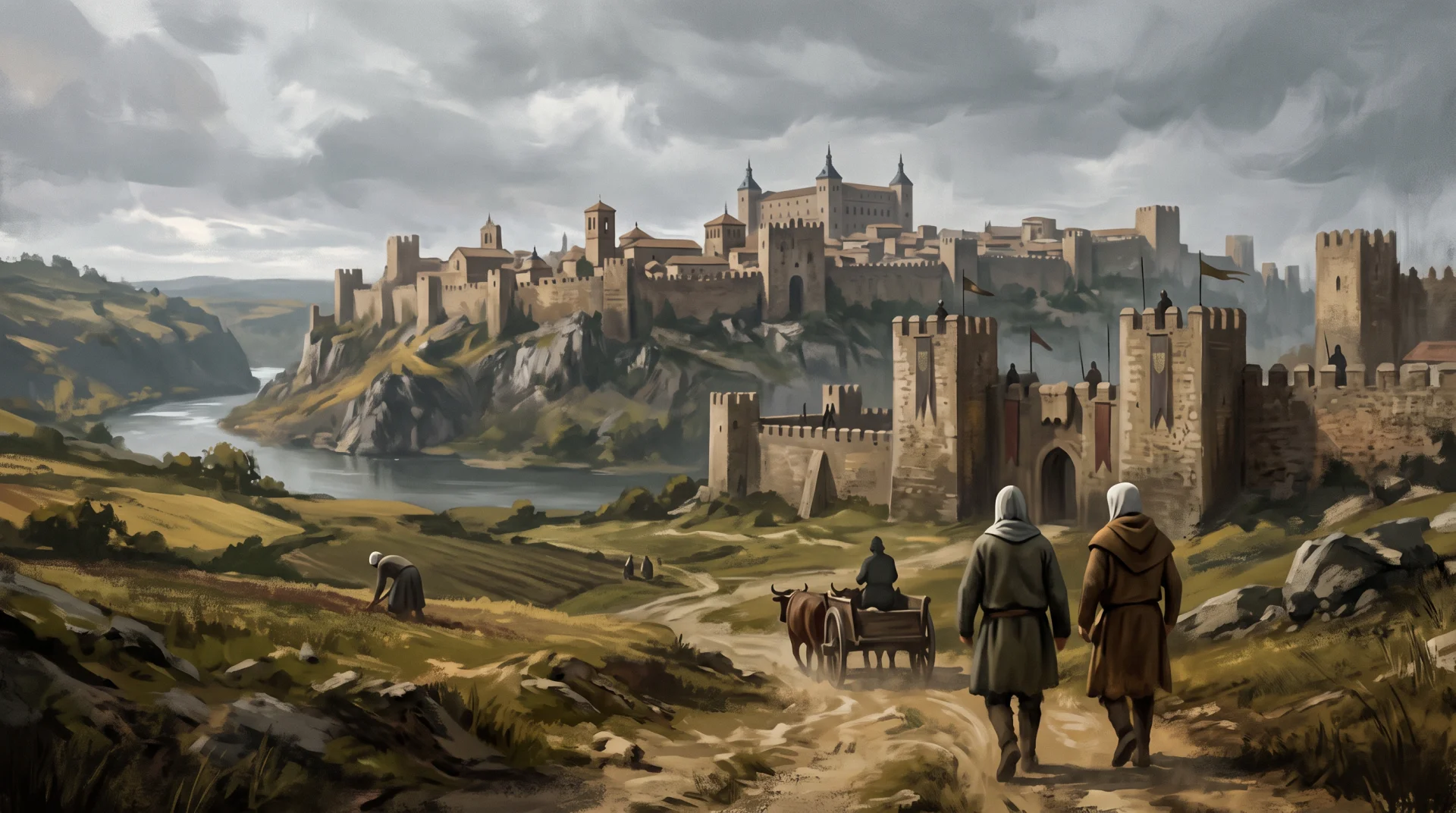
Scene 4
The Visigoths and Andalusia Before the Conquest
The story of Andalusia begins with the Visigoths, who were not native but came from northern Europe; Andalusia was the name of the Iberian peninsula, now Spain and Portugal. Their king Witiza was killed by a dissolute prince named Roderic, who seized the throne and imposed crushing taxes, so oppression spread. Across the water Tangier was ruled by a blond, blue-eyed, tall, muscular Berber, of a people the book traces to Europe's Latin stock, once an idol-worshipper and slave of the Romans, whom the Arab conquerors made governor: Tariq ibn Ziyad.
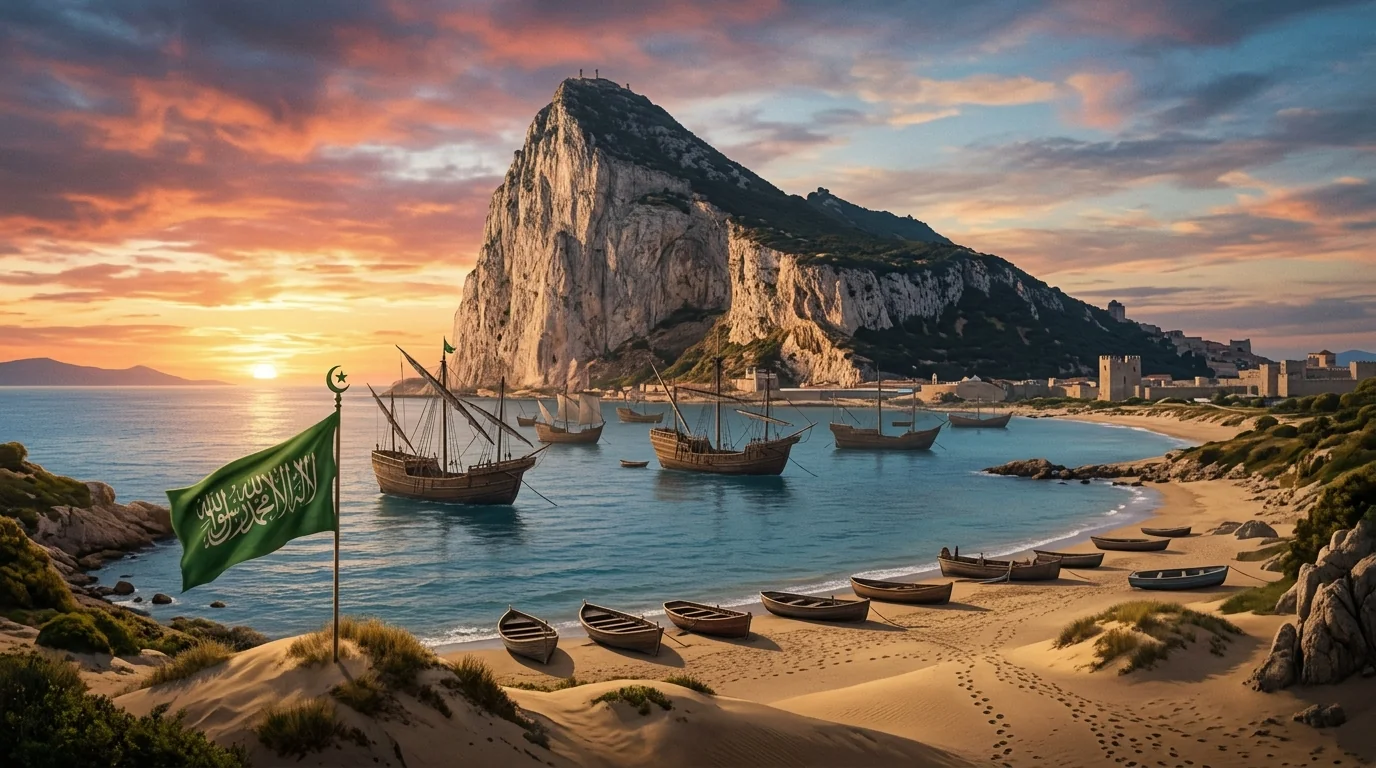
Scene 5
The Historic Crossing to Gibraltar
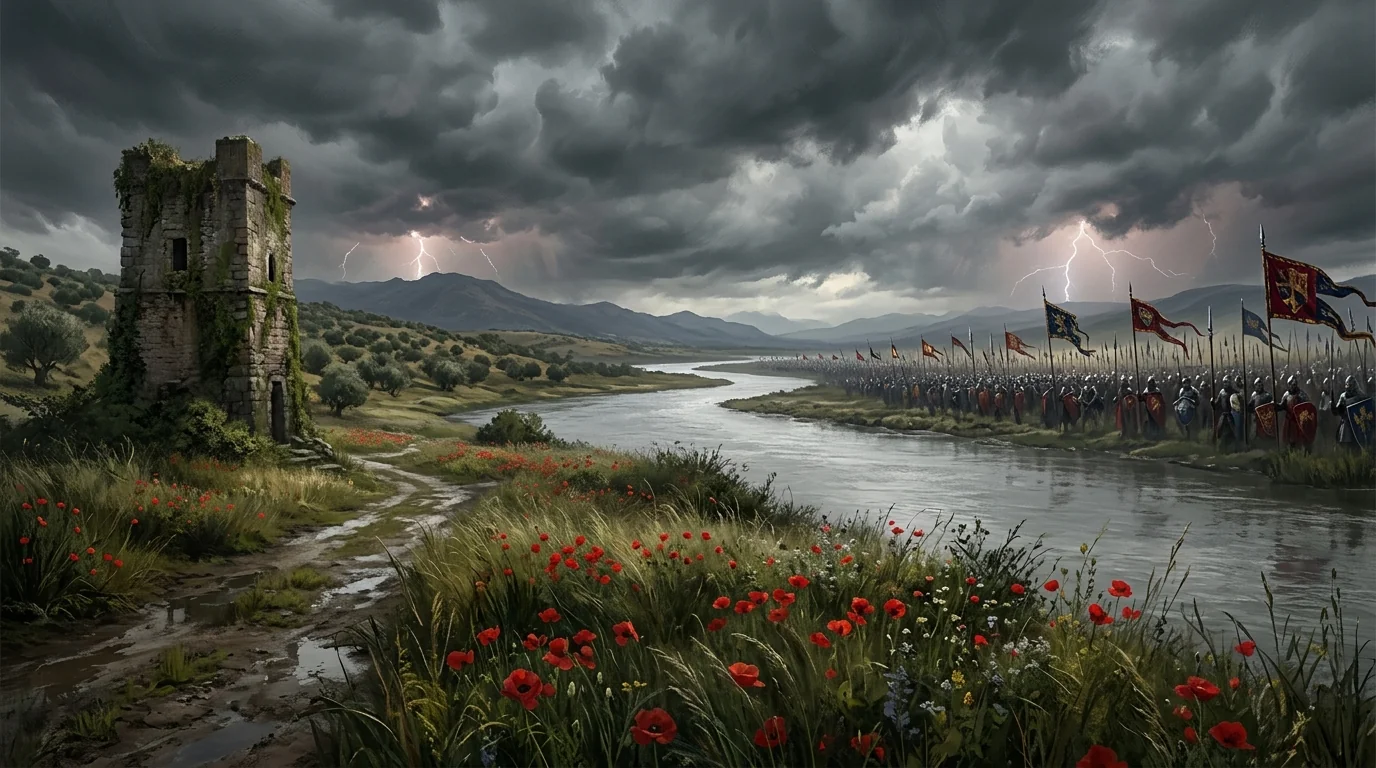
After a letter from Kairouan conveyed the Umayyad caliph al-Walid ibn Abd al-Malik's permission to spread Islam in Andalusia, Tariq crossed the sea with seven thousand fighters, mostly newly Muslim Berbers. They crushed the Gothic garrison in the south. Its commander fled, then crept back at night to discover the secret of their strength.
Scene 6
Roderic's Vast Army and the Awe of the Battlefield
The Gothic commander saw the men who fought like lions by day spending the night in prayer and weeping over their scripture, and sent Roderic his famous one-line message. Roderic advanced with 100,000 horsemen carrying ropes to bind the Muslims. Reinforced to 12,000, Tariq met him at Wadi Barbat on 28 Ramadan 92 AH.
Scene 7
The Battle of Wadi Lakka and the Victory of Faith
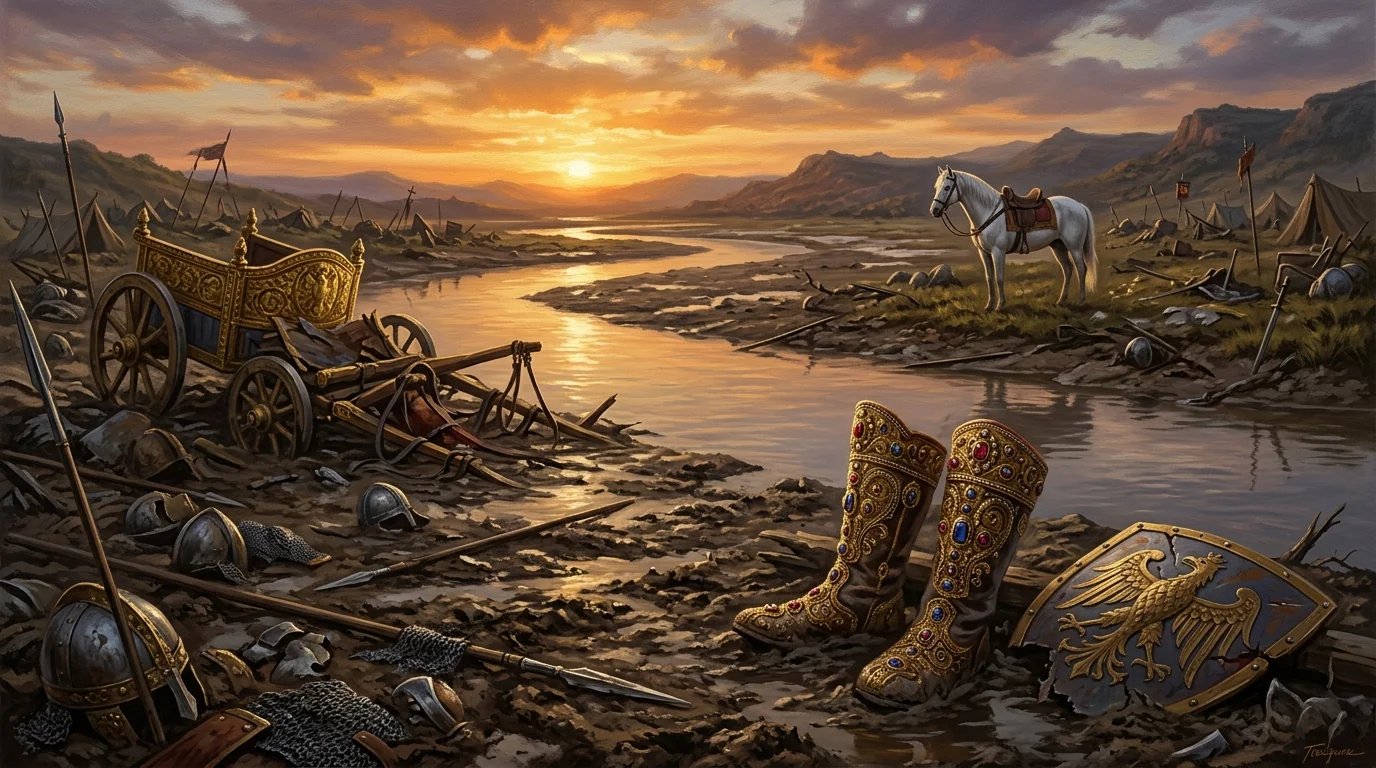
The Christian ranks surged like waves, but one side fought with ropes and the other with God. After eight days of fighting that spanned Eid al-Fitr, and the martyrdom of three thousand Muslims, the Muslims won and Roderic was killed. Tariq then took Andalusia's cities one after another without fighting.
Scene 8
The Ship-Burning Legend and the Historical Truth
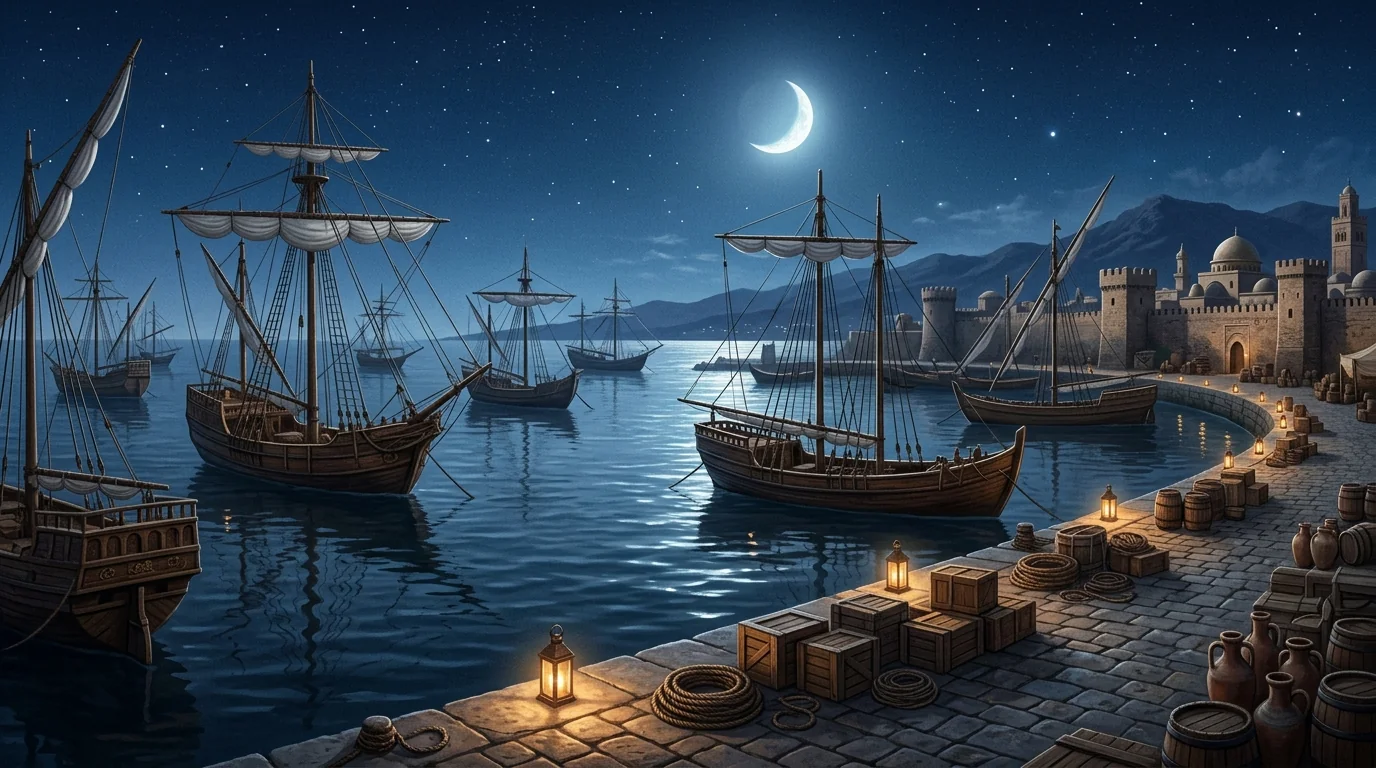
The author rejects the saying attributed to Tariq, "the sea is behind you and the enemy before you", as an orientalist fabrication meant to explain how 100,000 lost to 12,000. It appears only in European sources, a seasoned commander would keep his retreat open, and above all the ships did not belong to the Muslims to burn.
Scene 9
The Keys of Toledo and the Great Gate of Andalusia
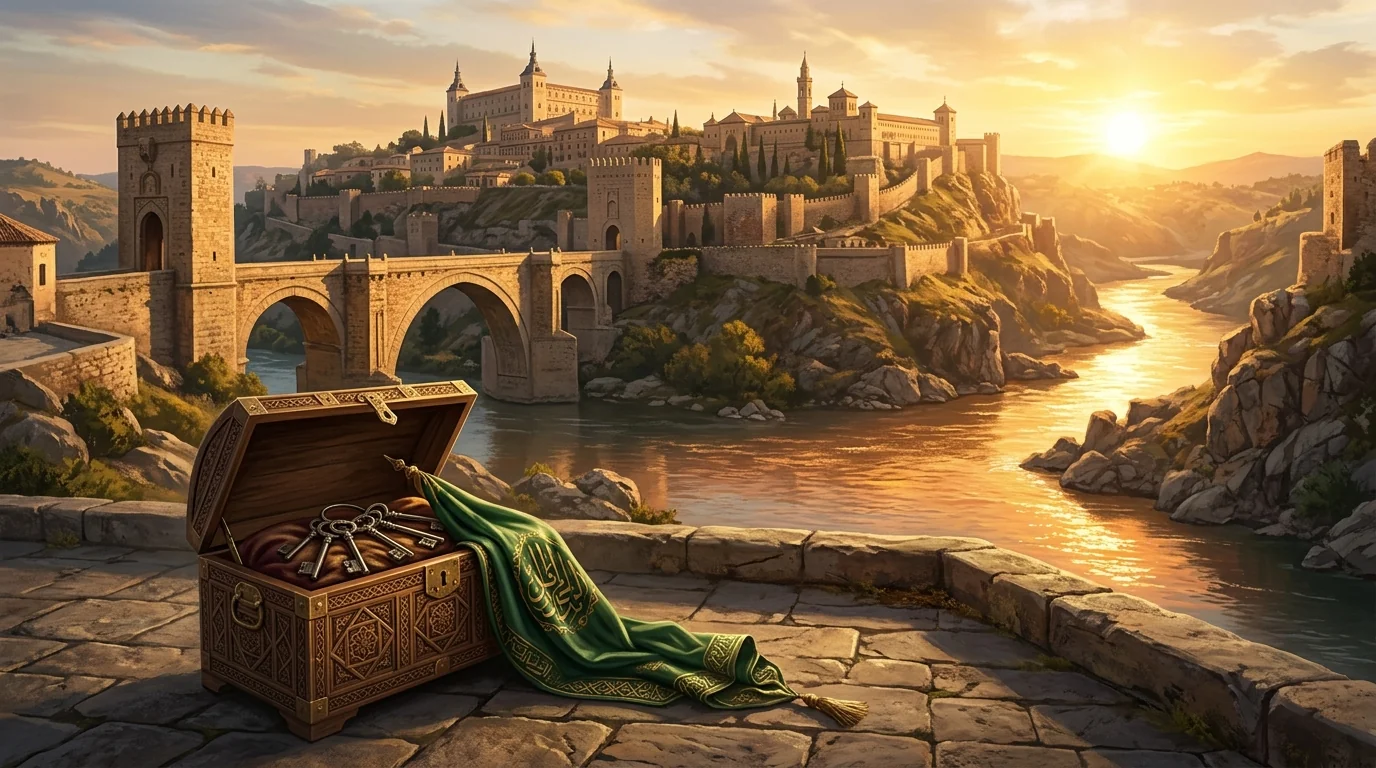
The author ends with questions: who owned those ships, and what strange offer did Tariq receive in Tangier? Who was the hero to whom, before Tariq and after God, the conquest of Andalusia is owed, why have modern histories ignored him, how old was he, and what was his plan to take all Europe?
These are English scene notes. The full chapter text, as the author wrote it, is in the app.