


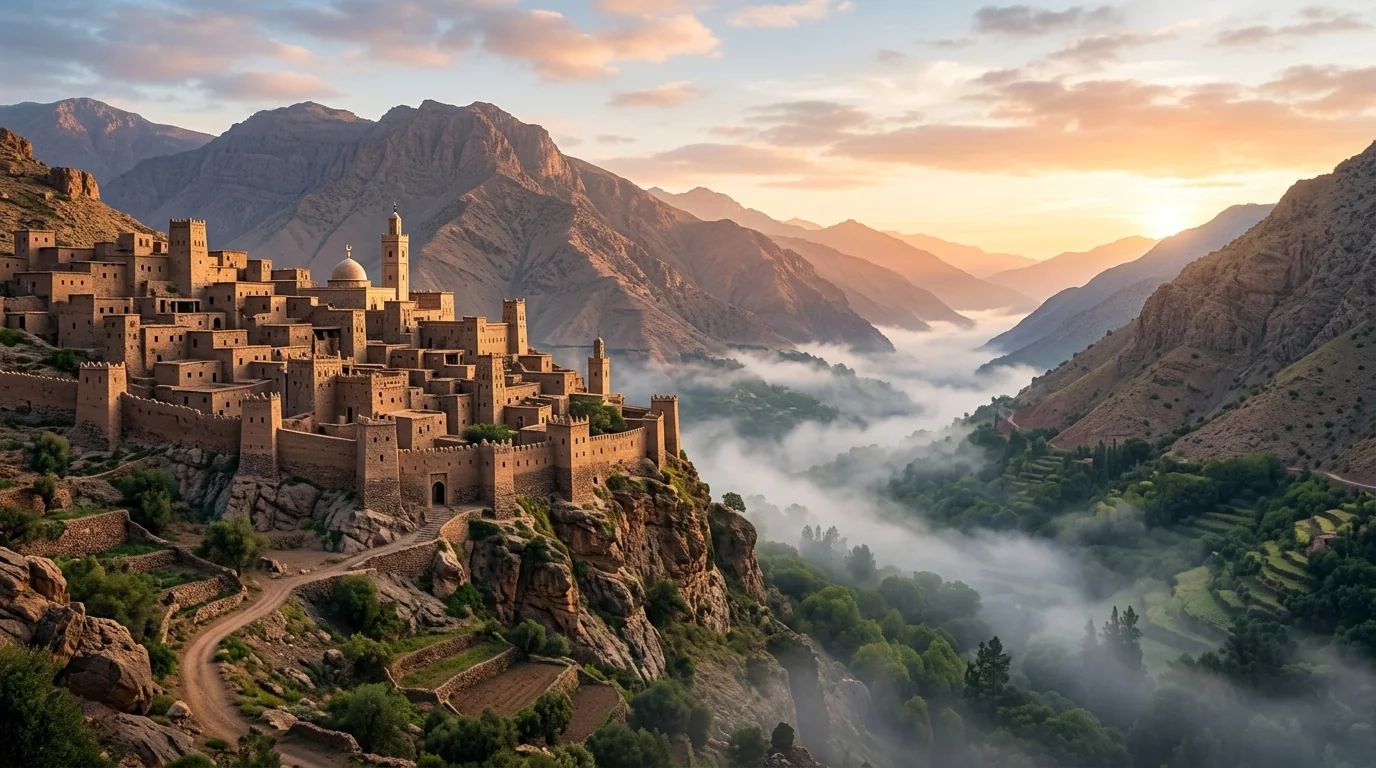
Scene 1
The Berber Amazigh People
The chapter opens with the Quranic verse that God made mankind into peoples and tribes to know one another, and Field Marshal Montgomery's remark that the Berbers who fought the Muslims for twenty-five years then carried Islam to Andalusia. The author introduces this North African people, deliberately using both names, Berber and Amazigh.
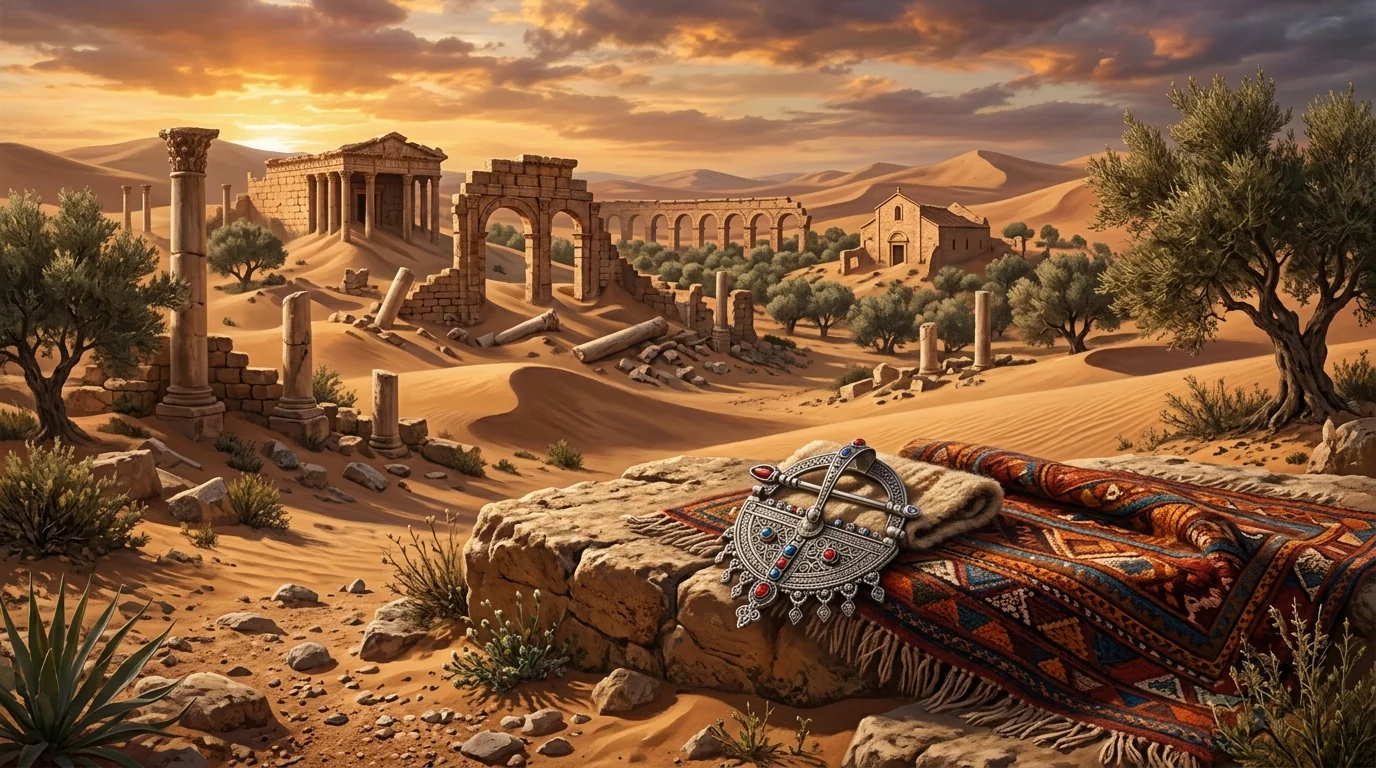
Scene 2
The Origin of the Name and a Great Honour
Historically it was the Romans who gave these Amazigh tribes the name Berber; indeed they called everyone who was not Roman a barbarian. The word is therefore no insult but a great honour, the author says: if Muslims knew what the Berbers gave to Islam, every one of them would wish to be Berber.
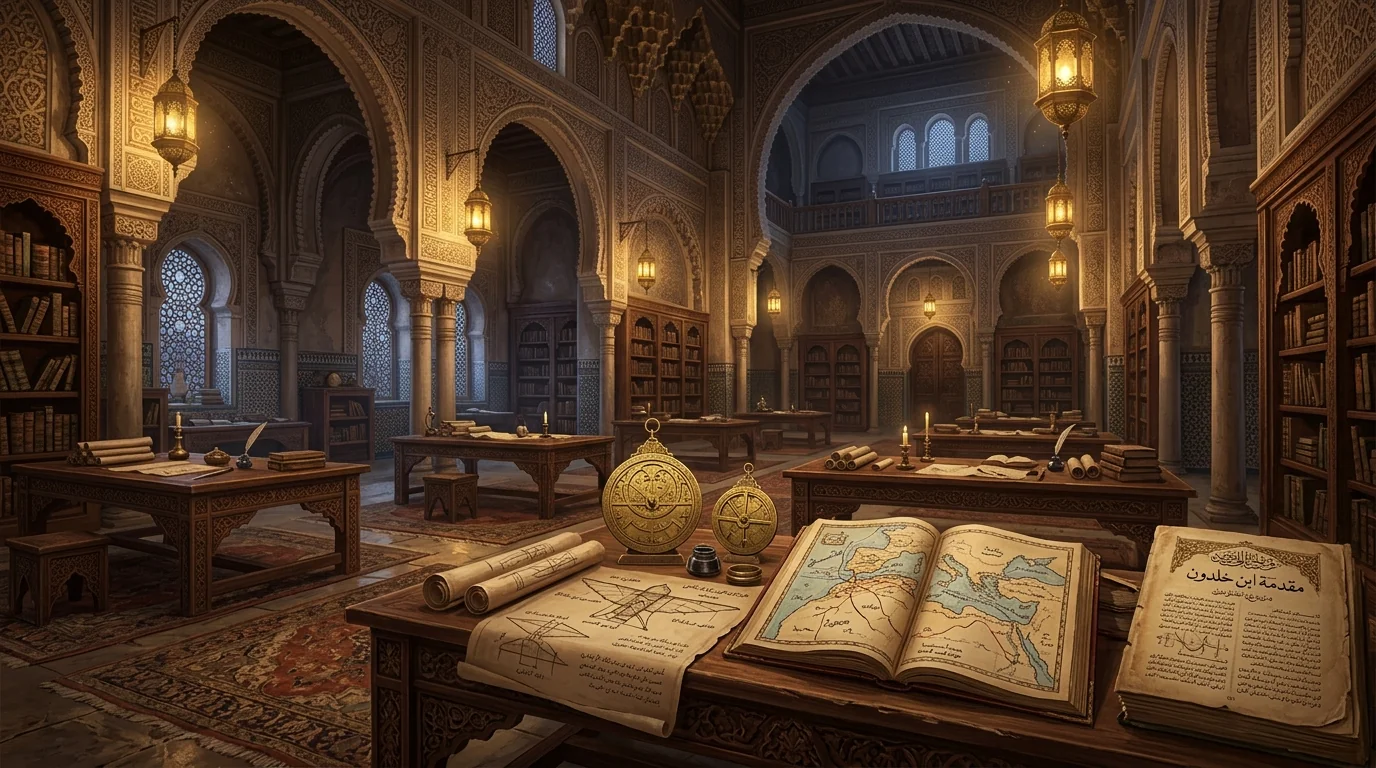
Scene 3
Berber Luminaries and Scholars Through History
Many do not realise that some of the nation's finest scholars and fighters were Berbers: Ibn Khaldun, founder of sociology; Abbas ibn Firnas, pioneer of flight; Yusuf ibn Tashfin of the Almoravids; the traveller Ibn Battuta; Ibn al-Baytar; Abdelkrim al-Khattabi; al-Mu'izz ibn Badis and many more. They are proud of it, and the author is proud of them.

Scene 4
Plots of Discord and Colonial Ruin
A football match between Algeria and Egypt in the 2010 World Cup qualifiers exposed, the author says, great ignorance among ordinary people; those who lit this strife struck Islam deeply by dividing two of its most important peoples. He recalls "that foolish presenter" who cursed the Berbers openly on air, and a poor man who warned him against the "Amazin" who supposedly hate Muslims. Online he saw the fingers of French "colonial ruin" on one side and of the Crusaders on the other, and, laughably, "the Rafidi Shia, as is their habit", fanning the flames.

Scene 5
A Steadfast Identity and the Failure of Missionary Efforts
France tried to divide Arabs and Berbers by reminding the Berbers of supposed Latin origins, and failed utterly. Ben Badis, himself of Berber descent, wrote that Algeria's people are Muslim and belong to Arabism. Despite repeated attempts to Christianise them, the Amazigh have held so firmly to Islam that the missionaries despaired.
Scene 6
Protecting the Creed and Cutting Off Discord
In recent years, the book says, Iran entered a race with the missionaries, seeking the apostasy of the monotheists there and the spread of Shiism among the Amazigh, which led the Kingdom of Morocco to sever diplomatic relations with Iran in 2009 after discovering Safavid cells spreading Shiism among poor Berbers by money and "filthy methods". Yet this heroic people, praise be to Allah, still moves day by day toward correct Islam; every attempt to distance the Berbers from the religion their forefathers spread in black Africa's jungles and Europe's green plains has failed.

Scene 7
Spreading Islam in Africa's Jungles and Europe's Plains
The author marvels at a religion that turns yesterday's enemy into a brother, combining simple belief with complete legislation. Its detractors must distort it, he argues, or their peoples would enter it in crowds and escape their control. This faith transformed a naturally tough people like the Amazigh, who then carried it into Europe.
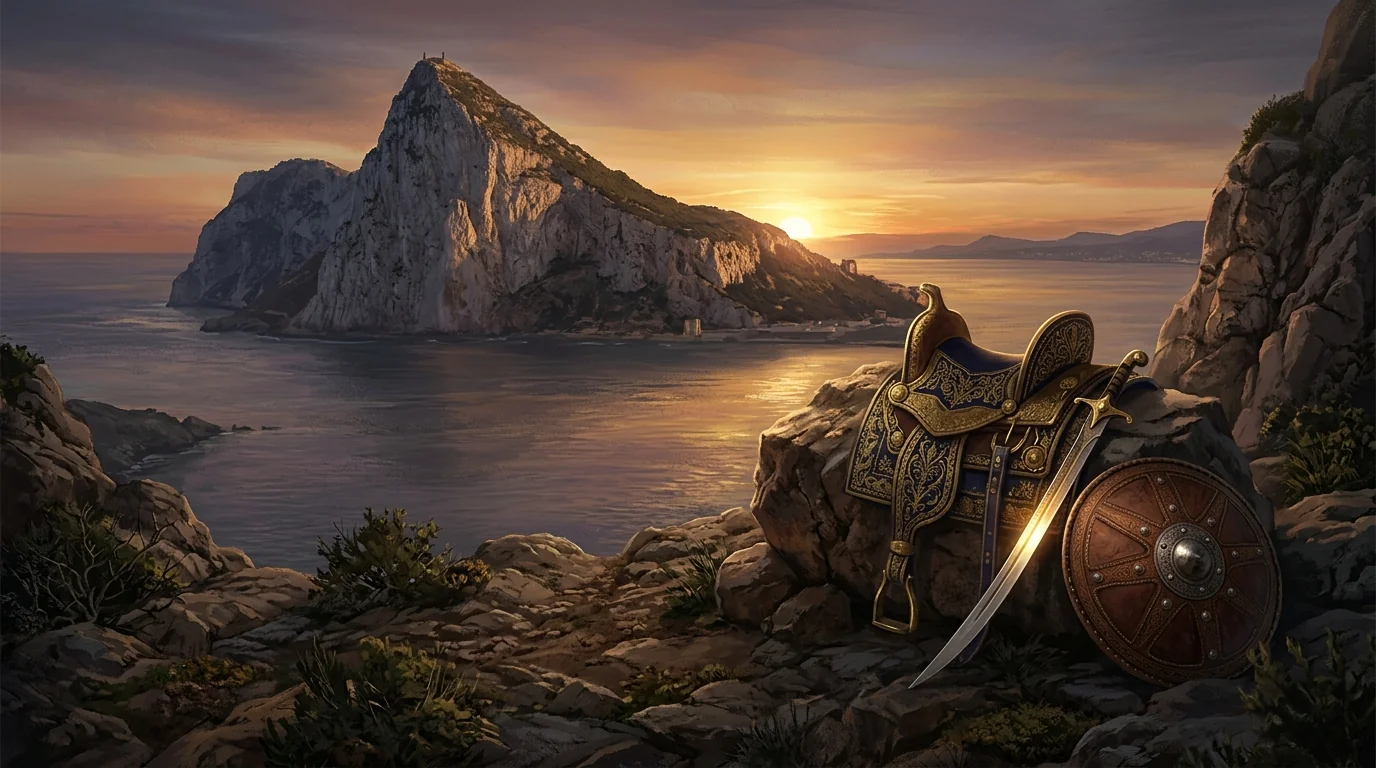
Scene 8
The Conqueror of Andalusia and the Glory of Gibraltar
The author closes with questions: who was the great Amazigh hero who conquered Andalusia? What is the truth of the saying attributed to him in schools, "the sea is behind you and the enemy before you", and why did it become proverbial? And what is the story of the immortal battle of Wadi Barbat?
These are English scene notes. The full chapter text, as the author wrote it, is in the app.