



Scene 1
The Virtue of Syria and the Hero of Aleppo
The chapter opens with the Prophet's ﷺ sayings that faith will be in the Levant when trials come. Before telling of a young Syrian hero, the author goes back to 1798, when Napoleon Bonaparte's ships reached Alexandria in what textbooks call the French campaign in Egypt, which he insists was in truth a French crusade.
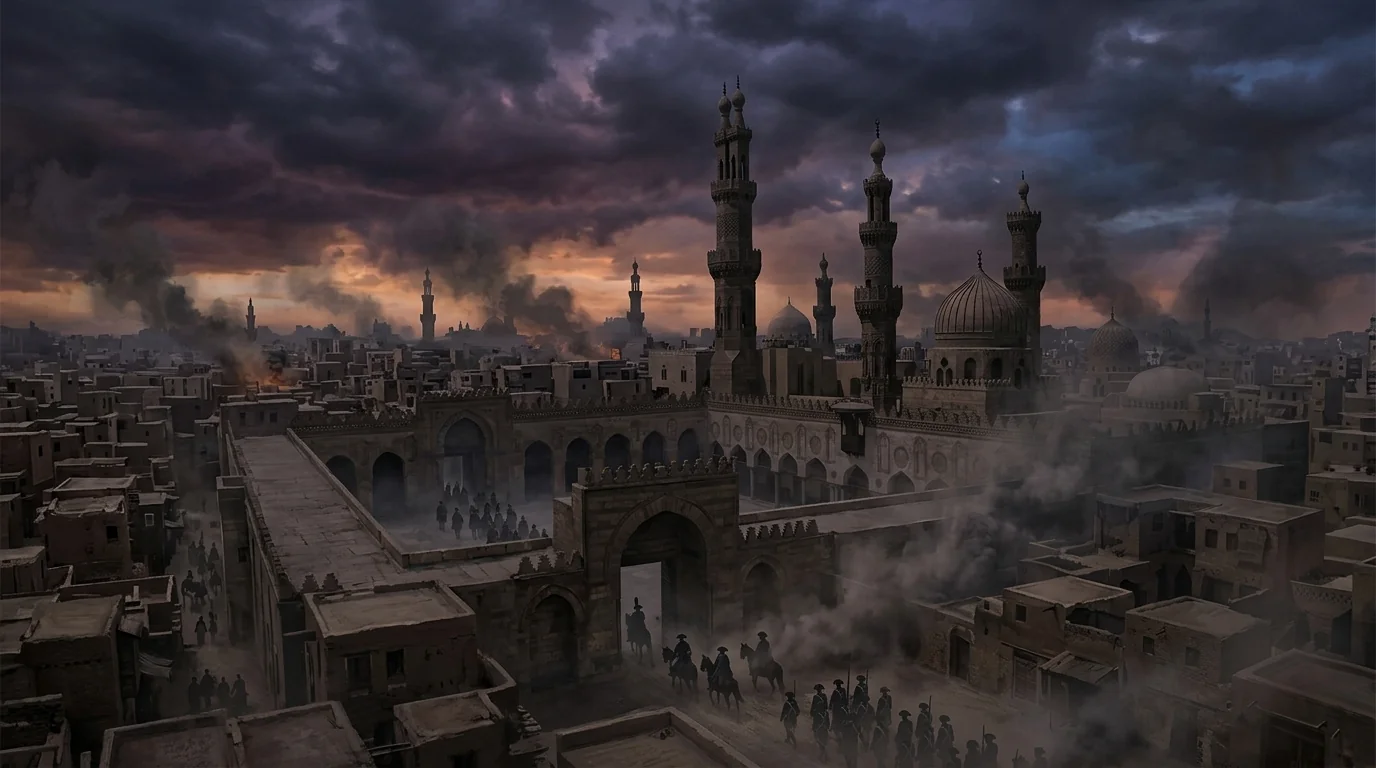
Scene 2
The French Campaign and the Desecration of al-Azhar
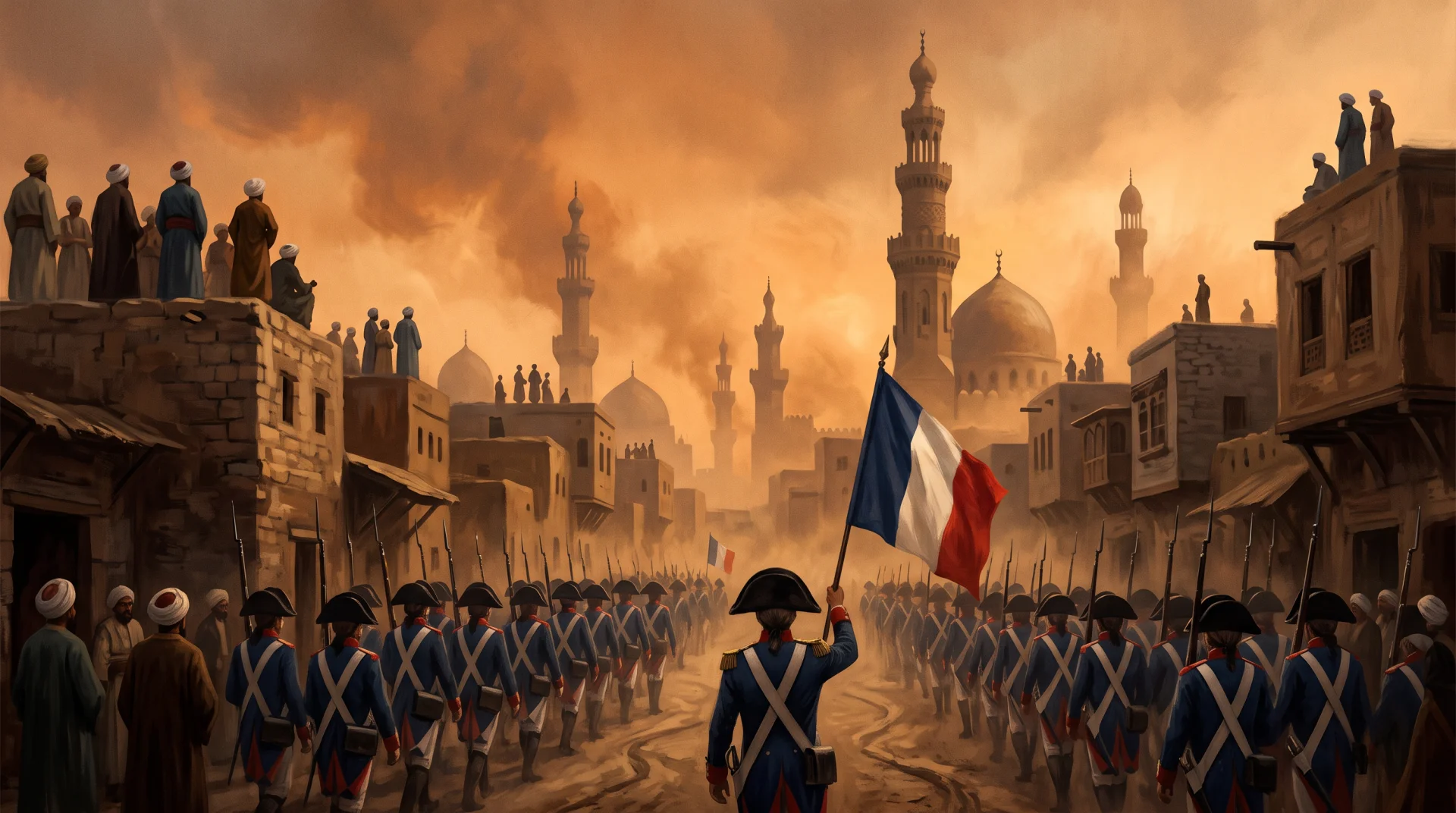
Napoleon first posed as a bearer of civilisation, writing to the Sharif of Mecca and al-Azhar's scholars that he loved the Prophet ﷺ and supported Islam. Egyptians were not deceived and Cairo's first revolt erupted. The French then rode into al-Azhar, shelled old Cairo from Muqattam, and killed two thousand Azhar scholars in a single day.
Scene 3
Recognising a Crusader Invasion, and Kléber's Brutality
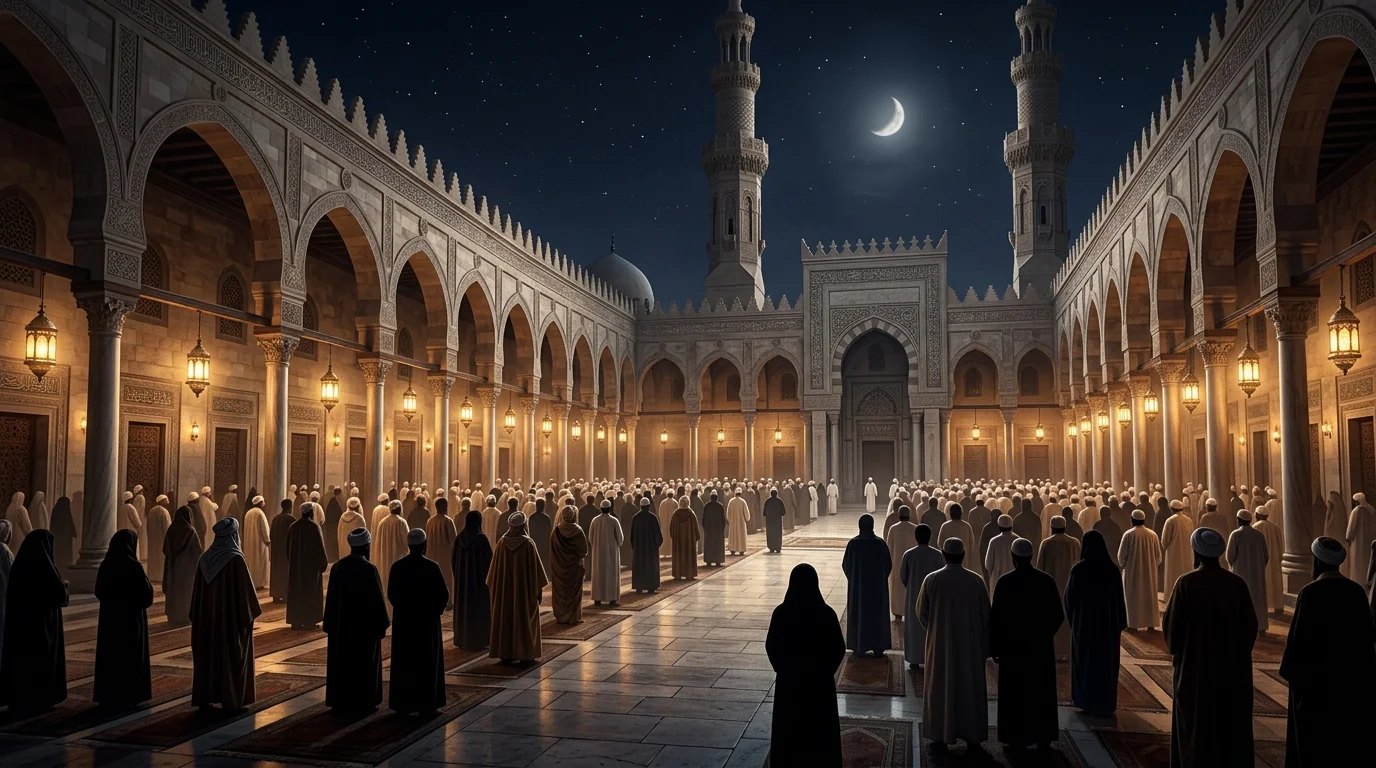
At that moment the Muslims realised they faced a Crusader invasion no different from its predecessors. Al-Jabarti, in his "Aja'ib al-Athar", relates how "the Crusader traitor" Ya'qub Hanna collaborated with the occupiers and formed legions of "Crusader traitors" from the country's native inhabitants to help the French storm Egyptian Muslims' homes. Napoleon returned to France to continue his criminal record, leaving command to "another war criminal", Kleber, a Crusader to the marrow: the French turned Egypt's mosques into brothels to entertain "their scoundrel soldiers", raped Muslim girls before their fathers and killed infants before their mothers.
Scene 4
The Epic of Resistance and the Syrians' Hall at al-Azhar
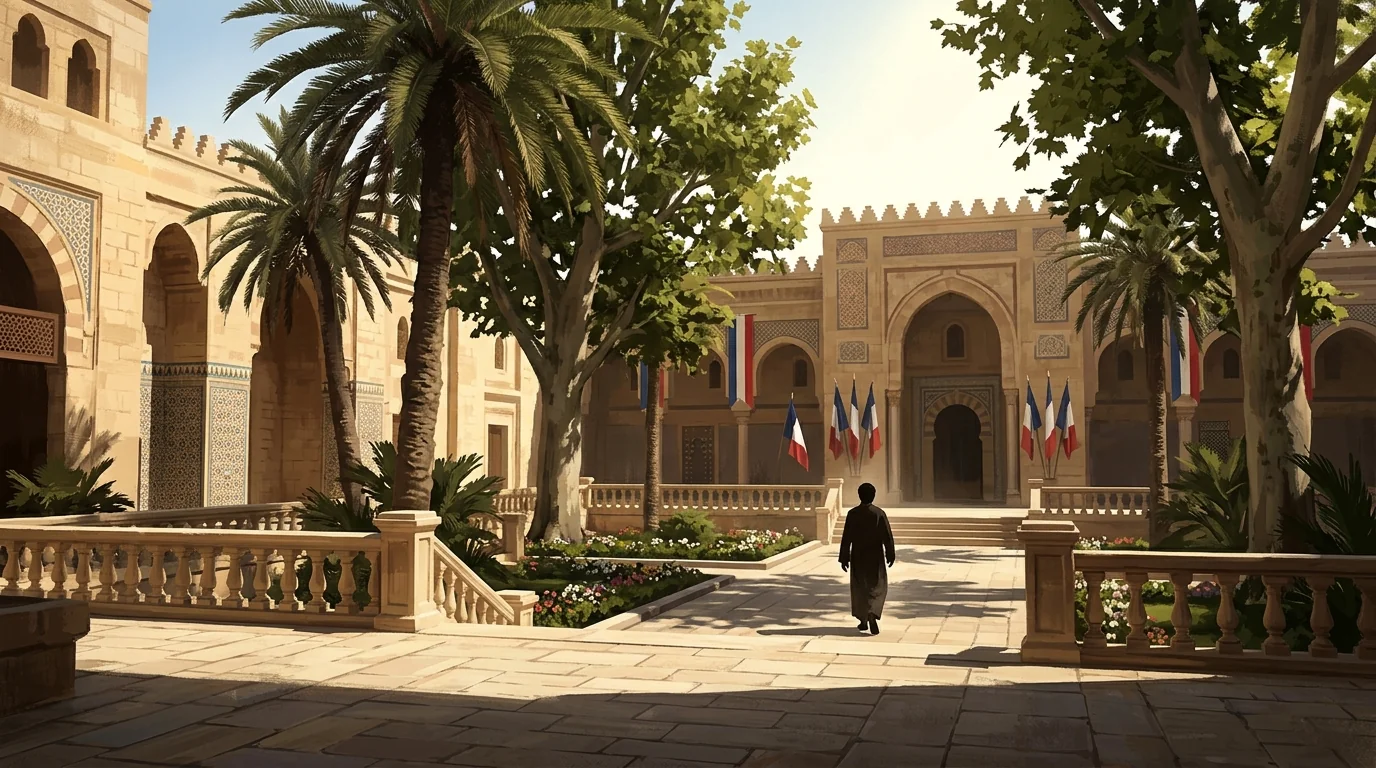
Fighters rose across Egypt: Egyptians in the south and on the coast, Mamluk horsemen, volunteers from the Hijaz, and Turks answering the jihad declared by Caliph Selim III. Al-Azhar's Syrian hall joined them, including a twenty-two-year-old Kurd from Aleppo whose teacher, Sheikh al-Sharqawi, the French had killed, and who resolved on a self-sacrificing operation.
Scene 5
The Daring Operation in the Garden of the Military Palace
The young man's name was Suleiman al-Halabi. This Kurdish hero decided to storm the military palace and attack the French army's headquarters alone, in a complex operation ending with the death of the invaders' commander-in-chief. He carried it out successfully, killing Jean-Baptiste Kléber. The author then turns to what the French did to him afterwards.

Scene 6
The Hill of Sacrifice and the Three Martyrs of Gaza
The French burned Suleiman's hand to the bone, then burned alive before him three Palestinians from Gaza who had helped prepare the attack. He himself was impaled alive and left for days to the birds of prey. His skull was then taken to the Musée de l'Homme in Paris and labelled "criminal".
Scene 7
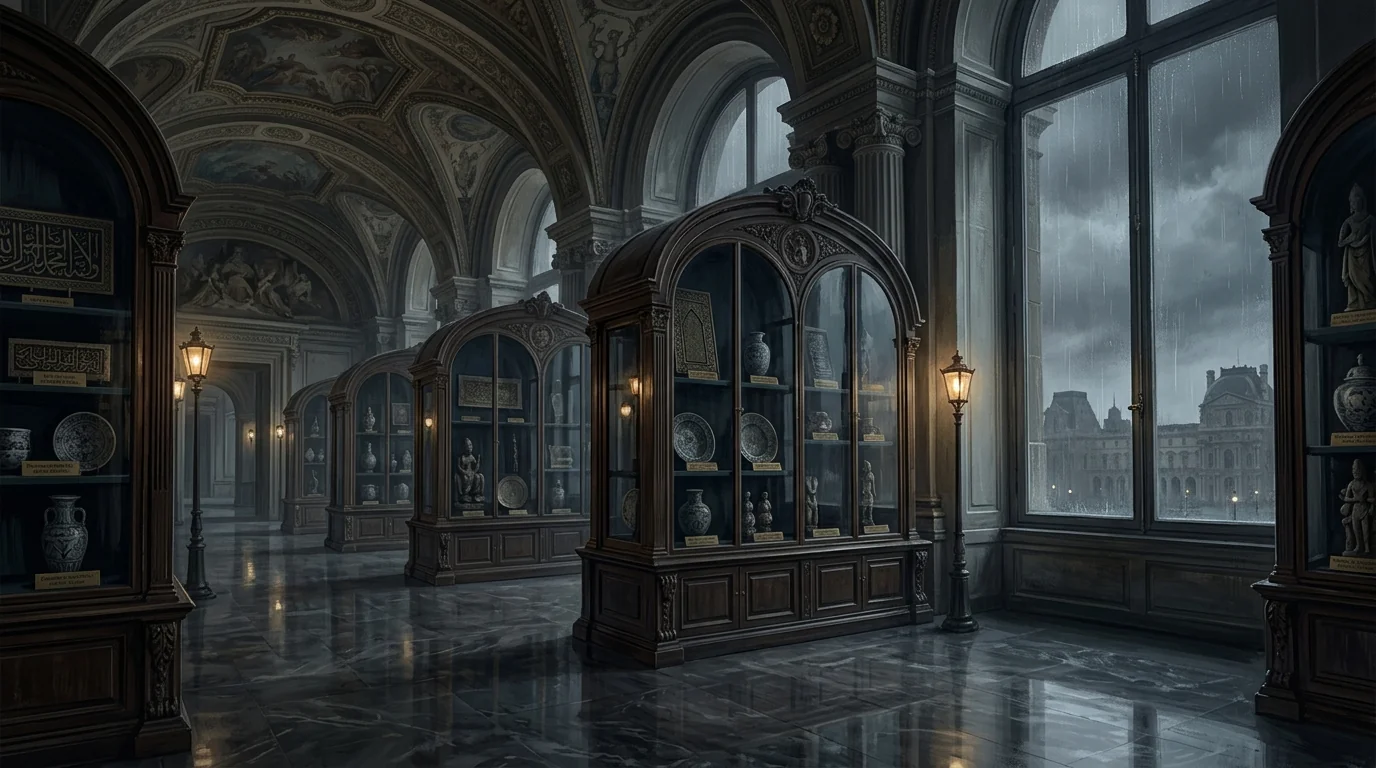
The Paris Museum and the Hollow Slogans of Liberty
What truly disgusts the author is not the crimes of the old French but that today's French still keep this fighter's skull in their museum. Were he an Arab official, he says, he would let no advocate of French democracy lecture him on freedom and human rights without first raising the matter of that skull.
Scene 8
A Devoted Azhar Student Against the Smears
Suleiman was no criminal, the author insists, but a fine young Muslim who wished to study at al-Azhar, saw his elderly teacher killed and the Quran torn, and took revenge. The real criminals were the French commanders who killed civilians. He mocks foreign sources that claim Suleiman acted merely to relieve his father of Turkish taxes.

Scene 9
The Banner of Honour Carried On Across the Nation
This, the book says, was one chapter of the story of "French terrorism" in the lands of Islam, confronted by a Kurdish Levantine mujahid who sacrificed the flower of his youth for Allah against "those terrorists", who now amuse themselves viewing his skull morning and evening. What hatred do those "civilised" people still carry, and what pleasure is there in gazing at a human skull, even a criminal's in their eyes? "It is without doubt a filthy Crusader barbarism!" The author promises more of "those killers'" crimes in another Muslim land. To be continued.
These are English scene notes. The full chapter text, as the author wrote it, is in the app.