


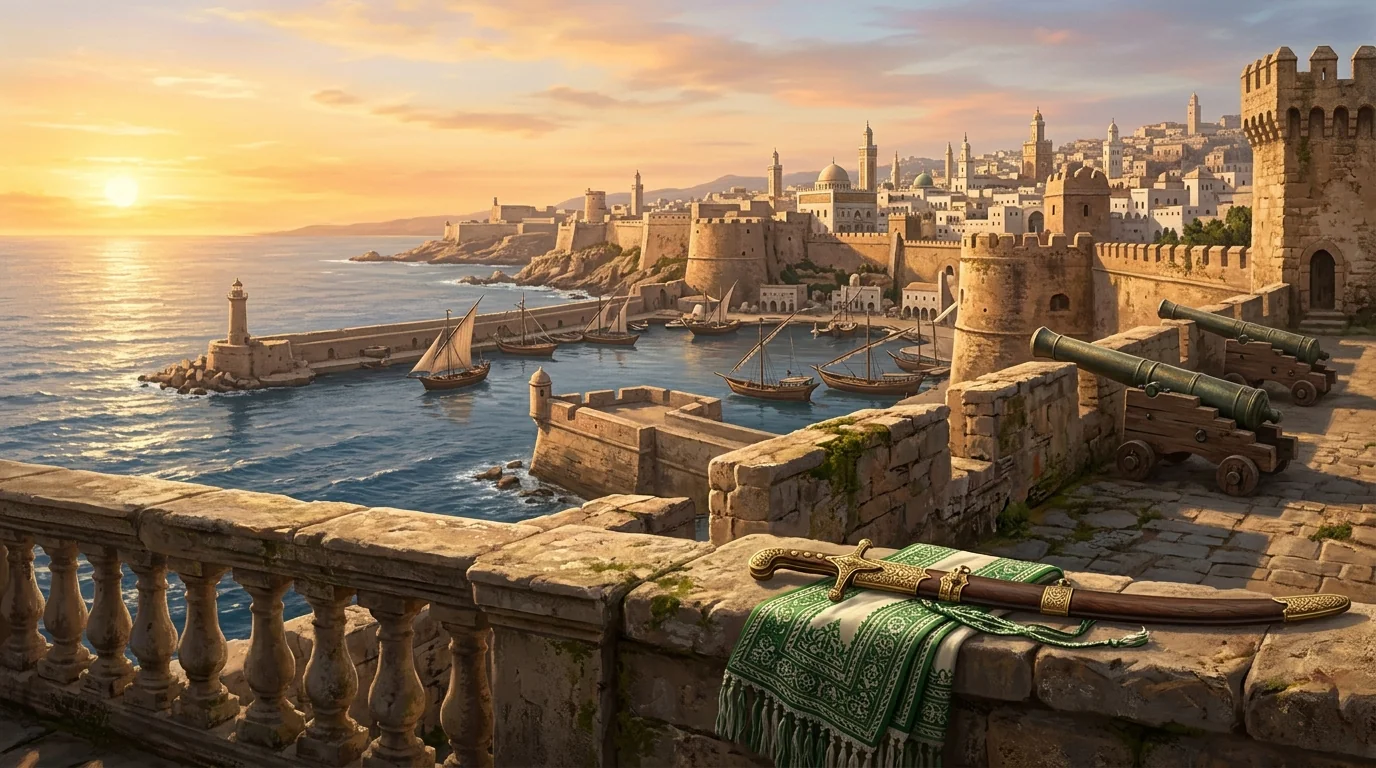
Scene 1
The Giant of Algeria and the Fortress of Islam
The chapter on Emir Abdelkader opens with his words that the roar of bullets and the neighing of horses are sweeter to his ears than soft song. The author confesses Algeria's history was once obscure to him, even making him doubt its Arab and Islamic identity, until he found it written in gold.
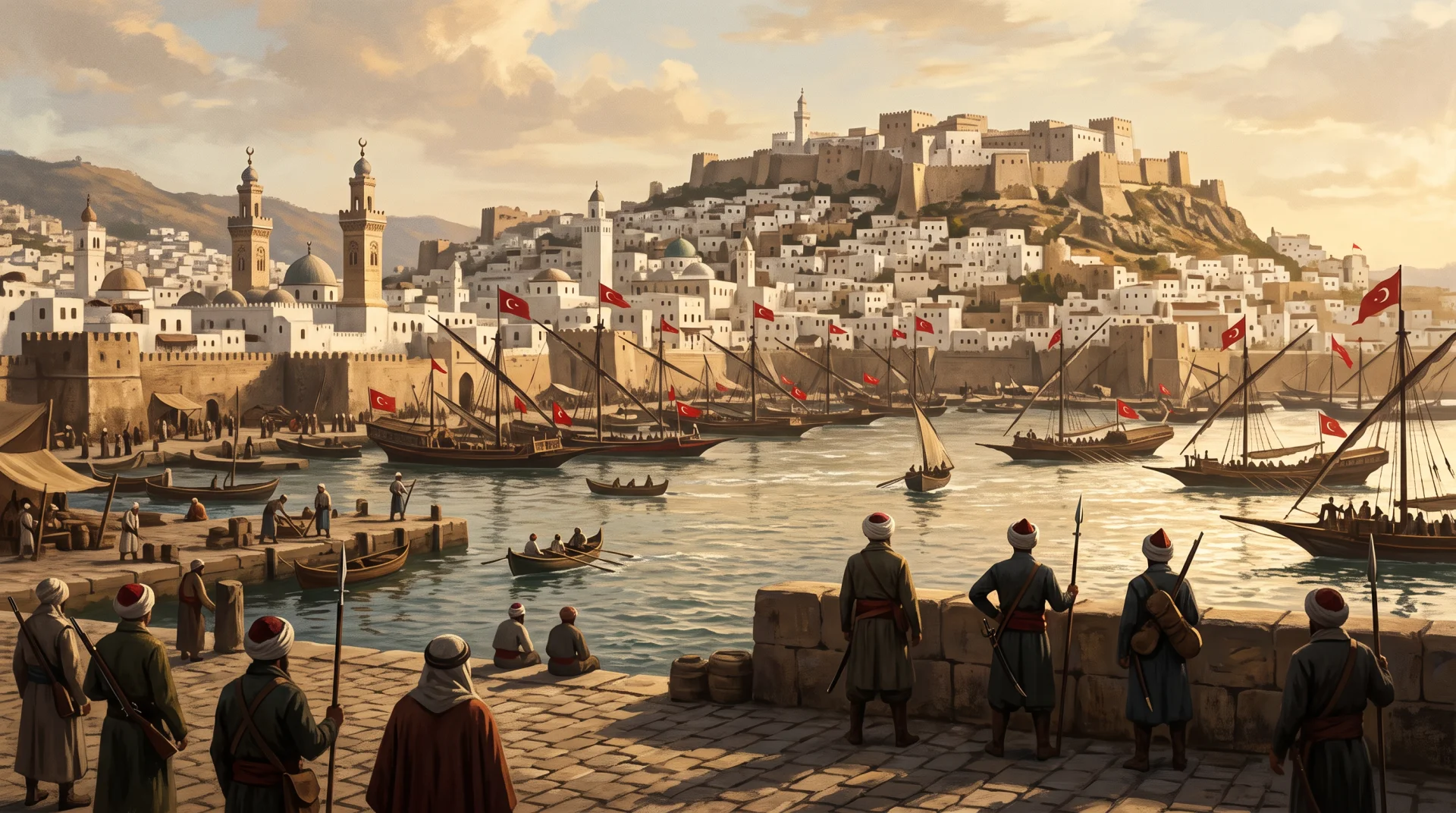
Scene 2
The Start of the French Campaign and Barbarossa's Algerian Fleet
Some historians date the start of the French campaign against Algeria to 1927, the book says, but the author argues the real war began much earlier, in 1538, the year of Preveza. After that victory Khayr al-Din Barbarossa built a huge fleet based in Algeria, which became the world's strongest naval power, known as the abode of Islam and of jihad.
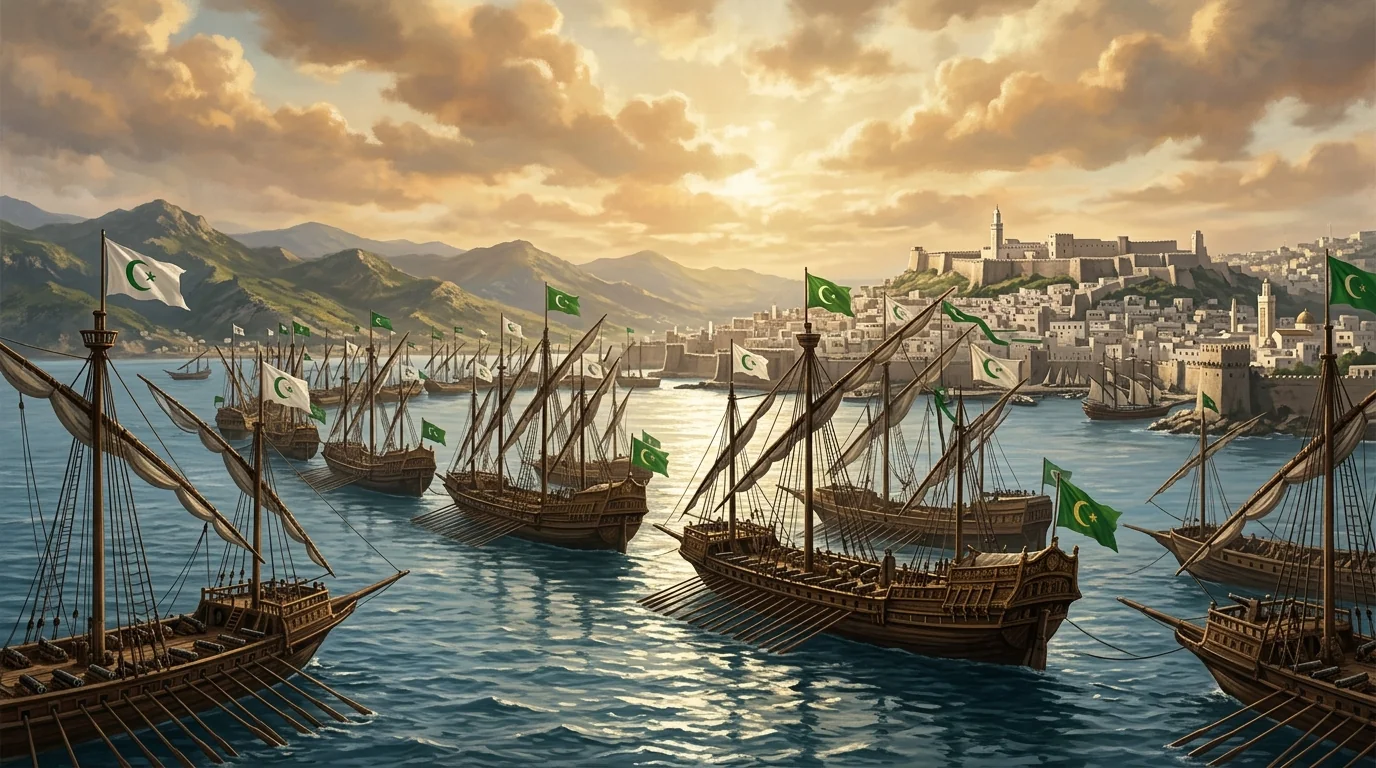
Scene 3
Three Centuries of Repelling Invaders
From then on the Crusaders focused on Algeria. The author illustrates its power under the Ottomans by listing tribute: George Washington paid 642,000 gold dollars for a non-aggression treaty, and Britain, Denmark, Holland, Sicily, Sardinia and others paid yearly. For three centuries Europe awaited revenge, raising the Algerian question at the Vienna and Aix-la-Chapelle congresses.
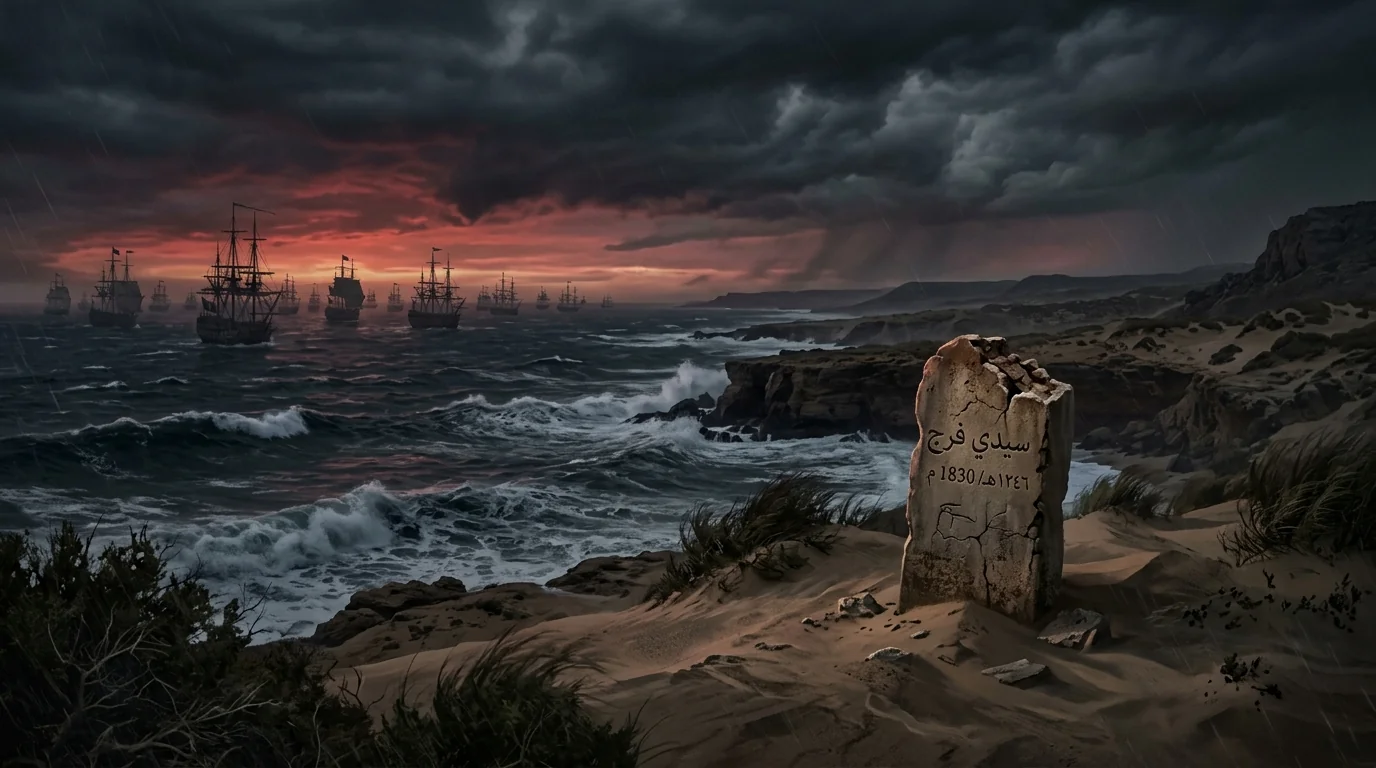
Scene 4
The Occupation Plot and the Battle of Navarino
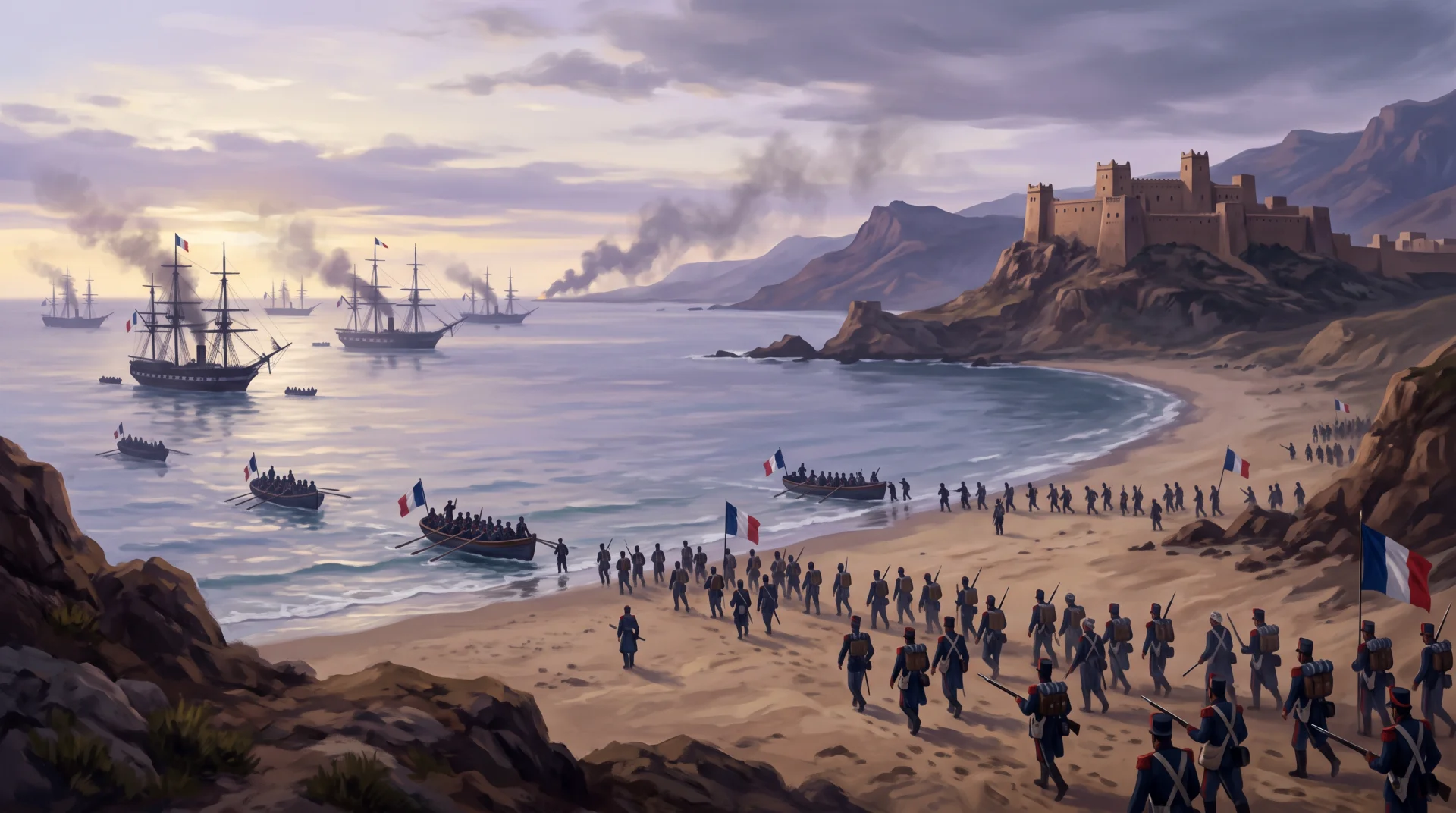
The chance came in 1927, the book says, the year the Ottoman-Algerian fleet was destroyed at the naval battle of Navarino, and France moved to occupy Algeria. To those who think France came to end ignorance, the author cites the German traveller Wilhelm Schimper, who in 1831 could not find a single illiterate Arab in Algeria. France also owed Algeria large debts.
Scene 5
Secular France Reveals Its Crusading Animus
Anyone who believes France turned secular after its revolution and dropped its crusading grudges is mistaken, the author argues. He quotes Clermont-Tonnerre hoping to bring the natives into Christianity, and de Bourmont telling his king at the Casbah ceremony that the conquest had opened a door for Christianity in Africa. The book adds that the Jews whom Algeria's Muslims had sheltered after their expulsion from al-Andalus repaid them by opening the gates of Algiers to the French.
Scene 6
Scorched Earth and the Tyranny of the Occupier
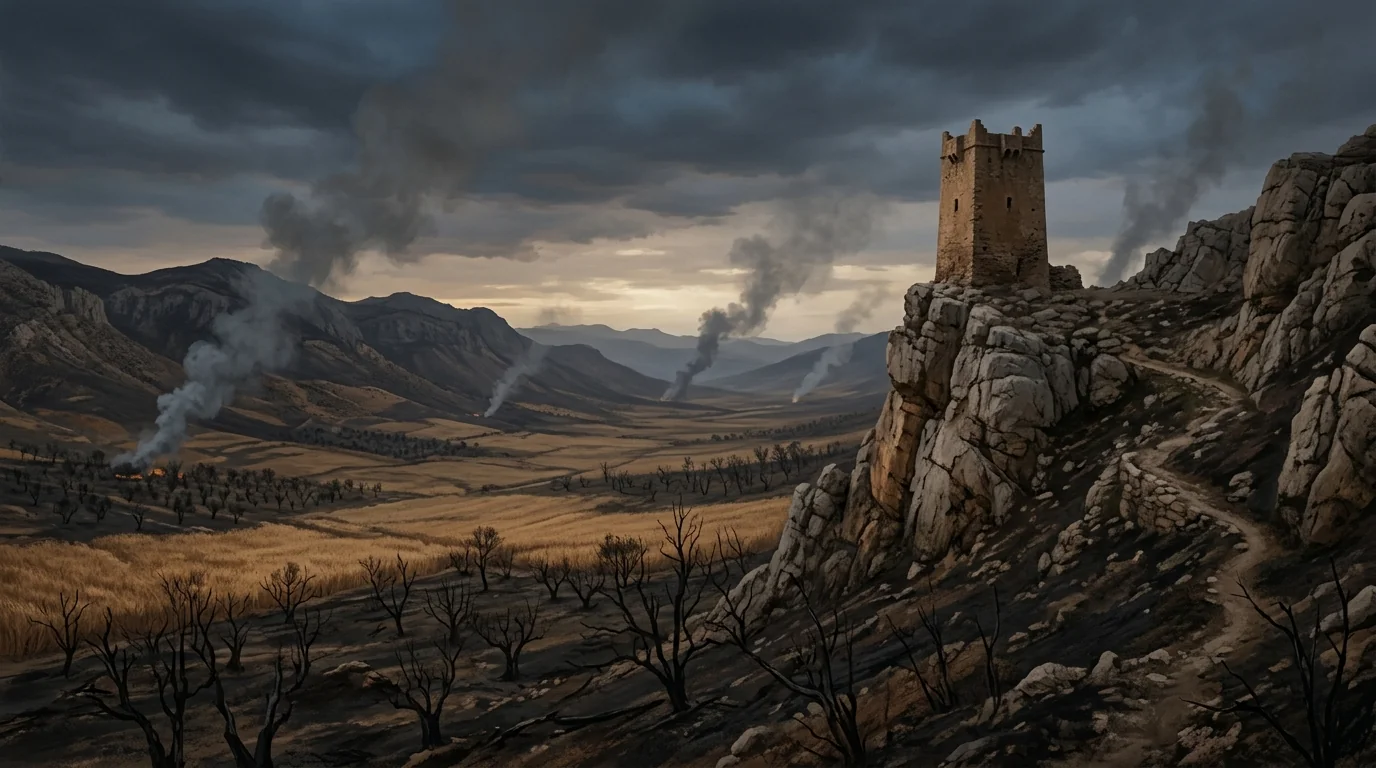
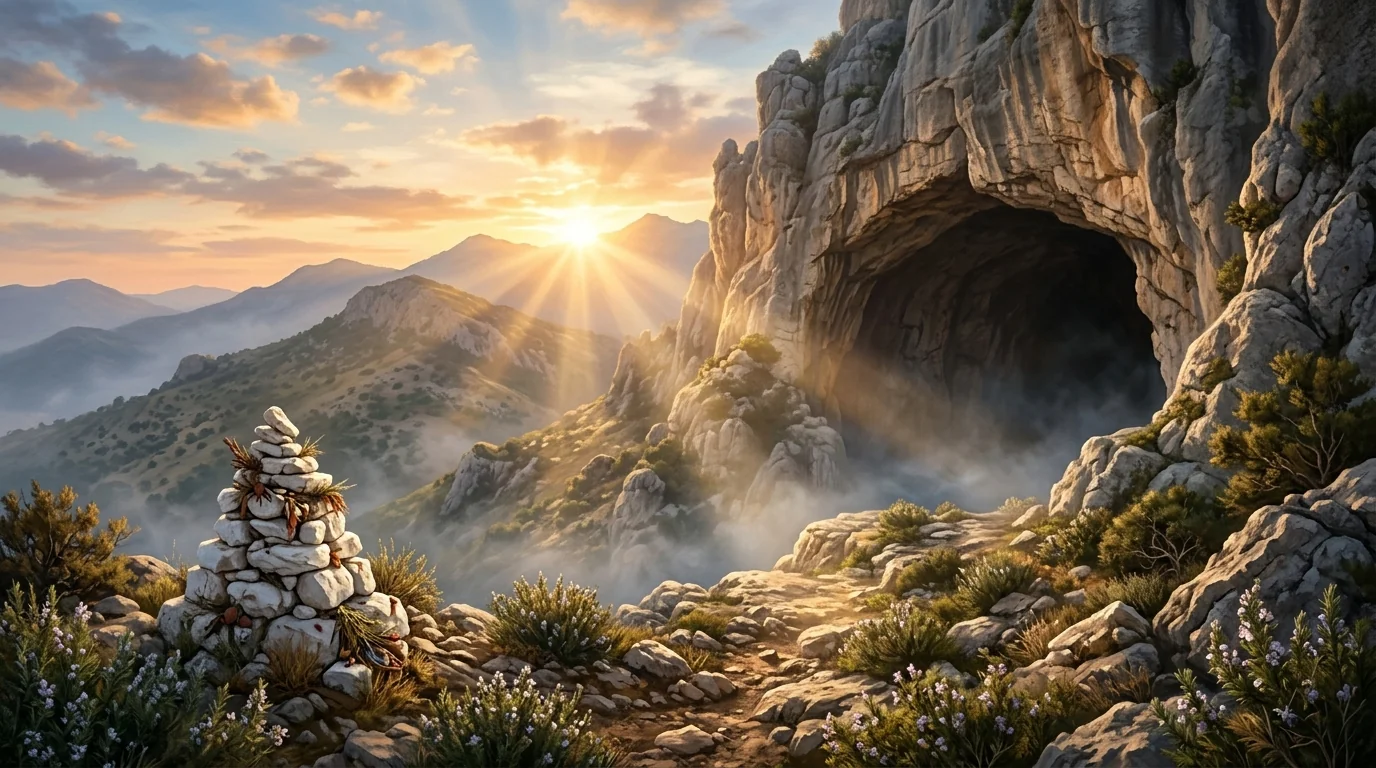
Of 112 mosques in Algiers, the French left only five; the rest were demolished or turned into stores and stables. Pilgrimage was banned and soldiers looted homes, cutting off women's hands and ears for their jewellery. When eight hundred Algerians hid in a cave with their livestock, the French set it alight with everyone inside.
Scene 7
The Dahra Cave Massacre and the Martyrs' Steadfastness
In the morning the village youths found children's charred bodies among burnt animals, and a man who had died gripping the horns of a maddened bull to shield his wife and daughter. The author recounts this because France refuses to apologise, so such crimes could recur, as he says happened in Bosnia.
Scene 8
Jihad, the Battle of Macta and Chivalry
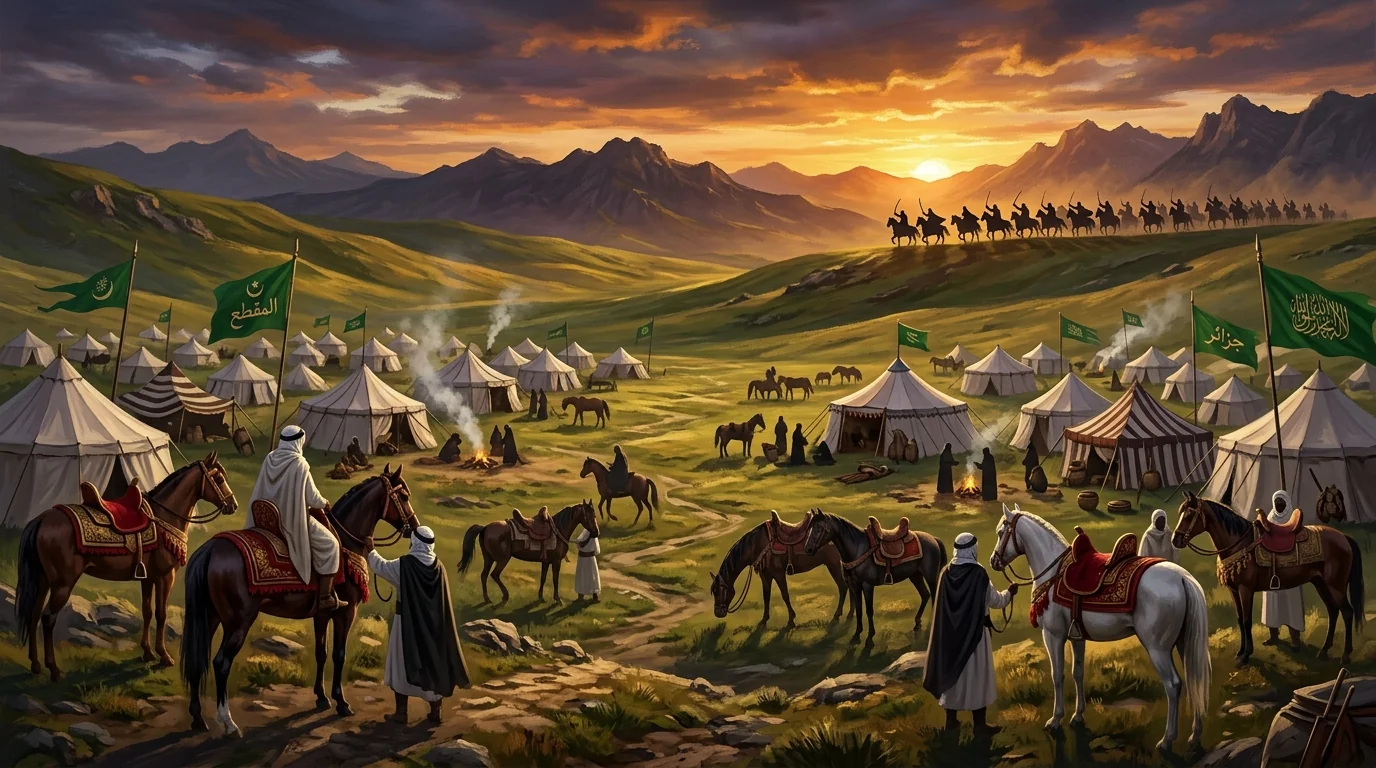
Such brutality shows the greatness of Emir Abdelkader, who united the tribes and inflicted heavy losses on the French at Macta in 1835. Eventually captured, he was jailed in Paris, exiled to Istanbul, where the caliph honoured him, and then moved to Damascus, where bloody strife broke out between Muslims and Christians in 1860.
Scene 9
Sheltering the Distressed in Damascus
The emir protected the Christians of Damascus and sheltered them in his own house, despite what French Christians had done to Muslims in his homeland. He died in exile in Damascus on 26 May 1983, as the book gives the date, and France seized on his absence to make Algeria a French province, banning Islamic courts and replacing Arabic with French.
Scene 10
The Flame of Algeria That Never Goes Out
In these bleak, despairing conditions, when France felt sure it had finished Islam in Algeria and made people forget the language of Muhammad ﷺ, a new Muslim great emerged from the wreckage and the ashes of despair. He refused to accept bitter reality, raised the banner of Islam high, and set Algeria ablaze.
These are English scene notes. The full chapter text, as the author wrote it, is in the app.