


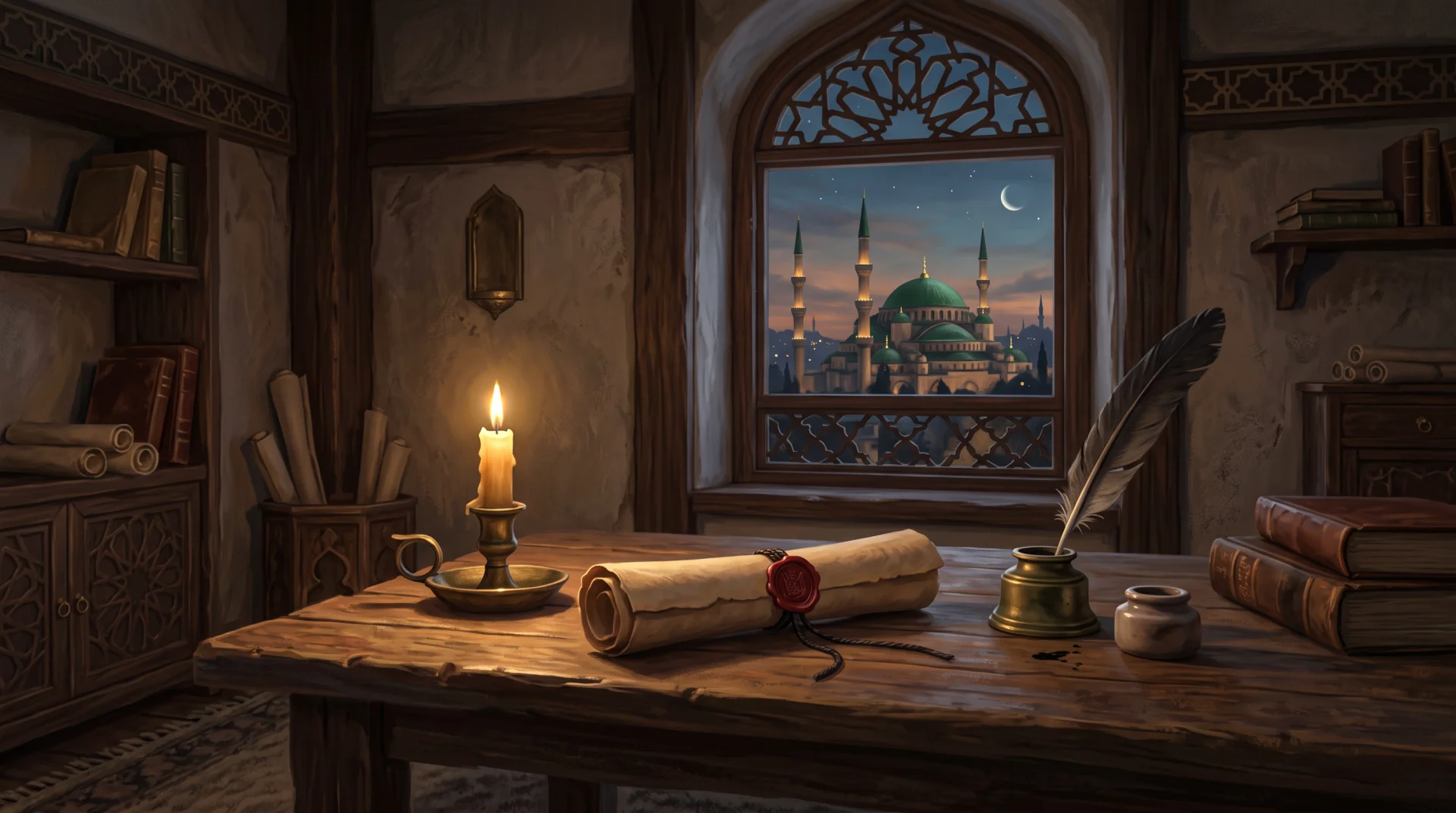
Scene 1
The Ruling Against Ismail al-Safawi and the Prophet's Threatened Grave
The chapter, titled "Destroyer of the Safavid State", opens with Selim I's letter: scholars and jurists have sentenced "you, Ismail al-Safawi" to retribution as an apostate, obliging every Muslim to crush the heretics in him and his "idiot followers". The author says the Prophet's ﷺ grave was about to be dug up and his city occupied, had Allah not sent Sultan Selim, hero of Chaldiran, against "the wicked Safavid state". He asks why Iran still celebrates the killing of Umar and in 2003 restored in Kashan the shrine of Abu Lu'lu'a the Magian, Umar's killer.
Scene 2
The Riddle of Iran's Contradictions and the Author's Bewilderment
The author admits the subject is thorny and that he once defended Iran as a champion of Palestine. He grew puzzled by constant threats against Iran without war, its foreign minister's remark about helping the invasions of Afghanistan and Iraq, a book denying al-Aqsa is in Jerusalem, and a British newspaper report about its president's family name.
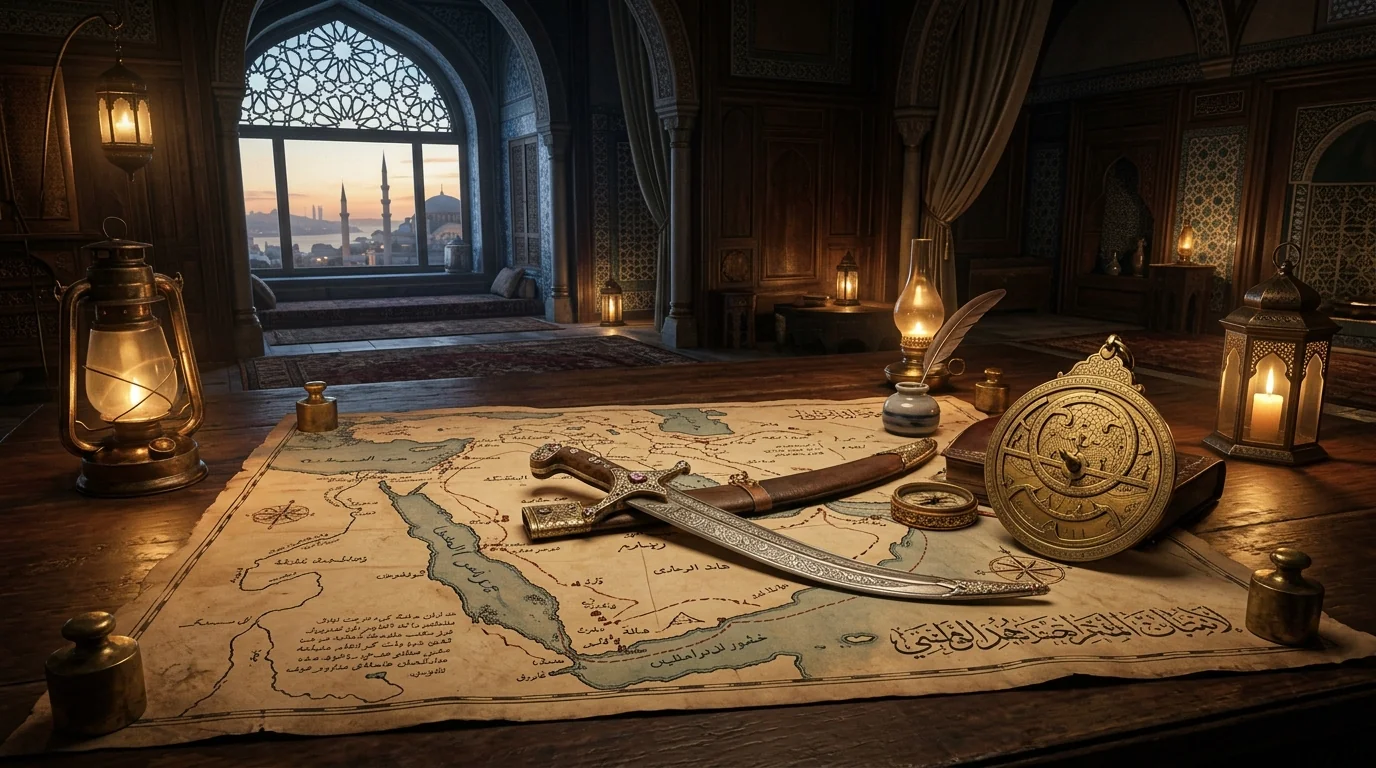
Scene 3
Map of the Double Threat and the Start of the Strife
It began in Tabriz in 907 AH, when a Persian Sufi named Ismail ibn Haydar al-Safawi converted to the Twelver Rafidi Shia doctrine; the author warns that innovating Sufis are the people closest to being dragged into something worse. Al-Safawi mixed Persian Magian beliefs with "deviant" Shia beliefs, then changed most Persians and Arabs in the lands he occupied from the Sunni doctrine to that of "the Rafidi Shia", after killing more than a million Muslims in Baghdad and elsewhere, which, the book says, explains the Shiism of many in Iraq, Persia, Azerbaijan and al-Ahsa to this day.
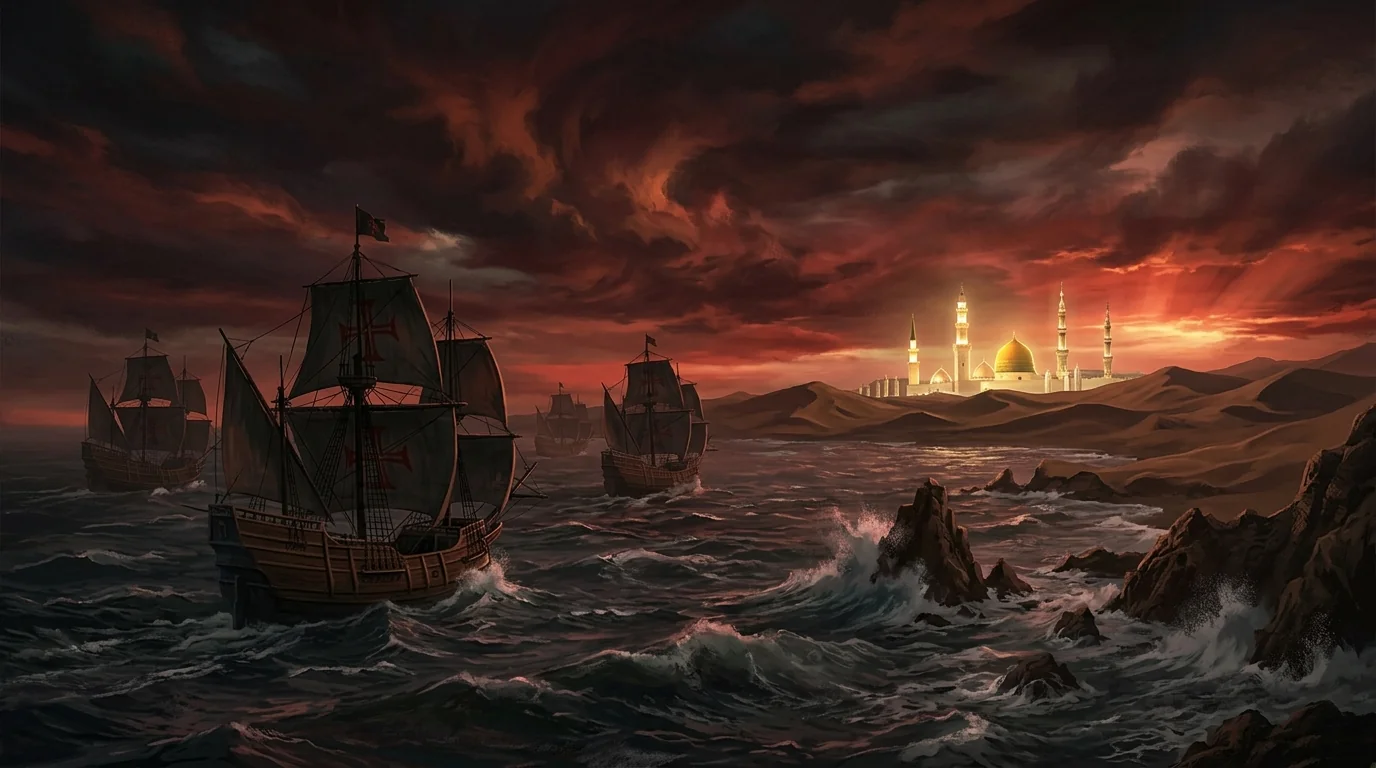
Scene 4
The Safavid Alliance with the Crusaders Against Medina
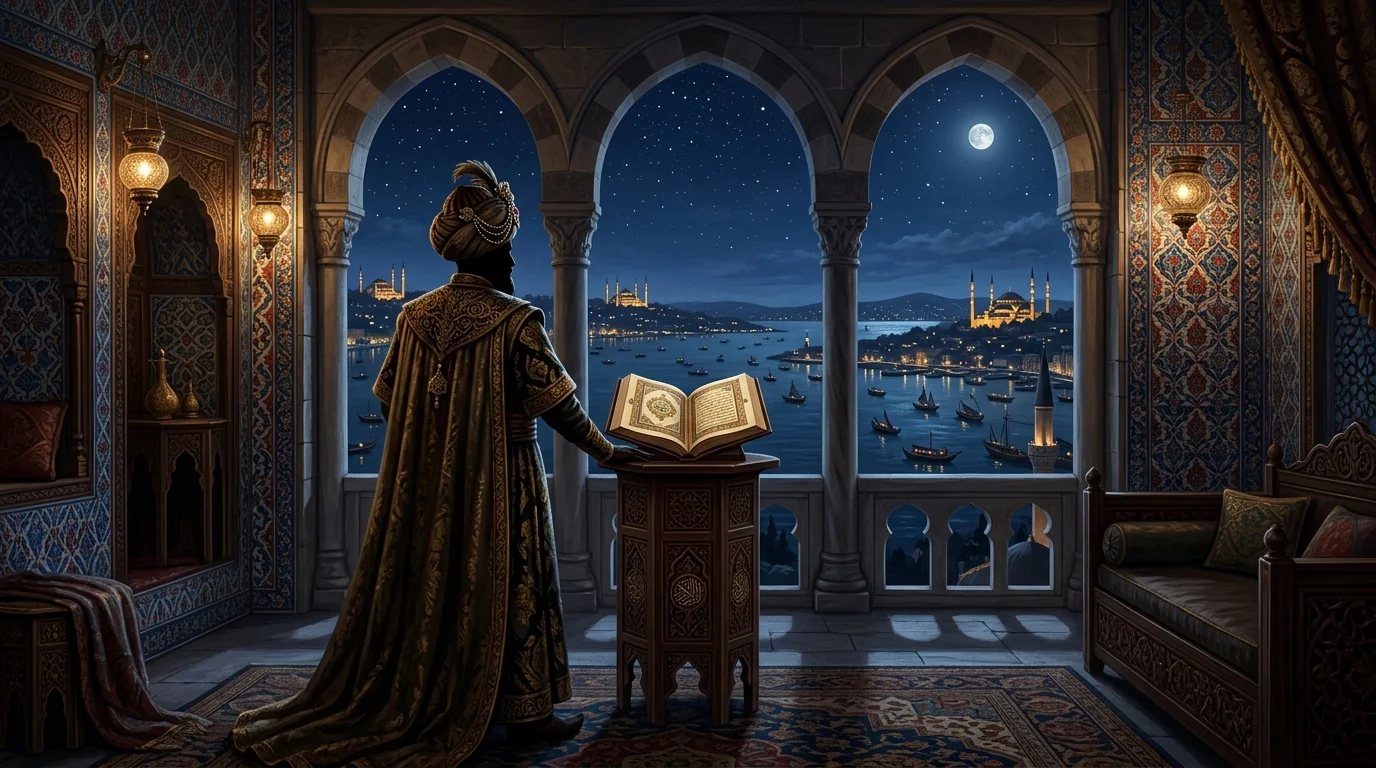
At the same time the Portuguese Crusaders under Alfonso Albuquerque wanted to occupy Medina, dig up the grave of the Prophet ﷺ and barter it for Jerusalem. As is the habit of "the Rafidi Shia" throughout history and to this day, the book says, the Safavids volunteered for free to help the Crusaders carry out "that despicable plan", allying with Albuquerque to strike the Mamluk state and drag it eastward, leaving the Red Sea open for the Portuguese Crusaders to dig up Muhammad's ﷺ grave in Medina.
Scene 5
The Rise of the Ottoman Falcon and the Quranic Vision
Then, from the peaks of the Anatolian plateau, rose a fierce Ottoman falcon named Selim I, who resolved to defend the Prophet ﷺ dead as the Companions had defended him alive, and hastened to counter-attack. Did he march against the Crusaders and leave "the traitorous Shia" alone, on the grounds that external enemies come first and we are all Muslims? The author answers that Selim, raised purely on the Quran, quickly identified the real enemy, recalling the fourth verse of Surat al-Munafiqun (The Hypocrites): "They are the enemy, so beware of them."
Scene 6
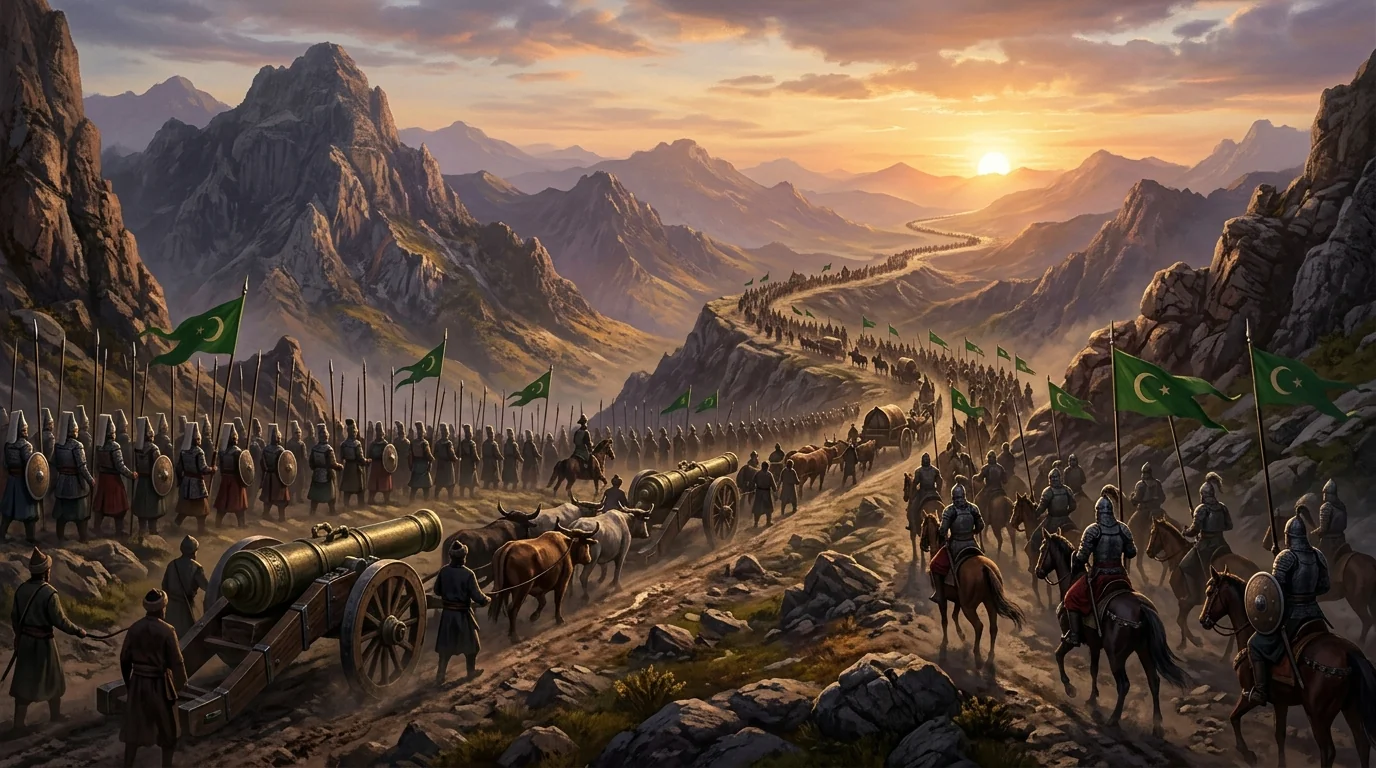
The Ottoman Armies and Cannons March East
Selim understood why Allah made the word "enemy" definite in describing the hypocrites, not saying "they are an enemy": because, the book says, the hypocrites are the first real danger to Muslims in every age until the Day of Resurrection, every hypocrite an enemy within. So the Sultan indeed headed east against the Safavid Shia of Persia, who, the author writes, claim Islam falsely and by taqiyya in order to strike it from within.
Scene 7
The Immortal Battle of Chaldiran and the Fall of Tabriz
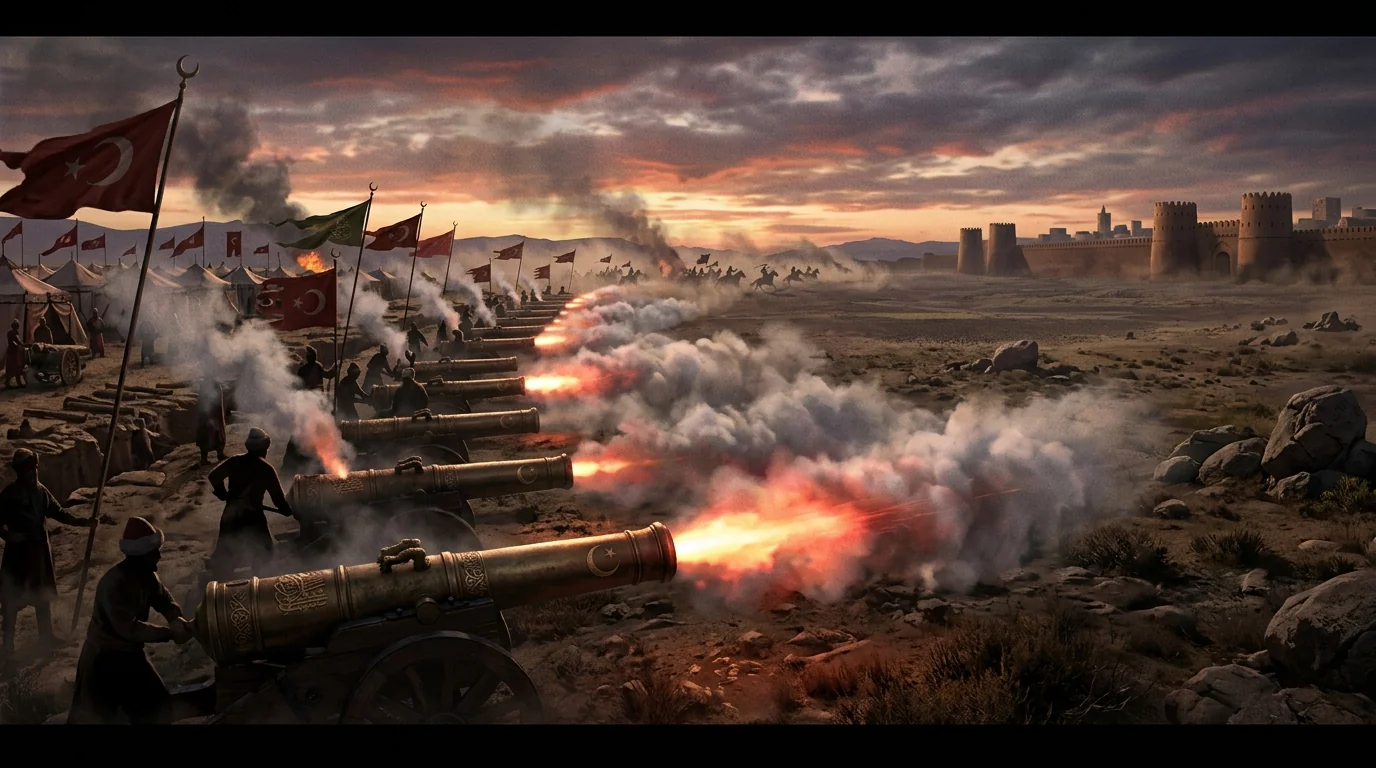
On 2 Rajab 920 AH Selim I defeated the Safavid Shia at Chaldiran, razed their capital Tabriz and tore their armies apart. The author writes that "the filthy Safavid Shiite" who planned to dig up the grave of the greatest of creation fled, abandoning his wife and honour out of his "moral degradation and the baseness of his Magian origin"; the Sultan took her captive and married her to a common soldier. Thus Muslims were rid of the old Safavids before the new ones appeared under Khomeini, whose Tahrir al-Wasila (1/352) the book quotes as permitting taking the Sunni's wealth.
Scene 8
Reading the Present Through the Window of History
With that, the author says, the riddle of the Safavids is solved and Iran's contradictory behaviour becomes clear, all thanks to studying history. The purpose of history is not merely telling and enjoying stories; its essential aim is understanding present reality, because the events of the past explain the puzzles of today.
Scene 9
The Justice of Islam and the Fatwa of Zembilli Ali Efendi
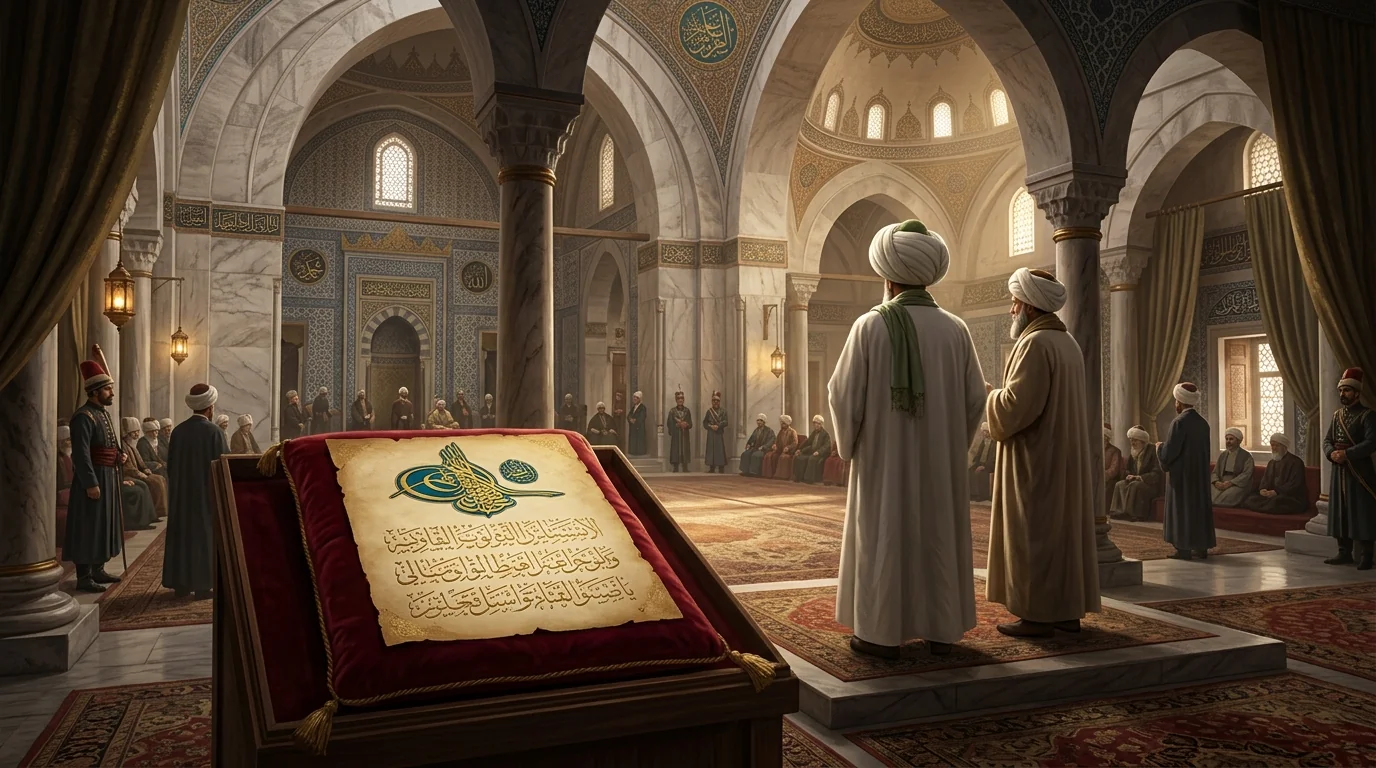
When the Spanish were killing and torturing the Muslims left in Andalusia, an enraged Selim decided to make Christians and Jews in Ottoman lands choose between Islam and expulsion. The mufti Zembilli Ali Efendi refused, saying there is no compulsion in religion, and the sultan accepted. The author holds this up against charges of terrorism.
Scene 10
The Impossible Mission and Summoning the Legend of the Sea
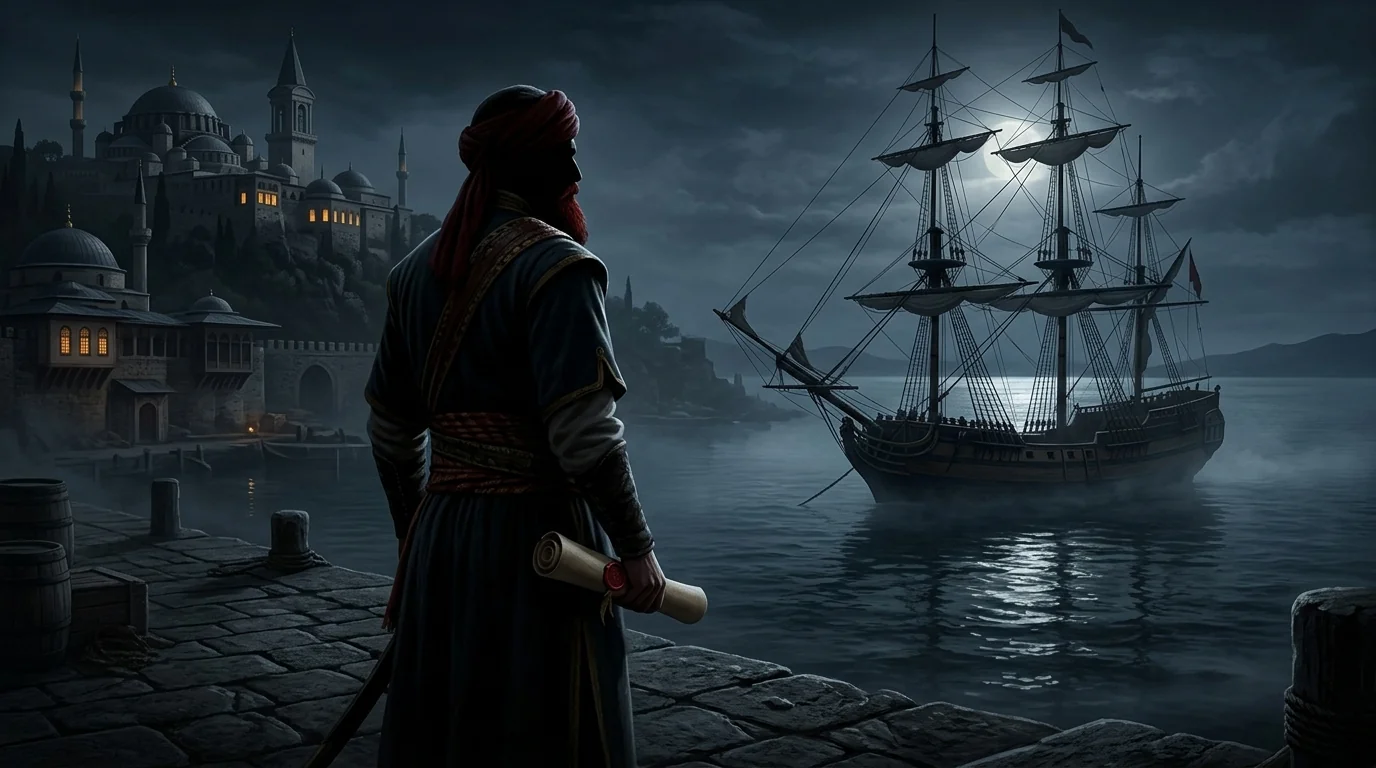
The author asks whether readers now see the worth of the Ottoman caliphate, taught in schools as Turkish occupation. To save the Andalusian Muslims, Selim summoned an Albanian to his palace and gave him a secret, seemingly impossible mission. Who was this man, about whom Hollywood still makes films earning hundreds of millions?
These are English scene notes. The full chapter text, as the author wrote it, is in the app.