


Scene 1
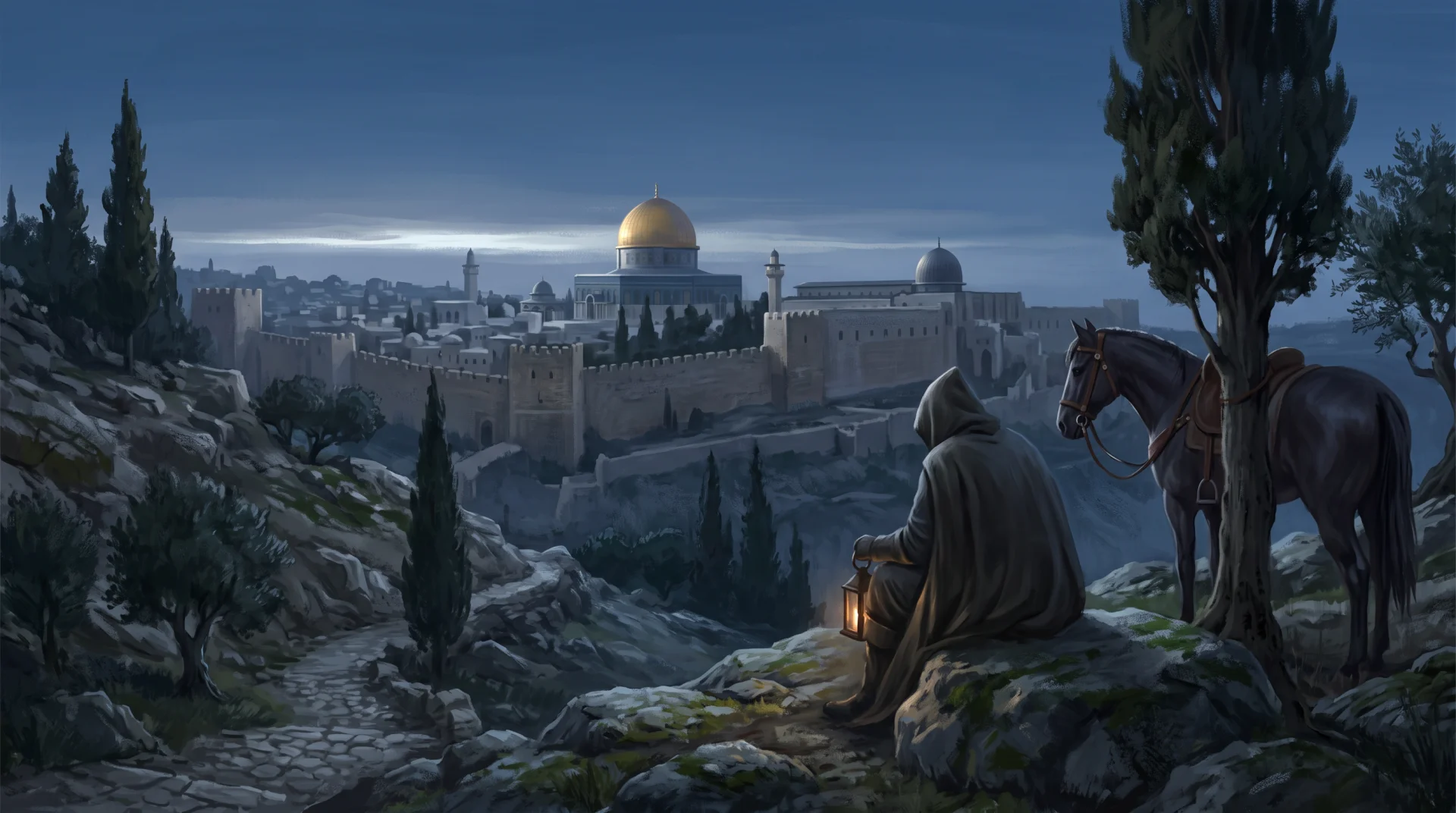
The Aqsa Is Still Occupied: Saladin's Words
The chapter opens with Saladin's words: by God, I am ashamed before God to laugh while the Aqsa Mosque is still occupied.
Scene 2
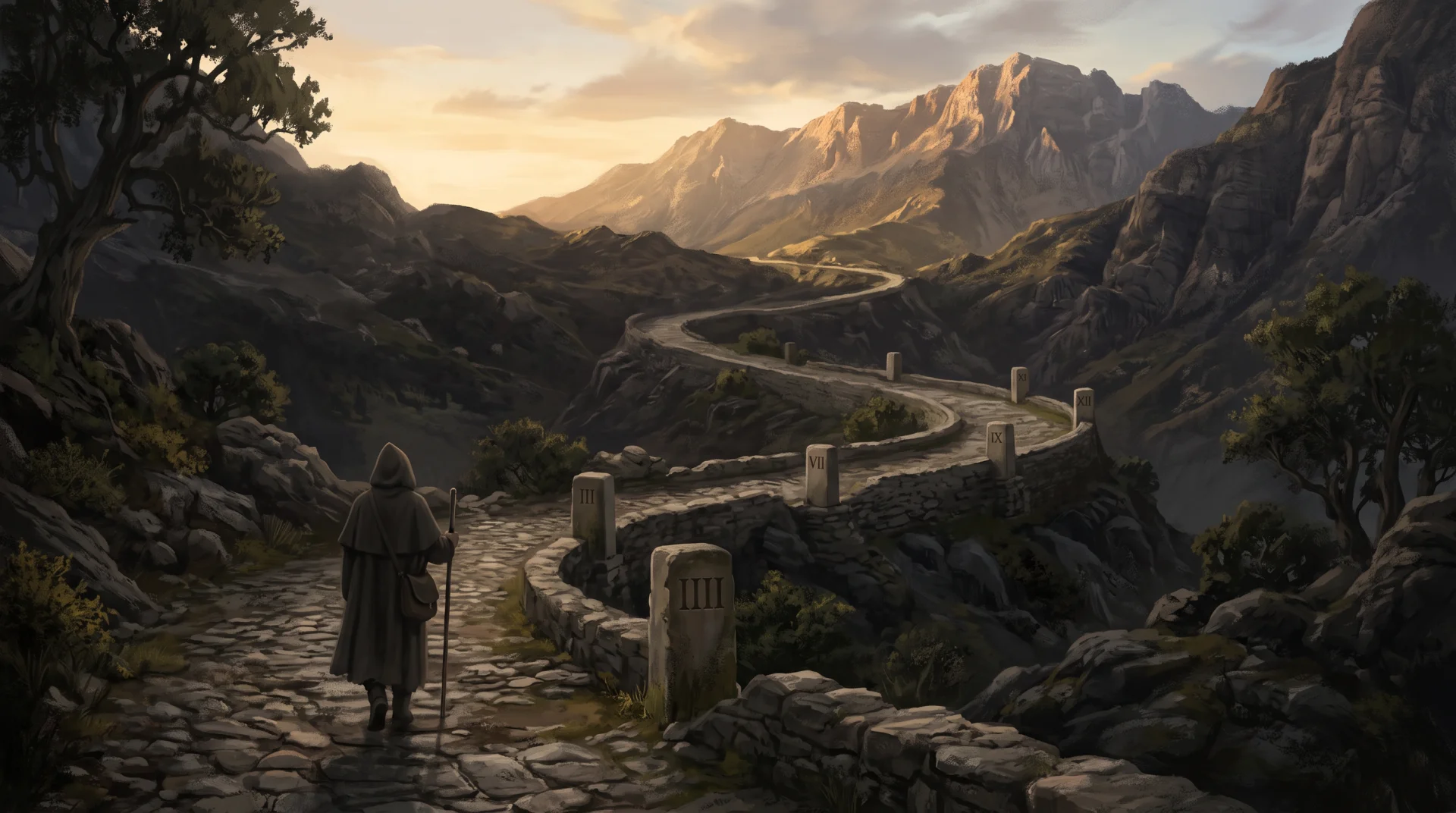
The How of Victory, Not the What
The author will not follow most writers, who begin with Hattin; he will write nothing about the battle, for two reasons: even a child knows its story, and he focuses on how victory is made rather than on what it is. Some of our youth wrongly think victory comes in a day and a night once someone bears arms; the truth is that fighting is only the last stage of making victory, and victory is only a small step on a long road.
Scene 3
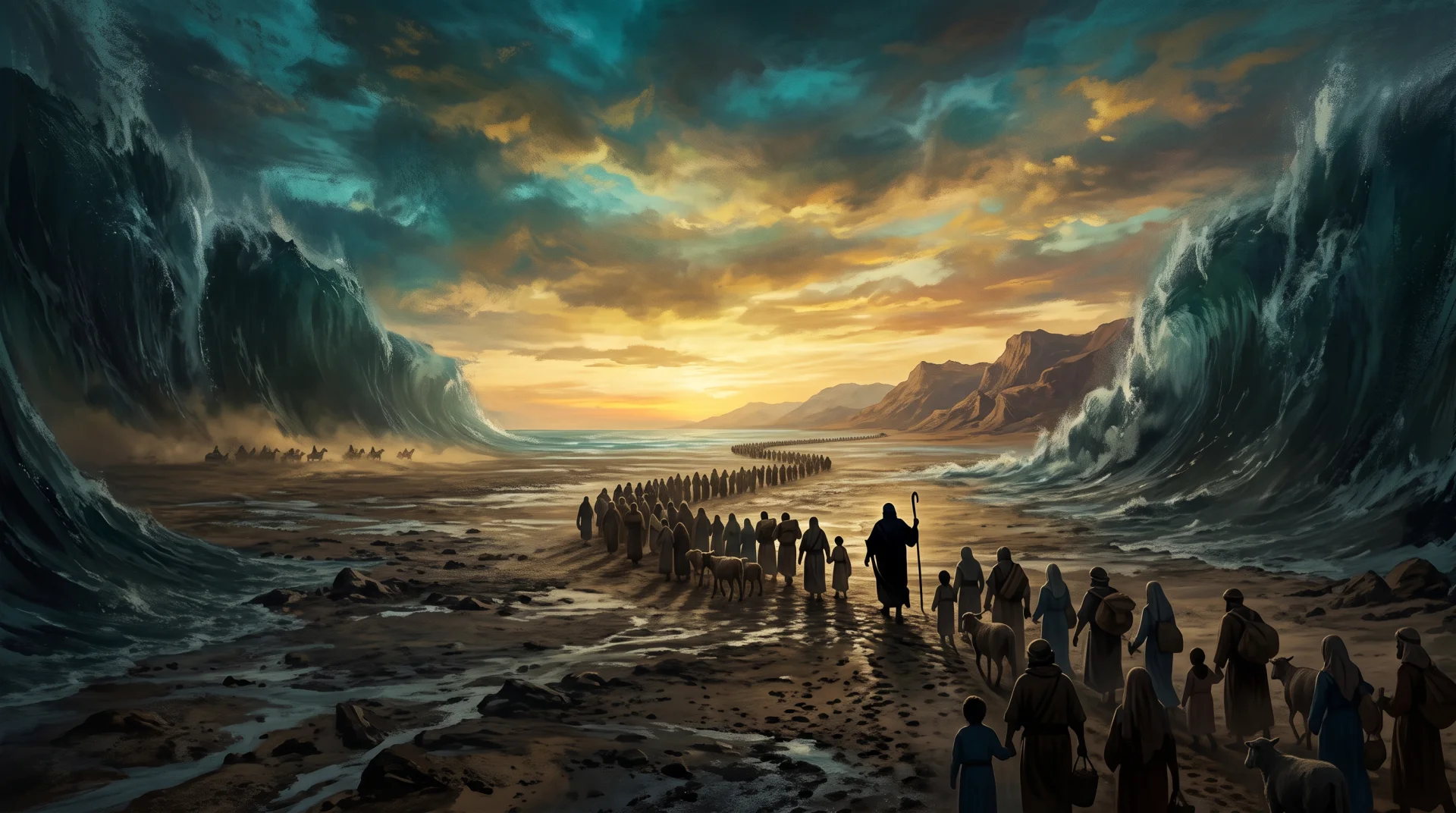
The Story of Moses: The Road of Making Victory
Reflecting on Moses, the author notes that when God wanted to destroy Pharaoh He did not send the angel of death at once but began the making of victory with a revelation to Moses' mother, Moses' upbringing in Pharaoh's house, his flight to Midian, his return, his debate with words, his long call to the Children of Israel and the exodus, until Pharaoh drowned. The path is long but victory itself needs only moments. He says hurried victory-seeking among armed contemporary movements explains their quick disintegration and failure.
Scene 4
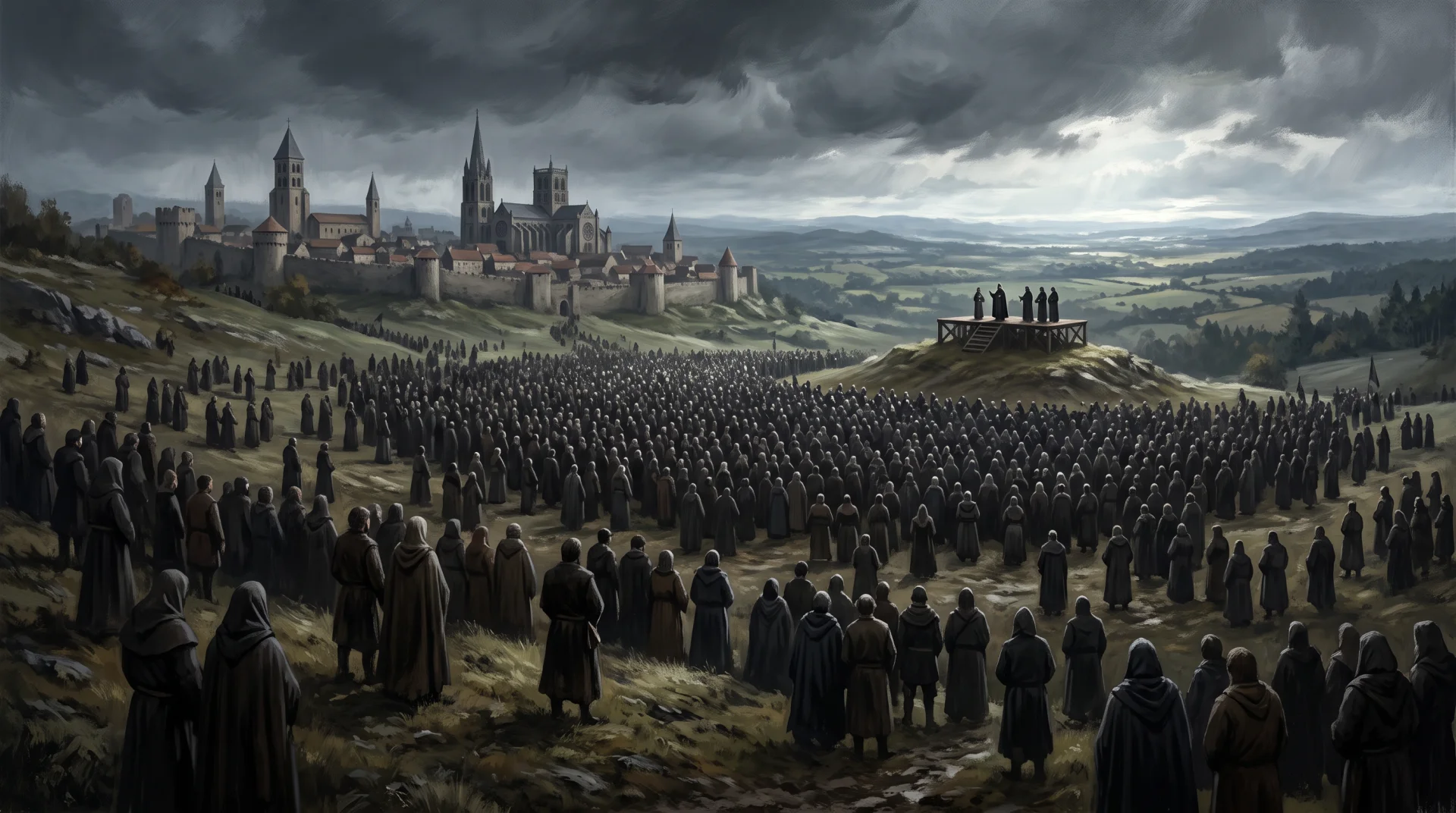
The Roots of the Crusades and Pope Urban's Solution
Before explaining how Saladin made victory, the author gives a glance at the history of the Crusades. He dates their practical beginning to Pope Urban's call at Clermont on 27 November 1095, but their true roots, he says, go back before the Prophet's birth to the Council of Nicaea. He recounts that the popes took money from poor Christians persuaded that Judgment Day would come in the year 1000, and when it did not come, the people grew restless, so Urban's solution was to direct those rebels to the lands of the Muslims.
Scene 5
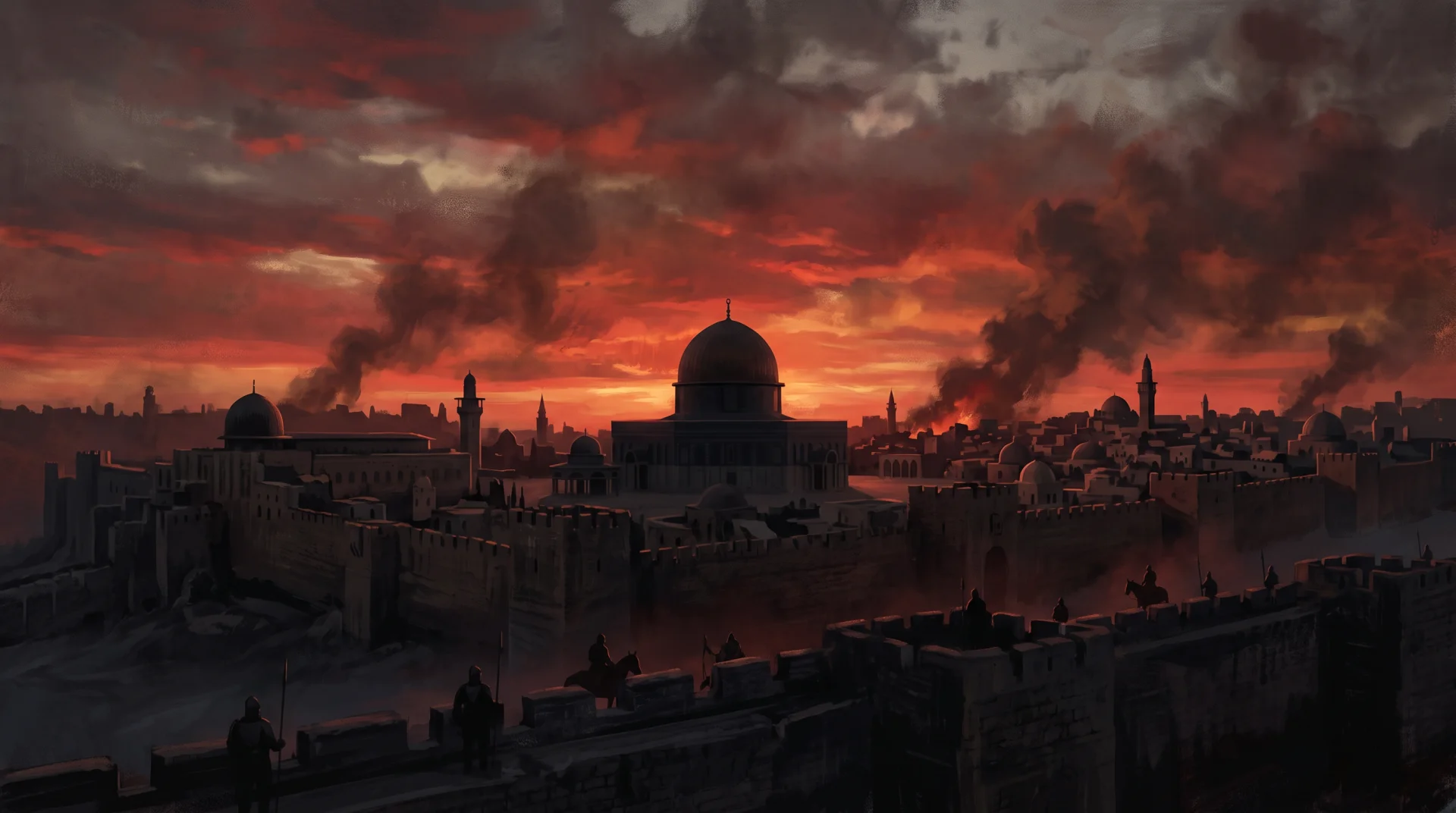
The Crusader Onslaught and the Tragedy of the Aqsa
The author says the Crusaders went first to Constantinople to kill their Orthodox brothers, and compares it to Mehmed the Conqueror's tolerance. Year after year they took most of Bilad al-Sham until reaching Jerusalem in 492 AH, where they killed, violated, mutilated, destroyed mosques and burned homes. The Muslims took refuge in the Aqsa Mosque thinking the sacred place would be spared, but the Crusaders stormed it on horseback and killed seventy thousand in one night, until blood reached the knees of the horses.
Scene 6
The Birth and Upbringing of Yusuf ibn Ayyub
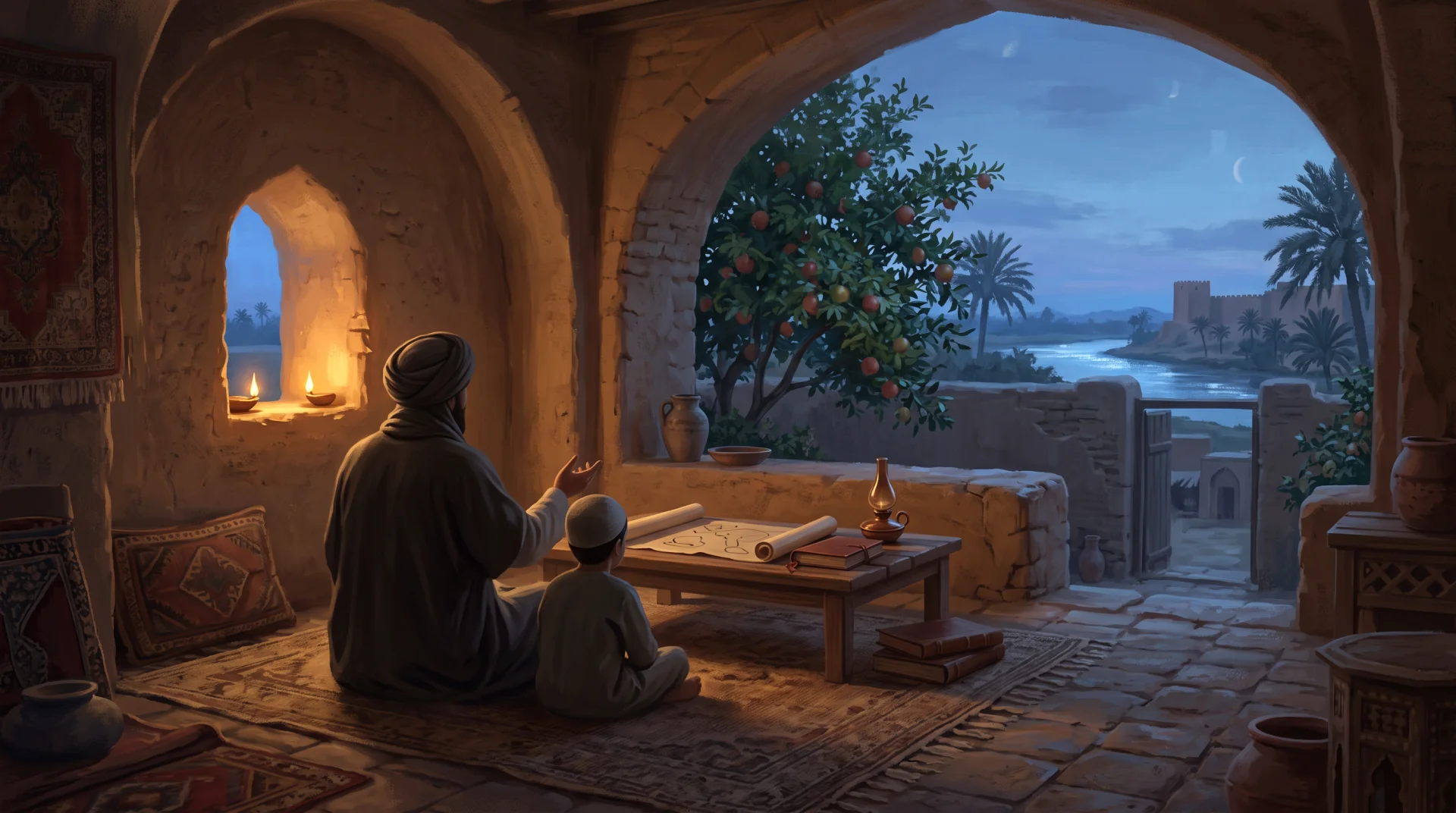
In 532 AH a Kurdish child named Yusuf ibn Ayyub was born in Tikrit, who would later bear the title Salah al-Din. He grew up in a purely Islamic upbringing, was sent by his father to the city's school, learned reading and writing in Arabic, and memorised the Quran, becoming known among his peers for sharp intelligence, calm temperament and love of reading. The author notes his father told him tales of the heroes and mujahideen of the Muslim nation, showing the importance of history in making heroes.
Scene 7
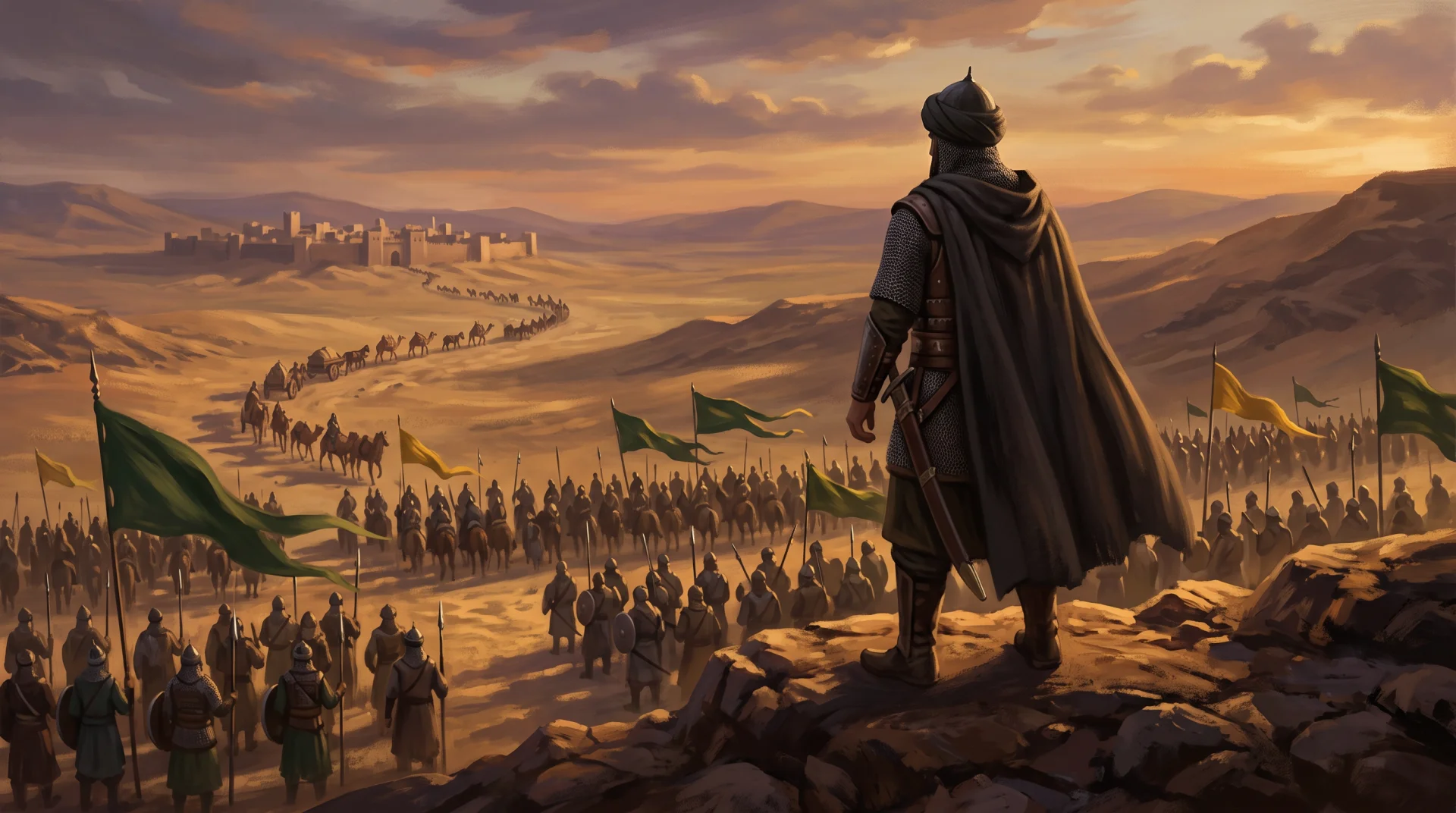
The Young Commander and the Shia Betrayal
The Emir of Sham noticed the young man's courage and appointed him commander, and Salah al-Din proved worthy. The author says the Muslims' victories were repeatedly followed by the return of better-armed Crusaders, and that the supplies came from people attributed to Islam but carrying the disease of betrayal, which he says the Shia are accustomed to. He says he found the Shia call Salah al-Din 'Kharab al-Din' while everyone else, even enemies, respected him.
Scene 8
Hattin's Victory Began with Removing the Ubaydi State
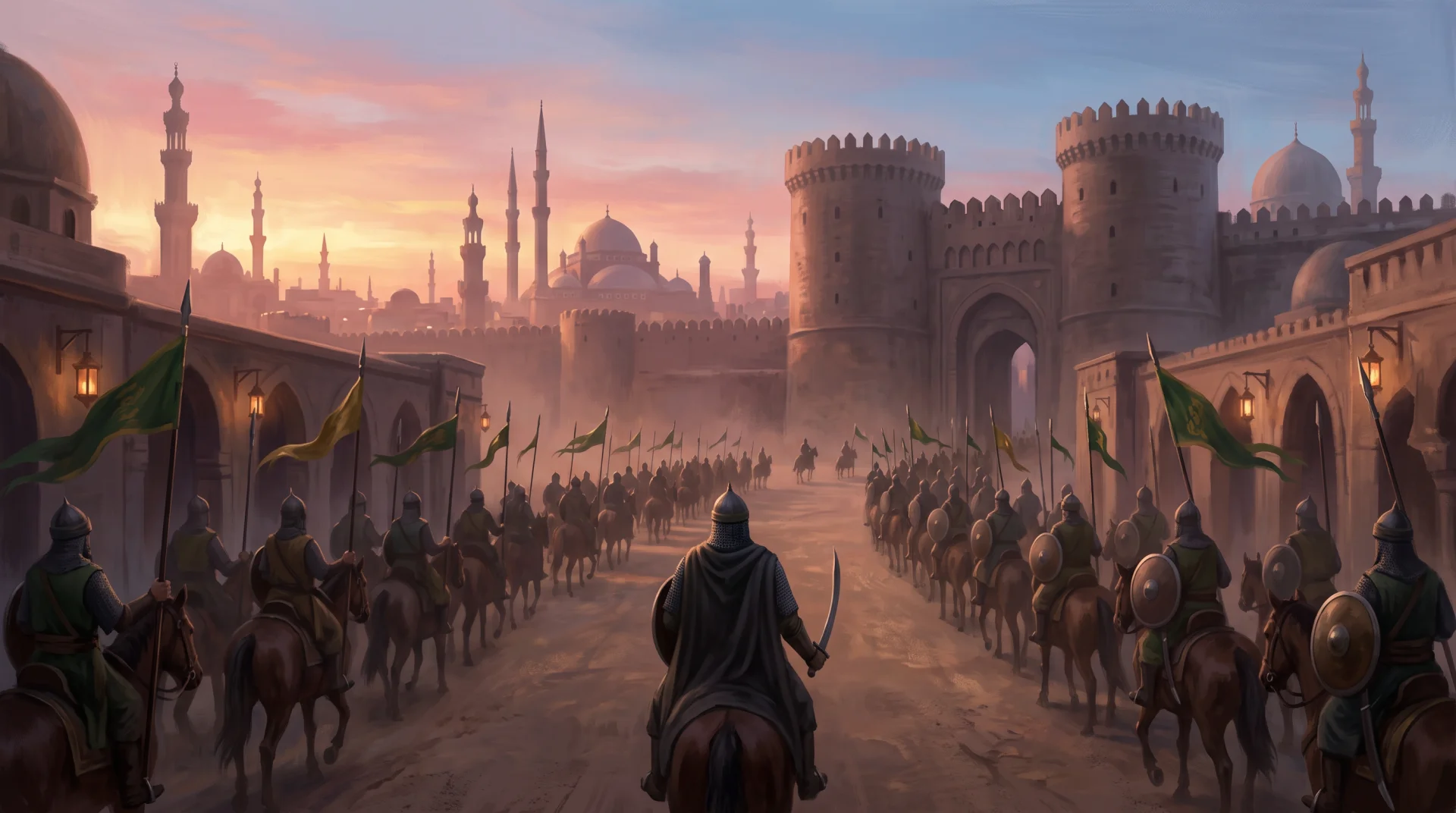
The author says the victory of Hattin did not start on the day of the battle but on the day Salah al-Din decided to rid himself of the Shia betrayals represented by the Ubaydi (Fatimid) state. Although the Crusaders occupied Jerusalem, he fought the Shia state first. He says this repeated with Muslim leaders who faced two enemies, citing Sultan Selim I, who left the Portuguese to fight the Safavids first, after which the Crusaders fled without a fight, and he quotes the verse 'They are the enemy, so beware of them'.
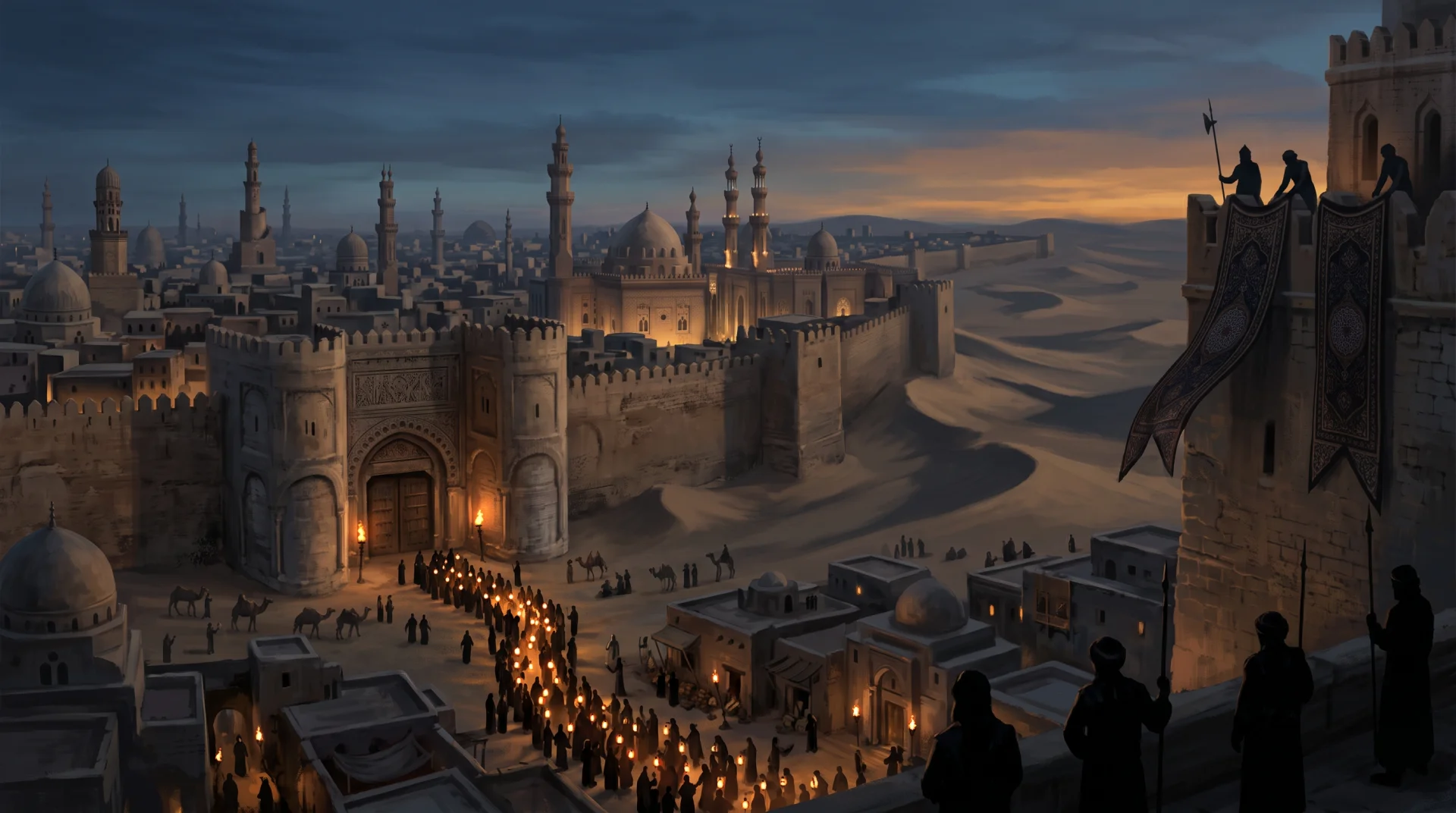
Scene 9
The Fatimid State and Salah al-Din's Decision
The author says the Shia Fatimid state, praised by most Arab history curricula, killed a third of the Egyptian people. He relates its story to a Jewish man, Ubayd Allah ibn Maymun al-Qaddah, who fled to the Maghreb claiming to descend from Fatima, and to al-Mu'izz li-Din Allah, who took Egypt, killed Sunni scholars, spread mawlids and innovations and openly cursed the Companions. Later kings aided the Crusaders in Jerusalem as before in al-Andalus, until Salah al-Din decided to remove this state, after which Hattin became a matter of time.

Scene 10
Who Was the Turkish Commander Who Gave the Nation Salah al-Din?
The chapter closes with questions: who is that Turkish commander who gave the Muslim nation the Kurdish Salah al-Din? And why do many historians consider him the sixth of the Rightly-Guided Caliphs? To be continued.
These are English scene notes. The full chapter text, as the author wrote it, is in the app.