


Scene 1
The Martyr: Nur al-Din Zanki
The chapter opens with Ibn al-Athir's words: after the Rightly Guided Caliphs and Umar ibn Abd al-Aziz, he saw no ruler with a better record than the just king Nur al-Din.
Scene 2
The Fragrance of Syria and the True Maker of Hattin
He is the fragrance of Syria and the teacher of Salah al-Din, called by some historians the sixth Rightly Guided Caliph for his justice, religion and good policy. The author calls him the real maker of the victory at Hattin: Nur al-Din Mahmud, son of Imad al-Din Zanki.
Scene 3
The Title "Sixth of the Rightly Guided Caliphs"
The author pauses at the title and finds it historically wrong, without belittling Nur al-Din. Those who give it also call Umar ibn Abd al-Aziz the fifth, which slights al-Hasan ibn Ali, the true fifth by the hadith of thirty years of caliphate. If anyone were to be called sixth, he says, it would be Muawiya, whose merit no treasures of the earth could match.
Scene 4
The King Through Whom God Revived the Nation
Nur al-Din's life truly resembles the Rightly Guided Caliphs; through this dark-skinned Turkish king God revived the nation in the sixth century AH. In his time, the author says, the Shia held most Muslim lands, the Buyids in Baghdad and the Ubaydis in Egypt and the Maghrib, which opened the way for the Crusaders to take Jerusalem.

Scene 5
Light Rose in Nur al-Din
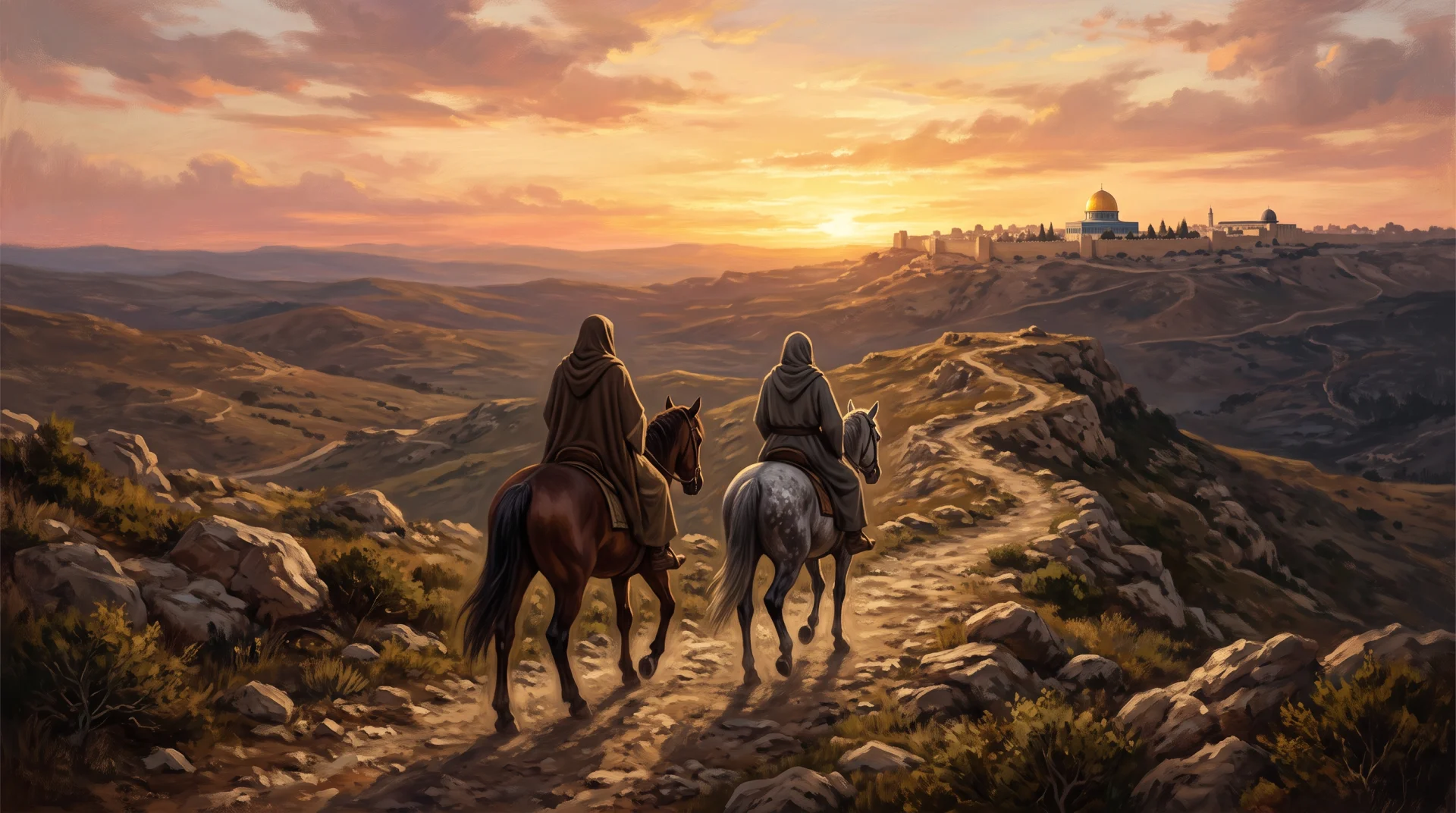
As with the great men of Islam, such times are when they come out to the light. Nur al-Din lit the roads, united the ranks and gathered the people, and within a few years his state stretched from Persia to the borders of Libya and from Anatolia to Yemen, making victory over the Crusaders only a matter of time.
Scene 6
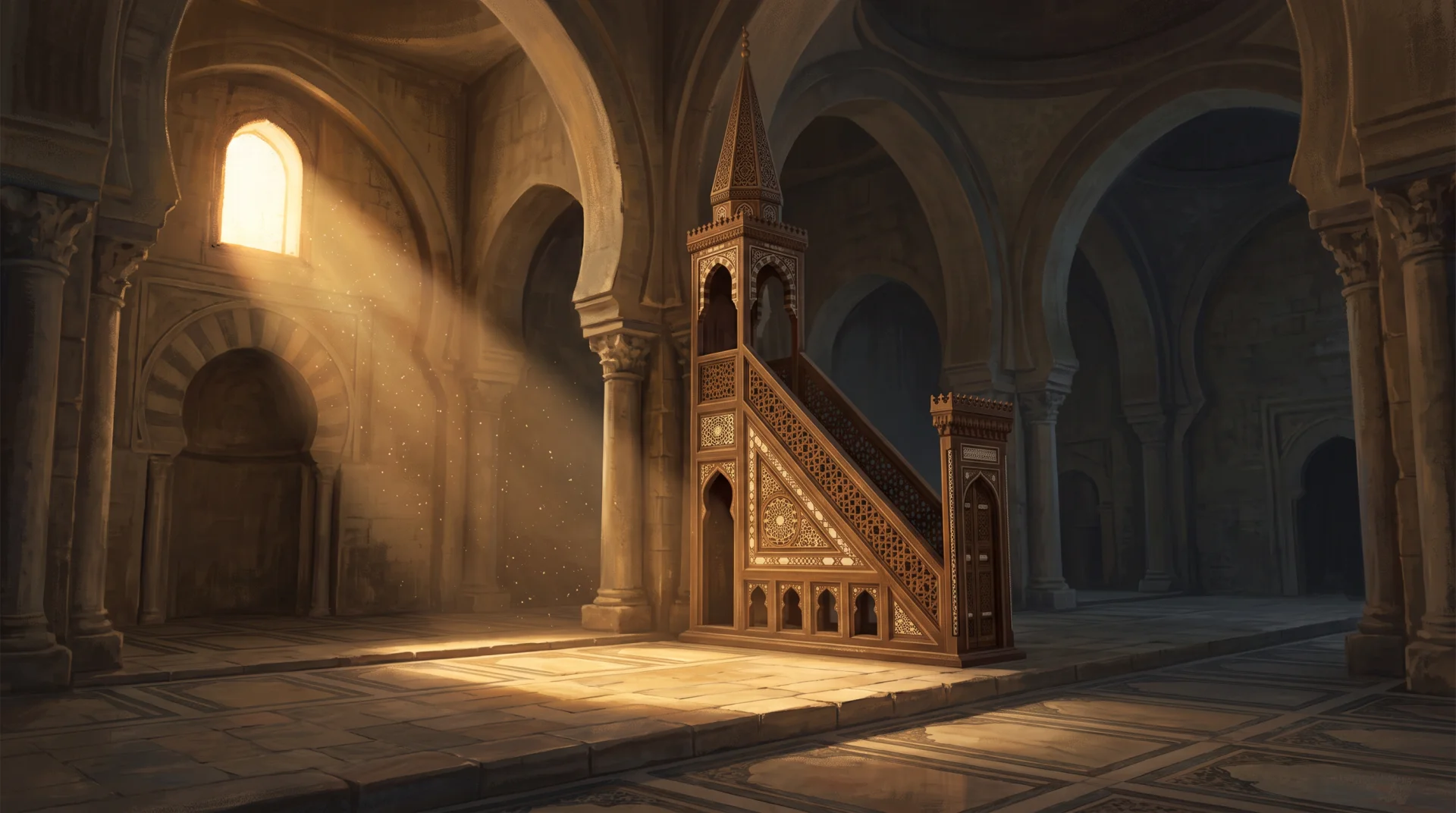
The Minbar He Built for al-Aqsa
Nur al-Din did not live to see Hattin, though he believed in the victory so firmly that he had a minbar built for al-Aqsa. He died first, and his student Salah al-Din brought it. The author adds that it stayed there until 21 August 1969, when a Zionist terrorist named Michael Rohan burned it.
Scene 7
"Support Your Religion and Do Not Support Mahmud"
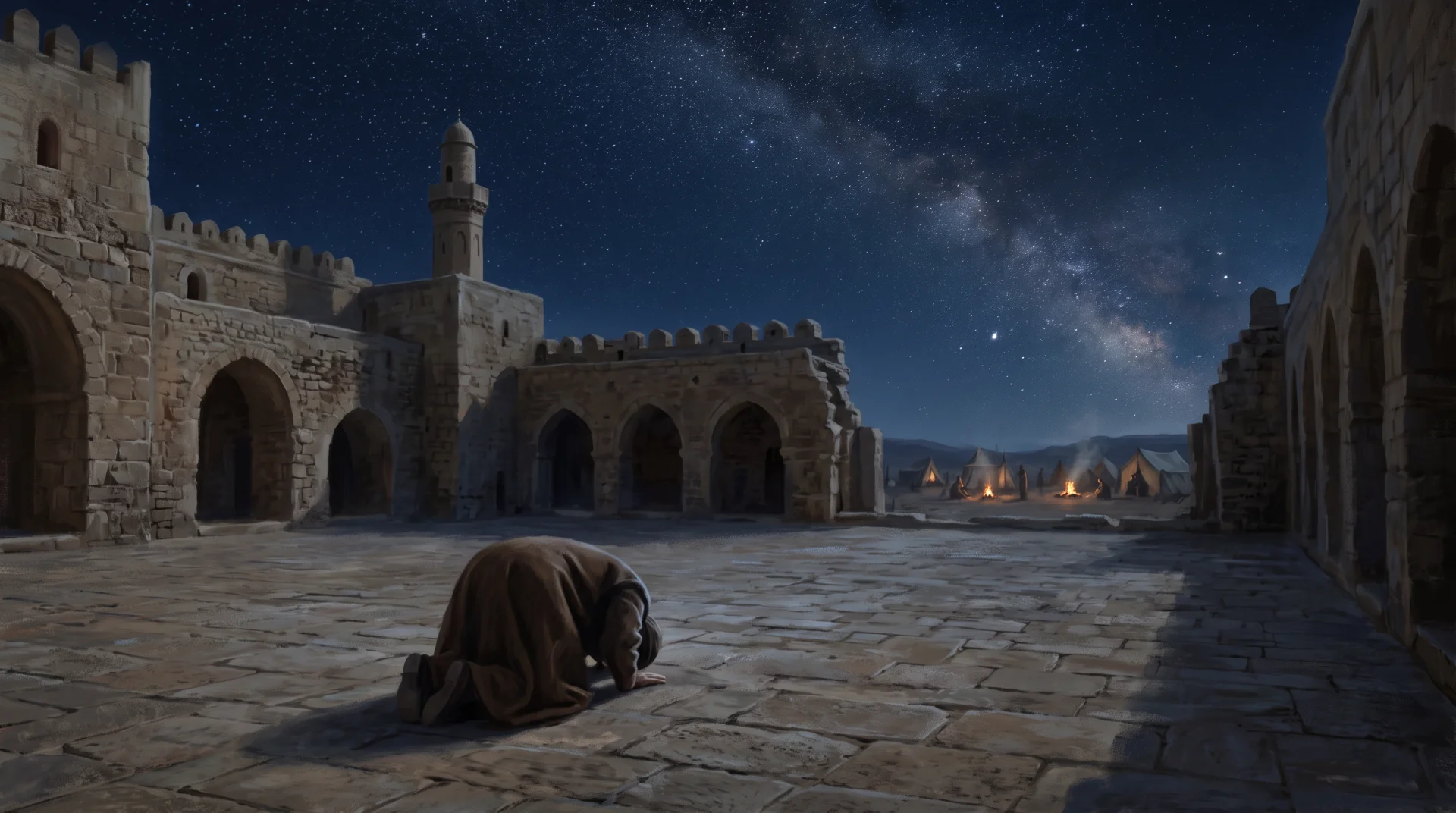
Despite his great standing, Nur al-Din pleaded with God before every battle. One night, with his small army about to fight the Crusaders besieging Damietta, he went to a deserted courtyard, prostrated, smeared his head with dust, and wept, asking God to support His religion rather than Mahmud.
Scene 8
The Elder's Dream and the Franks' Departure from Damietta
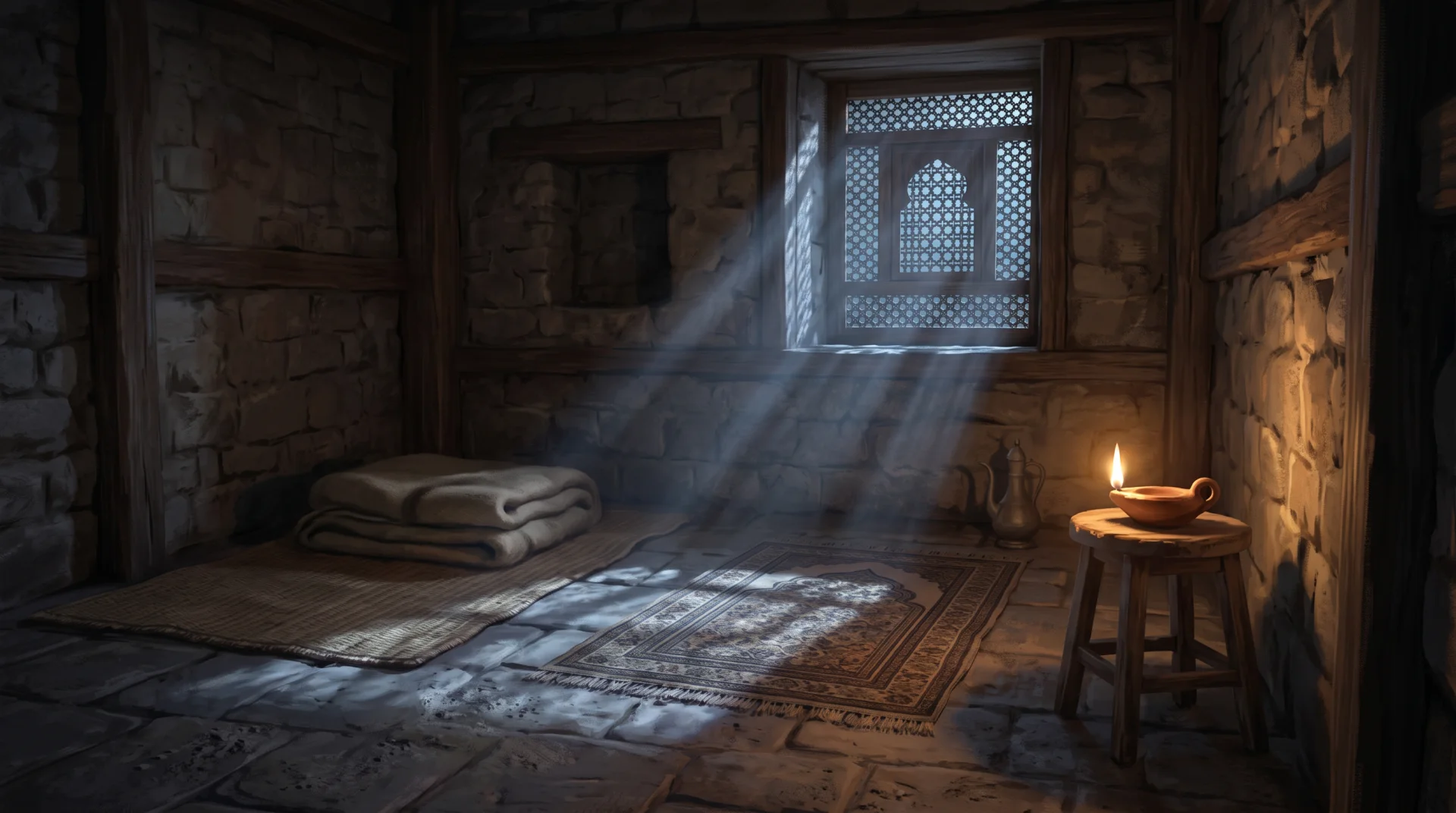
An old sheikh of the Muslims saw the Messenger in a dream telling him to inform Nur al-Din that the Franks had left Damietta that night, and to give as a sign his prostration at Tell Harim. The sheikh hesitated over the words, Nur al-Din insisted, and wept; that night the Crusaders were indeed defeated and left Damietta.
Scene 9
A Turk and a Kurd: Islam Won Through Muslims
May God have mercy on Nur al-Din and his student Salah al-Din Yusuf al-Ayyubi: one a Turk, the other a Kurd. The author marvels at an Islam that God supported through a Turk and a Kurd, and says Islam was not victorious through Arabism, tribalism, Kurds or Turks, but through Muslims.

Scene 10
Knights of Knowledge from Another Nation
Having spoken of the Berbers, Kurds and Turks, the author says it is time to speak of men from another nationality who carried the banner of Islam high and became the greatest knights of knowledge in the nation, whom the Messenger gave glad tidings of without seeing them. To be continued.
These are English scene notes. The full chapter text, as the author wrote it, is in the app.