


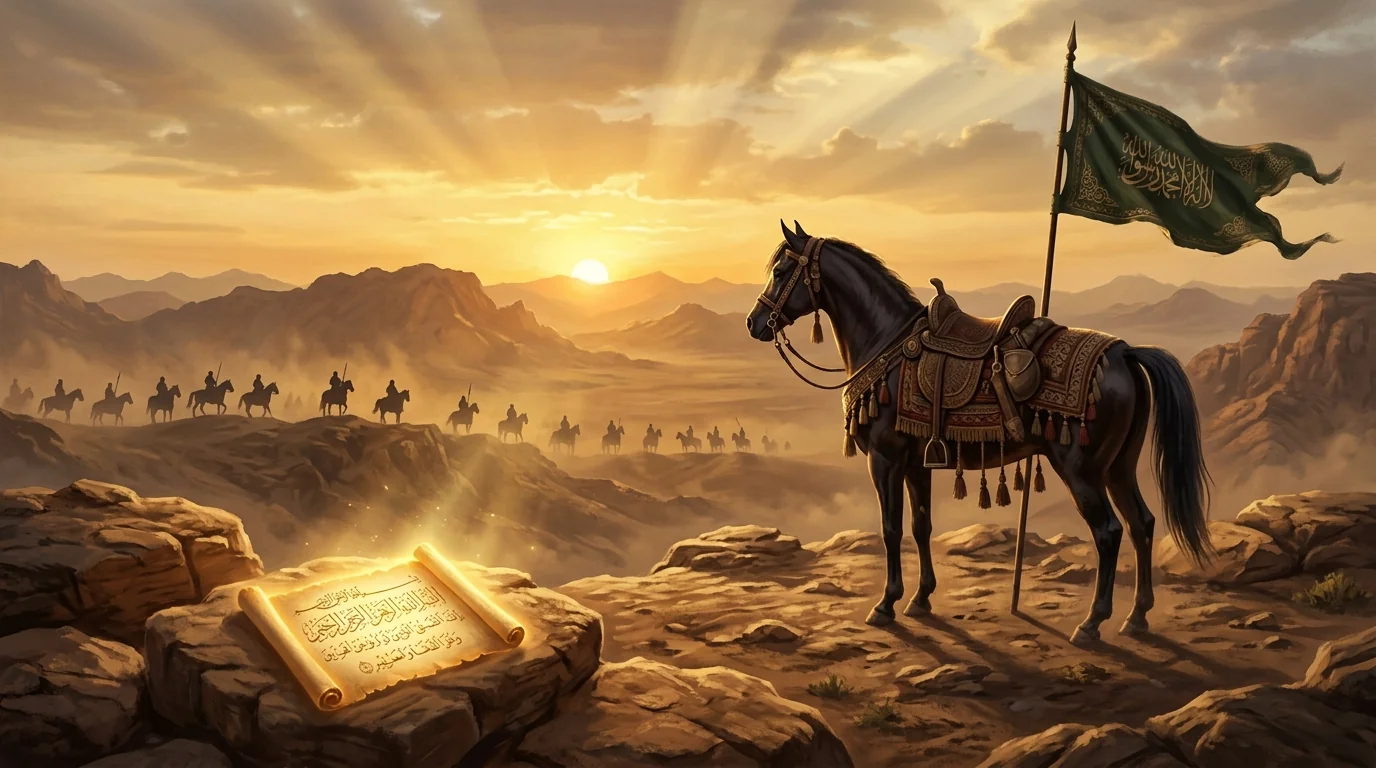
Scene 1
Commander of the Cavalry and the Promise of Paradise
The chapter on Sa'id ibn Zaid, commander of the Muslim cavalry, opens with the saying of the Prophet ﷺ naming ten men in Paradise: Abu Bakr, Omar, Uthman, Ali, Talha ibn Ubaydullah, al-Zubayr ibn al-Awwam, Abu Ubayda ibn al-Jarrah, Sa'd ibn Abi Waqqas, Sa'id ibn Zaid and Abd al-Rahman ibn Awf.
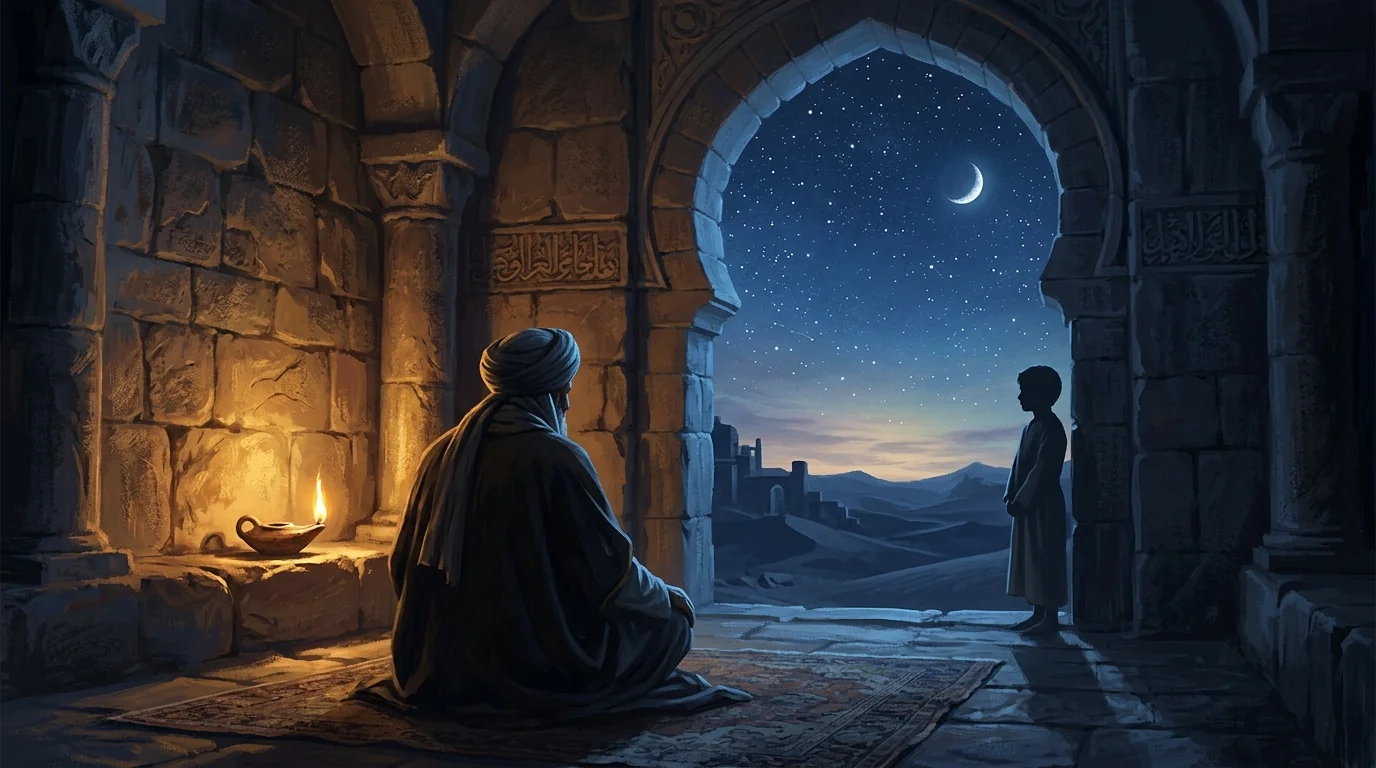
Scene 2
A Righteous Father and a Farewell Prayer
The author knows of no ordinary man whose prayer benefited a son as Zaid ibn Amr's benefited Sa'id. What fills your mind as you die, he says, is what filled it as you lived, whether wealth or television dramas. Zaid's whole concern was God's oneness, so he raised his hand to heaven as his blood flowed.
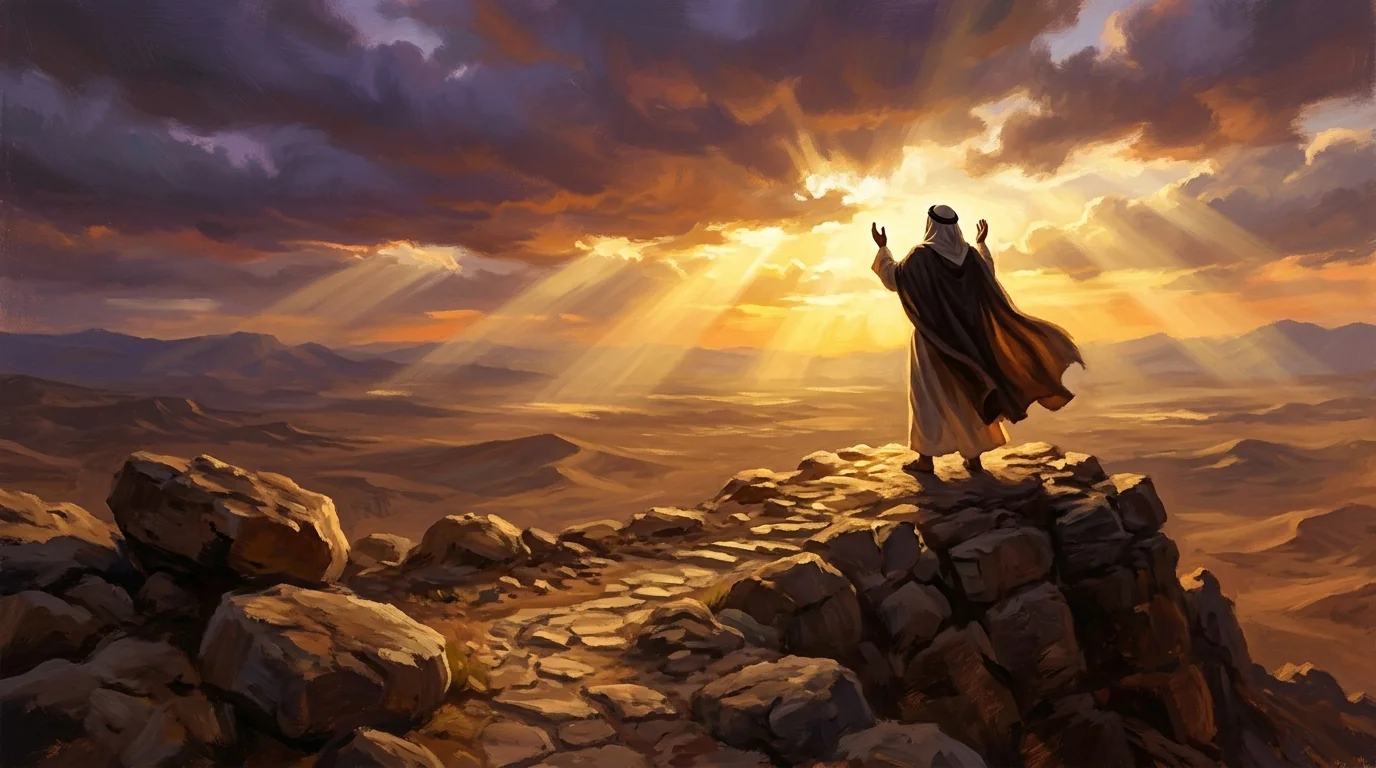
Scene 3
Zaid's Answered Prayer and Sa'id's Good Fortune
Zaid prayed: "O God, if You have denied me this good, do not deny it to my son Sa'id." God answered him. Sa'id not only embraced Islam but became one of the ten most fortunate people in the history of the nation, the best of humankind after the prophets, the author says.
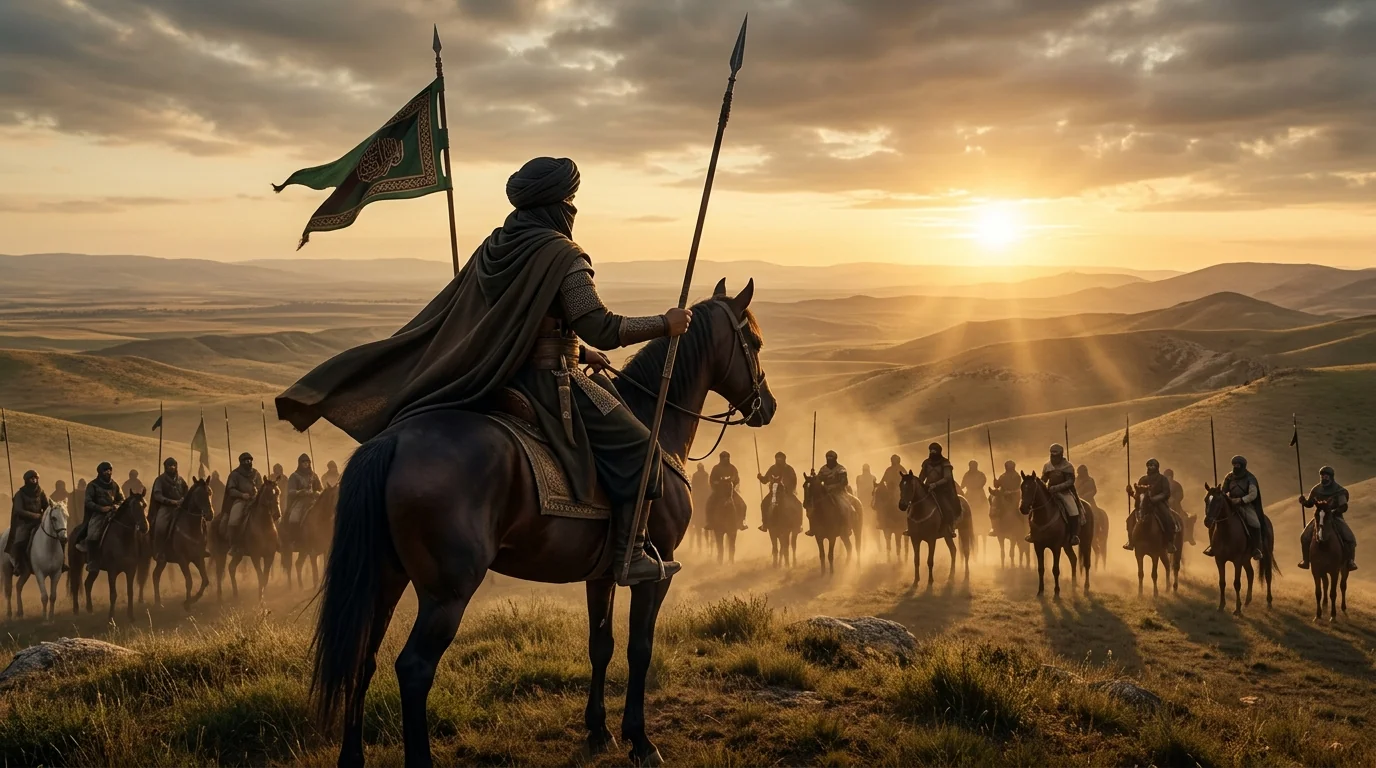
Scene 4
Horseman of Ajnadayn, Commander in the Levant
Sa'id was not content to be the son of Zaid ibn Amr or one of the ten promised Paradise. He chose to be among the heroes through whom God opened the kingdoms of the earth, commanding the cavalry at Ajnadayn and fighting at Yarmouk among the hundred veterans of Badr. He describes Yarmouk himself.
Scene 5
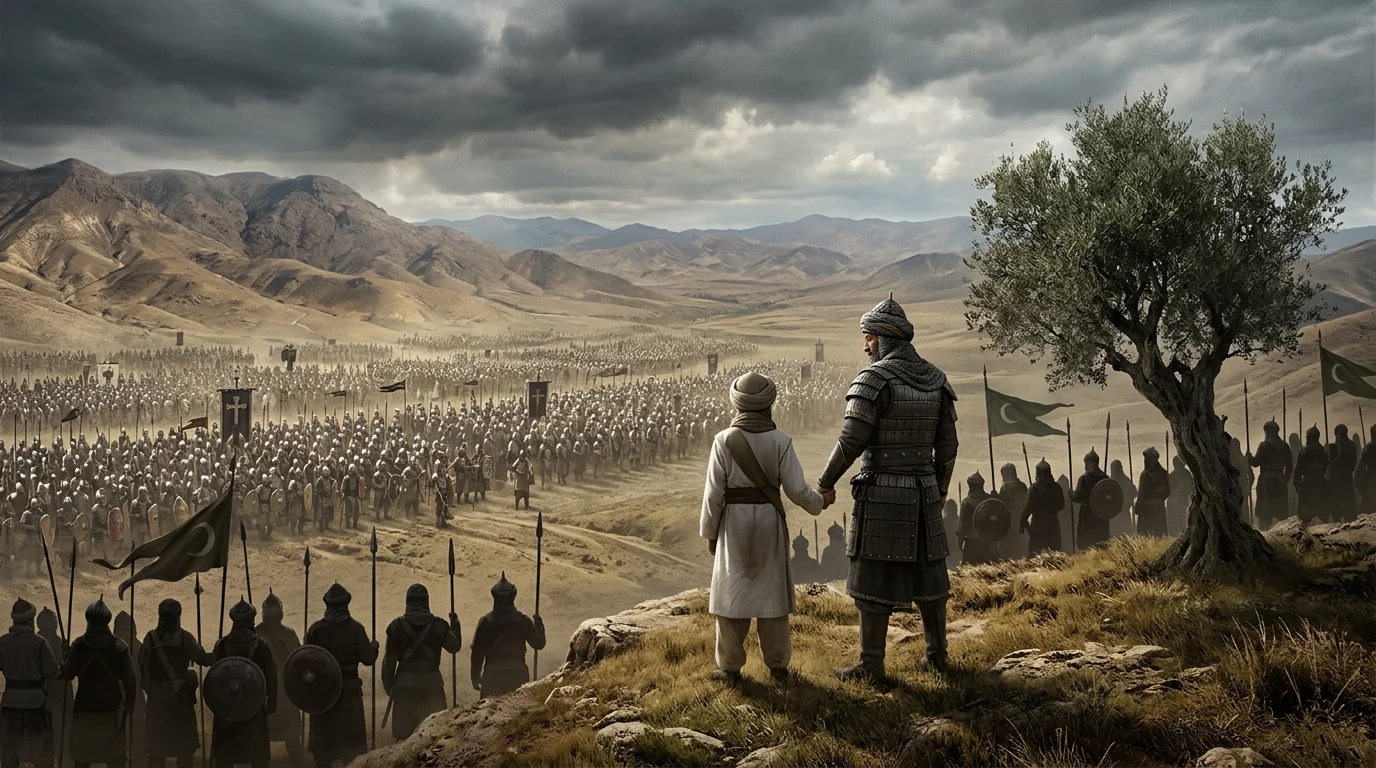
The Roman Advance and a Young Martyr's Message
Sa'id relates that the Romans advanced behind bishops and priests carrying crosses, their prayers like thunder, and the Muslims felt fear at their numbers. Abu Ubayda urged patience and remembrance of God. A soldier resolved on martyrdom asked for a message to the Prophet ﷺ; weeping, Abu Ubayda sent greetings and said they had found God's promise true.
Scene 6
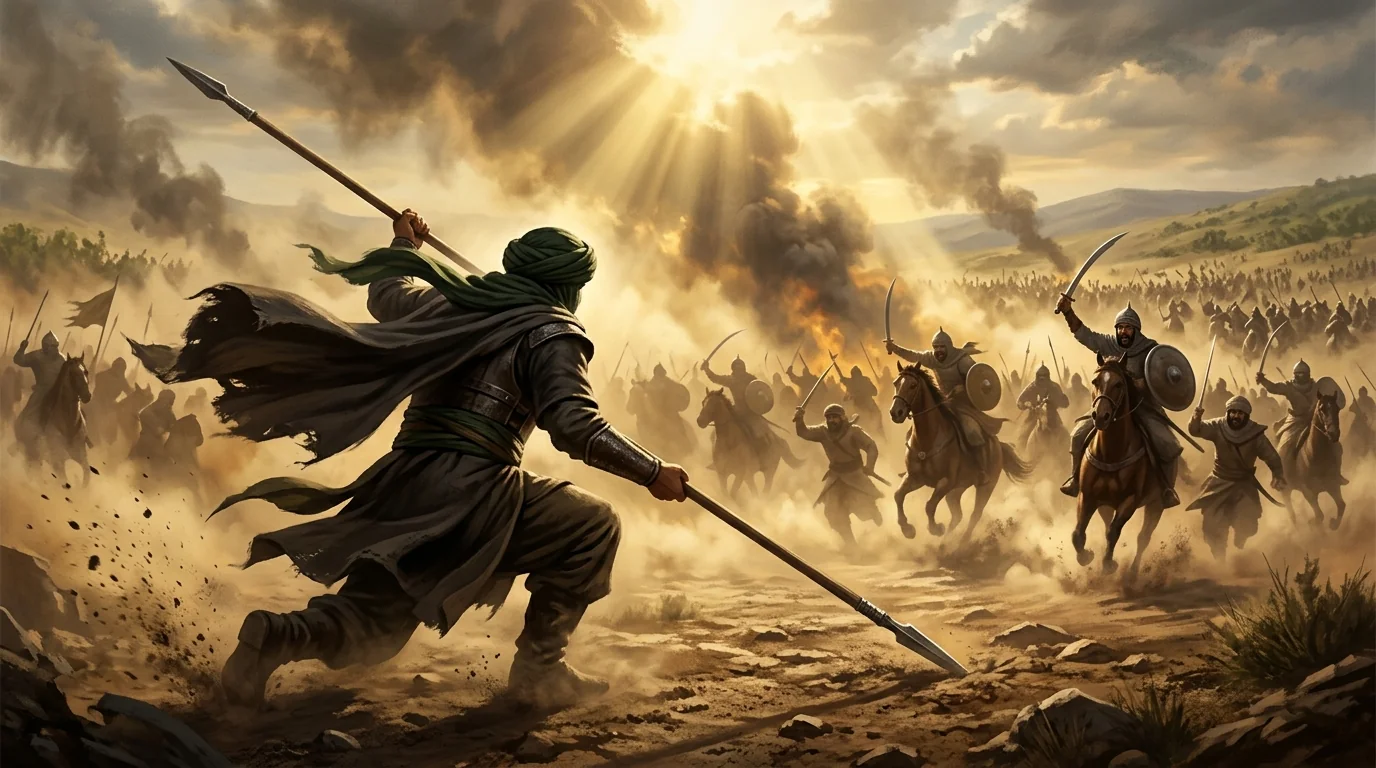
The Lion's Leap That Broke the Romans
Sa'id says that on hearing those words and seeing the man draw his sword and go to meet the enemy, he leapt from his horse, knelt, levelled his spear and killed the first horseman to approach. God removed all fear from his heart; the Muslims rose against the Romans and fought until victory was theirs.
Scene 7
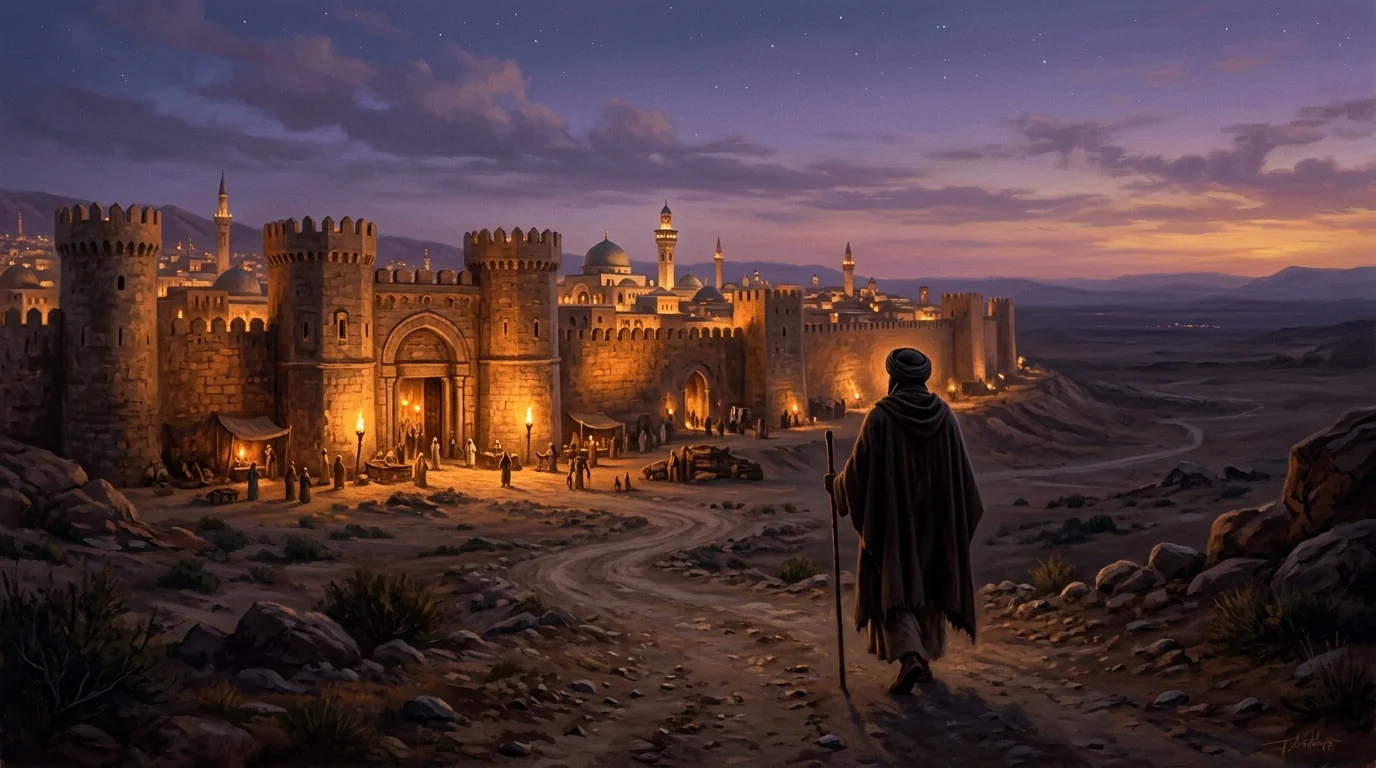
The Ascetic Governor of Damascus Turned Soldier
The author says such stories make one tremble, for men like Sa'id defeated the mighty Roman empire in every battle. Sa'id was the first Muslim governor of Damascus, yet he excused himself to Abu Ubayda from the post out of longing for jihad, leaving the governor's seat to become an ordinary soldier again.
Scene 8
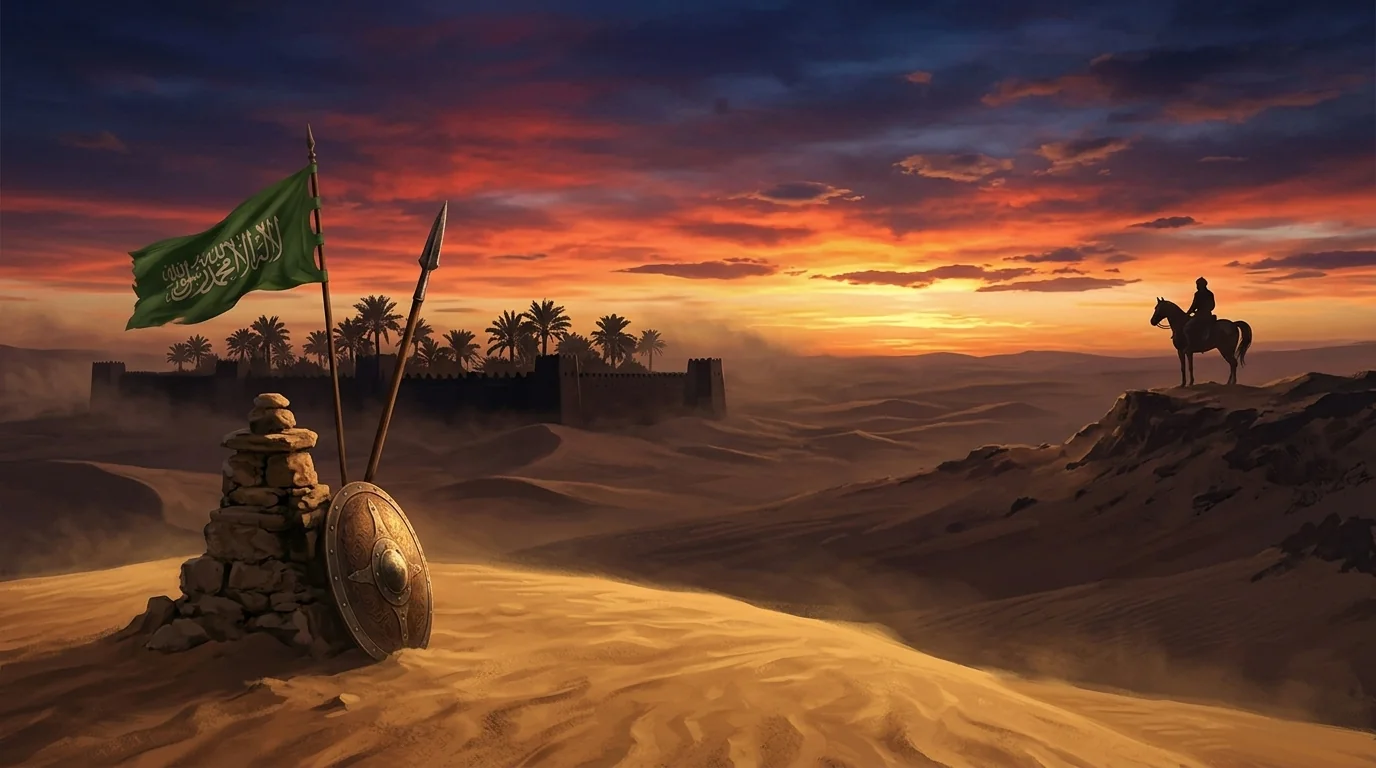
The Hero of Yamamah, Brother of Ibn al-Khattab
Having spoken of the uncle and cousin of Umar ibn al-Khattab, the author turns to a brother of al-Faruq among the hundred greats. Who is the son of al-Khattab who was not Umar? What was his commando operation in the "Garden of Death" on the day of Yamama, and why did the giant Umar sob like a child whenever he remembered him? How did he kill a traitor more dangerous to Islam than Musaylimah the Liar himself? And did the Arabs apostatise only for refusing to pay money, as we learned in our schools? To be continued.
These are English scene notes. The full chapter text, as the author wrote it, is in the app.