


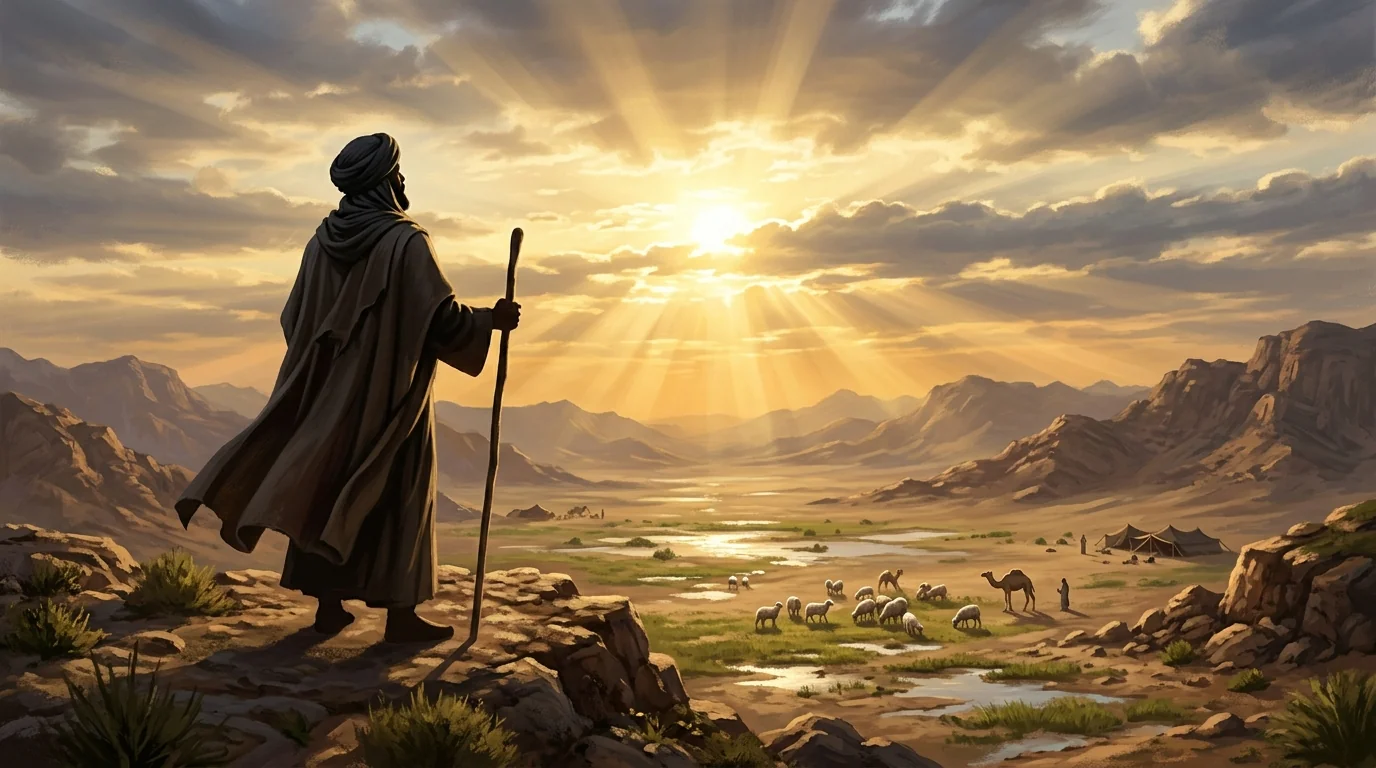
Scene 1
The Giant of Monotheism and the Sheep Argument
In the pre-Islamic age Arabs made idols of stone, wood and even dates. Zaid ibn Amr ibn Nufayl of Quraysh could not accept this and reached what the author calls the sheep argument for God's oneness: God created the sheep, sent it water and pasture, yet people slaughter it in a name other than His.
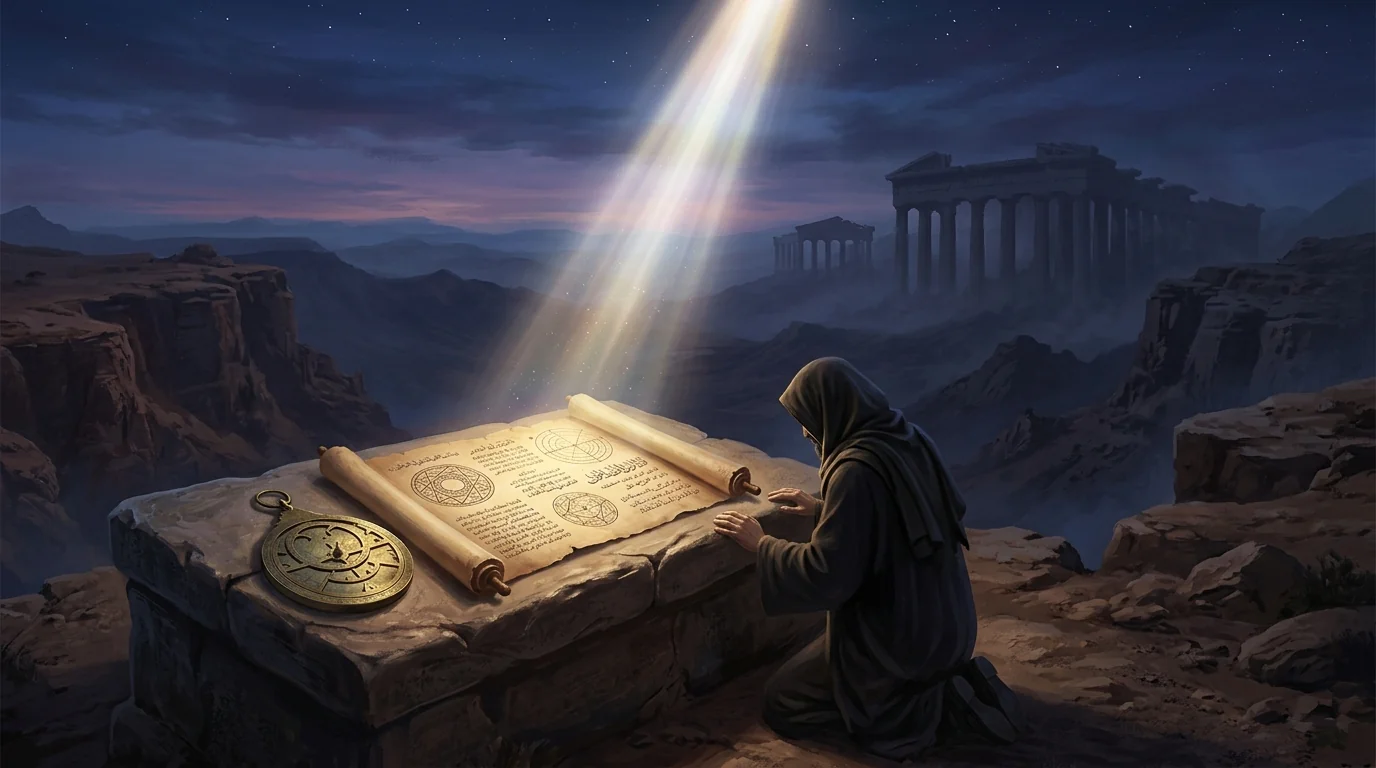
Scene 2
The Authority of Reason over the Philosophers
Simple as it is, the author holds that this argument, reached by a desert Arab using reason alone, outweighs everything Plato, Aristotle and Socrates proposed about human existence. Zaid was no prophet receiving revelation, but an ordinary man who used the gift of the mind to grasp the truth that has always occupied humankind.
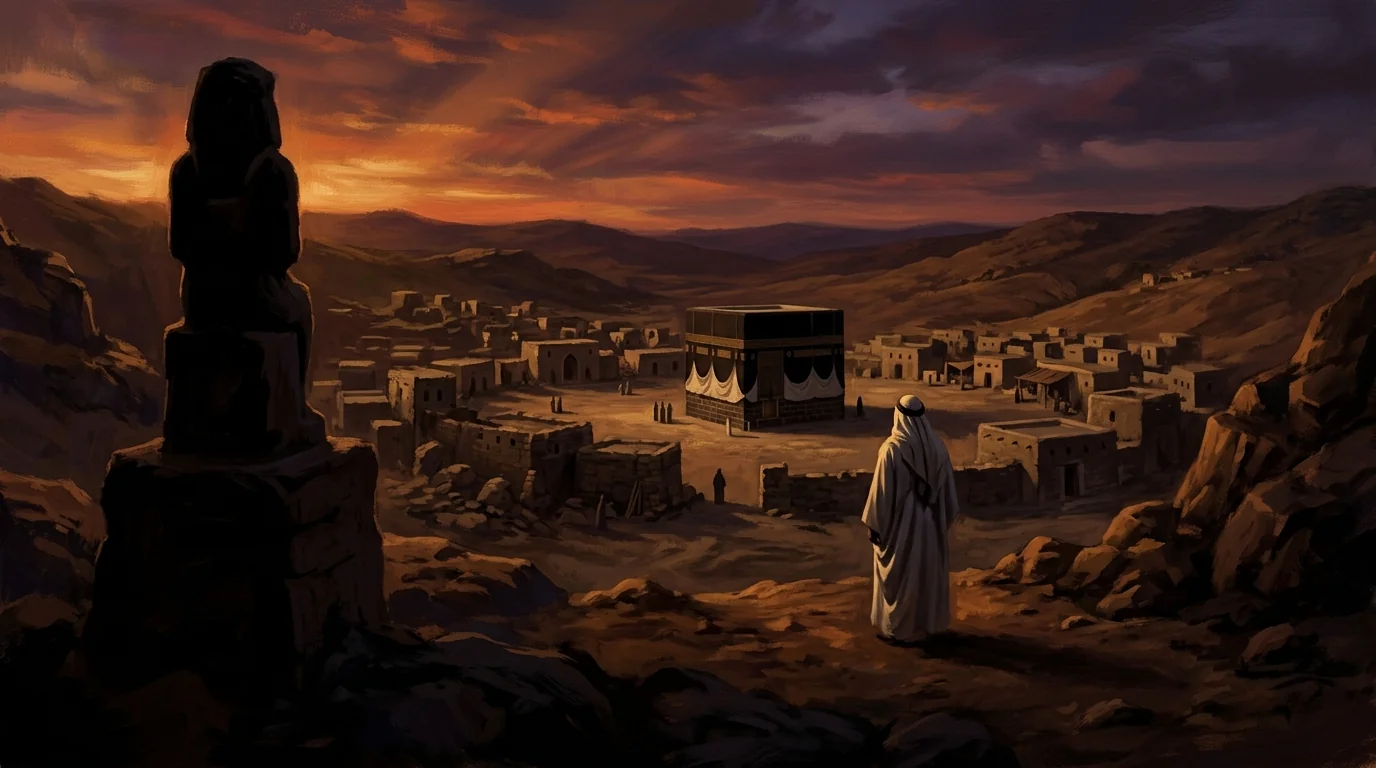
Scene 3
The Religion of Abraham and the Sin of Hubal
To explain Zaid's monotheism, the author goes back to Abraham, who came from Mesopotamia and called people to God's oneness; his followers were known as Hanifs. Later Amr ibn Luhayy of Khuza'a saw idol worship in Syria, accepted the claim that idols bring one nearer to God, and brought the idol Hubal back to the Arabs.
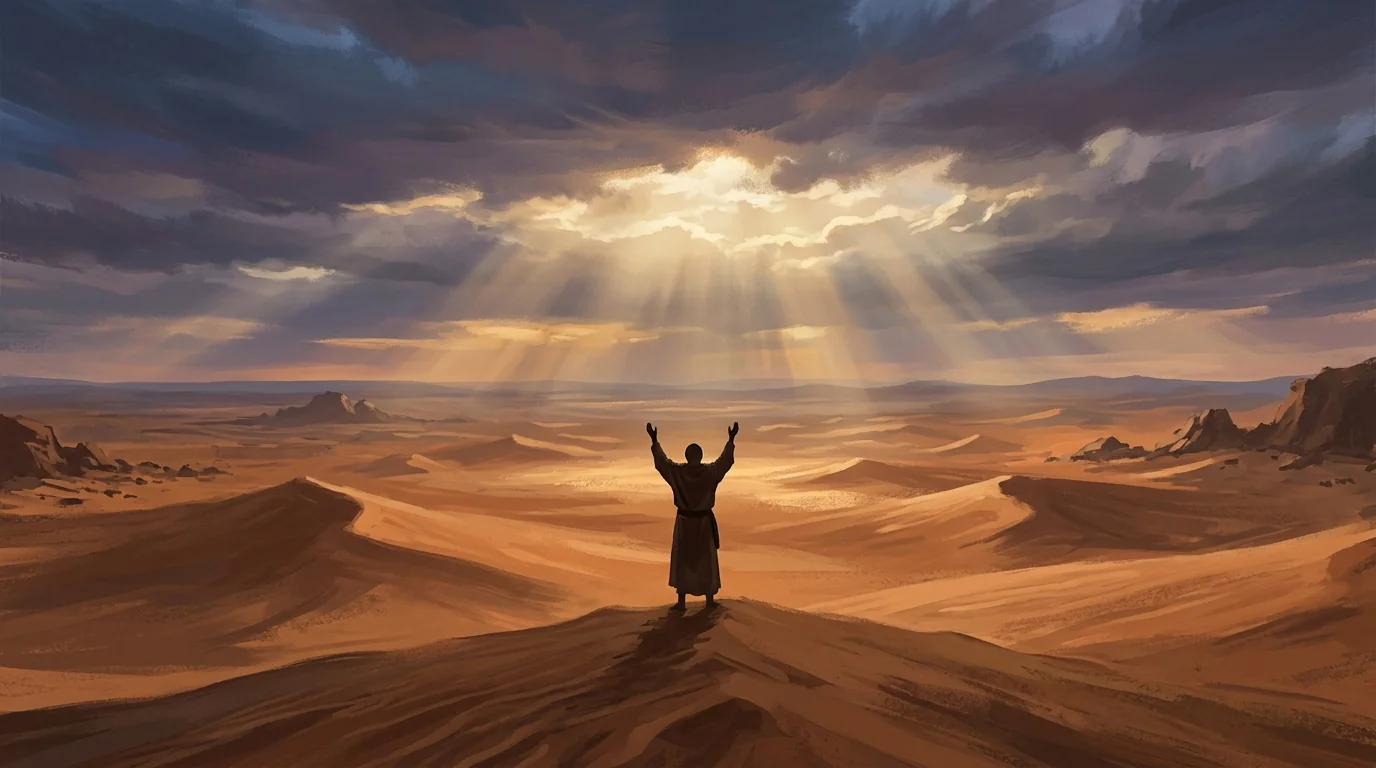
Scene 4
Pure Monotheism and the Fight Against Shirk
The author pauses: the Arabs knew God was the Creator, but sought nearness to Him through idols. He asks readers who scorn this to question themselves: do they seek nearness through the graves of saints, call on al-Sayyid al-Badawi or al-Mursi for help, or swear by the Prophet rather than by God?
Scene 5
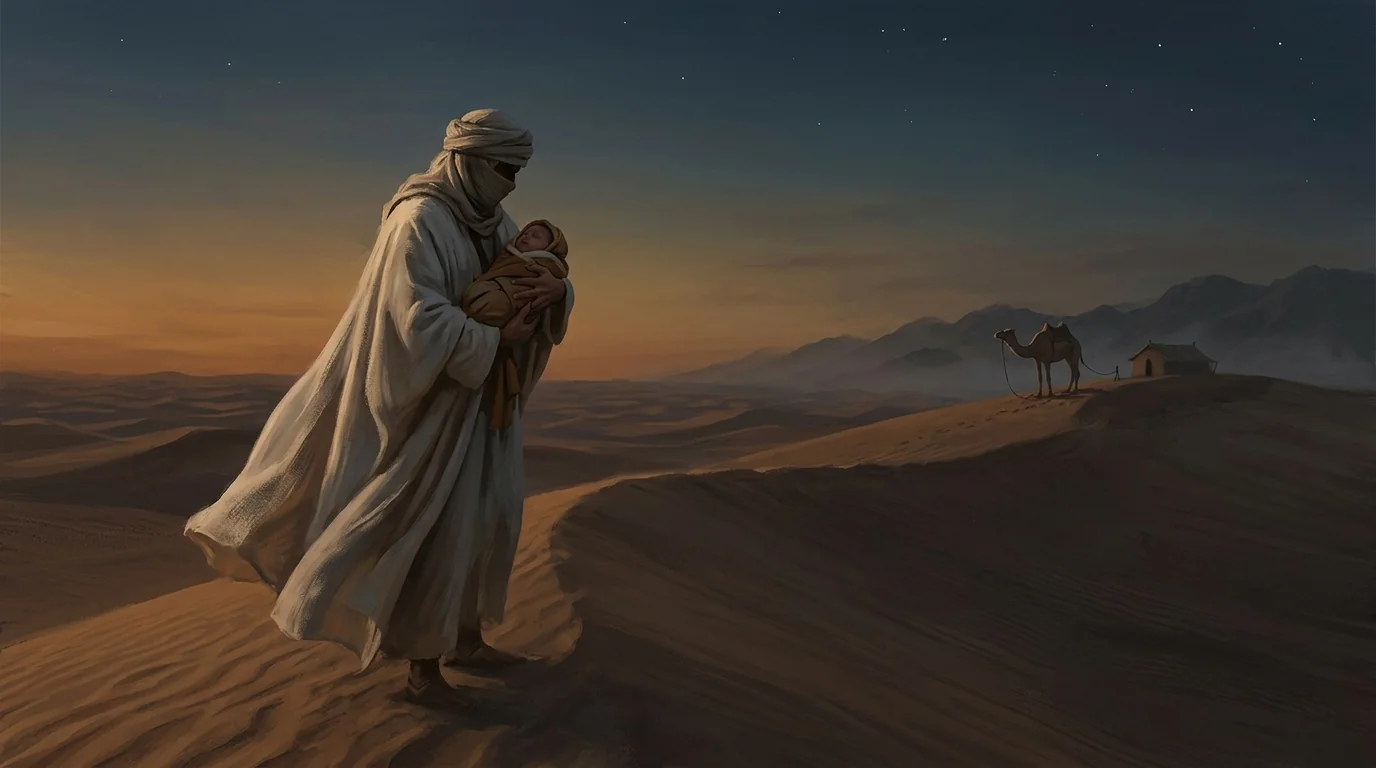
Rescuing Buried Daughters and the Journey to Syria
Zaid condemned idol worship and the burying of infant daughters, offering to support any girl whose father meant to kill her. He travelled to Syria seeking the religion of oneness, unconvinced by Judaism or Christianity, until a Jewish and a Christian scholar told him it was Abraham's religion. He raised his hands and declared himself upon it.
Scene 6
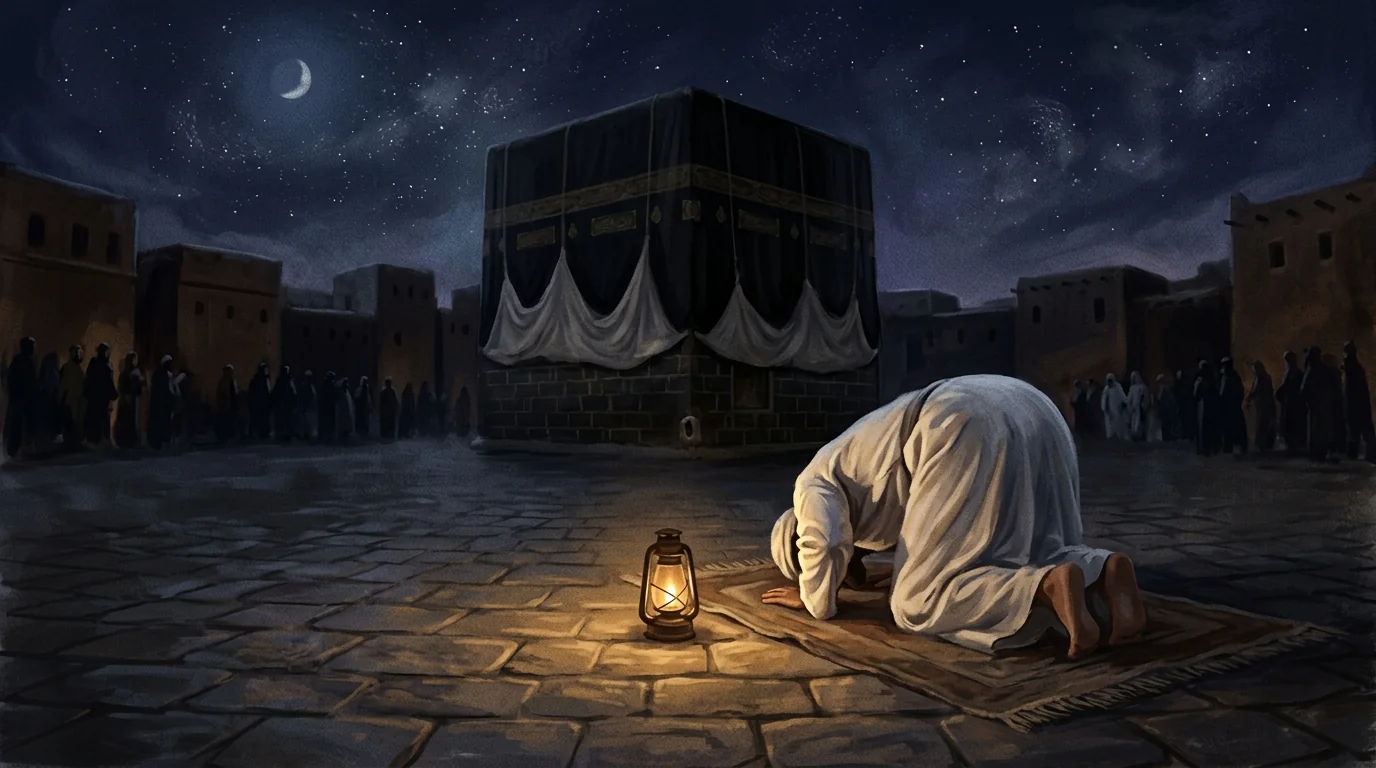
A Prostration of Bewilderment at the Kaaba
Zaid returned to Mecca, leaned his back against the Kaaba and cried out to Quraysh that none of them but he followed Abraham's religion. Not knowing how to pray, he wept in bewilderment, saying he would worship God in the way dearest to Him if only he knew it, then fell prostrate before the Kaaba.
Scene 7
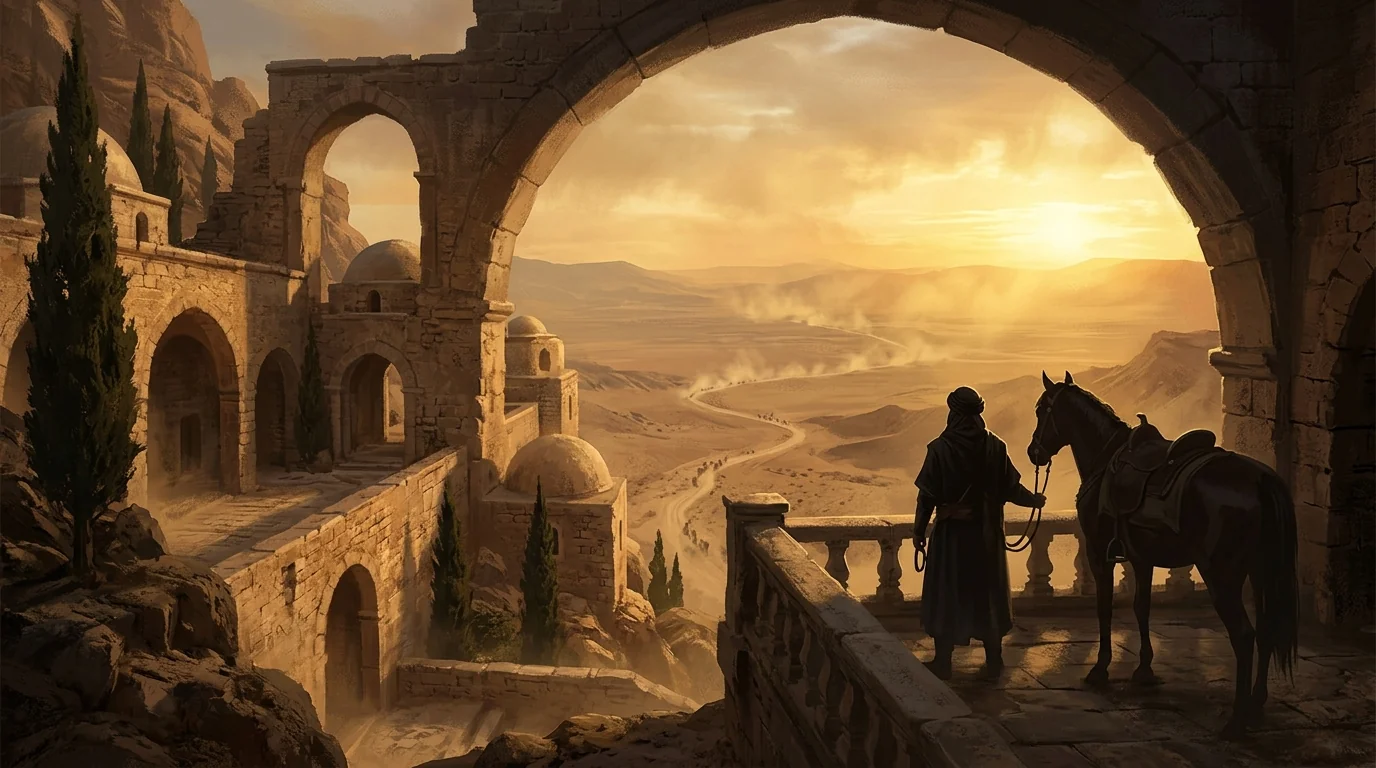
The Monk's Glad Tidings and a Greeting to the Prophet
A monk in Syria told Zaid a prophet descended from Ishmael would soon be sent. Zaid asked Amir ibn Rabi'a to convey his greeting; the Prophet ﷺ later returned it and said he saw him in Paradise trailing his robes. Told on a second journey that the prophet had appeared, Zaid hurried joyfully toward Mecca.
Scene 8
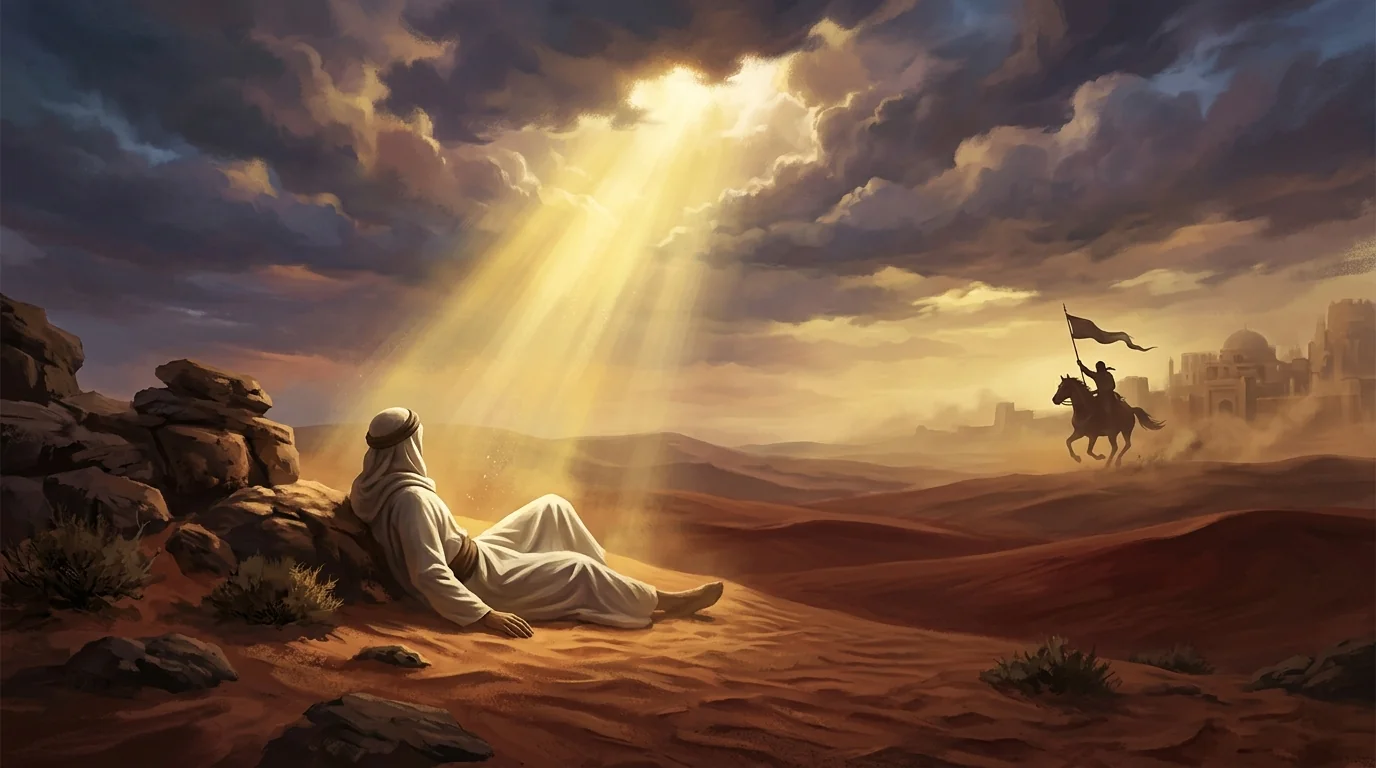
The Blood of Martyrdom and the Horseman of Ajnadayn
Highway robbers attacked and killed him. Realising the wound was fatal, Zaid looked to the sky and made a remarkable supplication with his last breaths, one that led to the birth of one of the ten greatest men of the nation. The author asks who those ten are, and who led the Muslim cavalry at Ajnadayn.
These are English scene notes. The full chapter text, as the author wrote it, is in the app.