


Scene 1
Sa'd's Letter to Umar
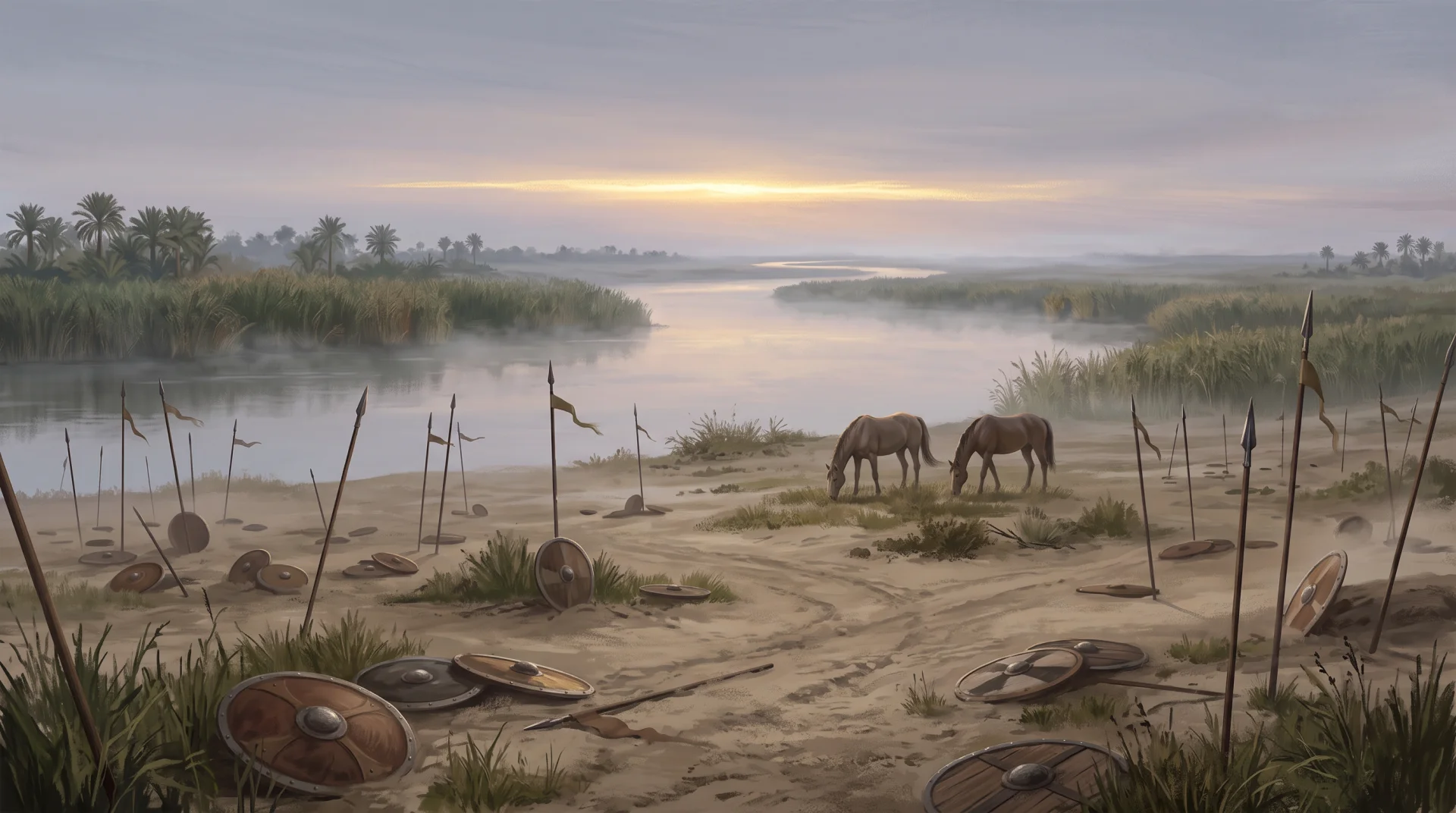
The chapter opens with the words, "A man of the people of Paradise will now appear before you", the title on the destroyer of the Persian Empire, Sa'd ibn Abi Waqqas, and the start of his letter to the Commander of the Faithful Umar ibn al-Khattab: God gave the Muslims victory over the people of Persia after long fighting and a severe quake; the Persians met the Muslims with equipment whose like no onlookers had seen, yet God did not benefit them by it, but took it from them and gave it to the Muslims, who pursued them along the rivers, the edges of the reeds and the mountain passes.
Scene 2
The Old Man Who Waited for News
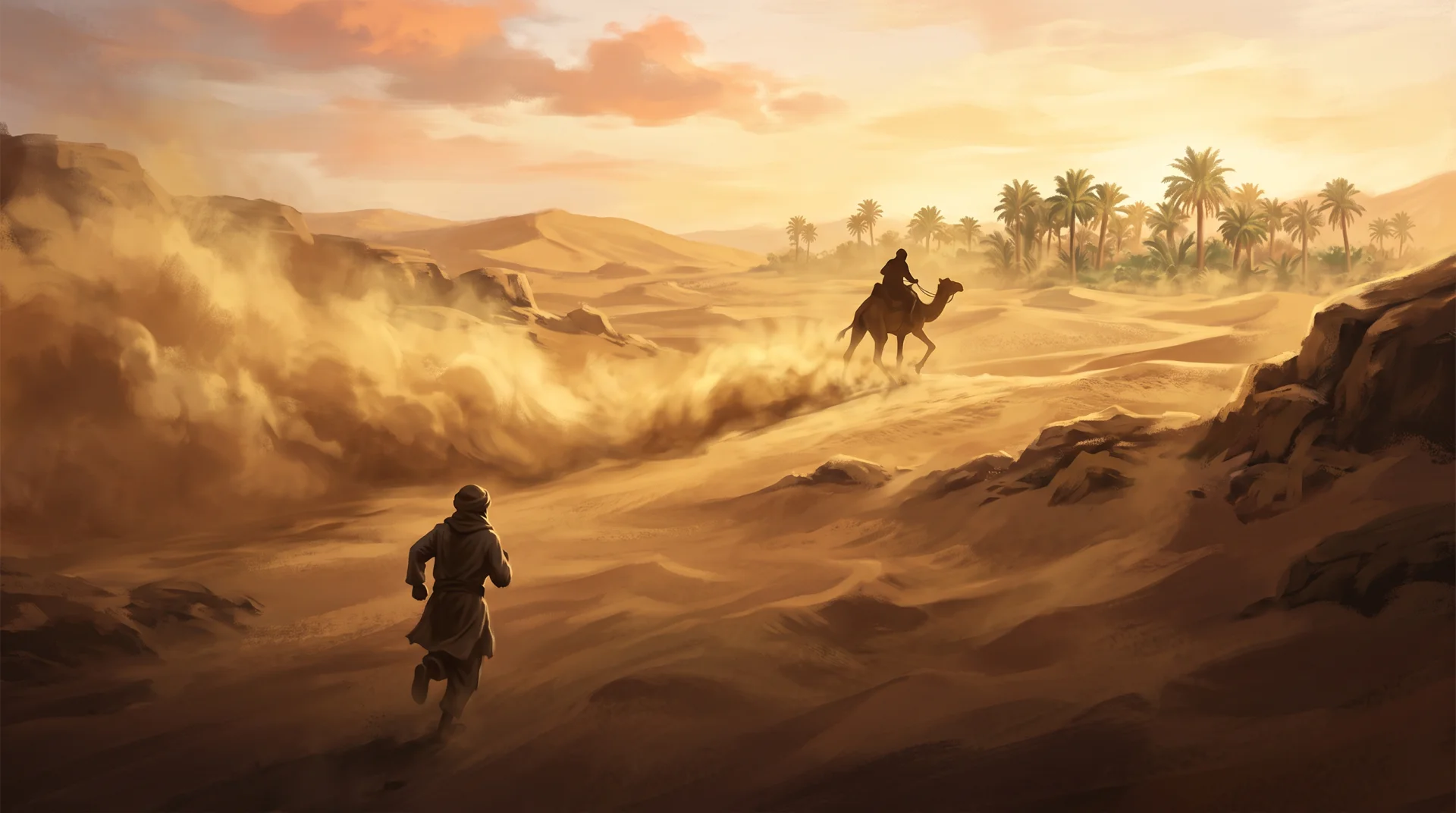
A poor old Arab sheikh went out every morning after the dawn prayer into the barren desert at the edge of Medina, staring toward the east until midday. One day he saw in the distance an Arab horseman on a pure Arabian camel hurrying toward Medina, ran to him, greeted him and asked where he had come from. The rider said he came from Qadisiyyah in Iraq as a messenger from the supreme commander of the mujahid forces, and when the sheikh asked what the Muslims had done, he answered, "God has defeated the enemy! Now leave me, I am in a hurry to deliver the letter of victory from Sa'd ibn Abi Waqqas to the Caliph of the Muslims." He rode on, the poor sheikh running behind him like a child in torn clothes to learn the news of victory, until they reached Medina, where the Muslims gathered around the rider turned to the sheikh and said, "Peace be upon you, Commander of the Faithful!"
Scene 3
Where Are They Compared to Umar?
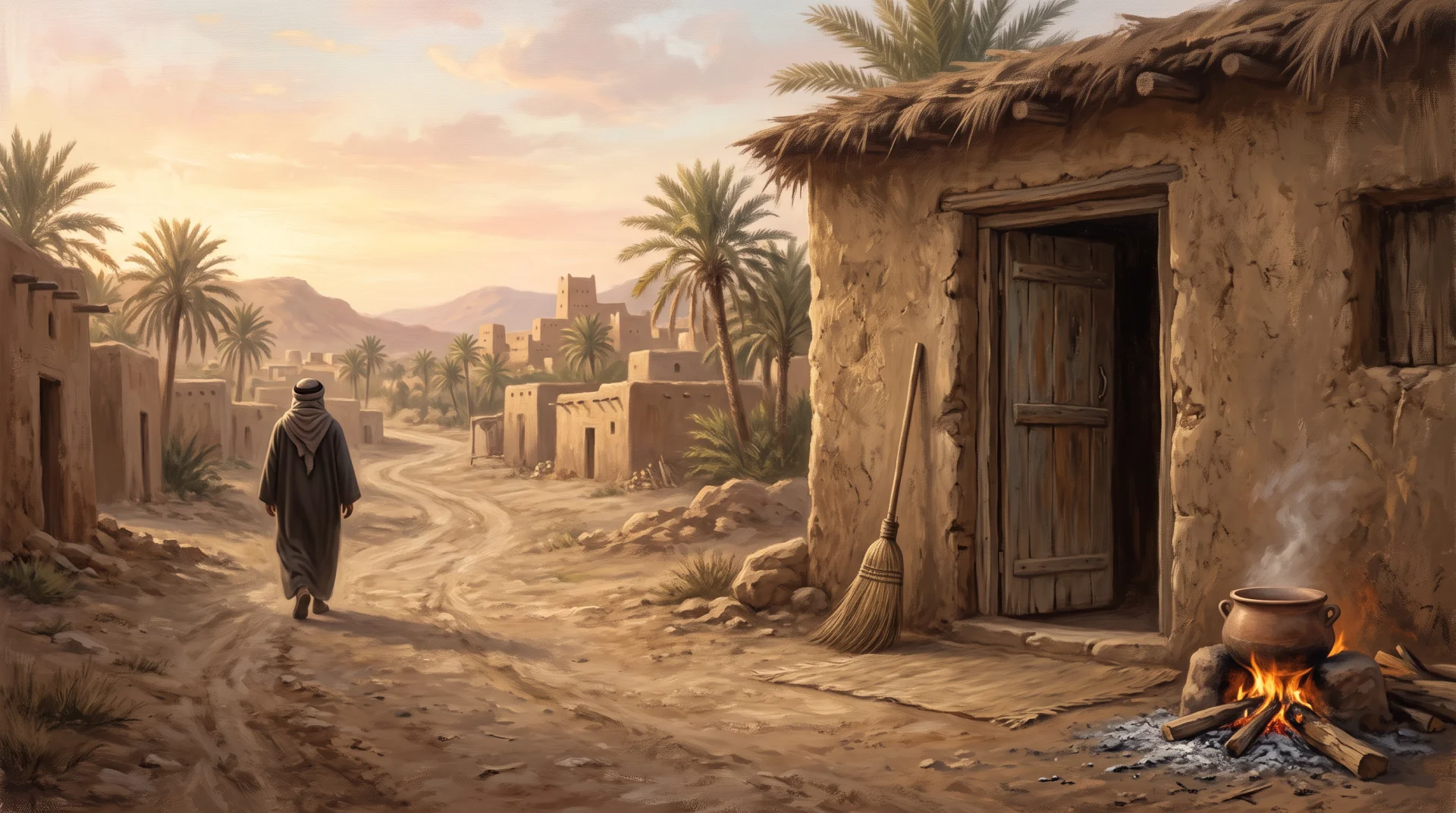
The rider was struck with shock and wished the earth would swallow him, for the old man in torn clothes he had left running behind him was the Caliph of the Messenger of God and Commander of the Faithful Umar ibn al-Khattab, whose armies had just torn apart the armies of the greatest empire Asia had known. Umar caught his breath after the marathon run and smiled at the messenger: "Don't worry, my brother!" The author cries, "God! God! How great is Islam!" He has read the histories of the Greeks, Pharaohs, Romans, Persia, India, Japan, China, Europe and America and found none with a tenth of a tenth of the glory of Islamic history: where is Pharaoh Khufu who enslaved his people for 10 years to build him a tomb, or Khosrow Anushirwan who made ministers wear masks so as not to pollute the air around him, or the Roman emperor Vespasian who built the biggest theatre on earth to watch lions tear slaves, compared with Umar in torn clothes, dust filling his nose, who went every dawn to a blind old woman to sweep her house and cook for her? Islam's history is great and theirs is filthy.
Scene 4
Al-Qadisiyyah and the Messenger's Maternal Uncle
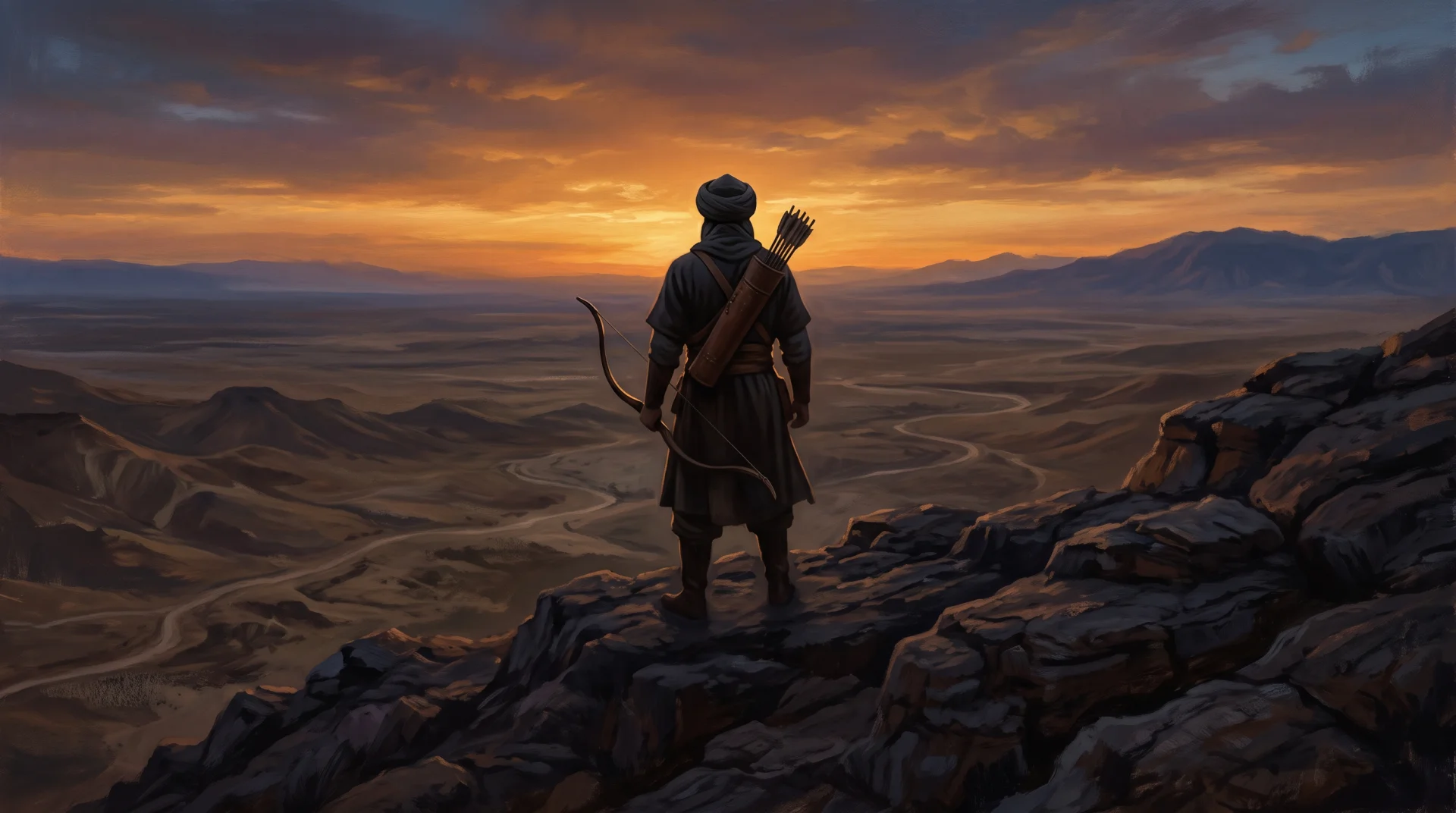
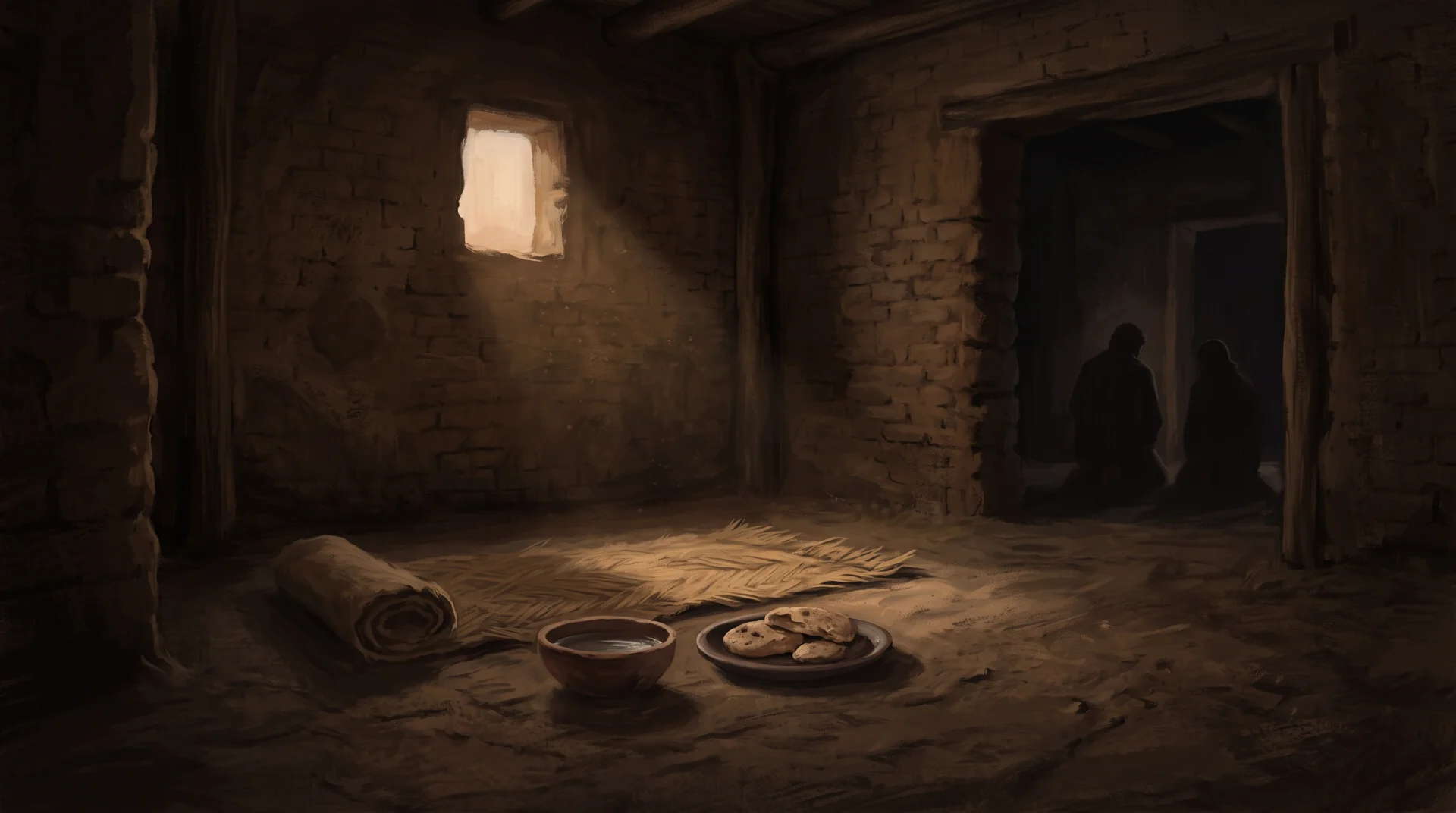
Before speaking of Qadisiyyah, which with its twin sister Yarmuk and their elder sister Yamamah counts among the greatest battles of Muhammad's ummah after the revelation stopped, the author turns to the hero at whose hands God made the great victory: Sa'd ibn Abi Waqqas, maternal uncle of the Messenger of God, one of the ten promised Paradise, one of the eight earliest to Islam, one of the five who accepted Islam at the hands of Abu Bakr, one of the six of Umar's consultative council, the first to shoot an arrow in Islam, a Badr veteran, one of the 1400 of the Pledge of Ridwan, the man of the answered prayer whom the Prophet ransomed with his father and mother, the commander who smashed the legend of Persia. The author says he never hesitated so much over an introduction, because his heroic stories are not only many but immensely great, and it is impossible to choose among them.
Scene 5
A Teenager Who Would Not Leave His Faith
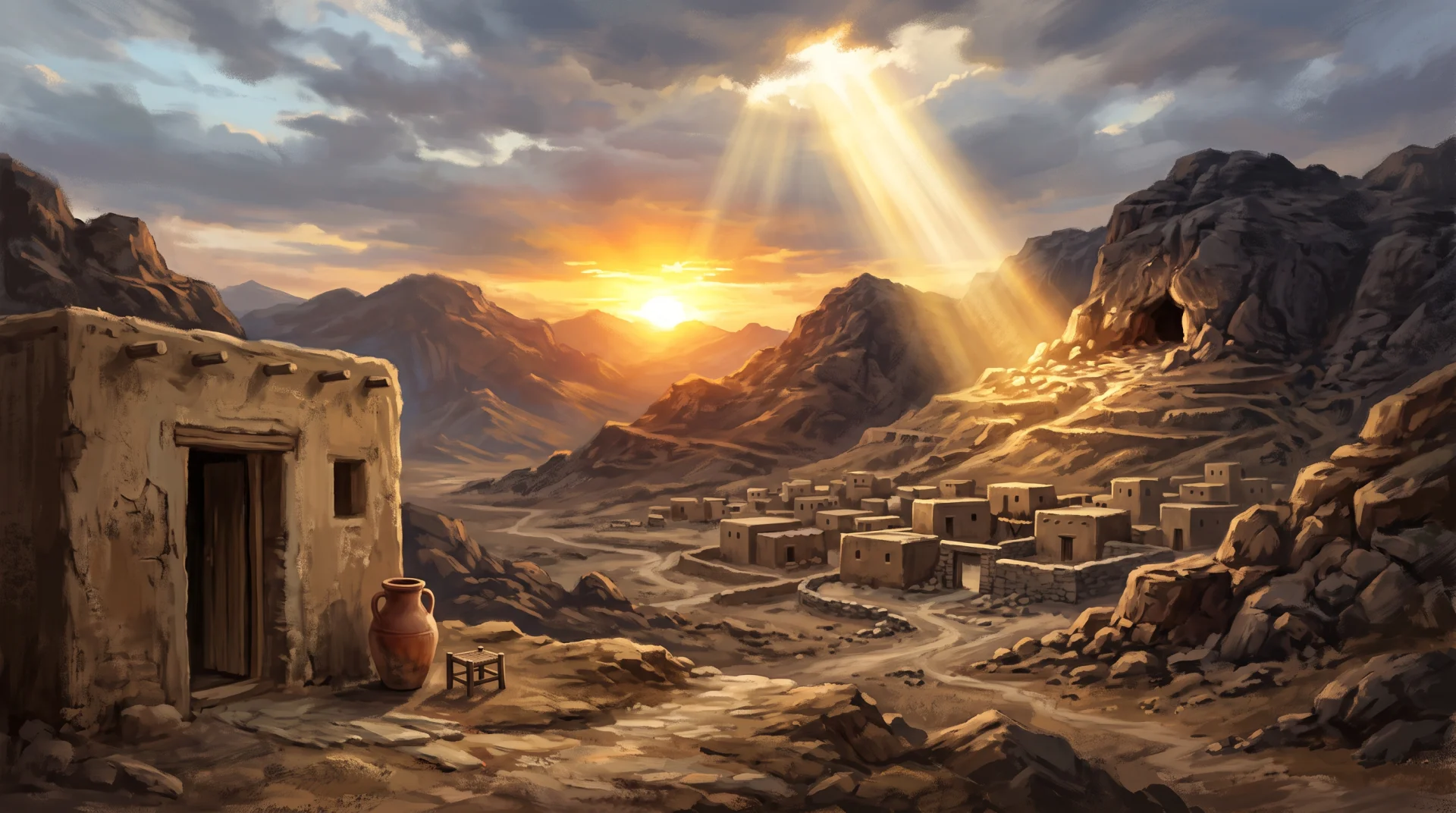
The author finds in the next story something that explains how this Islamic giant's character was formed, for it happened at the most dangerous age a person passes through, adolescence, which he says runs from 11 to 21, and "raha'a" in Arabic means to come near. At seventeen, Sa'd embraced Islam with four of the ten promised Paradise at the hands of Abu Bakr. His mother, whom he loved more than himself, tried to turn him back; when all attempts failed, she began a total strike from food and water until he returned to idolatry or she died, so that the Arabs would shame him as the cause of his mother's death. She reached the brink of death, and some of his family took him to see her one last look, hoping his heart would soften, and Sa'd watched her dying slowly.
Scene 6
If You Had a Hundred Souls
Sa'd said to her, "By God, mother, if you had a hundred souls and they came out one by one, I would not leave this religion of mine for anything, so eat if you wish or do not eat!" When his mother saw this deep faith in her son she gave up her fast, and the angel Gabriel came down with a revelation from heaven, the words of the Lord who created the universe immortalizing this story for Sa'd in a Quran whose verses will be recited until the Day of Resurrection: "And if they strive to make you associate with Me that of which you have no knowledge, do not obey them, but accompany them in this world with kindness, and follow the way of those who turn to Me" (Luqman 15).
Scene 7
The Faithful Guard
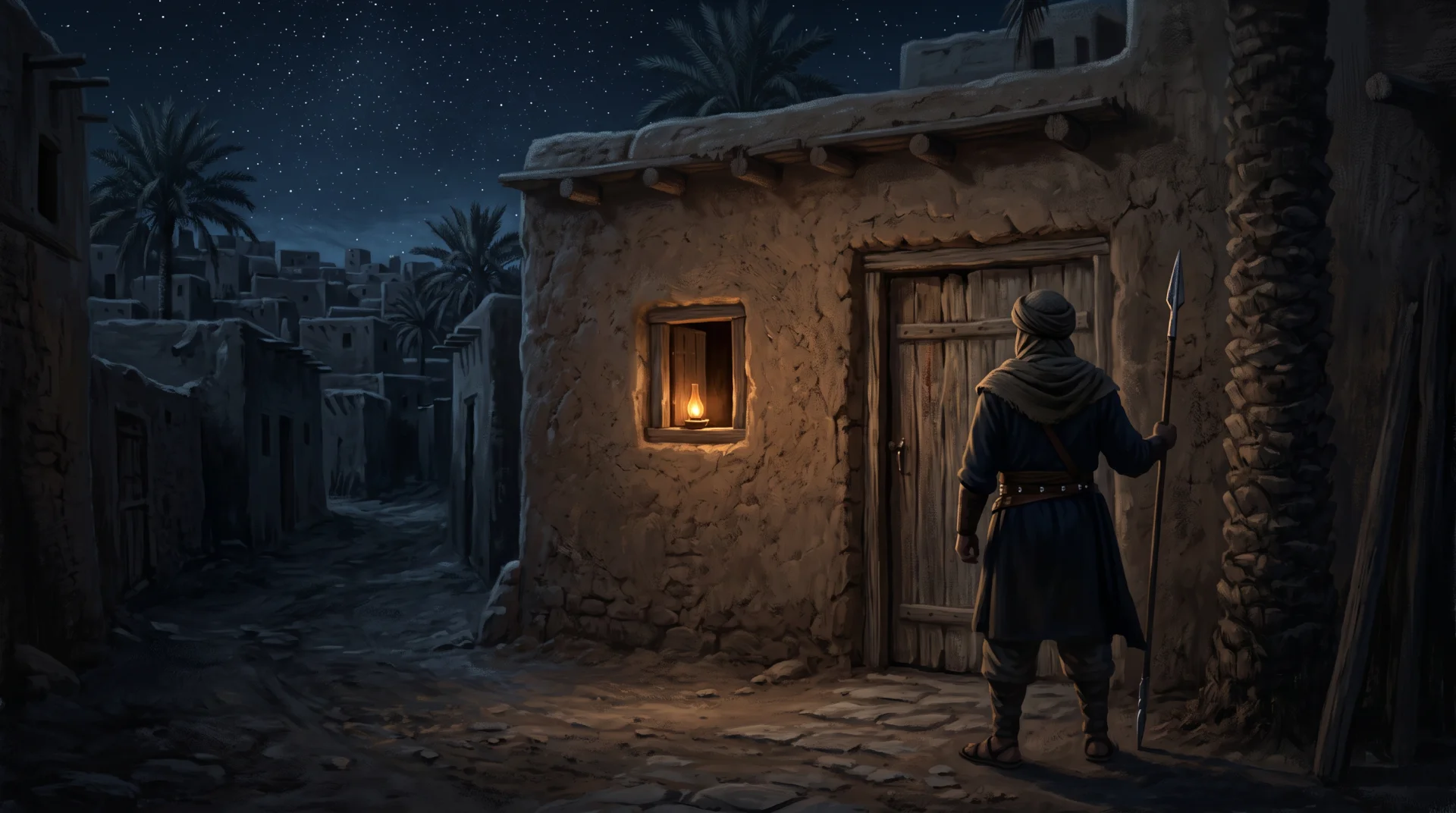
One night the Messenger of God was sleepless, fearing the treachery of the idolaters while he slept, so that Islam would be lost before he delivered its message, and he said to Aisha, "I wish a righteous man of my Companions would guard me tonight." Then the Messenger and his pure wife heard footsteps approaching the house outside and the sound of weapons, and he called, "Who is this?" The voice said, "I am Sa'd ibn Abi Waqqas, O Messenger of God." "What brought you?" Sa'd said, "Fear for the Messenger of God entered my heart, so I came to guard him tonight!" The Messenger rejoiced in this faithful companion and slept reassured, my father and mother be his ransom, until Aisha heard his snoring.
Scene 8
The First to Shoot an Arrow
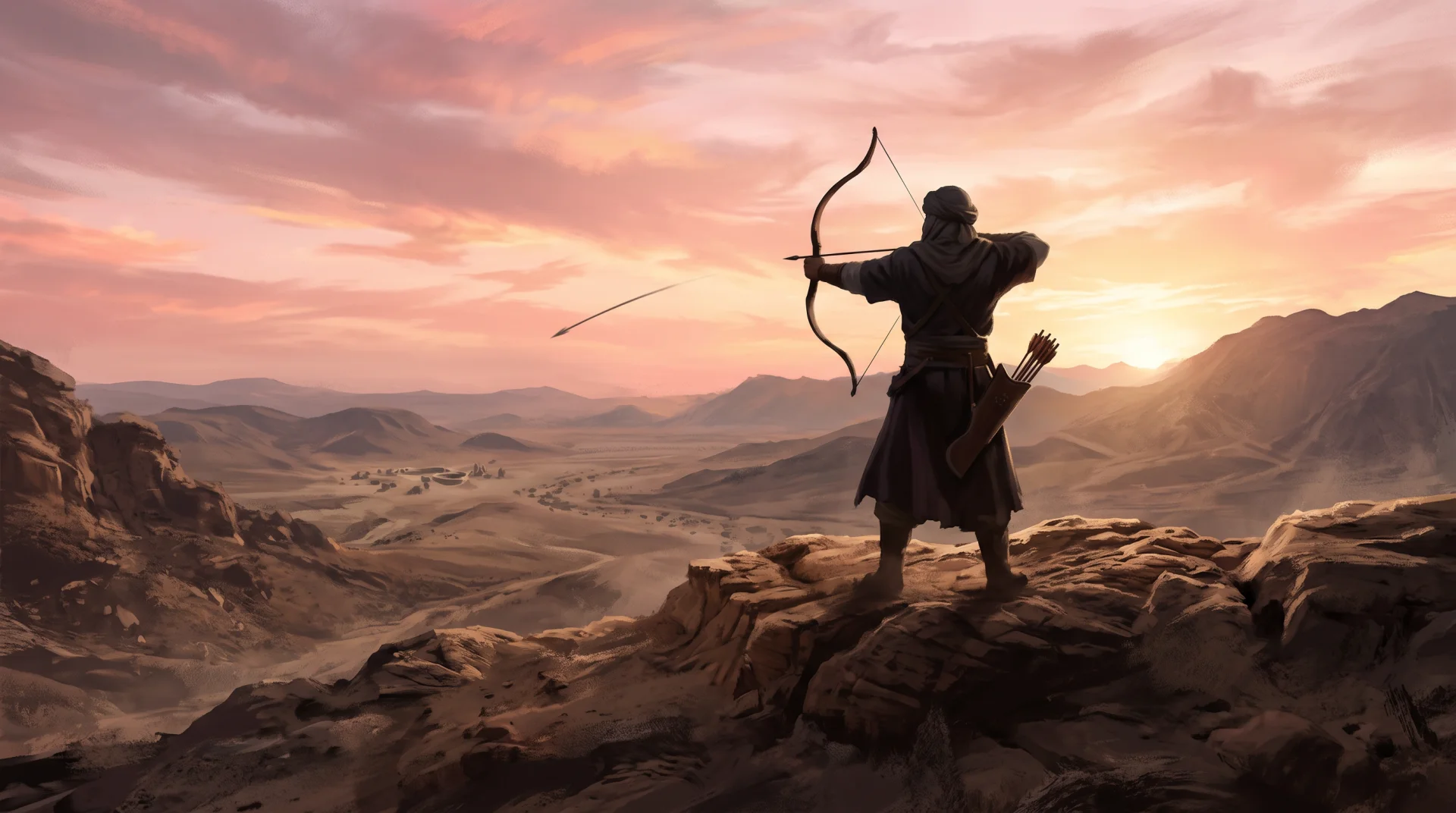
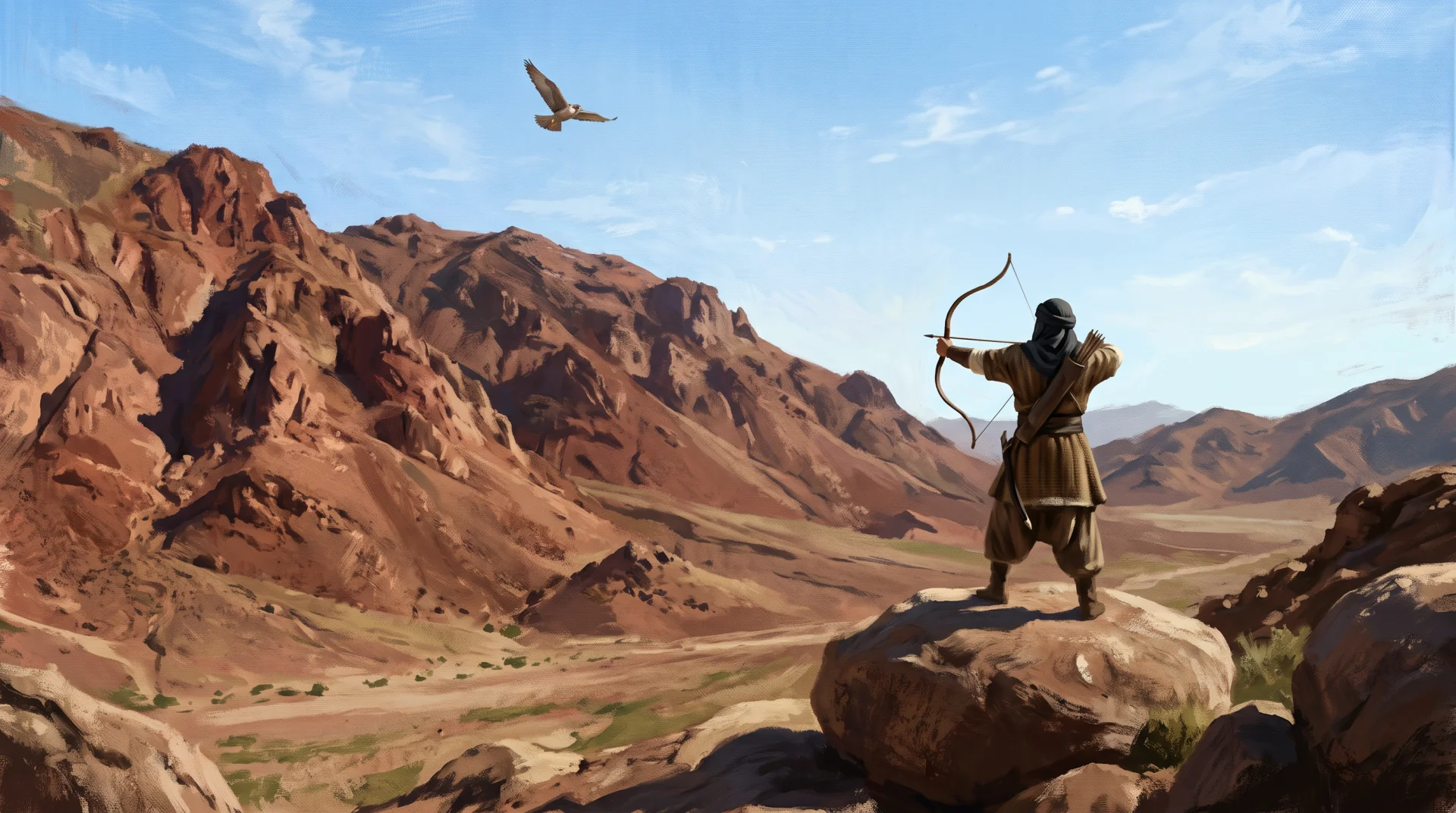
The author turns to Sa'd's legendary heroism. At Badr he was the first to shoot an arrow in the cause of God in the history of Muhammad's ummah, and the Messenger used to say, "O God, answer his prayer and steady his aim." When he prayed the answer came from heaven like the splitting of dawn, and when he shot his aim never missed, so that one said he believed Sa'd, if he shot toward the east aiming for the west, God would make it land in the west. Al-Dhahabi in Siyar A'lam al-Nubala' recounts that Sa'd shot an arrow three times, killing with each, and each time it returned to him as the idolaters picked it up and gave it back to him. Sa'd boasted of this gift in verse, saying he had protected his companions with the heads of his arrows and that no archer of Ma'add could count a shot before his.
Scene 9
At Uhud: the Second Hero
At Uhud, the author recalls that in speaking of Talha ibn Ubaydullah he said he was one of two heroes who stood firm beside the Messenger when the idolaters besieged him, and that he left the name of the second hero hanging to keep the reader eager, promising to name him at the end of the book. Now it is time to keep that promise: he was Sa'd ibn Malik ibn Uhayb, known in history as Sa'd ibn Abi Waqqas. While Talha fought the idolaters' horsemen with his sword like a raging lion on one side, Sa'd took his bow on the other side like a piercing falcon and shot anyone who dared come near his beloved Messenger, while the Messenger handed him the arrows with his pure hands, smiling at the accuracy of his hits and saying, "Shoot, Sa'd, may my father and mother be your ransom!"
Scene 10
Umar's Three Decisions
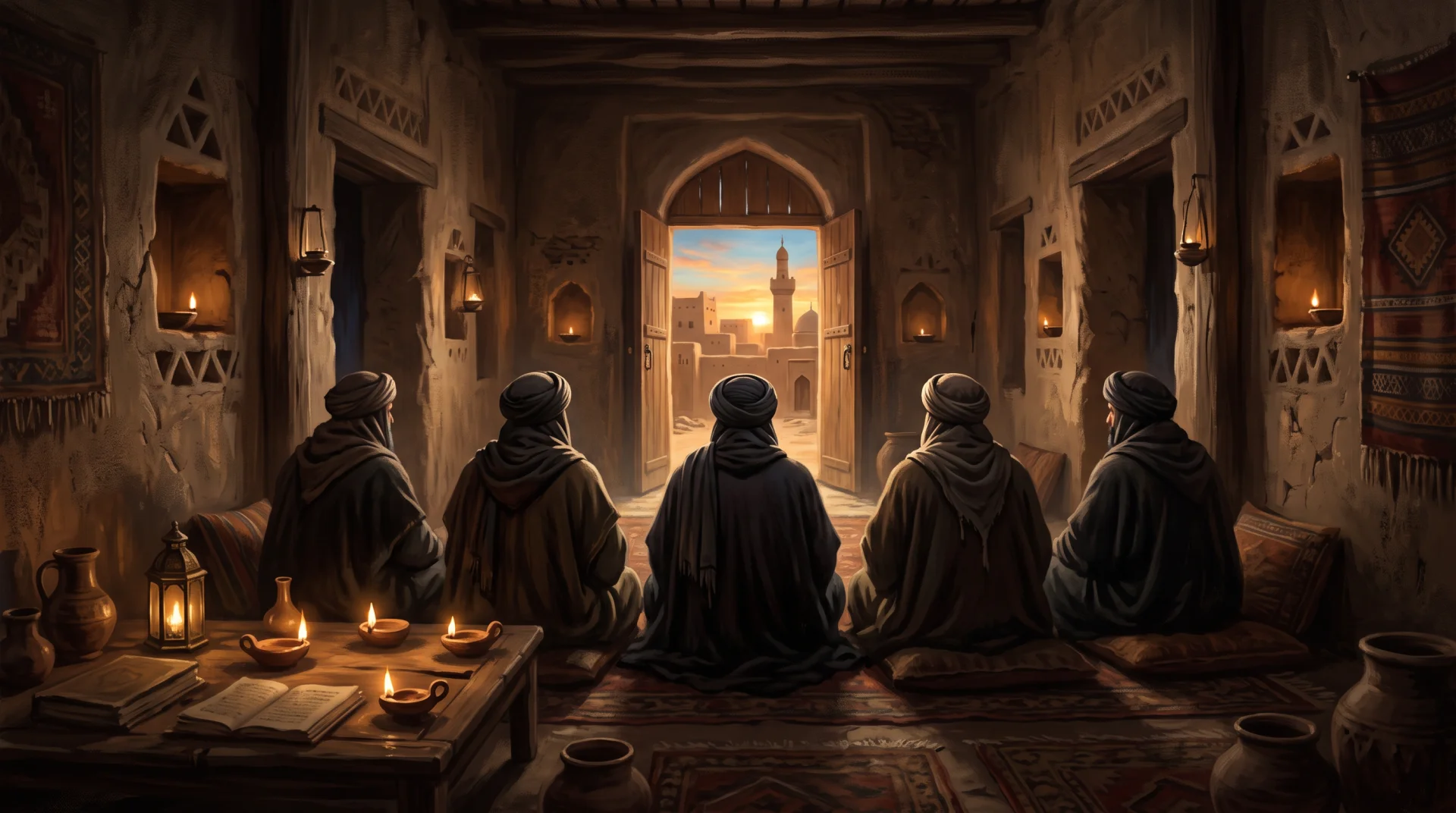
In the year 15 AH, corresponding to 635 CE, news reached Medina that Khosrow was personally preparing a vast army to send against the city of the Messenger of God and end Islam. The Caliph Umar held an emergency meeting of the top leadership with giants such as Uthman ibn Affan and Ali ibn Abi Talib, and decided to advance with the Muslim armies himself, but Ali feared Persian treachery for his friend and advised him to appoint a man of the Muslims to lead the army. After debate came three Umari decisions: first, declaring the highest state of emergency and general mobilization throughout the Islamic state; second, appointing Sa'd ibn Abi Waqqas general commander of the mujahid armies heading to Persia; third, declaring total war on the Magian Persians. The author closes by asking what happened next, what the story of the Great Battle of Qadisiyyah is, who its great heroes are, and what strange description Sa'd gave them.
These are English scene notes. The full chapter text, as the author wrote it, is in the app.