


Scene 1
The Sword to Be Broken on Uhud
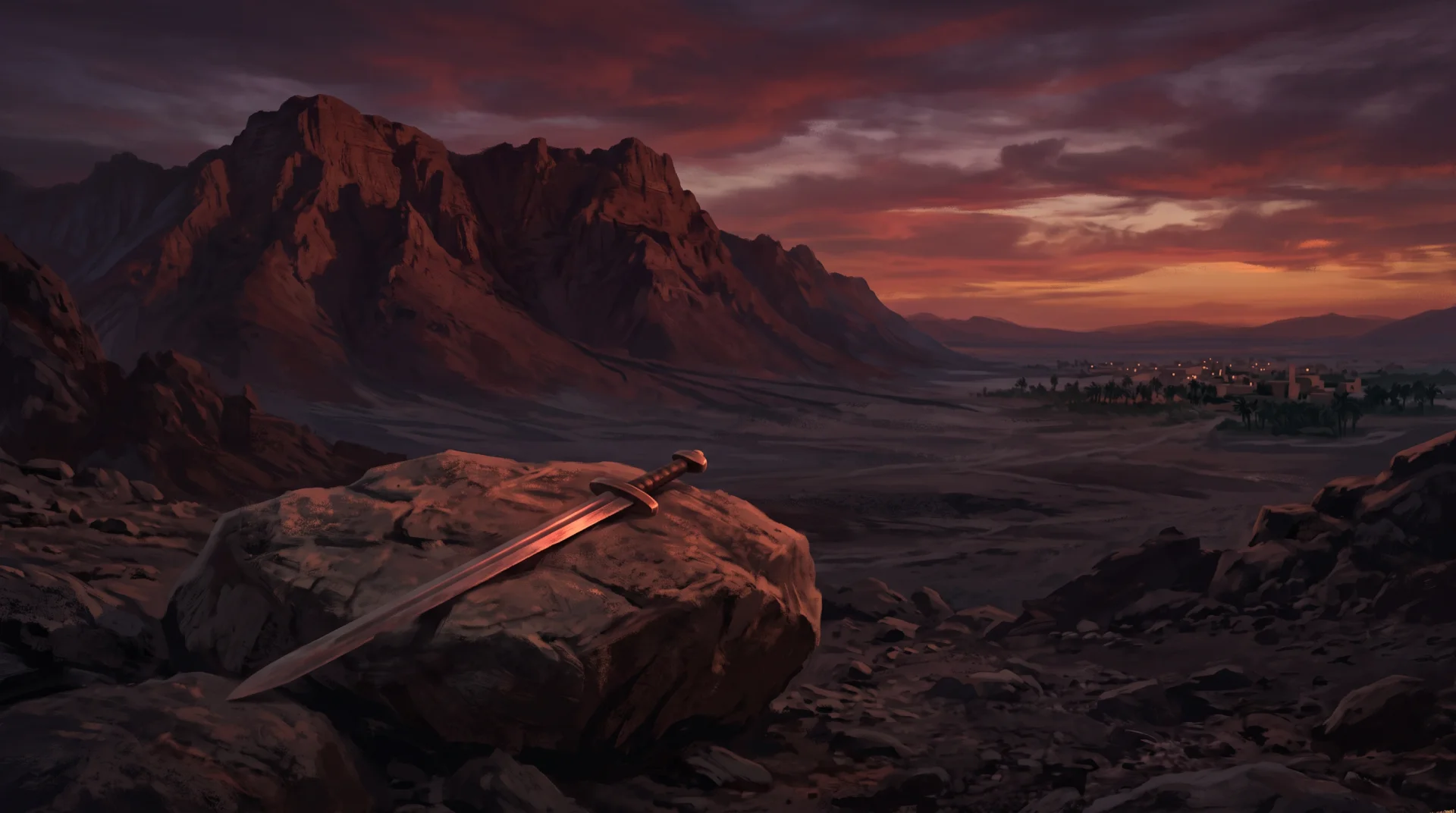
The chapter opens with the title "Commander of the Prophetic Commando Forces" (Muhammad ibn Maslama) and the Messenger's words to him: "O Muhammad ibn Maslama, fight with this sword in the cause of God, and when you see my ummah striking one another, take it to Uhud and strike it until it breaks, then sit in your house until a sinful hand or a decisive fate comes to you."
Scene 2
The Man Who Struck the Mountain
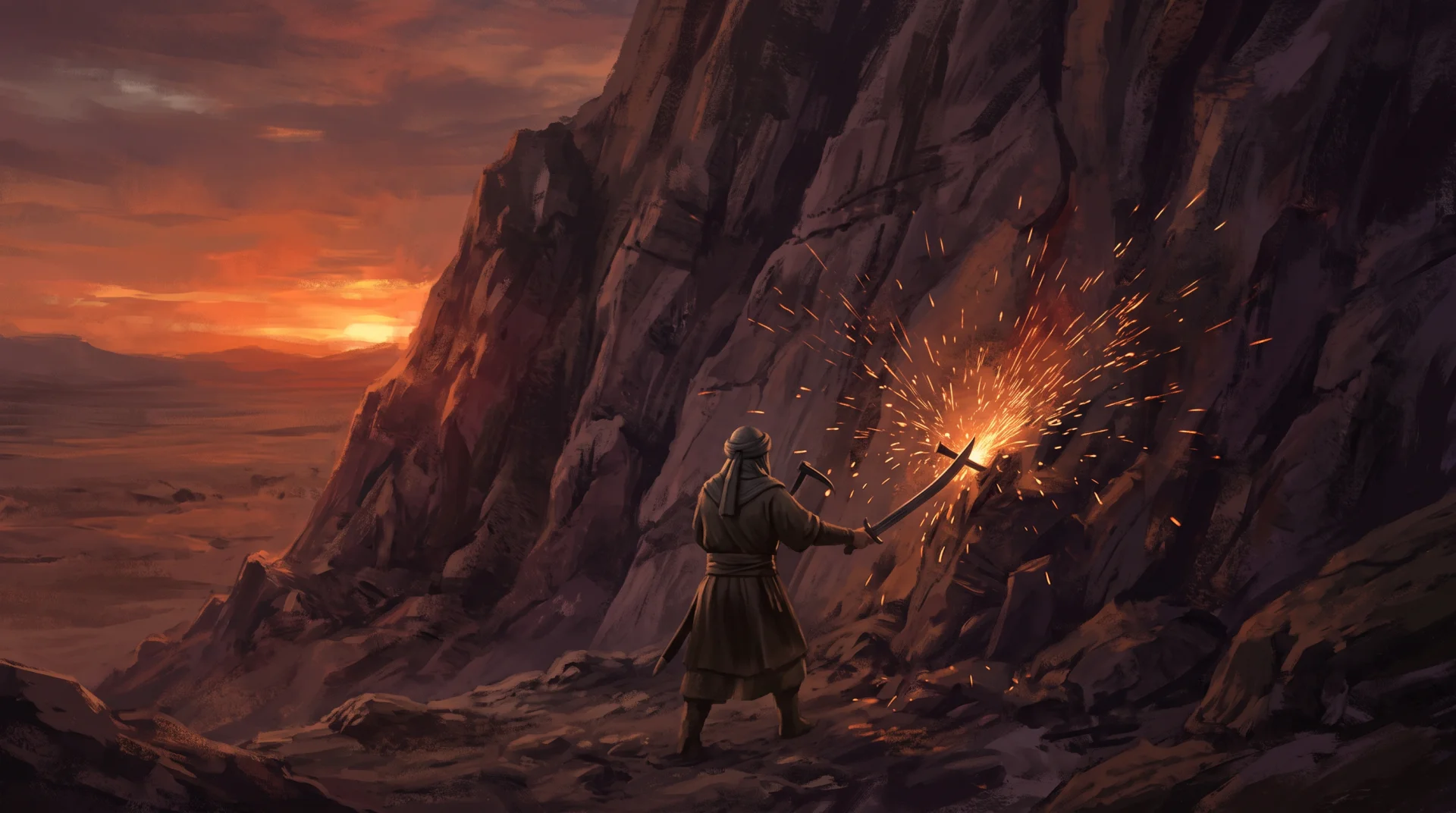
People wondered at an Ansari who took his sword to Uhud at the edge of Medina and struck the mute rocks of that towering mountain: a tall, very dark man whose huge hands dealt blows that shook the earth and sent sparks flying in every direction, until the blade of the sword broke. He stood a moment looking at the broken sword, then returned quietly home, took his belongings and left for the desert of al-Rabadhah to withdraw from the sedition among the Muslims, refusing to stain his sword with Muslim blood whatever the reason. It was the sword the Messenger himself gave him to make him the man of hard missions, and he was the giant Companion Muhammad ibn Maslama.
Scene 3
How Many Companions' Names Do You Know?
The author says we all know the story of Abu Bakr, the exciting stories of the Faruq, the generosity of Dhu al-Nurayn Uthman, the heroism of Ibn Abi Talib and the chivalry of Khalid, perhaps Abu Ubaydah, and in passing Talha and al-Zubayr. But are these alone the companions of Muhammad? Do the Messenger's Companions not deserve a little mention for what they gave their friend whom we claim to love? How many names of Companions do you know: ten, twenty, fifty, a hundred? How many names of singers and athletes? Are those the ones you want to be gathered with on the Day of Resurrection, or the Companions of the Messenger of God?
Scene 4
It Is Time to Wake Up
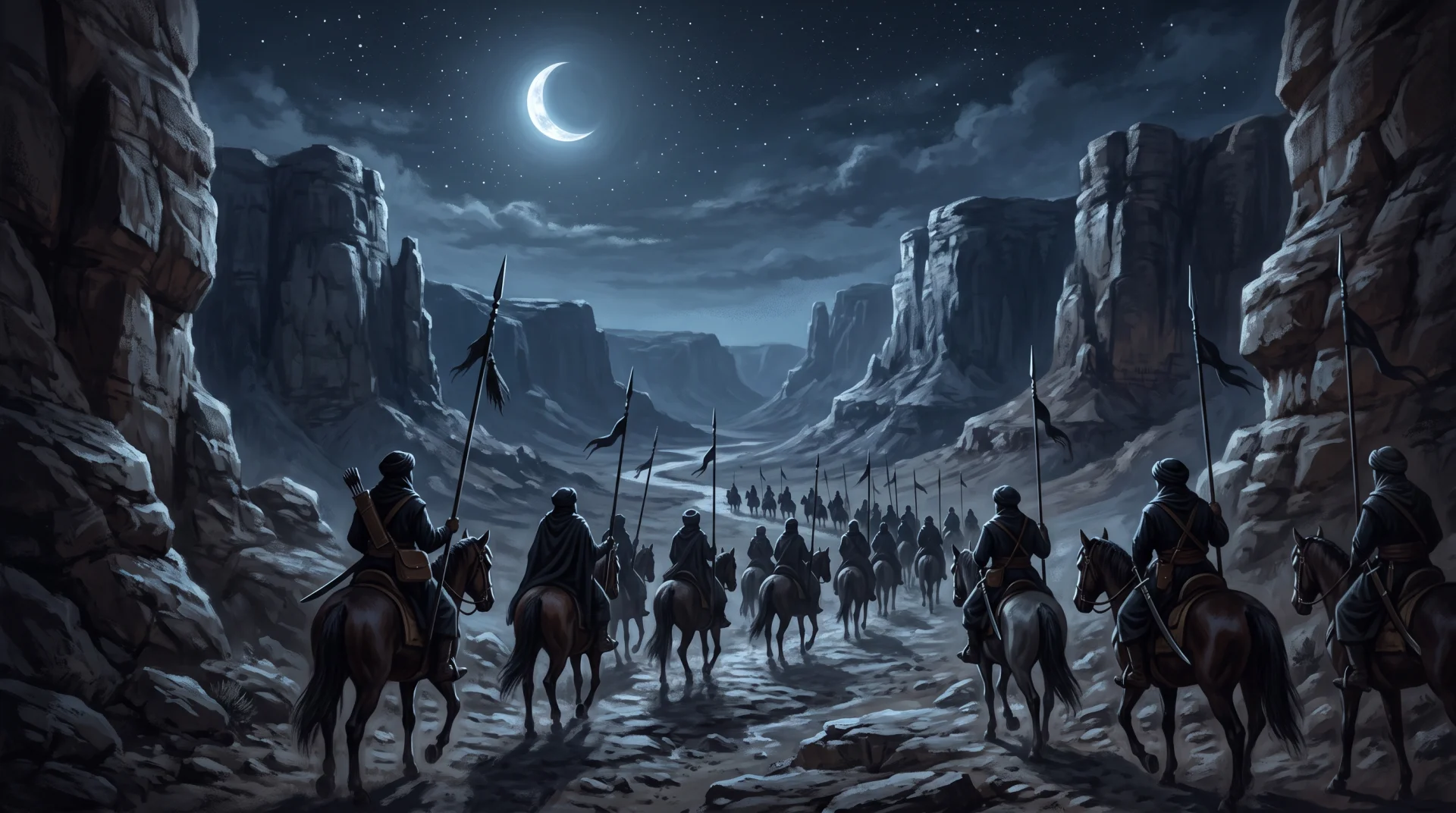
The author says it is time to wake from our deep slumber and correct our mistakes before it is too late, for a nation that does not know the history of its icons is a despicable nation, fit only to be the depths of oblivion. So he invites the youth of the ummah to review together the story of a new great man among the great of the Islamic ummah, whose heroic life was a real legend among the legends of commando forces throughout human history.
Scene 5
What Are Commando Forces?
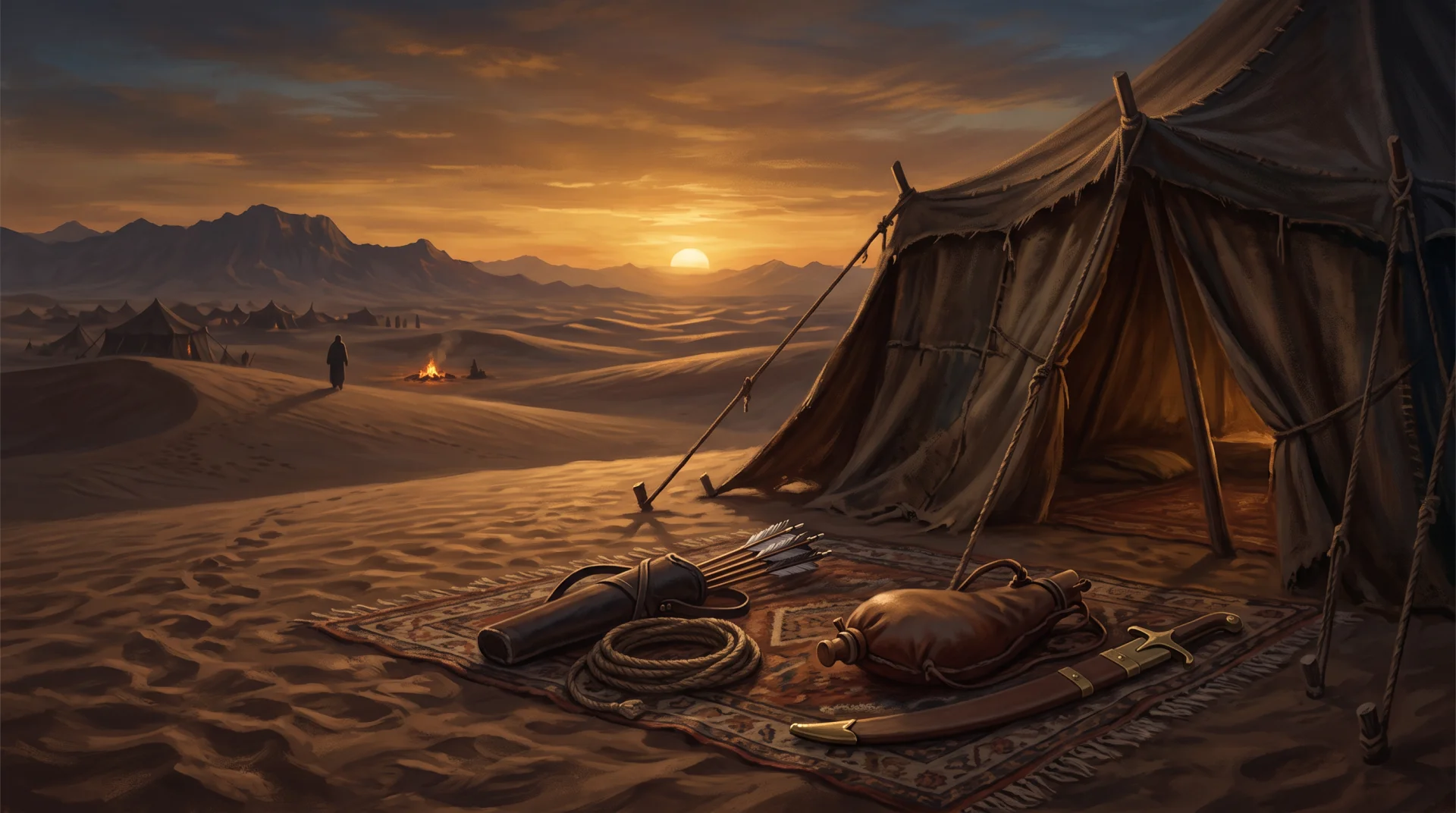
Commandos, the author explains, is a military term for a special section of the war forces assigned near-impossible missions, equivalent in Arabic to "special missions forces". He chose the foreign term "Commandos" despite his strong dislike of those who replace the Arabic tongue with the foreign one, for a purpose: many youth of the ummah are infatuated with American action films in which "American commandos" appear like men from Mars, not knowing that their bright history holds heroes of the Islamic commandos who were not imaginary like Hollywood's but real. This book tells the story of one of them, the hero commander Muhammad ibn Maslama.
Scene 6
Missions Too Many to Count
The special military missions this Ansari commander carried out on the personal assignment of the Messenger of God, or of the Rightly Guided Caliphs after him, are more than can be counted in a book like this. The author will mention some of them, leaving the reader to search for the rest in the books of Islamic history, to enjoy wondrous heroic stories by this Islamic hero whom hardly any of us has heard of.
Scene 7
Ka'b ibn al-Ashraf
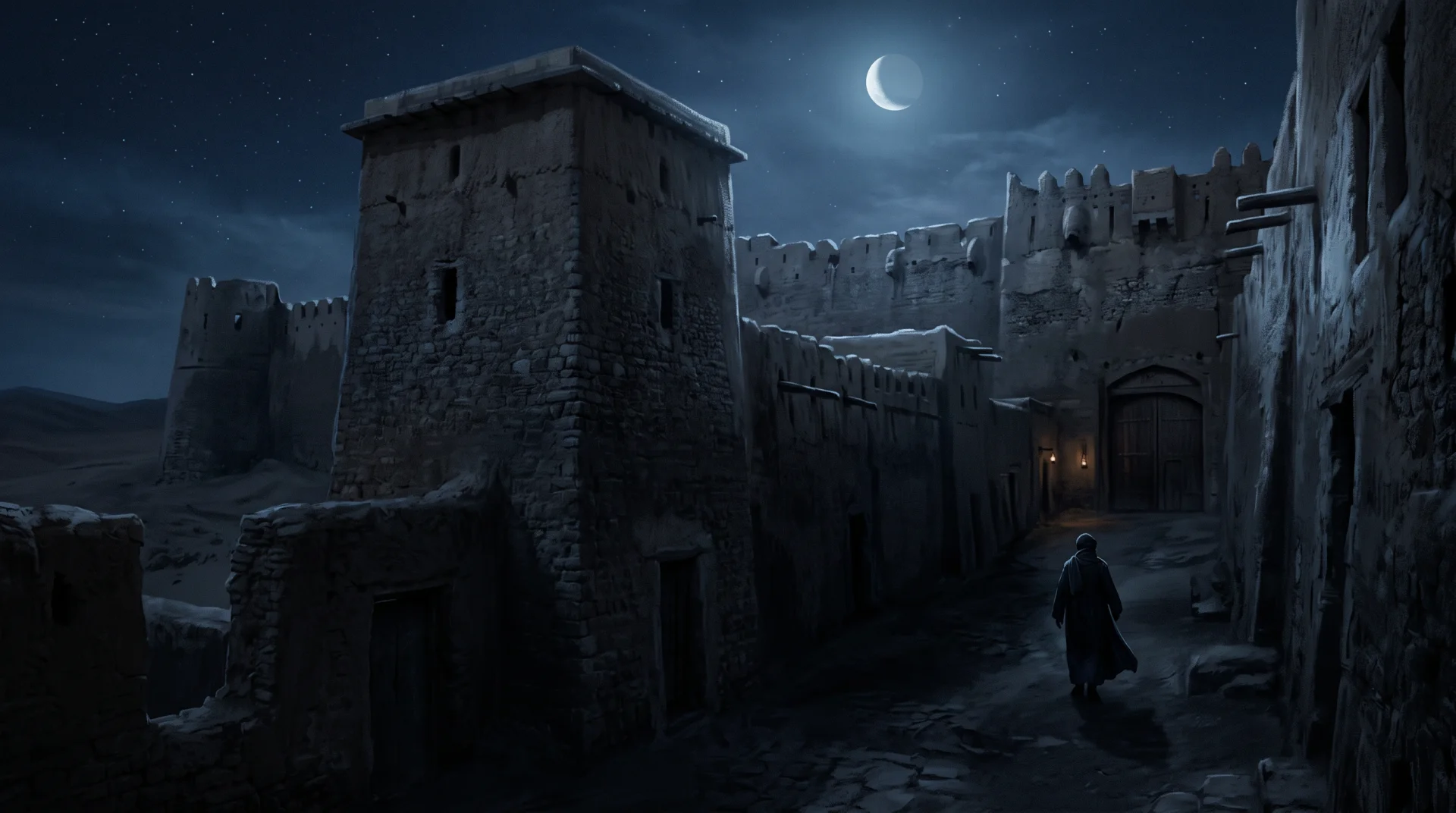
The first special mission of this hero was to eliminate the greatest inciter against the Muslims, Ka'b ibn al-Ashraf, a Jewish poet who spoke ill of the Muslims' women in his vile poetry and went to Quraysh to incite them to fight the Muslims and destroy them, thus becoming an enemy of the Islamic state in Medina. Then came the Messenger's decision: "Who will deal with Ka'b ibn al-Ashraf? He has harmed God and His Messenger." Muhammad ibn Maslama said to Muhammad ibn Abdullah, "I am for him, O Messenger of God", and within days he set out on a daring operation into the enemy's lair and returned carrying the head of that criminal, as the book puts it.
Scene 8
Hudaybiyah: the Commander Who Never Sleeps
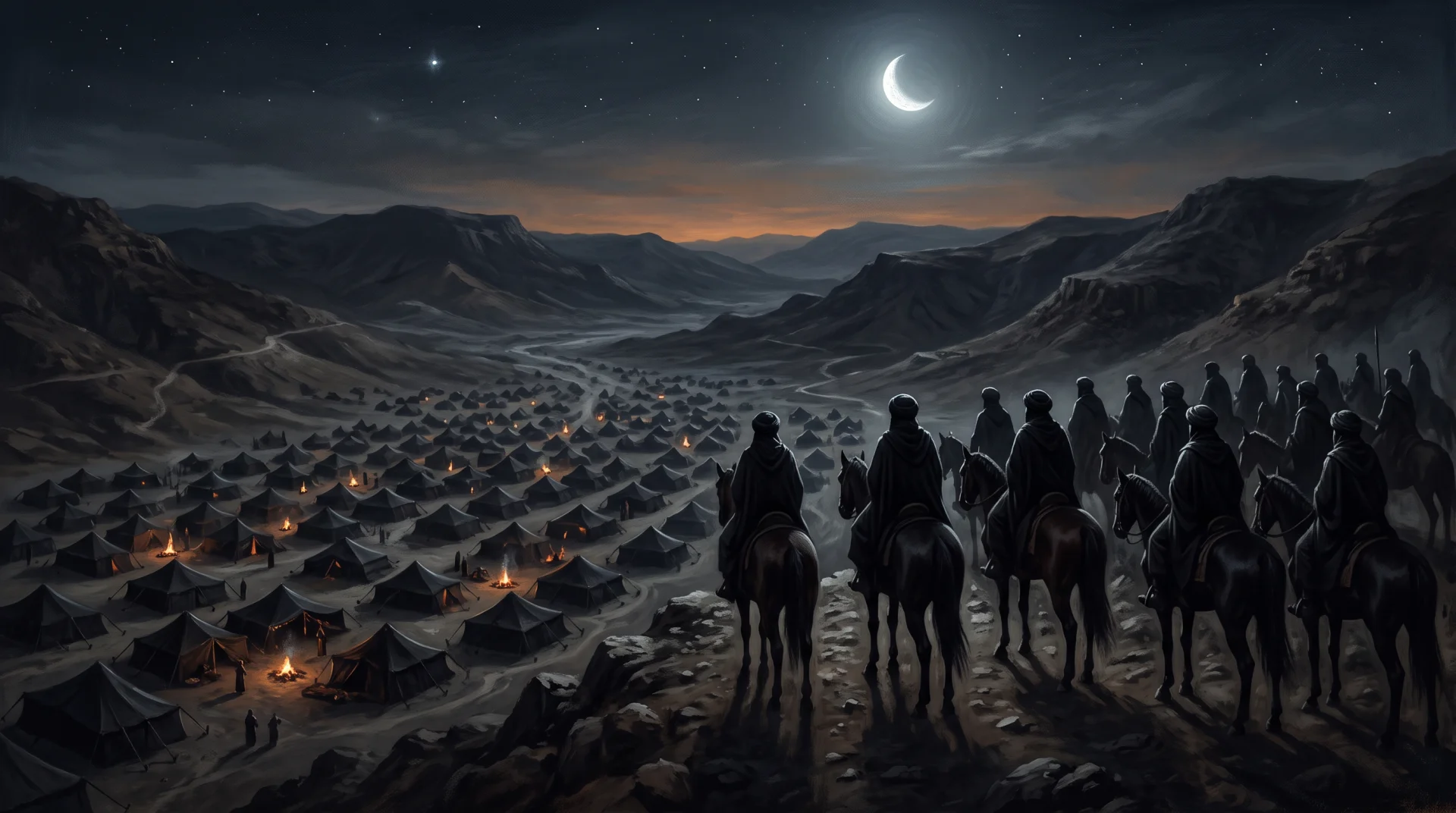
At Hudaybiyah, while the Muslims slept, a fighting group of fifty young horsemen of Quraysh crept into the Muslim camp in the darkness of night to surprise them in their sleep, and they were struck by a dark man who surrounded them with the sleepless horsemen with him, and they were bound together with ropes. That dark horseman was the Muslims' commander of special operations, who never sleeps, Muhammad ibn Maslama, and God sent down a Quran immortalizing this heroic operation.
Scene 9
Fifty-One Expeditions and Missions Under the Caliphs
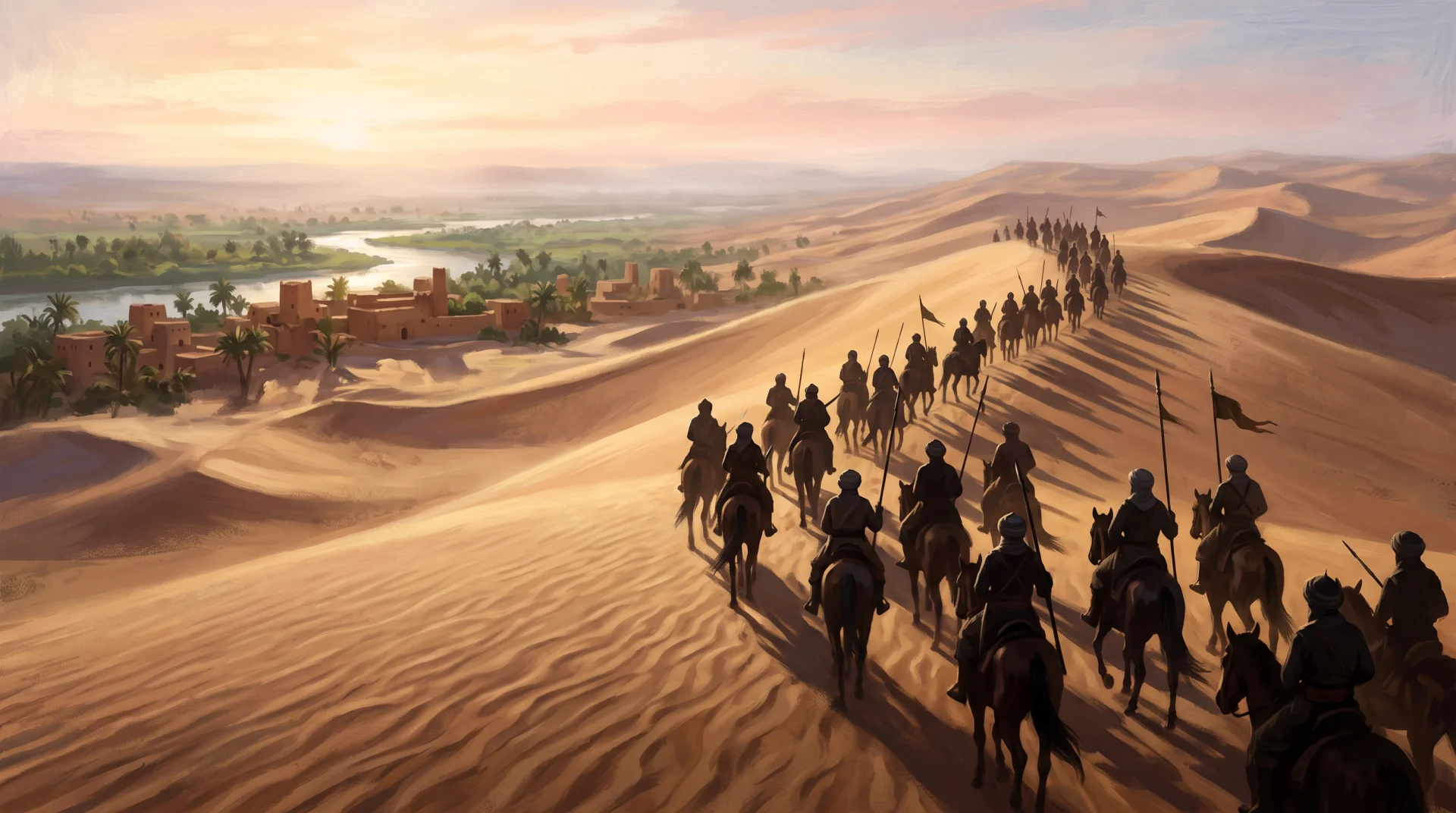
The Messenger of God appointed this wondrous military commander over about 51 expeditions and also sent him to bring the alms from the Islamic emirates. He took part with Muhammad in all the Muhammadan battles except Tabuk, when the Messenger entrusted him with command of the Medina front in his absence. In the era of Abu Bakr he was a commander of the Islamic armies fighting the apostates; in the era of Umar, when the Muslims' siege of Egypt dragged on, the Faruq sent him at the head of a commando battalion that included the legendary al-Zubayr ibn al-Awwam, so that on reaching Egypt the unit could bring victory.
Scene 10
The Inspector General and Kufa
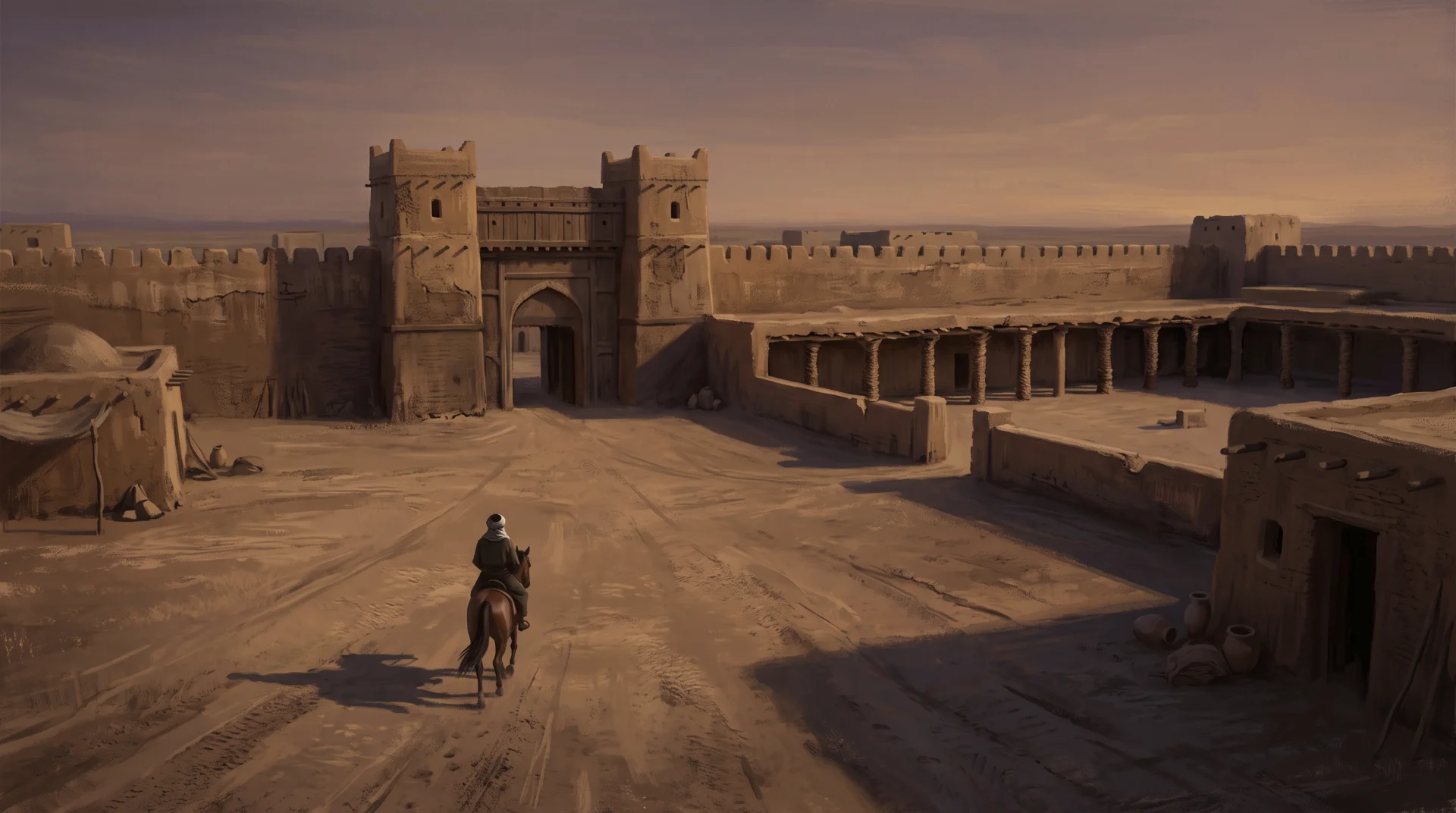
The Faruq appointed him "Inspector General over the governors of the Islamic empire", so that he toured the Islamic provinces to ensure its governors applied the rulings of the Shari'ah and judged justly among their subjects. The strangest mission the author read in his life was the one the Faruq gave him in Kufa after a complaint arrived from its people, which the author considers the most insolent complaint a people ever sent in the history of the earth: the people of Kufa, whom he calls traitors and who years later would be called Shia, complained that their governor did not pray properly. What disgusts him is that this governor was the very man who brought Islam to the land of those people, whom the book calls the lowly.
These are English scene notes. The full chapter text, as the author wrote it, is in the app.