


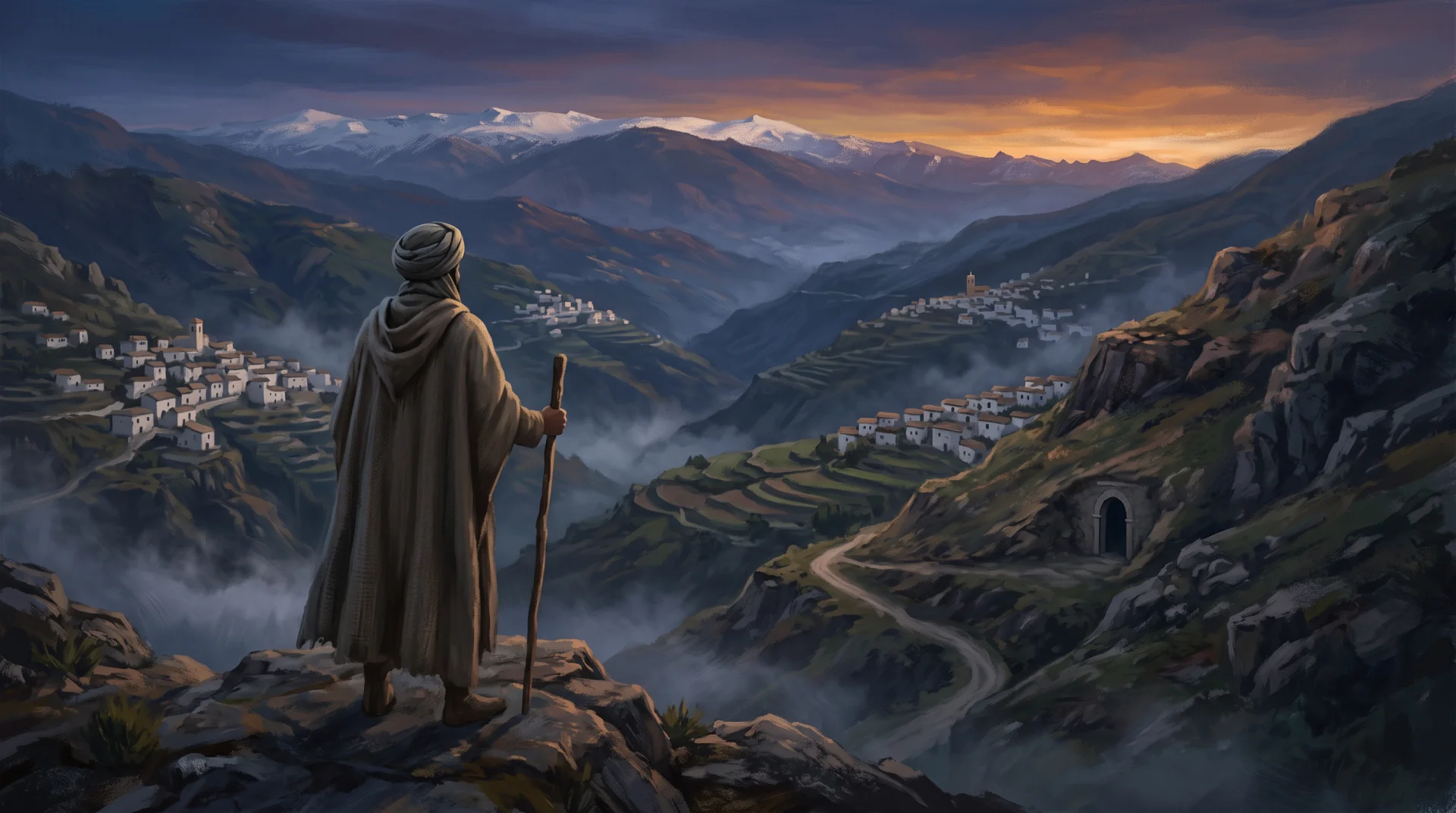
Scene 1
Leader of the Morisco Uprising: Heir of a Family of Heroes
The chapter is headed "Leader of the Morisco Uprising", Muhammad ibn Umayya, heir of a family of heroes. It opens with a quotation from the memoirs of the French Colonel Lemotsky, one of those who uncovered the Inquisition: in other rooms they found dreadful instruments of torture, among them machines for breaking bones and crushing the human body, beginning with the legs, then the chest, head and hands, until the whole body was shattered.
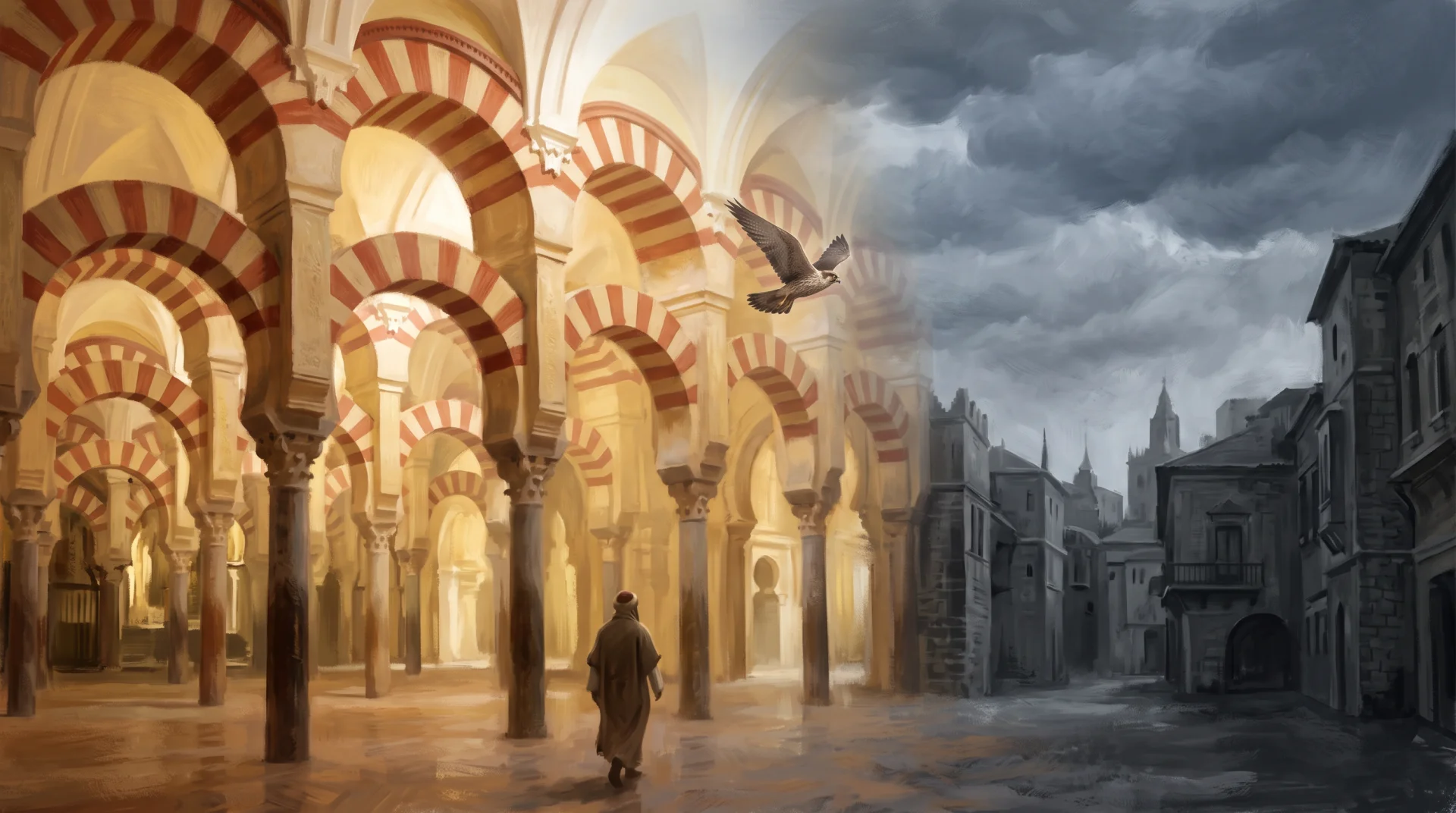
Scene 2
The School of Banu Umayya and the Age of the Inquisition
The more he read, the author says, the more bright pages he found for heroes of the Umayyad family, and understood the fierce attack on them by "the Crusader Orientalists and their agents among the Rafidi Shia". He swears he has seen no family that sacrificed for Islam, from China to al-Andalus, like Banu Umayya, and warns that defaming them defames Islam's history. His hero graduated from this school, yet appeared not under the strong Umayyad caliphate, nor Abd al-Rahman al-Dakhil, nor even the Taifa kings, but decades after the fall of al-Andalus, in the time of the Inquisition.
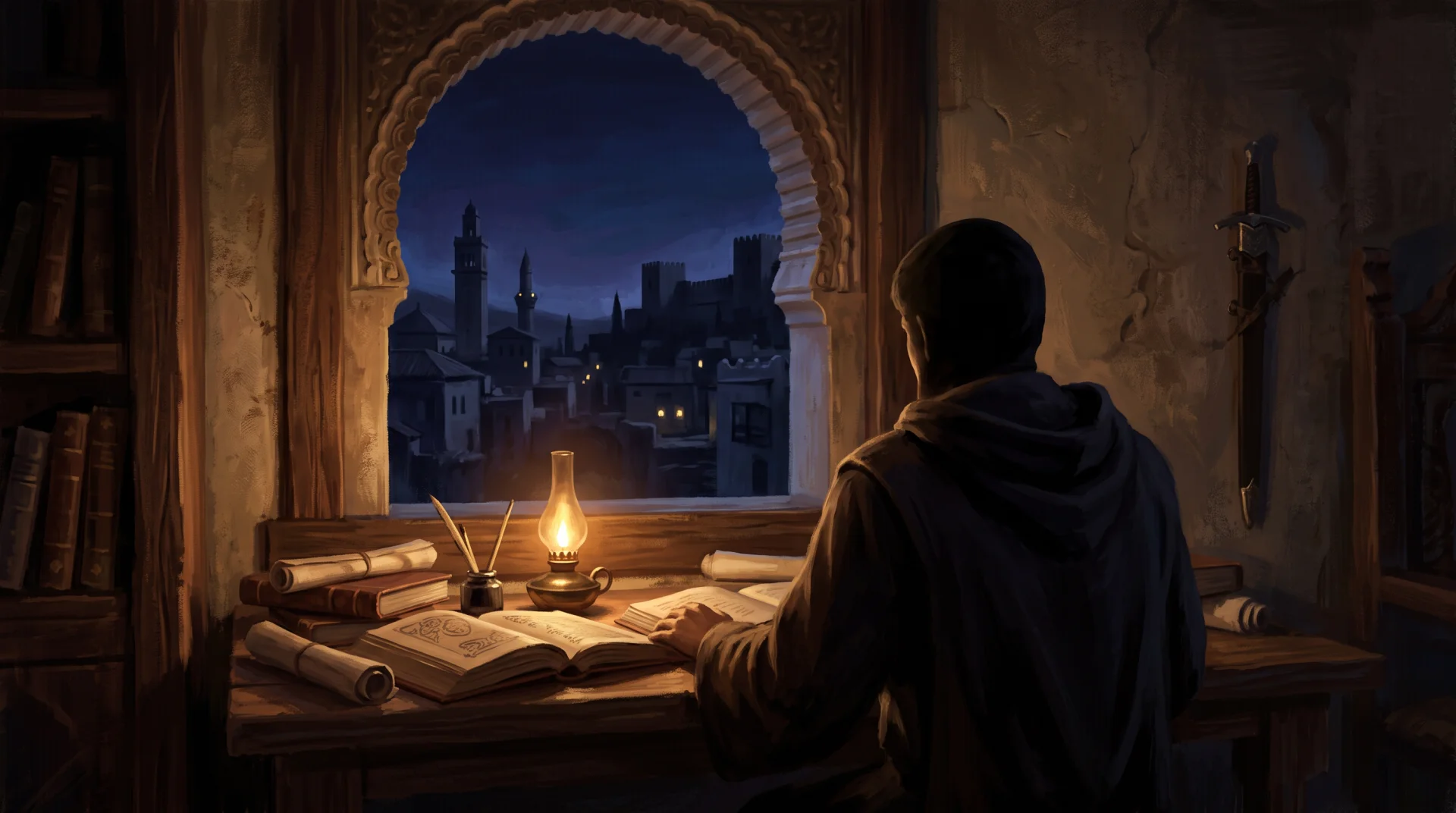
Scene 3
Knowledge Is the Believer's Weapon: A Glimpse of the Inquisition
Before the story, the author gives a glimpse of the Catholic Inquisition for two reasons: to measure this hero's greatness, and to arm the nation's youth with documented information from Western historians so as to silence "every filthy one" who brands Islam with terrorism. Muslim scholars, he says, never blessed a criminal who kills the innocent, whereas priests took part in the torture with the blessing of the Pope himself. He calls on the Vatican to apologise for the crimes against the Andalusian Muslims as it did to the Jews, and urges youth to arm themselves with knowledge, not violence.
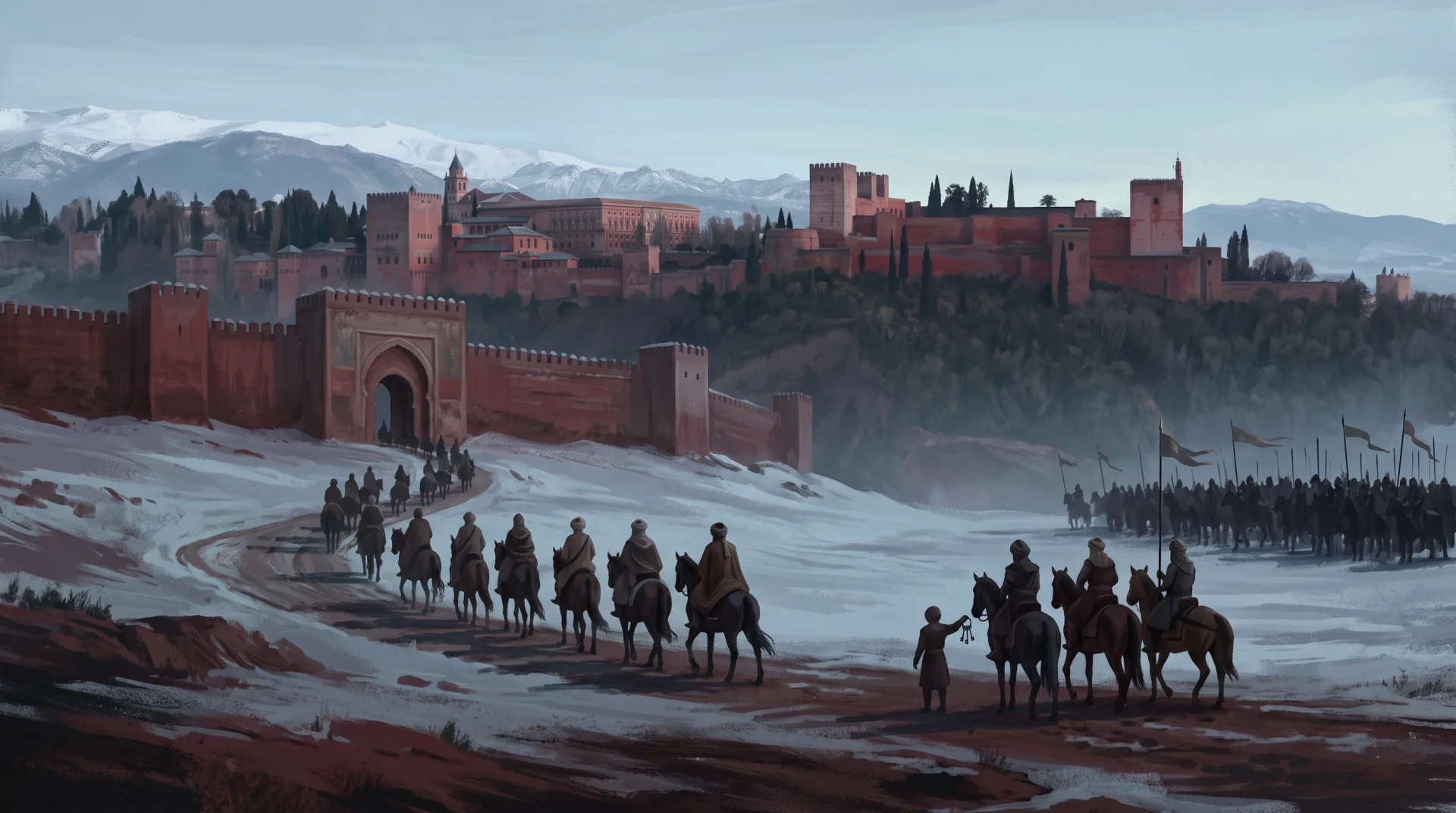
Scene 4
The Fall of Granada and the Broken Pledges
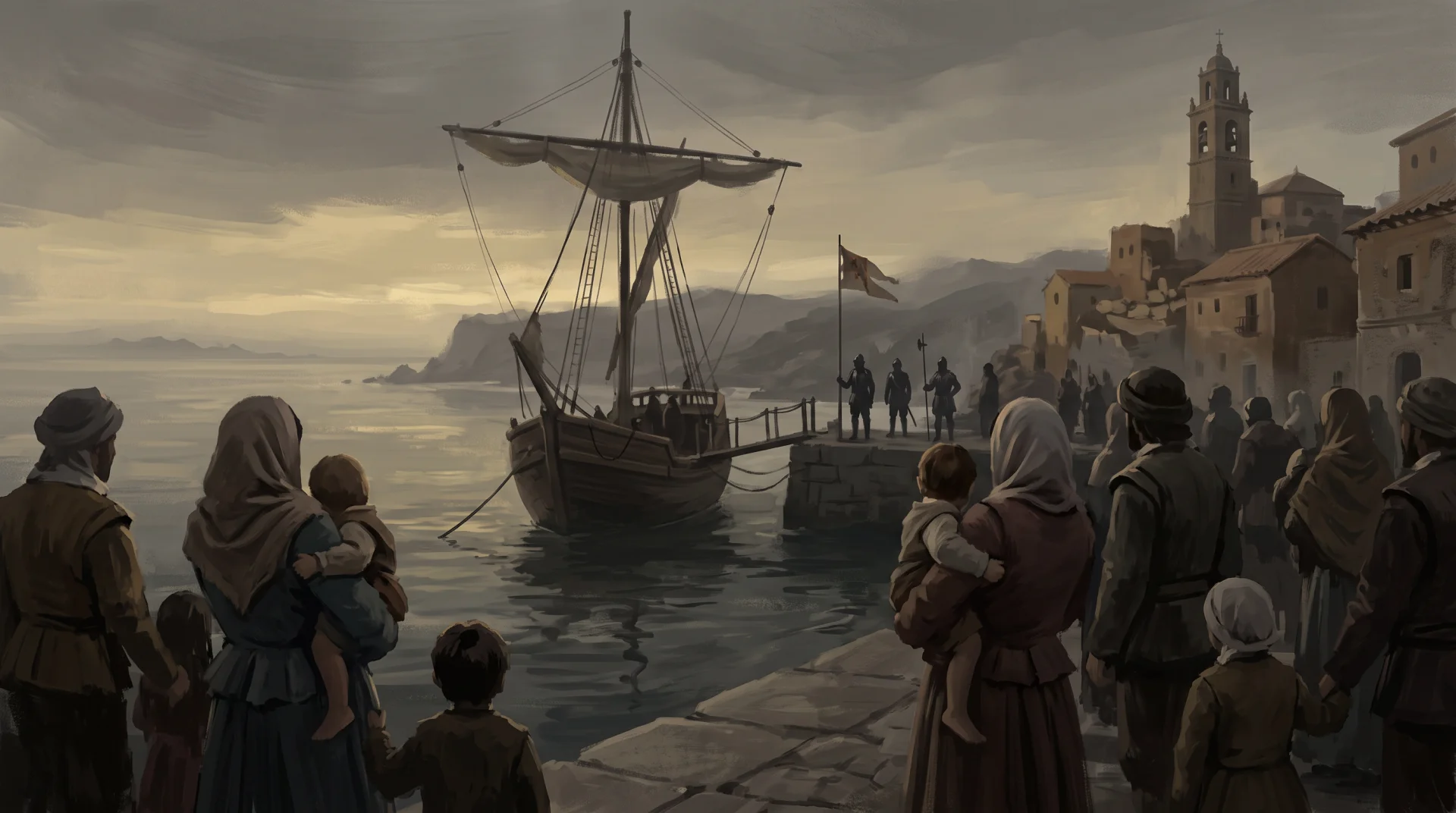
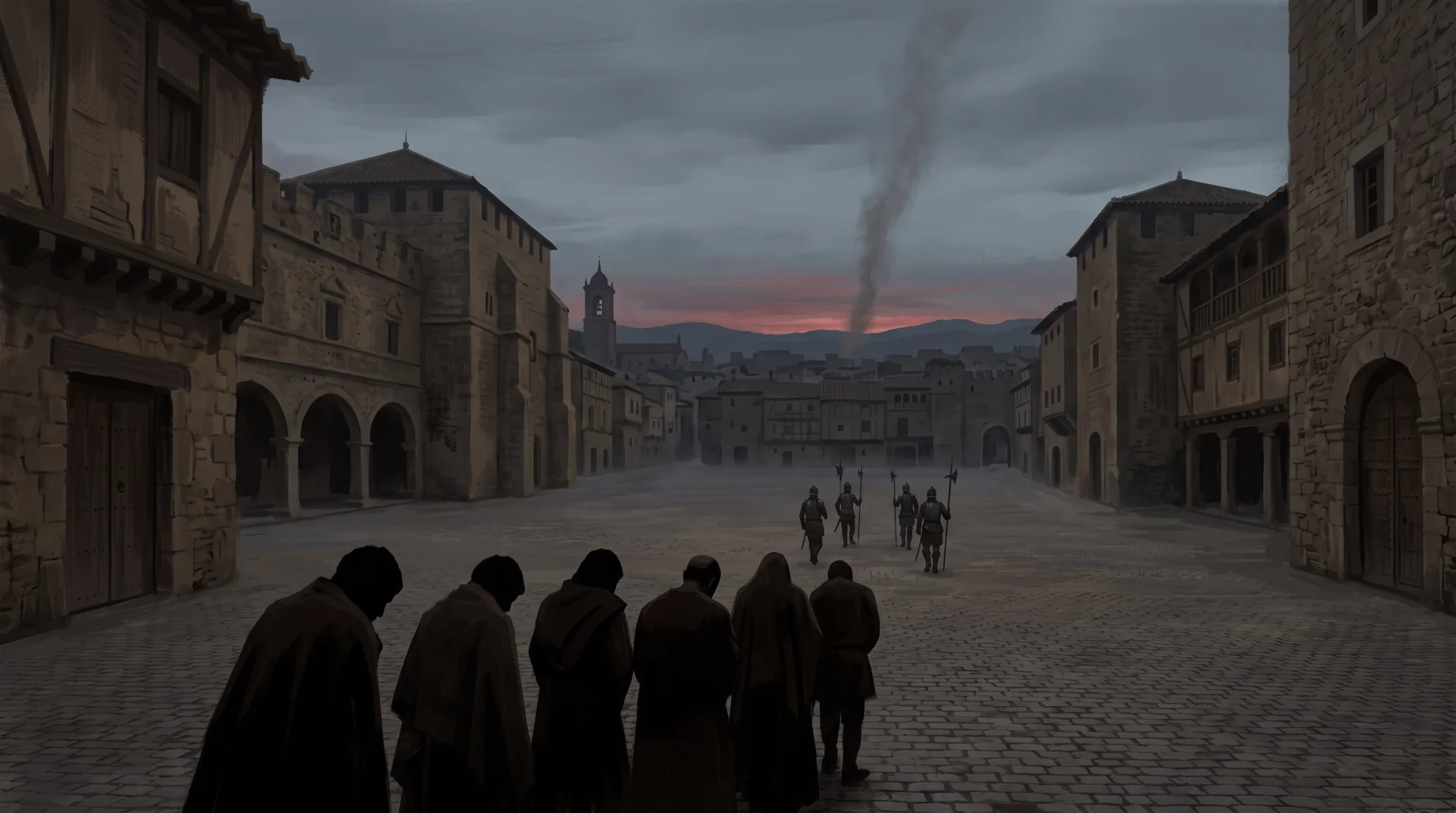
On 2 January 1492 Sultan Abu Abdullah al-Saghir handed over the keys of Granada, ending eight centuries of Islamic rule. The terms pledged respect for Muslims' beliefs and customs; the book says "the criminal Pope" signed them and they were broken at once. Within days the Christians expelled the Jews, whom only the Ottoman caliphate received. Then "the filthy queen Isabella (who did not bathe)" and King Ferdinand ordered all Moriscos, the Spanish Muslims who had stayed, to be Christianised. They refused; the Spaniards began killing them, the Moriscos rose, and were put down by the most hideous means.
Scene 5
Why Did the Moriscos Not Emigrate? No Relief, but a Trial
Why did the Moriscos not flee to the Muslim Maghreb? The author says "the criminal queen" Isabella, on the advice of Cardinal Cisneros, ordered Muslims to convert or leave, but imposed impossible levies and made those leaving give up their small children to be Christianised. He explains her cruelty by what he says Spanish historians wrote: she bathed only twice, at her birth in 1451 and on her wedding night in 1469. So the Moriscos hid their Islam. Relief did not come; instead came the Inquisition, raiding homes where a verse was found or pork and wine were missing.
Scene 6
The French Officer's Testimony: The Secret Beneath the Monastery
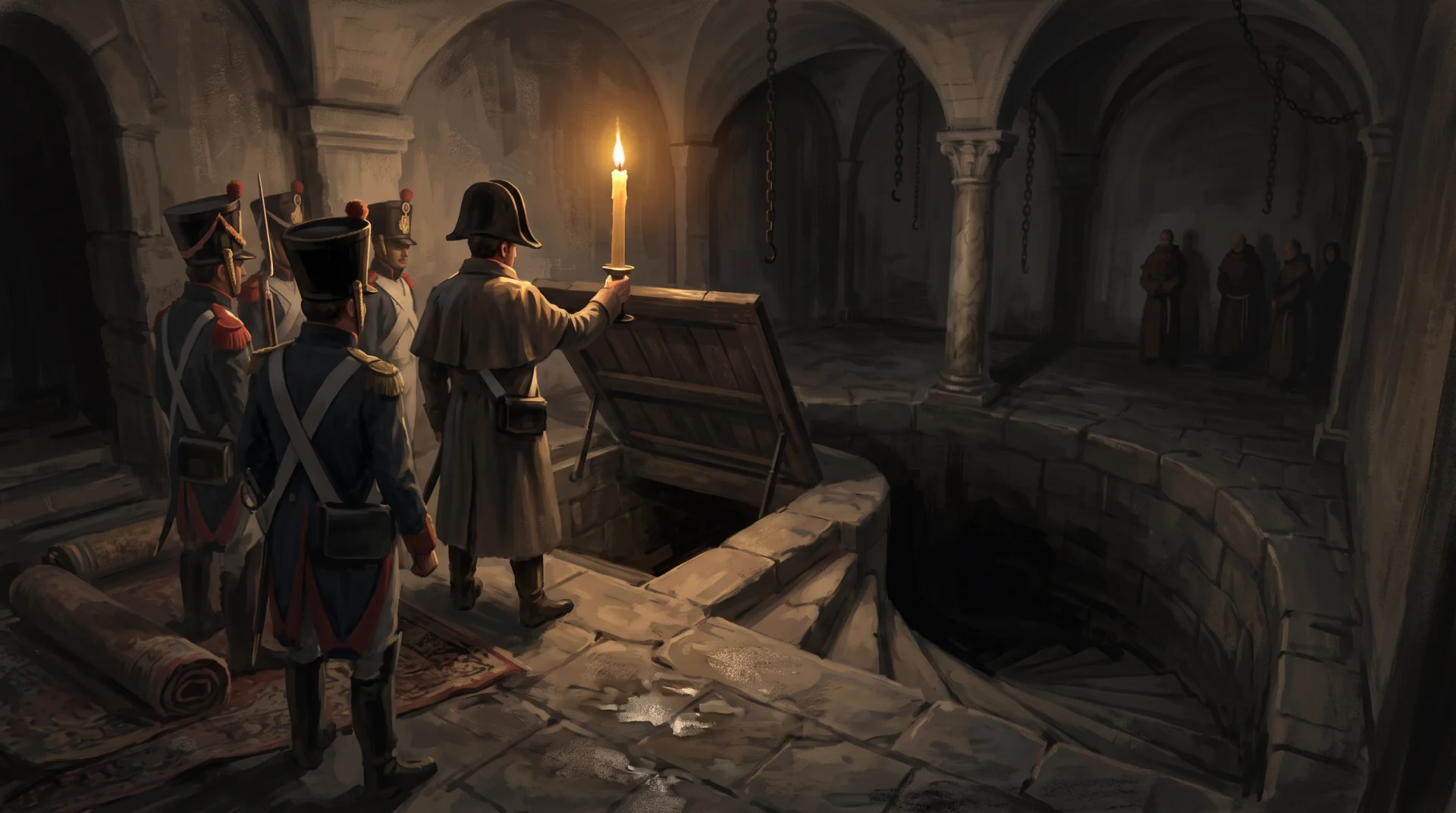
The author quotes a French soldier sent by Napoleon Bonaparte in 1808. Searching a monastery said to hold an Inquisition court, they found nothing while the monks swore innocence, until Lieutenant "de Lille" had water poured on the floors and one room swallowed it, revealing a trapdoor. Below lay a court hall with a marble column and chains, then body-sized cells, upright and horizontal, with skeletons still in fetters. They freed dying prisoners, some driven mad. They found bone-crushing machines, a box dripping cold water on the head, a coffin of knives, hooks and barbed iron whips.
Scene 7
Gustave Le Bon's Testimony on the Courts of Inquisition
The author stops there and says we may now understand why the American president Abraham Lincoln hid his Islam. This, he says, is only a little of the torture the Christians carried out with the Pope's blessing. To "the filthy dogs" who claim Islam spread by the sword, he offers the French historian Gustave Le Bon in "The Civilisation of the Arabs": the Muslims were Christianised by force and handed to the courts of Inquisition, the priest "Bleda" proposed beheading all who had not converted, women and children included, and three million Muslims were killed or expelled.
Scene 8
Muhammad ibn Umayya and the Uprising of the Alpujarras Mountains
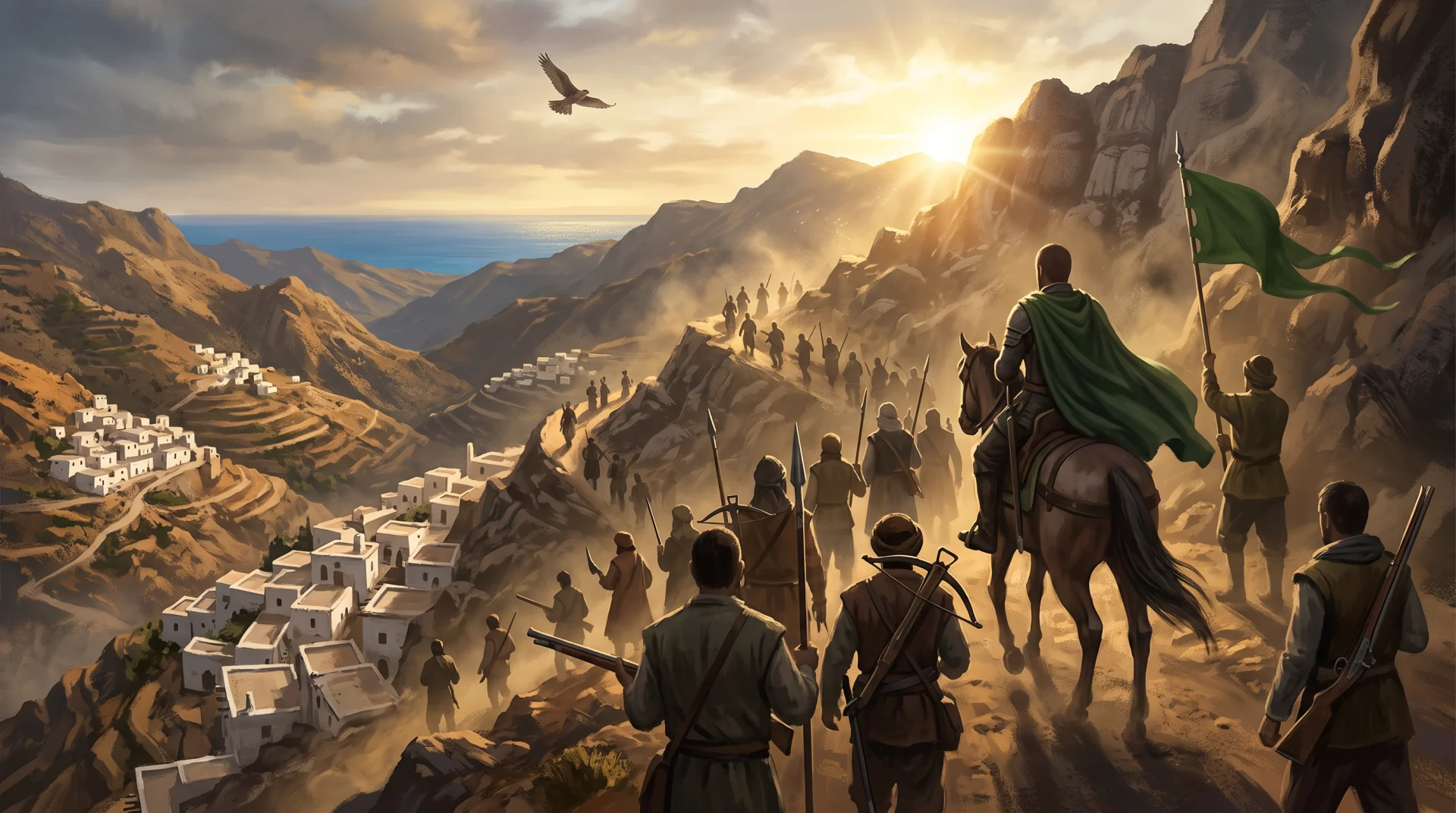
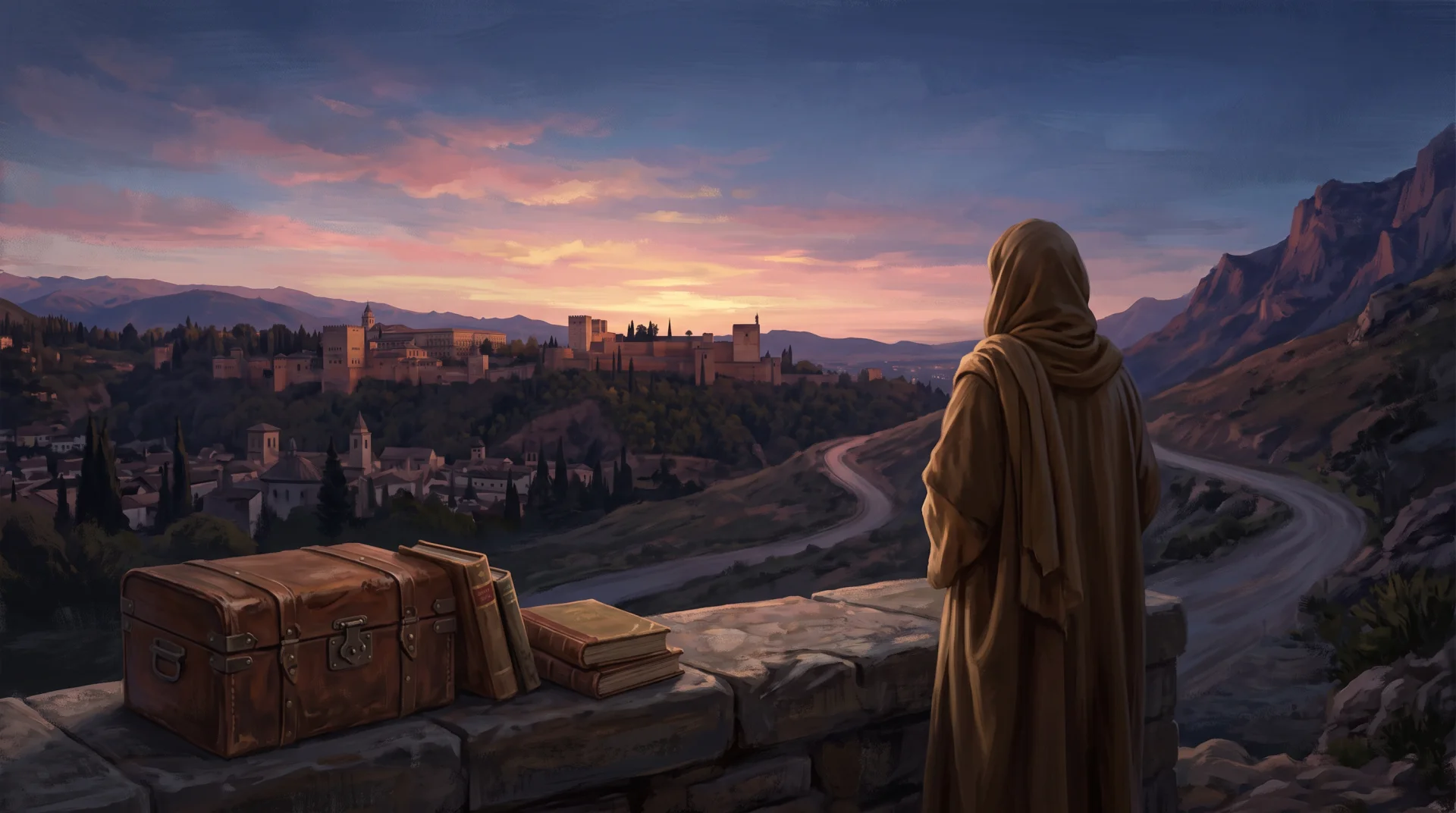
From these torments came a young Morisco with Qurayshi features, Fernand de Cordoba y Valor. Like Malcolm X he knew this was a Christian name, not his own, and that he descended from Banu Umayya, so he became Muhammad ibn Umayya. He reunited the Moriscos and formed a popular army which, the book says, liberated Almeria and Malaga more than 75 years after the fall of al-Andalus. His "uprising of the Alpujarras mountains" forced King Philip II to ask the "Empire of Austria" for help. It was crushed, and Muhammad ibn Umayya was martyred.
Scene 9
How and Why Did al-Andalus Fall? To Be Continued
The chapter closes with two questions that lead into the next story: how and why did al-Andalus fall? And who was the great man who saved the heritage of al-Andalus from being lost? The author leaves both unanswered here and ends with the words "to be continued".
These are English scene notes. The full chapter text, as the author wrote it, is in the app.