

Scene 1
The Declaration That the Era of Slavery Is Over
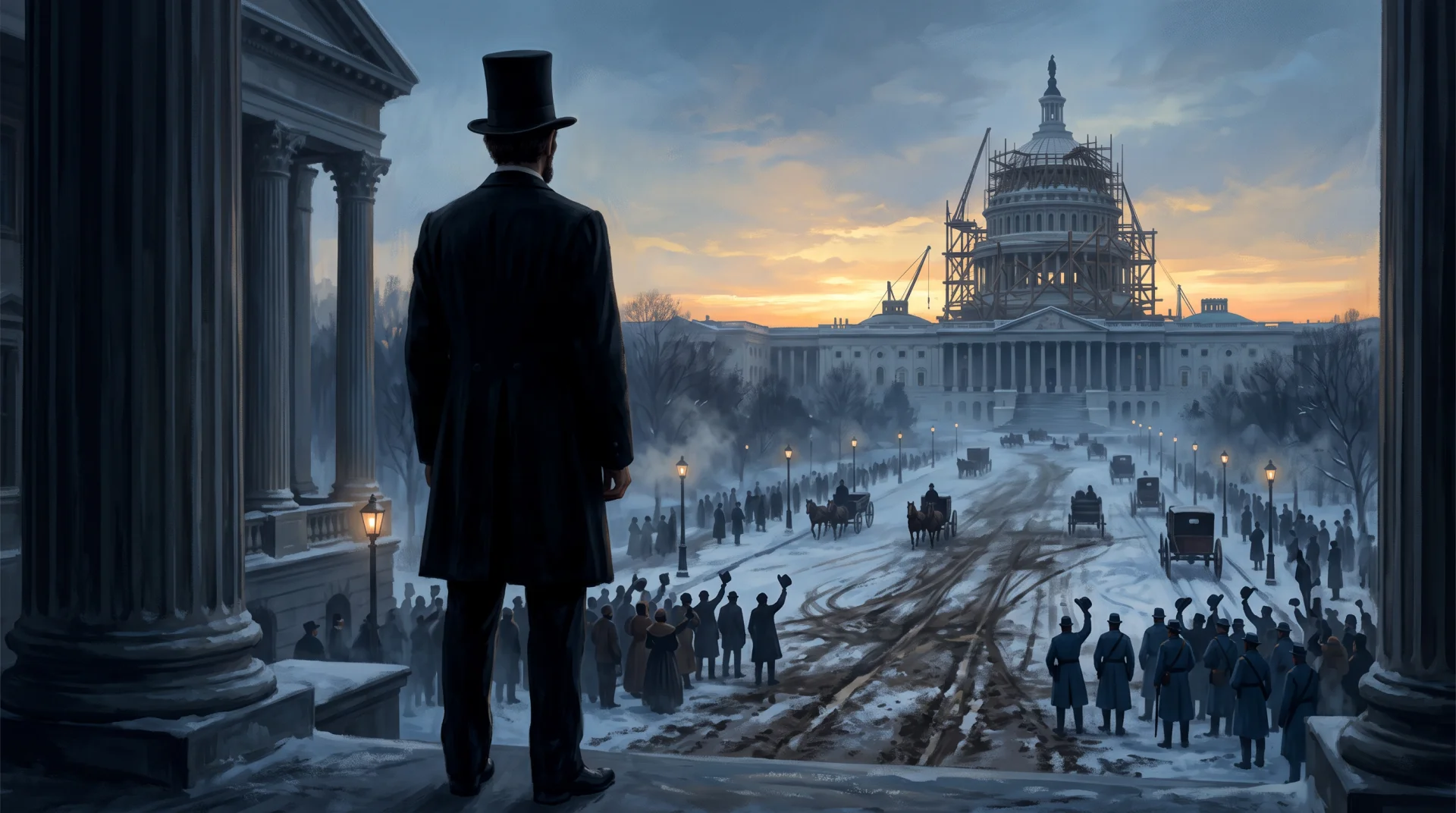
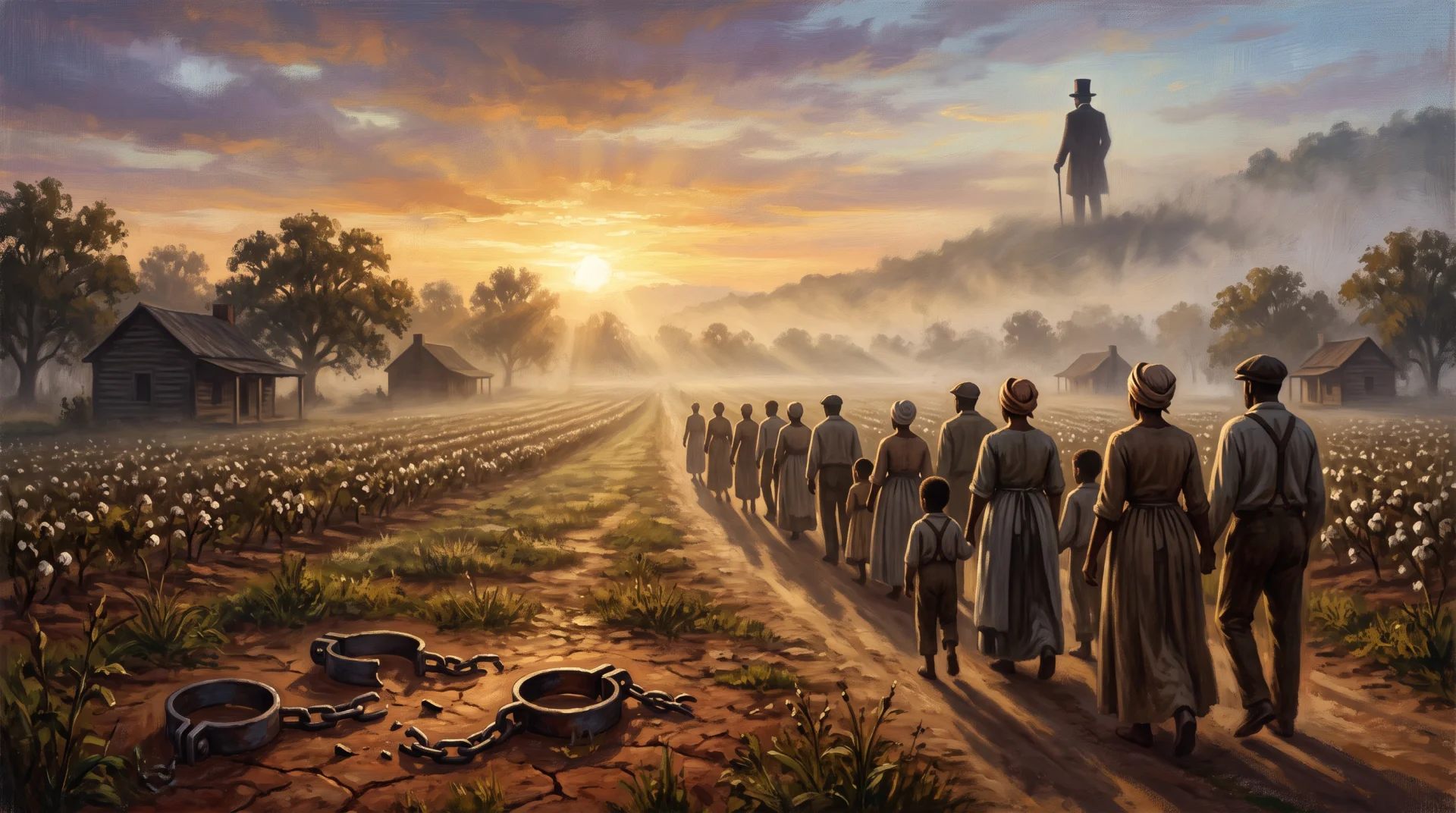
The chapter carries the book's heading "The Muslim American President" above the name Abraham Lincoln. It opens with a quotation given in his voice: "I am the President of the United States of America, Abraham Lincoln. I officially declare the end of the era of slavery as of this morning." The quotation is dated January 1, 1863.
Scene 2
The Author's Hesitation to Name This American President
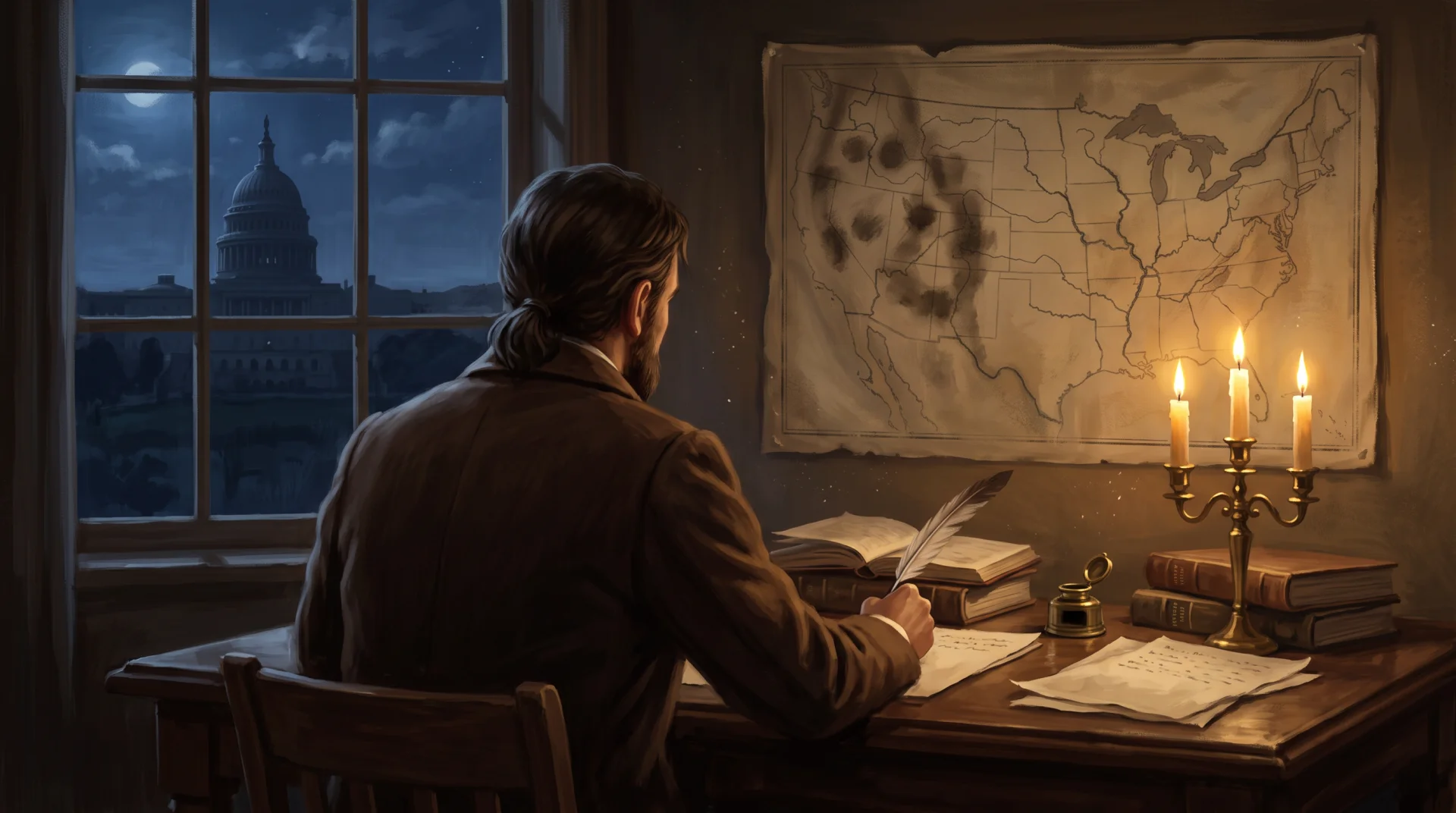
The author says he hesitated long over naming this "Islamic great". No writer, contemporary or earlier, has stated anything explicit about this president's Islam; he is only a beginner writer; Americans consider Lincoln their greatest president after the founder George Washington; and relations between Muslims and the United States often mix historical fact with conspiracy theory. Yet days earlier, by pure chance, he found documented information that confirms "to a great extent" Lincoln's Islam, while admitting plainly that it does not fully prove it. Lincoln's life, he became convinced, could only be the life of a Muslim man.
Scene 3
Melungeon Origins: From Andalusian Portugal to America
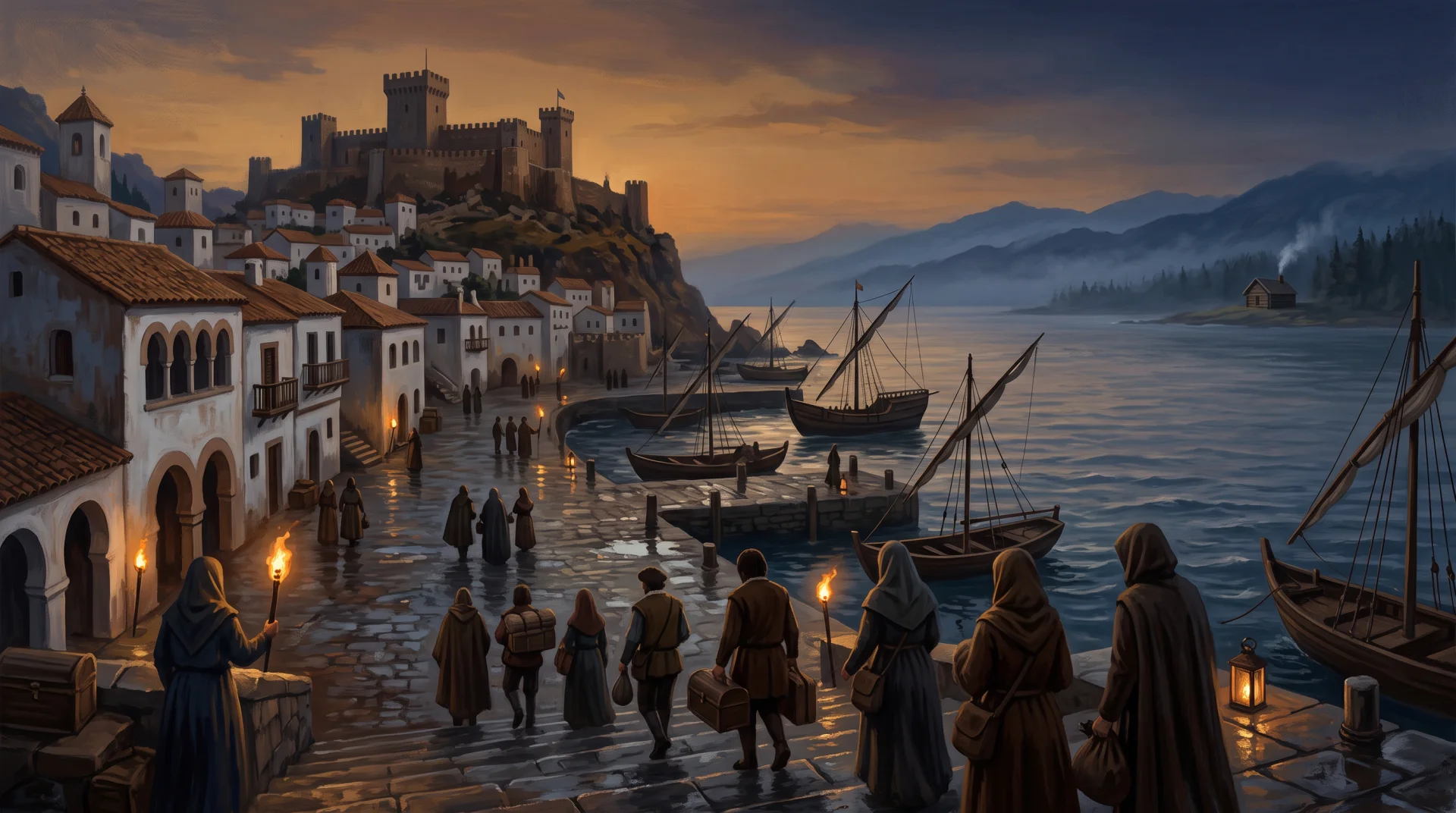
First, the author says, Lincoln belonged to the Melungeons, whom he describes as Andalusian families of Portuguese Muslims who emigrated to America, fleeing the Inquisition. He cites an American he names "Brand Kennedy" and a book he gives as "The Malingers", funded by West Virginia University, which says their origins are Islamic and Islamic customs remain. That writer, he says, stated that Lincoln's freeing of the slaves was an indirect revenge for al-Andalus on the Christians. Out of scholarly honesty, the author adds, this writer said nothing at all about whether Lincoln was a Muslim or not.
Scene 4
The Mystery of His Religion and His Freeing of the Slaves
Second, the author says Lincoln is the American president about whose religious identity in particular the most stories and riddles are woven. Third, despite his white race, freeing the black slaves was his whole preoccupation even before he took office. The author says the African slaves were by and large Muslims, and suggests this may be the secret of Lincoln hiding his Islam, since the fate of millions of African Muslims hung in his hands. Perhaps, he writes, Lincoln had read in the history books how the Negus, king of Abyssinia, hid his Islam to protect dozens of Muslim emigrants.
Scene 5
His Appearance: Features with Arab Blood
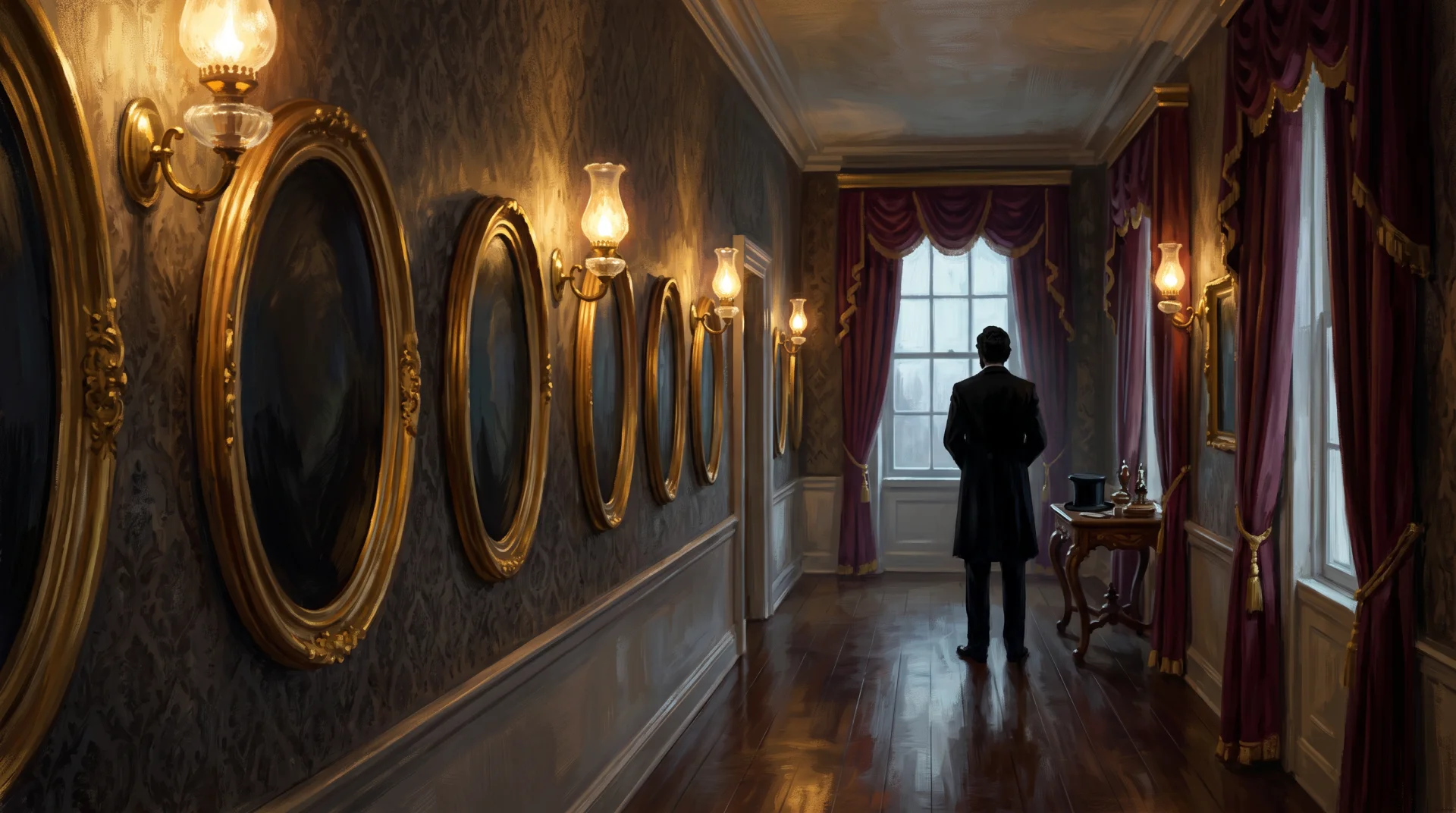
Fourth is his appearance, which some may think a trivial proof but the author considers important, noting that the Arabs long used physiognomy to identify a man. He says he looked through the pictures of every president from George Washington to George Bush the son and saw none who showed "Islamic features with Arab blood" like Abraham Lincoln. He adds that he once suspected this president of being Jewish because of his distinctive look and clear eastern blood. Lincoln, he says, was also the first president of the United States to grow his beard and trim his moustache.
Scene 6
His Assassination in a Very Mysterious Way
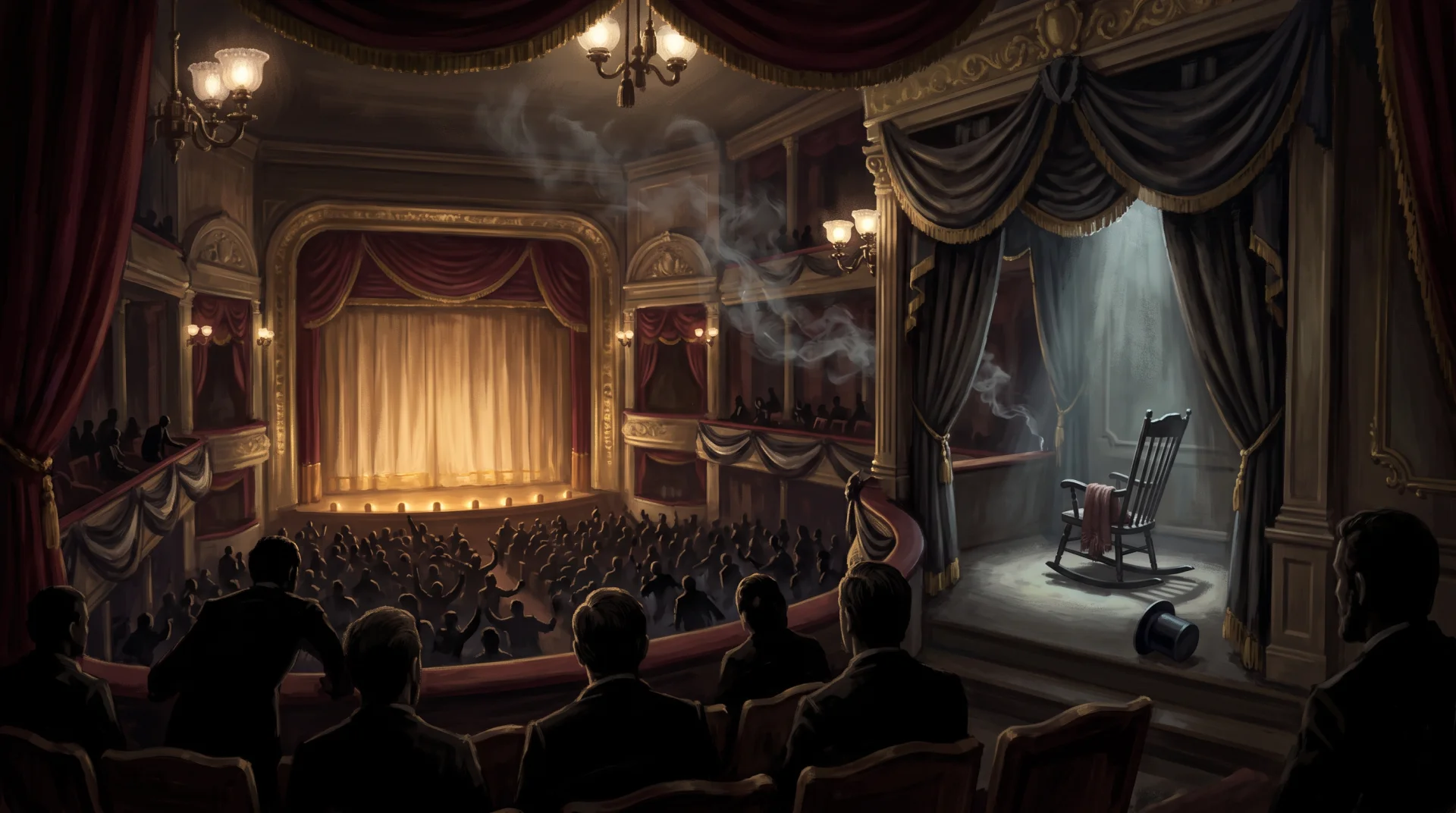
Fifth is his assassination. Abraham Lincoln, the author says, was the first American president to be assassinated, and in a very mysterious way. No president in the history of the United States was killed like this except him and one other, John F. Kennedy. The strange thing, he writes, is that Kennedy too was assassinated mysteriously, and stranger still that he too had a religious background different from the other presidents: Kennedy was a Catholic, unlike the rest, who belong to the Evangelical Protestant denomination.
Scene 7
For These Five Reasons: His Place Among the Hundred
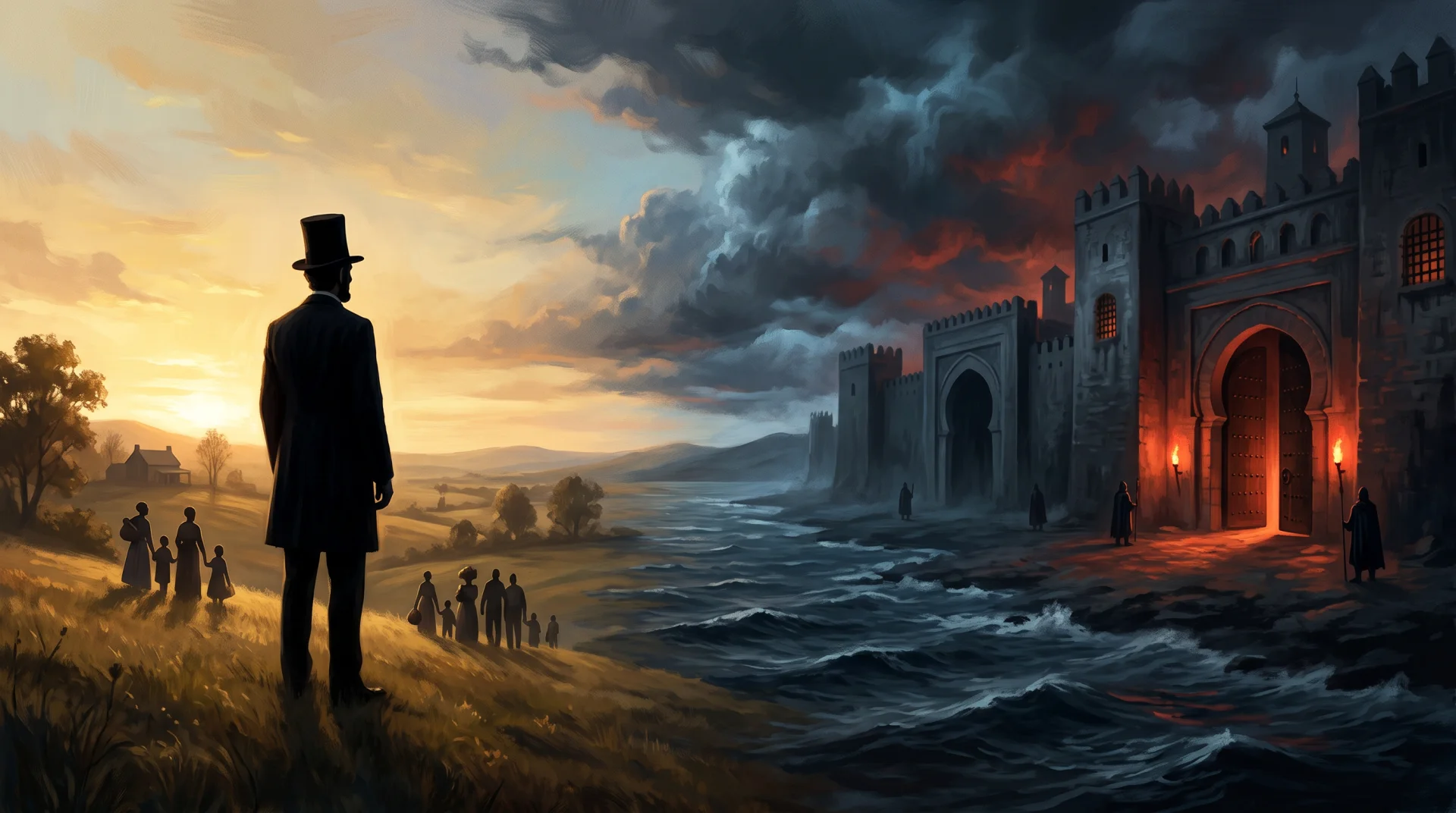
For these five reasons the author holds that Abraham Lincoln deserves to be added to the list of the hundred greats, for saving millions of lives among the Muslim slaves in the United States. Whoever still doubts his Islam after all these "proofs" because he never declared it publicly should turn the page, he says, and see the horrors that befell the Muslims of al-Andalus in the Inquisition when they were found out, then ask whether he himself would declare his Islam or hide it. The faint-hearted are told to skip the next story; the rest are invited to follow.
These are English scene notes. The full chapter text, as the author wrote it, is in the app.