


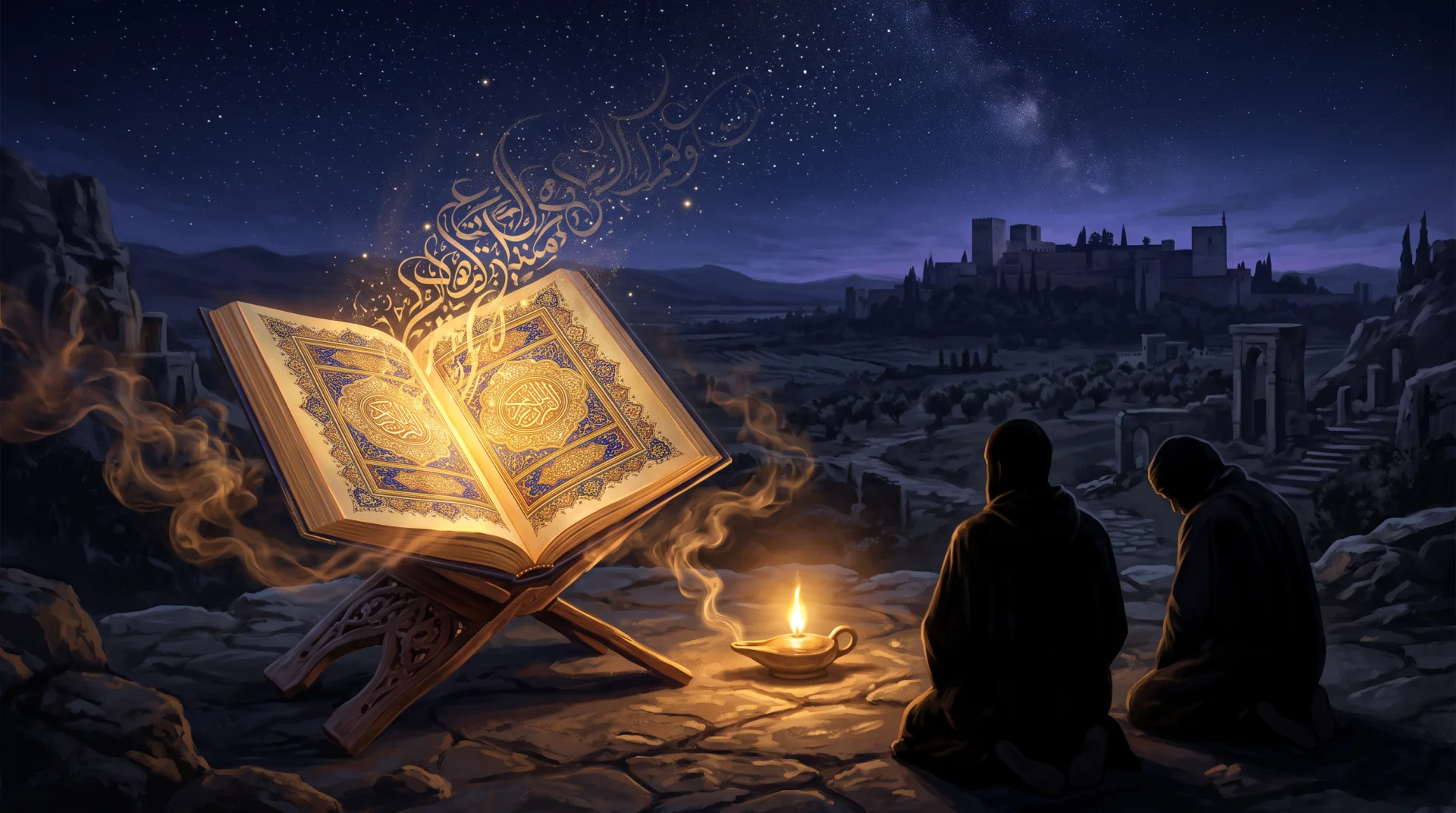
Scene 1
The Verse of Replacement: Opening of the Chapter
The chapter opens with the Quranic warning from Surat al-Tawba: if you do not march forth, God will punish you with a painful punishment and replace you with another people, and you cannot harm Him at all.
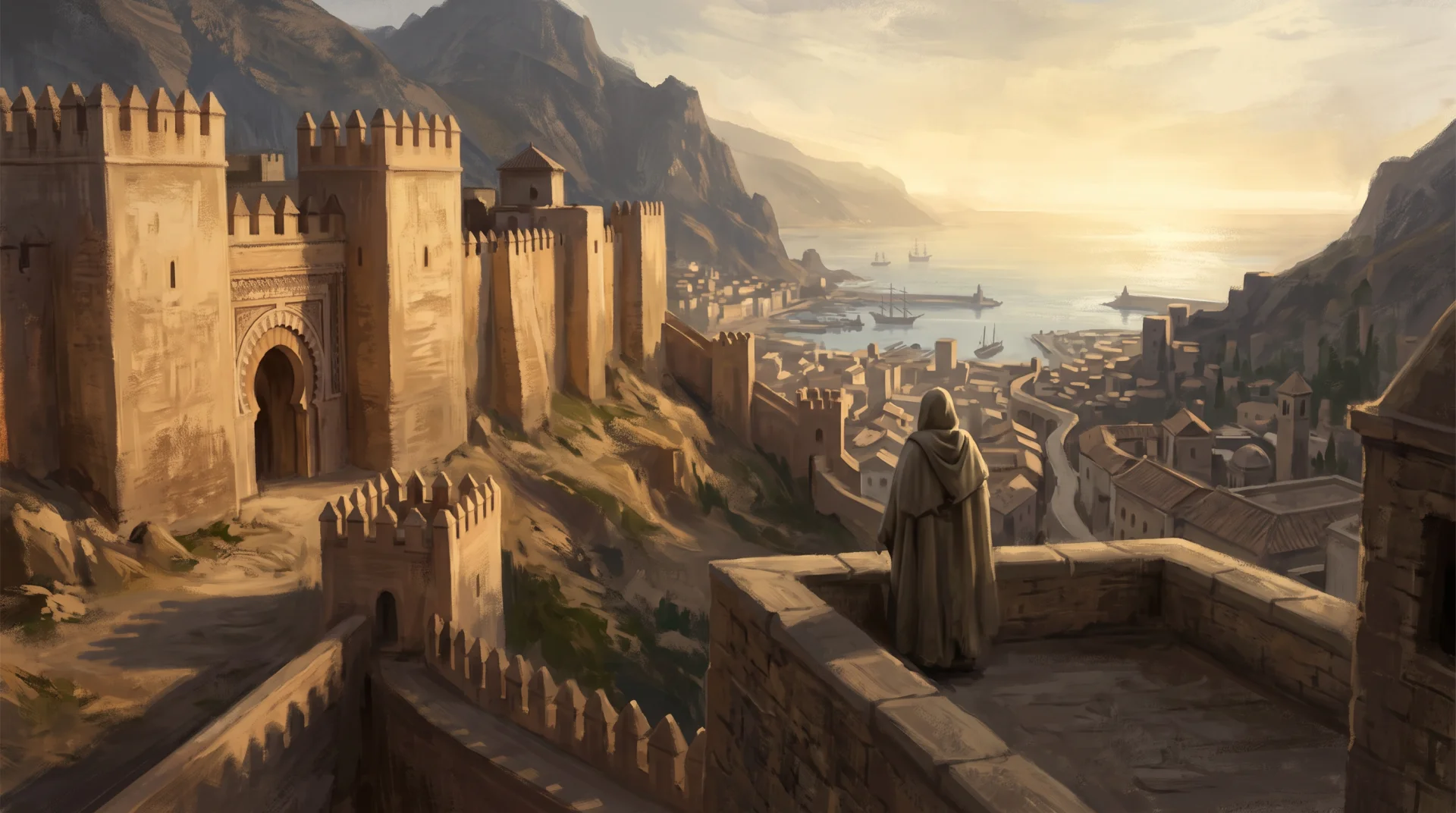
Scene 2
The Alcazaba of Malaga: How Could It Fall?
The author stands at the top of the Alcazaba of Malaga and wonders how a city with such natural fortification, mountains on three sides and the Mediterranean on the fourth, could fall from Muslim hands. It was the second-to-last city to fall to the Castilian army.
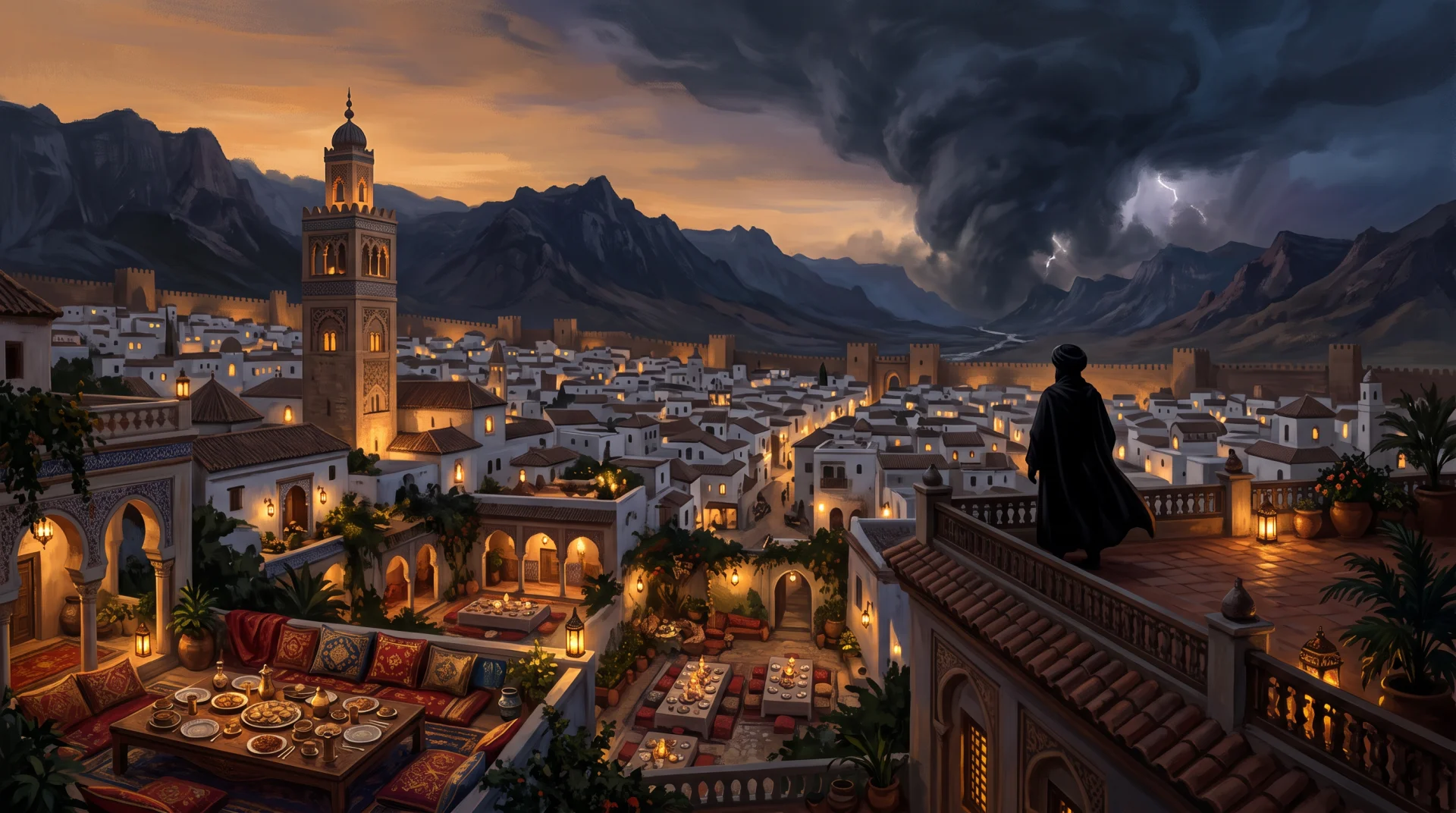
Scene 3
Love of the World and God's Promise in Surat al-Tawba
The author says the question is about the Andalusian people before their rulers: Muslims of that period had reached an extreme love of this world, and when they reach that stage defeat and humiliation must follow. He quotes Surat al-Tawba (verses 38-39) and says the acceptance of worldly life, the replacement of a people, and the painful punishment of the Inquisition all came to pass.

Scene 4
Muhammad al-Faqih: A Pitiable King Lost in the World
Our hero appeared in Morocco a few years before the fall of al-Andalus, in the age of Muhammad al-Faqih of the Banu al-Ahmar. The author does not see him merely as a criminal king who lost al-Andalus but as an extremely pitiable man, filled with love of the world to the point of madness, who gained neither this world, nor his afterlife, nor a clean name in history.
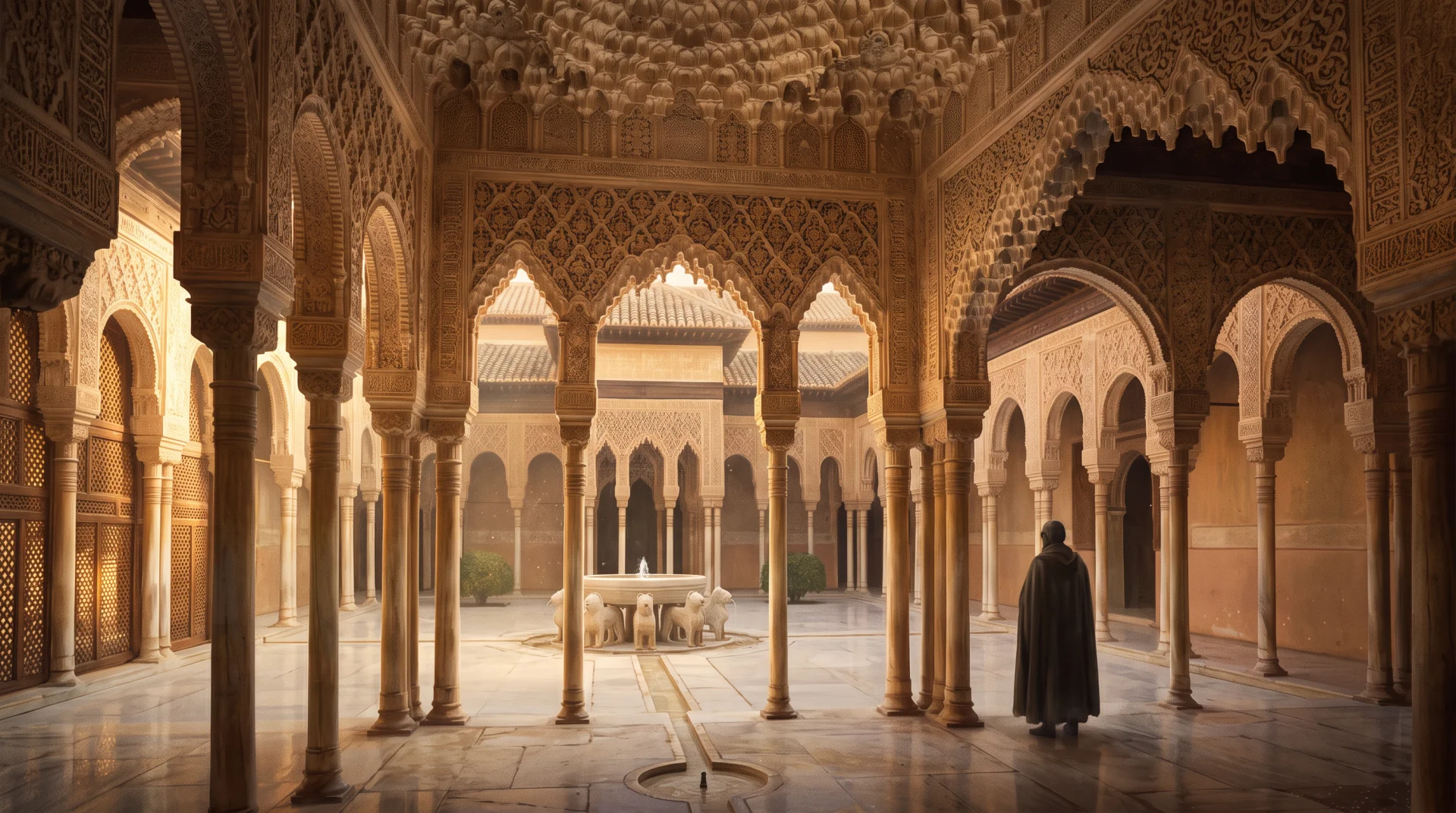
Scene 5
The Alhambra and the Motto 'No Victor but God'
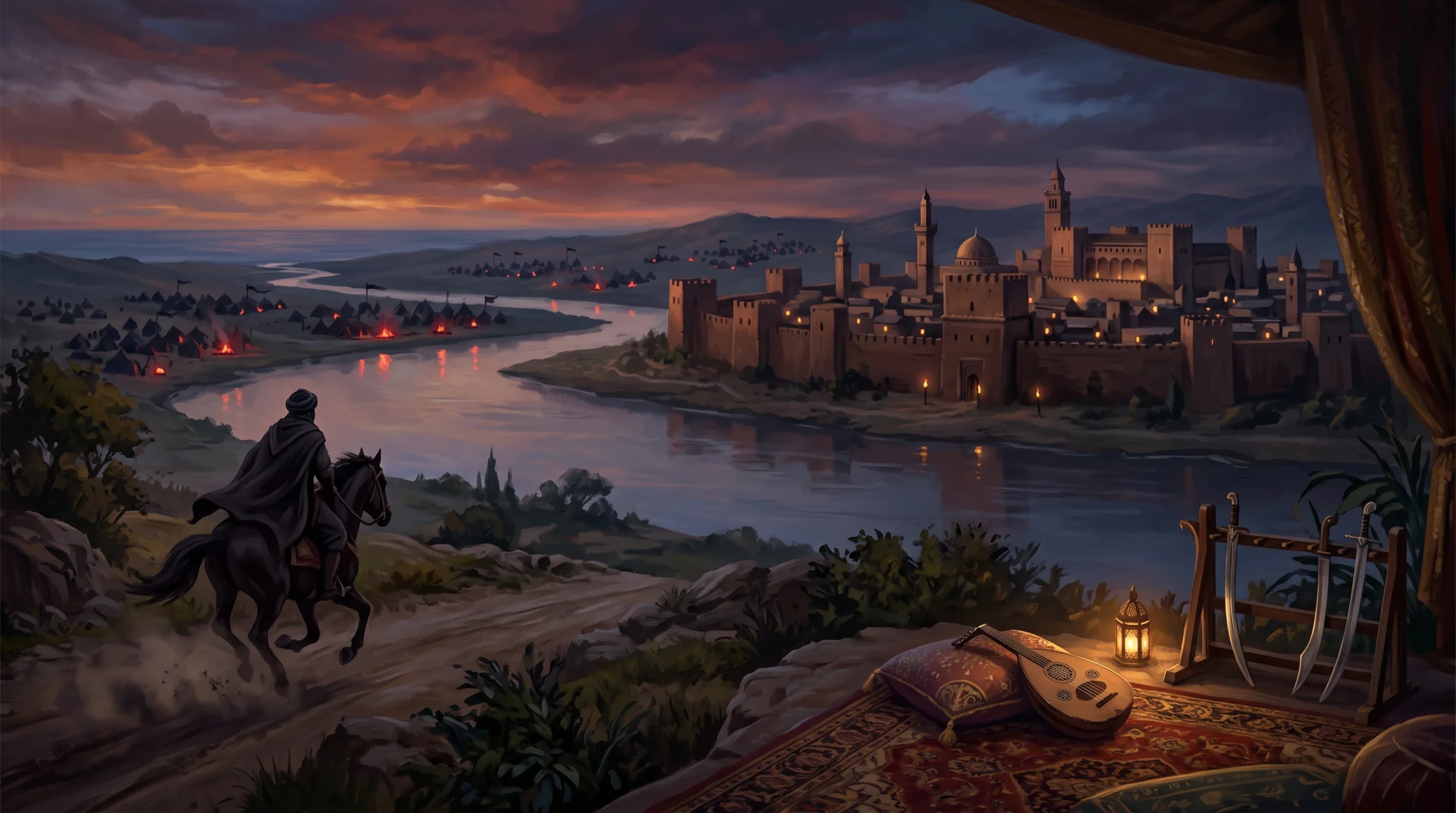
While defeats mounted, the Banu al-Ahmar busied themselves with building the Alhambra. The author spent five hours walking its halls and gardens, and saw the phrase 'There is no victor but God' carved on every stone of walls and ceiling. He smiled, knowing these kings allied with the Christians against one another, and says their state of affairs said: 'No victor but Alfonso'.
Scene 6
The Betrayal of Seville and the Songs of Ziryab
In such moral decline the Christians turned to take the rest of the cities, of which only Seville and Granada remained. Muhammad al-Faqih marched with his army to help the Crusaders besiege Seville, and it fell through the Banu al-Ahmar's betrayal. The Crusaders then came to take his own city, but he could not fight them, since his people had grown used to the music of Ziryab and love poetry, and he appealed to the king of Morocco.
Scene 7
Abu Yusuf Yaqub al-Mansur Comes to Rescue al-Andalus
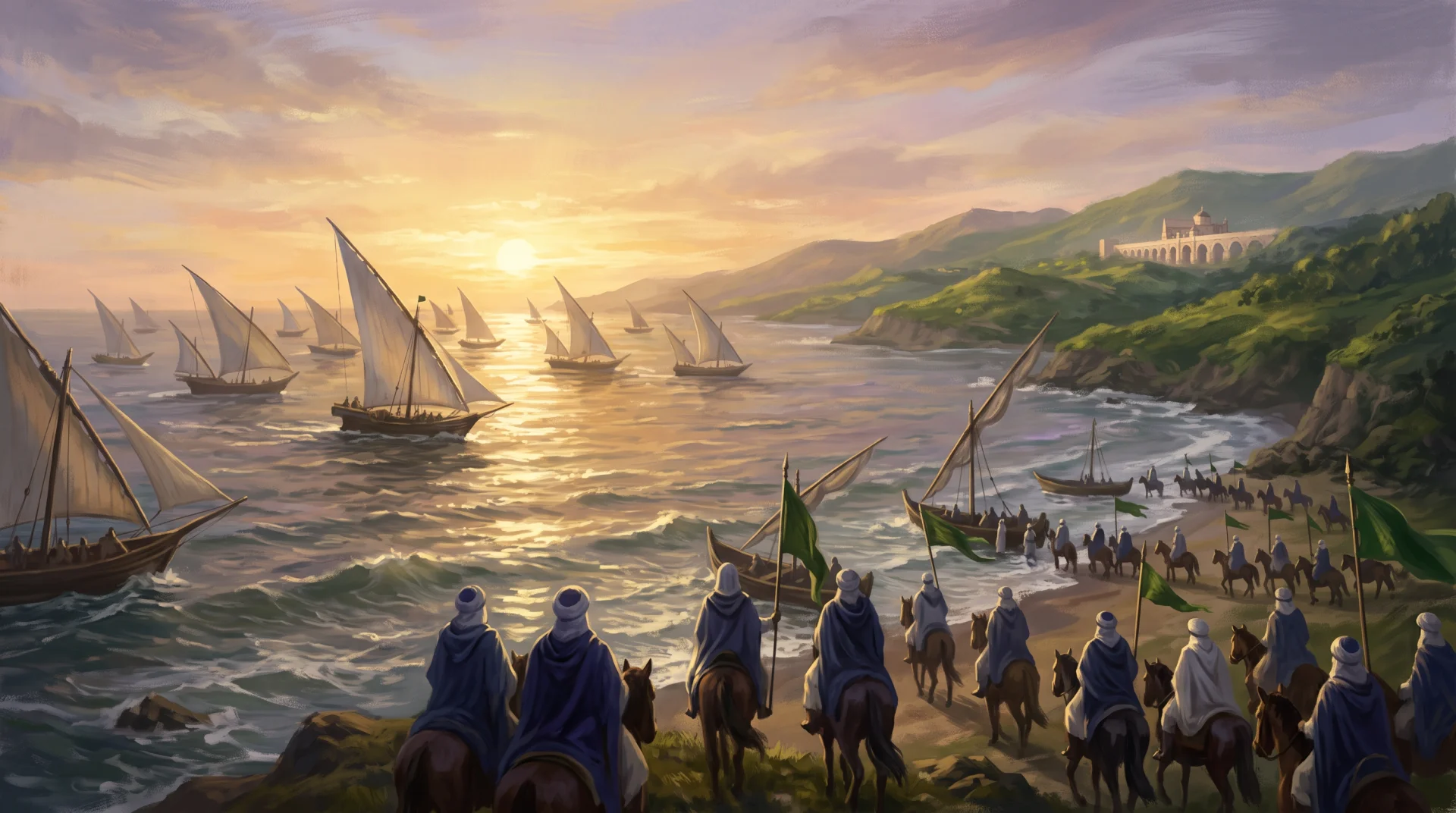
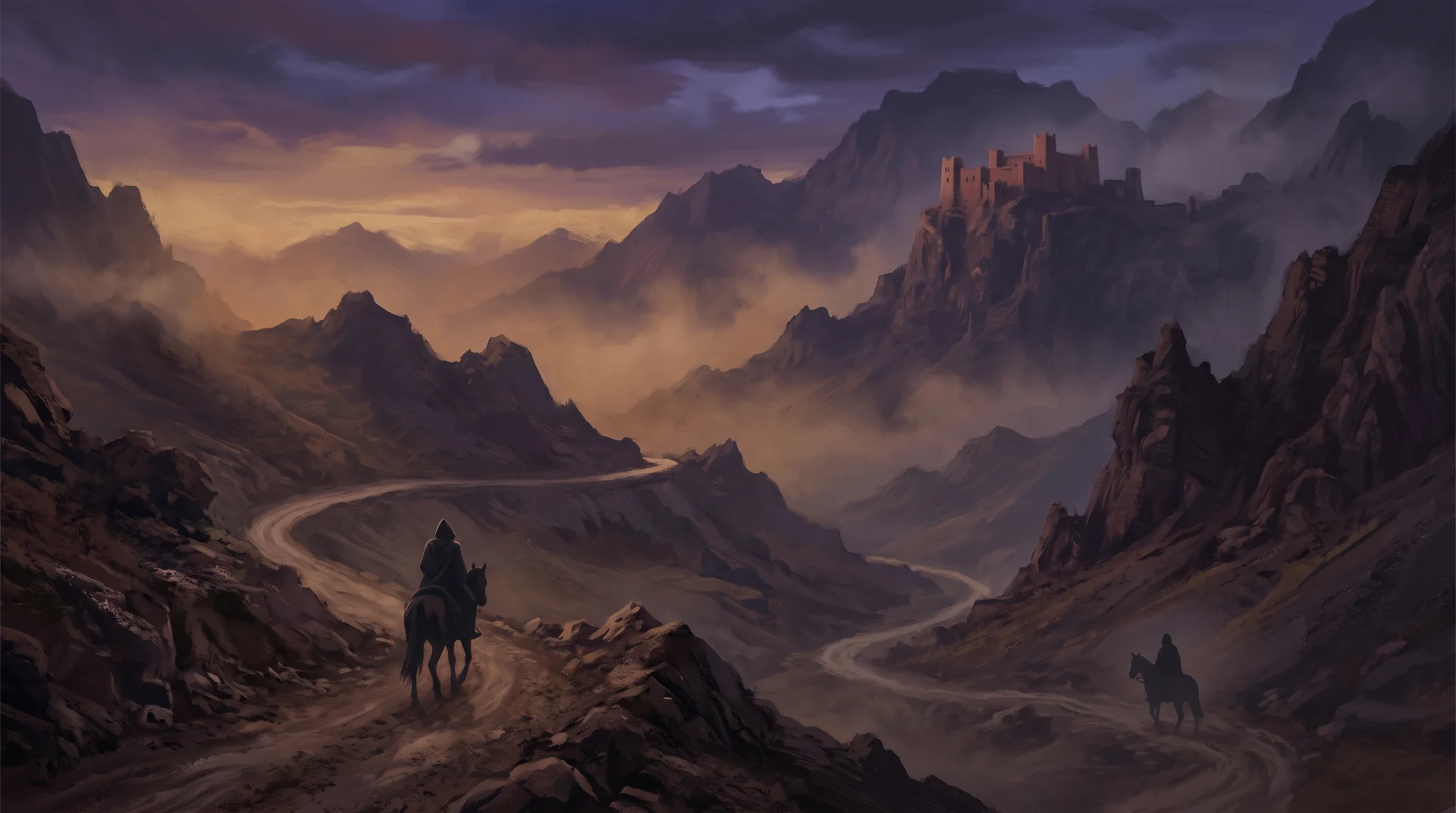
Muhammad al-Faqih called on the king of Morocco, the mujahid hero Abu Yusuf Yaqub al-Mansur al-Marini, who set out to help his brothers in al-Andalus. With five thousand Moroccan soldiers he defeated the Crusader hosts at Granada, re-liberated Seville and even freed Cordoba, which had fallen decades before, all with five thousand men raised on true Islam.
Scene 8
Repeated Betrayal and Repeated Pardon
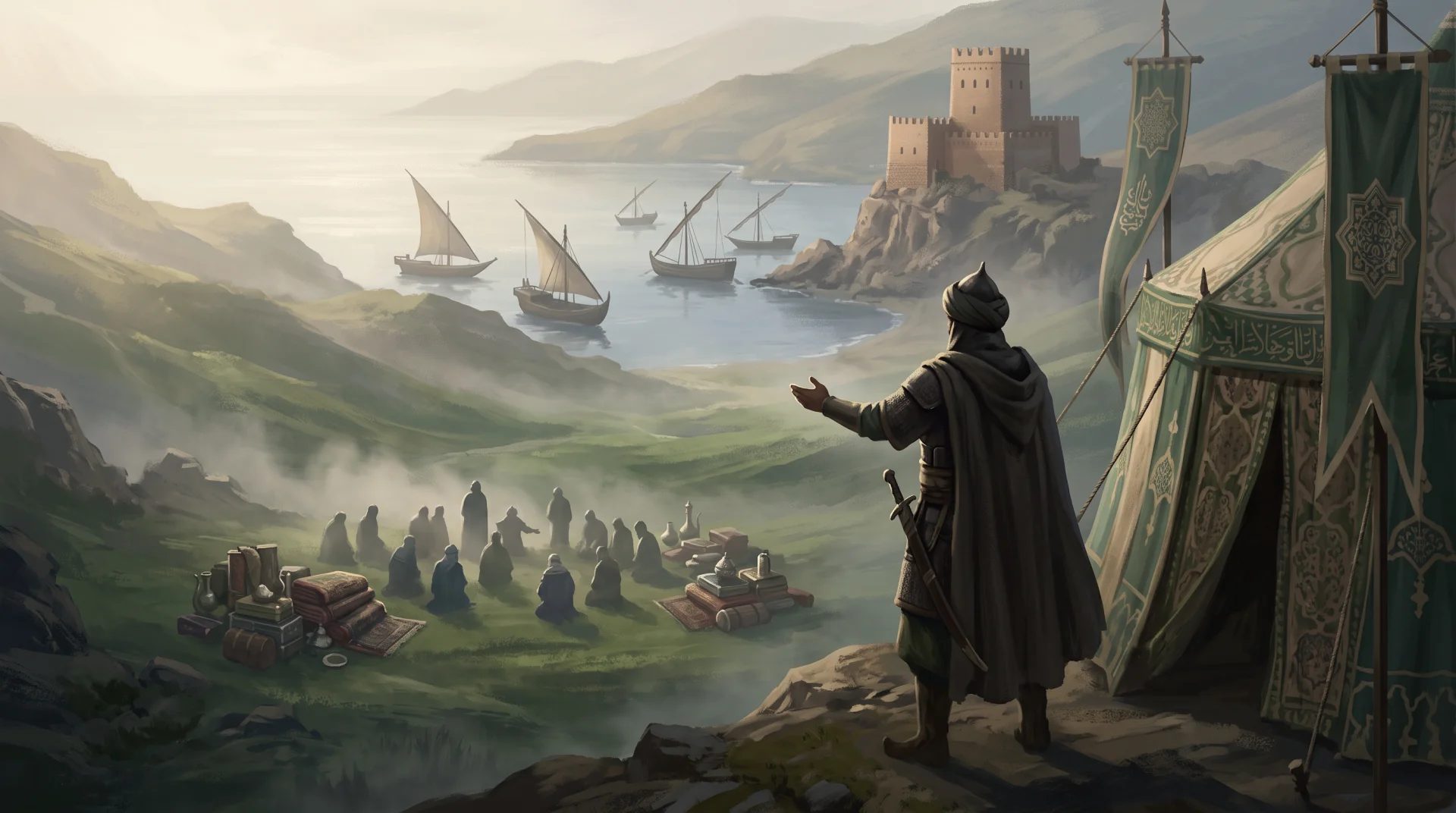
Those raised on dancing to Ziryab's tunes went back to the Crusaders to ally against Abu Yusuf, who had come to help them. He defeated the alliance but pardoned Muhammad al-Faqih, left him all the spoils and left a garrison of Moroccan fighters. The king feared for his throne and allied with the Christians again, and Abu Yusuf sailed back to defeat them again, until he realised the situation was hopeless.
Scene 9
Books Instead of Money
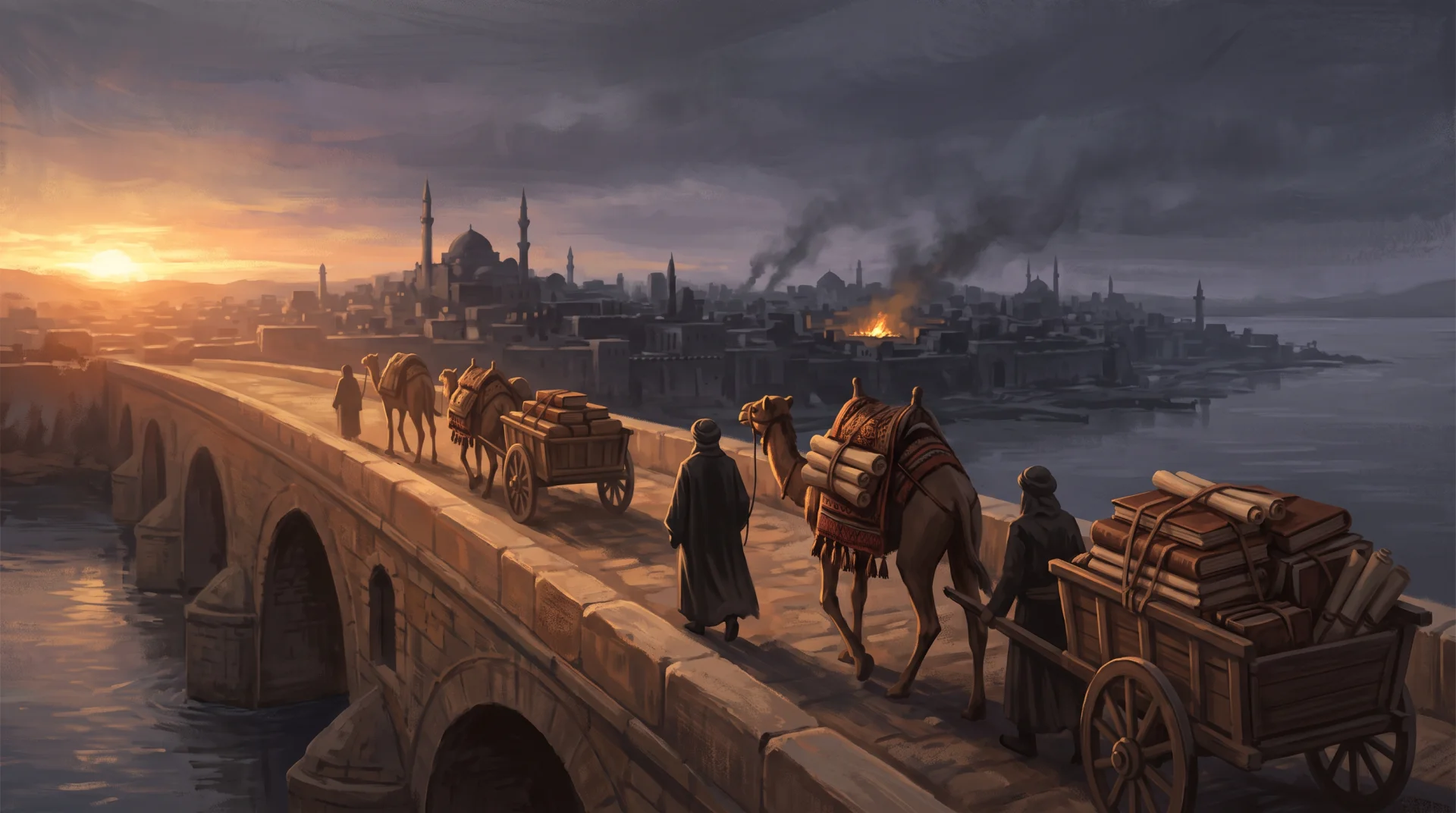
After his last victory over the Christians, they offered him money and tribute. He refused and asked instead for the Muslims' books they had seized, which was done, earning him a place among the great. Only a few years later al-Andalus fell, and the Christians burned all the Muslims' books after turning their libraries into churches.
Scene 10
Why Repeat the Long Name?
The author notes that some may wonder why he kept repeating the long name of the commander. He did it for a purpose: decades earlier, from the same land of Morocco, another of the hundred great figures of the Muslim nation had appeared, with the very same long name but a different title. To be continued.
These are English scene notes. The full chapter text, as the author wrote it, is in the app.