


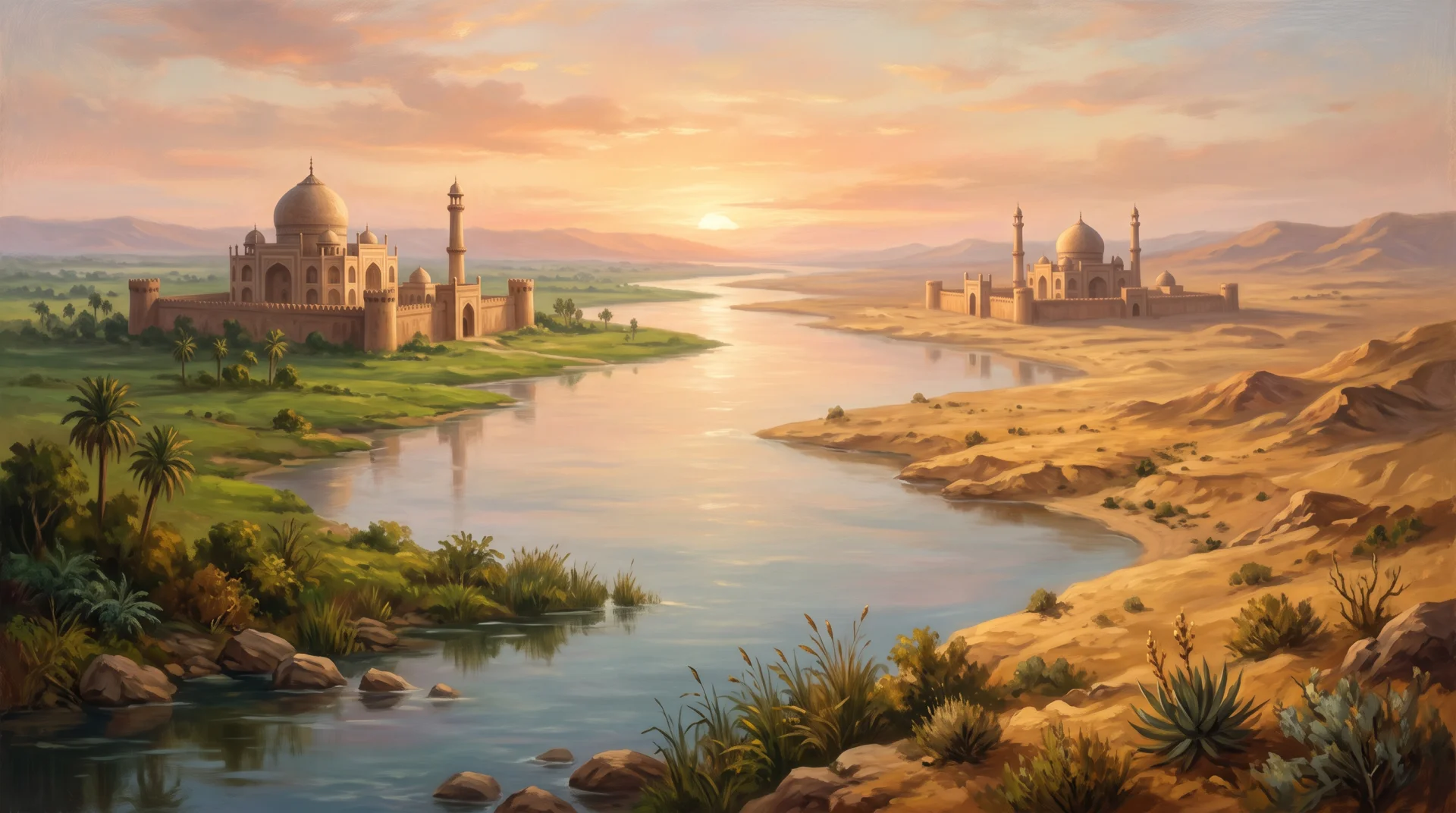
Scene 1
Quaid-e-Azam
The chapter opens with words attributed to Muhammad Ali Jinnah: nothing joins the Muslims to the Hindus, whose heroes are the Muslims' enemies and whose cow is a god to them and food to the Muslims; their only hope is an Islamic Pakistan.
Scene 2
Distorting Muslim Leaders
The author says the Muslim umma is the most distorted in history. He asks why Western media focus on Martin Luther King and sideline Malcolm X, and why they focus on Gandhi and sideline Jinnah, the first to call for freeing India from the British crown.
Scene 3
Two Reasons
The author says his answer comes down to two reasons. The first is erasing the history of every Muslim leader, as a prelude to assassinating his image. The second is turning people to the methods of non-Muslim leaders, such as fasting and shepherding, while a Muslim will give his last drop of blood for his land and honor.
Scene 4
Gandhi and Mandela
He recalls a foreign television programme asking whether Arabs were ready to adopt Gandhi's peaceful strategy. His answer was that if Gandhi's way worked in India, Mandela's way, using violence, also bore fruit in South Africa, and the people under occupation alone choose their method of resistance.
Scene 5
India and Colonialism
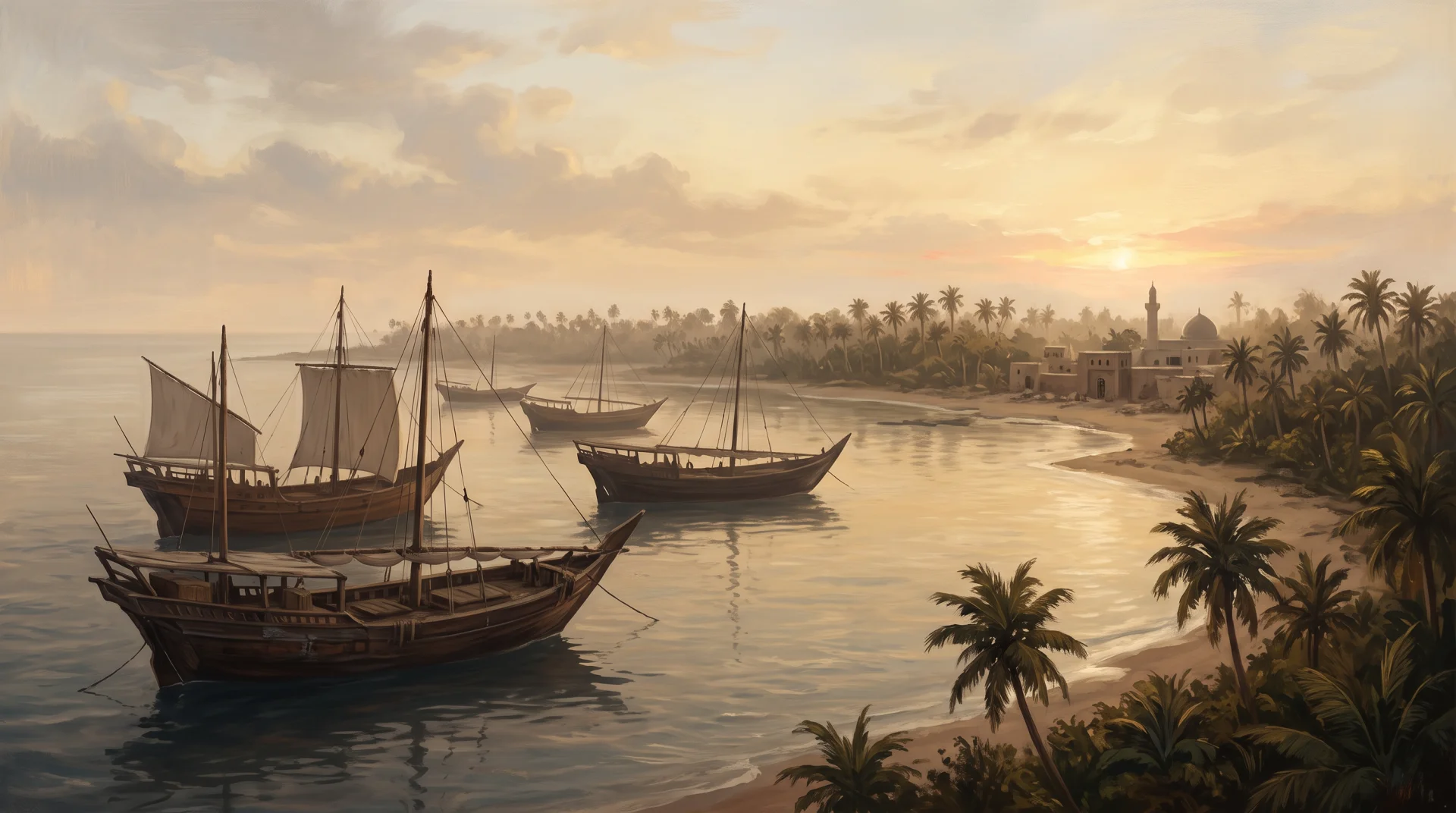
Jinnah was the leader of India's Muslims, and India then meant the whole subcontinent: India, Pakistan and Bangladesh. Muslims had ruled for more than a thousand years, until the Portuguese Vasco da Gama reached India's shores in 1498 and the English came as the East India Company, the start of a long, bloody colonial period.
Scene 6
The Indian National Congress
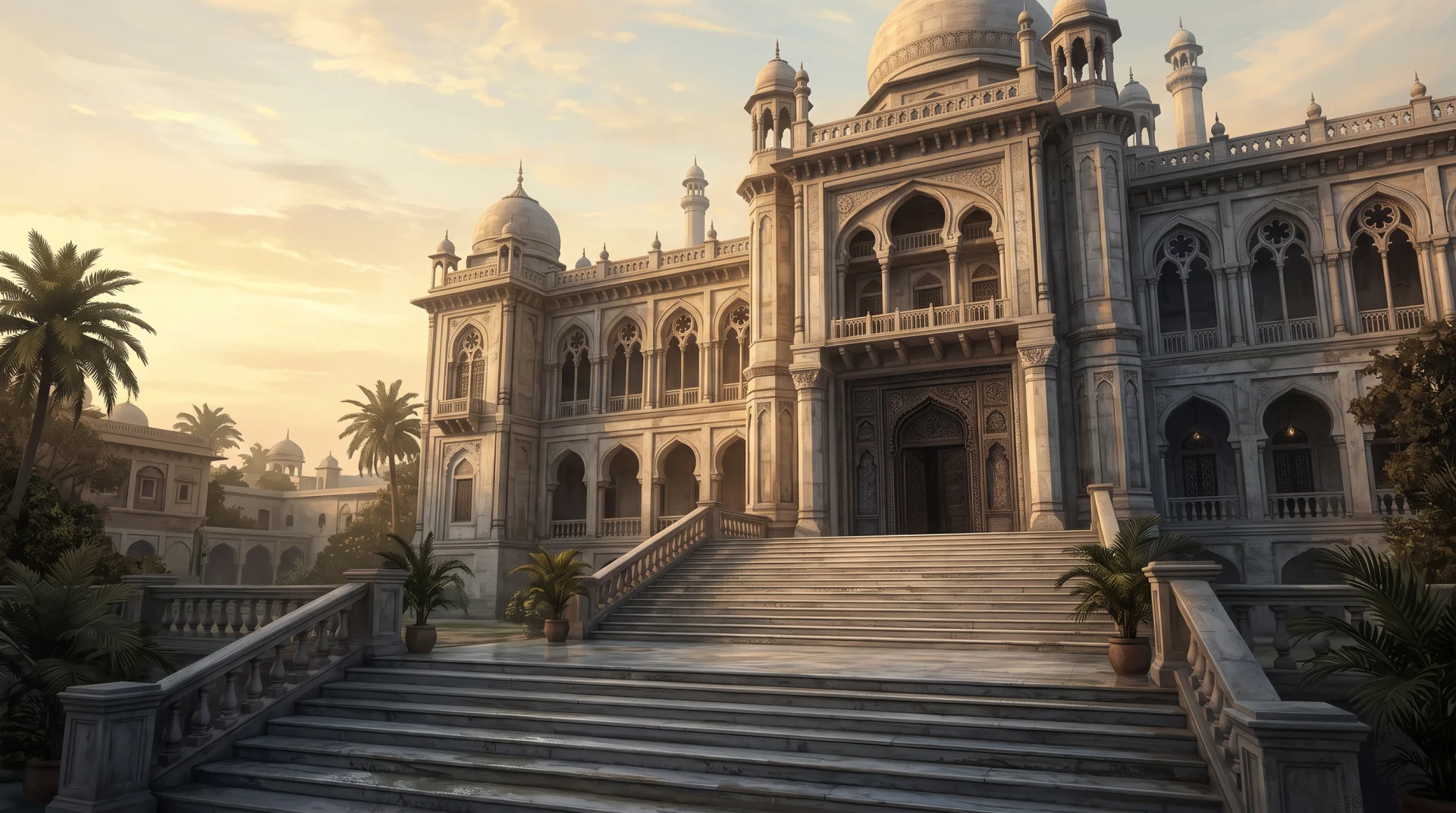
At the end of the nineteenth century the Indians moved to claim their national rights, and Indian Muslims were the callers for independence before the Hindus joined. They founded the Indian National Congress in 1884. A fluent, strong Muslim lawyer named Jinnah rose first; the English then opened doors for Gandhi, fearing Jinnah's star, as the author says.
Scene 7
The League and the Idea of Pakistan
The Hindu majority refused to give the Muslim minority, then a hundred million, equal rights, so Jinnah announced the Muslim League. In 1930 the poet Muhammad Iqbal proposed a Muslim state in the subcontinent, and in 1933 a Cambridge student, Choudhary Rahmat Ali, proposed the name Pakistan.
Scene 8
The Meaning of Pakistan
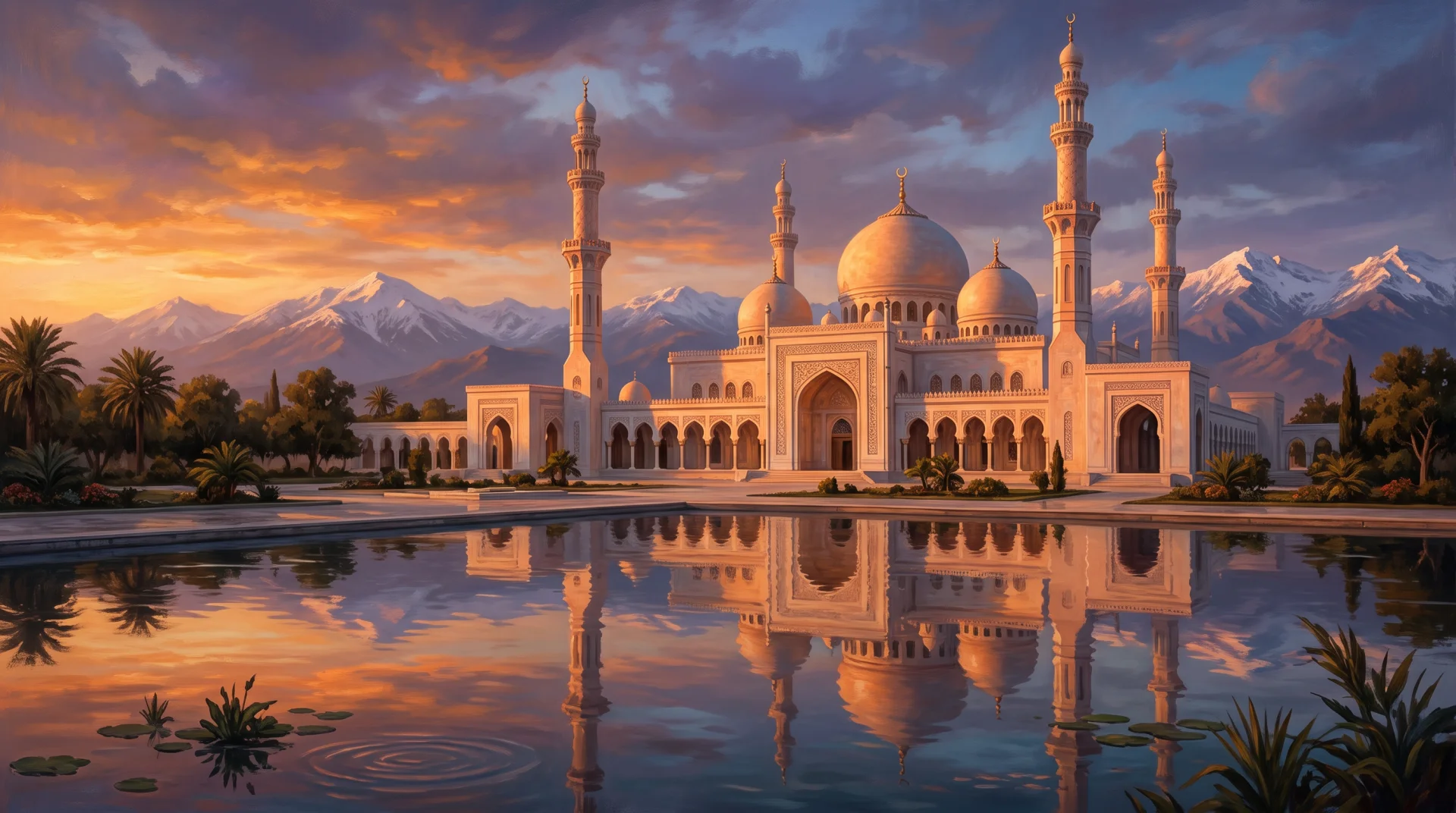
The author calls the name remarkably eloquent: Pak means pure and stan means land, so it is the pure land. Each letter stands for a region: Punjab, Afghania, Kashmir, Sindh, and the end of Baluchistan. He notes that much of Kashmir remains under occupation.
Scene 9
The Great Leader and Independence
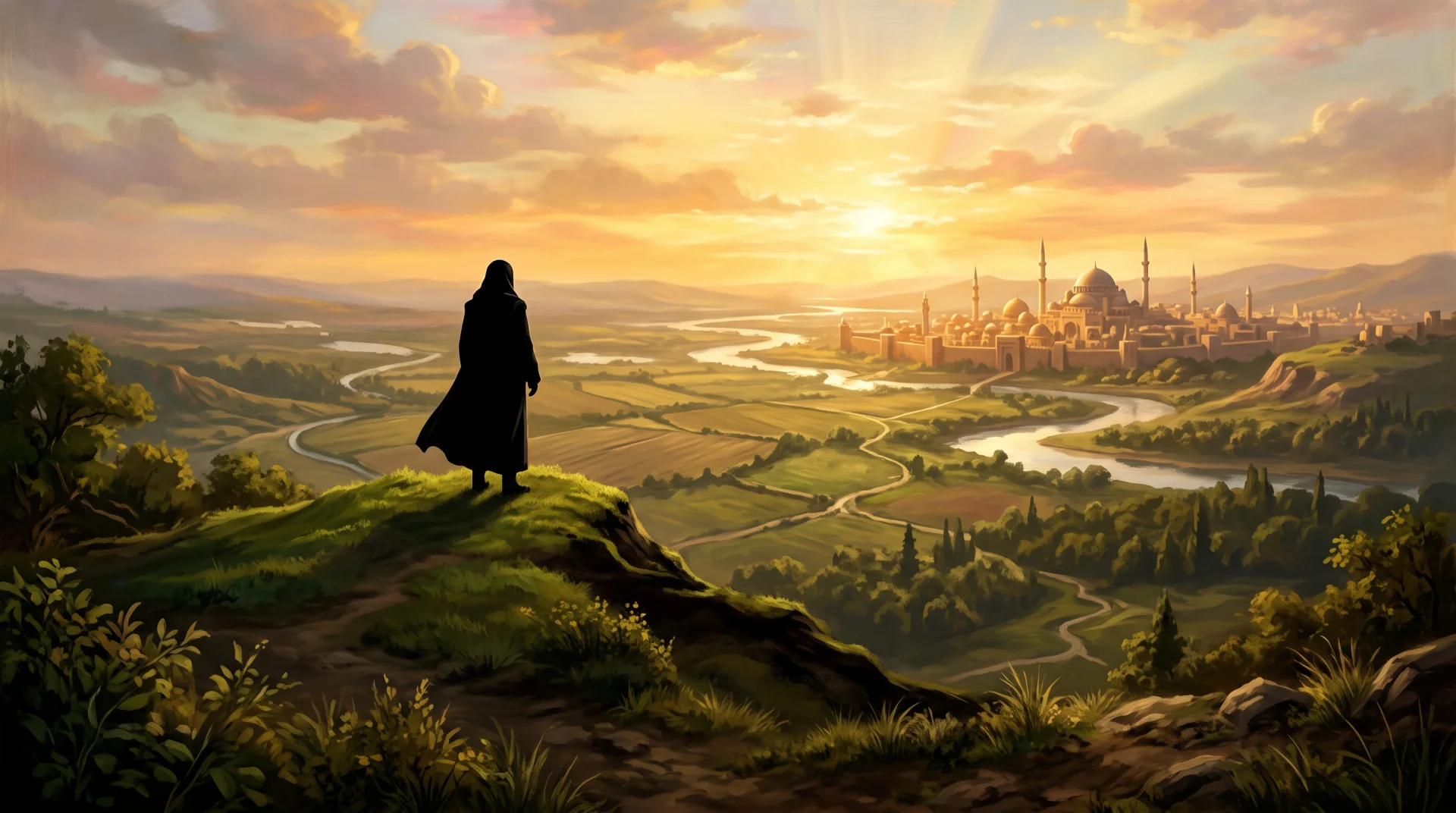
Jinnah, called Quaid-e-Azam by the Indians, led the Muslims' struggle with distinction and firm resolve until independence from the British and the Hindus. A few months after independence he died of exhaustion. Pakistan later became the first Islamic state to possess nuclear deterrence.
Scene 10
A Tailor Emigrates to South Africa
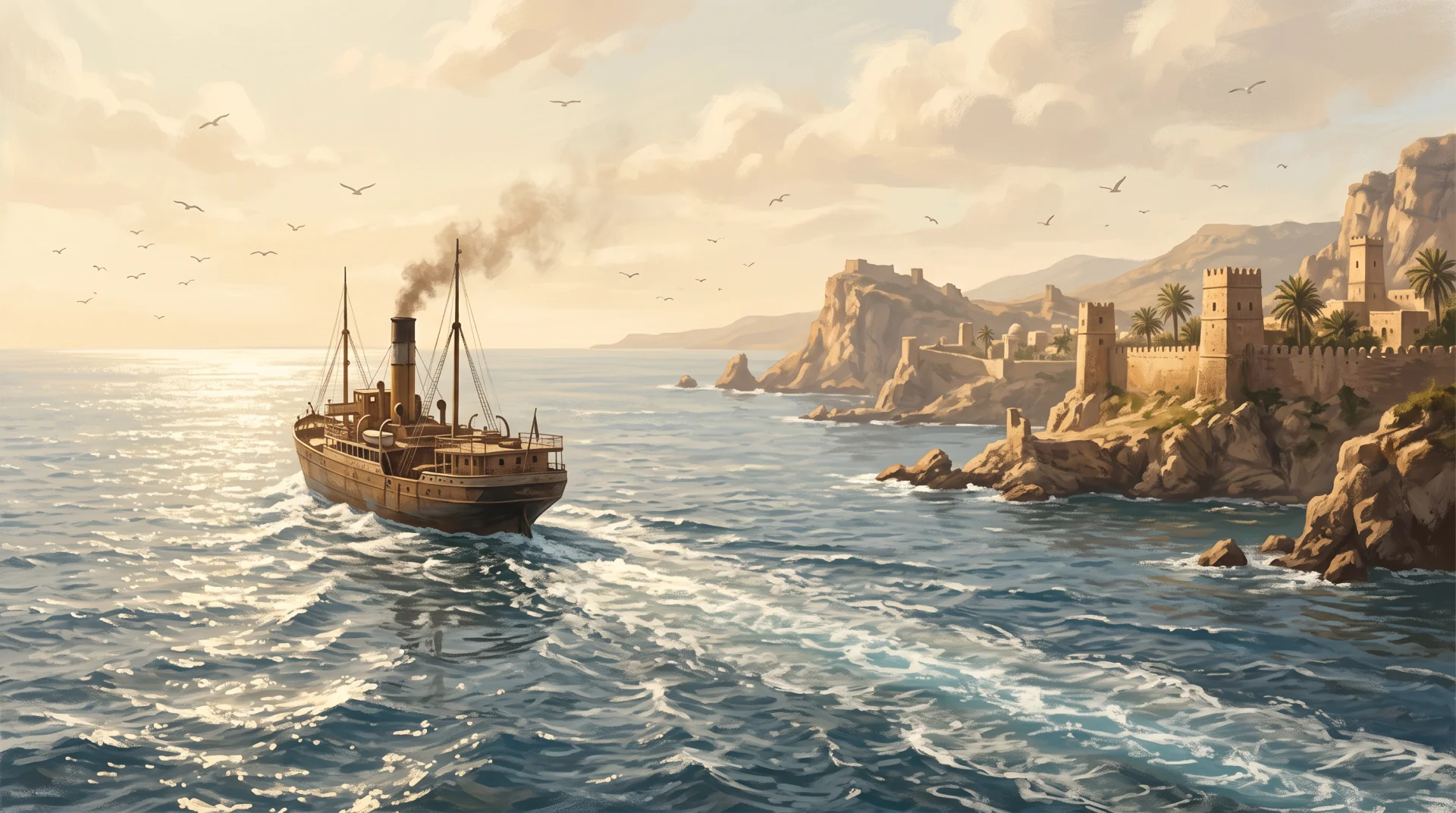
From India itself, a Muslim tailor named Hussein Kazem Dedat emigrated to South Africa in search of a livelihood. He took with him a small child whose name, when he grew up, would be written in letters of light in the record of Islamic immortality.
These are English scene notes. The full chapter text, as the author wrote it, is in the app.