


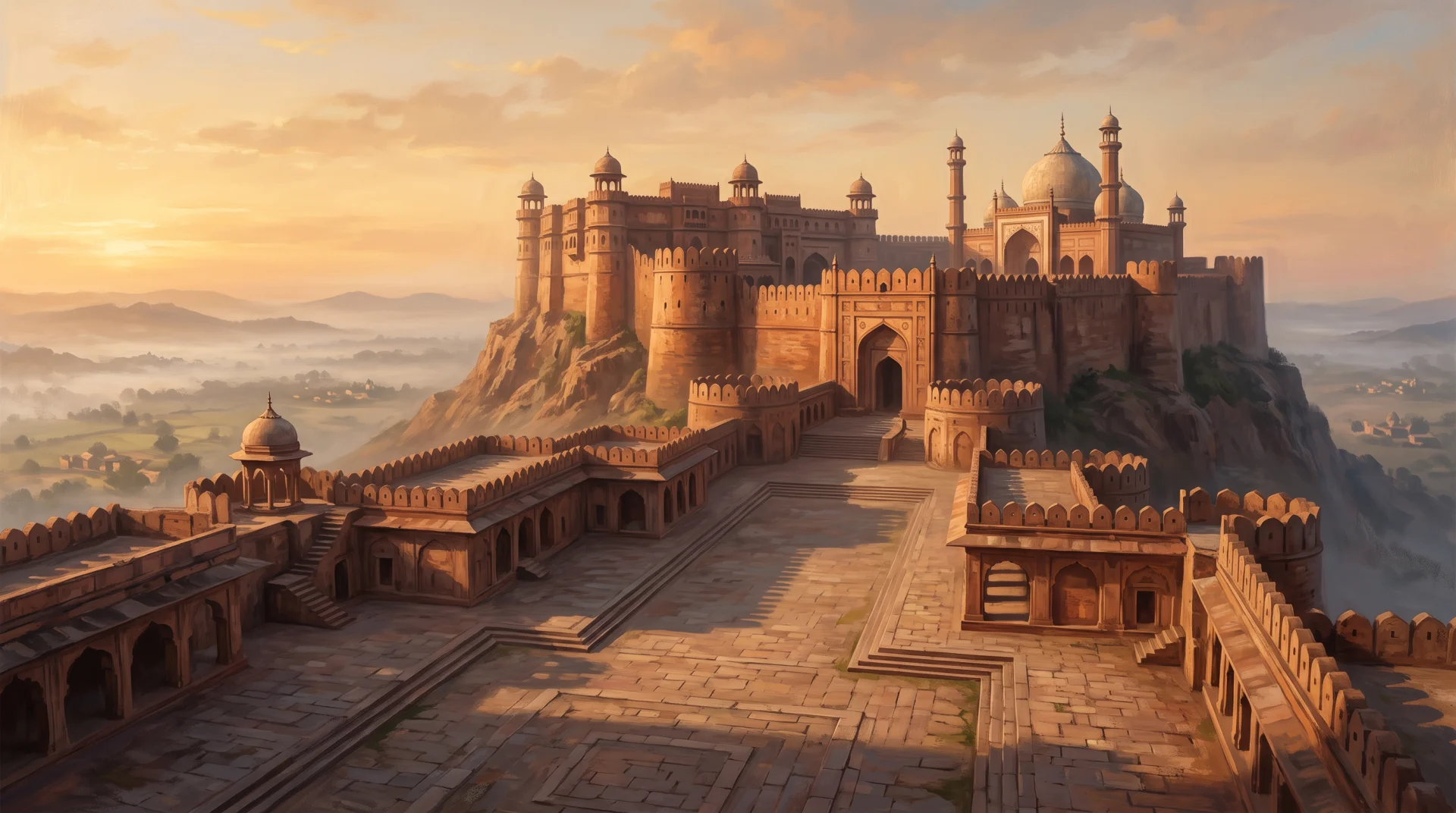
Scene 1
Sorrow at the Umma's Ignorance
The chapter opens with the words of Sheikh Muhammad al-Sharif: sorrow squeezes his heart because his brothers and sisters do not know this great, learned man, Aurangzeb Alamgir. The author says he will skip his usual question, since most of what we know about India comes from Bollywood films.
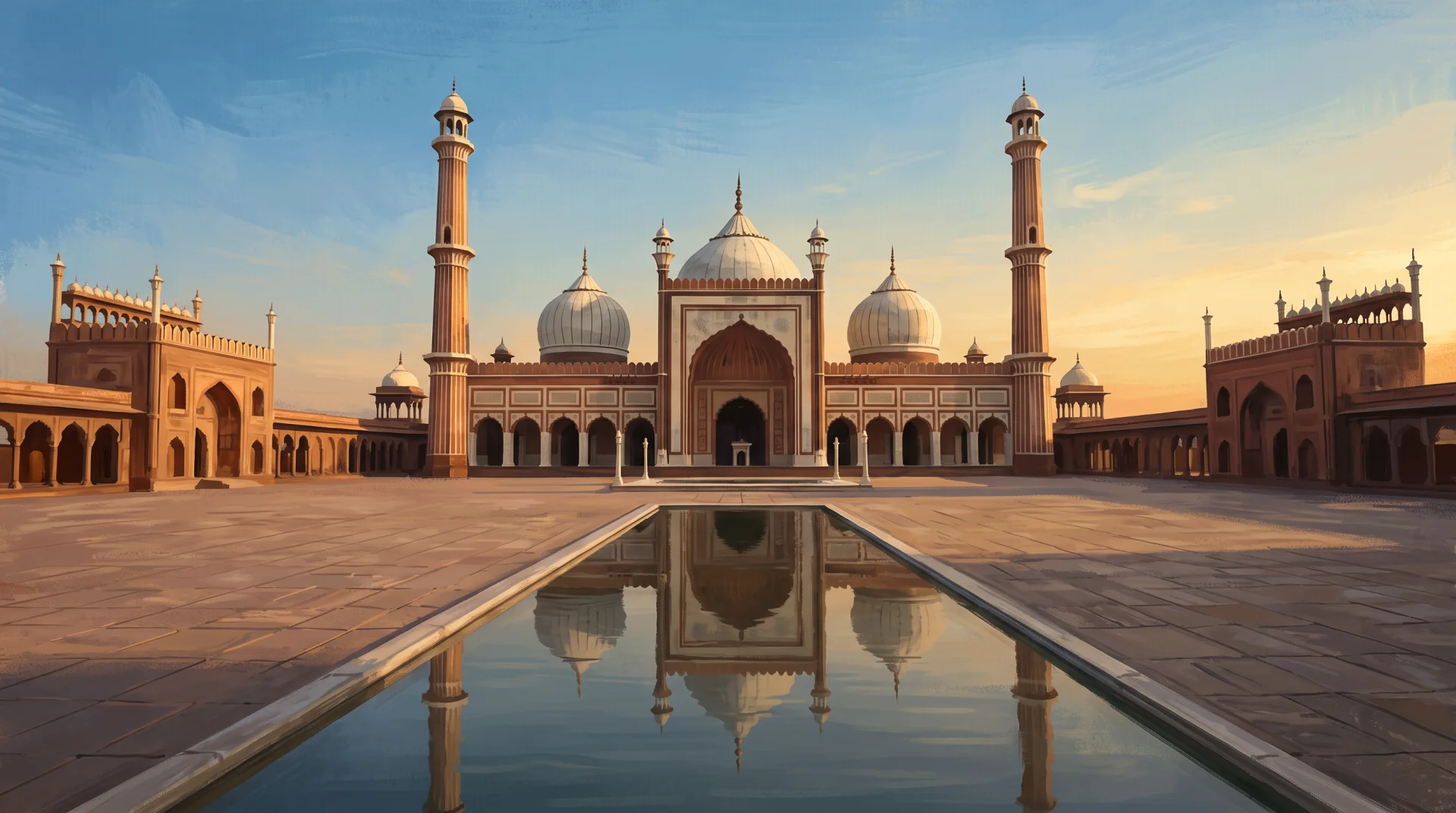
Scene 2
A Thousand Years of Muslim Rule
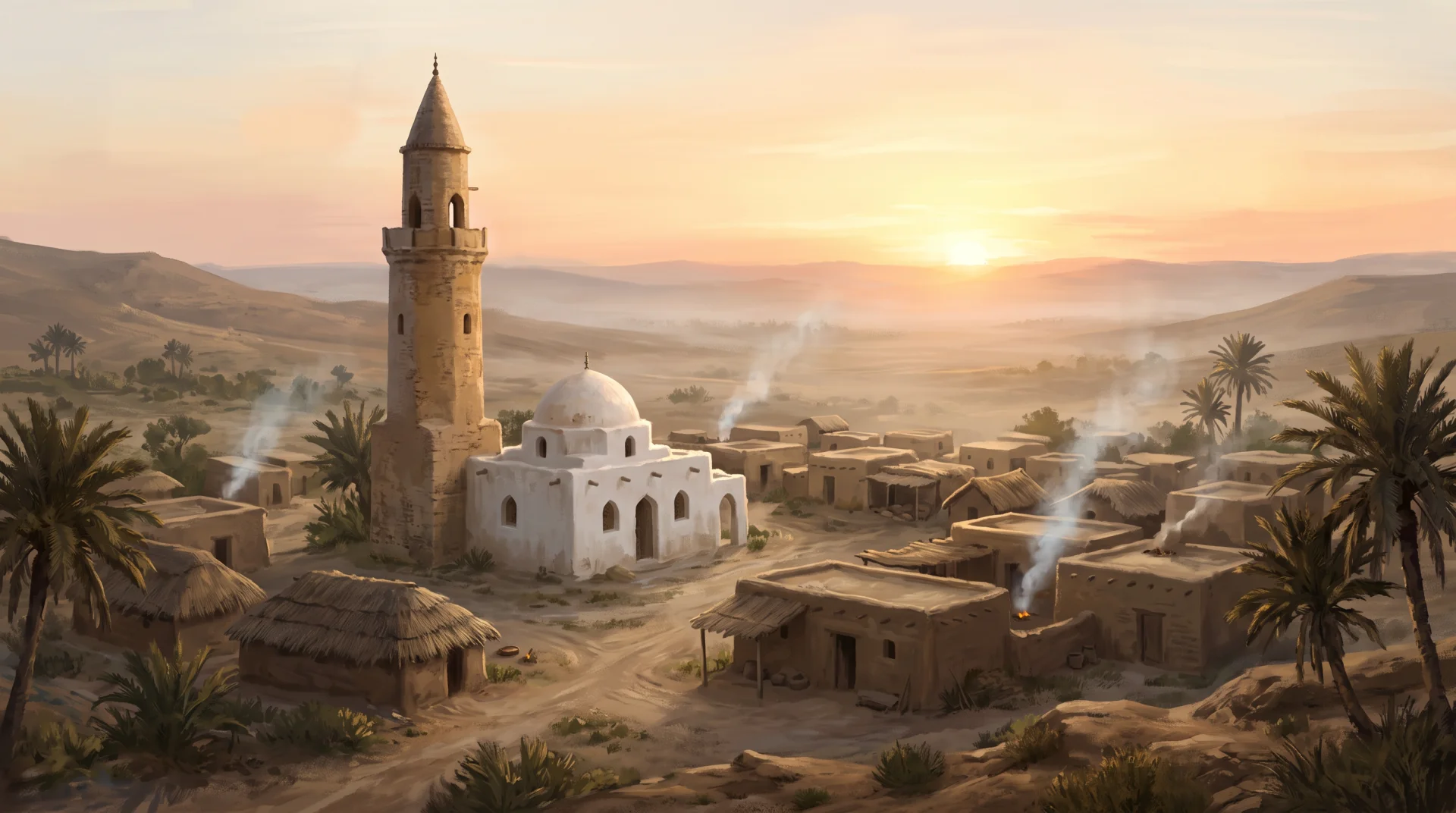
The author says we ruled India for almost a thousand years and raised the call to prayer in all of it. Indian Muslims, from Bangladesh to Pakistan to India, are a third of all Muslims. He credits men like his hero, and says he relies on the research of Sheikh Muhammad ibn Musa al-Sharif.
Scene 3
The Roots of Islam in India
The author says the story of Islam in India began with the Prophet's trip to Taif, when he refused the offer of the angel of the mountains and hoped God would bring worshippers from their loins. He gives Khalid, Ikrima, Amr and Abu Hudhayfa as examples, and says a seventeen-year-old from Thaqif carried the banner to the subcontinent.
Scene 4
The Hindu Trinity
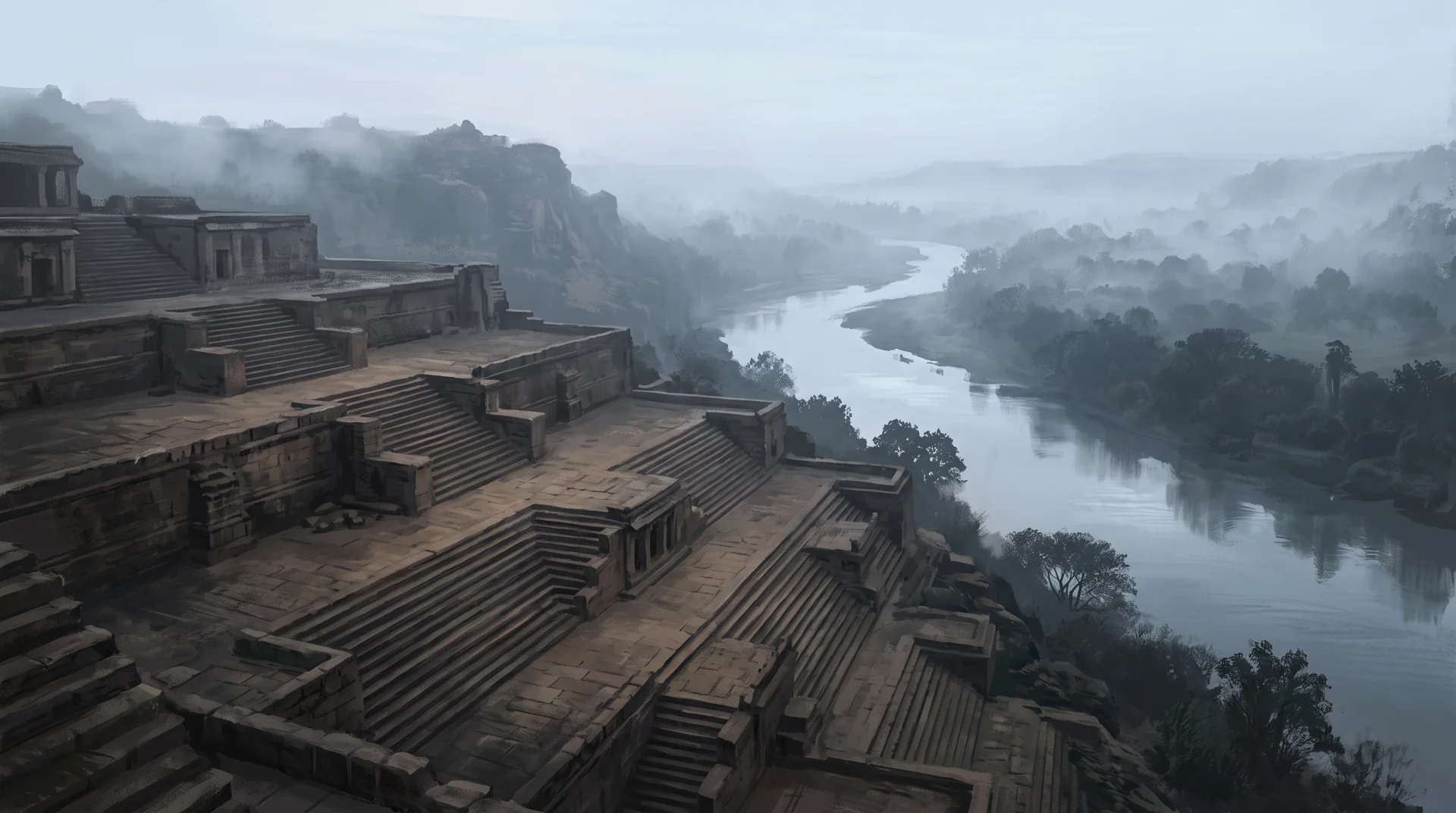
The author says poor Indians were drawn to Islam by its tolerance and justice. Indians worshipped everything in nature, and their best known religion was built on a holy trinity, a division of God into three: Brahma the creator, Vishnu the preserver and Shiva the destroyer.
Scene 5
The Caste System
Indians believed that whoever worships one of the three gods worships them all. The author calls the caste system the great disaster. He lists the Brahmins, made from the god's mouth, the Kshatriyas from his arms, and the Vaishyas from his thigh.
Scene 6
The Outcasts and Islam
The fourth caste, the Shudras, made from the god's feet, served the three above them and held only the lowest and dirtiest trades. When the Muslims came with a religion that does not divide people, the outcasts entered God's religion in crowds. The author then turns to his hero's life.
Scene 7
Shah Jahan and the Taj Mahal
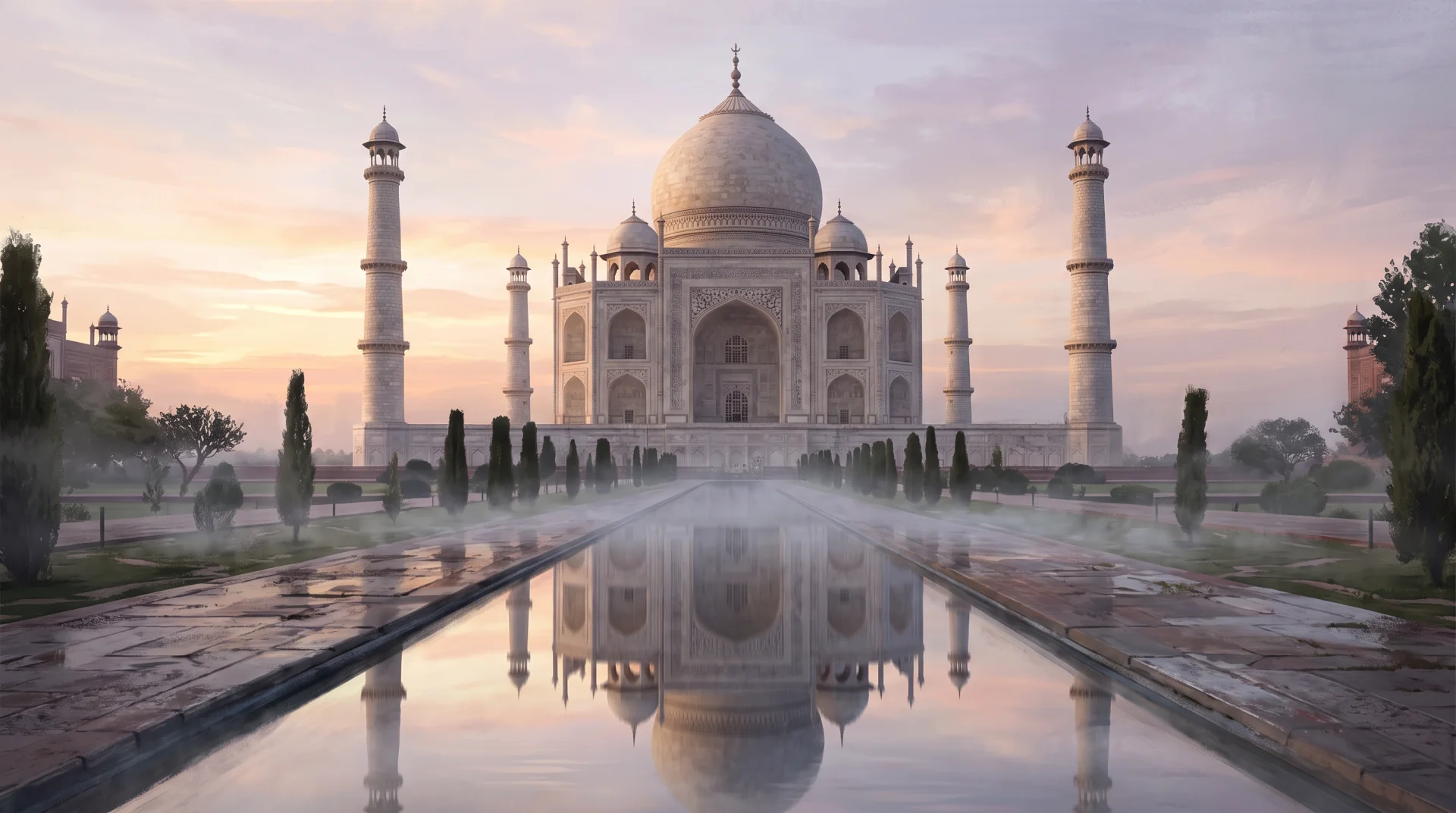
Aurangzeb descended from Genghis Khan and Timur and was son of Shah Jahan, whom the author says went mad with grief after the death of Mumtaz Mahal and spent Muslims' money, with twenty thousand workers over seven years, on her tomb. His son Dara Shikoh sought a faith merging all religions, so Aurangzeb took Delhi and deposed his father.
Scene 8
The Fatawa Alamgiri
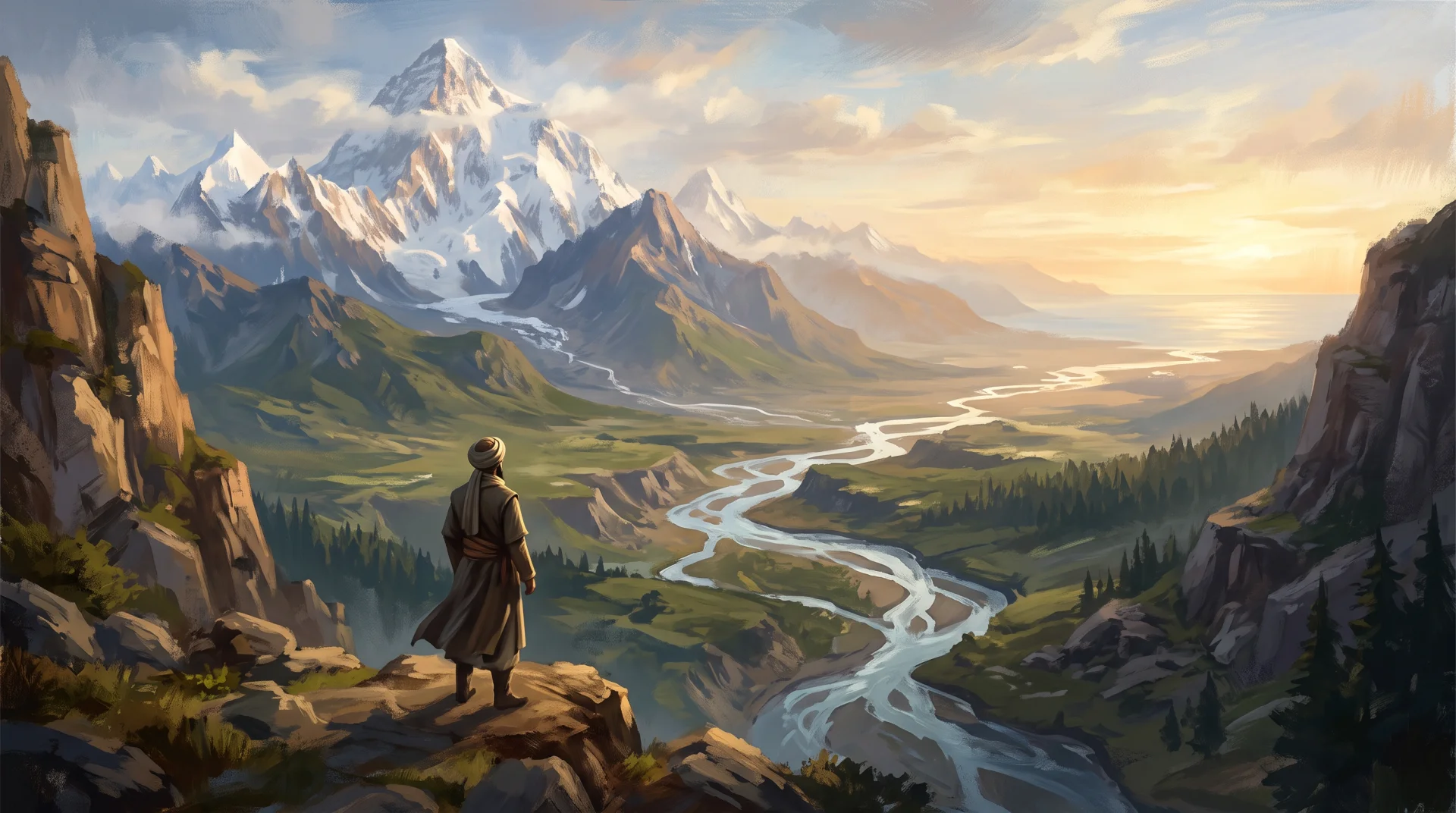
The author says Aurangzeb revived the Sunnah and fought innovations, the Hindu kings, the Portuguese and the Shia. He wrote poetry and produced the Fatawa Alamgiri, still studied today. The justice of his time spread, the number of Muslims grew, and his empire reached from the Himalayas to the Indian Ocean. He also memorized the Quran at forty.
Scene 9
The Ascetic Calligrapher
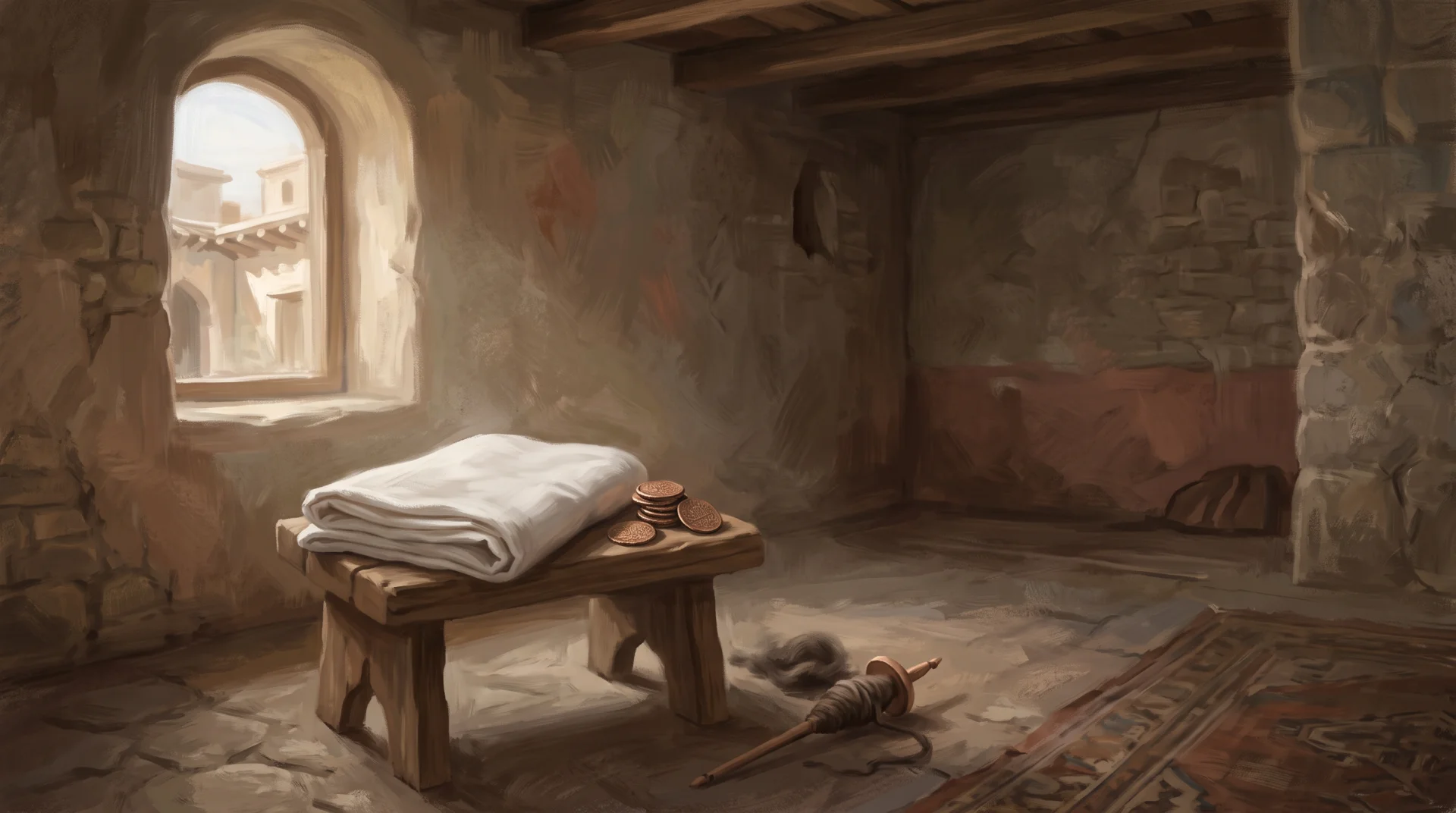
He was a master calligrapher who copied the Quran by hand, sending one copy to Mecca and one to Medina, and ruled fifty years. He spun wool and sold it secretly to buy a shroud for five rupees, and told his sons where his wealth was. They found three hundred rupees, the whole fortune of the emperor of the greatest Indian empire.
Scene 10
After Aurangzeb
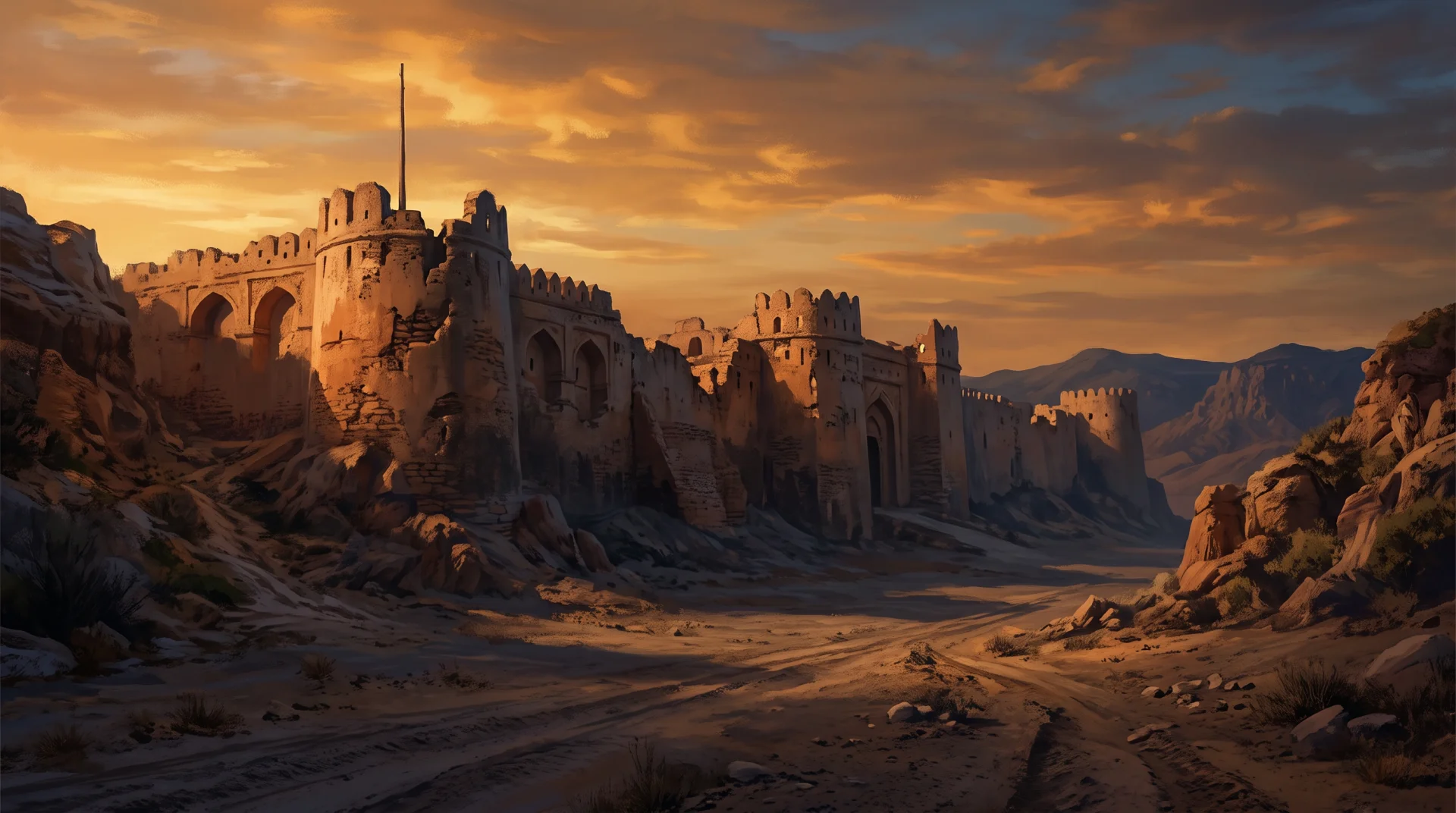
The author asks what happened to the Indian Islamic empire after him, how the English seized it, and how India was split into several states. He asks who the great Muslim leader was who founded Pakistan, and why the West focused on Gandhi and ignored him, though he was Gandhi's teacher in the Indian struggle.
These are English scene notes. The full chapter text, as the author wrote it, is in the app.