


Scene 1
The Leader of the Palestine Revolution
The chapter is titled 'The Leader of the Palestine Revolution' (Izz al-Din al-Qassam), and opens with his words: that we die martyrs in the cause of God is better for us than surrendering to the disbelievers.

Scene 2
A Man Worth a Nation
The author says the talk is now about an exceptional hero of the great nation of Islam, a man worth a nation, through whom God woke the spirit of jihad in the Muslims after a long slumber: the igniter of the first Palestine revolution, the lion of Islam and the bold hero, the leader Sheikh Izz al-Din al-Qassam.
Scene 3
Muslim Heroes Fight Several Empires at Once
The author notes that Muslim heroes in particular are unlike the heroes of other nations: the Latin hero Bolivar fought the Spanish empire, the Vietnamese Ho Chi Minh the American empire, and Hannibal of Carthage the Roman empire, but we see no hero who fought several empires at the same time except among the heroes of the nation of Islam. As seen in the book, al-Siddiq fought the Sassanid and Byzantine empires together, al-Khattabi fought France, Spain and England, Selim I the Safavids and the Portuguese, and Saladin the Shia Ubaydids and the Crusaders.

Scene 4
One Man Against Four Powers
Now the turn came to a man who fought the French empire, the British empire, the Italian empire and the Zionist gangs all at once. France sentenced him to death, Italy pursued him for supporting Omar al-Mukhtar's revolt, he became the number one wanted man for the English forces and the main enemy of the Zionist Haganah gangs, spending the flower of his youth hunted by the tyrants of the earth, each aiming to finish the legend of a Syrian man called Izz al-Din al-Qassam.
Scene 5
From the Mosques of Jabala to Palestine
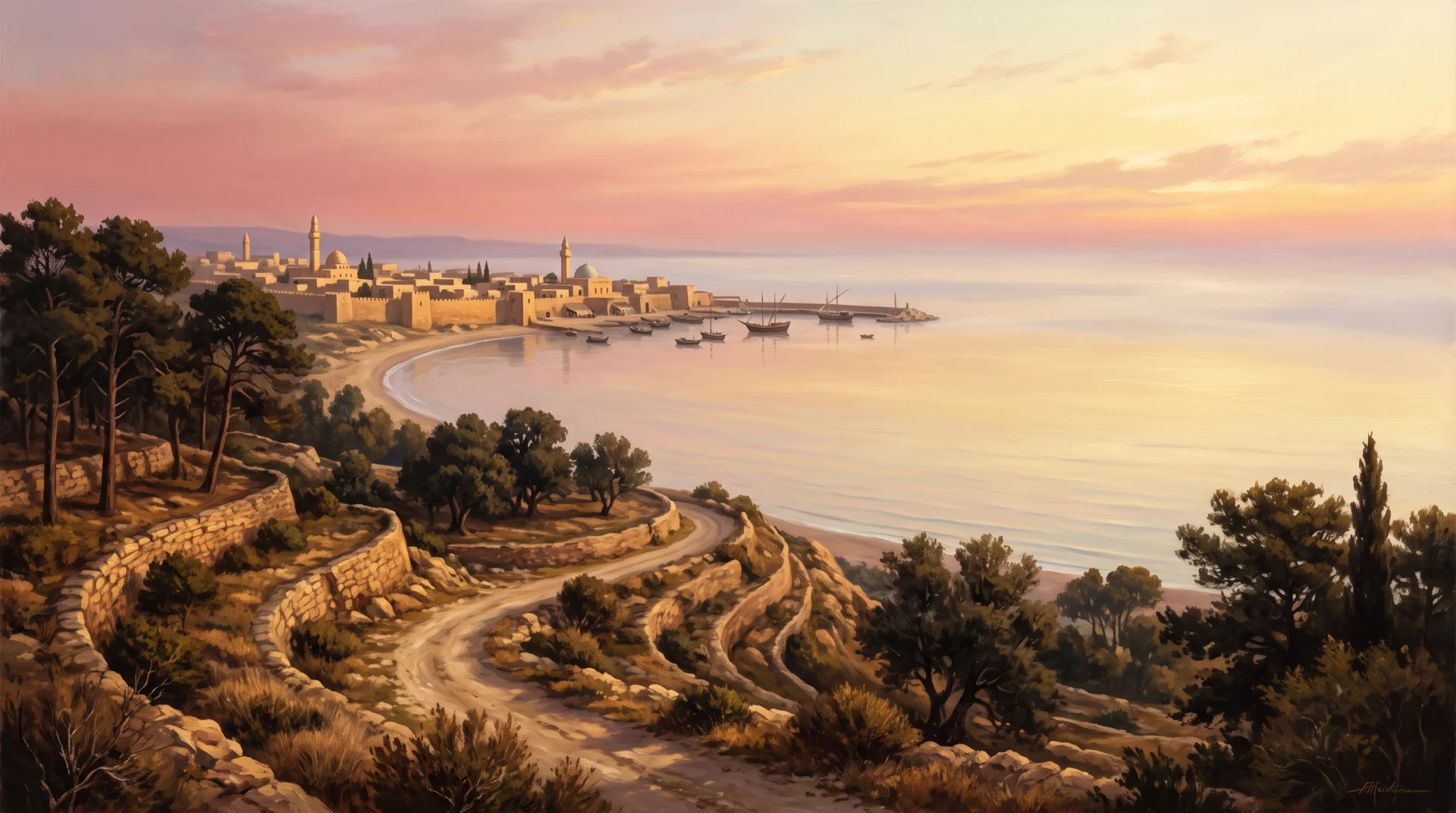
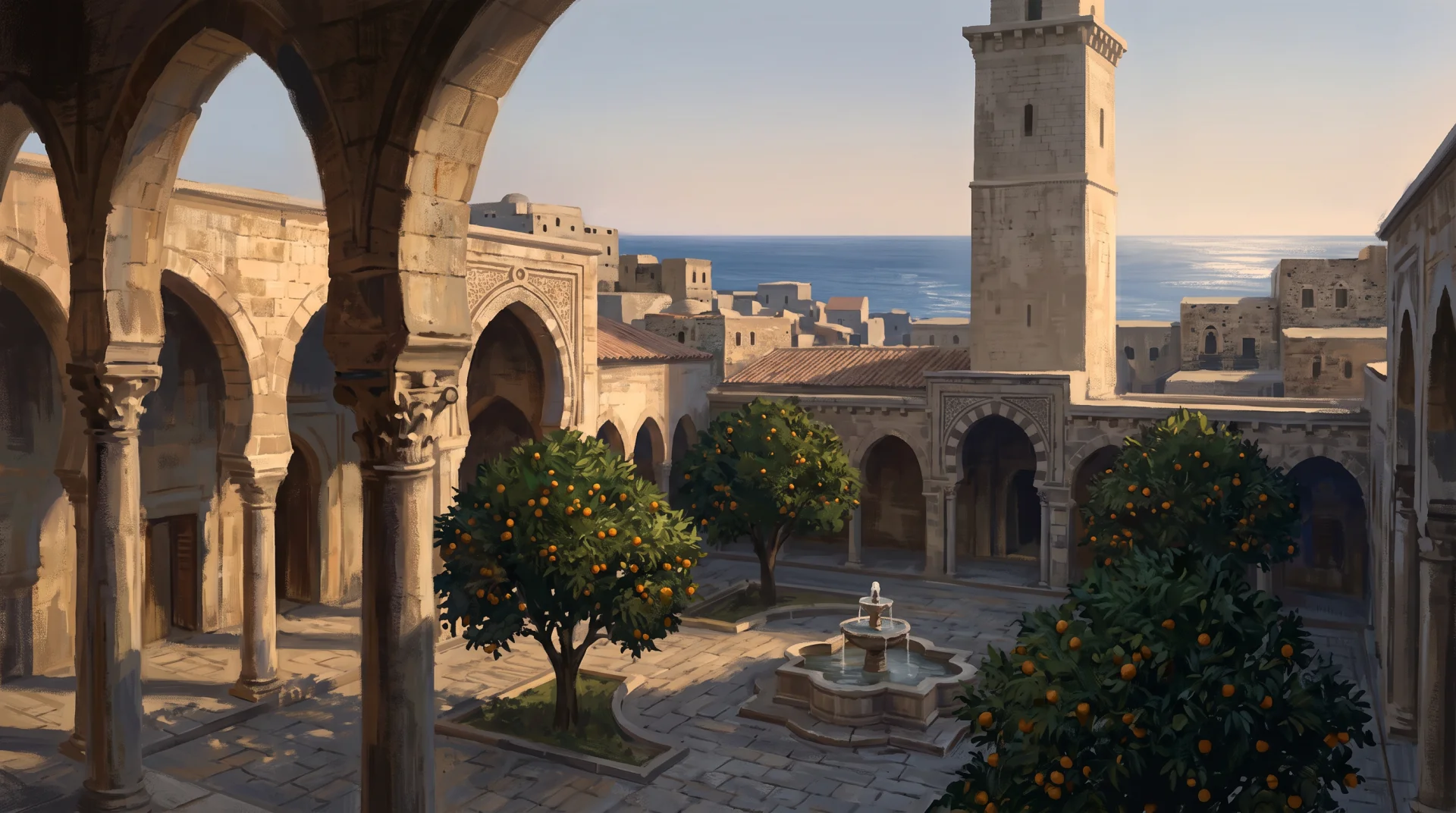
The beginning, like most heroes of Islam, is in the mosques. In the town of Jabala in the province of Latakia in Syria was born Izz al-Din Abd al-Qadir Mustafa Yusuf Muhammad al-Qassam in 1300 H, 1882. He studied in the mosques of that Syrian town and in his youth went to Egypt to study at al-Azhar. In 1920 he joined in leading the revolt against the French in Syria; the French military authority tried to buy him with the post of judge, he refused, and the Syrian military court sentenced him to death. He escaped to Palestine in 1921 and founded secret cells of Palestinian popular resistance in Haifa.
Scene 6
Preparing Before the Revolt
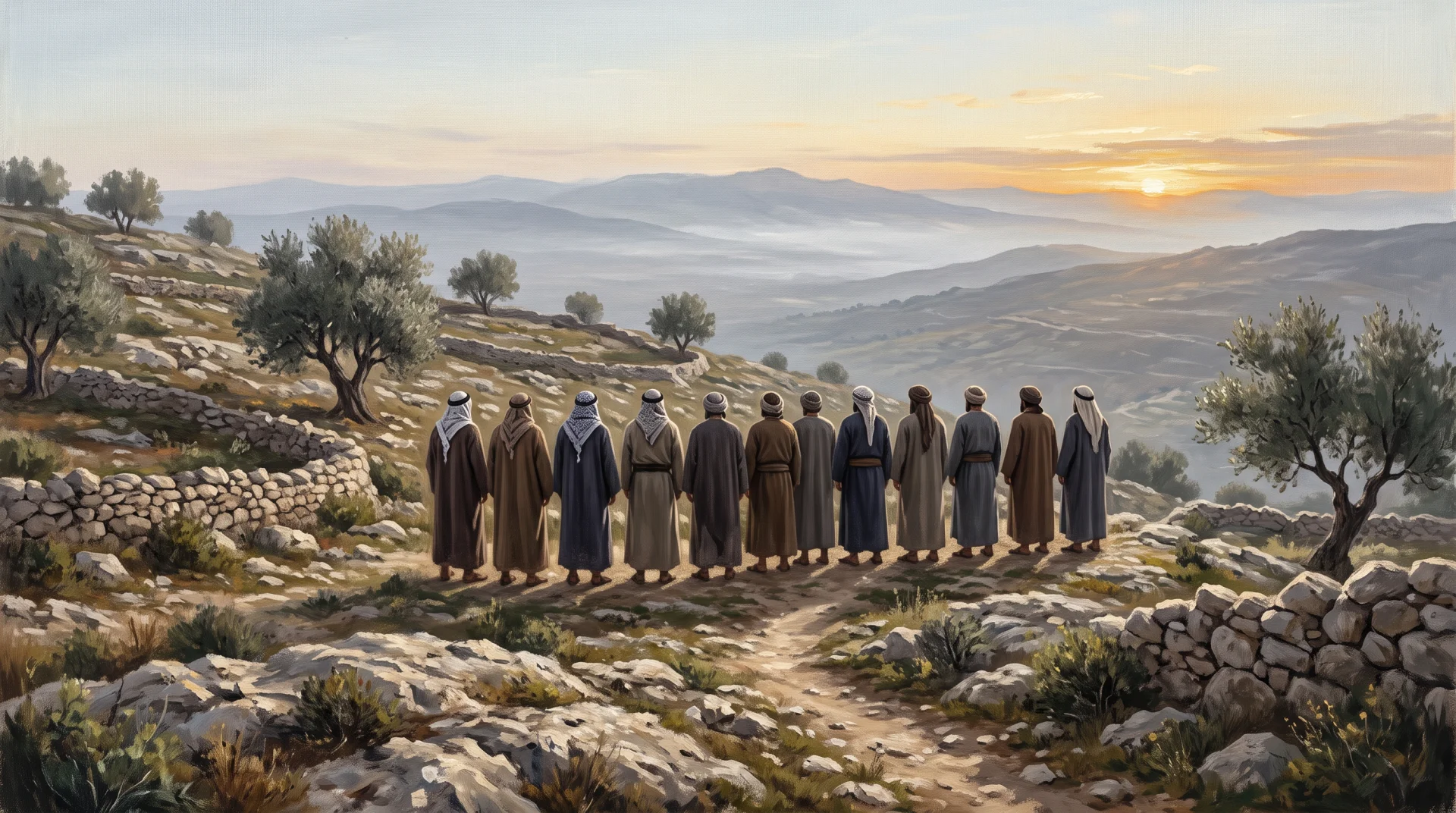
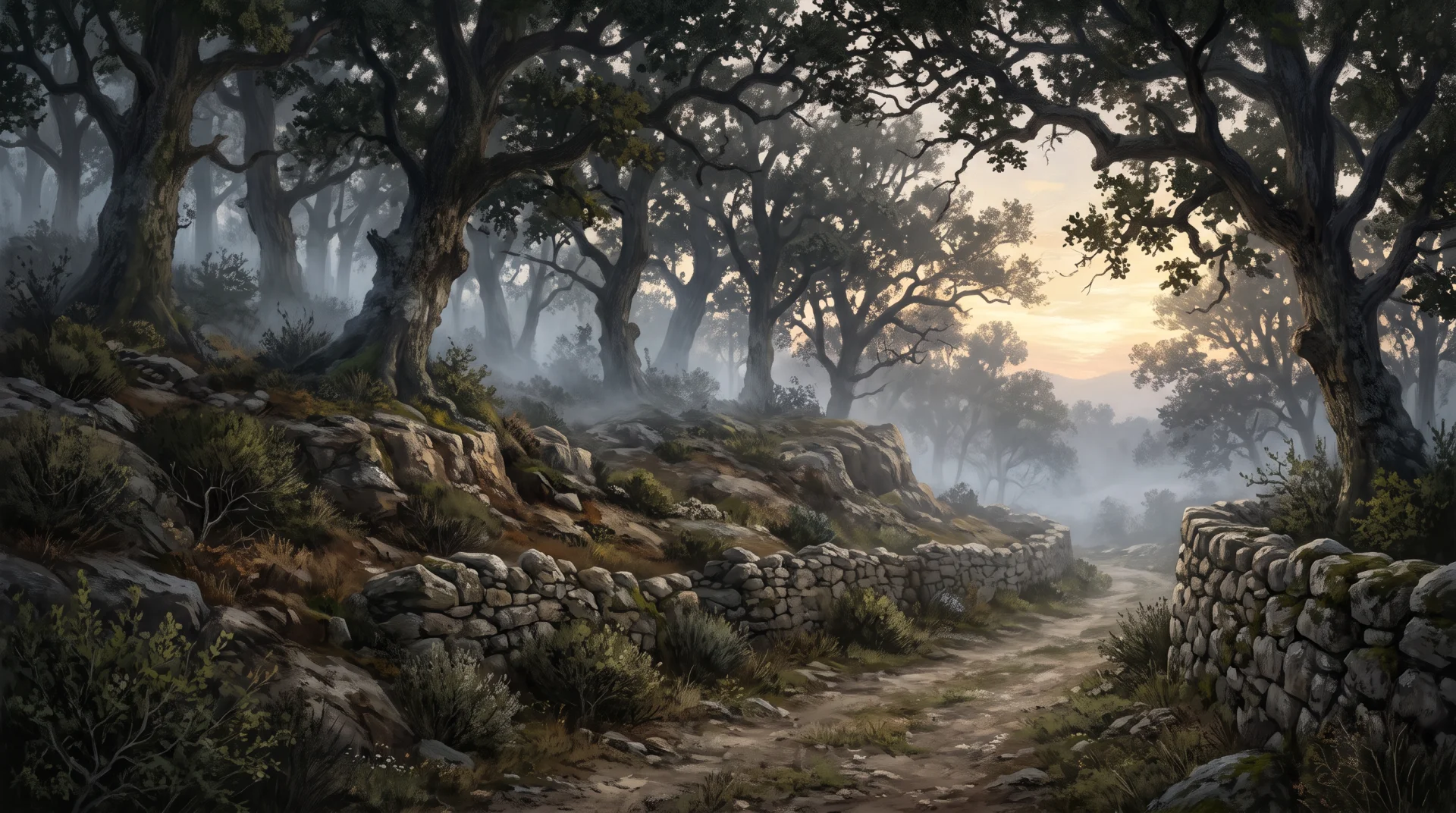
After the Jews obtained the Balfour promise from the English, some enthusiastic young men wanted to start fighting, but Sheikh al-Qassam preferred to wait before declaring the great revolt, for matters in his view are not taken by emotion but by good, organized preparation. So he taught the children of the villages and trained them in special camps.
Scene 7
The Qassam Revolt
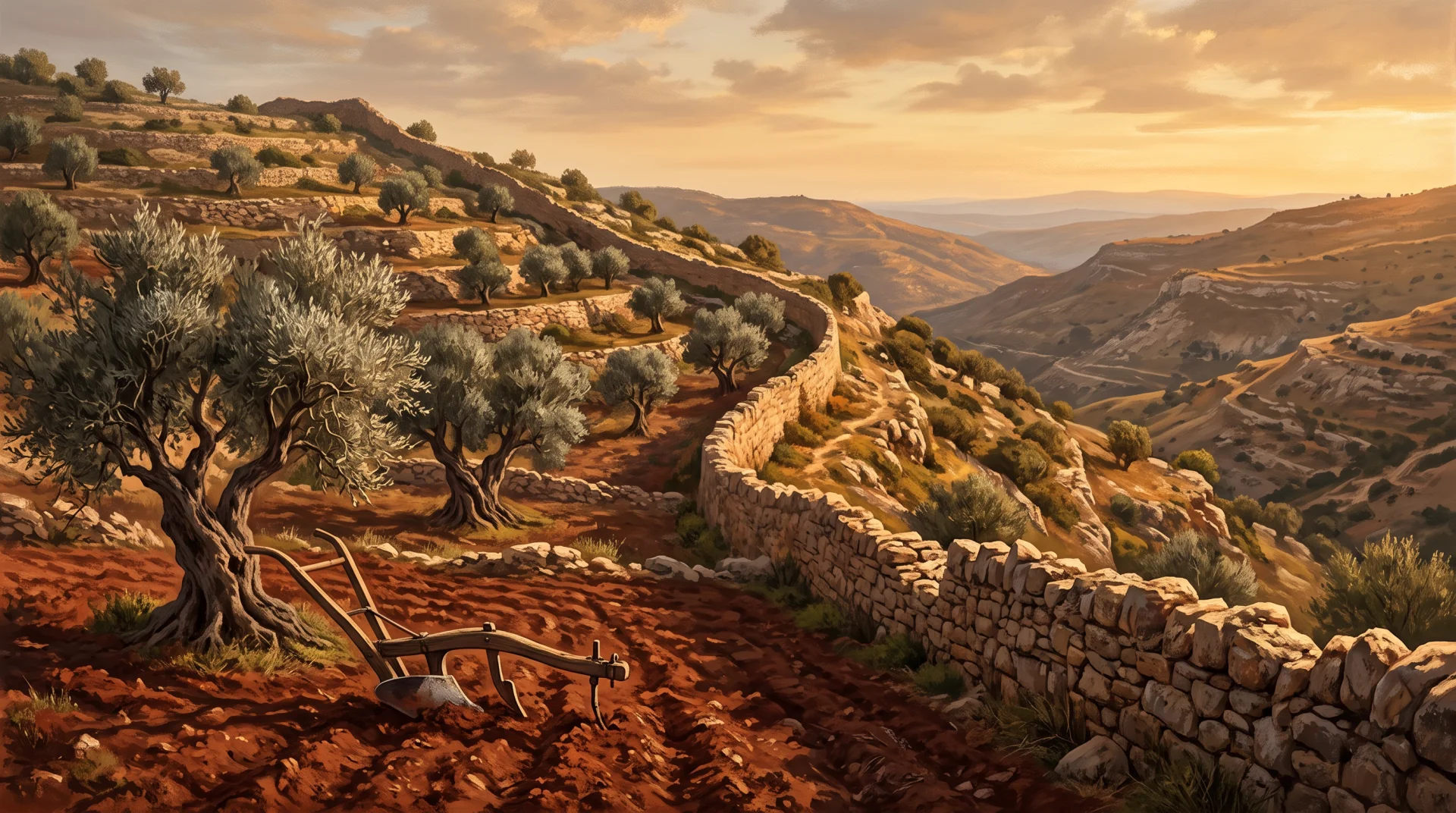
On 15 November 1935 Sheikh Izz al-Din al-Qassam fired the first bullet of the great Palestinian revolt, known in history as the 'Qassam revolt'. The Palestinian fighters offered the finest pictures of struggle and hero after hero fell in defence of the land of Palestine, until al-Qassam became a landmark of jihad whose name was repeated across Palestine, before the mujahid sheikh fell as a martyr on the soil of this holy land, the land of the first of the two qiblas, the third of the two noble sanctuaries, the night journey of the Messenger of God and the cradle of the prophets.
Scene 8
The Doubt: Did the Palestinians Sell Their Land?
Before moving on, the author turns to an important matter: a doubt cast on the heroic Palestinian people, that the Palestinians were the ones who sold their land to the Jews. He says he did not know anyone on earth repeated it until he heard it himself, and that this shameful doubt is spread alarmingly among Arab youth. He is defending the honour of his struggling people in Palestine, but before that the credibility of Muhammad, peace be upon him, who said in what al-Albani authenticated:
Scene 9
The Levant, the Home of the Believers
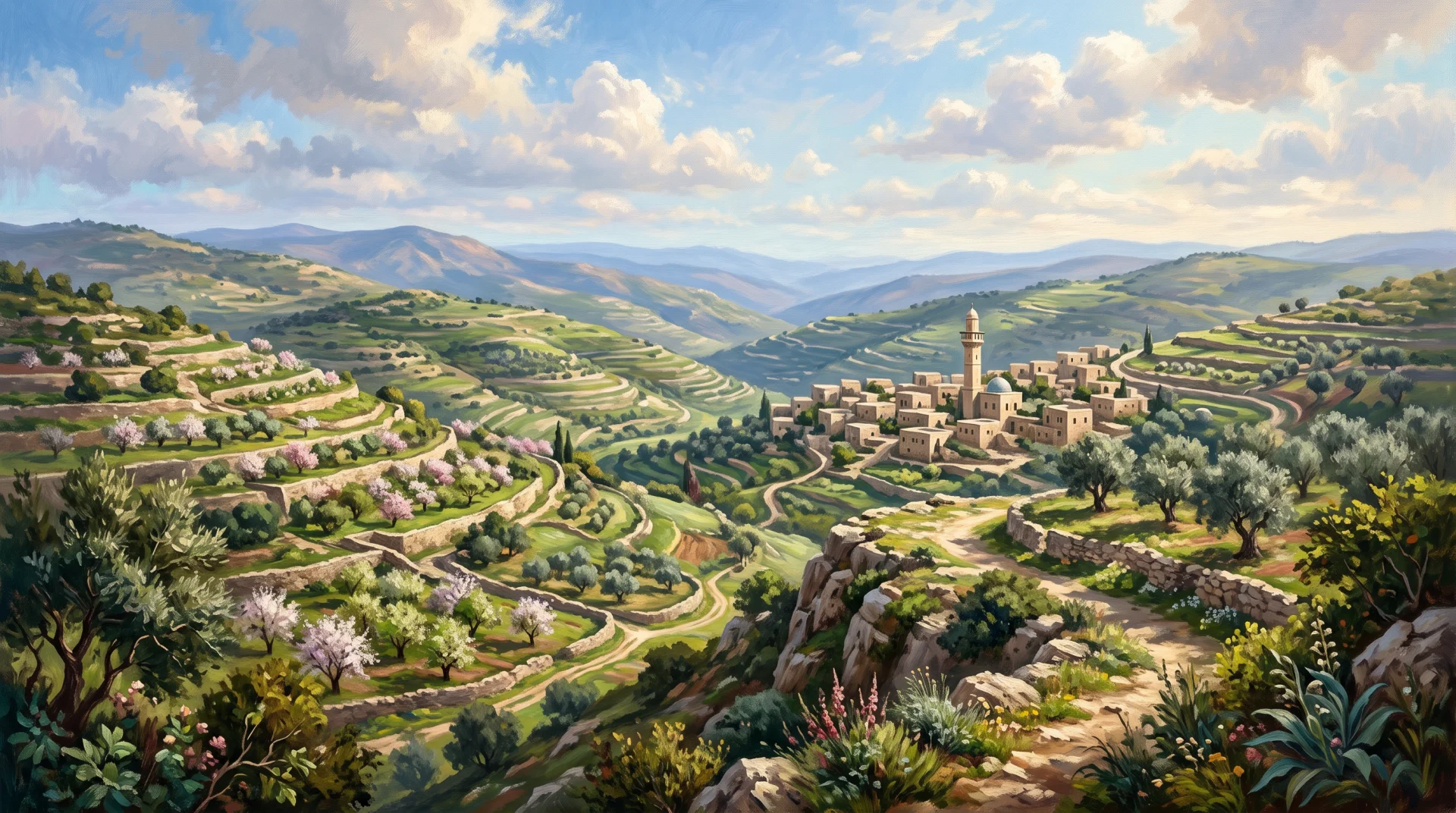
The Prophet said: 'Indeed, faith when trials occur is in the Levant', and 'Indeed, the heart of the believers' abode is the Levant.' The author says a historical study he has no room to cite (found on the internet) shows the Zionists did not obtain those lands by buying and selling but through the successive defeats of the Arab armies against the Jews. The small share obtained without fighting came either from land given to the Jews by the British Mandate, or from some Christian families, Lebanese, Syrian and Palestinian, who sold their lands to the Jews, or through the 'Union and Progress' government belonging to the Donmeh Jews.
Scene 10
The Caliph Who Refused to Sell Palestine
The chapter ends with questions for the next chapter: who are the Donmeh Jews, what is the story of the Union and Progress government, who is Kemal Ataturk, how did the Ottoman Islamic caliphate fall, who is the great Islamic caliph who refused to sell a single span of Palestine to the Jews, and what fate did he meet because he did not give up the land of Palestine to the Zionists.
These are English scene notes. The full chapter text, as the author wrote it, is in the app.