


Scene 1
A Reply to Herzl
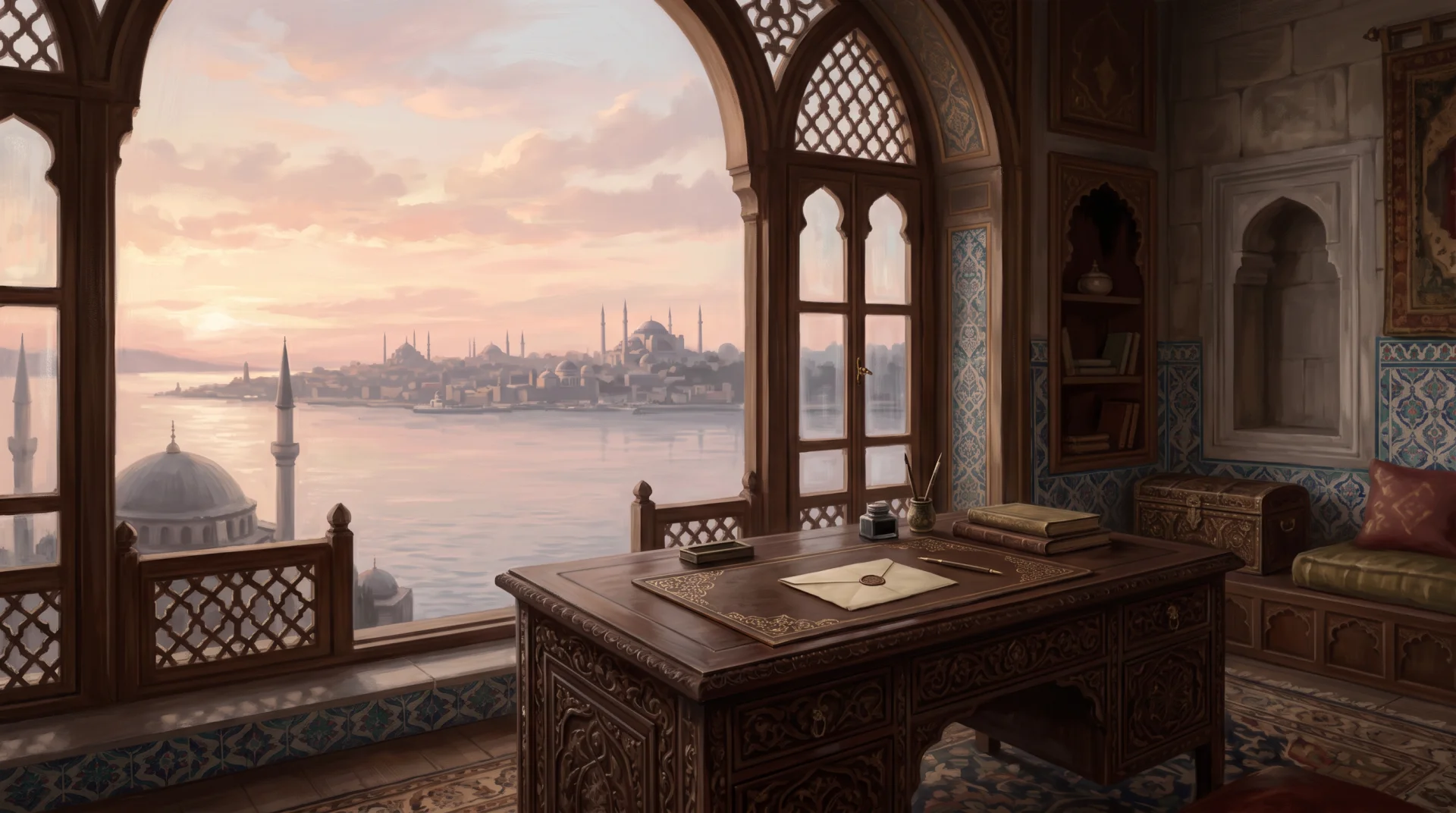
The chapter opens with the words attributed to Sultan Abdul Hamid II: he advises Mr. Herzl not to think of this matter again, for Palestine is not his to sell a single span of; it belongs to all the Muslims, his Ottoman forefathers fought for it for hundreds of years and the ummah watered its soil with Muslim blood. The Jews should keep their millions; the knife cutting into his body is easier for him than to see Palestine severed from the lands of Islam. Signed: servant of the Muslims, Abdul Hamid II.
Scene 2
Greats at the End of States
The author notices something odd in the history of Muslim states: at the end of each one a great leader appears among its last rulers, second or third in greatness. He names Abd al-Rahman al-Dakhil at the end of the Umayyads, the Abbasid caliph al-Mustansir billah, Najm al-Din Ayyub of the Ayyubids, Abu Yusuf Yaqub al-Mansur al-Marini before the fall of Andalusia, and Qansuh al-Ghawri, last of the Mamluks, who saved Mecca and Medina from the joint Crusader and Shia occupation.
Scene 3
A Hero at the End of the Ottomans
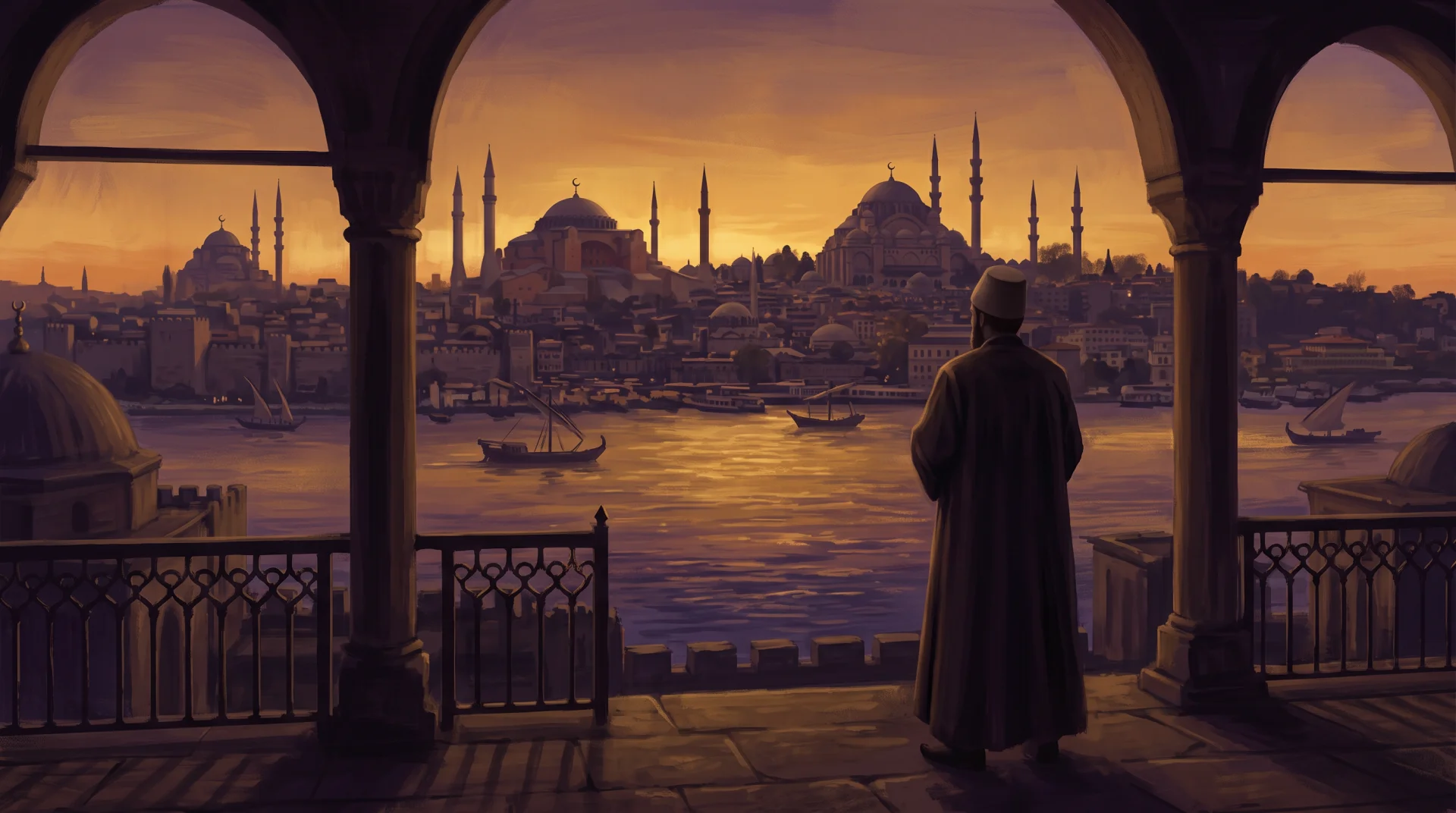
In the Ottoman caliphate too a great Islamic hero appeared at the end, close in greatness to his ancestors al-Fatih and al-Qanuni: Caliph Abdul Hamid, recorded in gold letters in Islamic history as Sultan Abdul Hamid II. Before diving into his greatness, the author asks why greats appear at the end of every state and why their greatness did not stop the falls. He admits he found no scientific explanation and proposes three assumptions: the reign was too short, the age was beyond reform because of weak predecessors' legacy of defeats, debts and chaos, or the leader was a victim of a conspiracy.
Scene 4
The Great Conspiracy
Apart from the short reign, all of this fits Caliph Abdul Hamid II: he took the caliphate in Istanbul after a series of sultans who weakened the state through luxury and waste. He worked to reform the state and nearly succeeded, but for the plot the author personally calls the Great Conspiracy. It did not begin with his reign but very long ago, starting with the Barbarossa brothers.
Scene 5
The Barbarossa Brothers
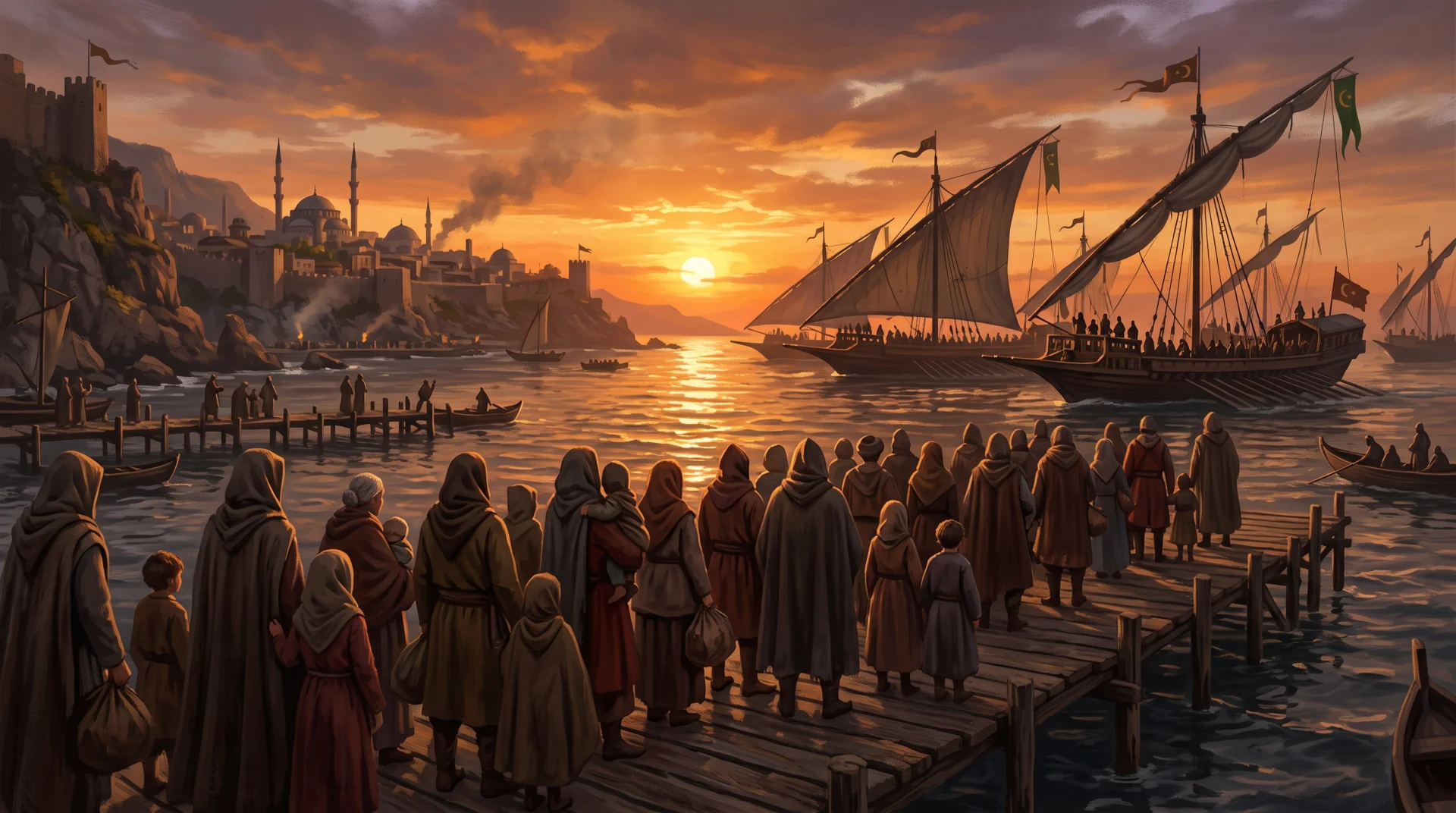
The author says the greatness of a Muslim only shows in hardship, which is why great leaders appear in times of collapse. The Barbarossa brothers, Aruj and Khayr al-Din, rescued the Muslims of Andalusia from the Inquisition by order of the Ottoman caliphs, carrying tens of thousands on Ottoman ships to Algeria and North Africa. The Catholic Spaniards killed everyone who was not Catholic, even Protestant Christians, and the Jews were victims too, so the brothers carried them also on the caliphate's ships to Muslim lands.
Scene 6
A Lesson in Humanity
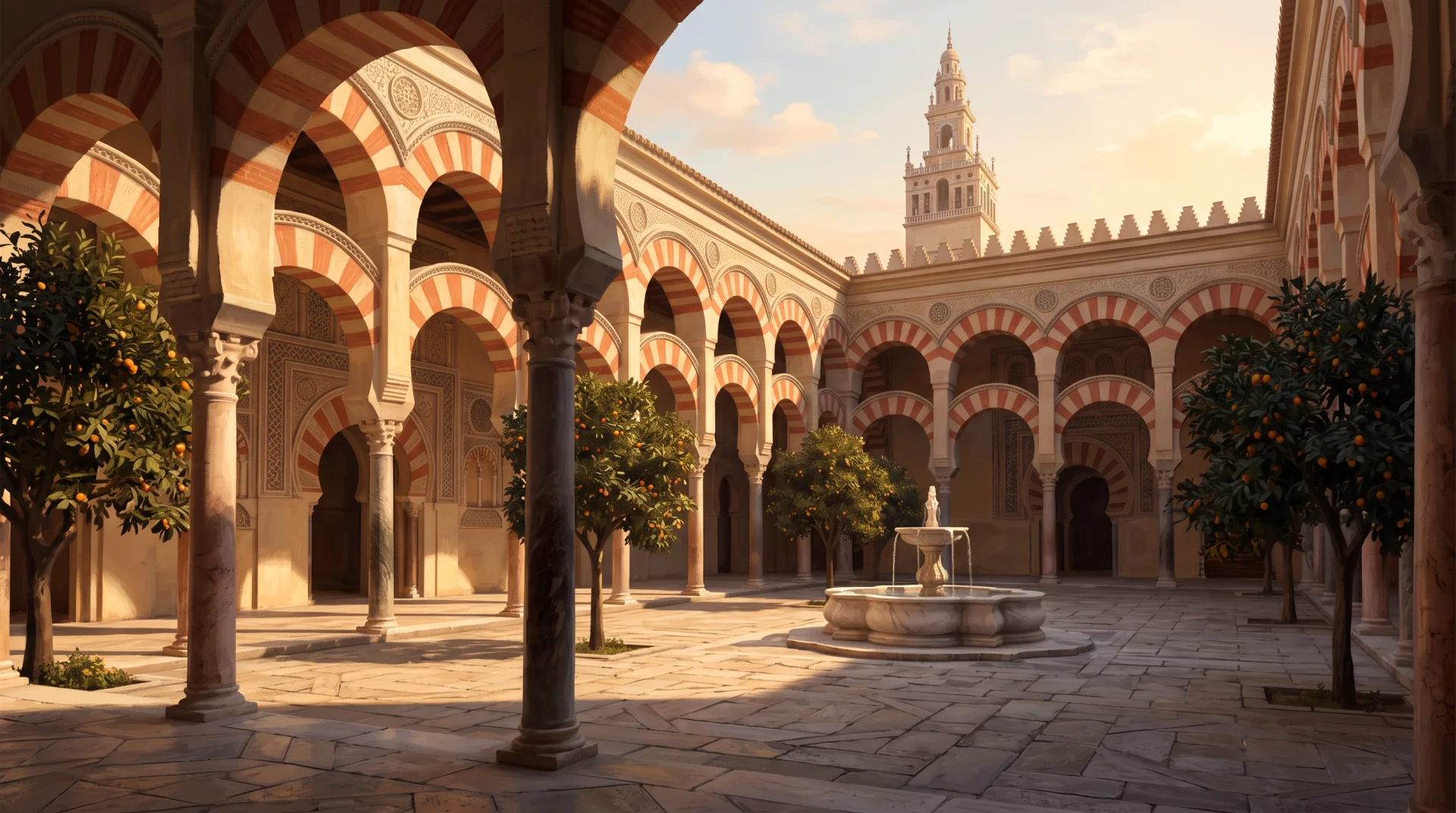
The author says Muslims learned from Muhammad not to judge people in advance: he lived in peace with the Jews in Medina and fought them only after their repeated betrayals, and Islam forbids killing a Jew for being a Jew or a Christian for his religion. This lesson was shown in Andalusian Cordoba as never before. The Ottomans hosted the persecuted Jews of Europe generously and gave them fiefs in Salonica, but some Jews, the author says, wanted to repay by destroying the state: they feigned Islam to win high posts, became known as Donmeh, and secretly cooperated with England, France and the Zionist movement to bring down the caliphate.
Scene 7
The Refused Offer and the Deposition
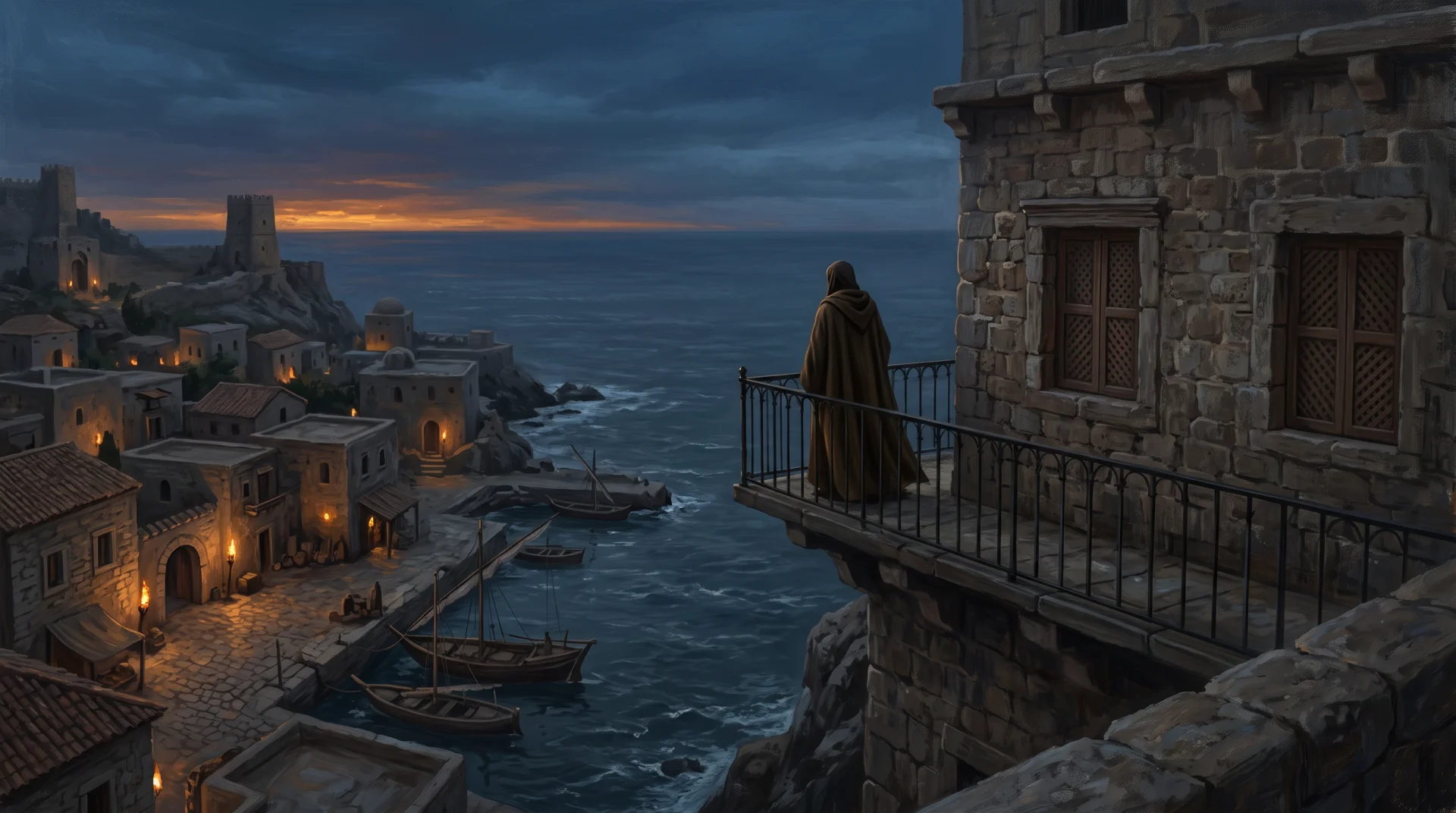
The Zionist leader Theodor Herzl sent Sultan Abdul Hamid II a letter offering a bribe of 150 million pounds sterling, in return for encouraging Jewish immigration to Palestine and granting land for self-rule. The sultan refused. The Donmeh then founded the Young Turks society, calling to secularism and nationalism, and its army members formed the Union and Progress party, which overthrew the sultan in 1909 after three generals delivered the deposition order, two of them Jews according to the author. He was exiled to Salonica, where he stayed until he died on 10 February 1918, but he managed to smuggle out a grave secret.
Scene 8
The Secret Document
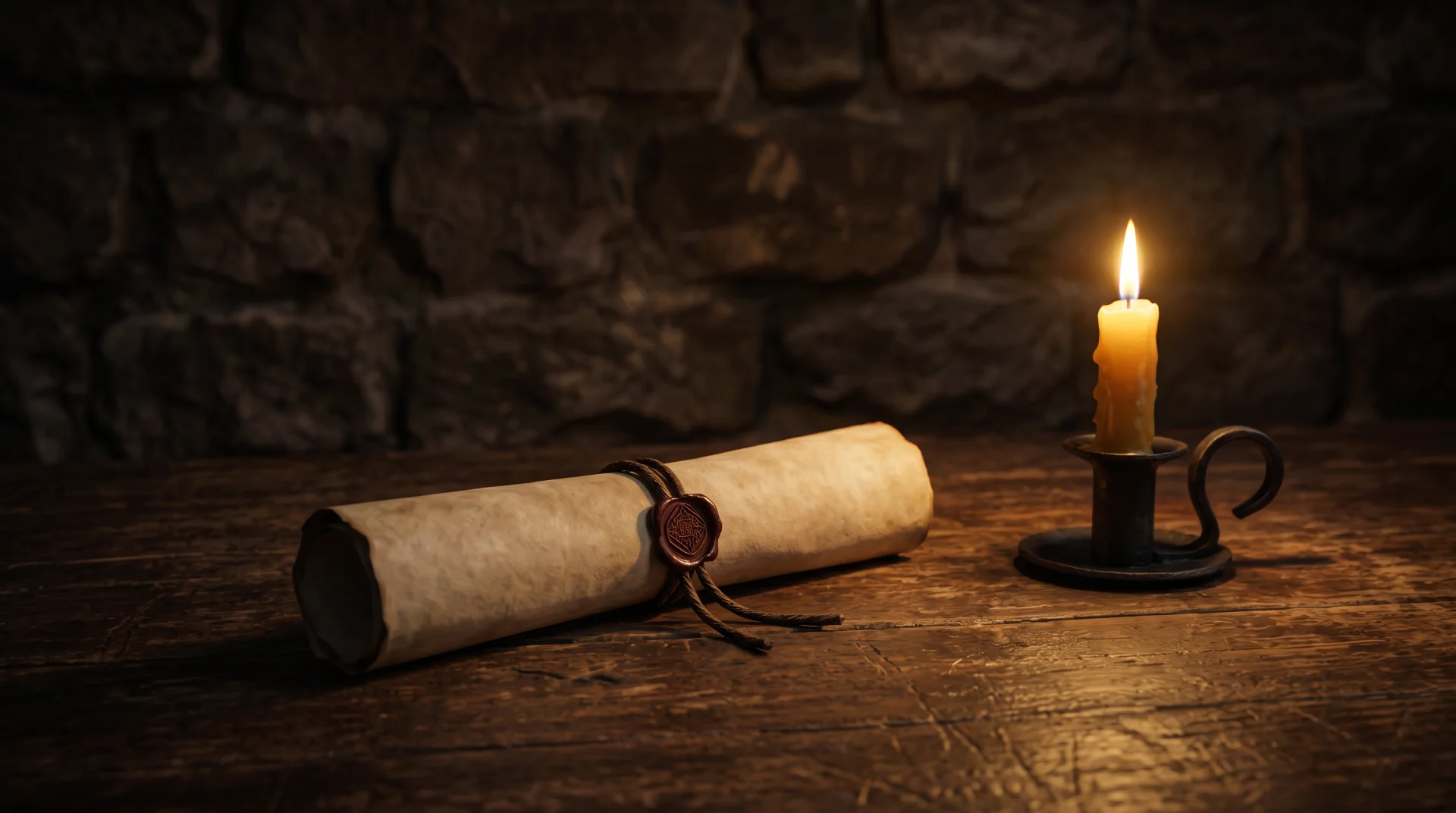
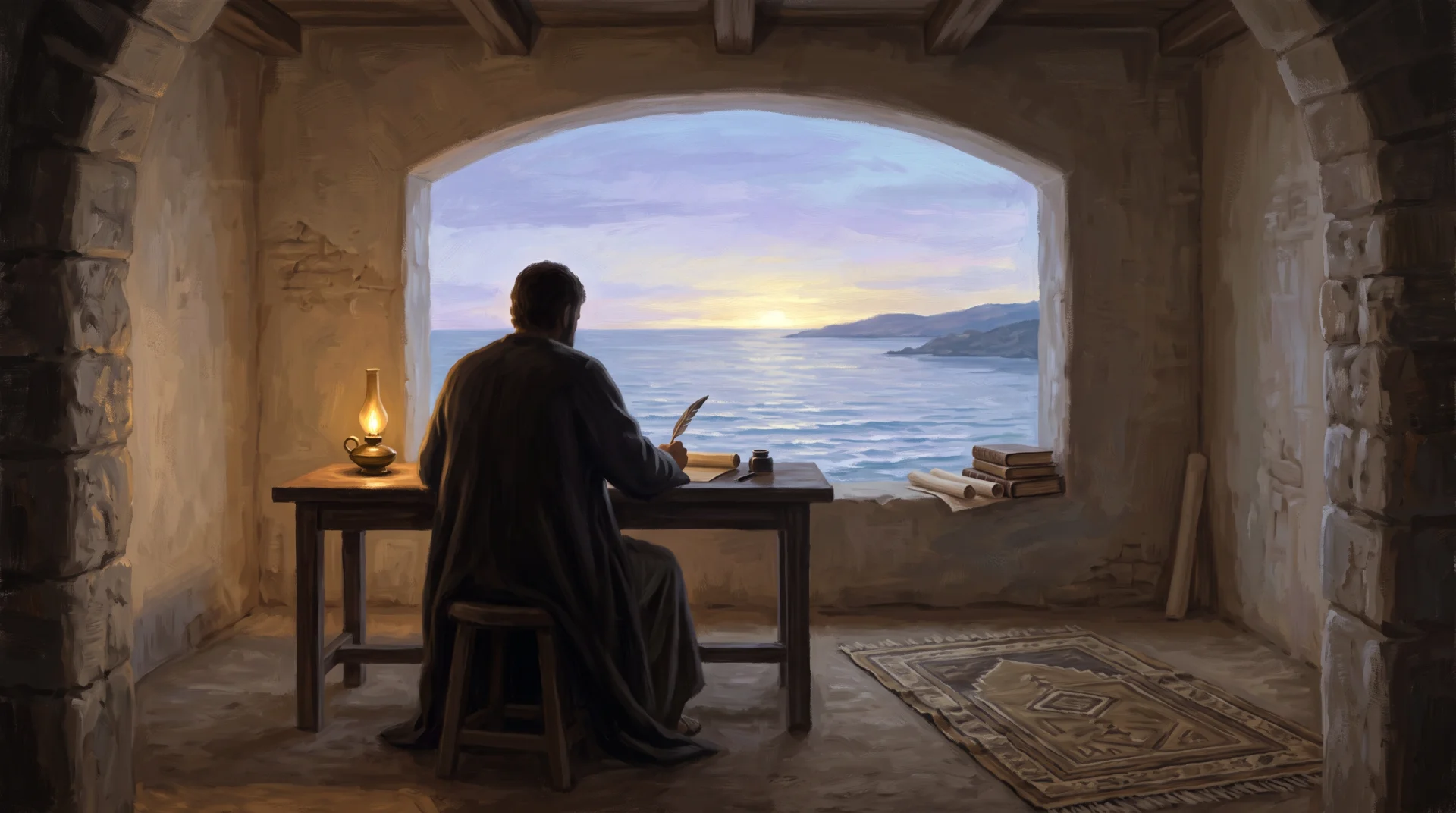
Near the end of the book the author announces a surprise for the reader: he obtained, in some way, a copy of a top-secret document in the Sultan's own hand, a letter he smuggled secretly from exile to a Turkish sheikh explaining the secret of his deposition. A faithful servant delivered it, and the author gives an Arabic translation of part of it, the letter being written in Ottoman Turkish in Arabic script. It opens with the basmala and praise of God.
Scene 9
The Sultan's Letter
In the letter to Sheikh Mahmud Effendi Abu al-Shamat the Sultan says he gave up the caliphate only because of the pressure and threats of the leaders of the Union society (Jon Turk), who insisted he approve a national homeland for the Jews in the Holy Land of Palestine. He refused absolutely, even when they promised 150 million English gold pounds, answering that he would not accept even if they paid the earth full of gold. He had served the Muslim nation for over thirty years and would not blacken the pages of his ancestors. They agreed to depose him and send him to Salonica, and he praises God that he did not stain the Ottoman state and the Muslim world with the eternal shame of a Jewish state in Palestine. It is dated 22 September 1329 AH and signed: servant of the Muslims, Abdul Hamid.
Scene 10
May God Have Mercy on You, Caliph
The author, a young Palestinian, prays for the heroic caliph, whose prediction came true when his country was lost for nothing after the fall of his state. In school he read that the Ottomans were Turkish occupiers and the cause of the ummah's backwardness, but after reading other books he learned their favour was great: they saved the Prophet's tomb from being dug up, spread Islam in Europe, conquered Heraclius's city, rescued the Muslims of Andalusia, and saved Islam from the danger of the Safavid dogs, in his words. After Abdul Hamid came a Donmeh Jew, the so-called Kemal Ataturk, the author says, who abolished the caliphate, Arabic letters, the post of Sheikh al-Islam, the Arabic call to prayer and the hijab, and moved the weekend from Friday to Saturday and Sunday. Everyone thought Islam was finished in Turkey for ever, until half a century later something unbelievable happened. To be continued.
These are English scene notes. The full chapter text, as the author wrote it, is in the app.