


Scene 1
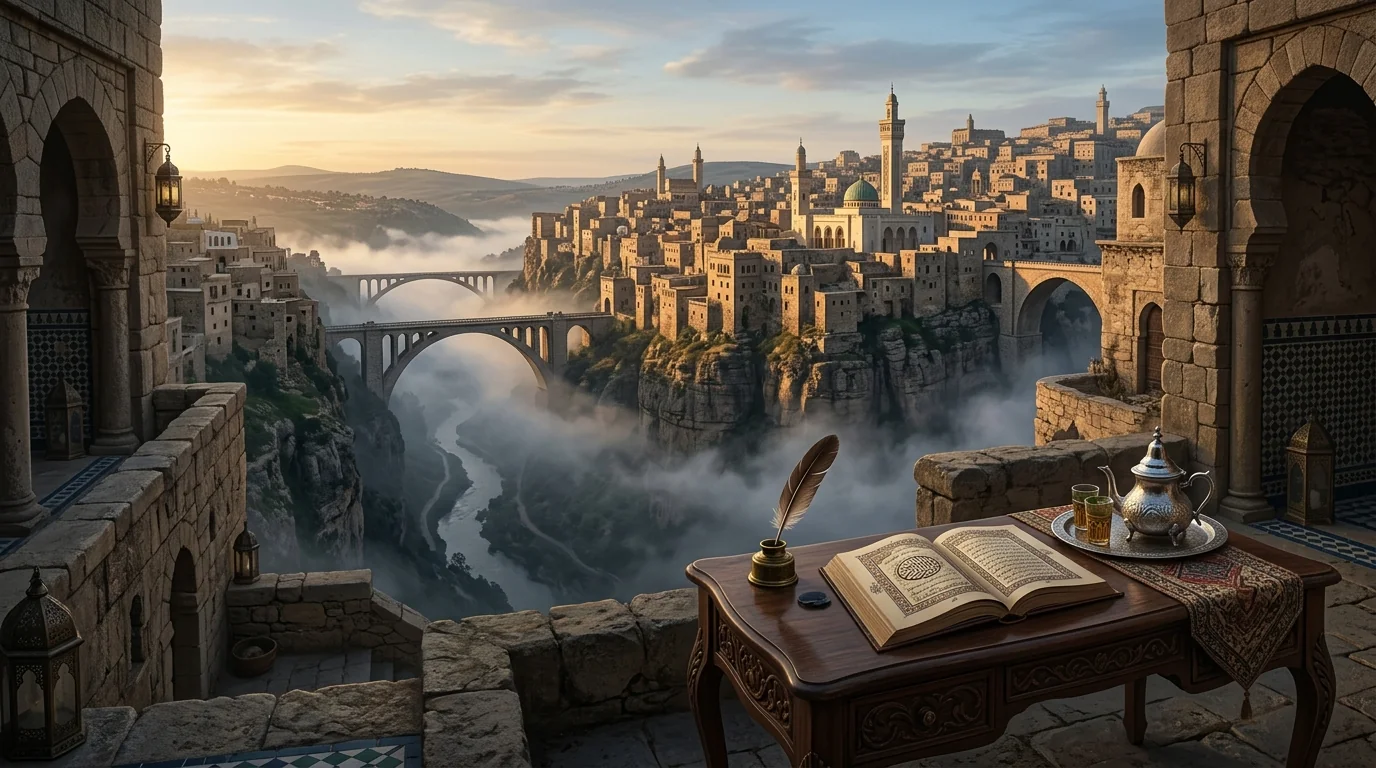
Constantine and Its Scholars
The chapter opens with Imam Abdelhamid Ben Badis's verse that the people of Algeria are Muslim and belong to Arabism. The author says calling Algeria the land of a million martyrs understates it: a million and a half fell in the 1954–1962 revolution alone, and over six million across the whole French occupation.
Scene 2
The Burning of Constantine's Heritage
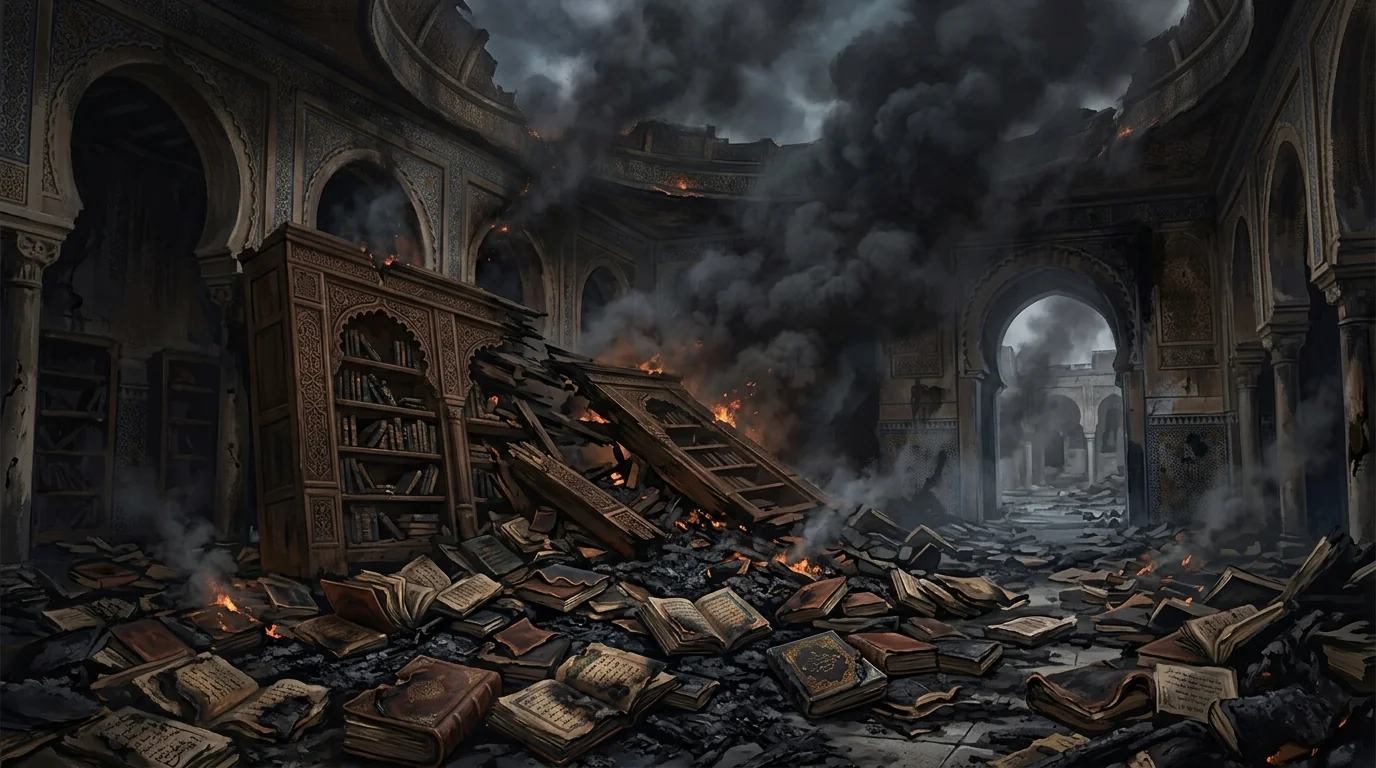
The greater error, the author says, is calling French rule "colonisation", an Arabic word derived from building and cultivating. France and its like came not to build but to ruin lands and kill people; the French burned every book in the library of Constantine, which held rare manuscripts of Andalusian Islamic heritage.
Scene 3
The Lesson of History: From Defeat to Victory
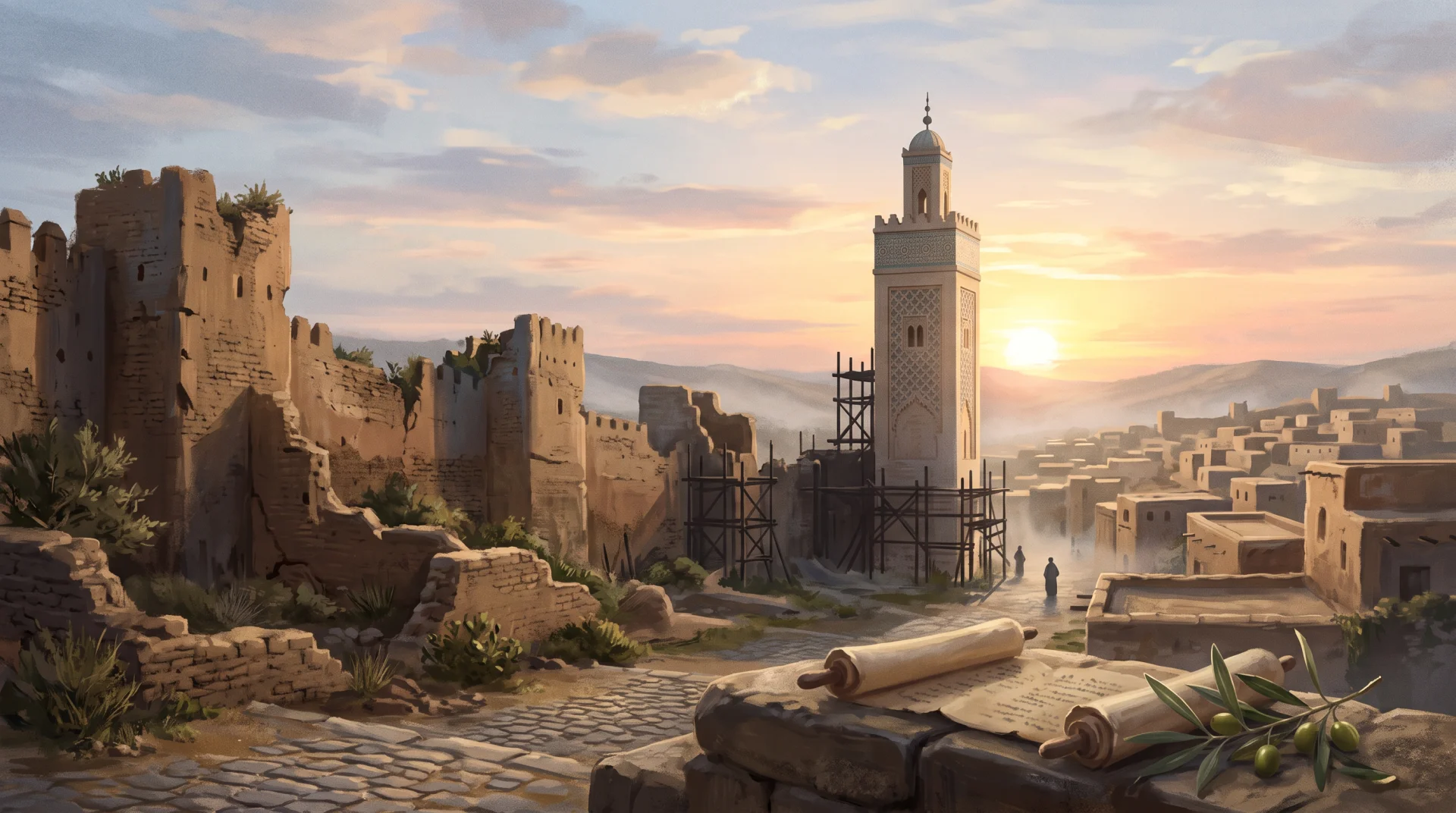
The author says he recounts these details not only as narrative but to draw lessons for rebuilding the nation and moving it from defeat to victory. Those pessimistic about Palestine should know Algeria's situation was a thousand times worse, yet it won independence; Palestinians will too if they follow the same path, for God's law does not change.
Scene 4
The Imam as a Nation in Himself, Heir of al-Mu'izz ibn Badis
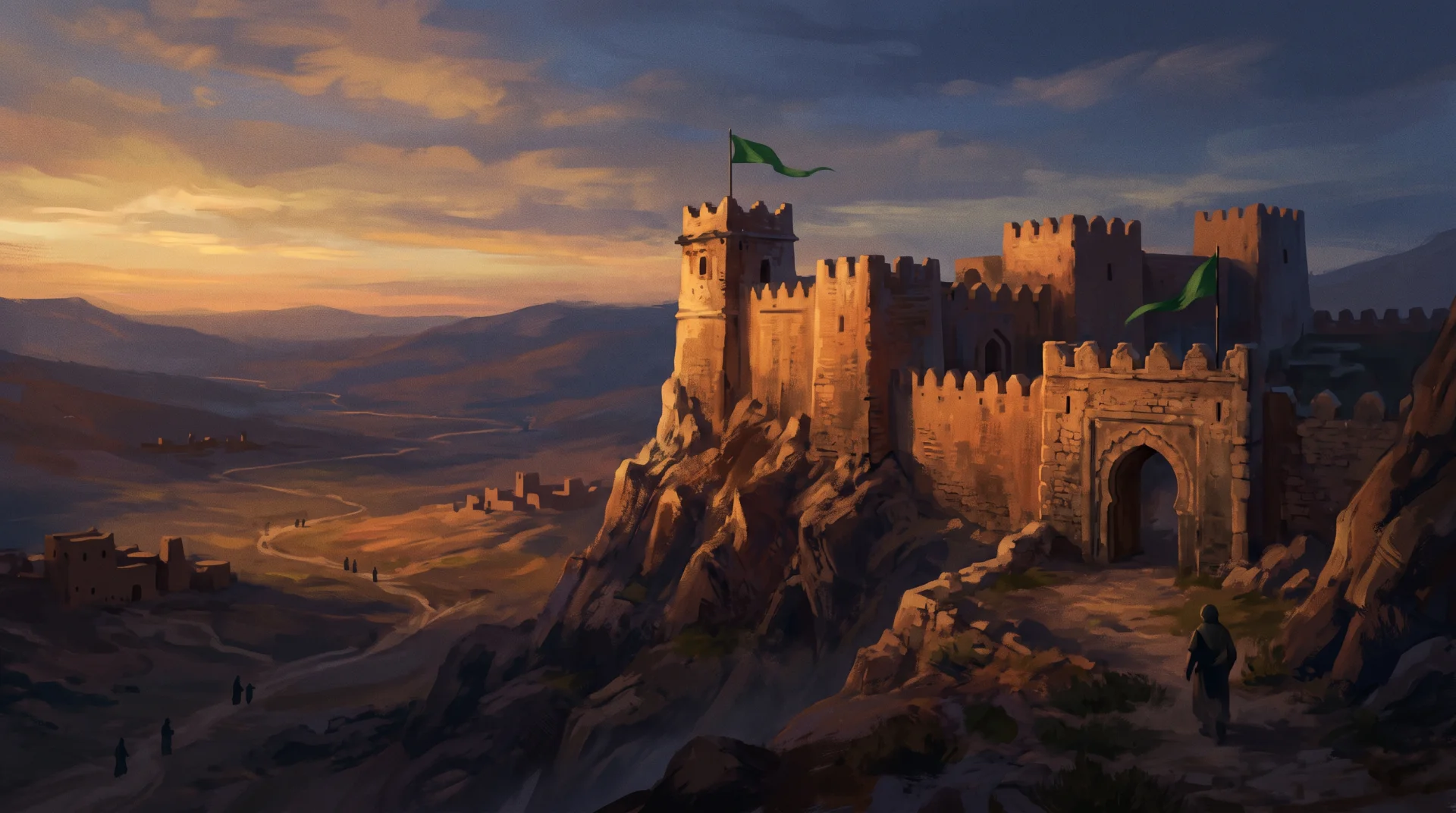
This great hero was not a fighter bearing arms, but a mujahid through whom Allah revived the entire Algerian people; Imam Abdelhamid Ben Badis was a nation in himself. He descended from a family of mujahideen in Algeria: his great ancestor was the great Islamic hero al-Mu'izz ibn Badis, the outstanding mujahid who, the book says, cleansed Algeria of the evil of "the Rafidi Shia", the Ubaydids known as the "Fatimids".
Scene 5
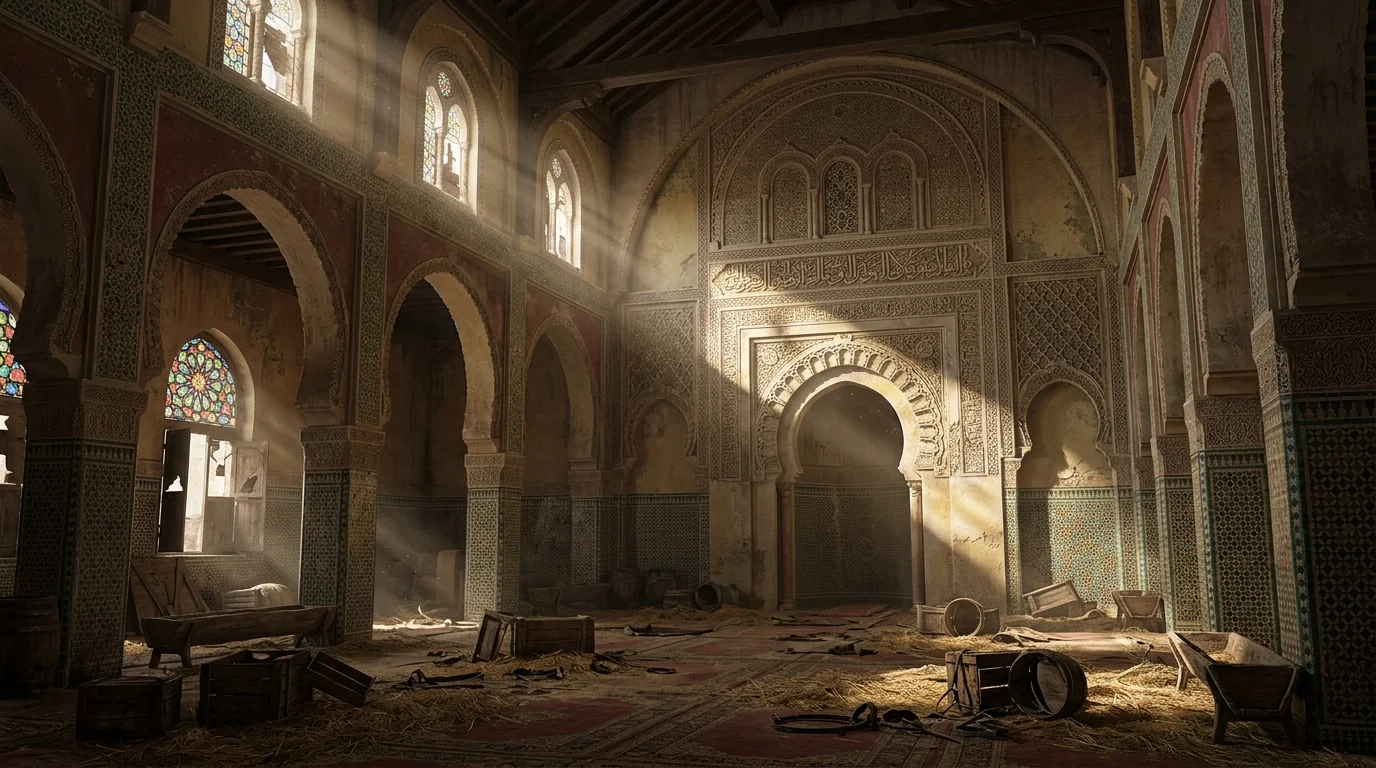
Erasing Identity and the Mosques
Imam Abdelhamid Ben Badis appeared in an age that invited despair and gloom, a time when the flame of resistance had gone out and hopelessness had crept into people's hearts. Yet such a time, the author says, is also when real men appear and the shine of genuine metal shows through.
Scene 6
The Journey of Learning to al-Zaytuna and the Hijaz
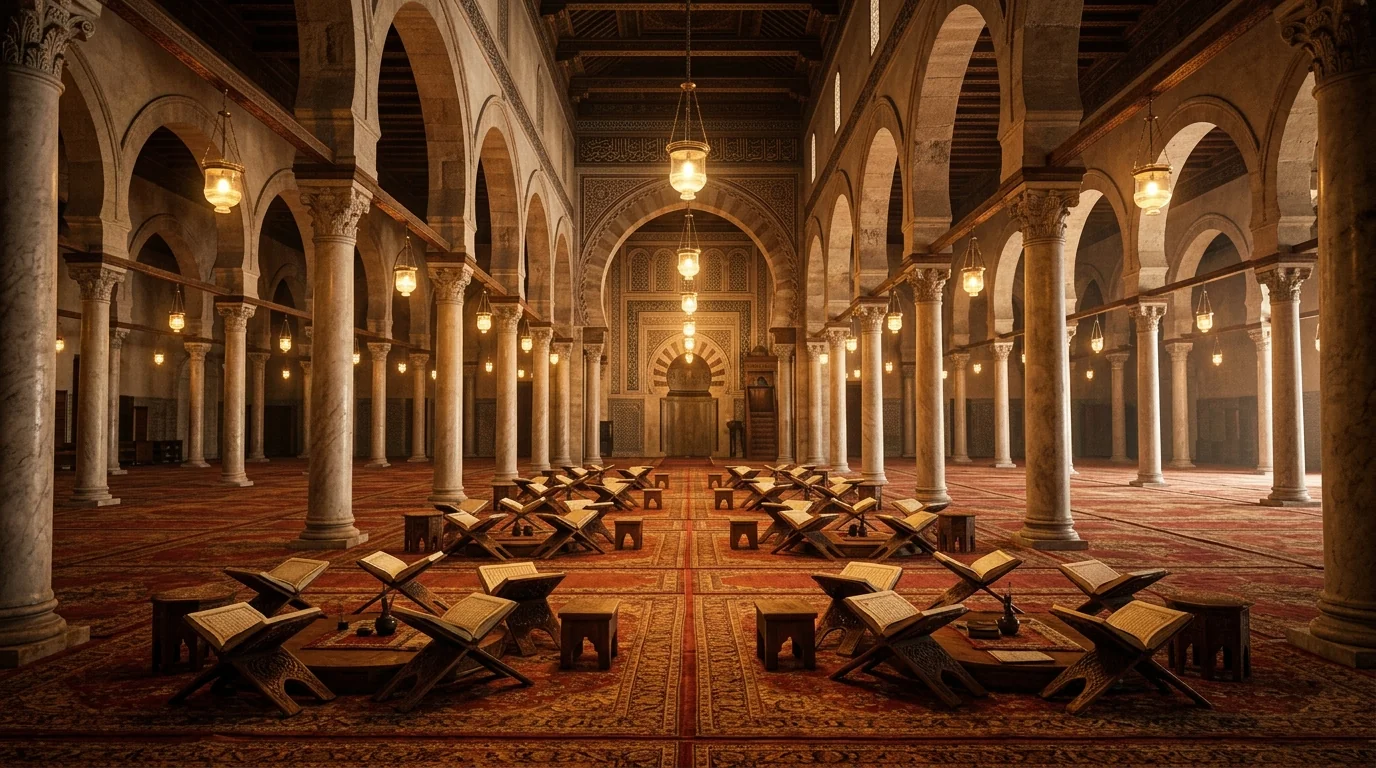
The story begins with a righteous upbringing by parents who taught him the Quran, the Sunnah, love of homeland and jihad. His father sent him to al-Zaytuna, and from there he went on pilgrimage. In Medina, Sheikh Hussein al-Hindi advised him to return and bring Algerians back to God's religion before anything else.
Scene 7
The Jihad of Knowledge and Education
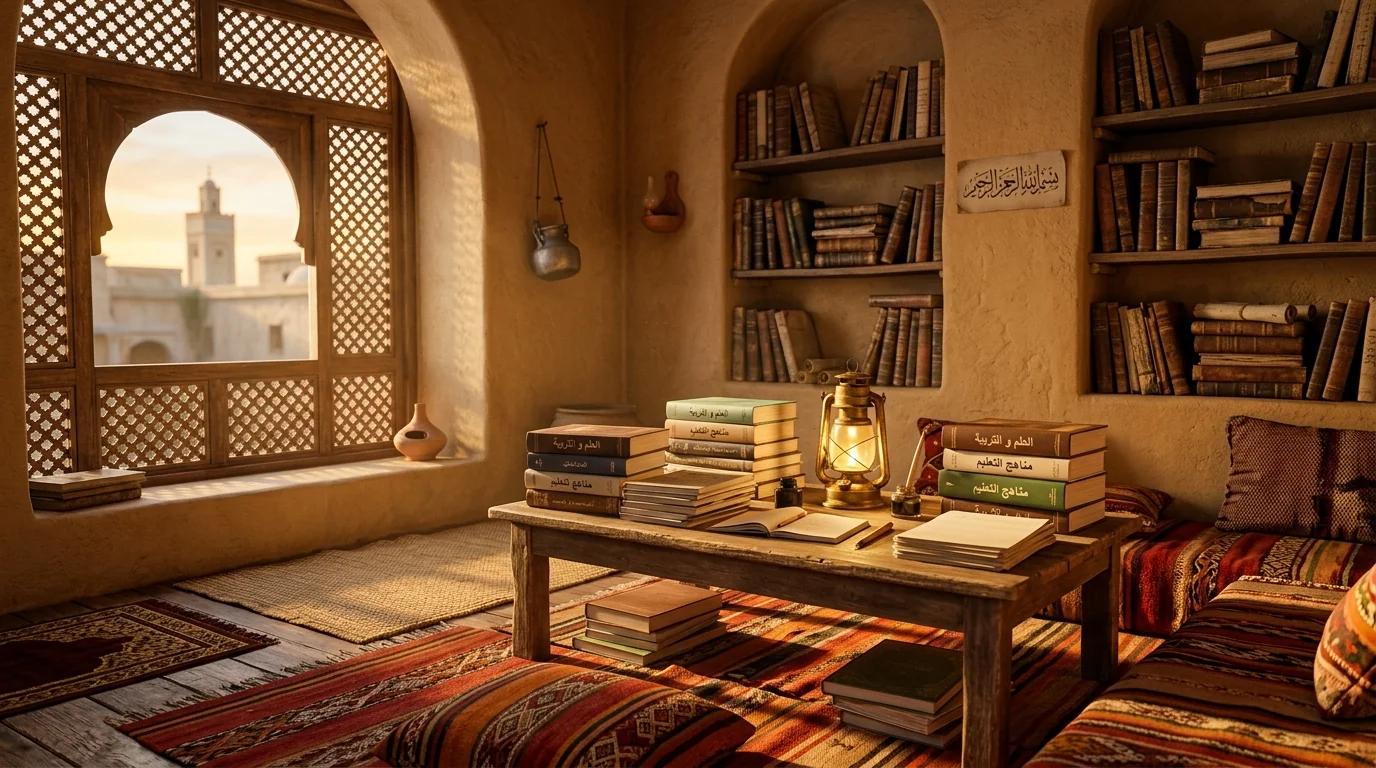
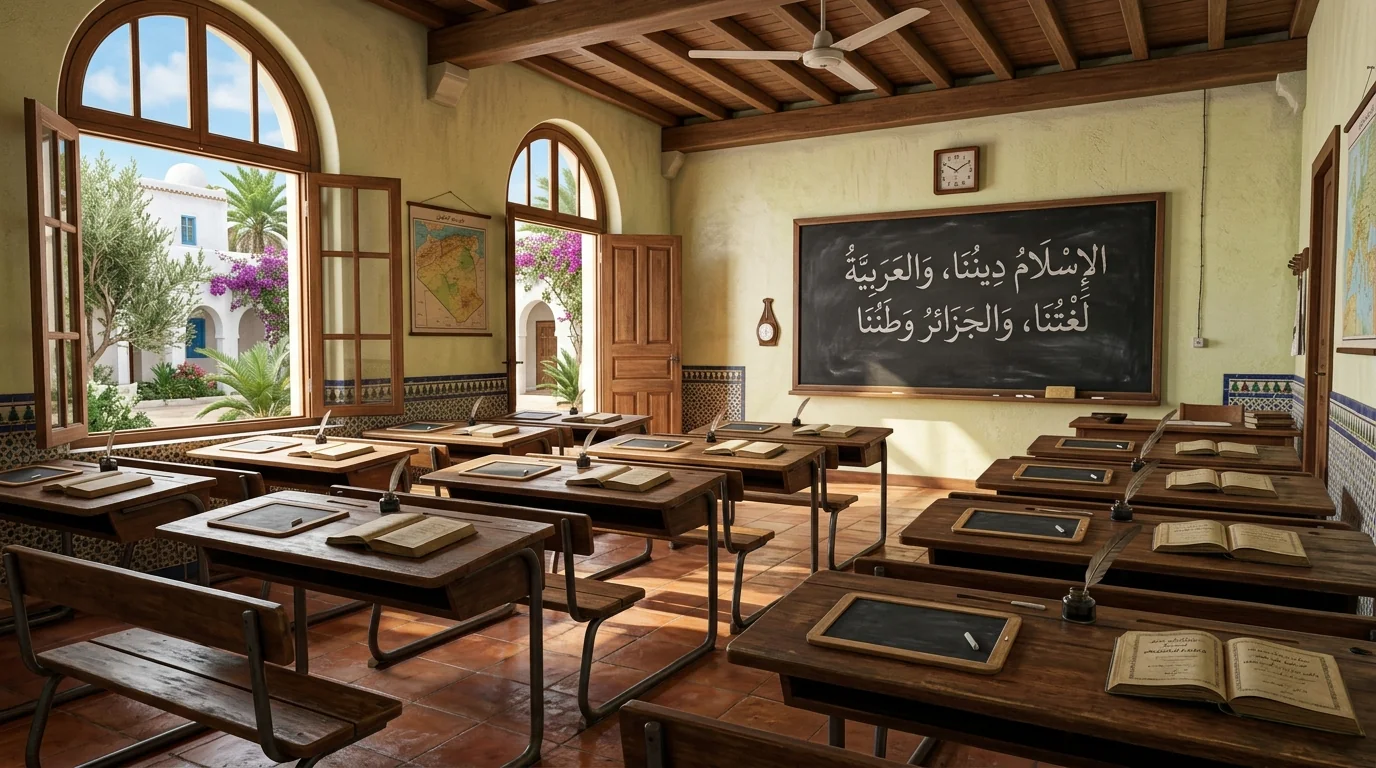
The imam took Sheikh Hussein al-Hindi's advice and returned to Algeria to teach people Arabic and Islam, founding newspapers and schools to educate the rising generation. Building must be sound from the start to last, the author says, unlike movements that appear and vanish suddenly; Ben Badis planted the seedling, watered it and waited patiently for fruit.
Scene 8
Founding the Association of Muslim Scholars
In 1931 Sheikh Ben Badis founded the Association of Muslim Scholars, and Algeria's scholars chose him as its president. He fought the innovations that had spread under French patronage and opposed Sufi orders given to dancing, singing and calling upon the dead, spreading Islam as practised by the Prophet ﷺ and his Companions.
Scene 9
A Prayer for Algeria's Martyrs
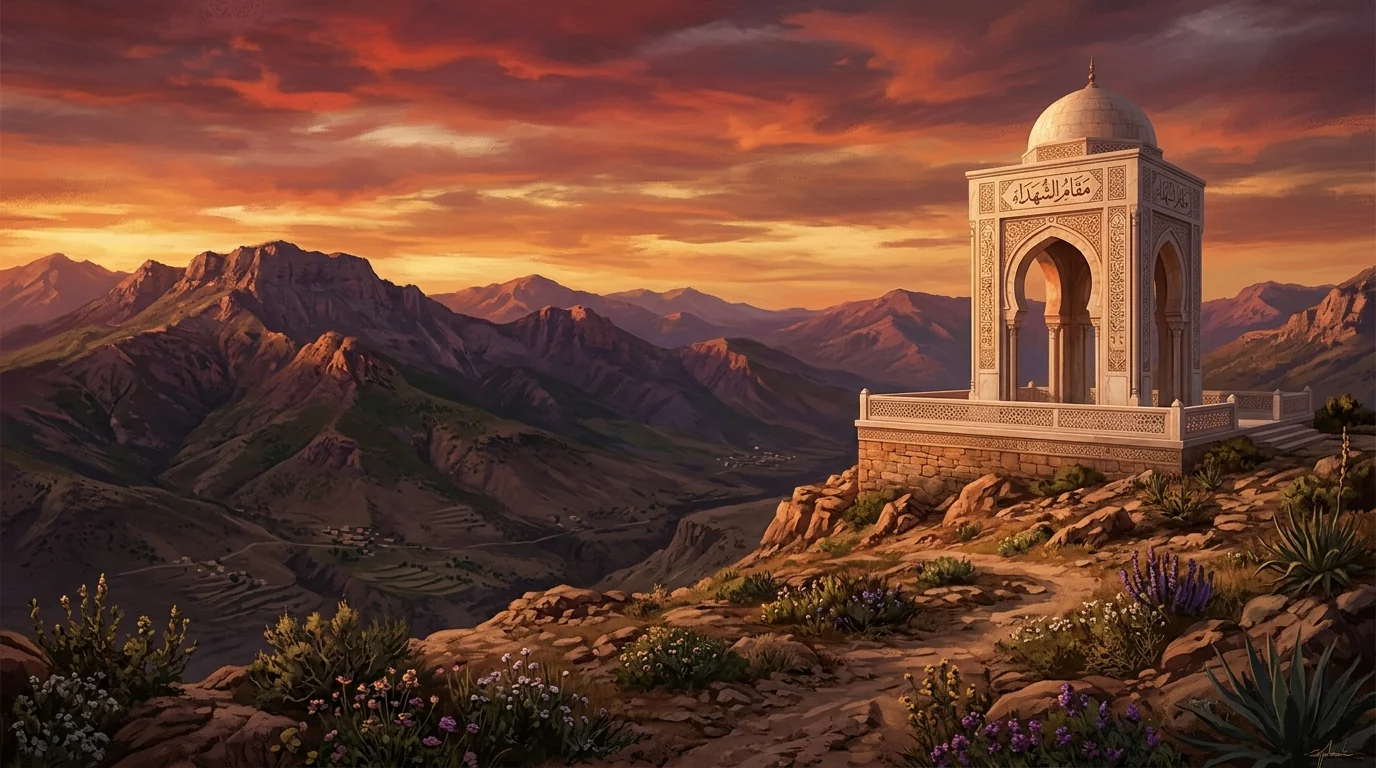
The sheikh died at fifty-one without seeing independence, but the generation he raised lit the revolution. In 1962, after more than 130 years of French rule and efforts to Christianise Algerians, the country became independent; today over 99 percent of its people are Muslim. The author prays for Algeria's fighters, its martyrs and the imam.
Scene 10
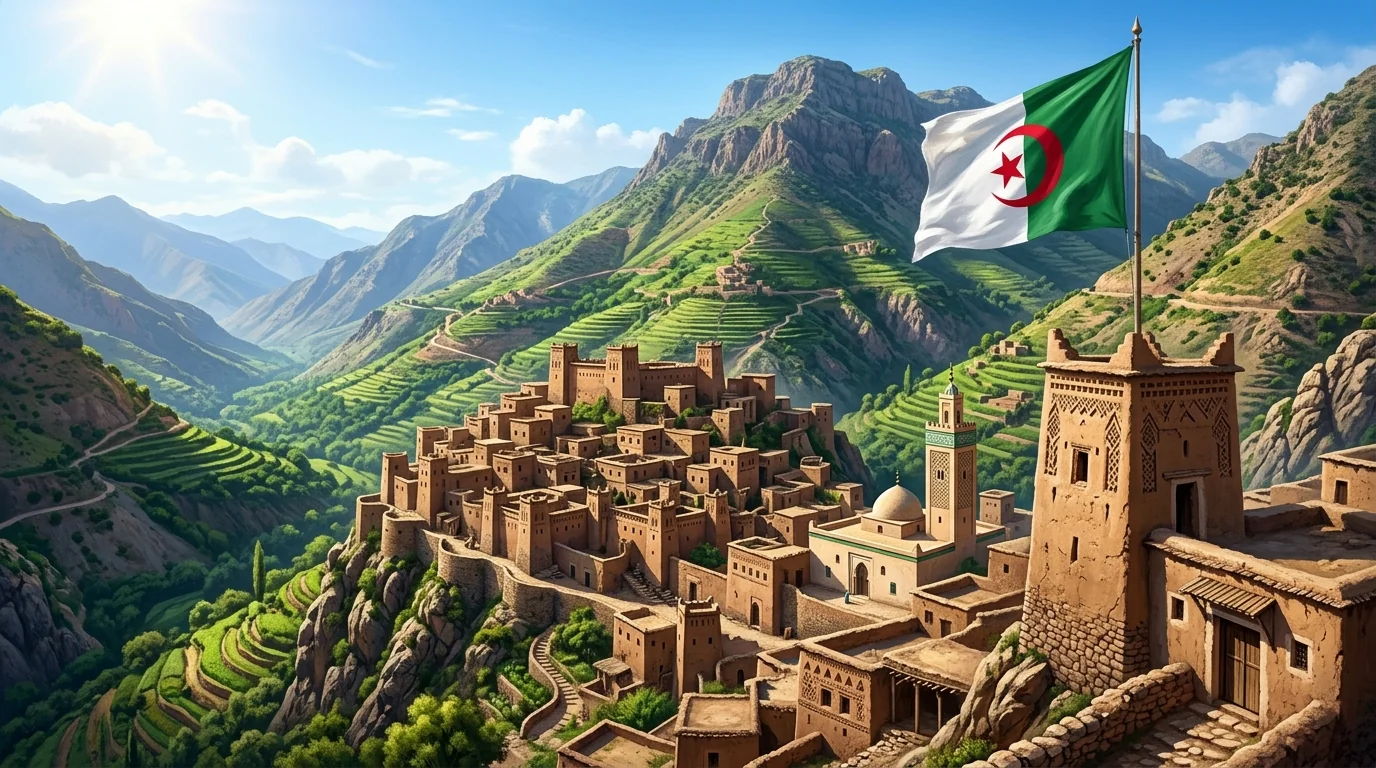
Long Live Algeria and the Arabs
The imam's last verse declared that if he perished, his cry would be "Long live Algeria and the Arabs". The beauty of it, the author says, is that Ben Badis was not himself an Arab. To which Muslim people did he belong, a mighty people who embraced Islam at the dawn of the conquests?
These are English scene notes. The full chapter text, as the author wrote it, is in the app.