



Scene 1
The Warrior We Forgot
The chapter opens with Ibn Fadlan's own words: the old witch, the angel of death, said the team must be thirteen warriors, one not from the north, and he was chosen. The author says nearly everyone knows Sindbad but hardly anyone has heard of Ibn Fadlan, whose popularity he puts at 0.01 percent against Sindbad's 150 percent.

Scene 2
Sindbad, Aladdin and Ali Baba
The author says it is a shame to ignore our real heroes. He calls Sindbad a fictional character from the Arabian Nights, Aladdin a failed youth, and Ali Baba a thief, and asks what example these are. He claims no great man of any nation equals one great man of Islam, and says the history of Islam is the history of the earth.
Scene 3
Civilization and Rivers
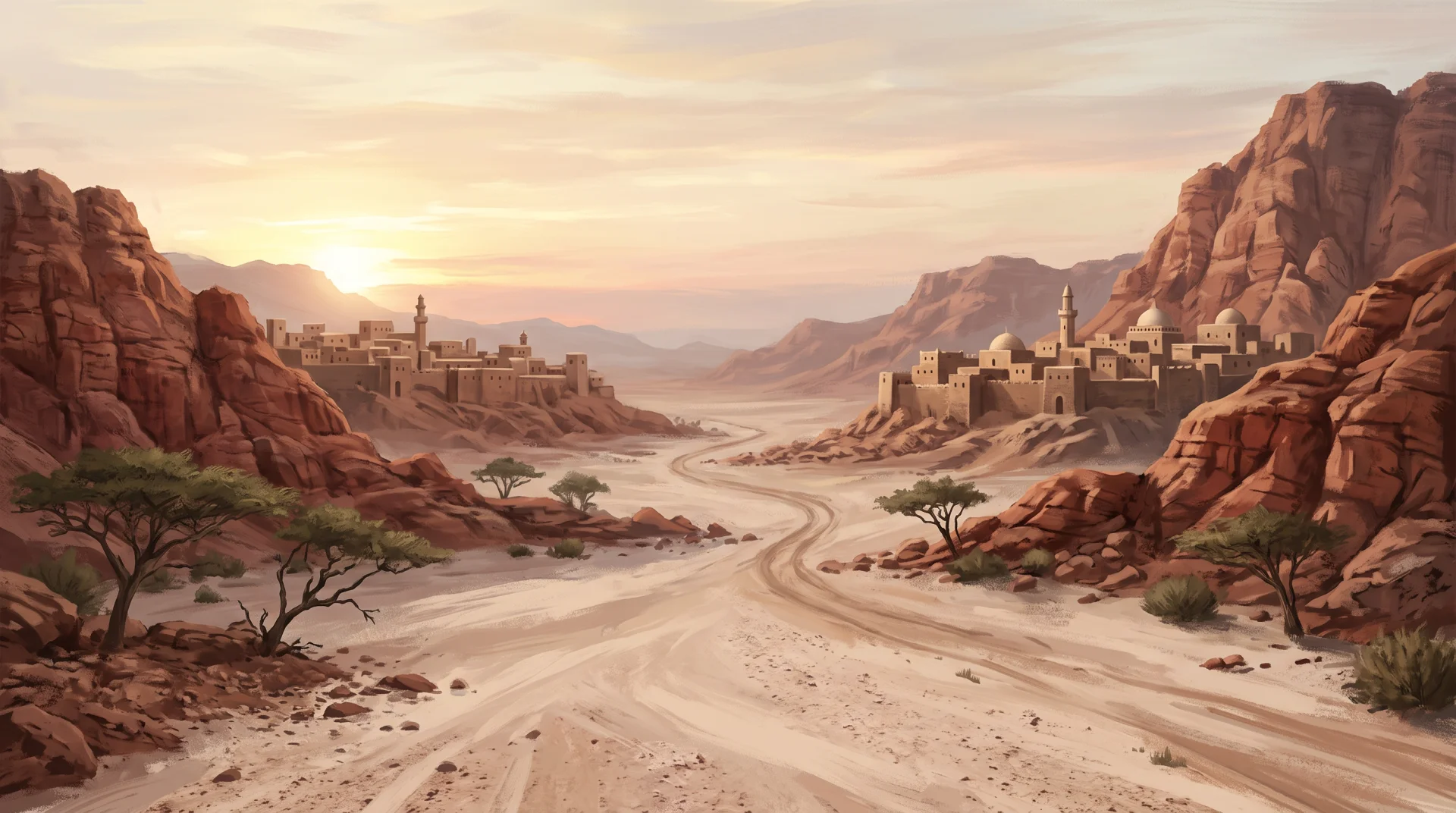
School books say civilizations rose on river banks, yet no river ran between Mecca and Medina when Muhammad carried the torch of civilization. Ibn Fadlan's story shows what civilization means and how ignorant we are of him. A Hollywood film, The 13th Warrior, was made in 1999, and the author says it distorts the story.
Scene 4
The Mission from Baghdad to the Bulgars
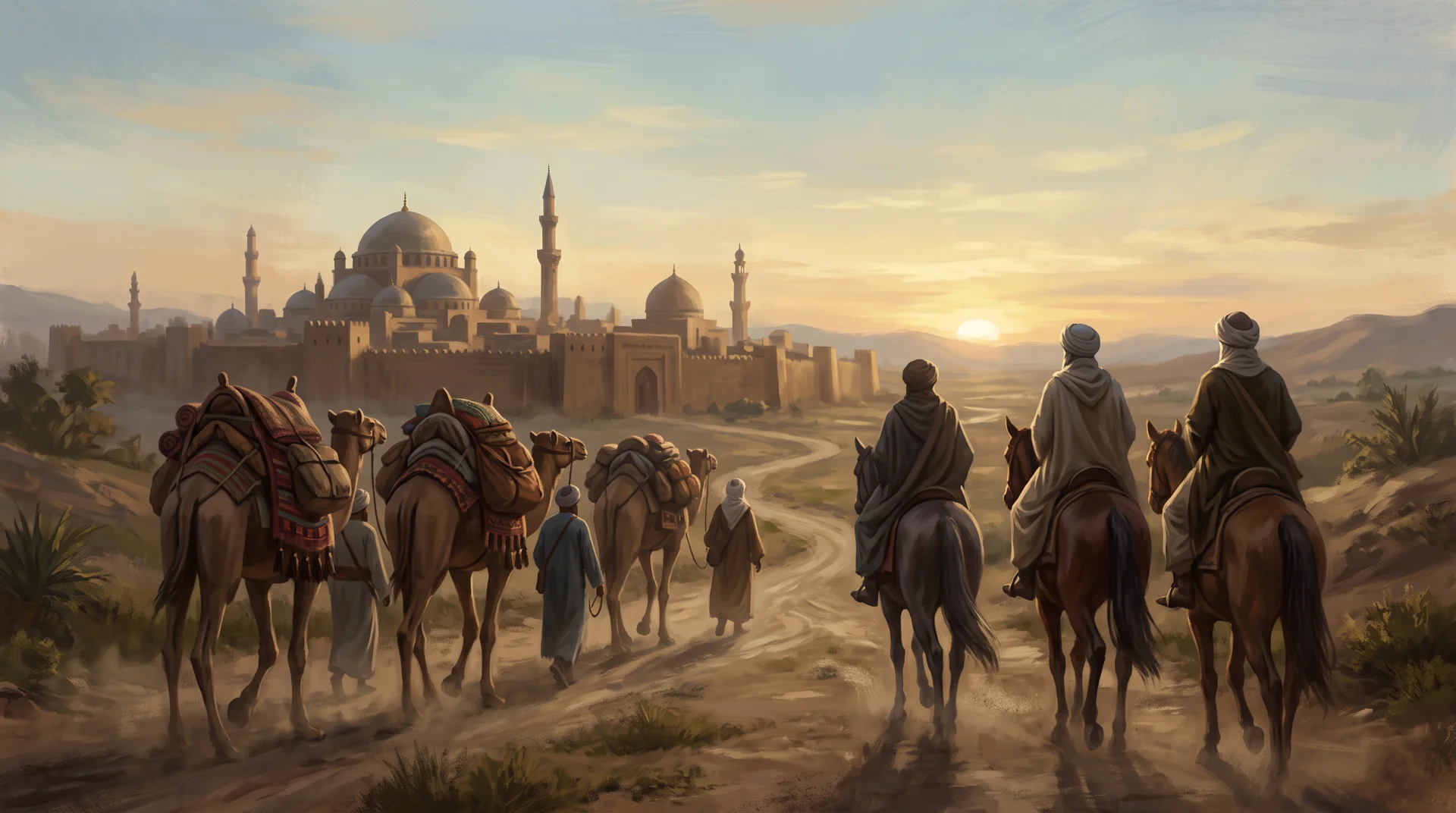
The story begins on Thursday, the eleventh of Safar 309 AH, when Ibn Fadlan led a mission from Baghdad on behalf of Caliph al-Muqtadir, at the request of the Bulgar king Almish, who asked to learn about Islam. The author adds that the Abbasid state was not as fragmented as people think, and that the Abbasids too sent preachers.
Scene 5
Distorting the Story
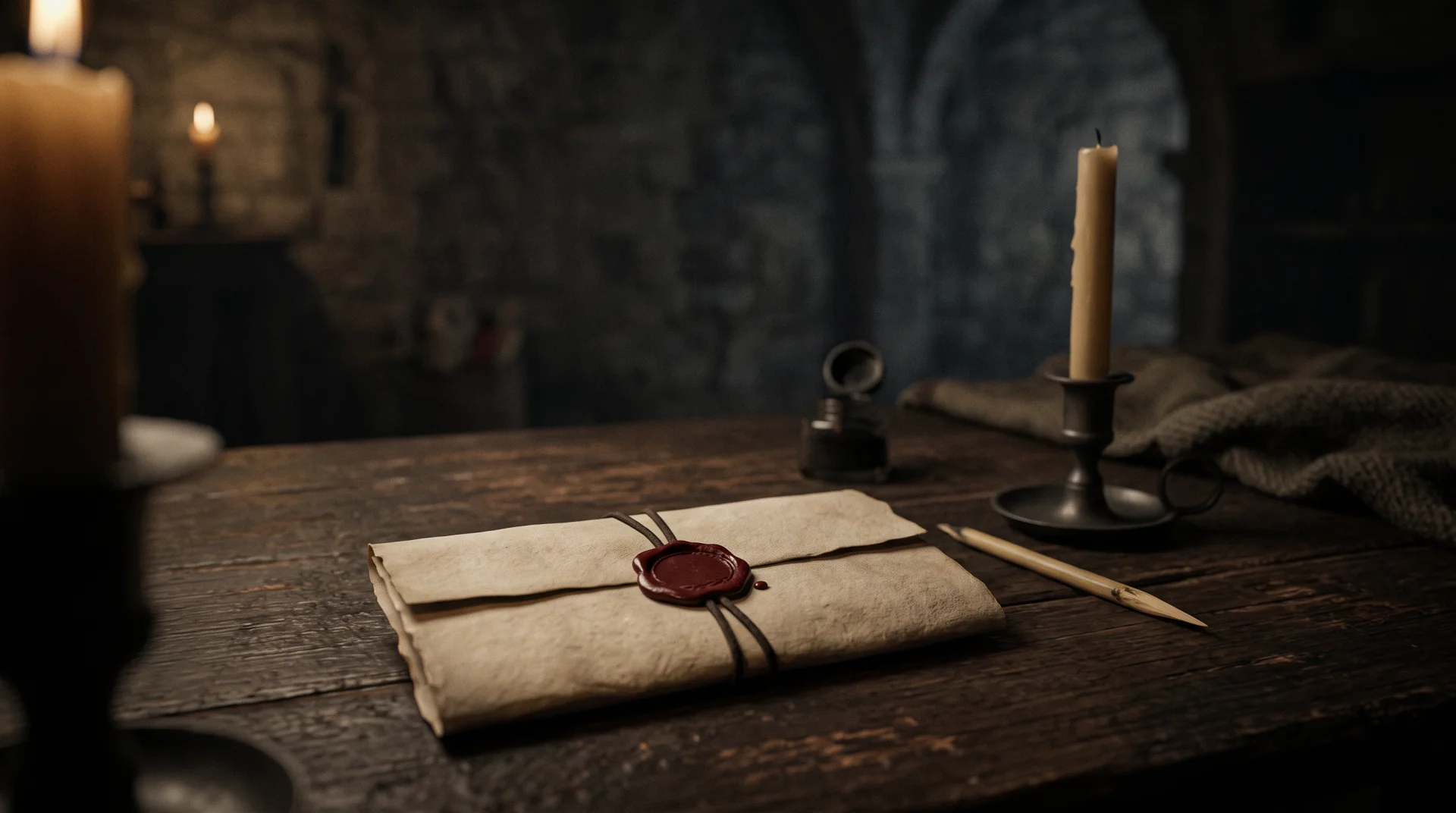
The second point concerns Western novels and films that claim the caliph sent Ibn Fadlan away to be rid of him over a mistress. The author rejects this, links it to a Bible story about David that he says falsely accuses a prophet, and quotes it. He adds that Arab writers repeated the Western account and turned a preaching mission into a sexual tale.
Scene 6
Ibn Fadlan Among the Vikings
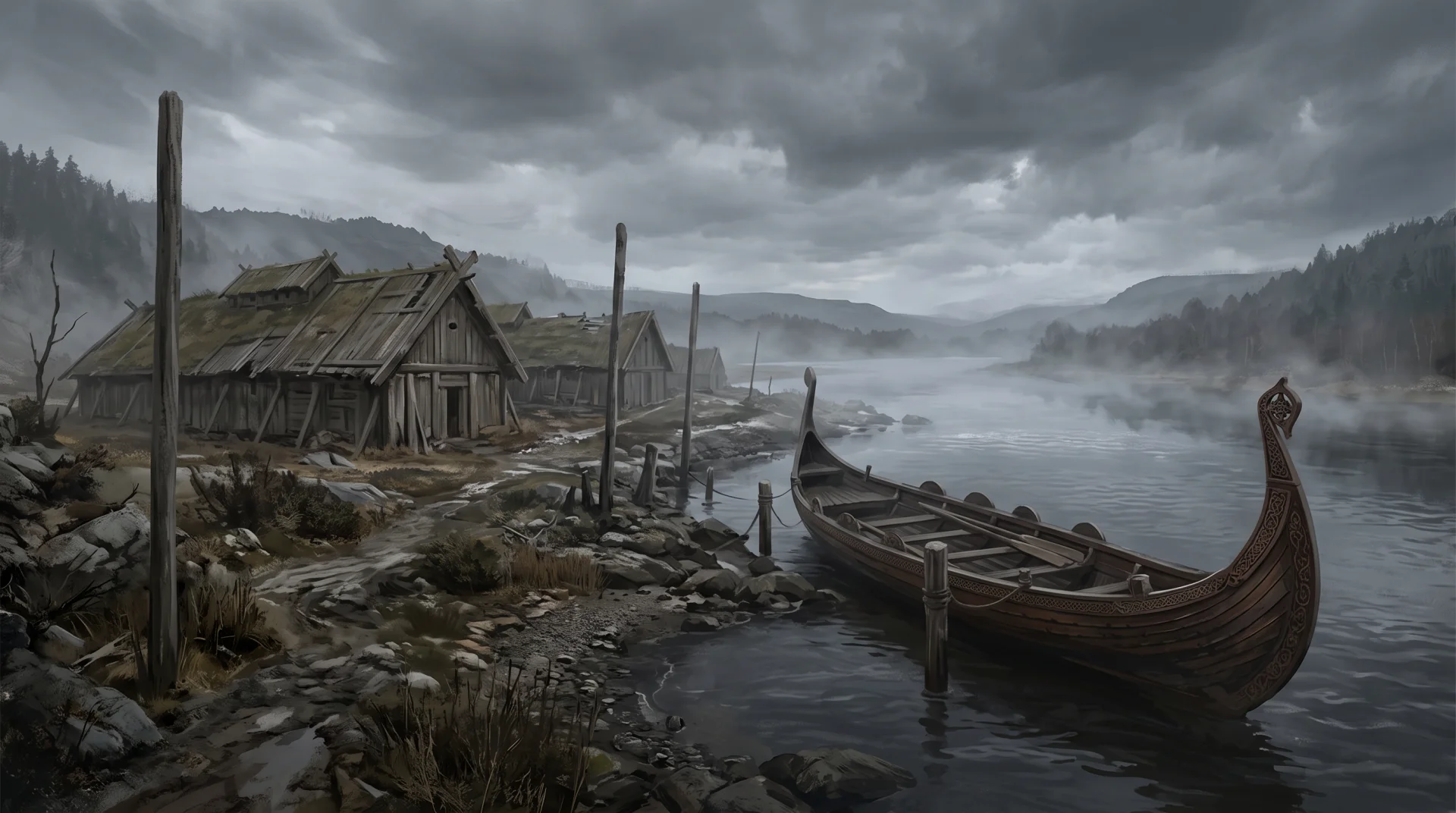
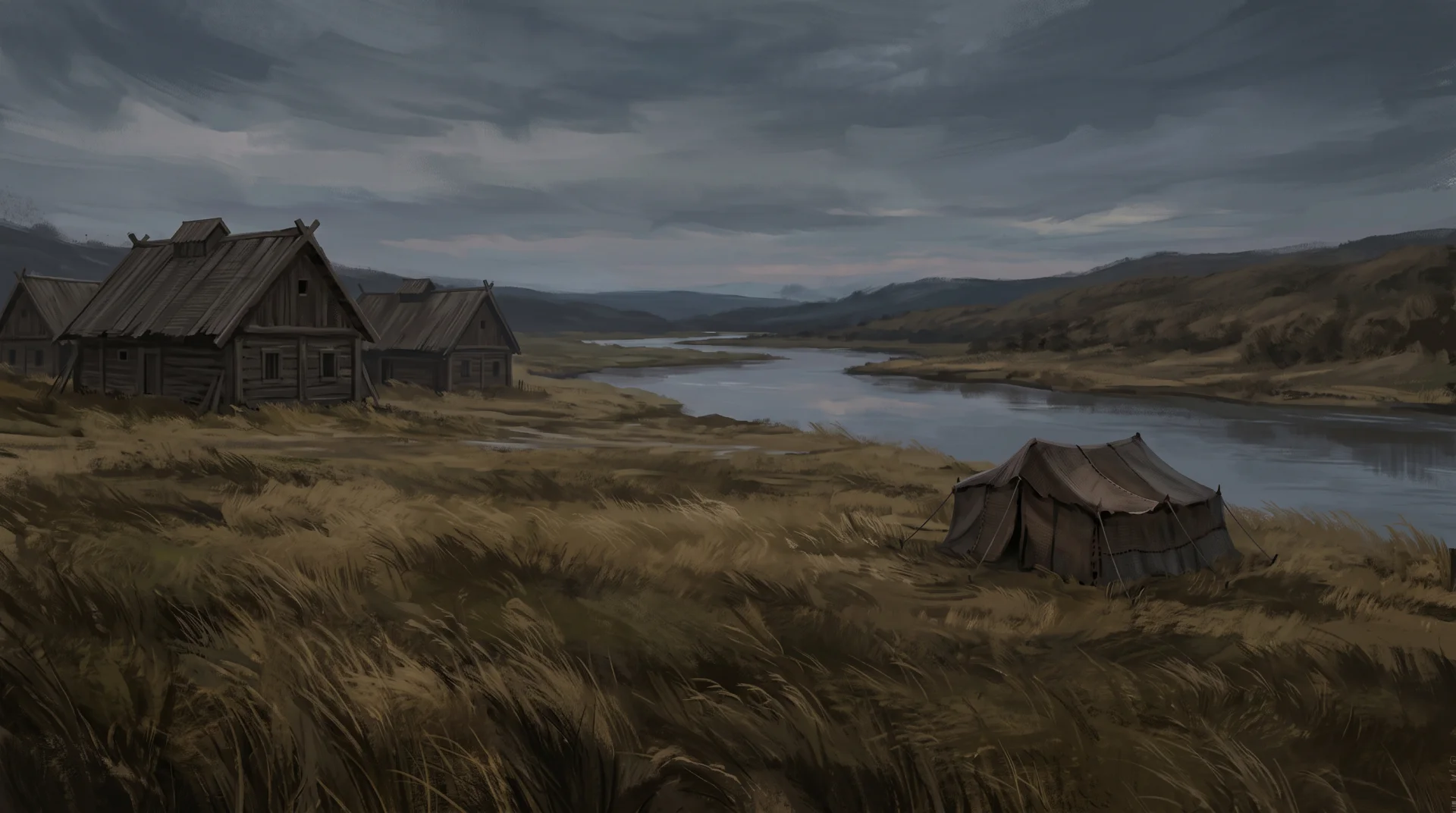
Ibn Fadlan reached Russia and found Vikings. In his own words, they were the filthiest of God's creatures, who do not wash after impurity, share one basin of water each morning, and on arriving at their moorage bring bread, meat and drink before a tall wooden post carved like a man.
Scene 7
Their Prayers and Customs
A merchant prays to the wooden figures for a rich buyer and, when he sells, offers animals that the dogs then eat. A sick man is left alone in a tent with bread and water, and a dead slave is left to the dogs. For chiefs, he heard of rites with burning, and the garments are sewn for ten days.
Scene 8
The Funeral Rite
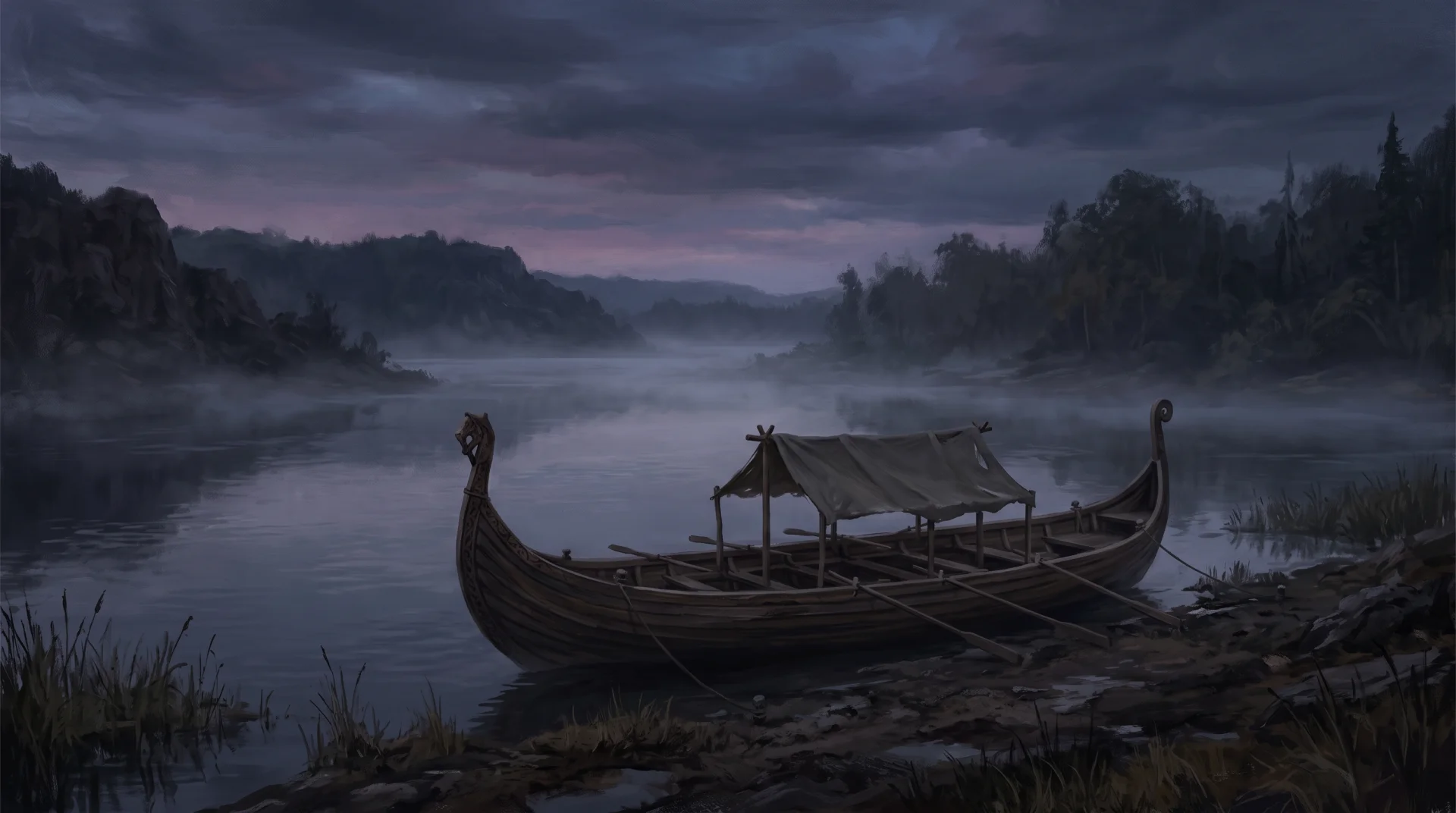
When a great man dies, he is laid in a grave for ten days. A slave girl volunteers to die with him, and an old woman called the Angel of Death presides. Ibn Fadlan describes the ship, the offerings and the end, when the girl is killed and the ship is burned with everything in it.

Scene 9
The Thirteenth Warrior
After these sights, Ibn Fadlan prayed two rakahs of thanks and decided to return, but a succession struggle erupted between two chiefs. A messenger from Sweden warned of dangers there, and the old woman said the team must be thirteen warriors with one non-Northerner. So he became the thirteenth warrior, and said he counted himself among the dead.
Scene 10
On to India
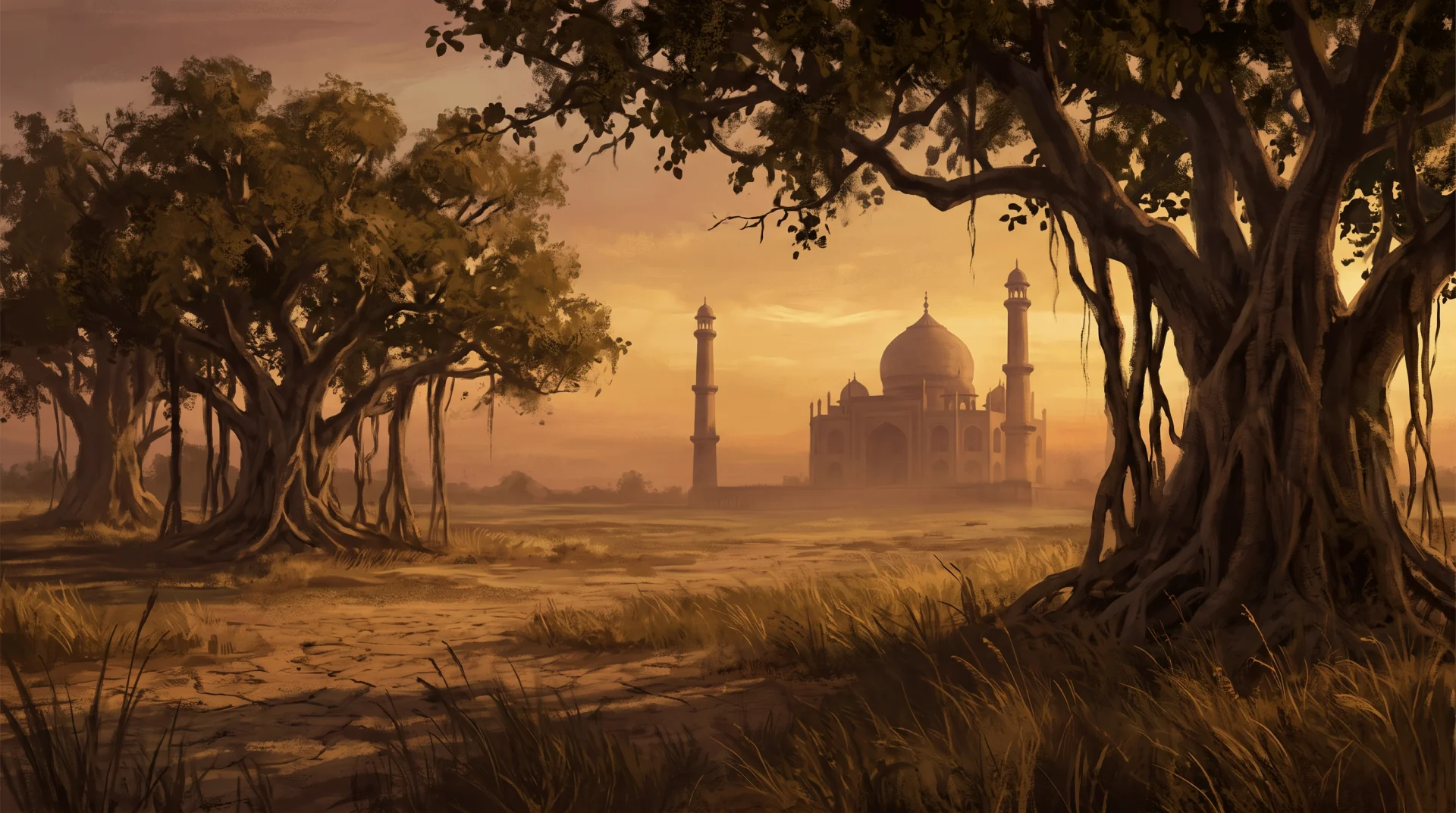
The author says the rest of the adventure cannot fit in his book, and advises reading Ibn Fadlan's famous account while beware of Orientalist insertions. Then he turns to a warmer land: a sultan through whom five hundred million Muslims came, one in three Muslims today, and questions about Islam in India, the four castes and the Taj Mahal.
These are English scene notes. The full chapter text, as the author wrote it, is in the app.