


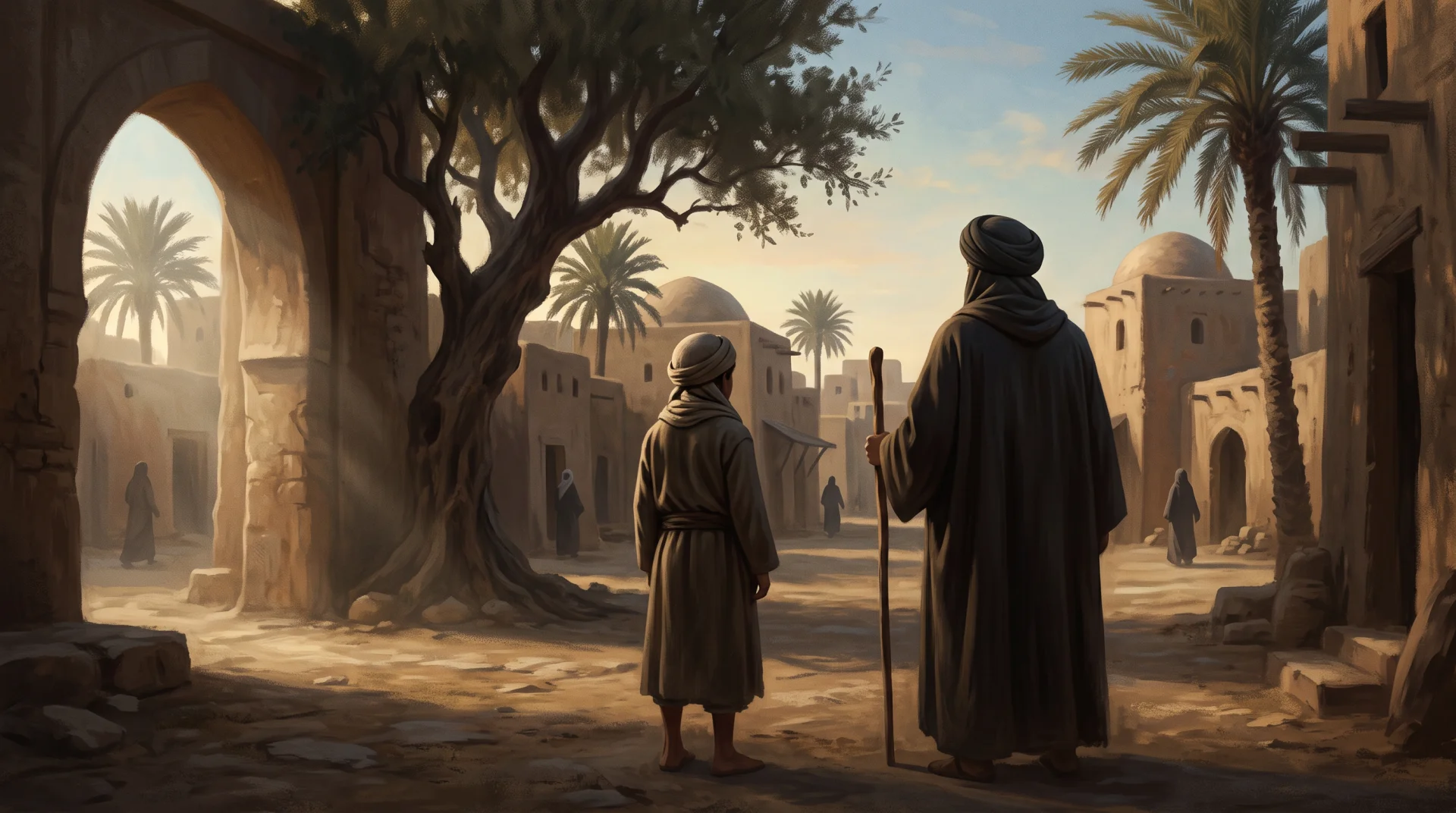
Scene 1
The Prophet's and Umar's Praise, and a Boy's Anger at Ibn al-Aas
The chapter opens with the Prophet's ﷺ words that people submitted while Amr ibn al-Aas believed, and Umar's naming him the Artabun of the Arabs. The author recalls being a ninth-grader in Rafah, furious at studying a man his textbooks painted as treacherous, and now asks Amr's forgiveness in writing.
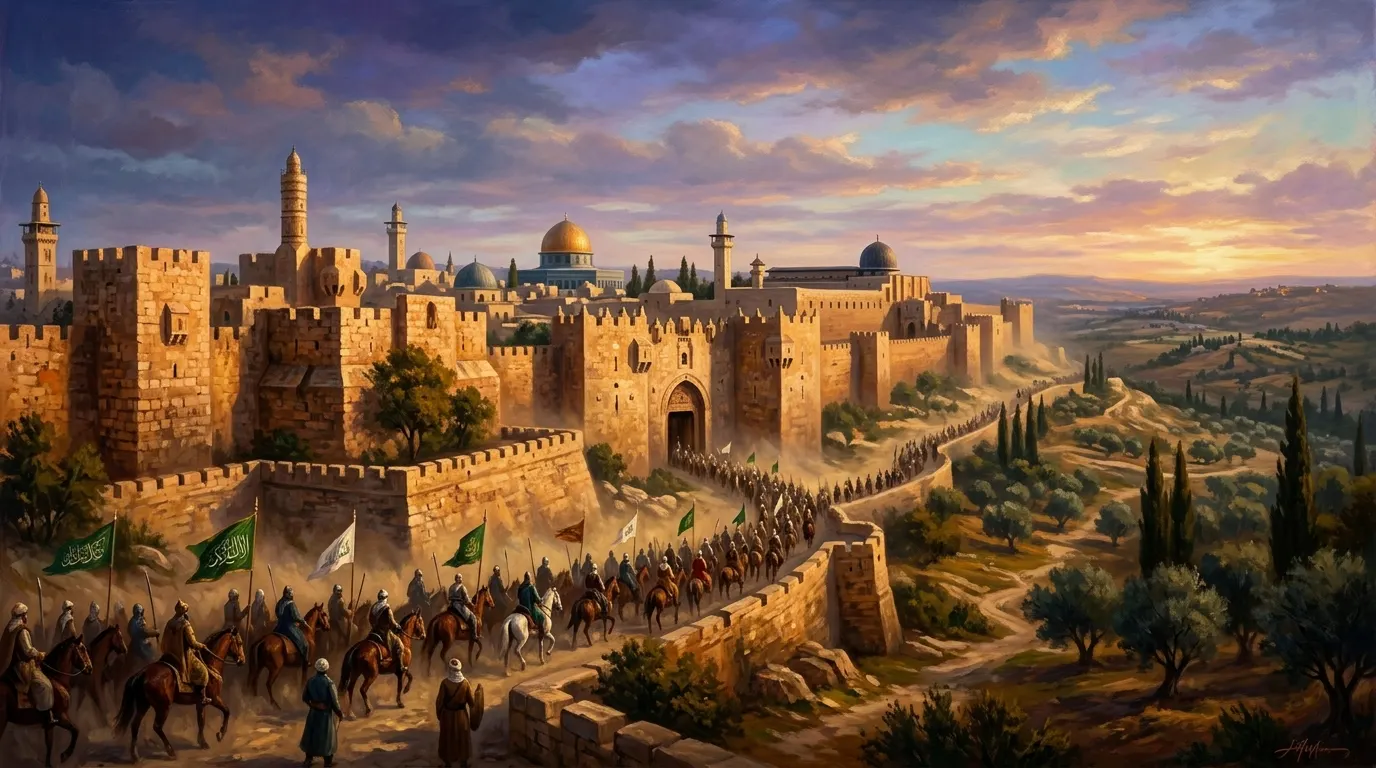
Scene 2
The Artabun of the Arabs and the Theory of Historical Invasion
The author says his former ill opinion of Amr ibn al-As did not come from nowhere: he was a victim of what he calls the theory of "historical invasion", more dangerous than tanks, planes or cultural invasion. The invaders destroy the reasons for our existence in history by casting doubt on and defaming the nation's symbols, and therefore the narrations they transmitted, spotlighting periods of weakness or inventing imaginary stories. "Those malicious ones" turn our heroes into filthy killers and our scholars into madmen, or erase them from history altogether.
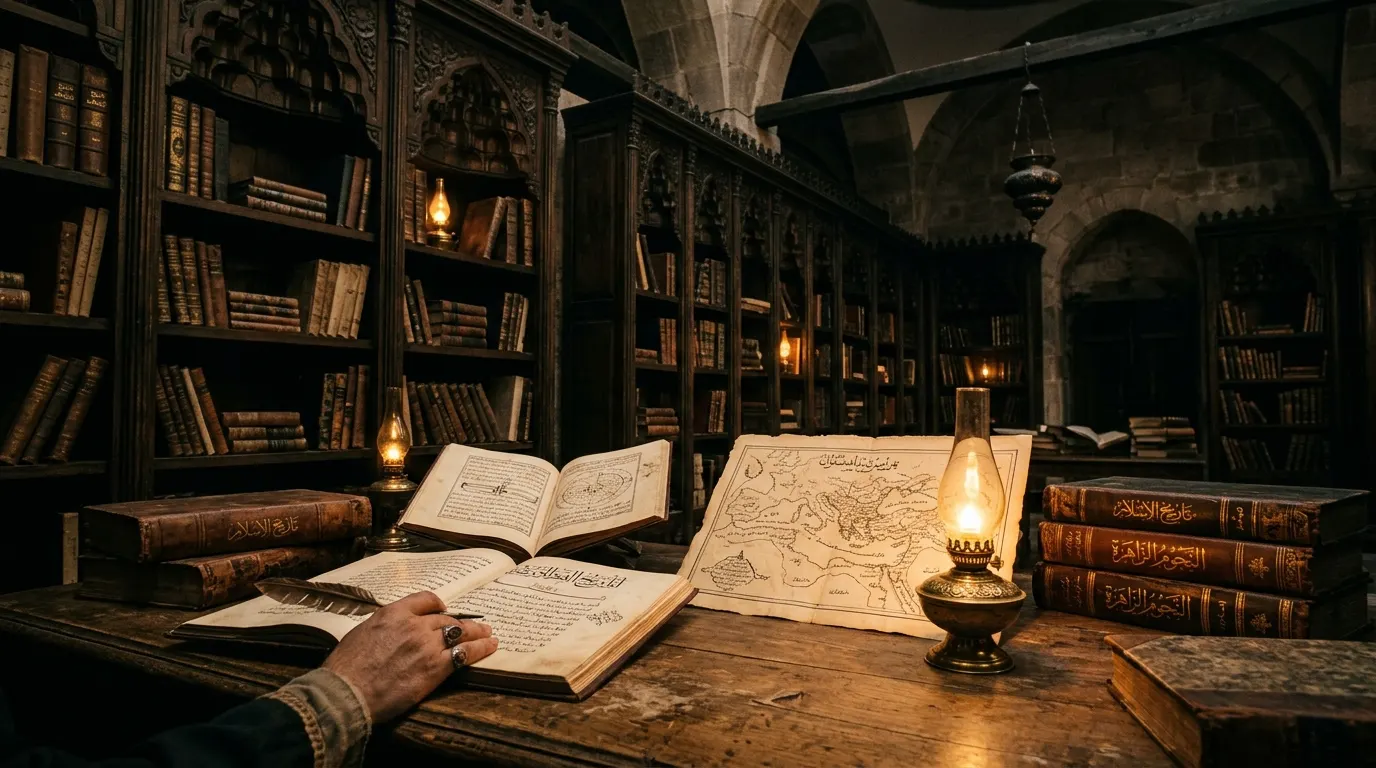
Scene 3
Falsified Awareness and the Plot to Smear Our Icons
The same invaders, the author argues, glorify figures such as Napoleon and Einstein while Amr becomes a war criminal and Abbas ibn Firnas a mad scientist, and real heroes like Ahmad ibn Fadlan are replaced by Sindbad and Aladdin. Once role models collapse, Muslims fall too. Amr, he claims, is the second most defamed figure of all.
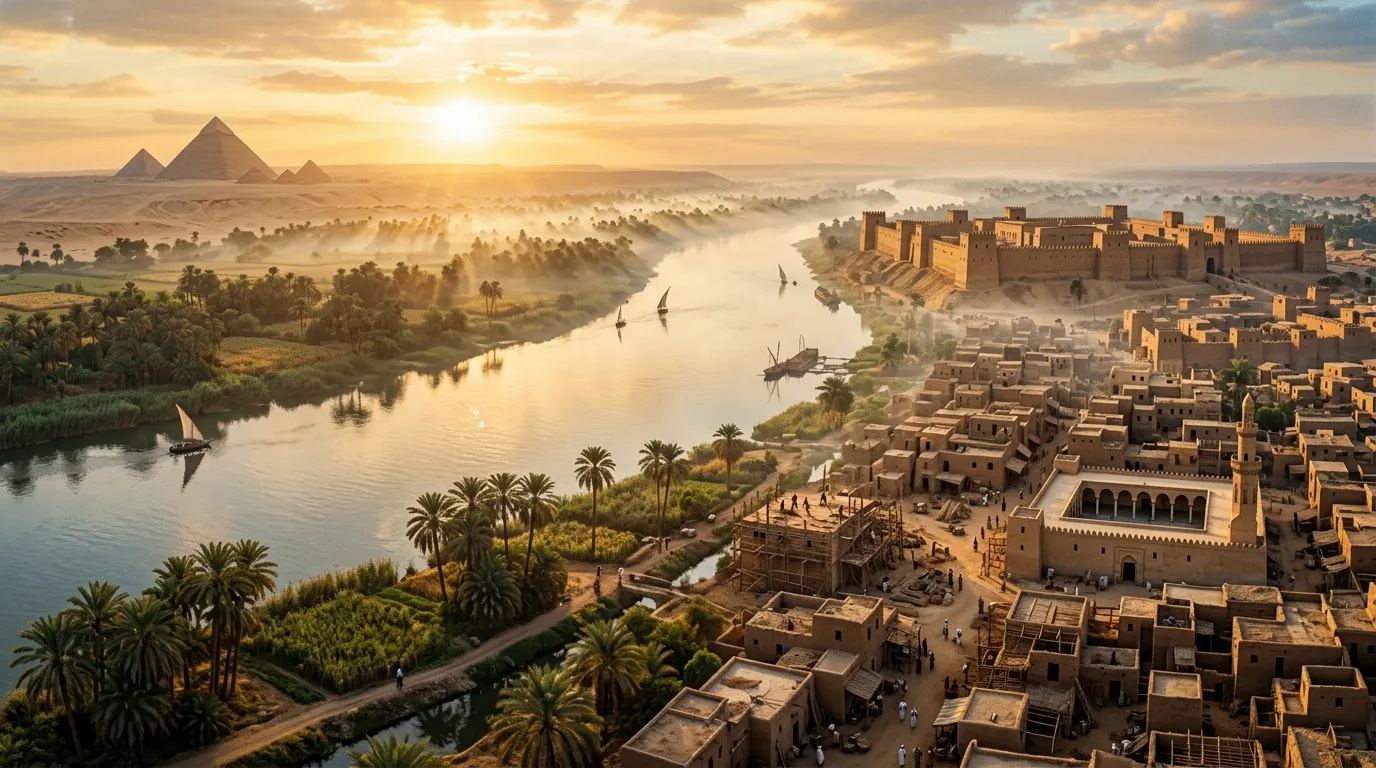
Scene 4
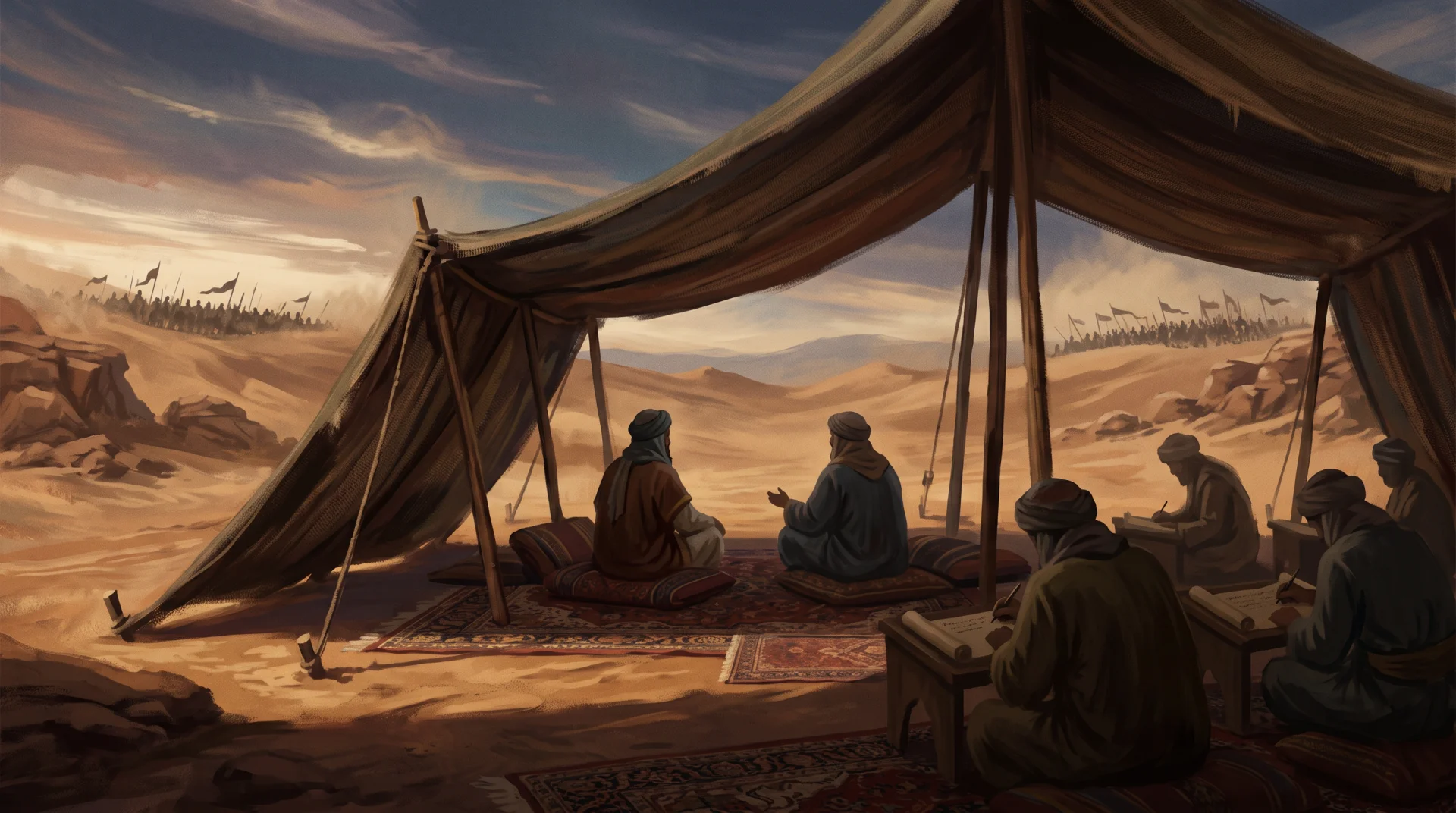
Conqueror of Jerusalem and Liberator of Egypt from Rome
Why was Amr ibn al-As in particular heaped with accusations? He was the actual conqueror of Jerusalem, the most important city to the invaders of history, and then added Egypt, which with the blessed Levant forms Islam's two main pillars, as Shaykh al-Islam Ibn Taymiyyah said. This, the author says, leaves no doubt who the distorters are: the Crusaders, their tools mostly some paid Arab intellectuals, and "the cheap tool" that recurs in every "filthy betrayal" the nation suffered from Andalusia to India: "the Rafidi Shia".
Scene 5
The Arbitration Story Between Ali and Muawiya
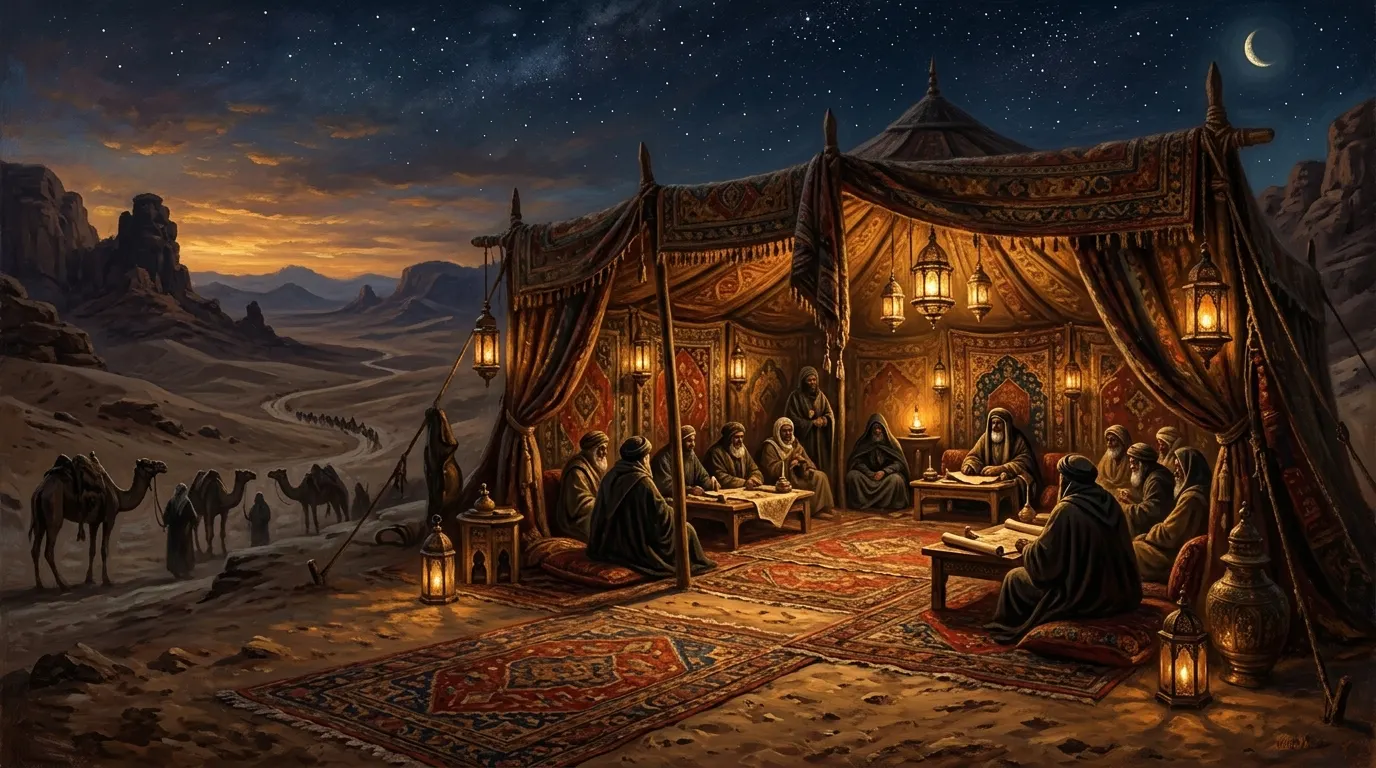
The well-known arbitration story from school curricula was a chief cause of the author's old hostility to Amr. It claims Abu Musa al-Ash'ari and Amr agreed to depose both Ali and Muawiya; Abu Musa publicly removed Ali, whereupon Amr betrayed him by confirming Muawiya, and the two men traded insults.
Scene 6
Refuting the Arbitration Myth and Abu Mikhnaf the Liar
The author declares the arbitration story, though found in al-Tabari's History, invalid in chain and text. Its narrator Abu Mikhnaf Lut ibn Yahya is "a lying Rafidi Shiite" rejected by Ibn Asakir, Ibn Hajar and Ibn Ma'in: "nothing, a liar, worthless". The text is "stupidly" composed, showing its forger's foolishness: Muawiyah was not caliph to be deposed; the dispute concerned avenging Uthman on the hypocrites who murdered him treacherously, "those traitors" and their army in Iraq. Calling others dog and donkey befits ill-mannered children, not two Companions raised by the Prophet ﷺ.
Scene 7
The Truth of the Justice Story and Recording the Sunnah
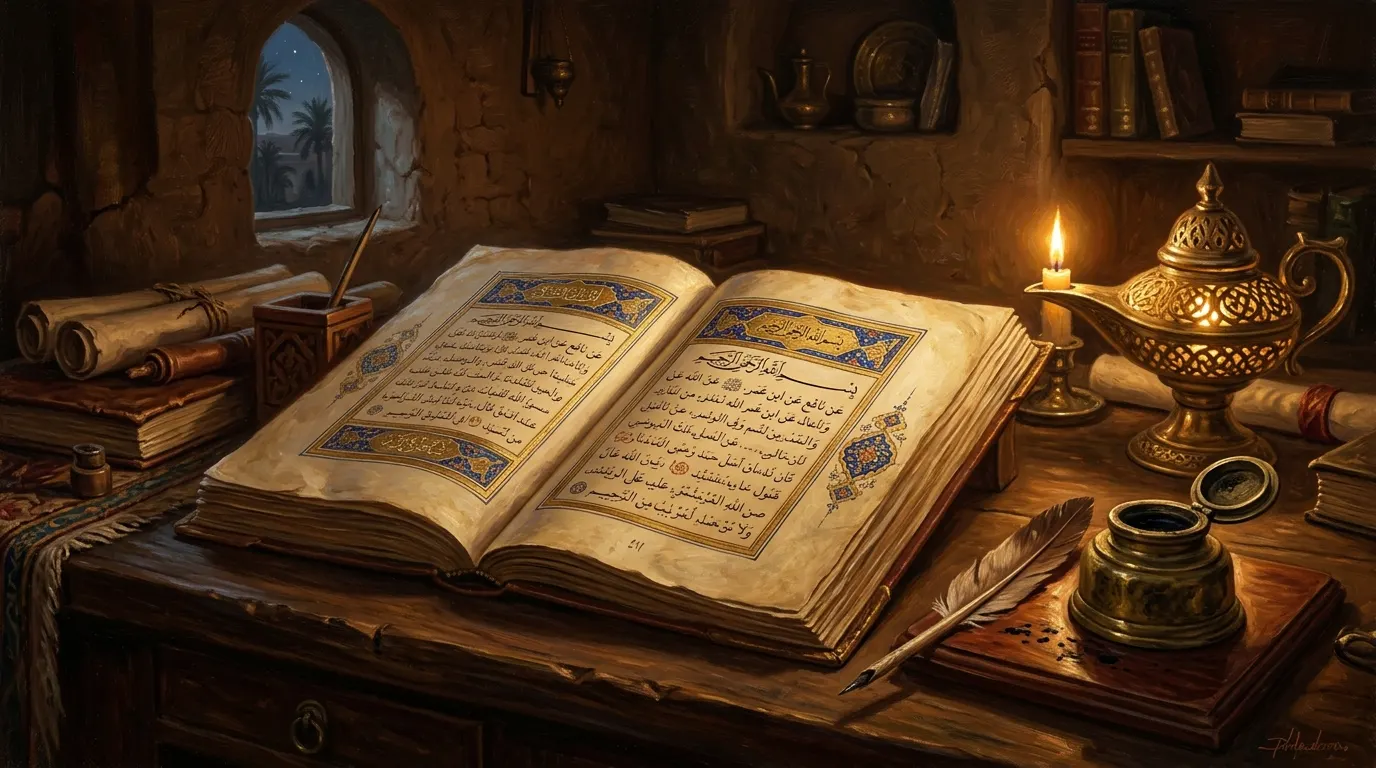
The author also rejects the famous story in which Umar punishes Amr and his son for striking an Egyptian and asks when they enslaved people born free. He says its chain is broken and its text implausible, and that it targets Amr's sons because Abdullah ibn Amr was the first to write down the Prophet's ﷺ hadith.
Scene 8
People Submitted, but Amr ibn al-Aas Believed
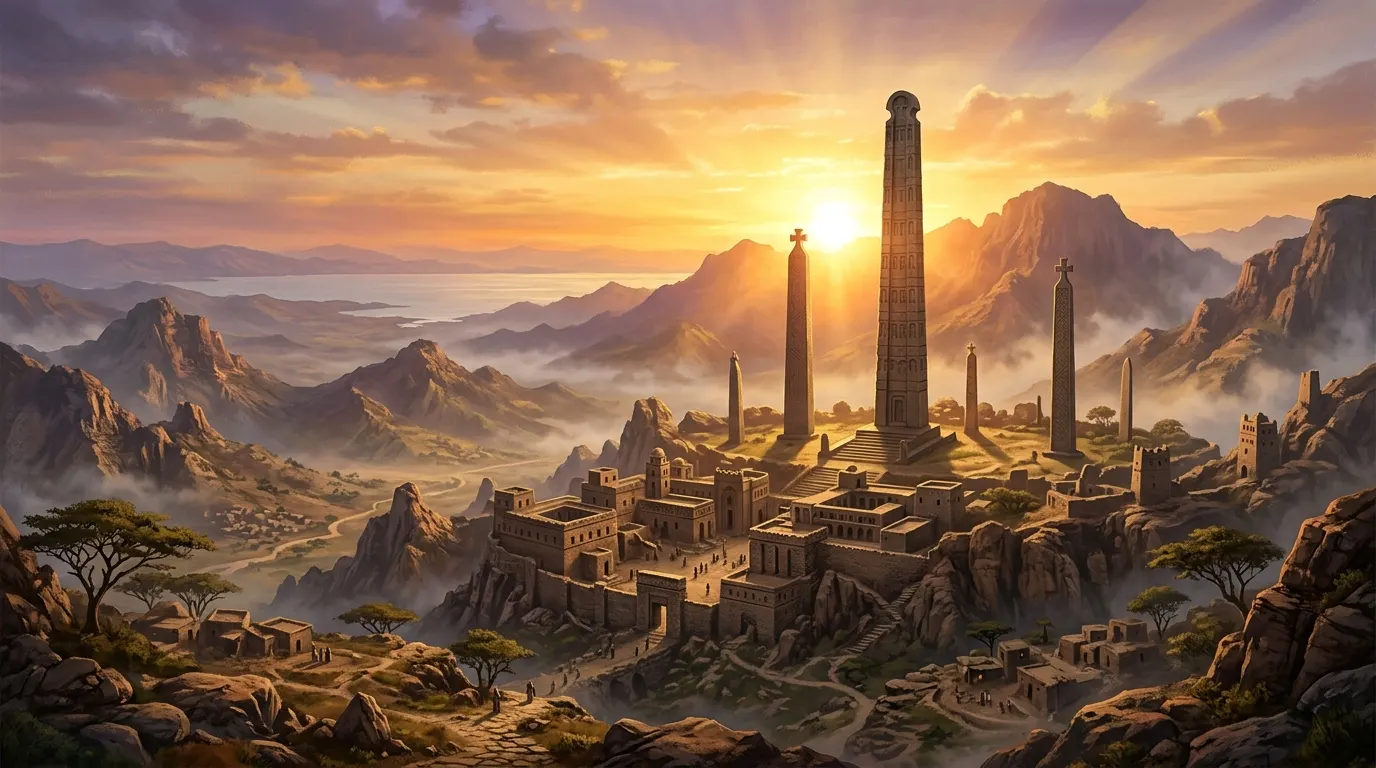
The author closes with questions: why did the Prophet ﷺ say that people submitted while Amr ibn al-Aas believed, and what was the secret of that deep faith? Who was the mysterious man at whose hands Amr embraced Islam, a man from Africa spiritually bound to the Prophet though the two never met?
These are English scene notes. The full chapter text, as the author wrote it, is in the app.