


Scene 1
Abraham's Prayer at the Sacred House and Hajar's Question
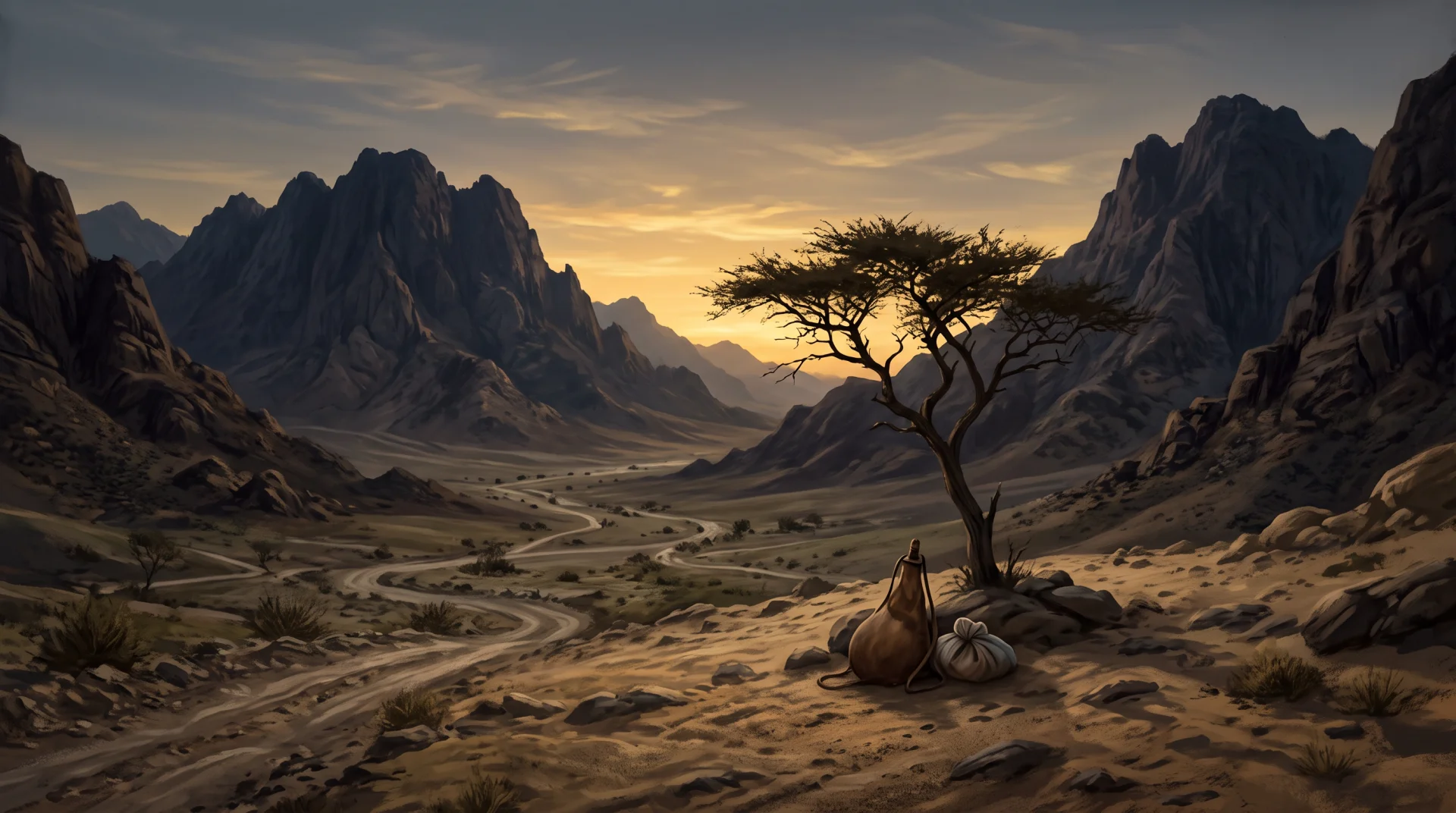
The chapter on Lady Hajar opens with the Quranic prayer of Abraham, who settled some of his offspring in a barren valley beside God's Sacred House. It is followed by Hajar's own words to him: she asks whether God commanded this, and concludes that in that case God will not abandon them.
Scene 2
The Great Women of Islam and an Identity of Immortality
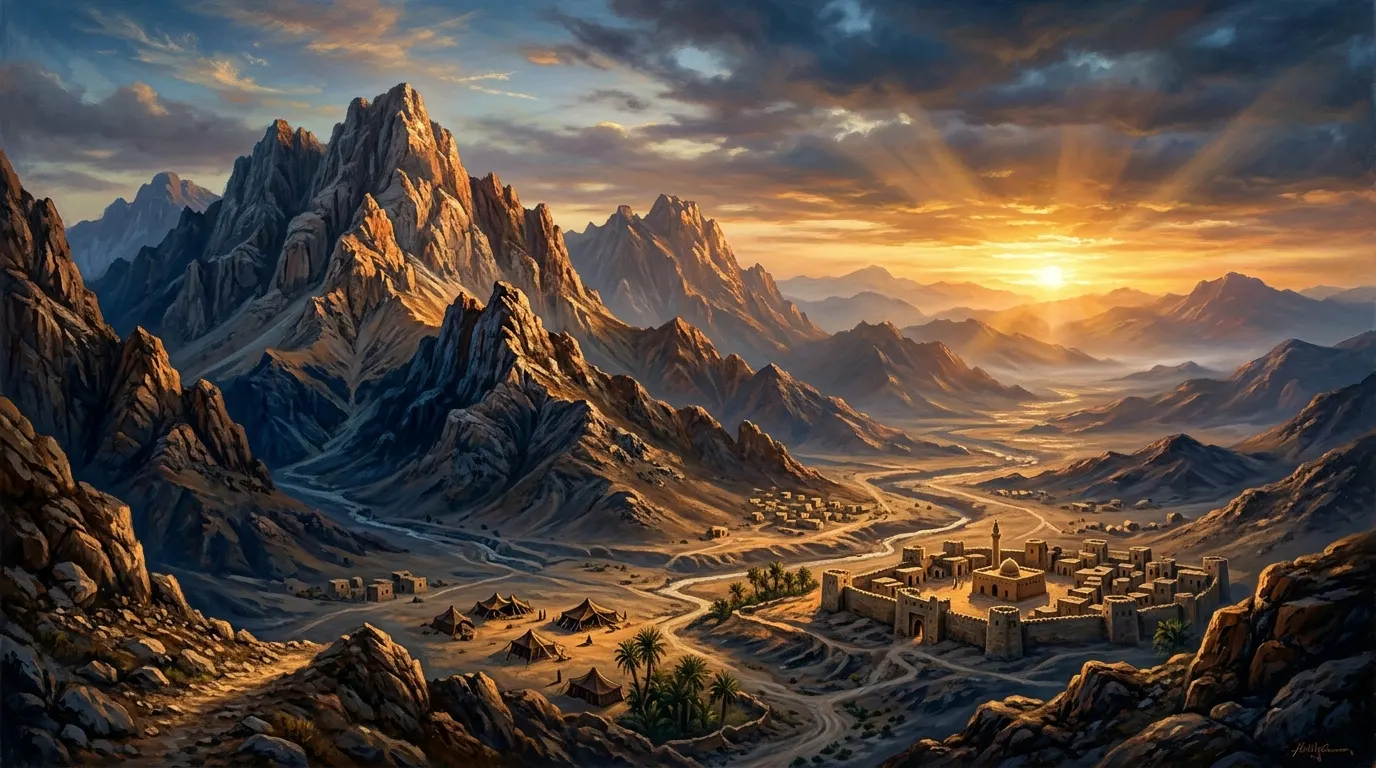
The author says women account for more than half of the nation's greatness, through their own deeds or those of the sons they raised, and that his title's plural covers both sexes. The greats of this nation, he adds, share three traits: oneness of creed, diversity of origin and loftiness of purpose.
Scene 3
The One Religion of the Prophets and the Root of Islam
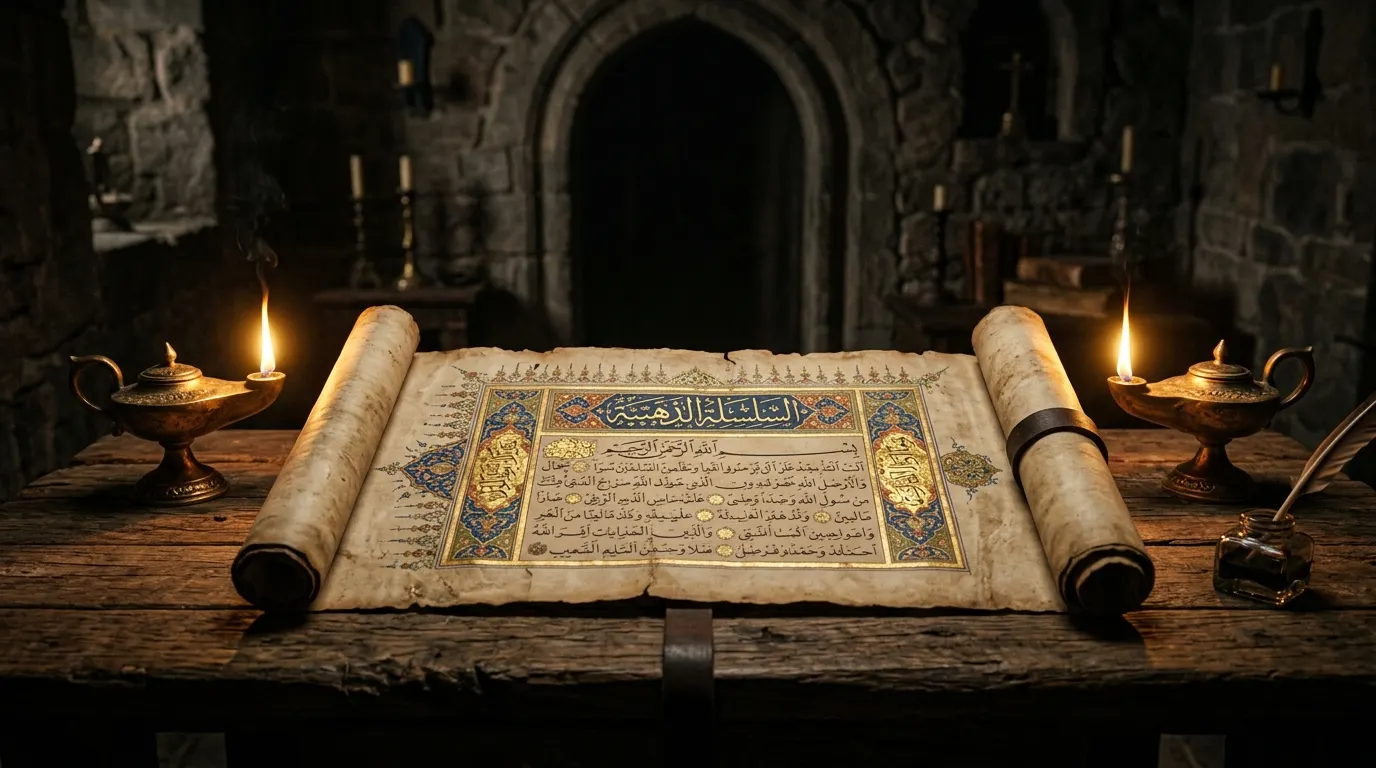
Though Hajar died centuries before the Prophet Muhammad ﷺ was sent, the author says she belonged to the same faith, Islam, preached by every prophet from Adam to Jesus. Other religions, he argues, took names from men, while God himself named the followers of Muhammad Muslims, meaning those who submit themselves to God.
Scene 4
The Egyptian Heroine and Mother of the Arabs
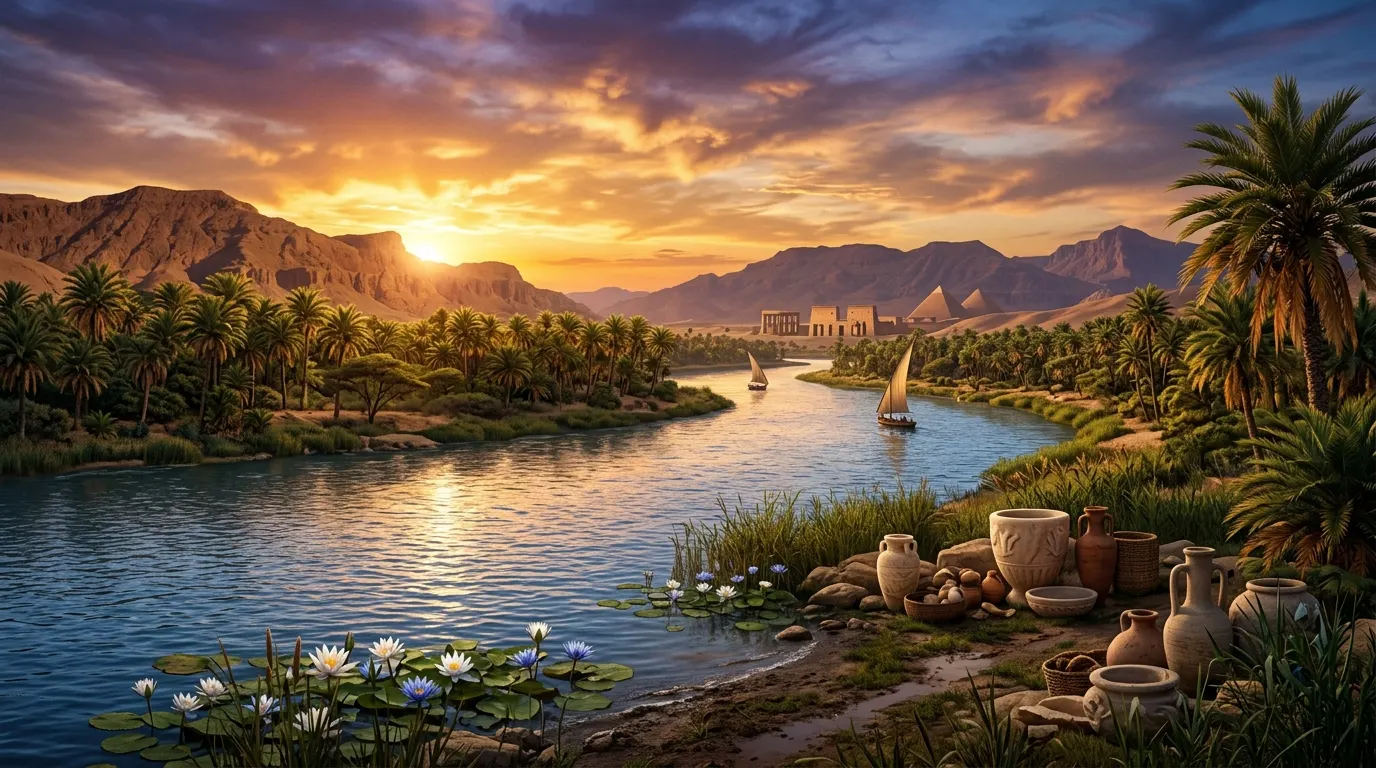
Hajar's origin was Egyptian, or Coptic, a word the author explains simply means an inhabitant of the Nile valley, not an Egyptian Christian. She was a slave girl in Egypt in the Hyksos era before Abraham married her and she bore Ishmael, father of the Adnani Arabs from whom the Prophet ﷺ descended.
Scene 5
A Barren Valley and the Confidence of Certainty
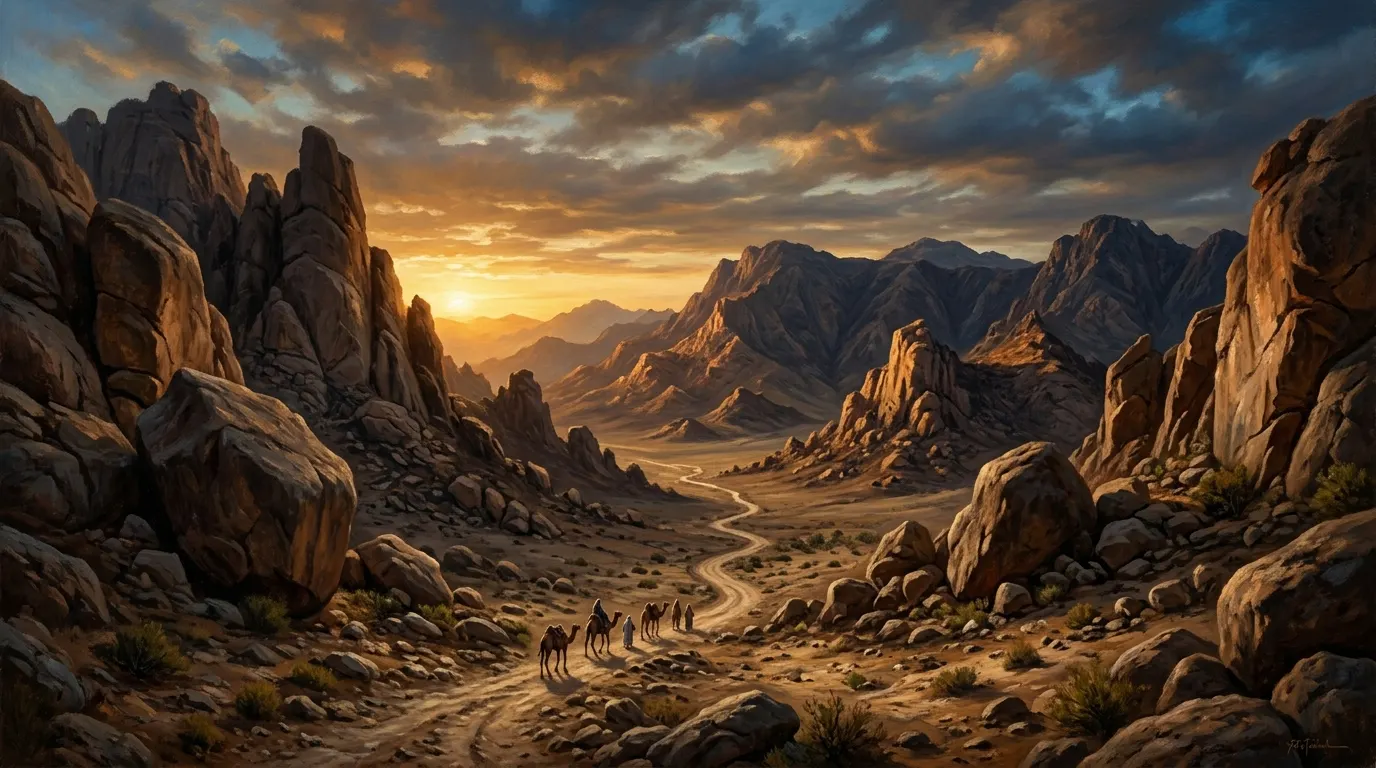
God commanded Abraham to take Hajar and the infant Ishmael from Palestine to a barren valley in the Hijaz and leave them there. Astonished, Hajar questioned him and he gave no answer, until she asked whether God had ordered it. When he nodded, she replied with full confidence that God would not abandon them.
Scene 6
Running Between Safa and Marwa and the Spring of Zamzam
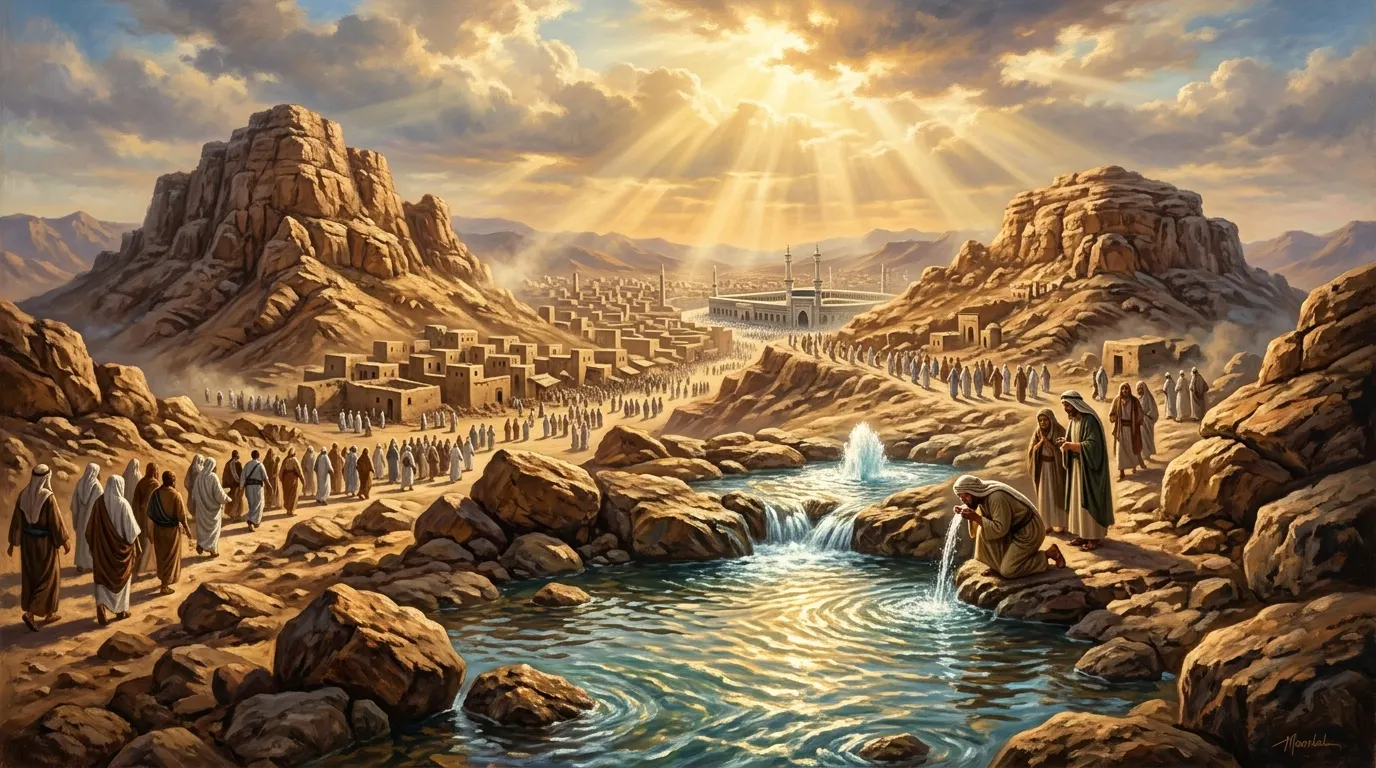
The secret of this woman's greatness, the book says, lies in fulfilling the two conditions of victory: faith and work. Hajar first trusted Allah, then did all she could, running between Safa and Marwa to save her infant, who moaned with hunger and thirst. Then, and only then, came the divine command "Be!", and from between the feet of the dying child a spring burst forth, flowing miraculously from Mecca's solid rock to this day, as if Allah were telling us that the wellspring of victory never runs dry.
Scene 7
Picturing the Nation as an Infant Crying in the Desert
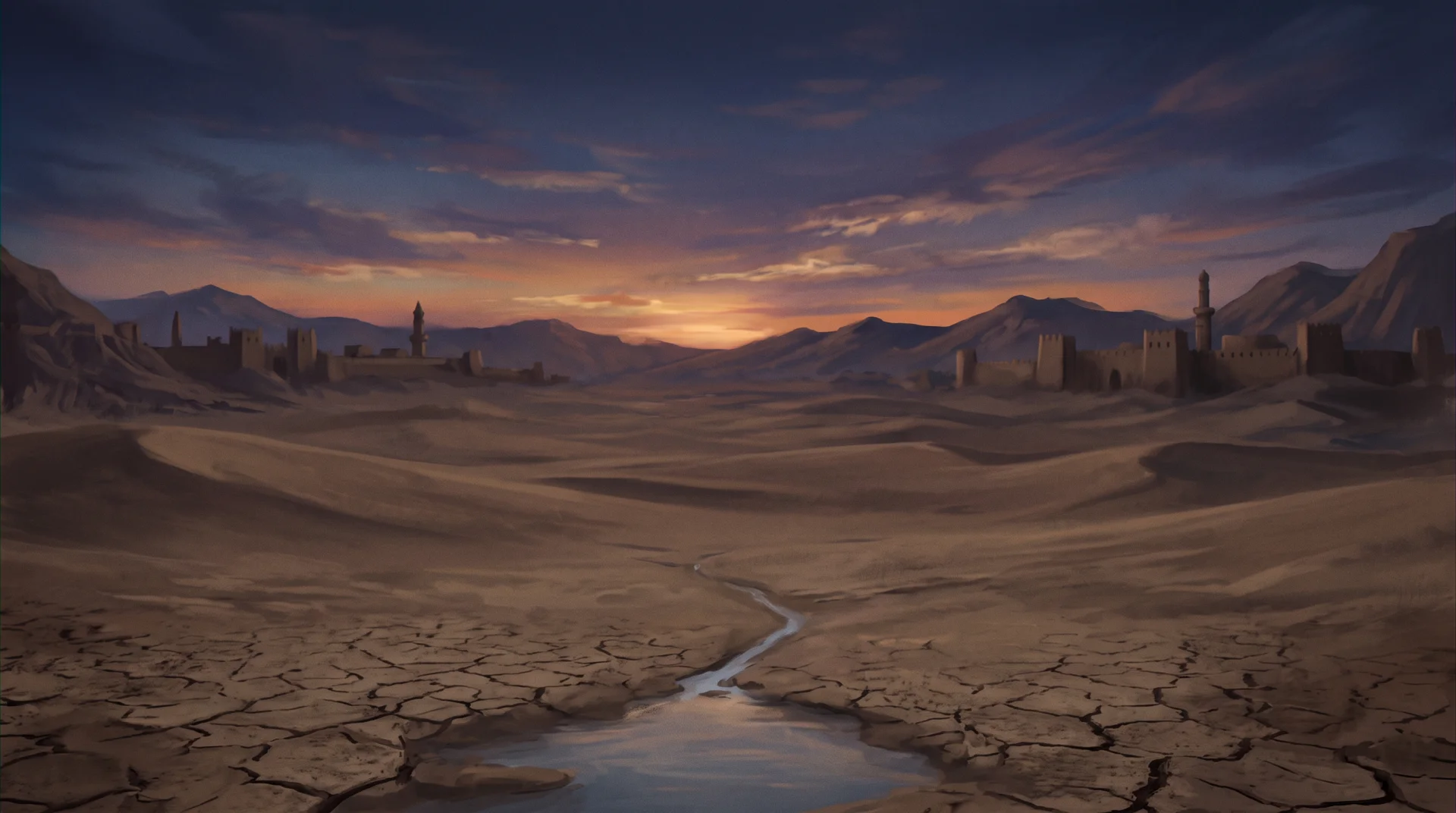
The author urges every Muslim today to imagine himself in Hajar's place, with the Muslim nation as the crying infant close to death in a lifeless desert. If each person believes the nation will rise and does his duty to revive it, victory will come, however futile the effort may look to others.
Scene 8
The Lesson of Immortality and the Liberator of Egypt
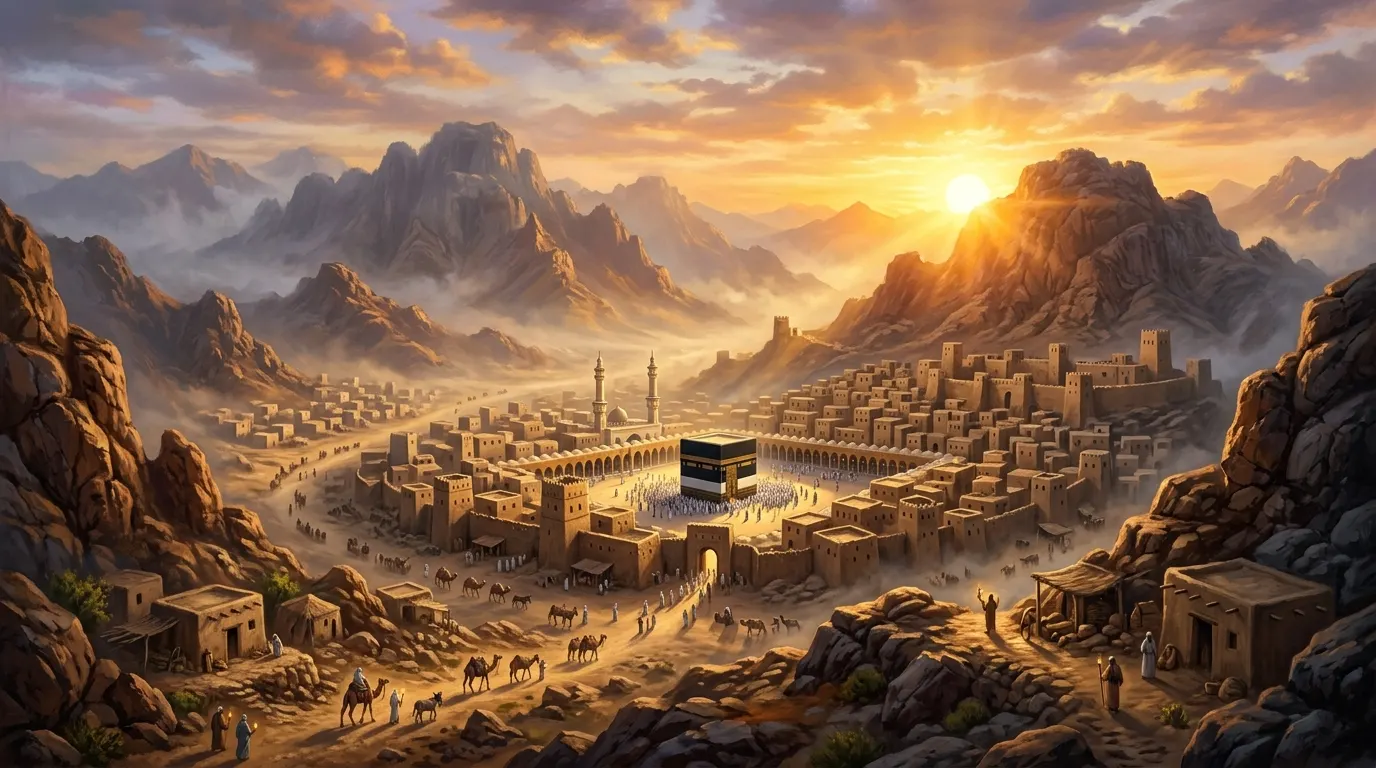
For this Hajar earned her place among the greatest women of the Muslim nation, an Egyptian slave girl who became mother of the Arabs and Muslims. Freeing her homeland from polytheism and then from Roman rule thus became a duty, and the author asks who that liberator was and why he is attacked today.
These are English scene notes. The full chapter text, as the author wrote it, is in the app.