


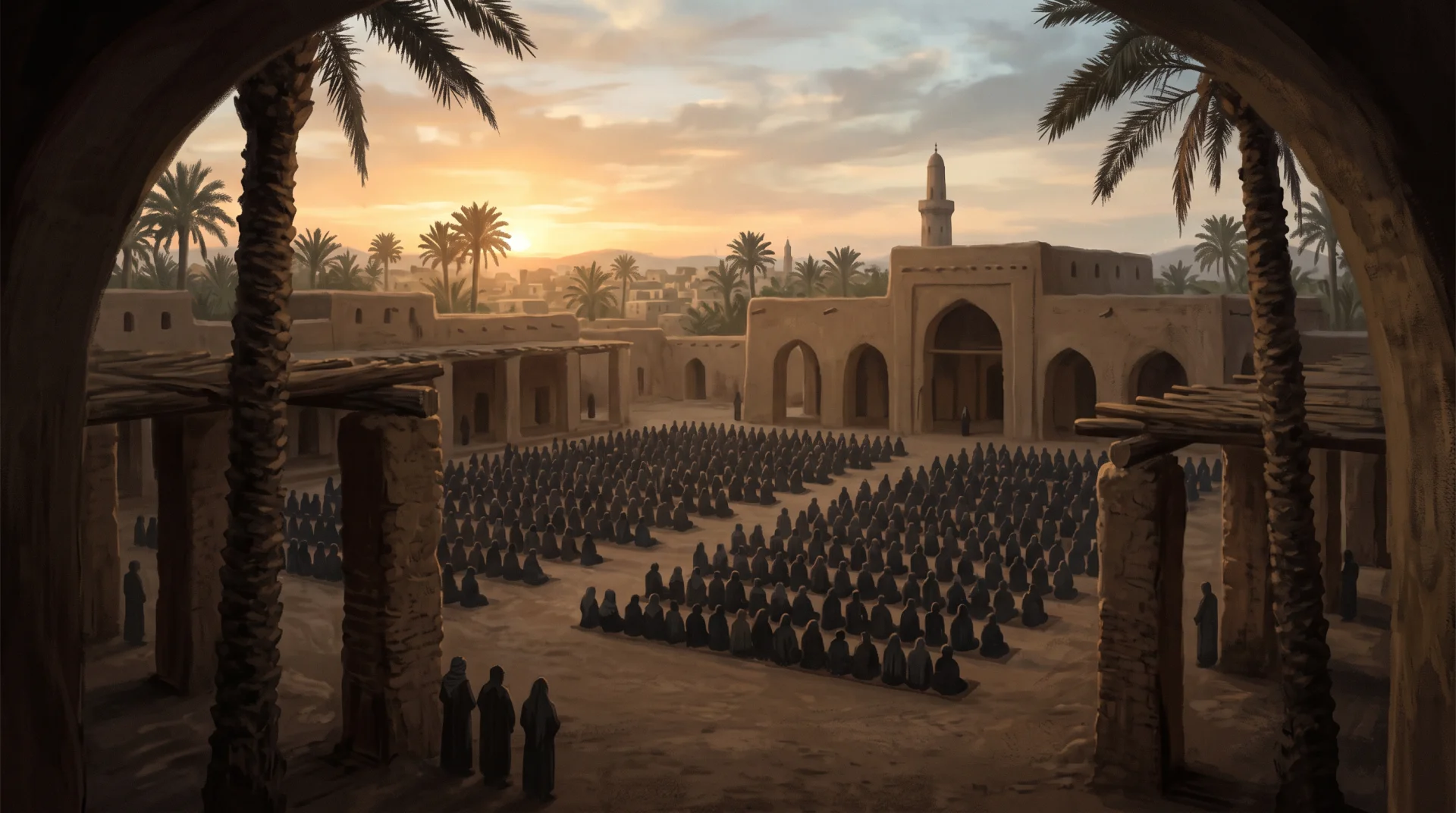
Scene 1
The Prophet's Hadith and the Secret of "To Be Continued"
The chapter on the Negus Ashama ibn Abjar opens with the Prophet's ﷺ call to pray over a brother who died in another land. The author explains that he ends each chapter with "to be continued" not only for suspense, but to show that the Muslim nation is unbroken, united and never dies.
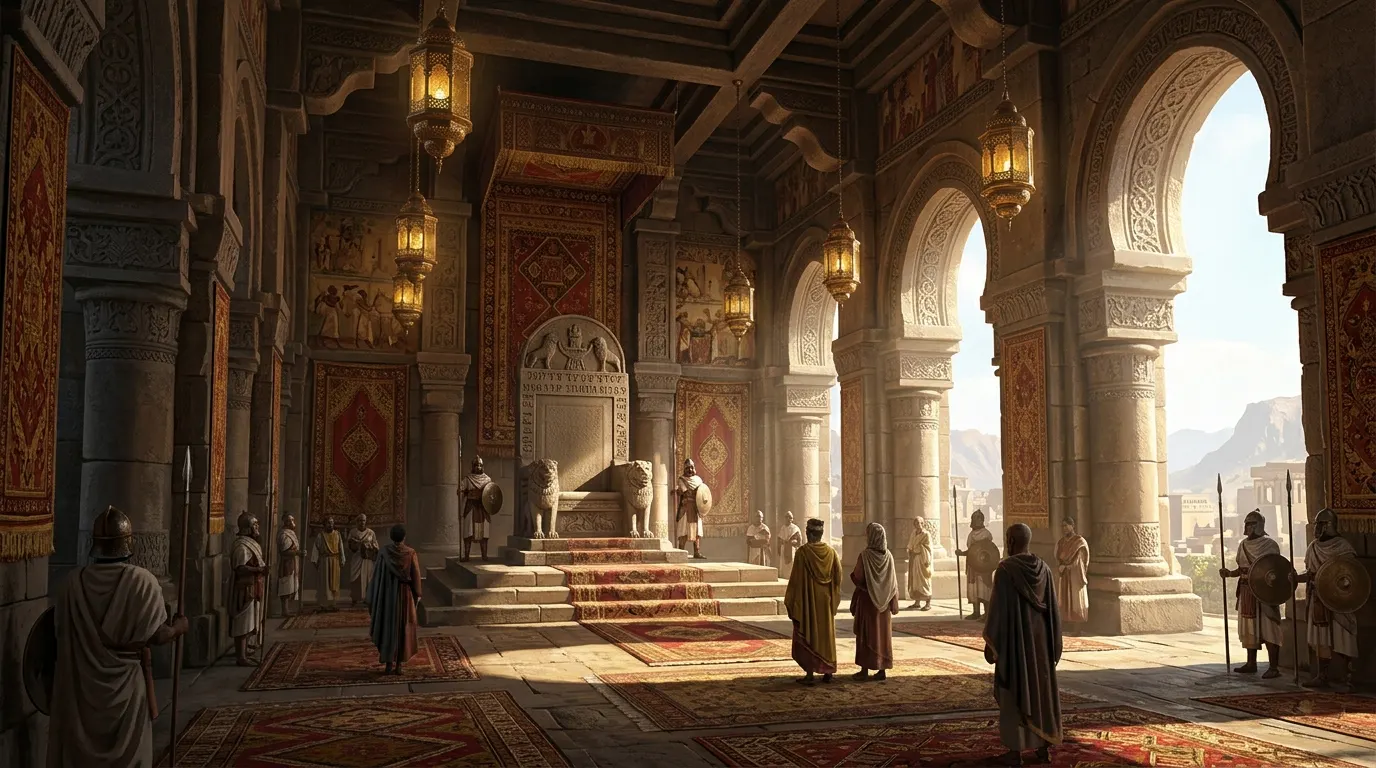
Scene 2
The Unknown Soldier and the Bonds of the Muslim Nation
The author recounts a remarkable chain: an African Christian king of the Alexandrian church believes in an Arab prophet he never saw. A Meccan sent to oppose that prophet embraces Islam at the king's hands and later brings Islam to Alexandria itself. The prophet is Muhammad ﷺ, the Arab Amr ibn al-Aas, the king Ashama.

Scene 3
Destiny's Design: From the Brink of Slavery to the Throne
In Abyssinia conspirators murdered the Negus Abjar, enthroned another king and sold the dead ruler's son to a slave trader. When lightning struck the new king dead among his soldiers, the people took it as a curse, caught the ship before it sailed for Arabia, freed the boy Ashama and seated him on his father's throne.
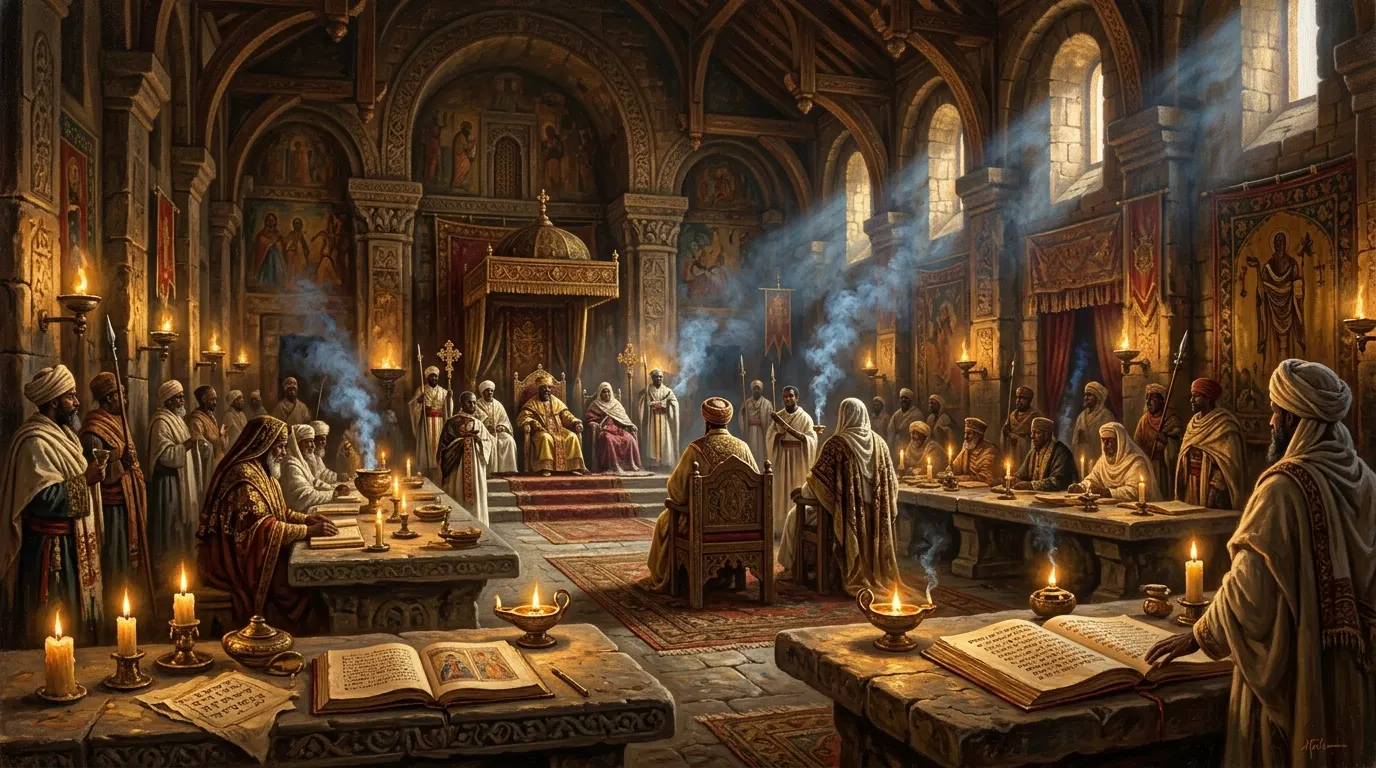
Scene 4
The Migration to Abyssinia and Ja'far ibn Abi Talib's Stand
The injustice of his childhood may explain the Negus's famed justice, which led the Prophet ﷺ to send his persecuted companions to Abyssinia. Quraysh sent Amr ibn al-Aas to retrieve them, but the Negus came to believe and hid his Islam to protect the refugees, who were kept there fifteen years to preserve the message.

Scene 5
The Prophet's Strategic Planning and a Concealed Faith
The Negus fully grasped the Prophet's ﷺ long-term strategy and kept his Islam secret for the sake of the mission. Seeing his patriarchs' anger at a faith of pure monotheism, he feared being deposed like his father, which would cost the Prophet a strong ally and a possible refuge should the state in Medina collapse.

Scene 6
The Negus of Abyssinia, the Unknown Soldier
For these reasons the author gives the Negus Ashama ibn Abjar the title of the Unknown Soldier of the Muslim nation. He was an African king whom most Muslims today do not even realise was a Muslim, and he remained at his post in Abyssinia, far away from the Prophet ﷺ.
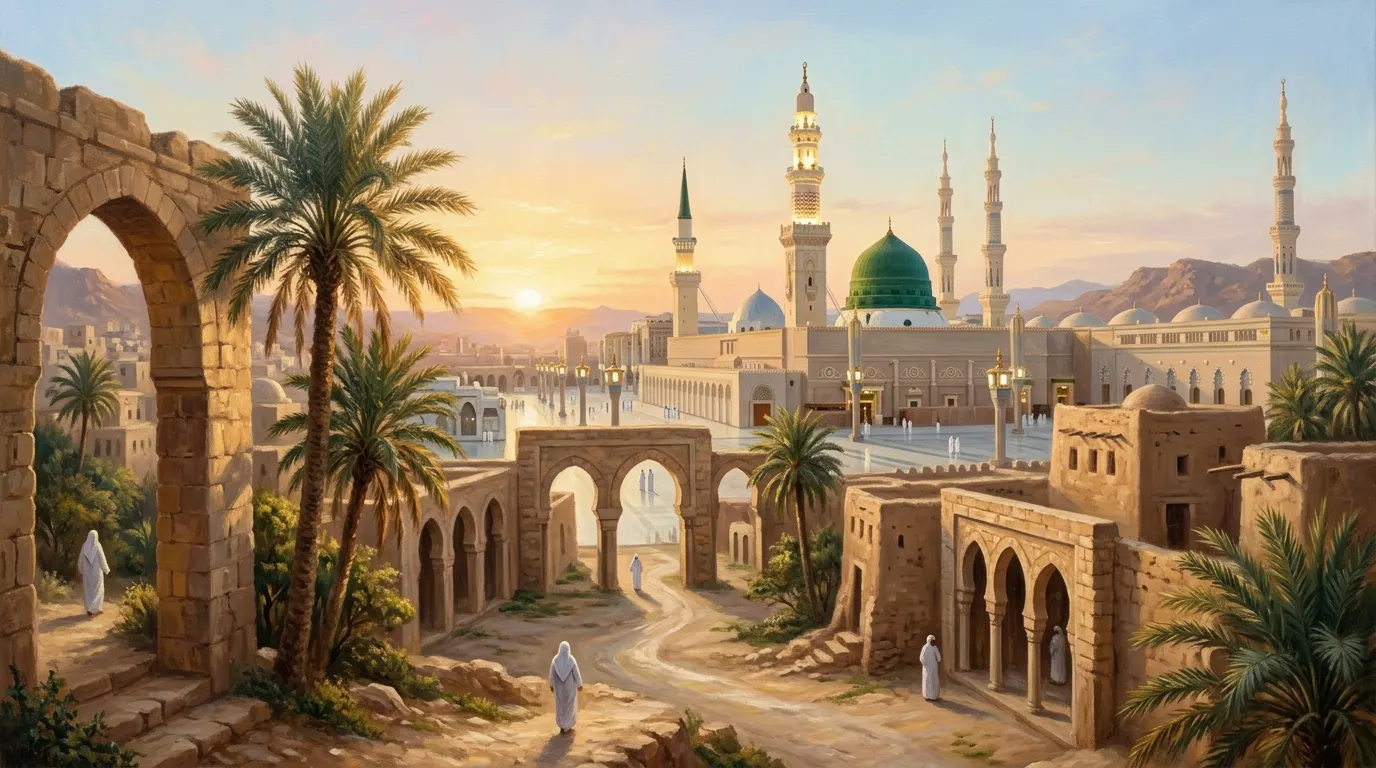
Scene 7
The Absentee Funeral Prayer for the First Believing King
After years of secretly supporting the Muslims, the Negus died without ever seeing the man he had believed in. The Prophet ﷺ learned of his death while in Medina and gathered the Companions to pray the absentee funeral prayer for him, the first king on earth to believe in and support his message.

Scene 8
The Tabi'i Who Led a Companion to Islam: A Lasting Vigil
The author notes a paradox: the Negus was the only Successor at whose hands a Companion, Amr ibn al-Aas, embraced Islam. He then asks why Ashama was not himself a Companion, who the Companions are, why some people now attack them constantly, who benefits, and why they are the best of people after the prophets.
These are English scene notes. The full chapter text, as the author wrote it, is in the app.