


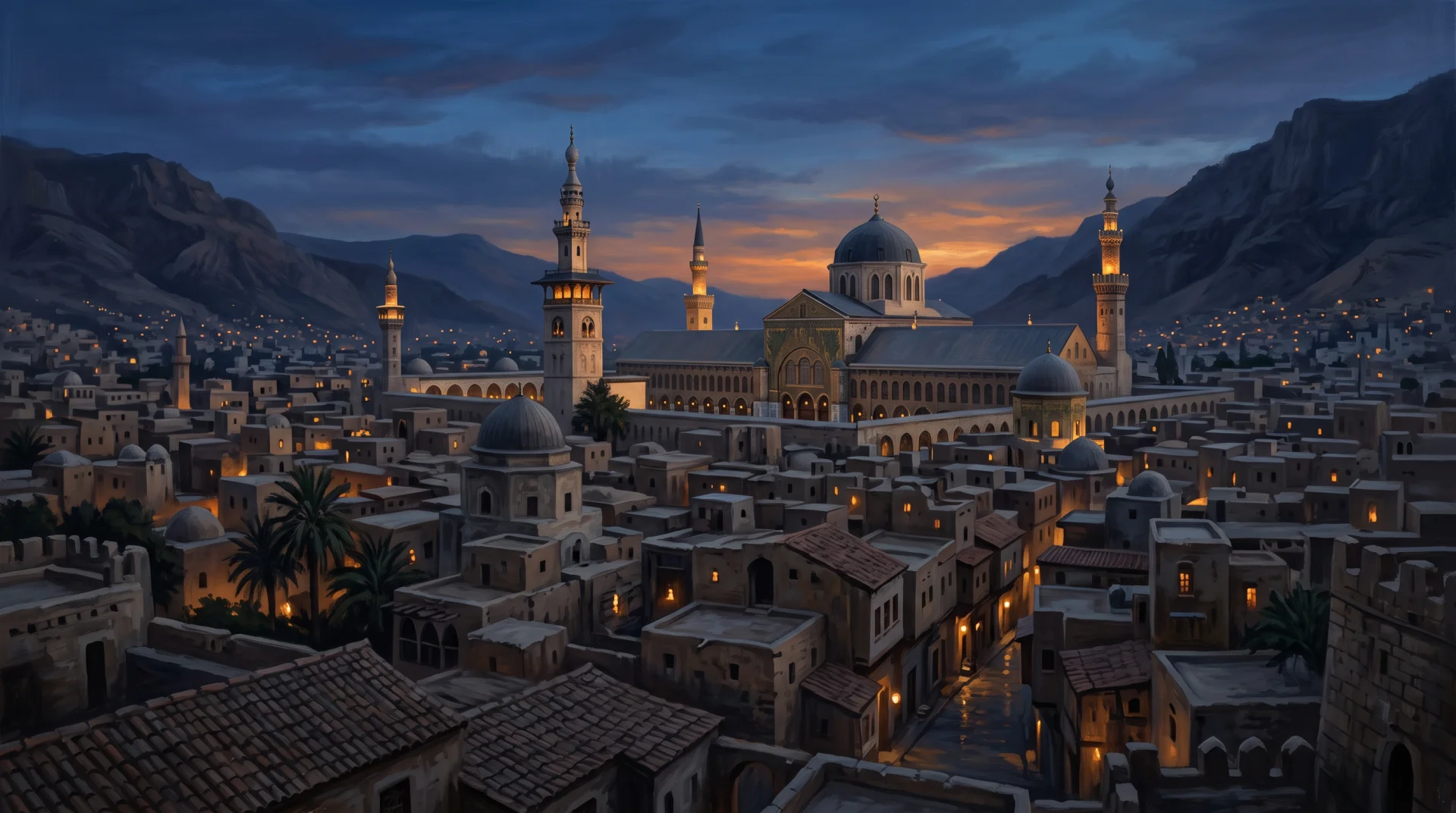
Scene 1
The Muhaddith of the Ummah: al-Albani
The chapter opens with the words of Sheikh Abd al-Aziz ibn Baz: he had not seen, under the canopy of the sky, a scholar of hadith in this age like the scholar Muhammad Nasir al-Din al-Albani.

Scene 2
How Great This Religion Is!
The author marvels at the greatness of this religion. What made a man from the far reaches of Persia devote his life to collecting hadiths in a language not his own, and a European with no Arab roots devote his life to sorting the Messenger's hadiths, in the hardest time the nation has known? He is Sheikh Muhammad Nasir al-Din al-Albani, whom senior scholars considered the renewer of Islam in the last century.
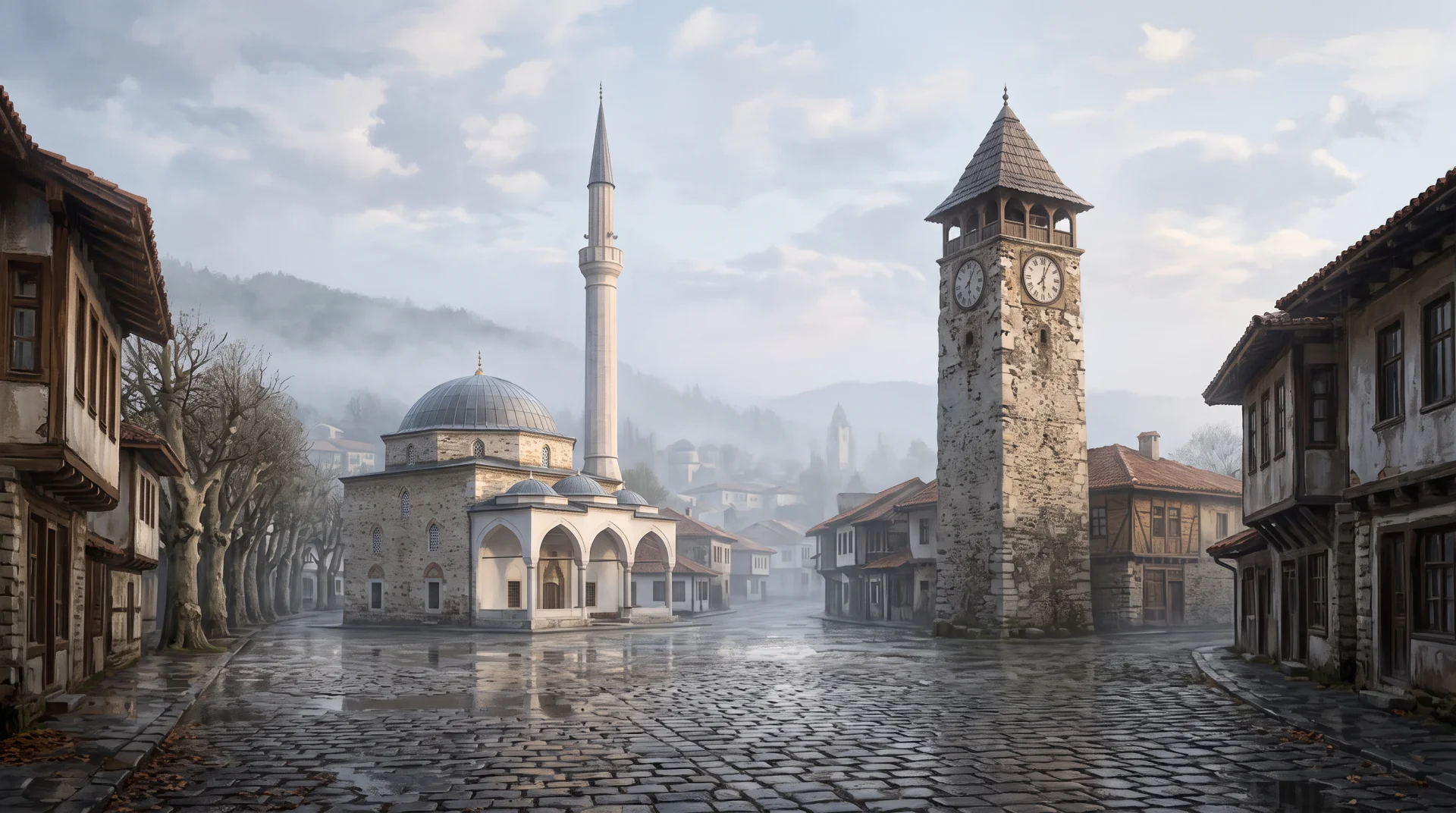
Scene 3
Albania: A Muslim Country in the Heart of Europe
Before speaking about the Sheikh, the author turns to Albania, the country he belongs to. Who knows that in the heart of Christian Europe there is a Muslim country named Albania, whose Muslim capital is Tirana? Who has heard the name Albania at all?
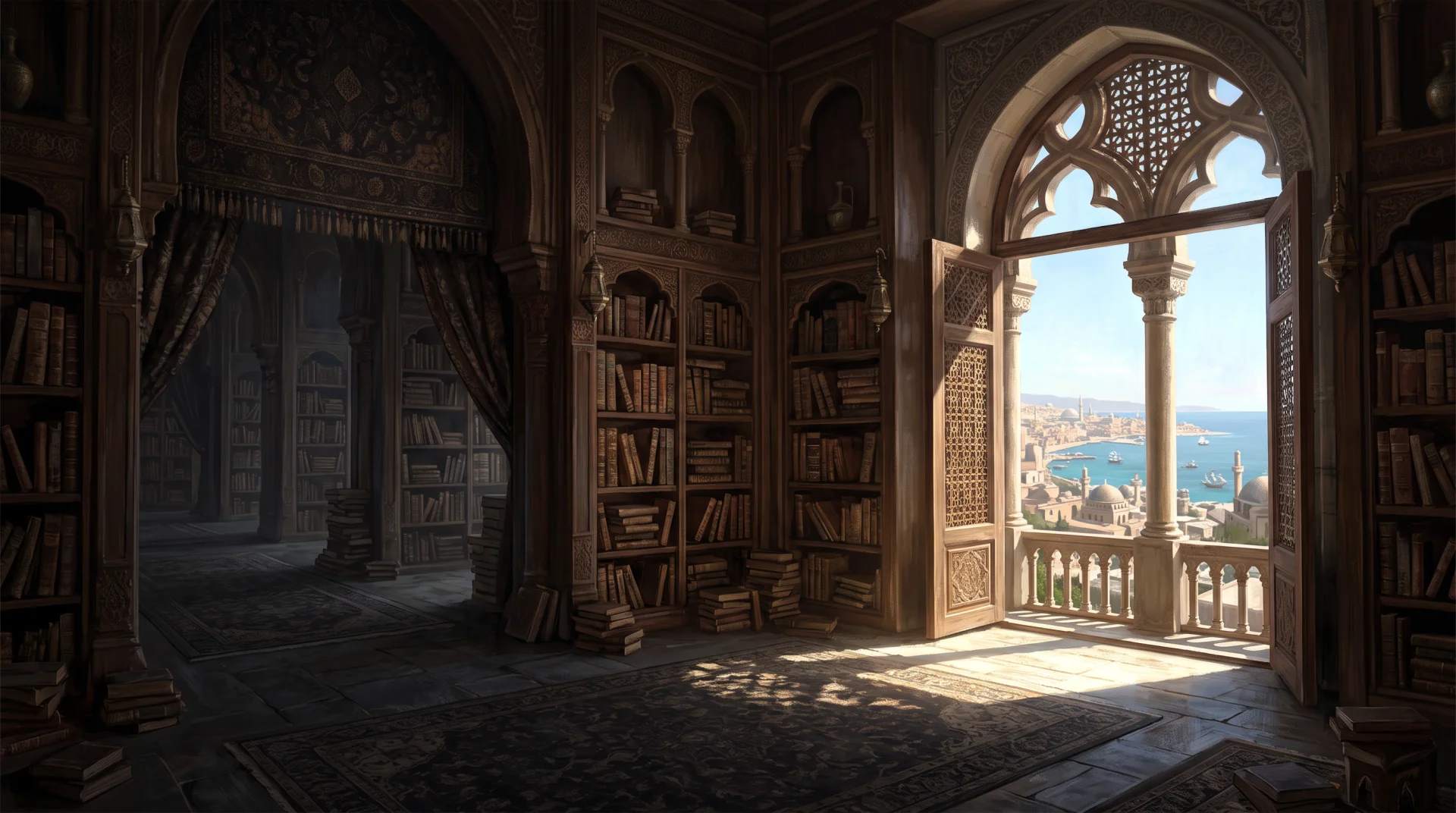
Scene 4
Do Not Isolate Yourselves from the World
The state of the nation will not change unless we change ourselves first. The author addresses students of sacred knowledge in particular: it does not hold together to care about memorizing the Qur'an and hadiths and studying jurisprudence and creed while neglecting the world around us to the point of total isolation.
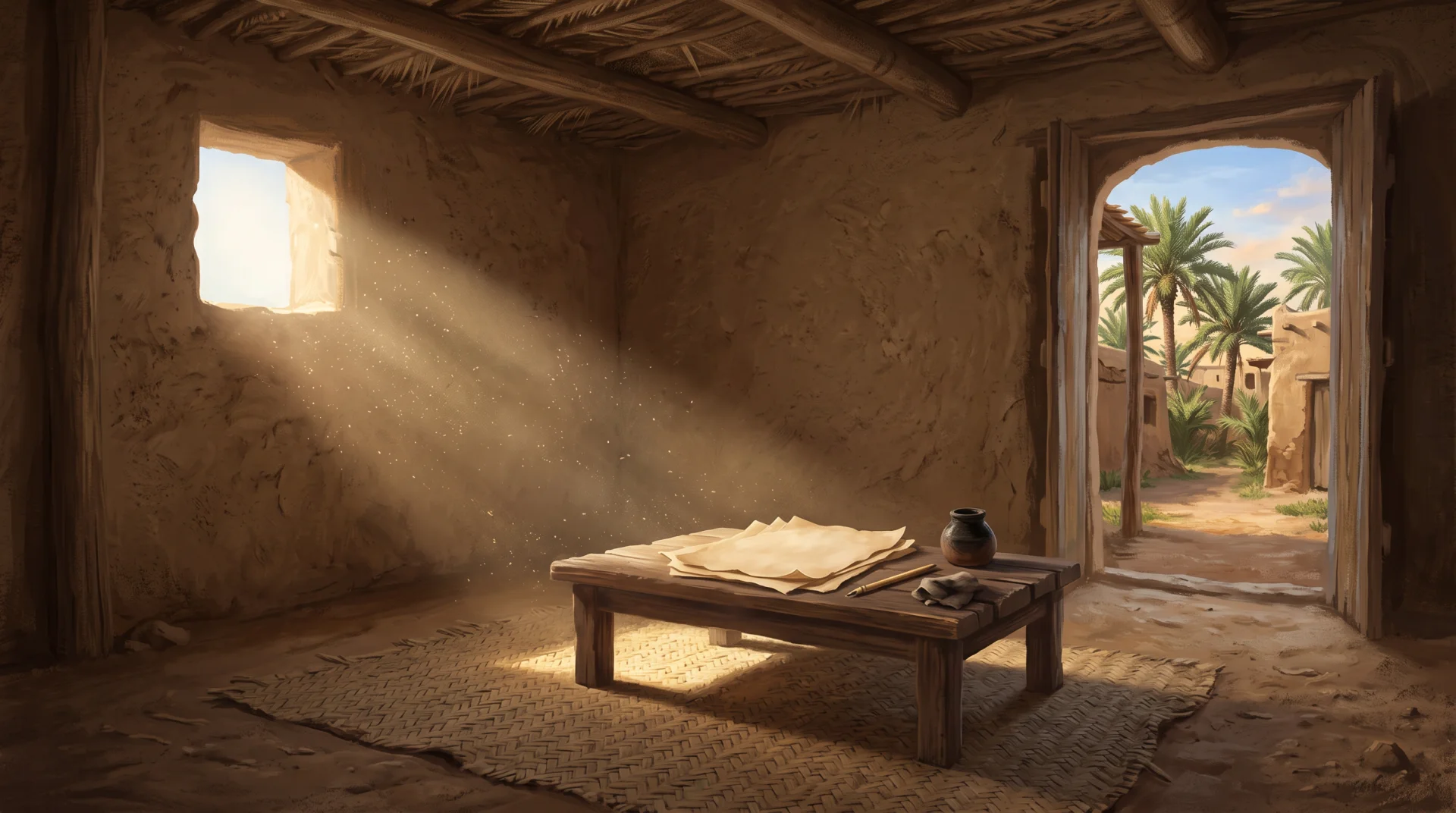
Scene 5
The Companions and Worldly Knowledge
That was not the way of the Companions, who knew the Qur'an and Sunnah thousands of times better than us, yet learned foreign languages, memorized and composed poetry in defense of the religion, and knew agriculture, trade, industry, history and geography. Abu Bakr was a great scholar of genealogies and adviser in negotiations with the tribes. Zayd ibn Thabit learned Hebrew by the Messenger's order and added Syriac, becoming his translator. The author asks each reader whether he would have been of any use to the Messenger.
Scene 6
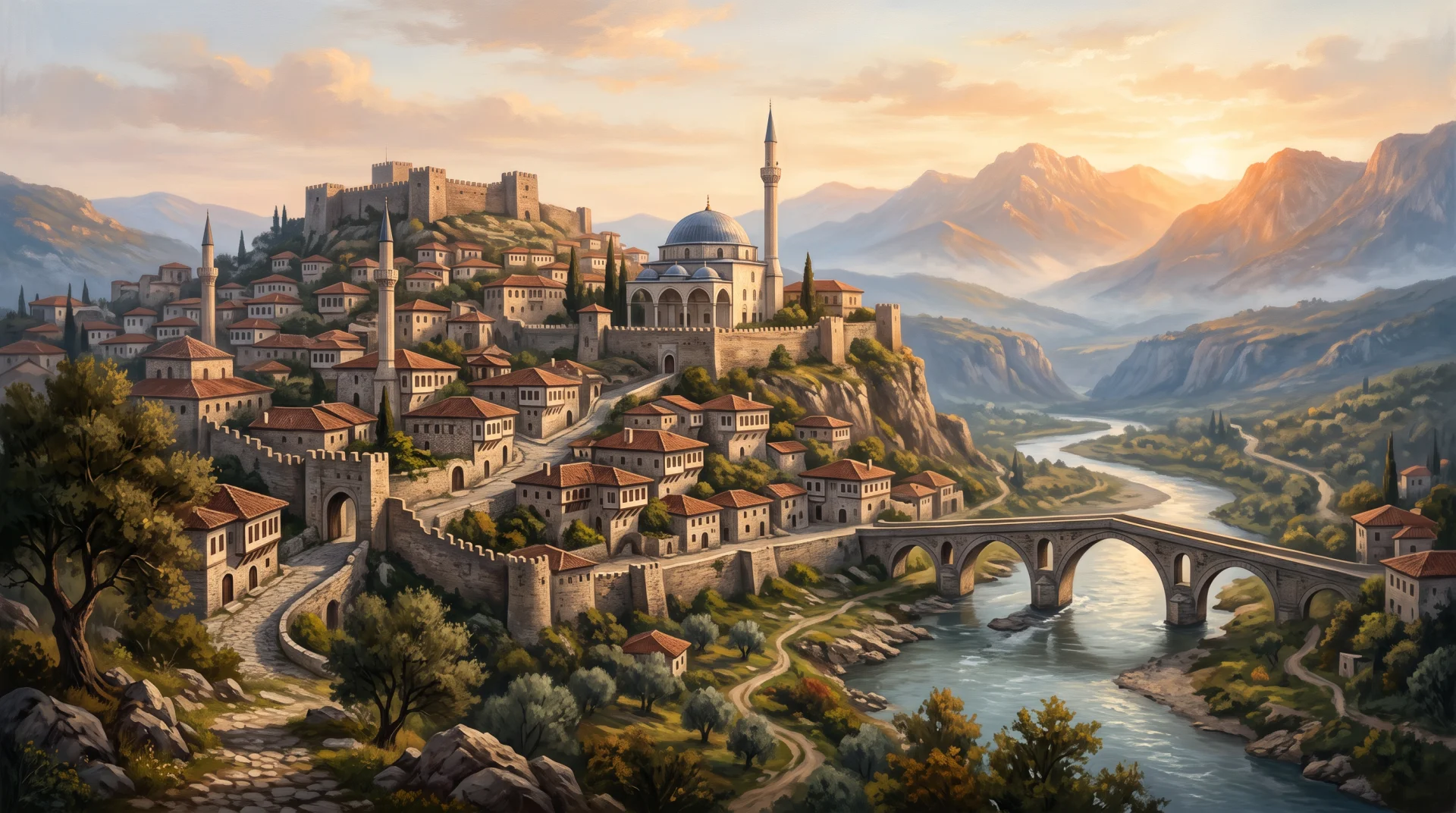
Albania: Under the Caliphate and Early Islam
Albania, the author says, is a Muslim country in the Balkans that was part of the lands of Islam for more than 500 years under the Ottomans. Islam entered it early, in the first century AH under the Umayyads, whose preachers and traders spread it, and the Albanians accepted Islam wholesale. From that early time until now, he says, the series of massacres of Muslims by the Orthodox Serbs began.
Scene 7
His Birth in Ishqodra and His Father's Emigration
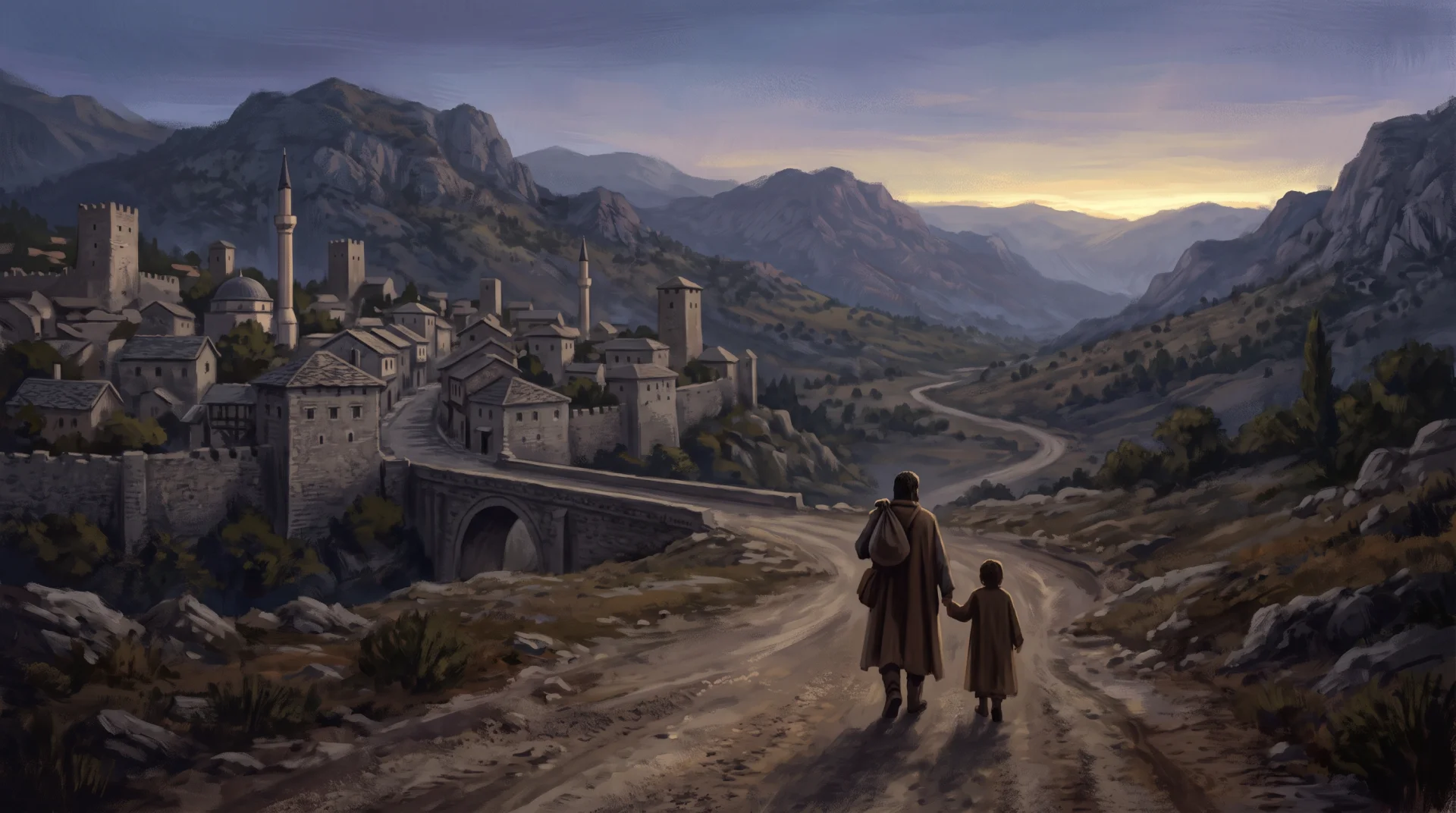
In 1333 AH (1914 CE) a boy was born to Hajj Nuh ibn Najati ibn Adam al-Ashqudri, a good sheikh of Albania's old capital Ishqodra, and named Muhammad after the Messenger. A criminal president, Ahmad Zogu, banned women from the hijab, closed the religious schools and imposed Western thought, so Hajj Nuh left home and family to emigrate for God's sake to blessed Syria, quoting the hadith that whoever's emigration is for God and His Messenger.
Scene 8
A Father Raises the Imam of His Age
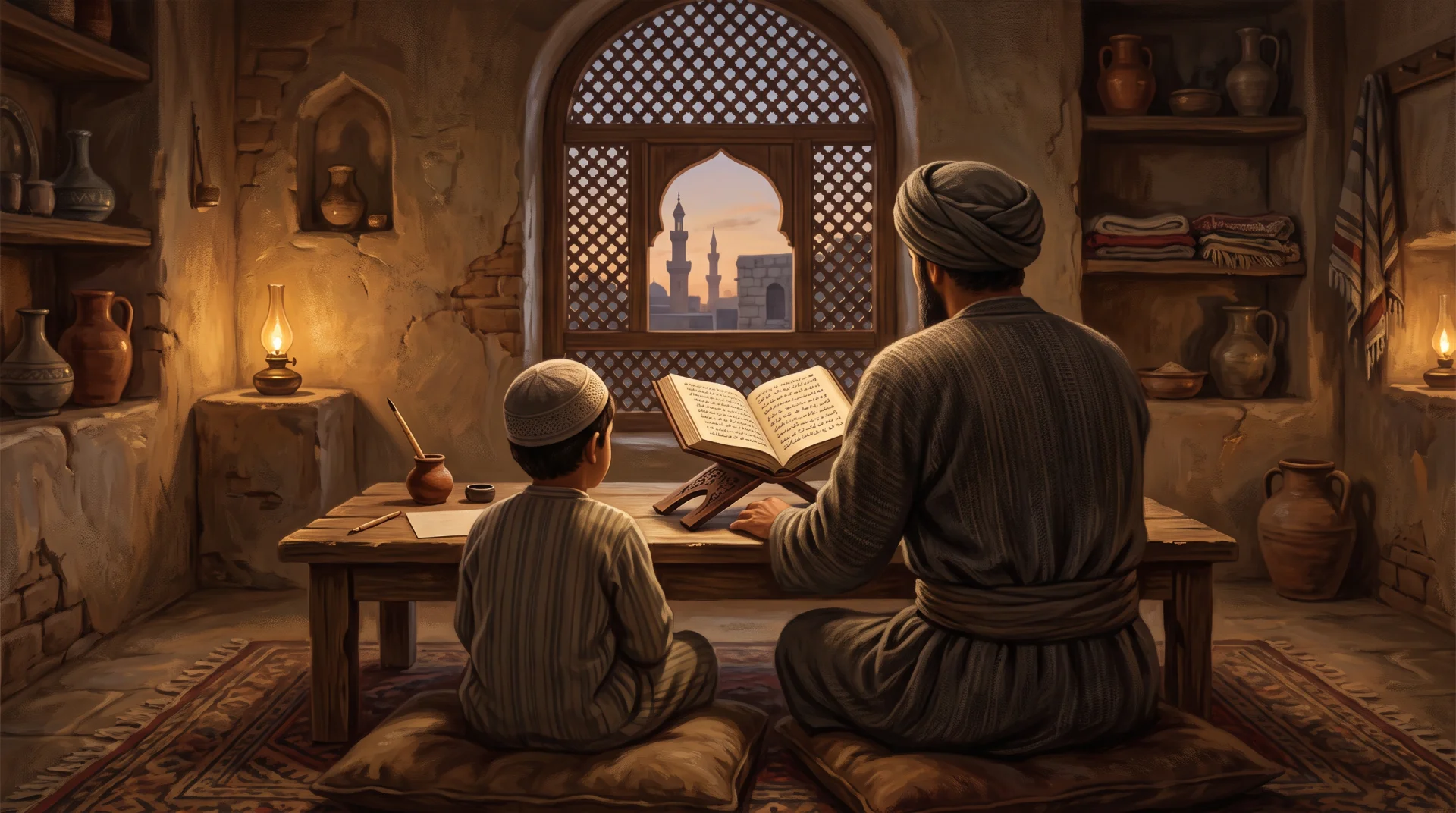
God rewarded Hajj Nuh for his sacrifice by making his son Muhammad the imam of his age, truly Nasir al-Din in his time. The father taught him himself, setting a strict program in memorizing the Qur'an, hadith, grammar and morphology, and at the same time taught him the trade of watch repair, so he became one of the most famous watchmakers in all of Syria.
Scene 9
A Watchmaker Who Authenticated the Messenger's Hadiths
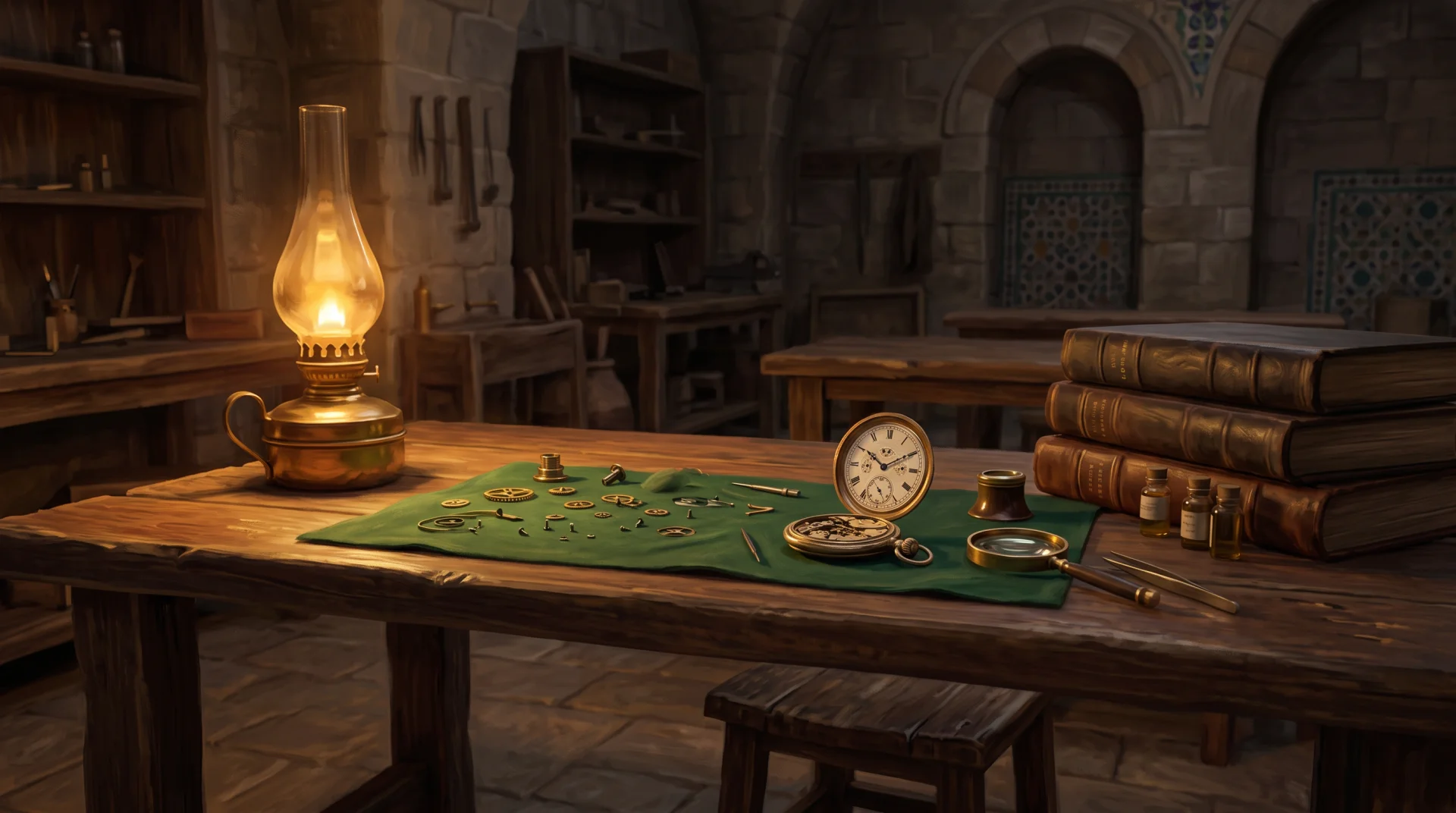
Al-Albani, who authenticated the hadiths of Muhammad ibn Abd Allah in huge works, was no university doctor or prominent academic but a watchmaker. The author asks the doctors of this age whether they have given a tenth of a tenth of what this watchmaker gave to Islam, and says that when you read a hadith with the phrase "authenticated by al-Albani" beneath it, the credit goes to this great scholar.
Scene 10
A Lean Being Behind Them All
But al-Albani, and before him al-Bukhari, Muslim, al-Tirmidhi and others, would not have been what they were without a lean being who kept in his being everything the greatest being in the universe said. The author tells readers to stay with him. To be continued.
These are English scene notes. The full chapter text, as the author wrote it, is in the app.