


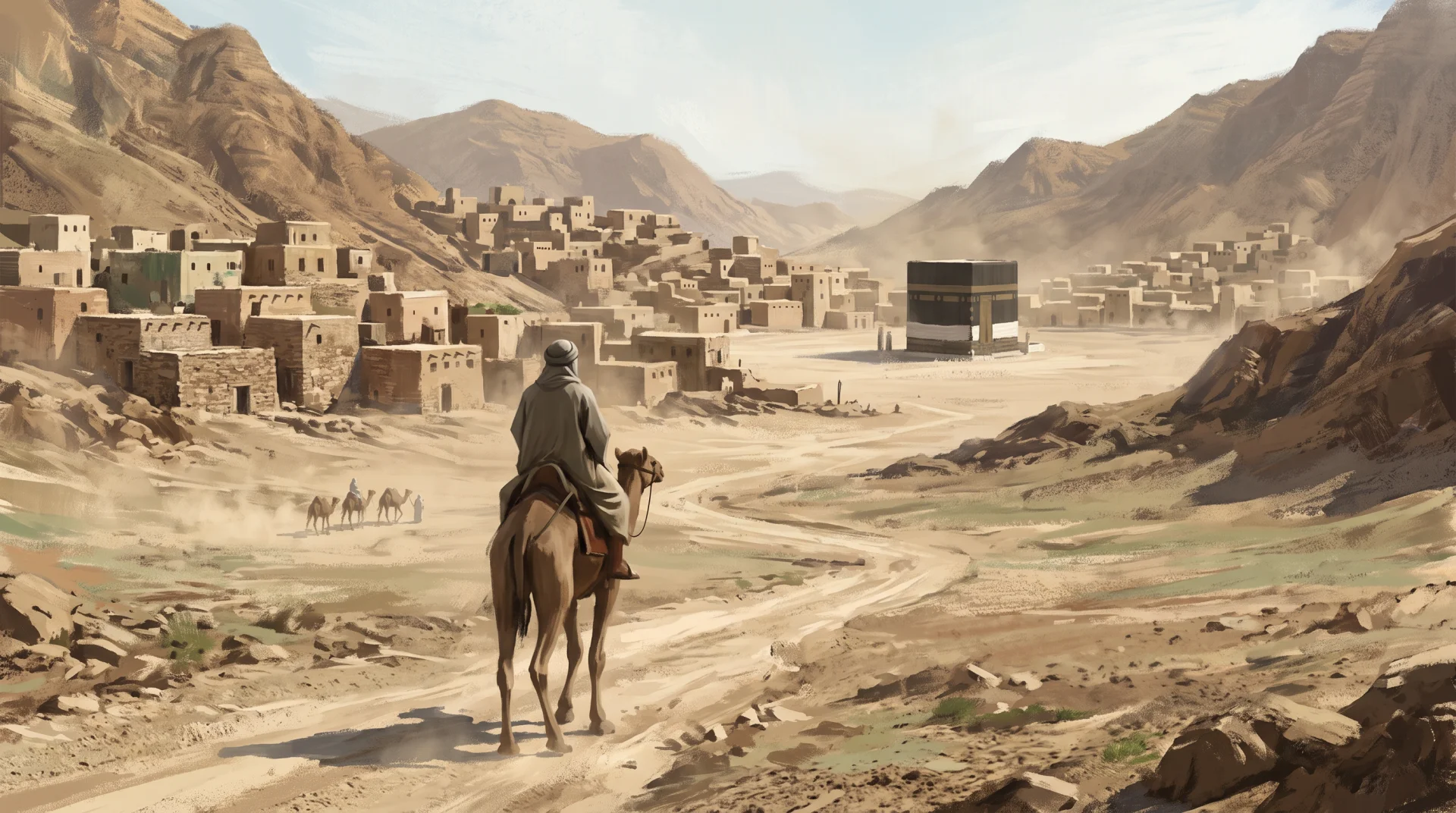
Scene 1
Al-Tufayl ibn Amr al-Dawsi Arrives in Mecca
The chapter opens with the words of the Messenger, "No believer was created who hears of me and has not seen me but loves me", and the tribute of Umar ibn al-Khattab to Abu Hurayra as the most knowledgeable of them about the Messenger of God and the best at memorizing his hadith. In the tenth year of the prophetic mission, al-Tufayl ibn Amr al-Dawsi, one of the greatest nobles and poets of Yemen, came to Mecca, and Quraysh received him as befits a chief of the Arabs.
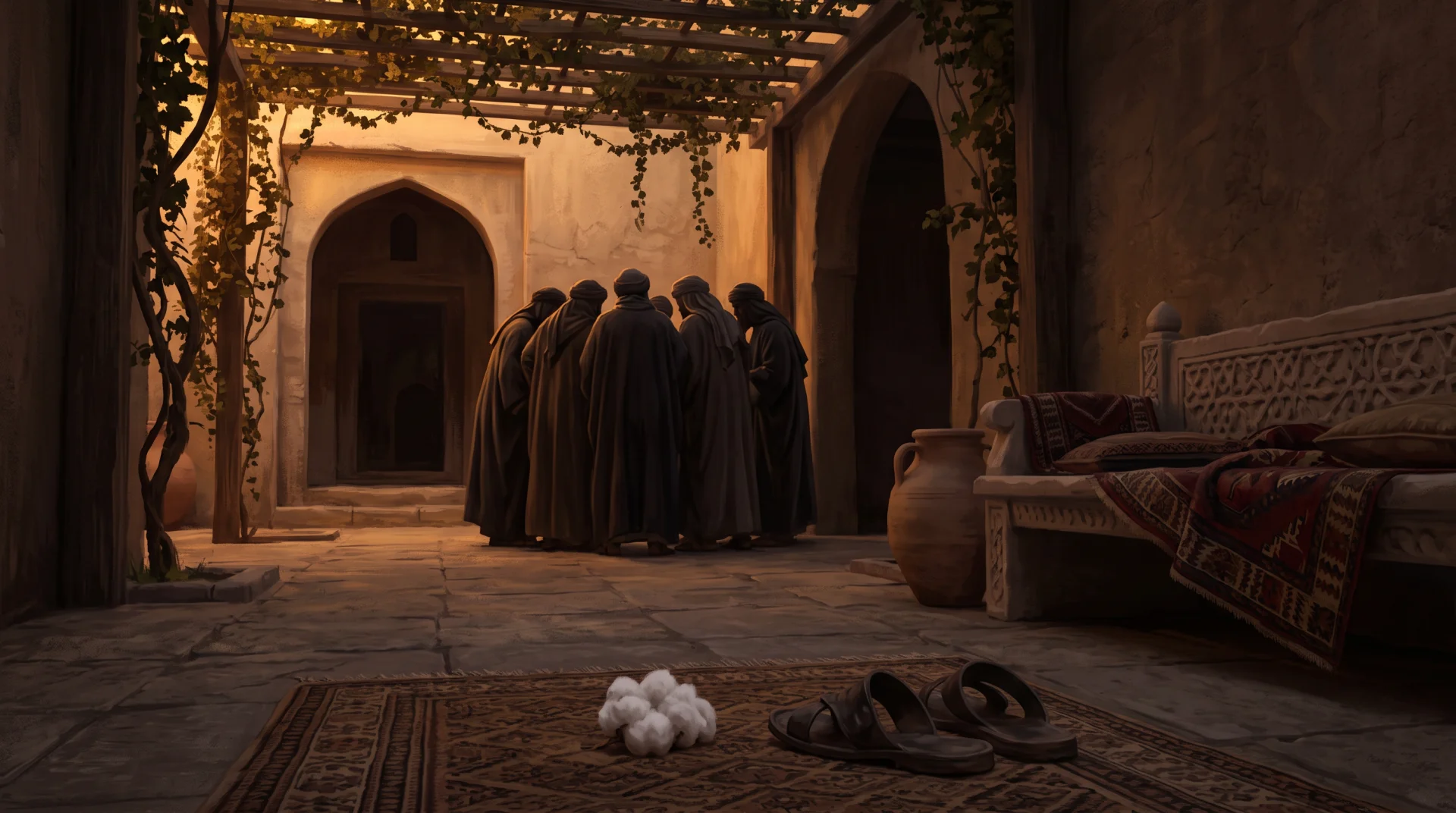
Scene 2
Quraysh Warn Him
Quraysh drew close to warn him against a man of Banu Hashim named Muhammad ibn Abdullah, saying his words are like magic that splits a man from his father, his brother and his wife, and that he must neither speak to him nor listen to him. Quraysh's disbelievers kept warning this Yemeni chief until he truly feared, and the book says Quraysh's "media machine" so frightened the stranger of that "terrorist" that Tufayl stuffed his ears so as not to hear anything from the man.
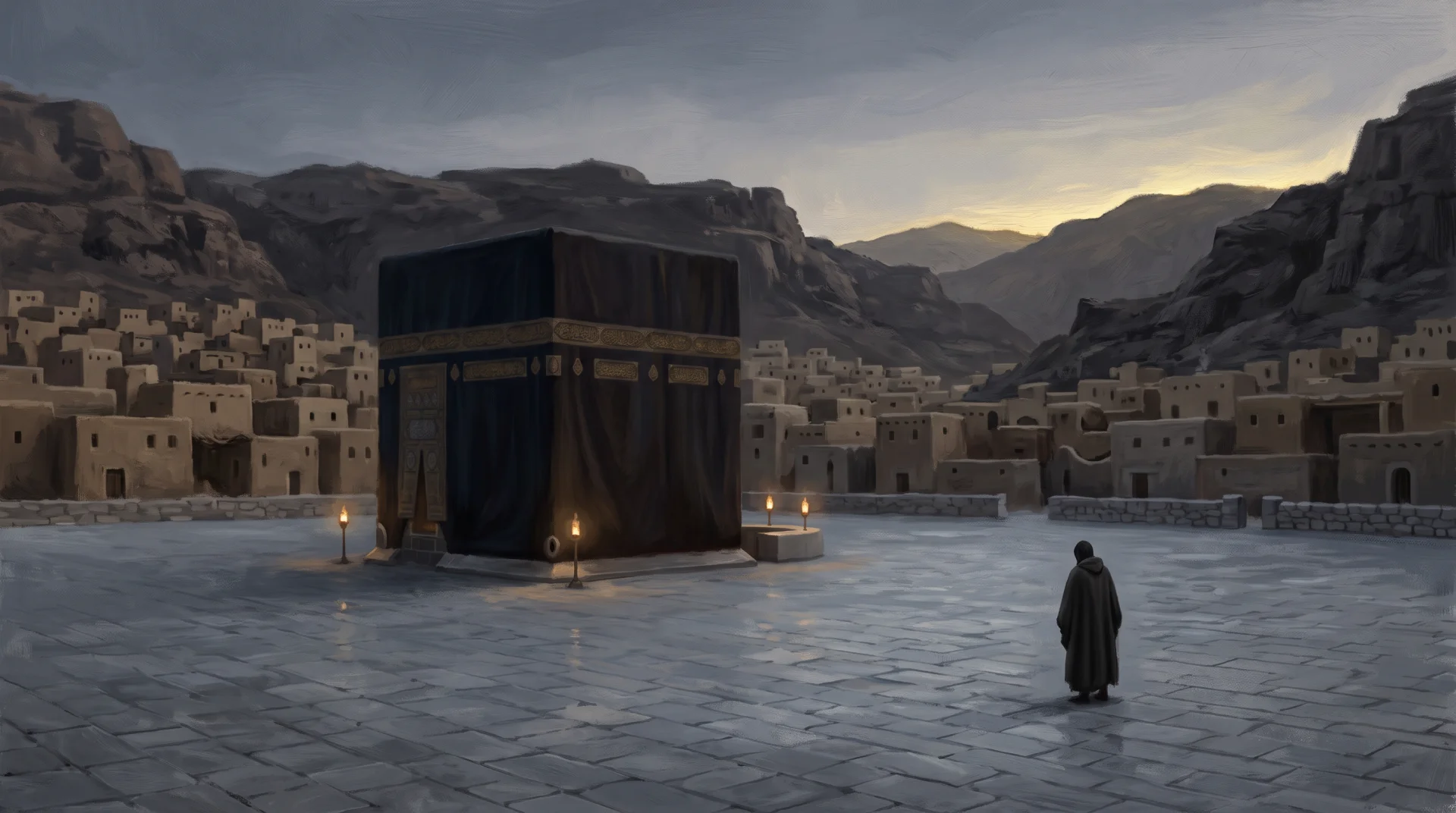
Scene 3
At the Kaaba with Cotton in His Ears
Tufayl went to the Kaaba, where the Messenger of God stood praying and worshipping, and he stood near him. God willed that he hear some of his words even though his ears were stuffed with cotton, and he heard fine speech. He told himself: "Woe to your mother, Tufayl! By God, you are a wise poet who cannot miss good from bad; what keeps you from hearing what this man says? If it is good, accept it; if it is bad, leave it."
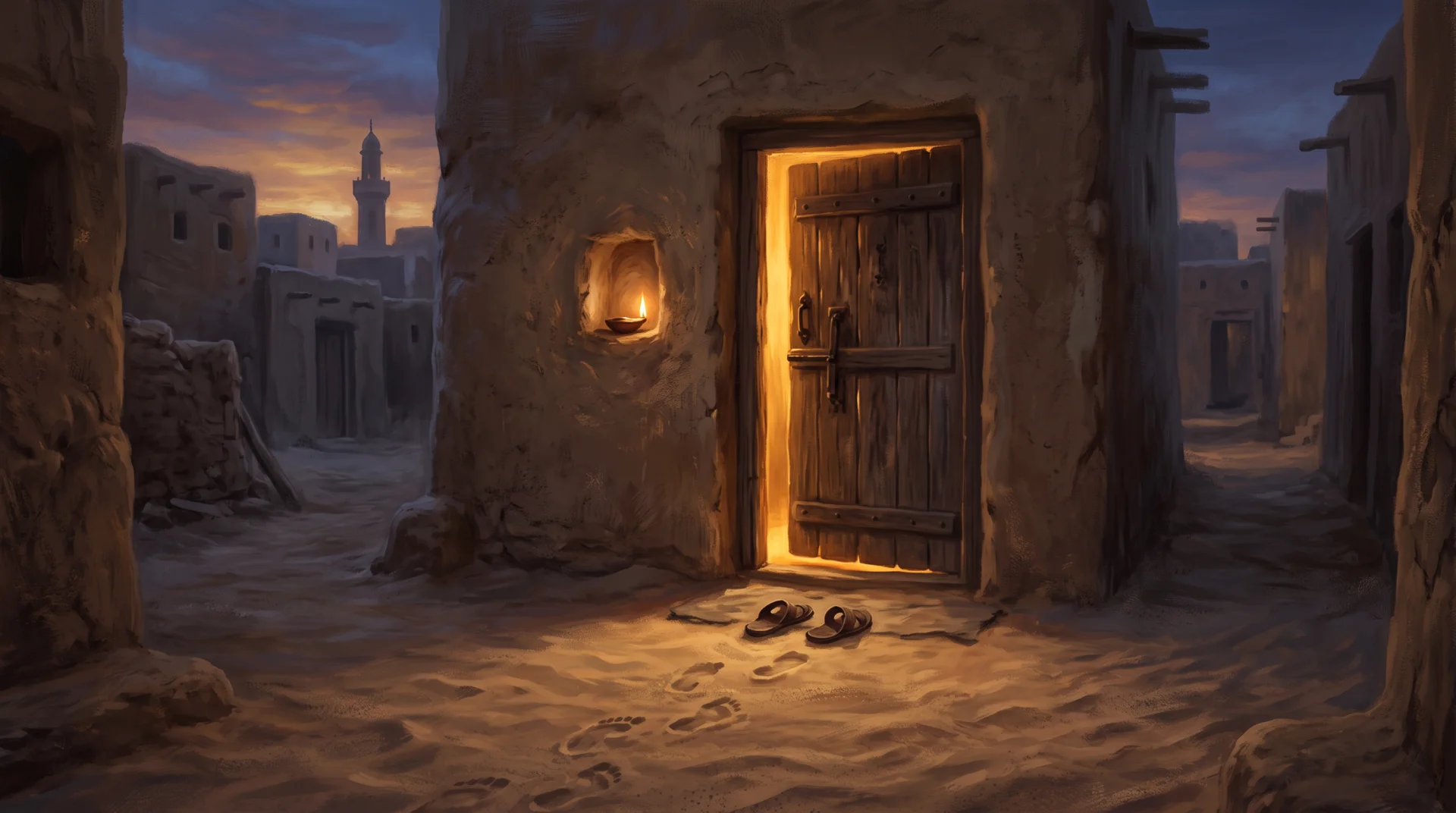
Scene 4
Tufayl Accepts Islam
Tufayl listened in secret until the Messenger went home, then followed him and went in. He told him that his people had frightened him about him until he blocked his ears with cotton, but God willed that he hear, and he had heard good words, so he asked him to present his message. The Messenger of God presented Islam and recited the Quran to him. Tufayl says he never heard better words nor a more just command, so he embraced Islam and bore witness to the truth.
Scene 5
Seventy Families and a Young Man with a Cat
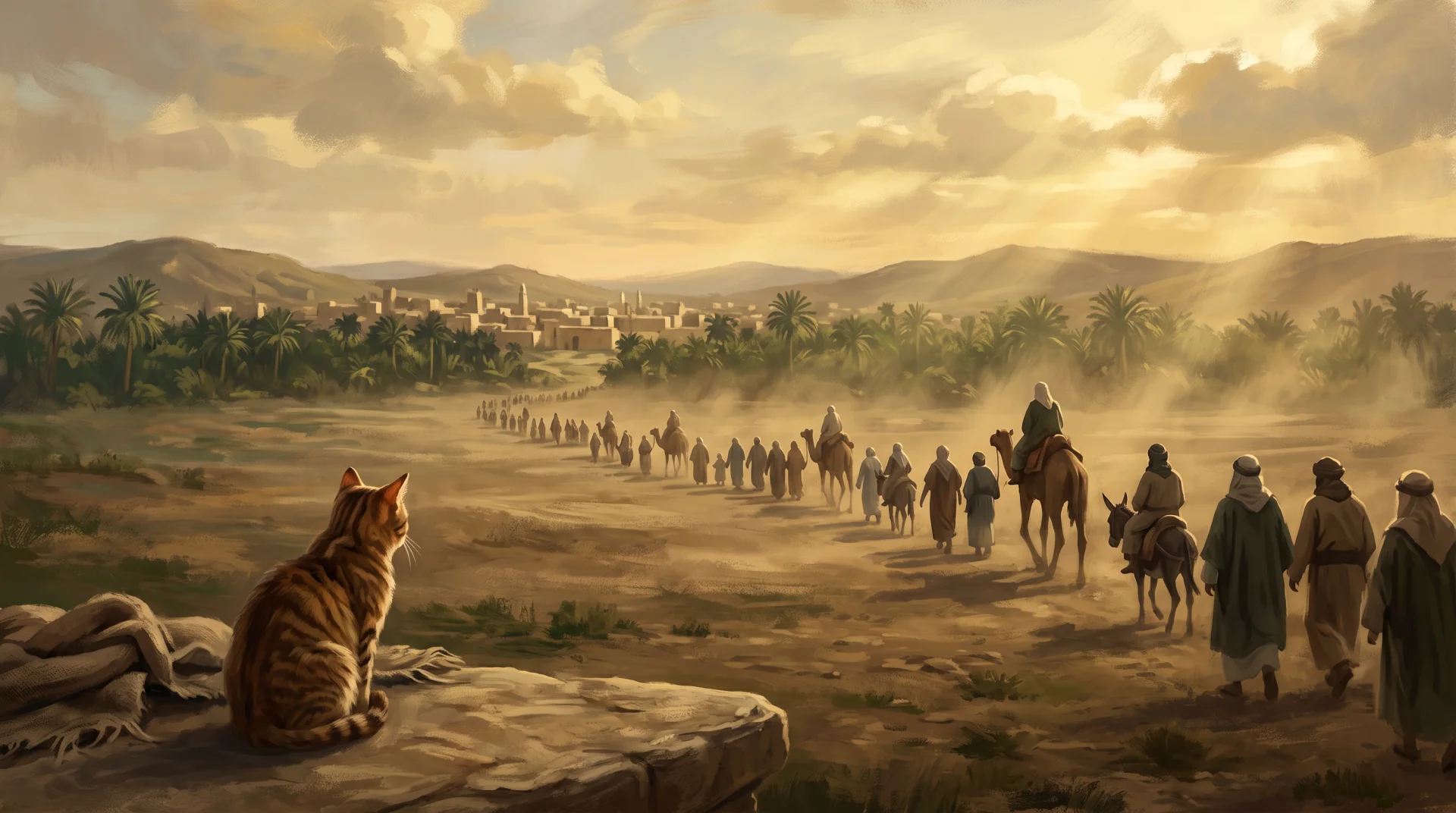
Tufayl returned to Yemen and called his people to Islam. In the seventh year of the Hijra the Muslims were surprised when he arrived with seventy Yemeni families who had all embraced Islam at his hands. Among them was a thin young man, no more than 26, showing the marks of severe poverty and misery: Abd al-Rahman ibn Sakhr al-Azdi, who carried a small cat on his shoulders, feeding it and showing it kindness. People nicknamed this poor man Abu Hurayra, the name that will echo in the record of the great until the Day of Resurrection.

Scene 6
A Distorted Image and a Cause of Abu Hurayra's Islam
The author pauses at the conversion of the great chief Tufayl. The disbelievers so distorted the image of Islam and of the Messenger that this poet chief stuffed his ears out of fear of the Muslim man whom "the Qurayshi news agencies" portrayed as a "dangerous terrorist". God did not content Himself with making him Muslim; He made him the cause of Abu Hurayra's Islam, the greatest Islamic "news agency" in all Islamic history. The author says the story explains the verse: "They want to extinguish the light of God with their mouths, but God will perfect His light", noting that the word is "mouths", the source of speech and propaganda.

Scene 7
A Near Conquest
The author says that today you hardly find a global media outlet without a frightening distortion of the image of Muslims, so he tells the servants of God to rejoice in a near conquest like the one Tufayl ibn Amr al-Dawsi brought. Perhaps, he says, had Quraysh not mentioned Muhammad to him he would never have listened, and would not have brought Abu Hurayra, the one who transmitted more of the Messenger's hadith than anyone on earth. He also marvels at the story of "Dhu al-Nur", Tufayl.
Scene 8
Four Years, Yet the Most Hadiths
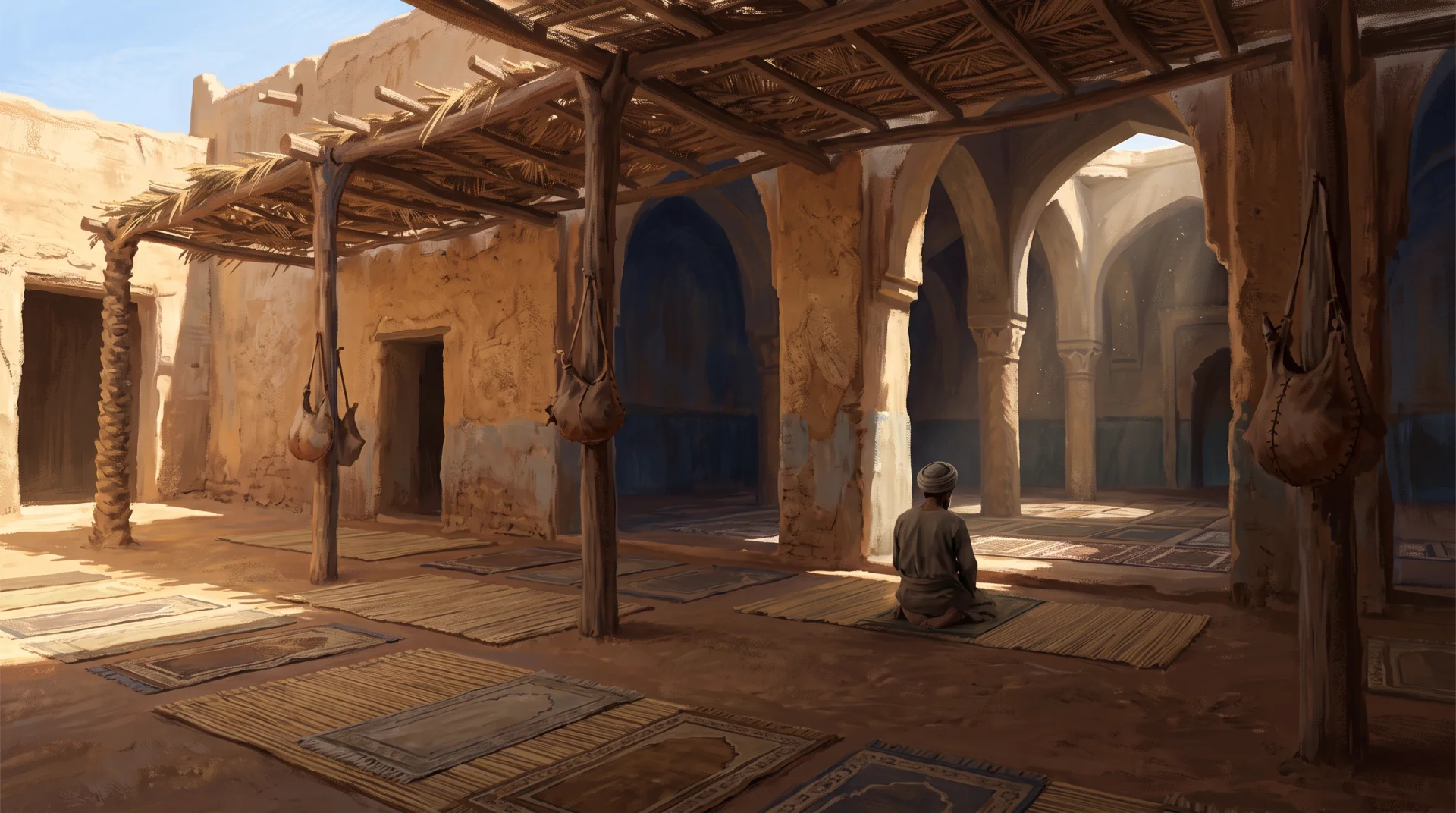
Abd al-Rahman al-Azdi, whose famous nickname no book about Islam omits, accompanied the Messenger no more than 4 years of the 23 years of the call, and yet he transmitted the most hadith of all the Companions. How to explain it? God, with His unlimited power, makes means for everything: as al-Bukhari's blindness was a cause of his strong memory, God, the Cause of causes, gave His servant Abu Hurayra a way to memorize this great number of hadiths, about 4026, in that short period.
Scene 9
A Destitute Young Man Beside the Prophet
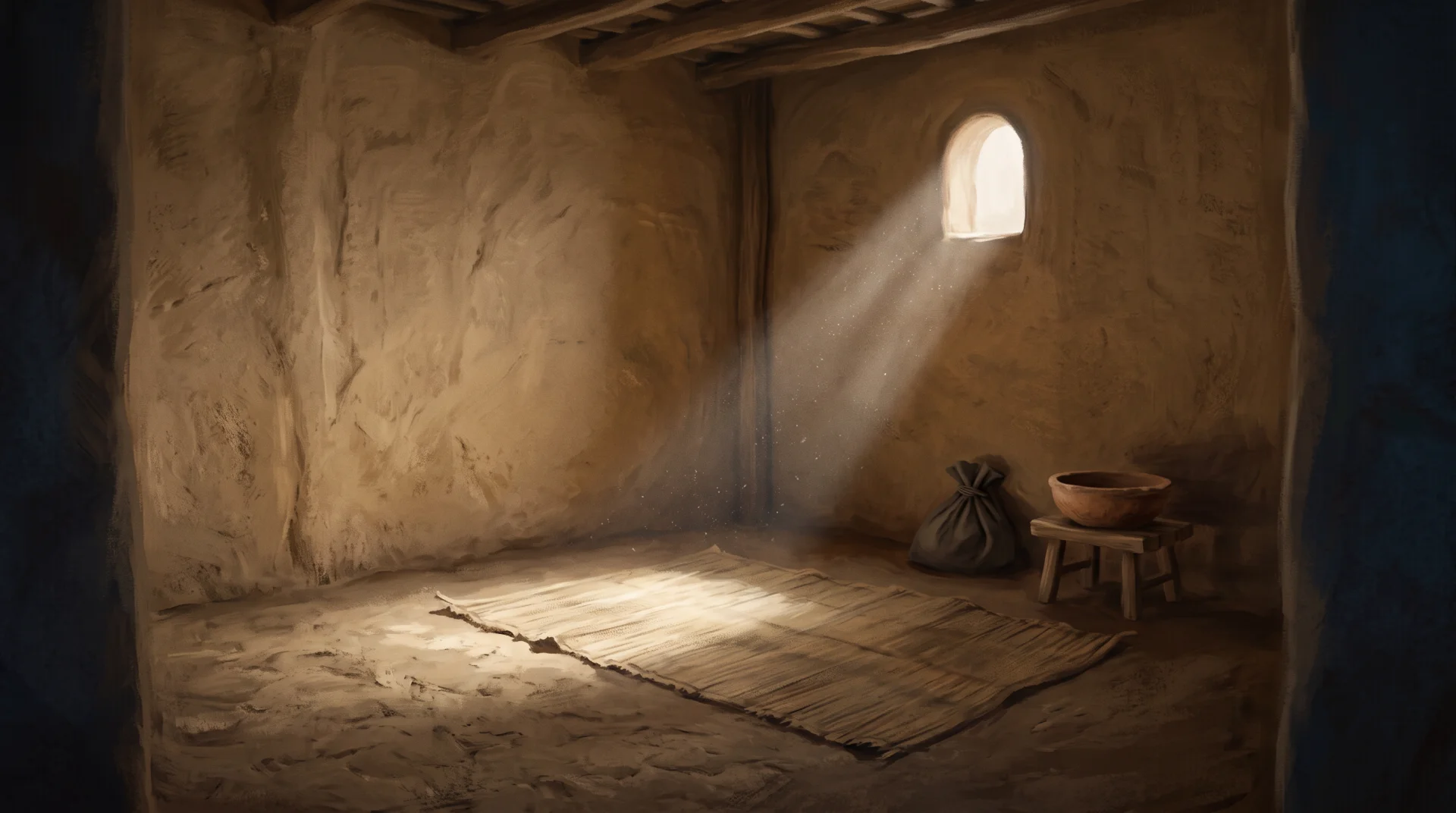
Abu Hurayra was poor, with no trade to work at, no land to plow and no family to support, a young man who did not even own his daily bread, so he spent all his time in the company of the Prophet. The author lets Talha ibn Ubaydullah explain the secret of his many hadiths: "By God, we do not doubt that he heard from the Messenger of God what we did not hear and knew what we did not know. We were rich people with homes and families, coming to the Messenger of God at the two ends of the day and then returning, while he was a poor man with no money or family, his hand was with the Messenger's hand and he went round with him wherever he went."

Scene 10
Rejoice, People of Yemen
The author thanks Abu Hurayra for all he gave Islam and the Muslims, and wishes him Paradise even though he was poor in his life. He tells the people of Yemen to rejoice, for Abu Hurayra alone would suffice for their honor in history, yet they gave the ummah more of its greatest men: more than eleven centuries after Abu Hurayra's death, Yemen produced another great Yemeni among the great of the Islamic ummah, who immortalized his name in the record of the hundred with a great book bearing his signature, "Nayl al-Awtar", which became a reference no student of knowledge can do without.
These are English scene notes. The full chapter text, as the author wrote it, is in the app.