


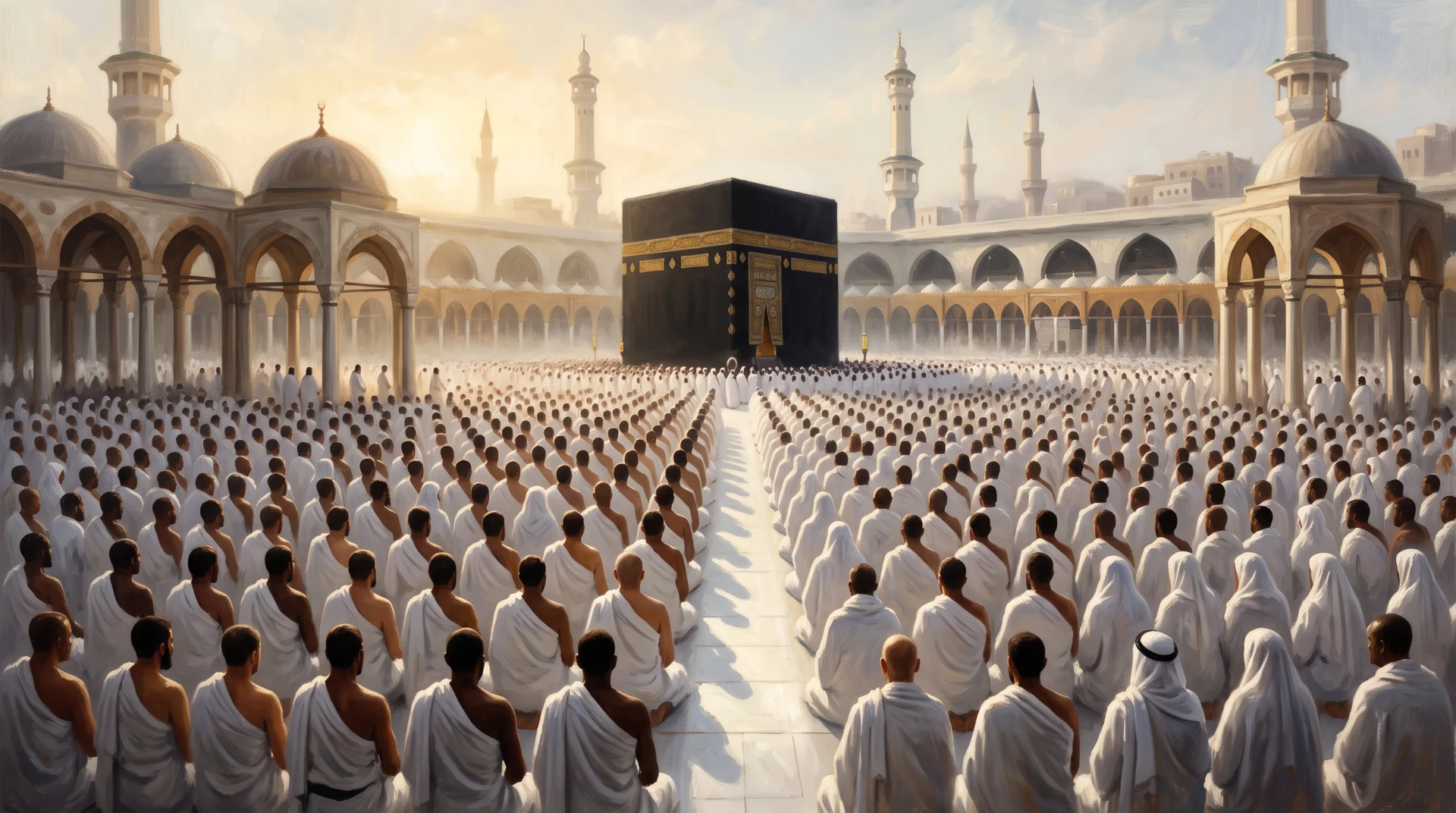
Scene 1
A Letter from Mecca: One Prayer, One Plate
The chapter opens with a letter signed al-Hajj Malik al-Shabazz, Malcolm X. "Dear Patty", he writes, you may not believe this: he is in Mecca praying beside a white man behind a black man, eating from the same plate as a man with blue eyes and drinking from the same cup as a fair-skinned Arab sheikh. In this holy city, he says, he has realised that all of America's racial problems can only be solved by the teachings of great Islam.
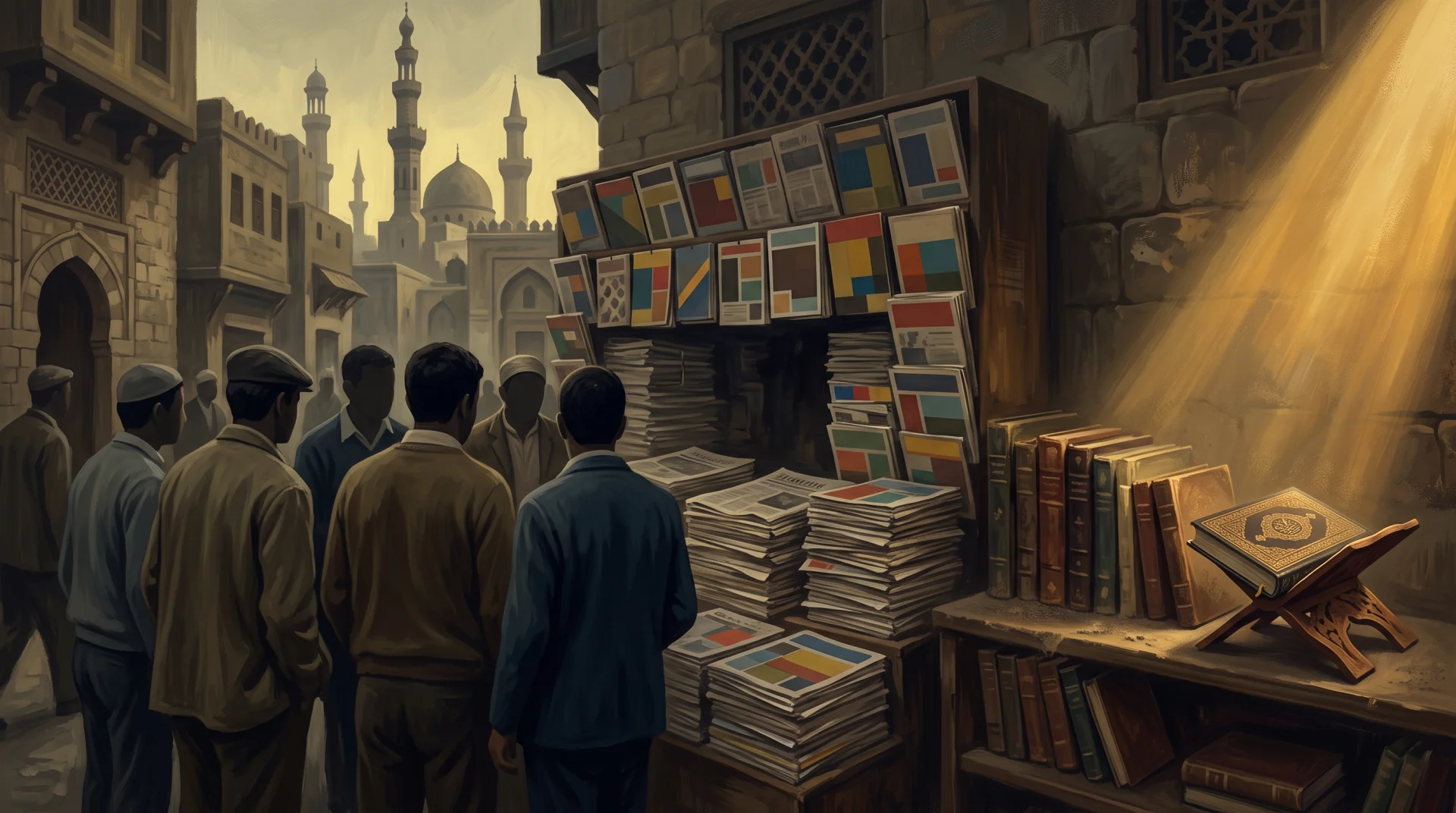
Scene 2
A Reproach: A Brother Who Gave His Life for Islam
The author asks how many of us know the story of our Muslim brother Malcolm X, or have even heard his name. The shame is ours, he says, when we devote our time to the yellow press, following an actress's divorce, a footballer's transfer or the case of a murdered singer, yet do not spare five minutes to read about a brother who paid with his whole life for Islam. Young people complain of boredom, he adds, yet memorise nothing of the Book of Allah or an authentic hadith, let alone read the history of their nation's great figures.
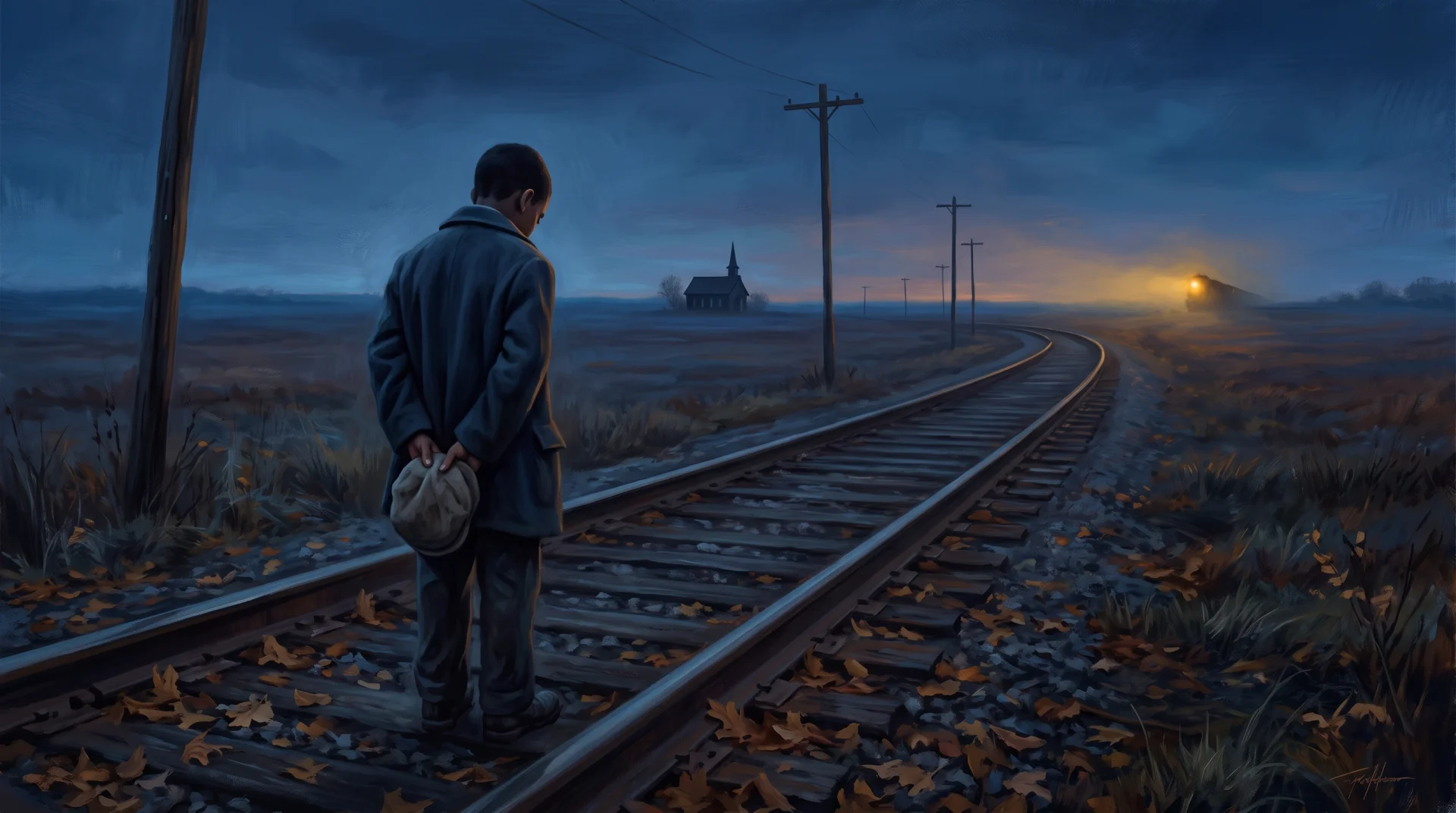
Scene 3
The Priest Father and the Hatred of the Racists
Malcolm X was a black American raised by his father, who worked as a priest in a church. As a child he was shocked by his father's killing at the hands of white men who followed the same religion as his father. The book says they did not merely kill him but blew his head apart under the wheels of an express train to enjoy the sight of the blood. The boy wondered at the hatred filling those racists towards his people, although they shared the same religion.
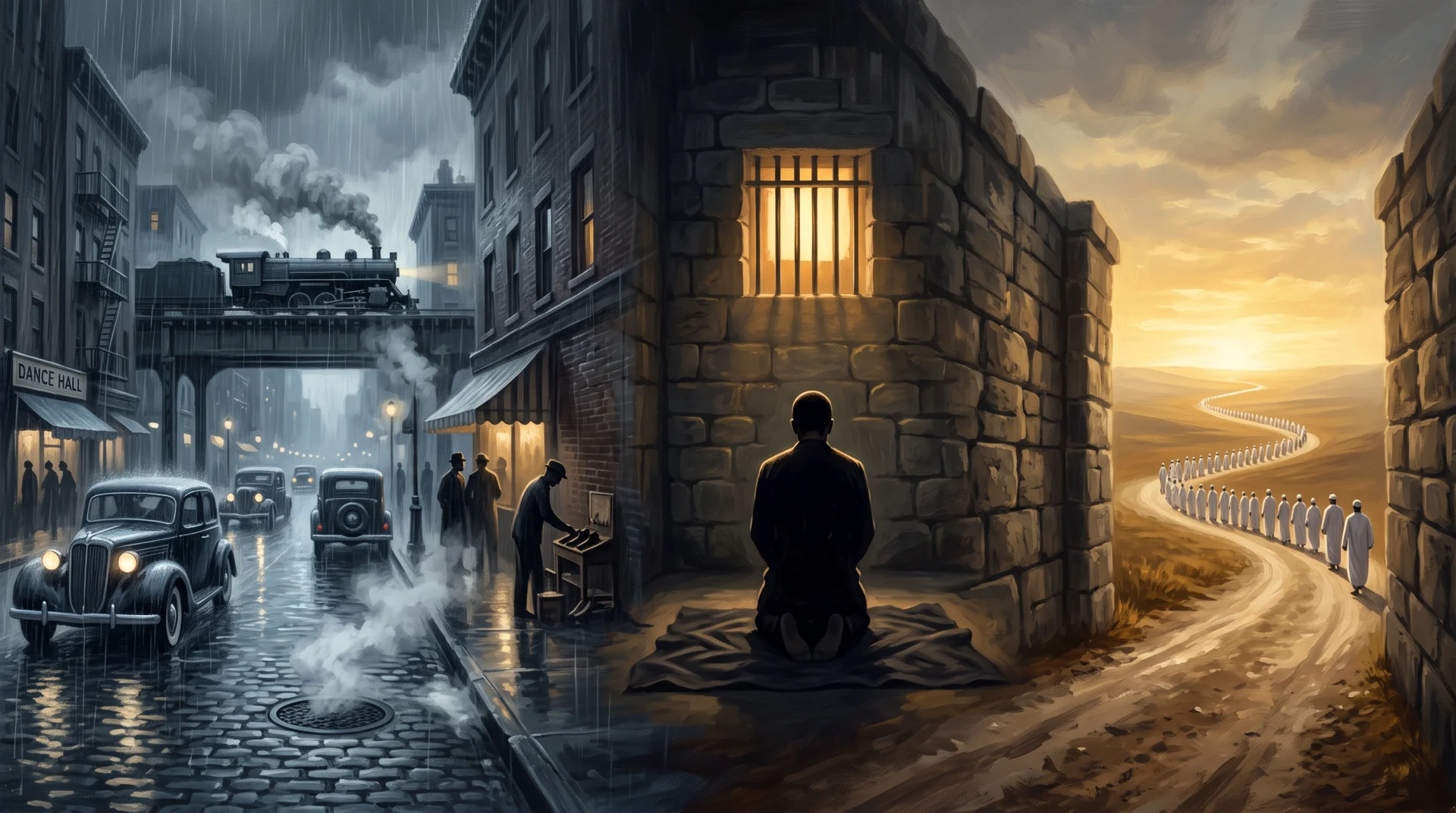
Scene 4
From School to the Streets of New York, Then Prison
At school Malcolm noticed hateful racial discrimination: a black person, the book says, did not equal even a white person's animal. He worked hard and became the most outstanding pupil, and the school rewarded him by expelling him from education altogether. Homeless in New York, he moved between the demeaning jobs thought fit for Negroes: waiter, train worker, shoeshiner in dance halls, until he became a famous dancer. He took to drink, cigarettes and gambling, then used and dealt drugs, until the police caught him and his companions. He received an exaggerated ten-year sentence, against five for his white companions.
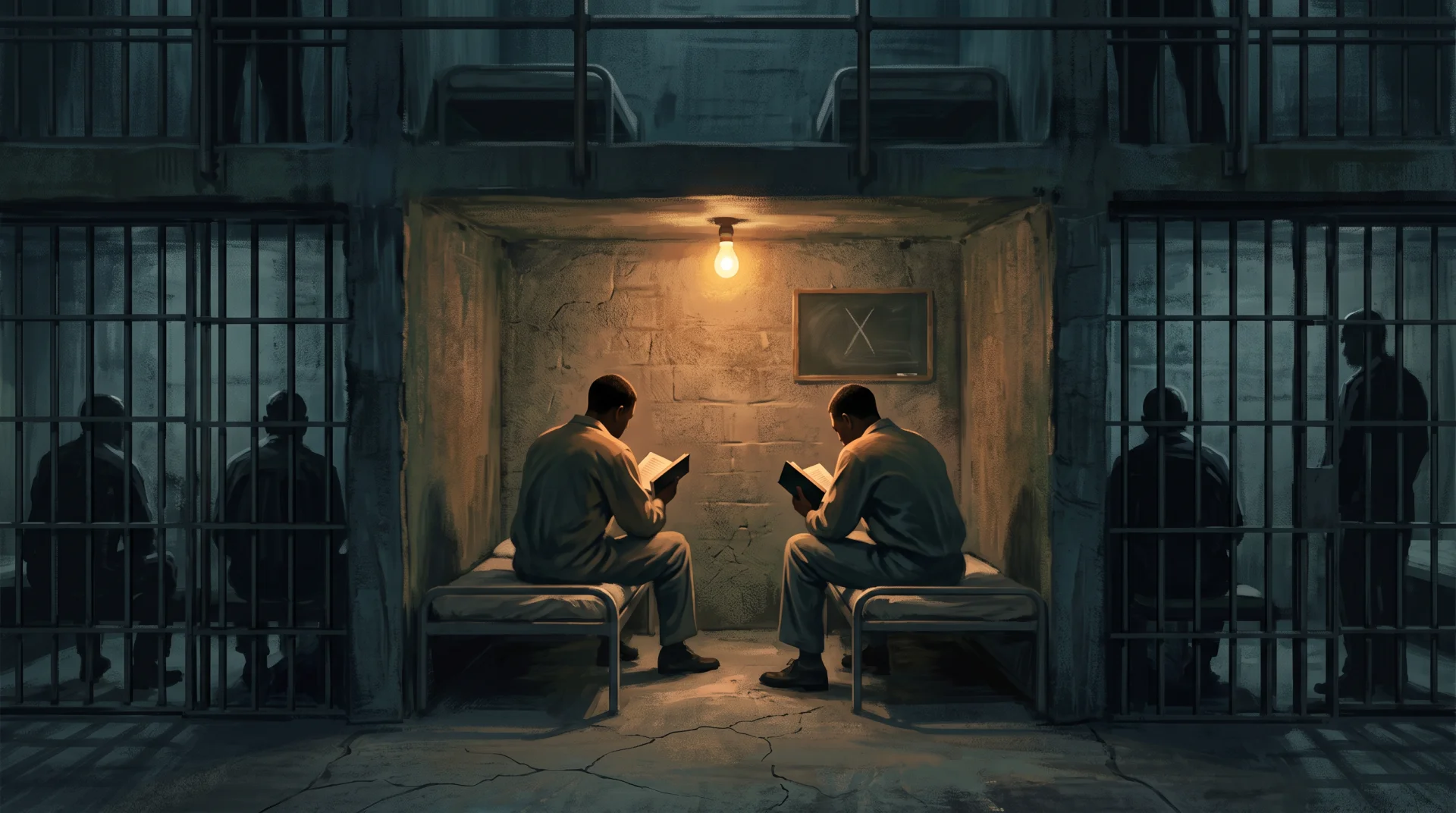
Scene 5
Islam in Prison and the Name X
Allah willed good for him through this, the author says: he embraced Islam in prison and became a preacher in New York's prisons, until the authorities, worried, released him after hundreds of black inmates became Muslim at his hands. On leaving he changed his name from Malcolm Little to Malcolm X. X, the unknown value in mathematics, stood for his real family name: he believed Little was the name of the white master his African ancestors worked for, since every white master named thousands of black slaves after himself as if they were animals he owned.
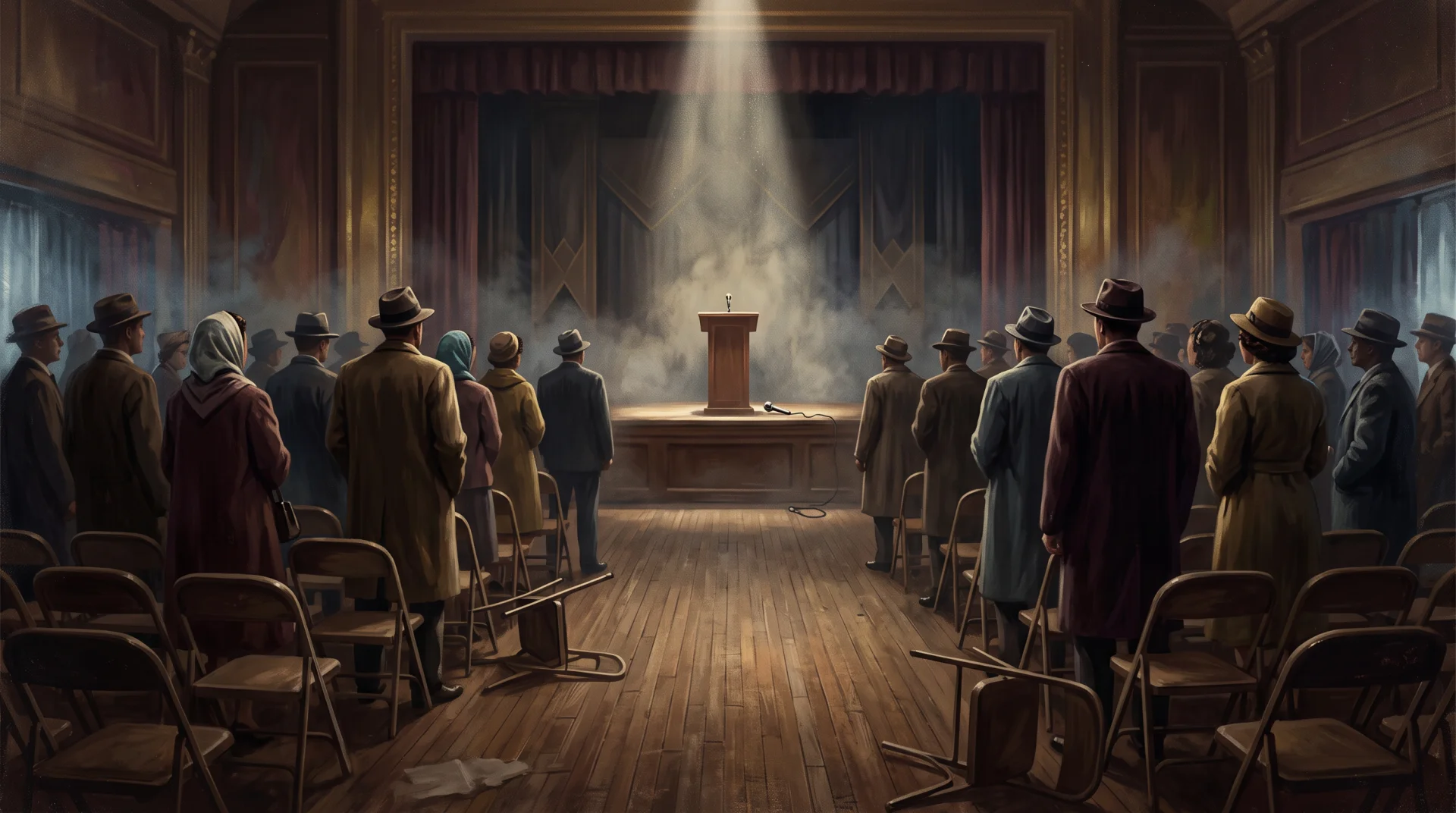
Scene 6
From the Hajj to the Assassin's Bullets
Malcolm X then became the official spokesman of the "Nation of Islam" organisation, which, the book says, confronted white racism with the same black racism. His idea of humanity changed when he went on the hajj, where the scholars of Saudi Arabia taught him true Islam. He returned to America to announce to the world that the only solution for Americans, white and black, lay in holding to the teachings of Islam. Only days after this announcement, this Islamic hero was assassinated before the eyes of his children, in circumstances that remain mysterious to this day.
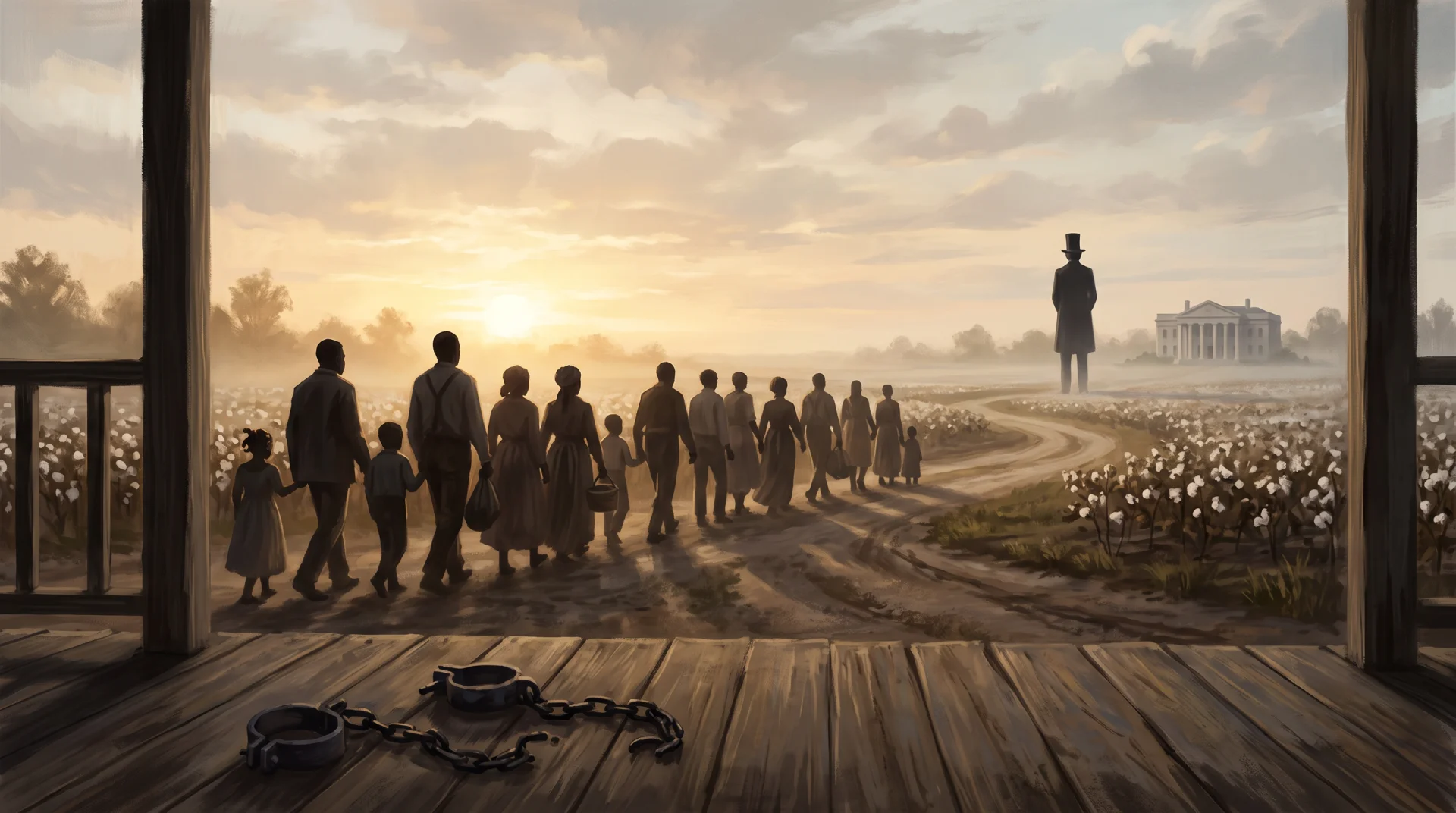
Scene 7
The Dangerous Secret: A President Who Freed the Slaves
The author adds that not all white Americans were convinced by the racism that prevailed, and still prevails, in America. There was a giant American president who changed the fate of tens of millions of African slaves. But what, he asks, was the dangerous secret that drove that president in particular, and no other, to free the slaves? And why was he the first president in the history of the United States to be assassinated in mysterious circumstances? The chapter ends: to be continued.
These are English scene notes. The full chapter text, as the author wrote it, is in the app.