


Scene 1
The New Ottomans
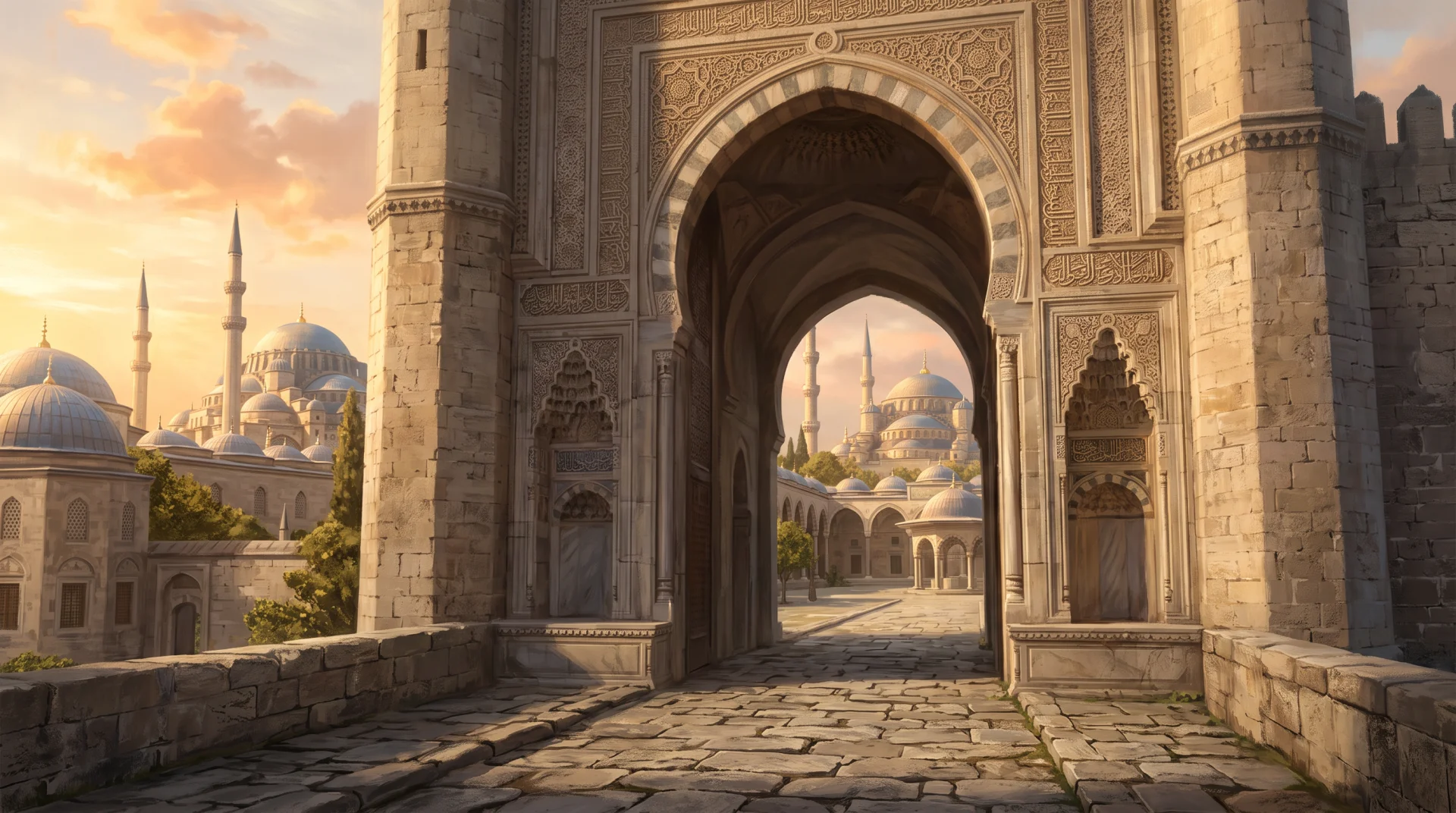
The chapter opens with the verse: and they plot, and God plots, and God is the best of plotters. Then comes the Turkish foreign minister Ahmet Davutoglu: they say about us that we are the new Ottomans, yes, we are the new Ottomans.
Scene 2
Stranger Than Strange
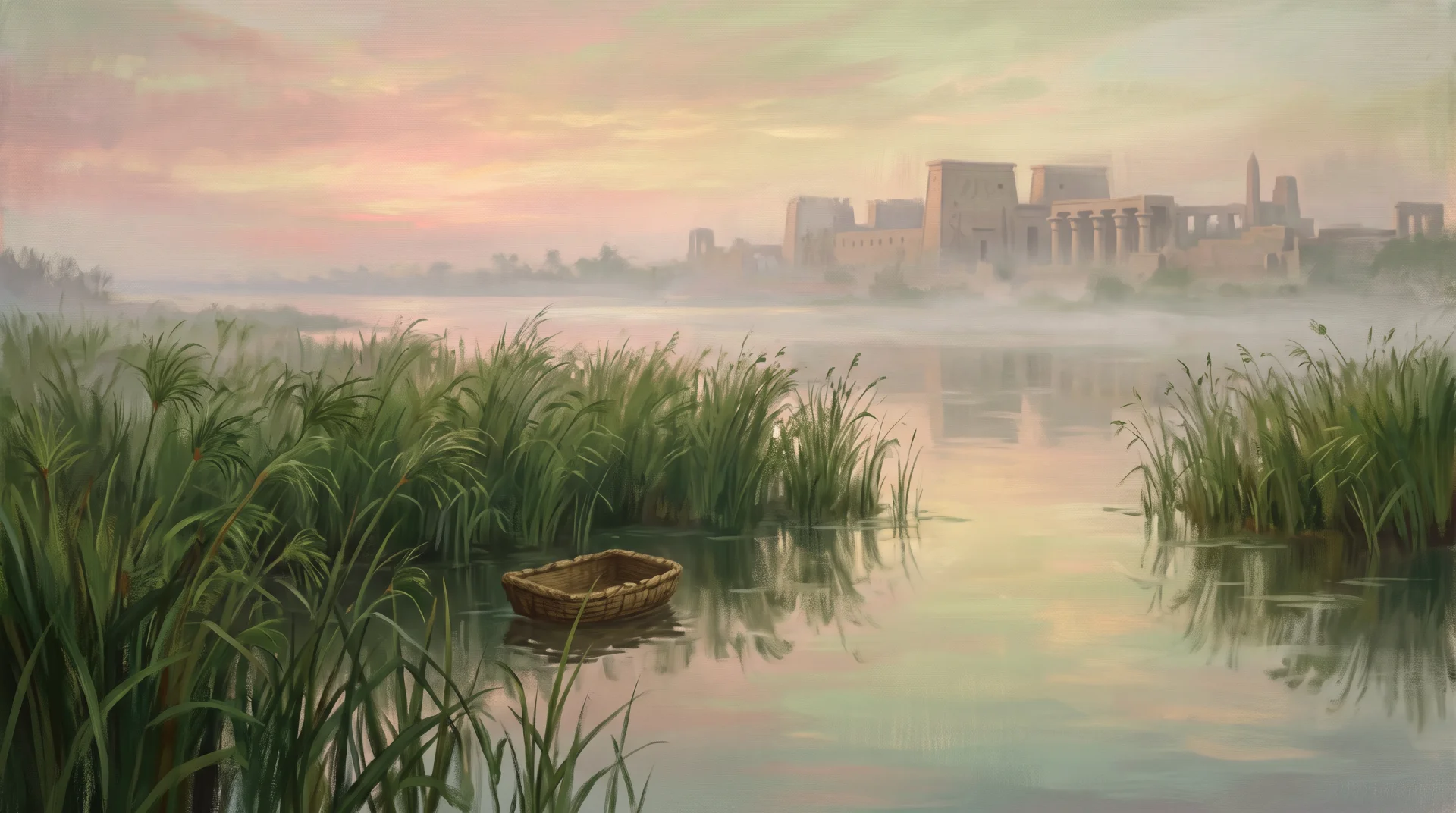
The author says the story of Islam is stranger than strange, and were its chapters not repeating before our eyes we would call it a fantasy. Who raised Moses but Pharaoh himself? Who made the Aws and Khazraj accept Islam but the Jews of Yathrib? Who named Qutuz but the Tatars? Who made Deedat but the missionaries themselves?
Scene 3
The Tatars Made the Ottomans
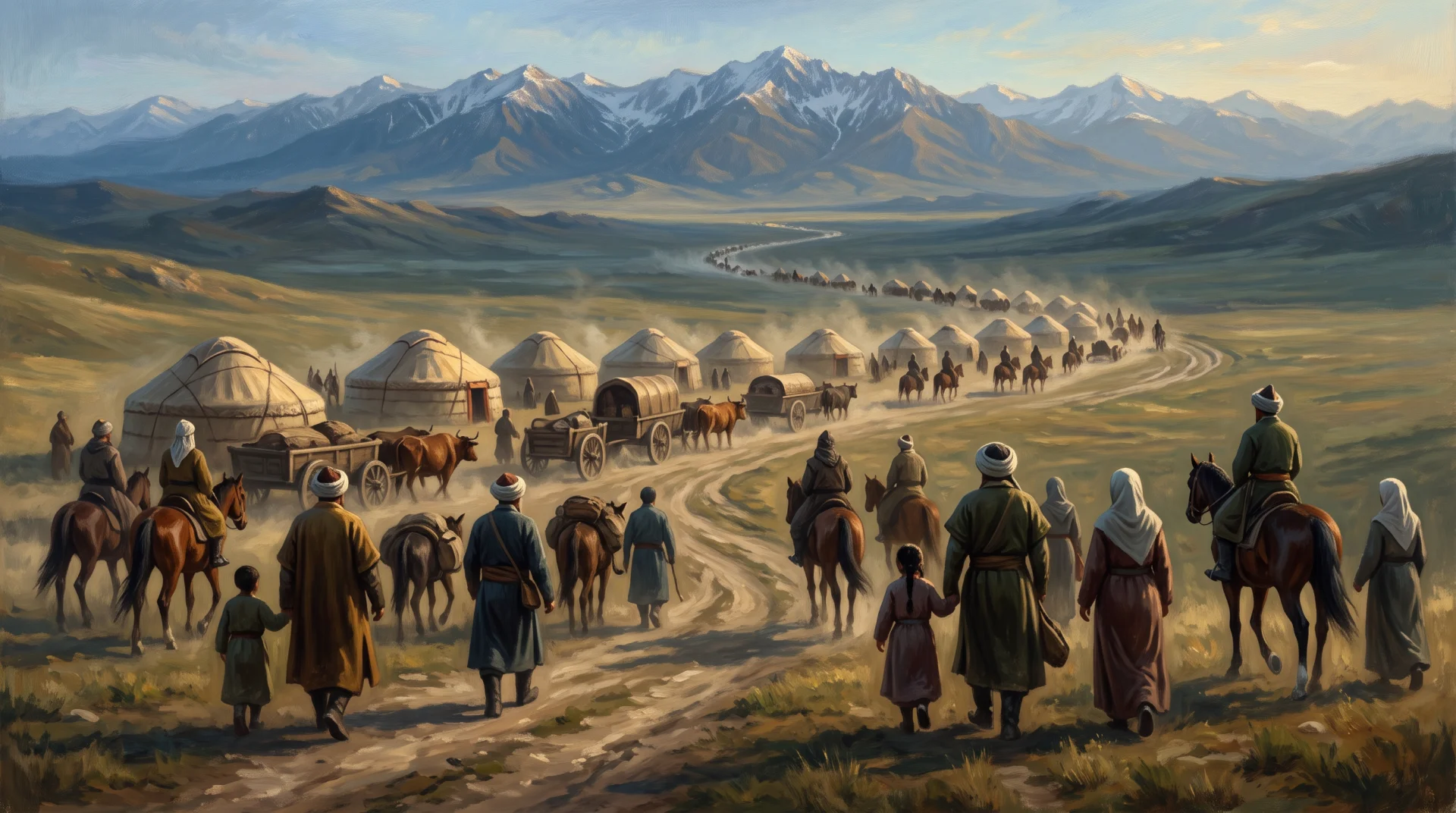
The author says God is able to give victory to His friends without using their enemies, but He wished to humble the tyrants more by making their destruction come at their own hands. The Ottomans are the greatest example: the Turks were only scattered tribes in the valleys of Central Asia, Muslim (accepted Islam at the hands of Caliph Yazid ibn Muawiyah, as the author says) but without any sign of strength. Funnily, the Tatars made the Ottomans too, and the author quotes the verse: and they plotted a plot and We plotted a plot, while they did not perceive (an-Naml 50). A Turkish tribe fled the savagery of the Tatar army from Western Turkestan to Asia Minor.
Scene 4
From Osman to al-Fatih
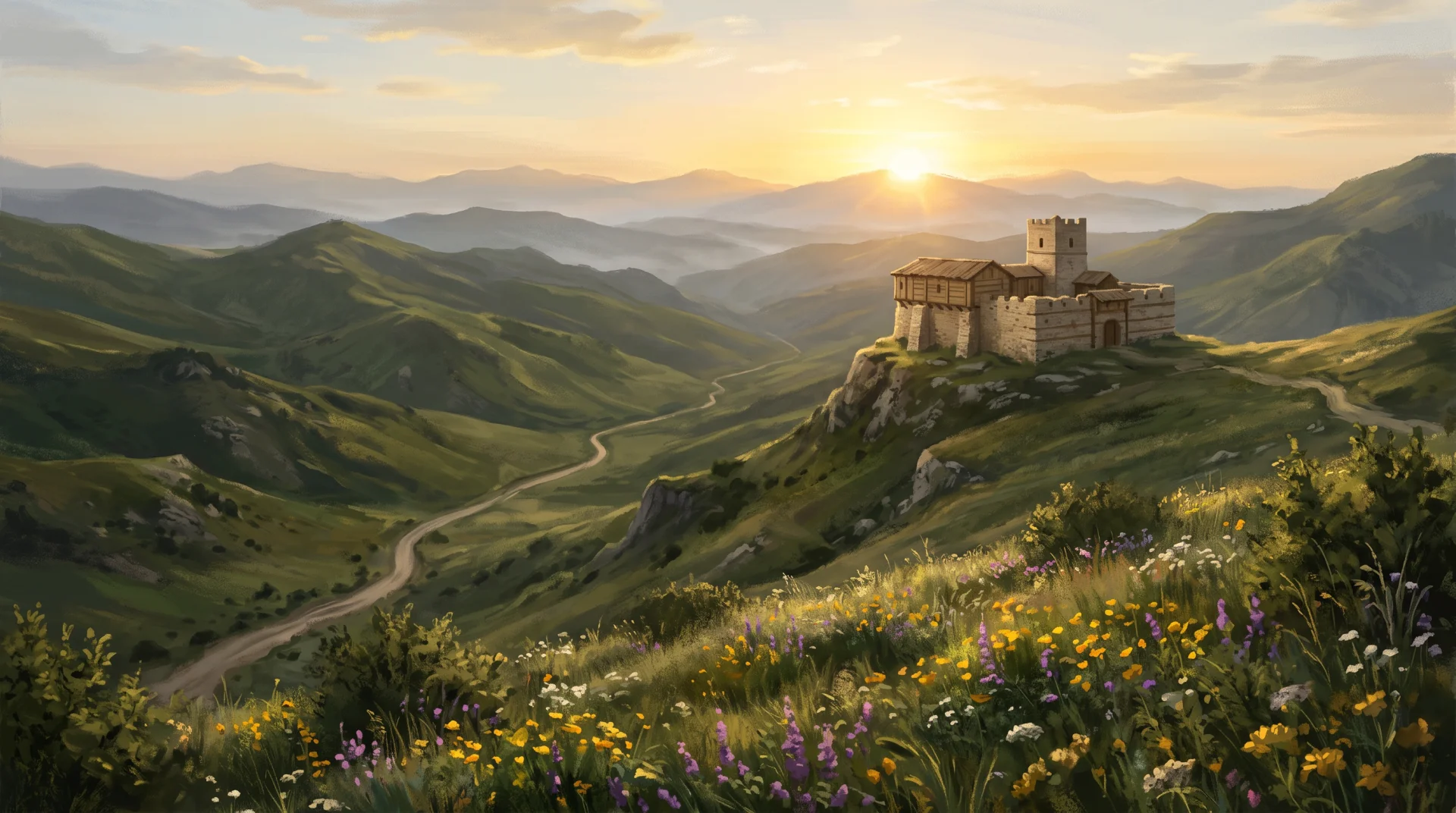
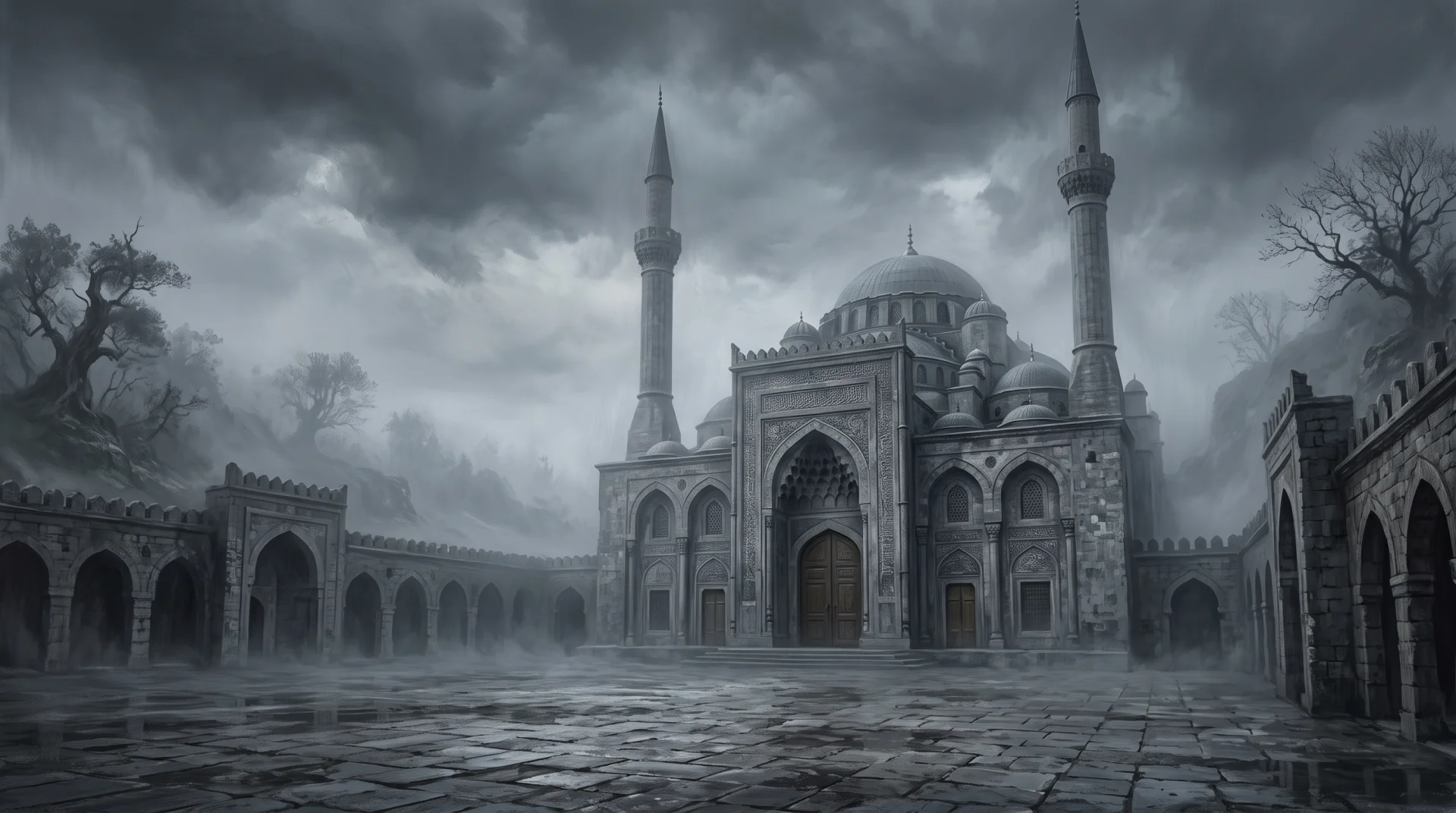
There the tribe's leader, Osman son of Ertugrul, helped one of the Seljuk kings out of chivalry, and the king rewarded him with a small province. Osman the Great kept fighting the Romans and expanding until his province grew into almost a state. Then Sultan Yazid the Thunderbolt added wide lands to the Ottomans, until al-Fatih and al-Qanuni came, and the rest of the story the book has told in its chapters.
Scene 5
The End of the Caliphate
The author says that, as he mentioned, the Donmeh Jews led by Kemal Ataturk worked to destroy the caliphate: on 27 Rajab 1342 AH, 3 March 1923, Ataturk ended it, the first day on earth when the successors of Muhammad were cut off. The last Ottoman caliph, Abd al-Majid II, was the 102nd caliph of the Muslims after Abu Bakr. The author calls Ataturk a criminal who cut Turkey off from the Muslim world, wrote a constitution declaring Turkey secular, cast aside the sharia and took Swiss and Italian law. He banned the Arabic call to prayer, abolished the post of Sheikh al-Islam, banned the hijab in government institutions, universities and schools, closed many mosques and killed over 150 scholars, the author says.
Scene 6
The Army and Secularism
Ataturk was an army commander, so he gave the Turkish army vast powers and wrote into the constitution its right to intervene to guard secularism. The author says most Union and Progress members, who became the army's leaders, had known Jewish roots or Masonic affiliations. Ataturk's military machine took over media and education. After Israel was founded in 1948, secular Turkey recognised it at once, the first Muslim state to do so, and Iran followed, which the author calls the Magian Persian state. Ben-Gurion announced the Periphery Alliance of Turkey, Ethiopia and Iran, and the author adds a note about Iranian relations with Israel under the Shah, Khomeini and the Iran-Contra scandal. Ataturk died in 1939, dropping the name Mustafa and leaving instructions that no prayer be held over him and that he not be buried the Islamic way.
Scene 7
Adnan Menderes
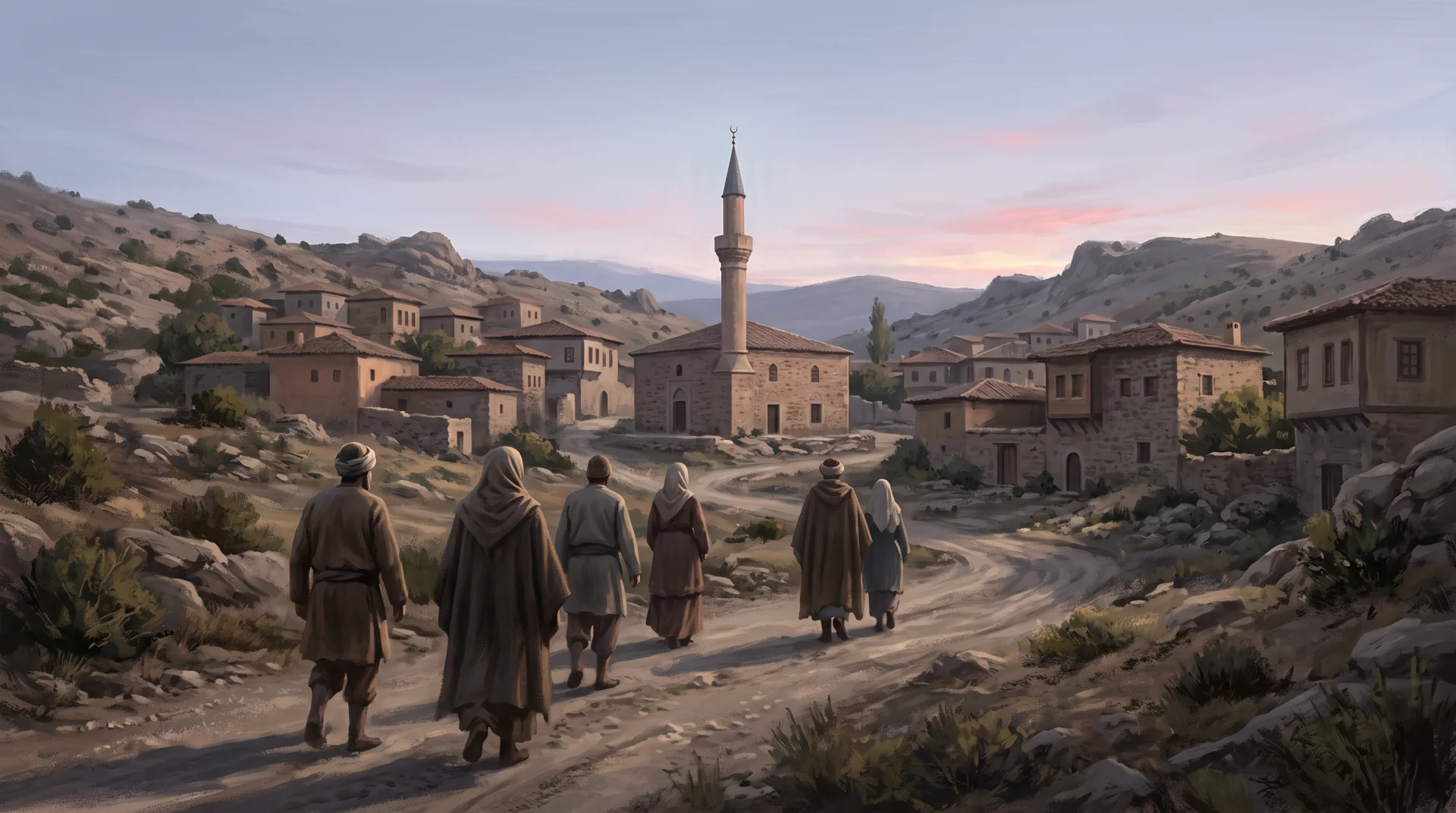
The author says God, who humbles his enemies, made the rise of Islam in Turkey come at the hands of a man from Ataturk's own companions, with no connection to the Islamists. In 1950 Adnan Menderes founded a party, wanting power by any means, and tried to outwit the Muslims of remote villages by giving them some religious rights for their votes. The first demand of the Turkish Muslims was to return the call to prayer to Arabic. He won the elections and stayed in power ten years, until the army saw the danger of this game, overthrew him and executed him in 1962, as the book prints it. Since then the army, mostly of Donmeh leaders in the author's words, set up the National Security Council, the strongest political body in Turkey, which dissolves any government that does not suit the secular line.
Scene 8
Necmettin Erbakan
Quoting Dabba ibn Udd, the sword has preceded the blame: the Muslim Turkish people had tasted Islam after years of Ataturk's persecution, so no power could return them to secularism. From the people came the scholar and inventor Necmettin Erbakan, who headed the inventions department at a German tank company in Cologne. He founded a party, won seats in parliament, and the army dissolved it for violating Ataturk's principles. He founded a second and a third party, won parliament in 1995 to lead the first Islamic government in Turkey, but the army toppled it after he refused 18 demands, the main ones closing religious schools. The army closed his Welfare party, he founded the Virtue Party, won again in 1999, and the army put the old man in prison.
Scene 9
The Three Young Men
From Erbakan's cloak came three young men who would change the course of history, the author says: Istanbul's mayor Recep Tayyip Erdogan, economics professor Abdullah Gul, of Armenian origin as the book says, and political science professor Ahmet Davutoglu. They founded the Justice and Development Party, went along with the army and slowly pulled the carpet from under it. During the writing of the book Gul secured a law forbidding army intervention, and Israel attacked a Turkish civilian ship heading to Gaza, so many young Turks fell, as the author reckons, as martyrs. This raised the star of the new Ottomans, whose popularity rose across the Arab and Muslim world. Turkey was rising politically by Davutoglu's zero-problems theory, economically through Gul's Anatolian Tigers, and in popularity through Erdogan's courage; the author sees the ummah's victory coming at the hands of these heroes.
Scene 10
A Comprehensive Awakening
The author says the Turkish awakening was no coincidence: it is an inseparable part of a comprehensive Islamic awakening led by a group of young Muslims who form a whole generation of greats. This generation is known in history as... To be continued.
These are English scene notes. The full chapter text, as the author wrote it, is in the app.