



Scene 1
The Wondrous Quartet
Entertainment troupes of today rarely last more than a few years, and their members often turn into fierce enemies. The Quraysh quartet has instead performed for over fourteen hundred years, gathered not on an instrument but on a white banner reading: there is no god but God, Muhammad is the Messenger of God.

Scene 2
Four Chosen, Four Giant Fathers
The author has no doubt the four Abdullahs were chosen from above seven heavens, even in their similar names and their giant fathers: Ibn Umar, Ibn al-Abbas, Ibn al-Zubayr and Ibn Amr ibn al-As. He groups them because their lives make one solid body, and he says Islam as we have it is a fruit of these scholars, who preserved the Prophet's Sunnah. He adds that whoever thinks the Quran alone is the sole lawgiver is, in his words, either mad or a vile criminal.

Scene 3
Those Who Attack the Sunnah
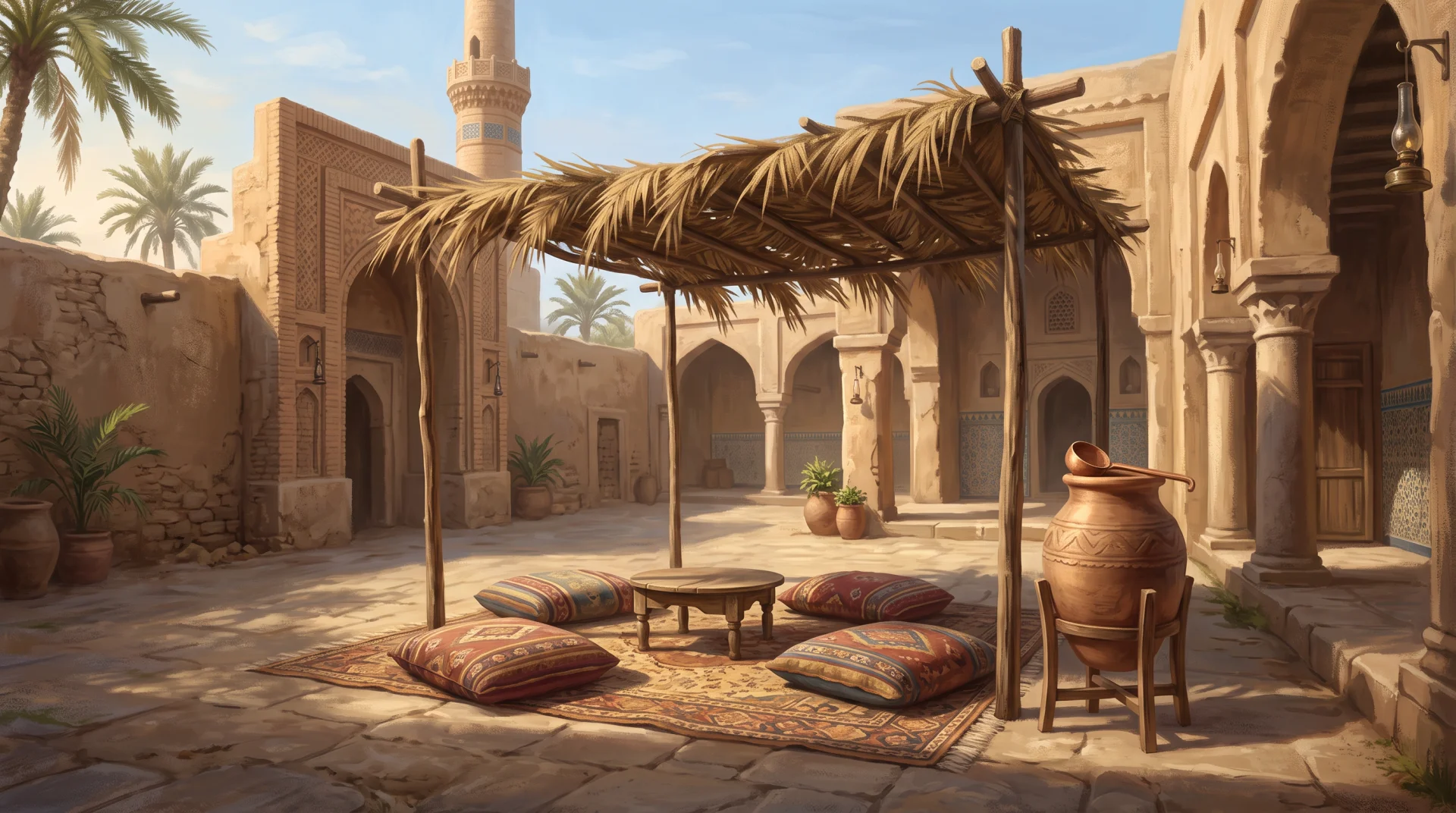
He recalls his earlier warning about groups who call themselves Quranists, reformers and Islamic thinkers. He says they take foreign funding and attack the Sunnah, the Companions, the Prophet's wives and even the Prophet himself. The youth should answer them not with violence but with knowledge and documented historical facts.
Scene 4
The Four Abdullahs
Many Companions bore the name Abdullah; Imam al-Nawawi counted two hundred and twenty. The title the Abdullahs is given to four only: Ibn Umar, Ibn Abbas, Ibn al-Zubayr and Ibn Amr ibn al-As. Al-Bayhaqi explained it: they lived until people needed their knowledge. The author will give only headlines about each.
Scene 5
Abdullah ibn Amr ibn al-As
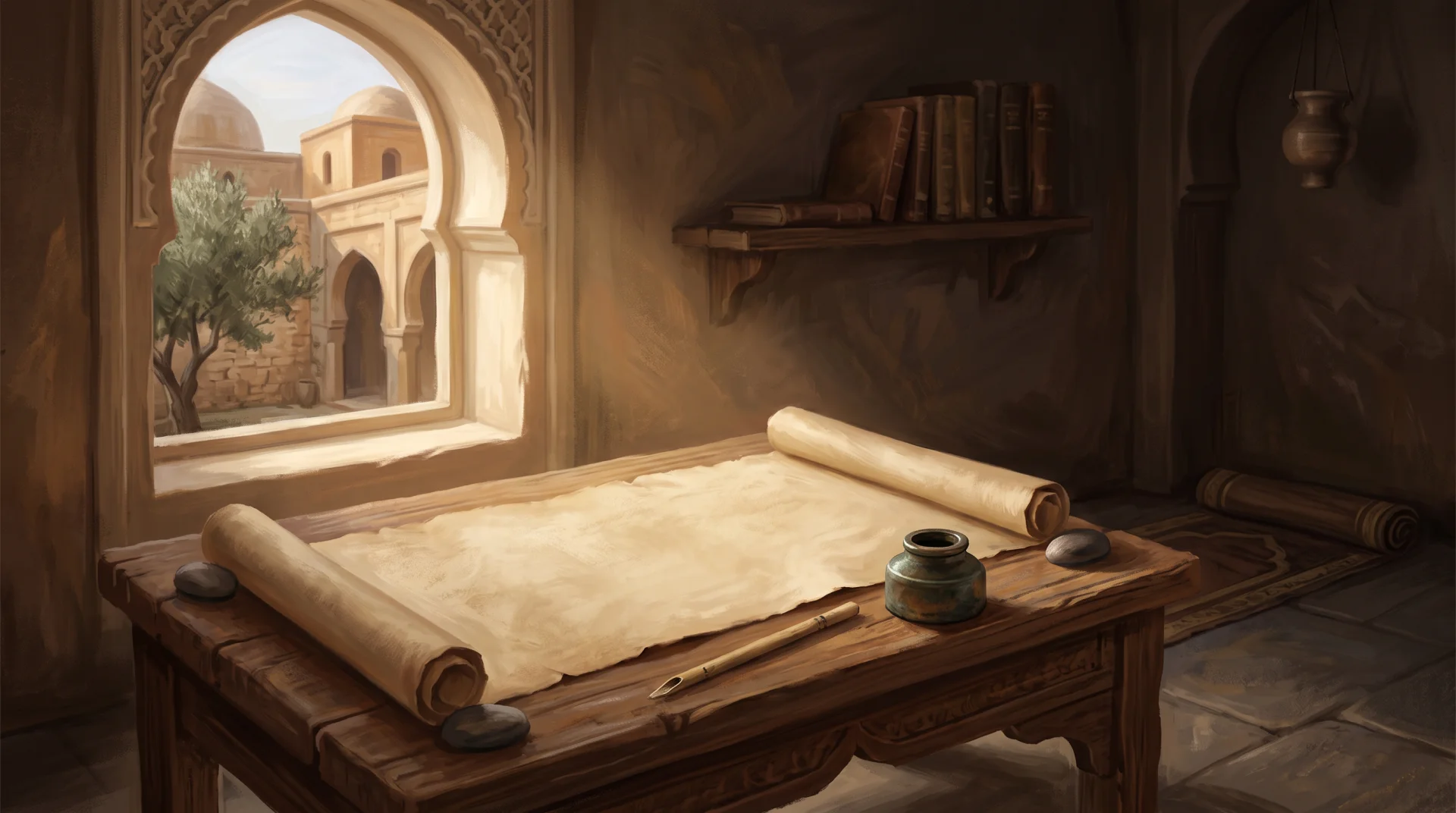
He founded the science of hadith and was the first person on earth to write down the hadith of the Messenger of God, as Abu Hurayra attested. The author uses this against the Quranists, mentions the isnad method, and says Orientalists and the Shia attacked the reputation of his father because the son collected the Sunnah.
Scene 6
Abdullah ibn Umar
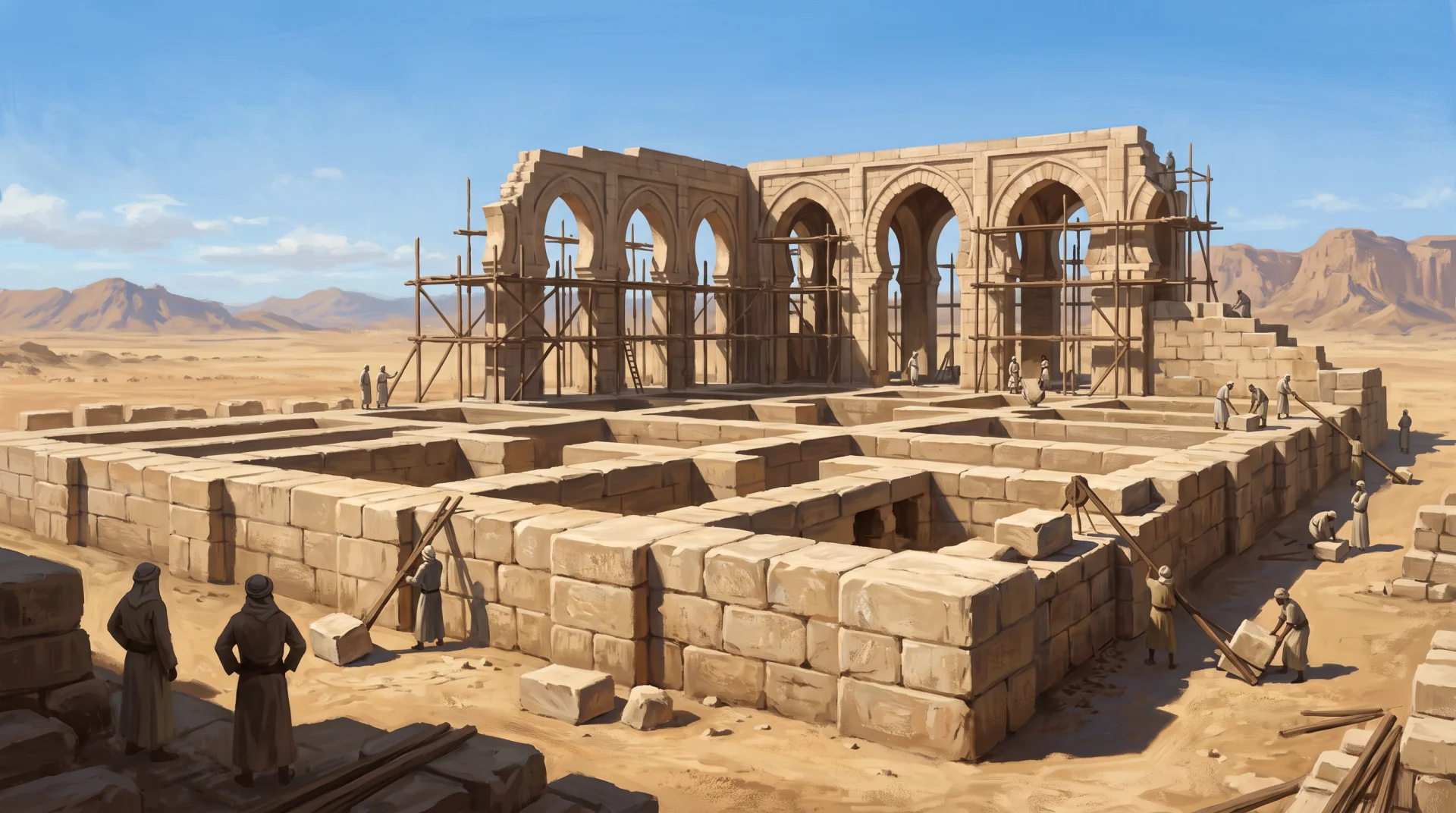
The author considers him the founder of the science of Islamic creed, taught directly by the Prophet. He explains the meaning of creed, says worship built on false creed is void, and notes the Shia call him the real founder of Wahhabism, which he accepts if it means following the Quran and Sunnah. He ends with Ibn Umar's reply to a man who sneezed.

Scene 7
Abdullah ibn al-Zubayr
Son of the disciple of the Messenger of God, son of Asma, nephew of Aisha, grandson of Abu Bakr, and the first child born after the Hijra. Raised in the school of prophethood, he rode with his father at Yarmouk and took part in the conquests of Africa, the Maghrib and Constantinople and in the Battle of the Camel. Aisha was called Umm Abdullah after him.
Scene 8
Abdullah ibn Abbas, Scholar of the Umma
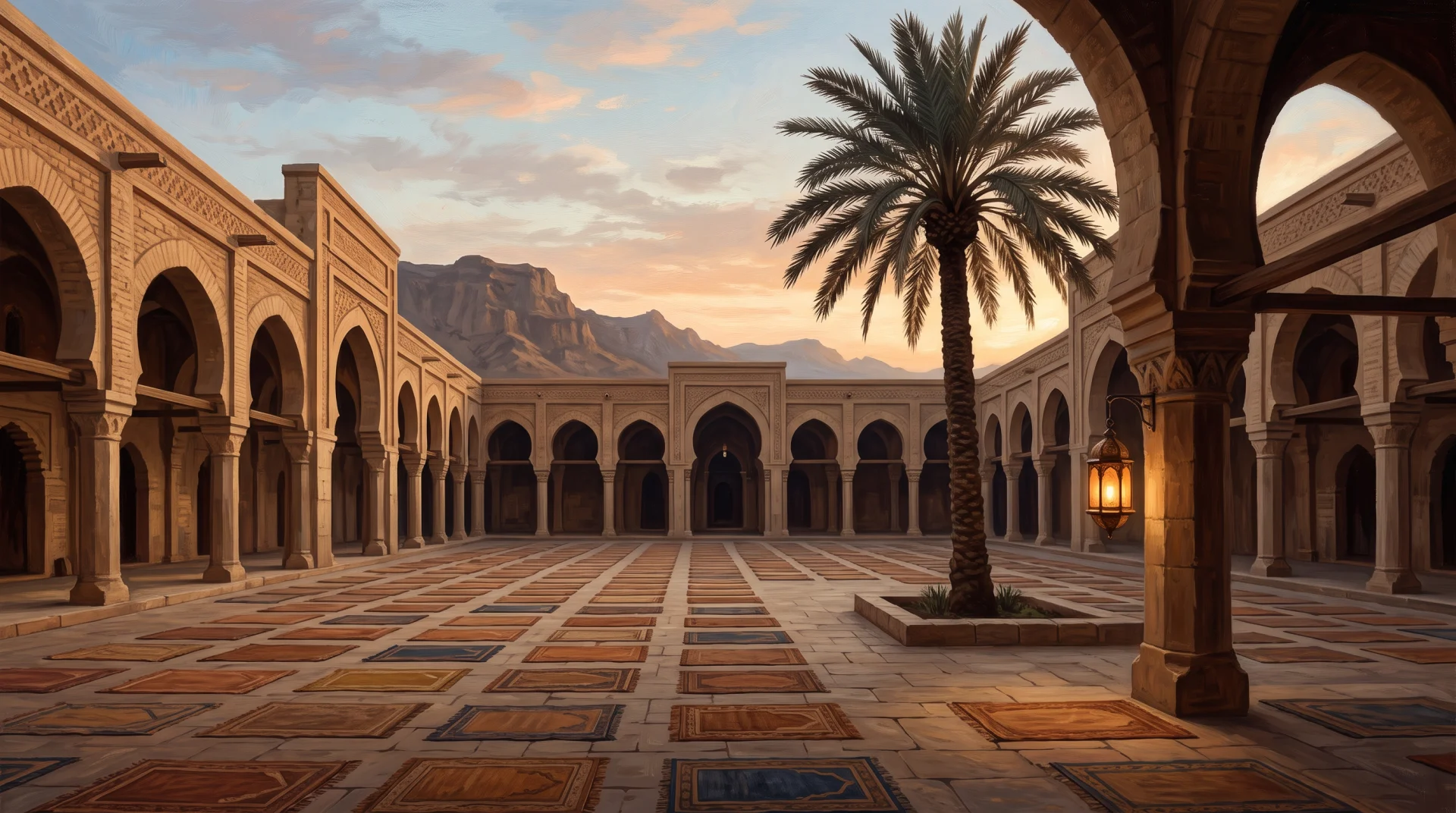
Interpreter of the Quran and founder of the science of exegesis, cousin of Ali and Jafar, born three years before the Hijra. The Prophet often prayed for him, that God fill his chest with knowledge and make him righteous, and said: O God, give him understanding in religion and teach him interpretation.
Scene 9
Seeking Knowledge with Humility
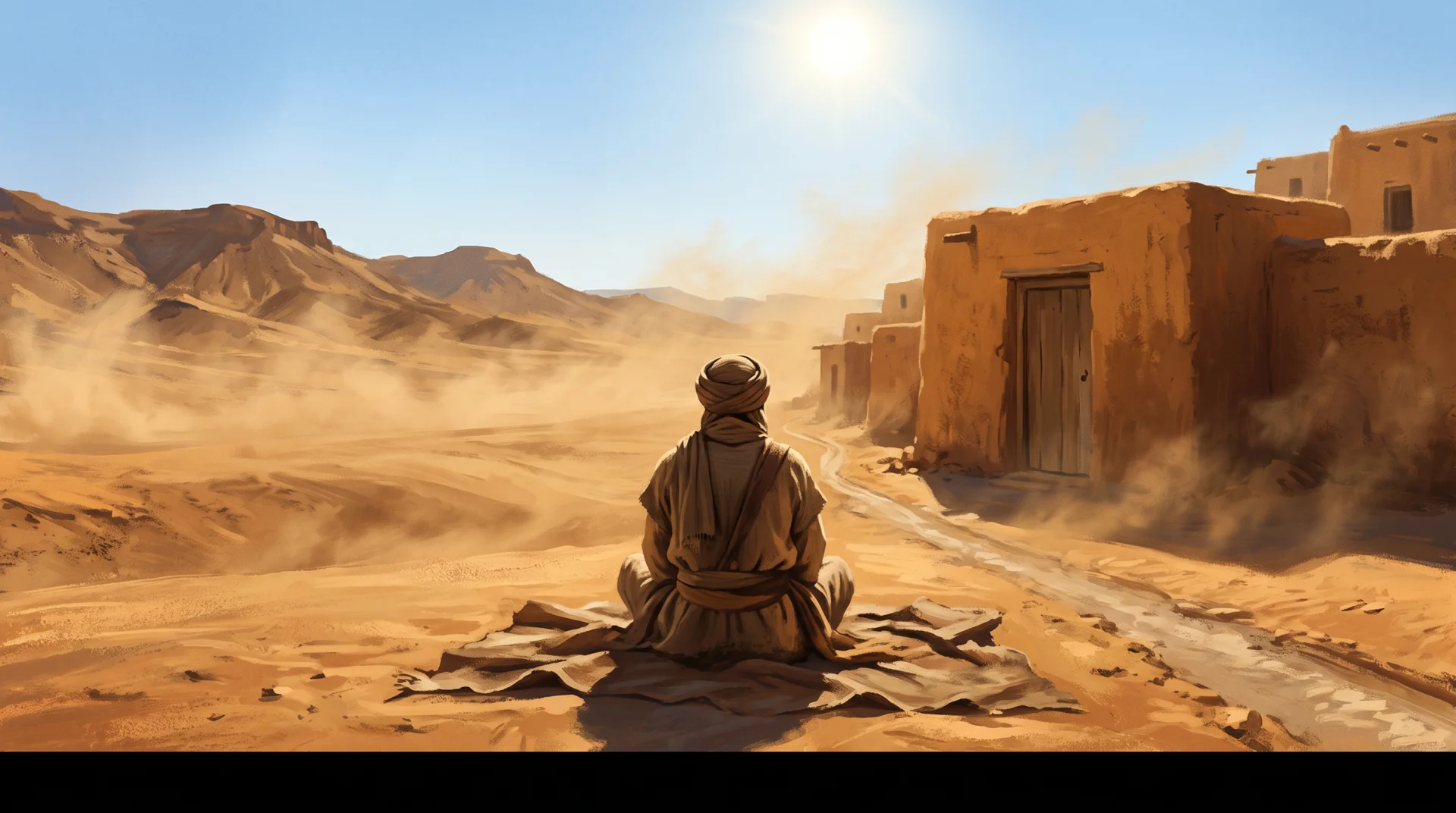
At thirteen, after the Prophet's death, Ibn Abbas chose to learn from the Companions, while a friend who laughed at him gave up. He would lie on his cloak in the dust at their doors, and later the friend admitted he was wiser. The author adds that he warned Husayn against going to Iraq, whose people betray, but Husayn went after letters from the Shia, who then turned on him.

Scene 10
The Descendant Who Would Raise the Banner
Through a line of descendants from Ibn Abbas, through Ali, Muhammad, Abdullah and Muhammad, a very handsome child would be born who would raise a black banner across three continents, in the most flourishing age of the Islamic state. The author asks who this caliph is, why his image was distorted, and whether he was a drunkard fond of dancers or one of the most pious rulers.
These are English scene notes. The full chapter text, as the author wrote it, is in the app.