


Scene 1
The Arius of Muhammad's Nation and the Call of Tawhid
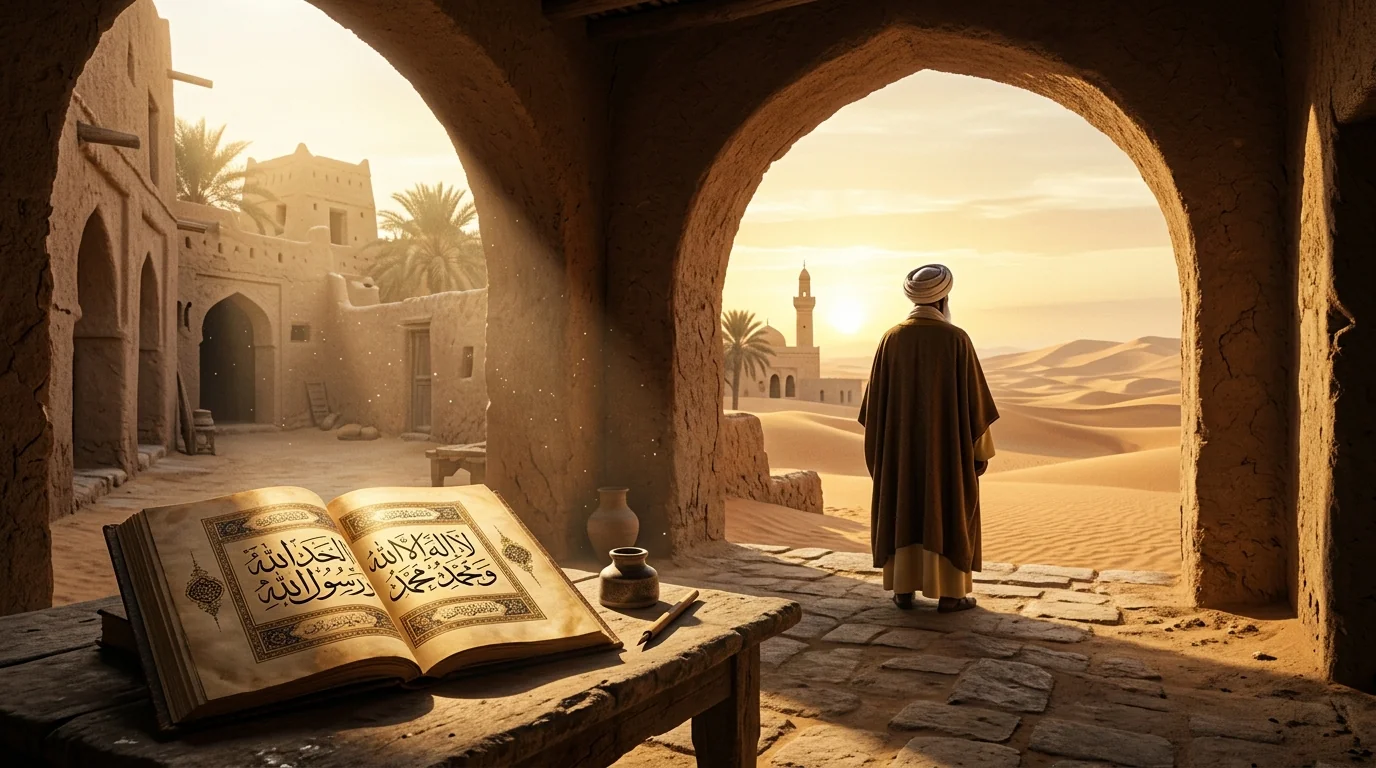
The chapter opens with Muhammad ibn Abd al-Wahhab's own words: what he calls to is God's religion, so none is invoked, vowed to or sacrificed for but God. It then quotes al-Aqqad that his call spread to India, Iraq and Sudan and taught Muslims that their defeats came from abandoning the religion.
Scene 2
The Envier's Tongue and the Scent of Tawhid
"Wahhabism" has become a much-debated term, the author says, yet none of those warning against it explain what it is, and he holds that it does not exist as a separate thing. He recalls a colleague from Iraq who constantly warned others about it, and quotes verses on how an envier's tongue spreads virtue.
Scene 3
The Eighteenth Century's Darkness and Fading Tawhid
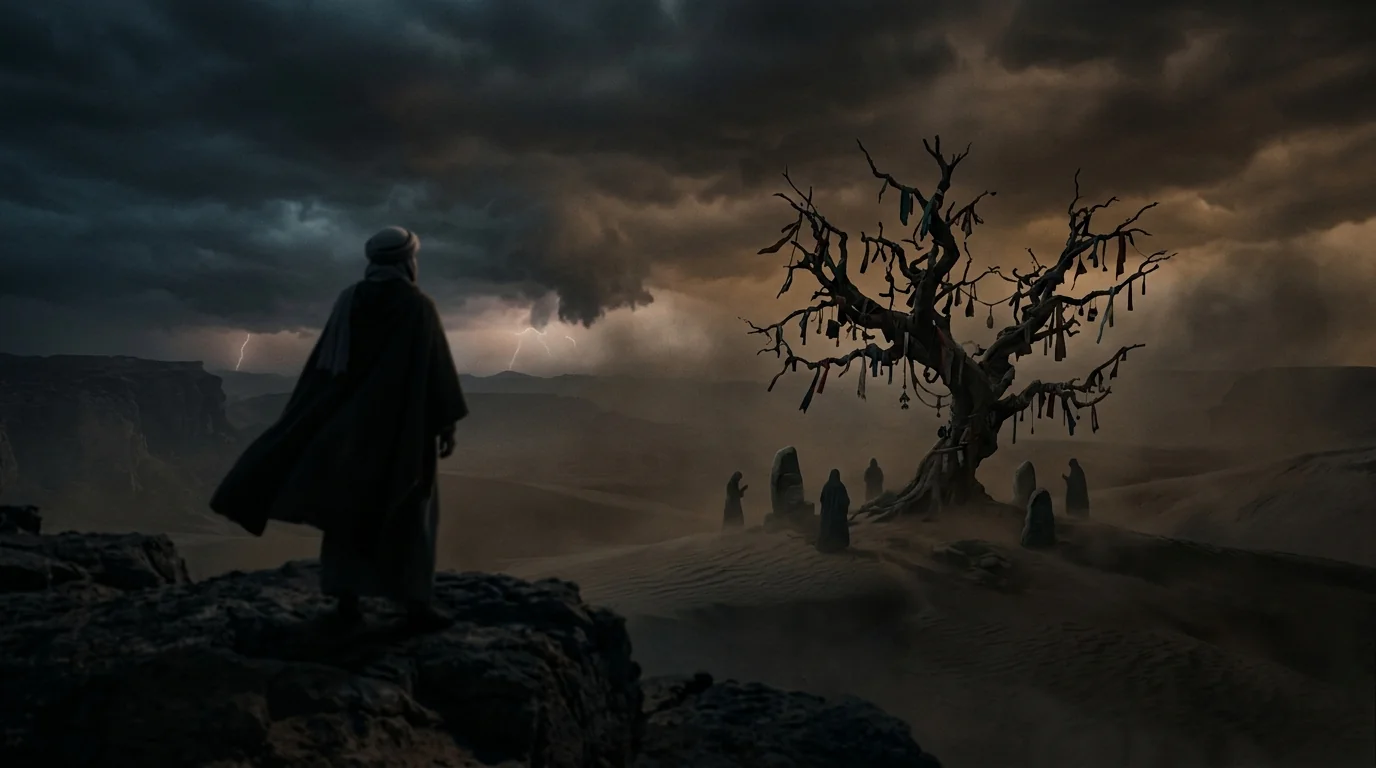
That colleague prompted the author to search history. The term traces to Sheikh Muhammad ibn Abd al-Wahhab al-Tamimi of Najd (1703–1792), who memorised the Quran young and studied in Mecca, Medina and Basra before proclaiming the call to tawhid. To explain why, the author surveys the Muslim world as Ottoman power weakened.
Scene 4
A Flood of Innovations Across the Muslim World
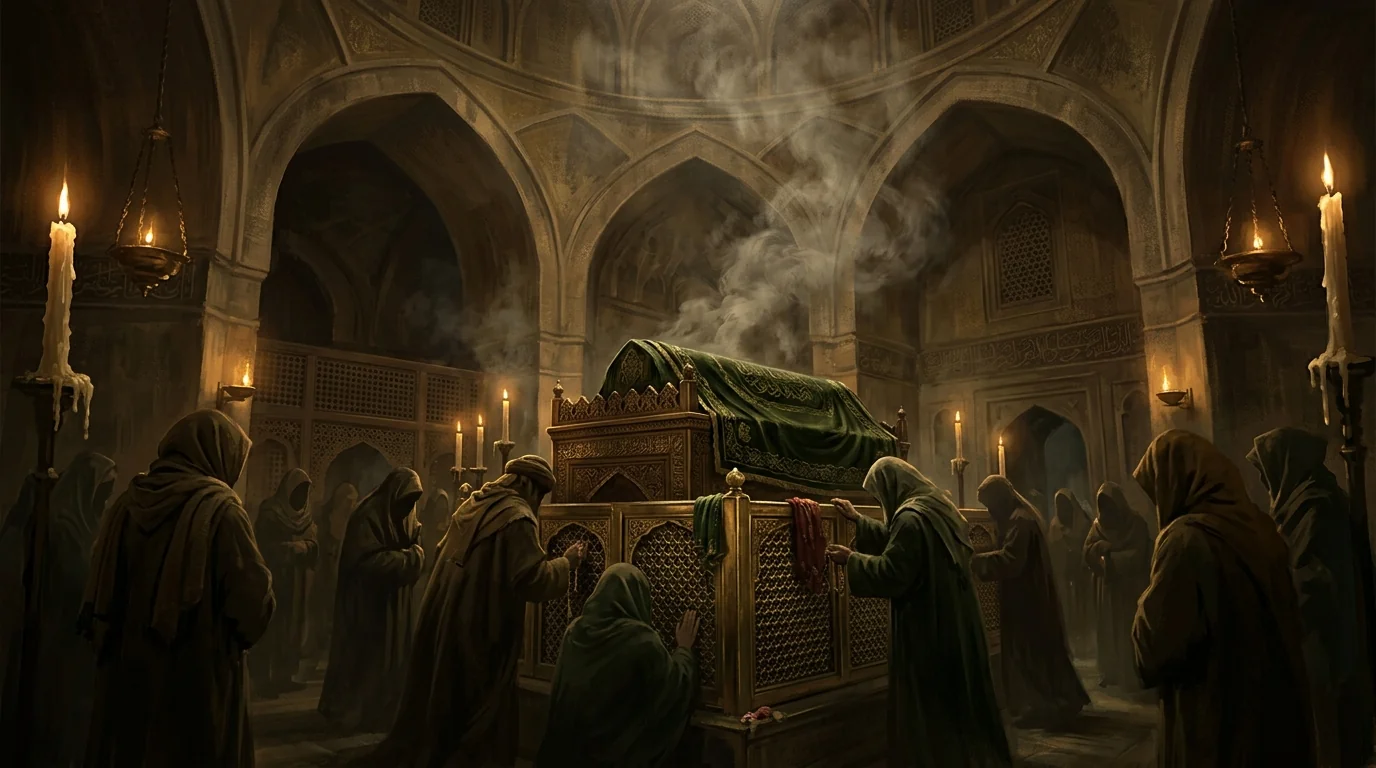
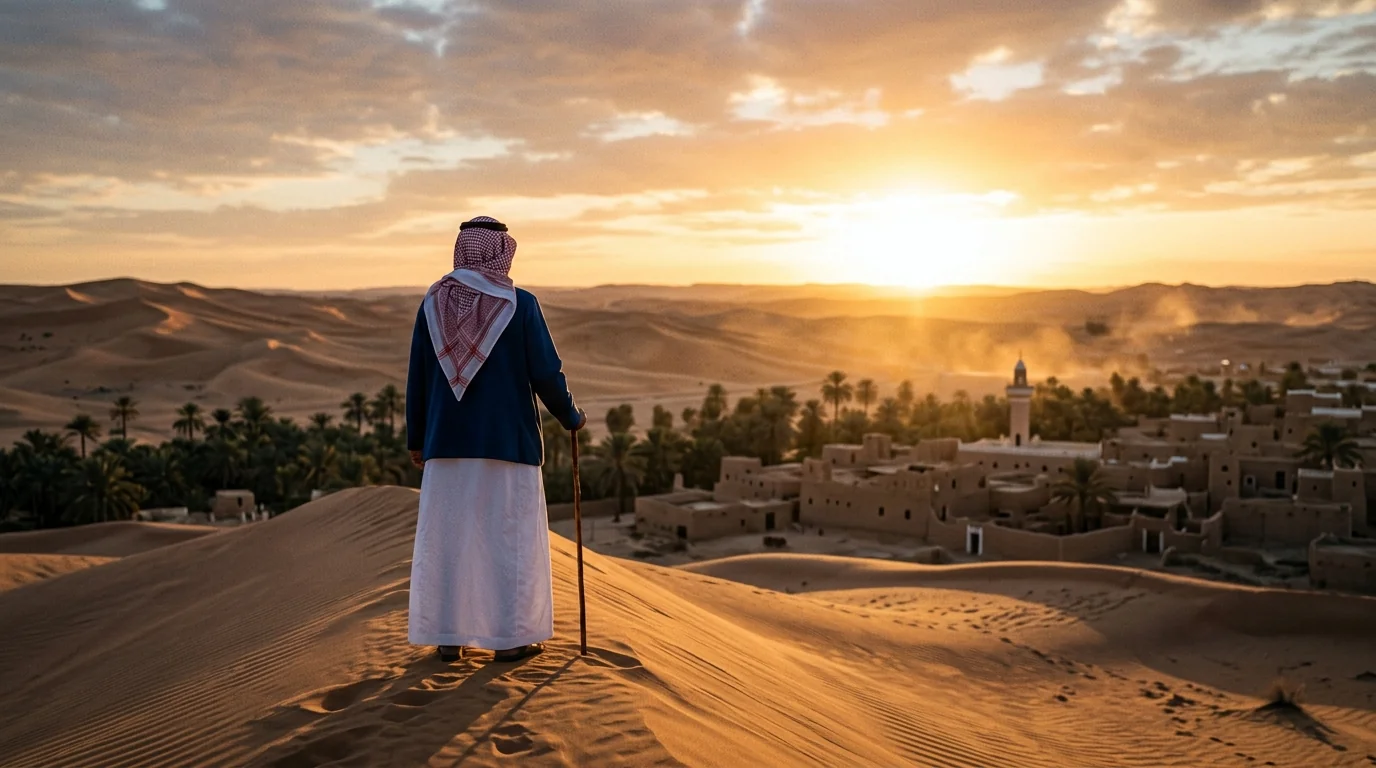
In Najd people made pilgrimage to the grave of Zayd ibn al-Khattab and sought blessing from the "Wolf Tree"; in the Hijaz worshippers prayed four separate times at the Prophet's ﷺ mosque by madhhab, and in Mecca circled the Companions' graves. In Egypt caravans made pilgrimage to al-Sayyid al-Badawi's grave in Tanta, graves enriched "the charlatans", and mawlids drew seekers of fornication and drug users. In Iraq, the book says, al-Husayn was worshipped besides Allah and Shia youths sought vice at the shrines; in the Maghreb people called on Abd al-Qadir al-Jilani. Lothrop Stoddard is quoted on this eighteenth-century decline.
Scene 5
The Dawn of Tawhid from the Desert of Najd
In this gloom the sheikh called people back to tawhid, explaining that it must show in deeds and words. Most grave visitors knew God is one but sought blessing through saints. He taught that God needs no intermediary in supplication: other Quranic questions are answered with "Say", but of Himself God says, "I am near."
Scene 6
Qur'anic Proofs: Intercession and Surat Fatir
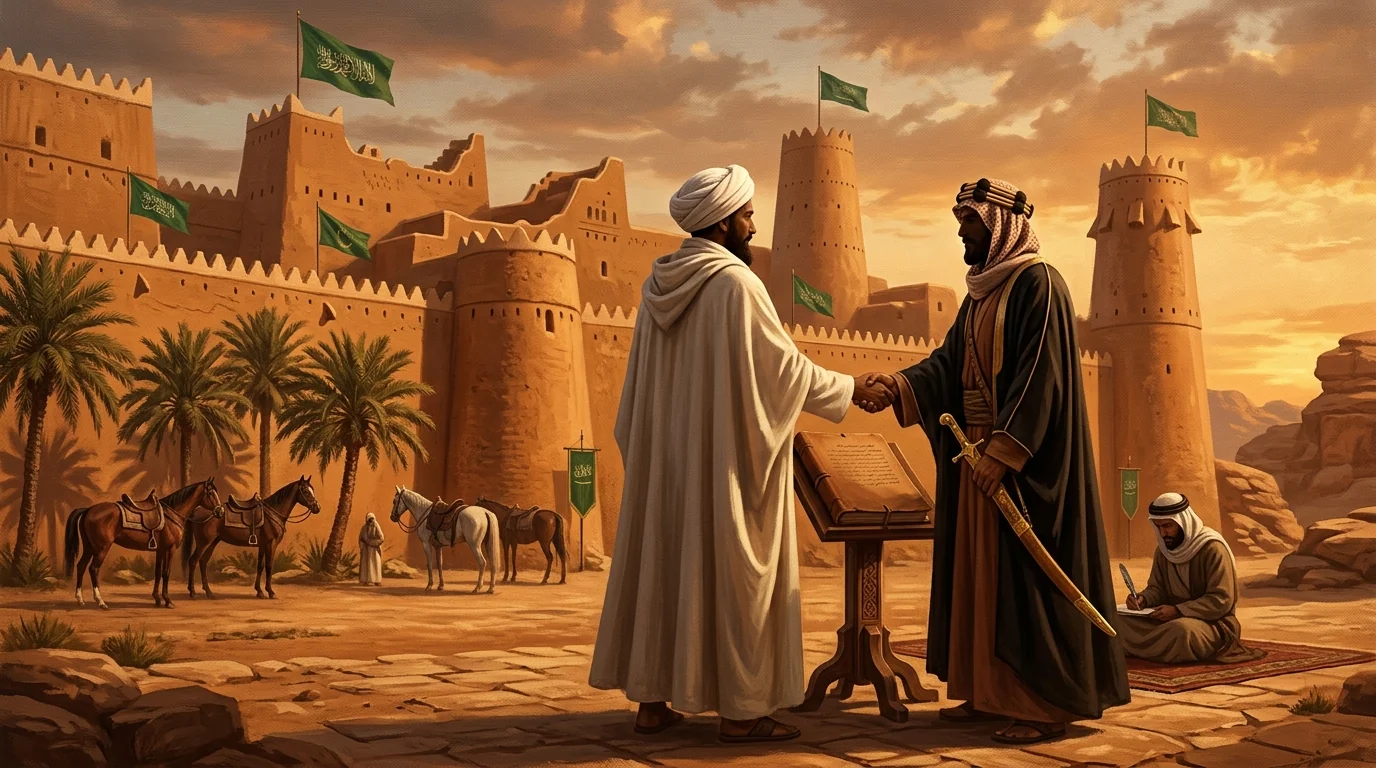
The sheikh taught that no one stands between a servant and his Lord, not even the Prophet ﷺ, and cited Surat Fatir to show that calling on the dead is shirk. Those who profited from shrines fought him, and Najd's emirs rejected him, until Muhammad ibn Saud of Diriyah accepted his call and pledged protection.
Scene 7
The Pact of Diriyah and Building a State of Tawhid
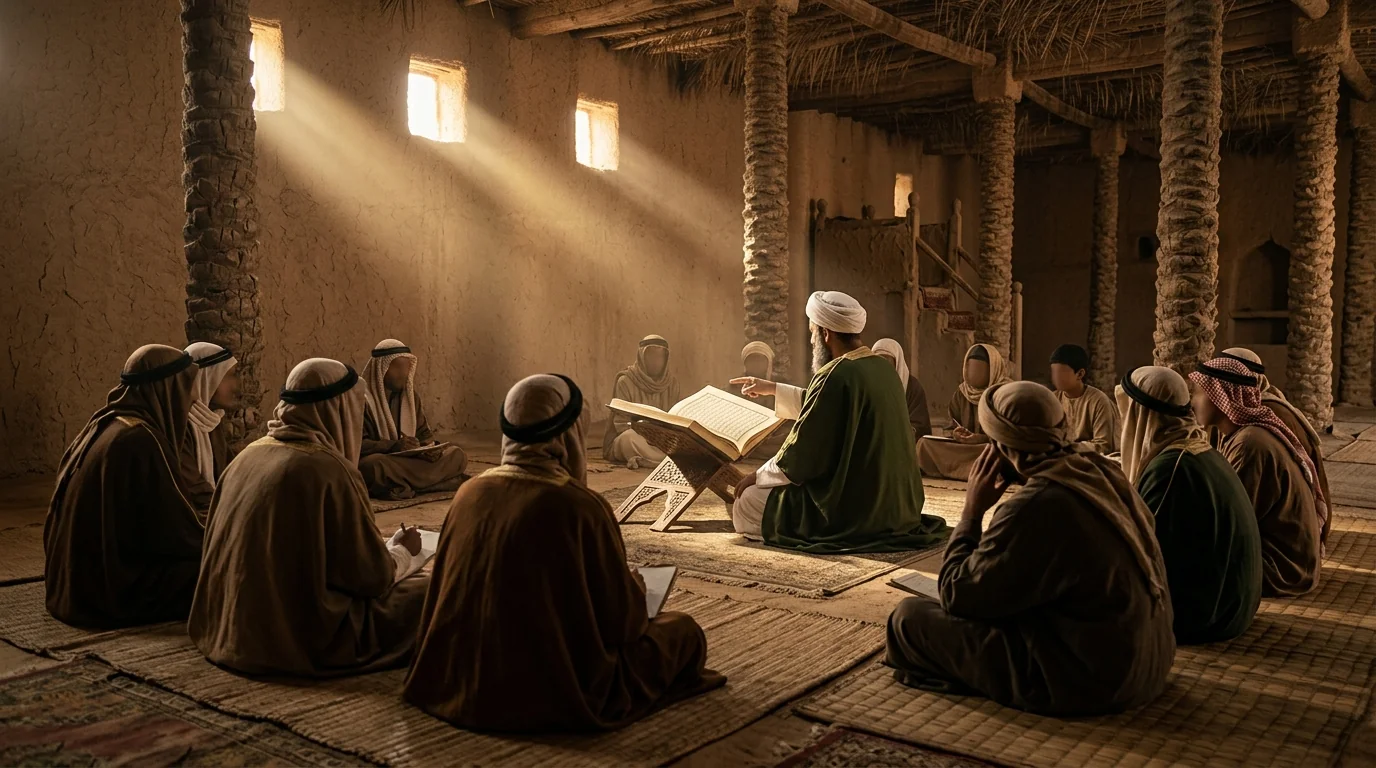
Settled in Diriyah, the sheikh organised lessons in creed, Quran, jurisprudence, hadith and Arabic, and young men flocked there. After some years he gave permission for jihad, demolished with his own hands the dome over Zaid ibn al-Khattab's grave, and sent preachers, teachers and judges among the tribes. Mosques filled again.
Scene 8
The Enduring Book of Tawhid and a Call Heard Worldwide
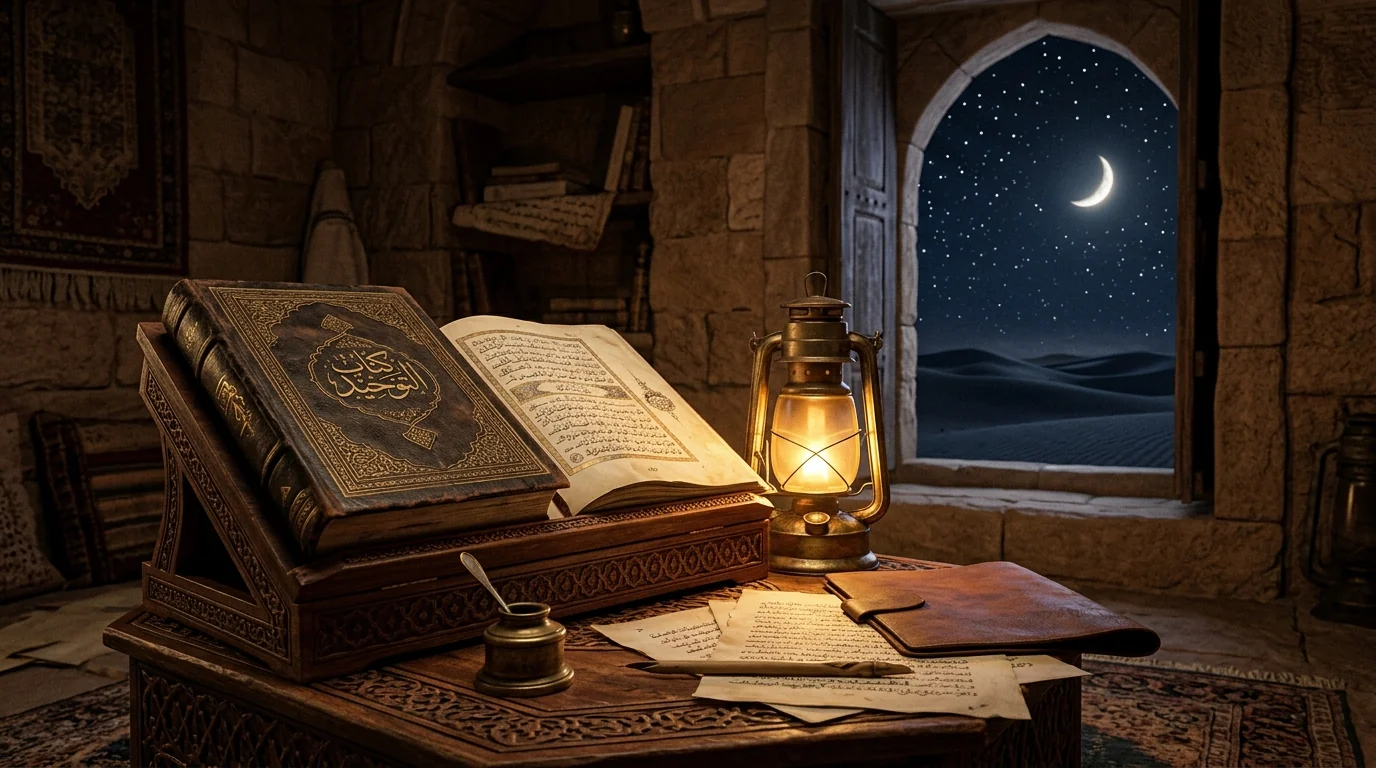
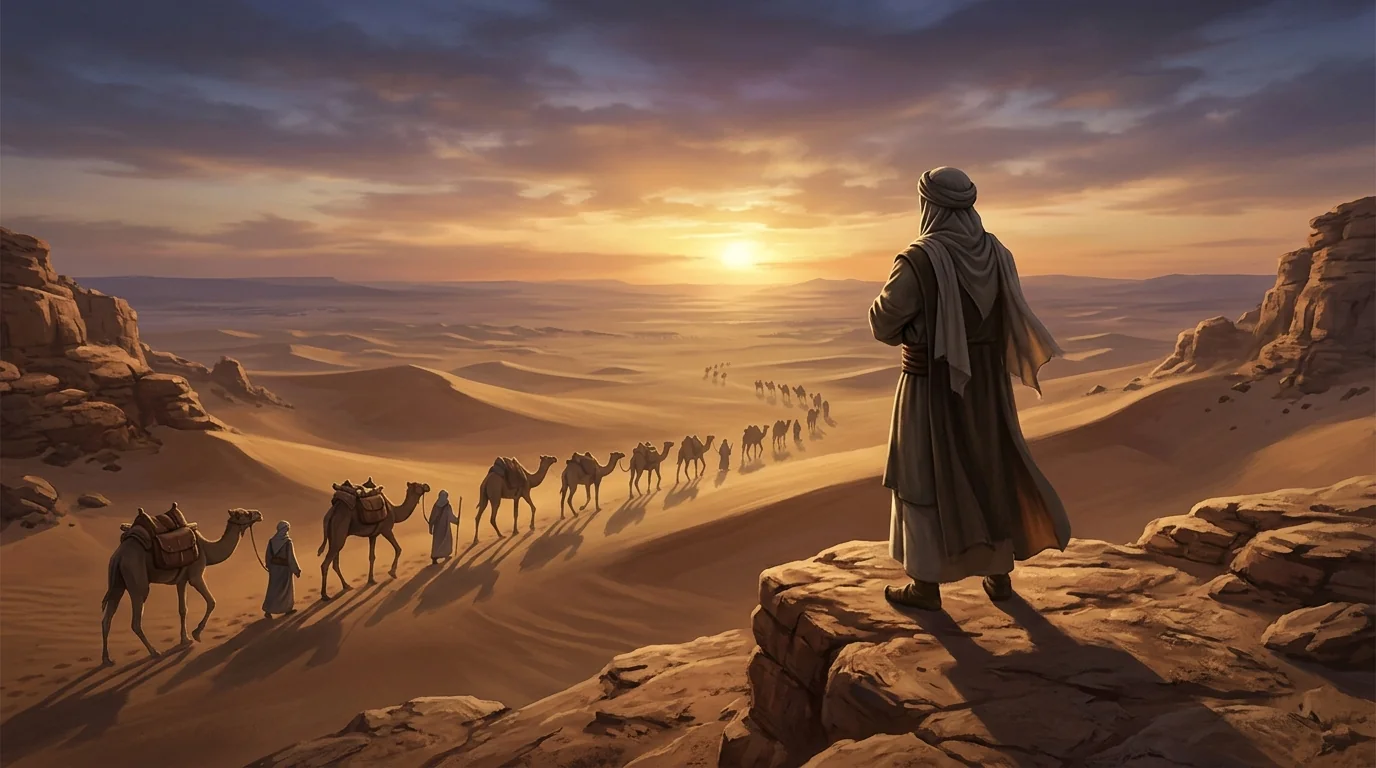
After the sheikh's death his followers spread the call in Mecca and Medina, teaching tawhid to pilgrims from across the Muslim world, who carried it home from Bengal to Morocco. Thus, the author says, the imam renewed the religion of the whole nation, and still does through his great book, Kitab al-Tawhid.
Scene 9
History's Testimony and a Fair Verdict
The author gives Sheikh Muhammad ibn Abd al-Wahhab the title "the Arius of Muhammad's nation", seeing an amazing match: both refused to alter monotheism, neither had a school of his own, both were fought in life and after death, and both called for a return to the understanding of the early generations. Arius's monotheist Christians were named "Arians" without knowing it, and the monotheist Muslims who rejected innovations and calling on other than Allah were named "Wahhabis", or "Wahhabism", as "Hayyawi the Liar" likes to call them.
Scene 10
Winds of Tawhid in the Islamic West
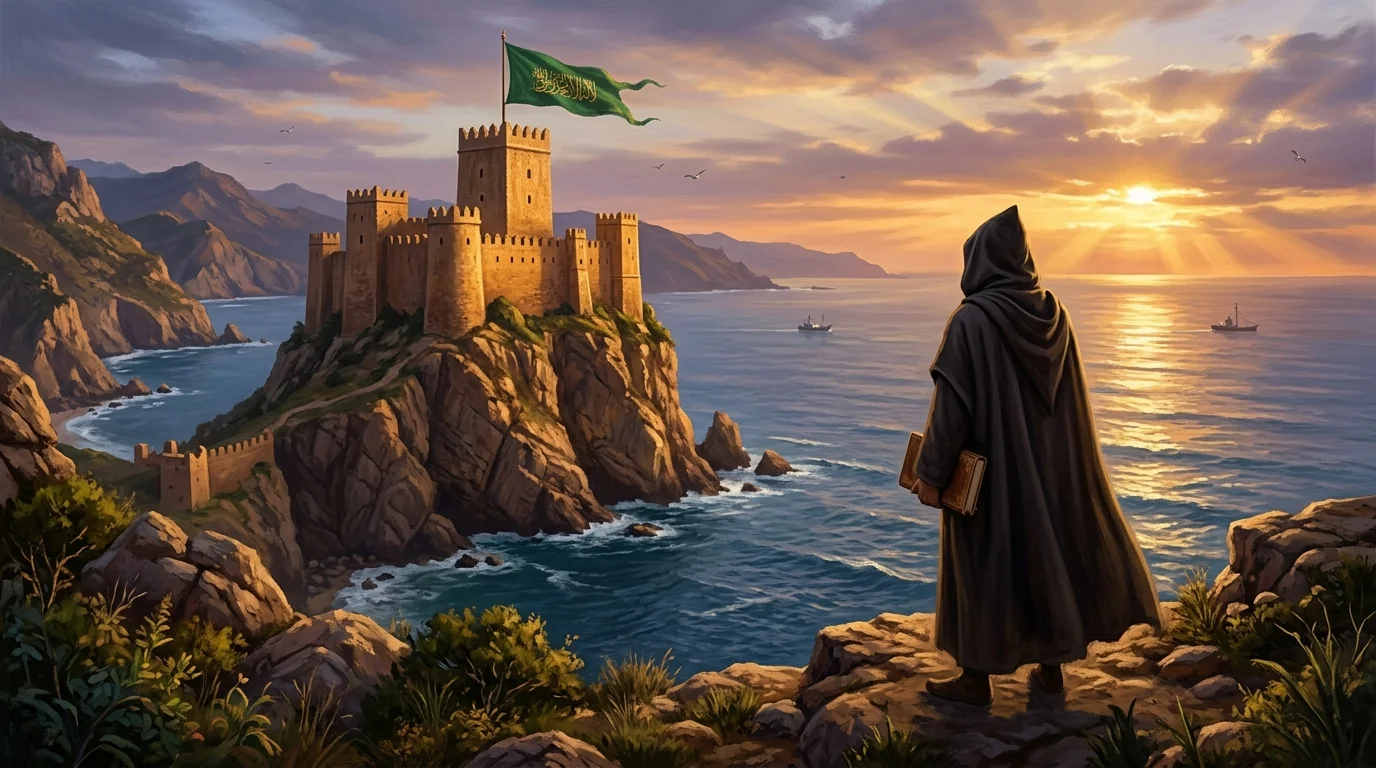
The author notes that tawhid was not secure in every era of this nation's history. He asks what state Muslims of the Islamic West had reached in the fifth Hijri century, who the Almoravids were and why they were so named, and which giant arose on the banks of the Senegal River.
These are English scene notes. The full chapter text, as the author wrote it, is in the app.