


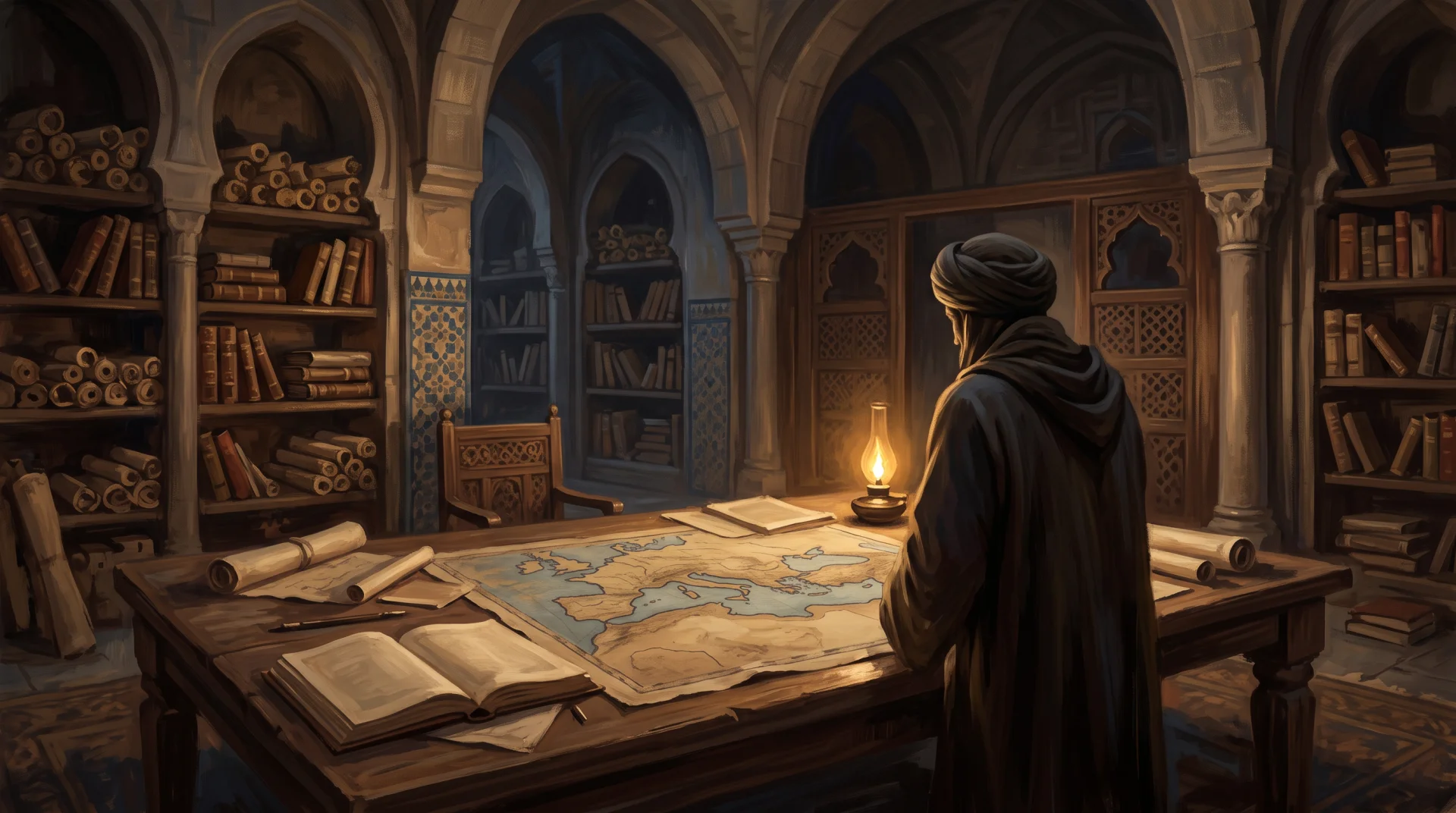
Scene 1
The Author's Promise and the Secrets of the Forgotten Arians
The author keeps his promise to present the greatest Amazigh figure and to answer open questions: why Egypt's Copts embraced Islam so quickly, why North Africa fell so fast, why al-Andalus was opened, and who the "Arians" in the Prophet's letter to Heraclius were. First he surveys the world on the eve of the Prophet's mission.
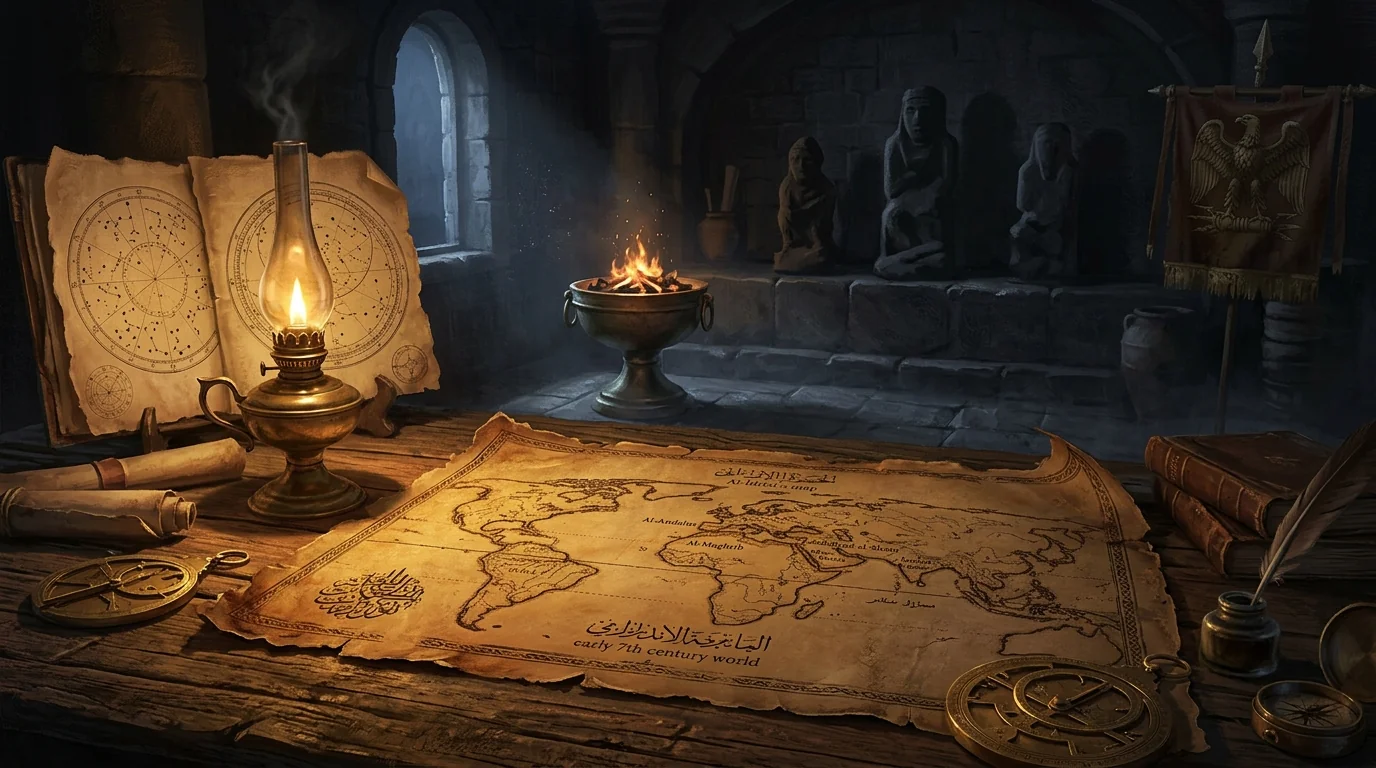
Scene 2
The Darkness of Polytheism Before Islam
Before Islam, the book says, the Romans ruled by fire and iron; their "civilised" amphitheatres let "the barbaric Romans" watch lions tear slaves' flesh. The Persians, mostly fire-worshippers, fell into "the filthiest kinds of animal vice": incest was common, Khosrow Yazdegerd II fornicating with his daughter and Khosrow Bahram Chobin with his mother and sister, and commoners were chained "like dogs" in battle. Indians worshipped everything, even genitals; China had the religions of Lao Tzu, Confucius and Buddha; Arabs worshipped idols. Amid this darkness remained the "Arians", testifying there is no god but Allah and Jesus is His prophet.
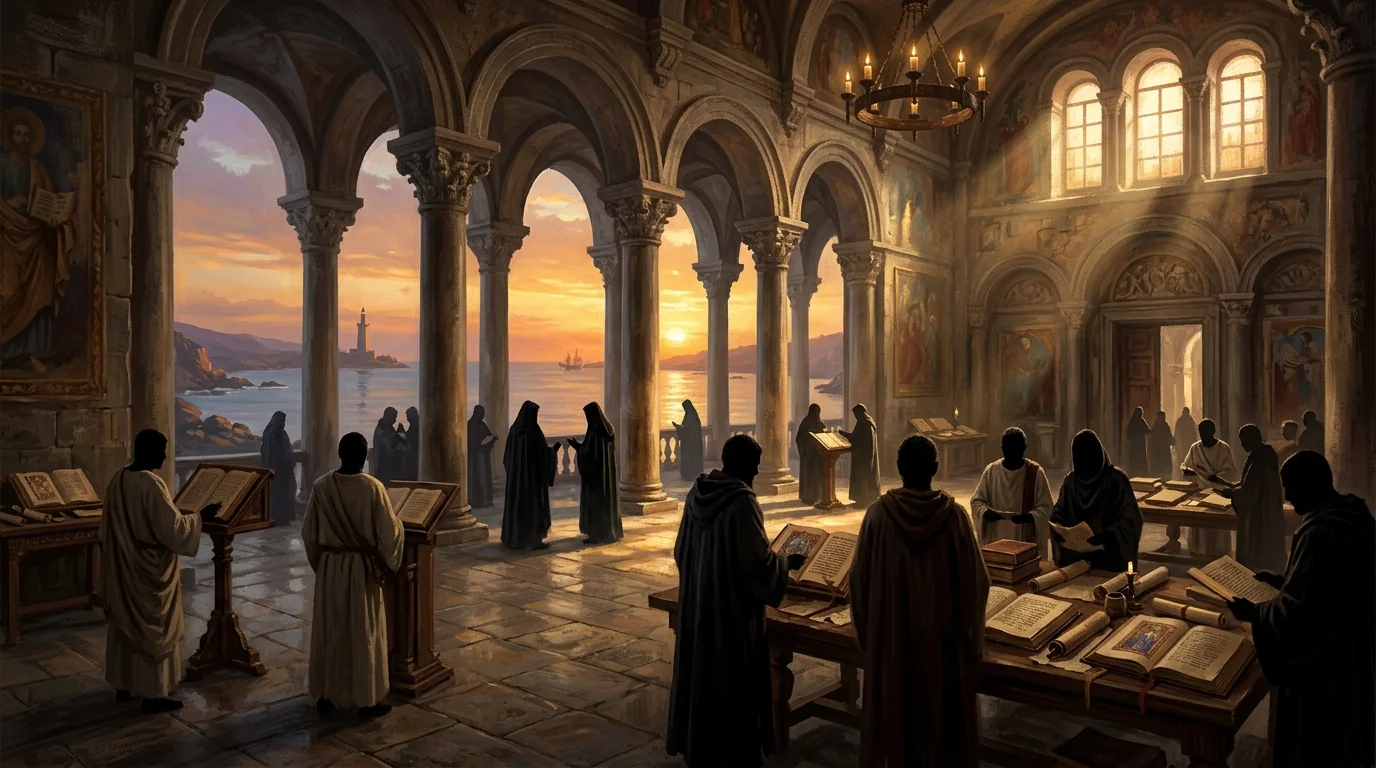
Scene 3
The Alexandria Dispute and the Crisis of the Trinity
The author argues that Christians believed in God's oneness and Jesus's prophethood until 325 CE, when the Egyptian Athanasius, formerly a pagan, mixed pagan beliefs into the faith and introduced the Trinity. He says the doctrine cannot be explained by any geometry, illustrating its puzzle with three apples offered to a small child.
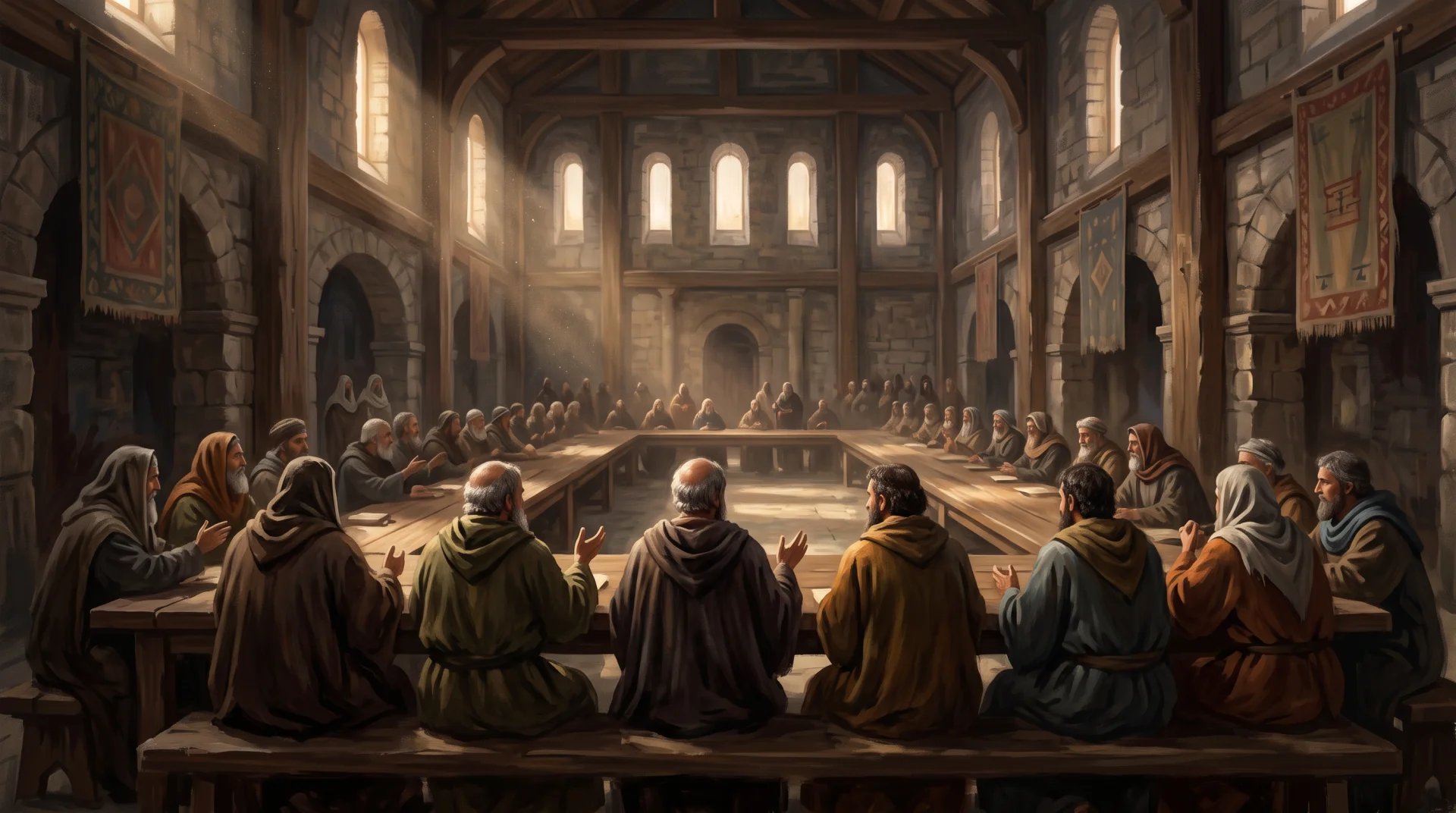
Scene 4
The Roots of the Trinity in Athanasius
The author argues Athanasius did not invent the idea from nothing: before becoming Christian he believed in the pharaonic triad of Osiris, Horus and Isis. Triads were common in pagan religions, he says, citing the Brahmanic one of India and the Zoroastrian one of Persia, so Athanasius sought to spread the principle within Christianity.
Scene 5
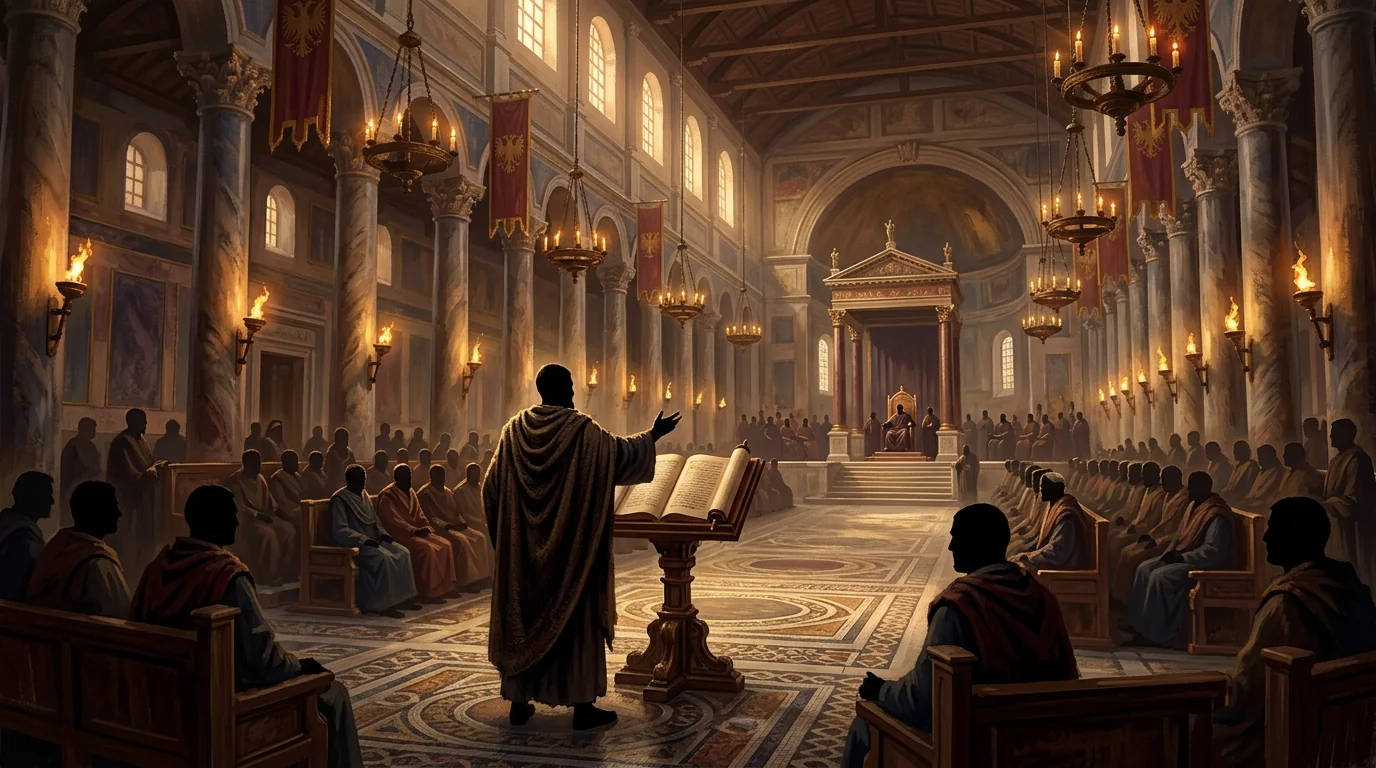
Arius and the Council of Nicaea, 325 CE
Arius, an Amazigh priest from Libya living in Alexandria, argued that nowhere in the Gospel does Christ claim divinity or ask to be worshipped. Constantine called the Council of Nicaea in May 325; Arius refused to sign the creed and was exiled to the Balkans, his books burned. Popular uprisings brought him back to Constantinople, where he was poisoned.
Scene 6
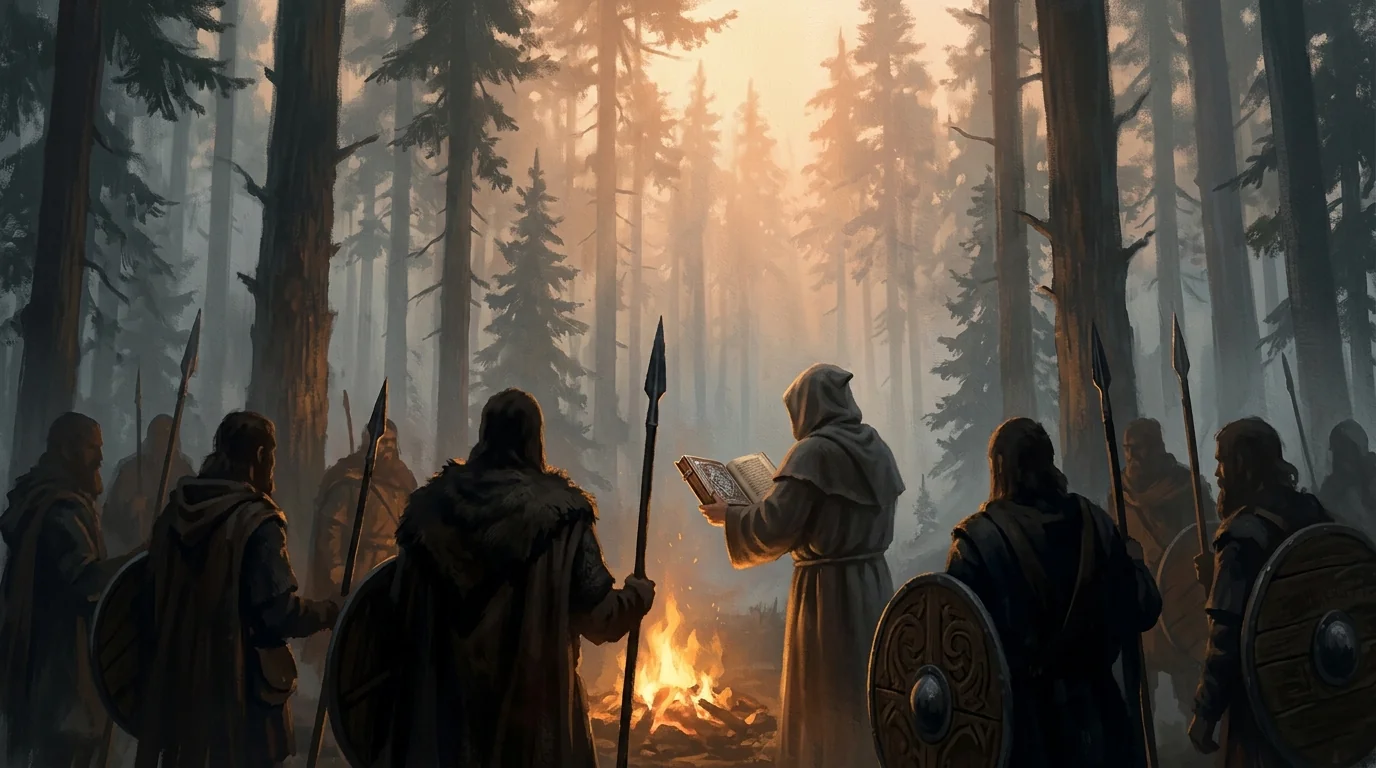
Monotheism Spreads Among the Germanic Tribes
After Arius died, the monotheists spread their faith across Europe, the author says; the Germanic tribes adopted his teachings and nearly all western Europe became Arian. Some Arabs were Arian Christians too, most famously Waraqa ibn Nawfal, as shown by how quickly he followed the Prophet ﷺ and by a line of his verse.
Scene 7
A Monotheist Europe for Centuries
Arian monotheism was for years the religion of Europe, Syria and North Africa, the author writes, until the pagan emperor Julian backed the Trinitarians, who killed over twelve million Arians. Survivors hid their faith, like the priests in Salman's story. Most Copts were Arians, which explains their swift embrace of Islam under Amr ibn al-As.
Scene 8
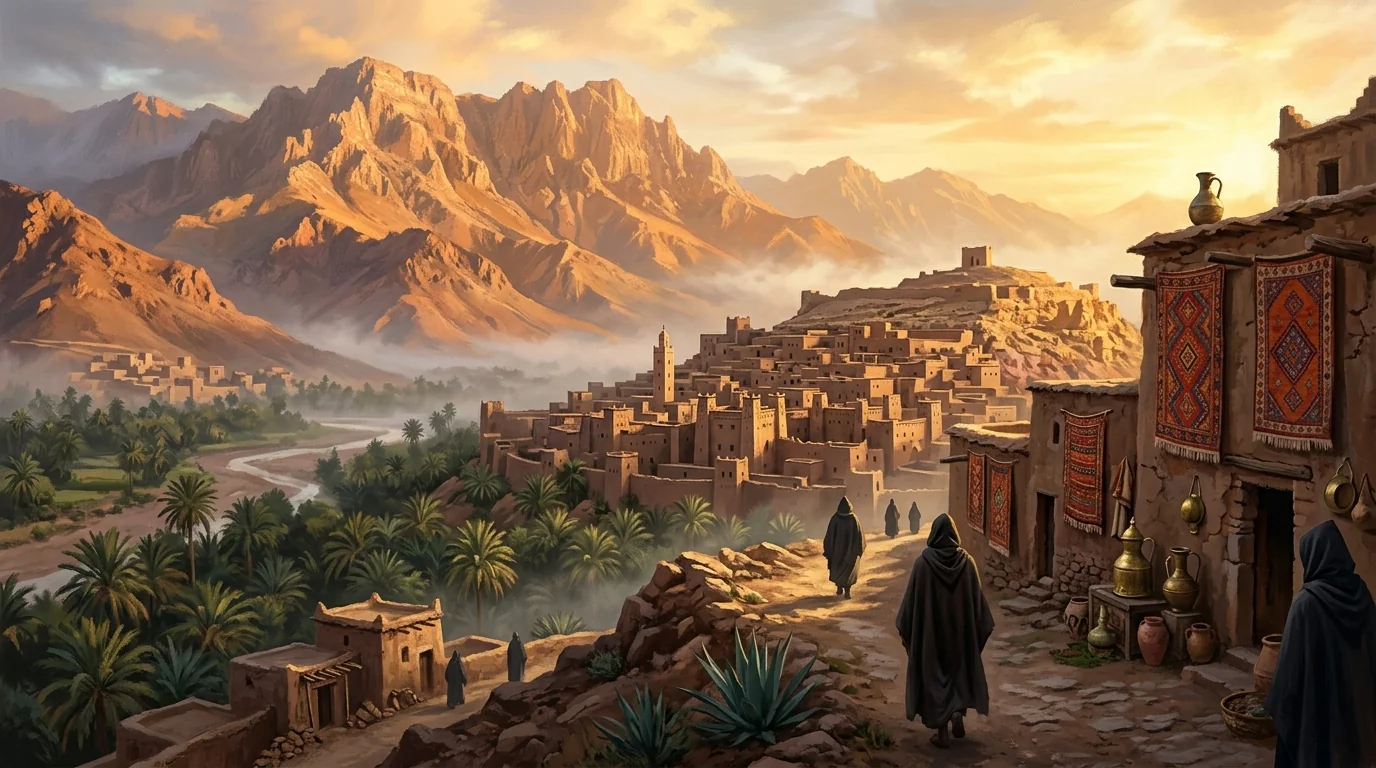
The Berbers of North Africa on the Creed of Arius
The Berbers were monotheist followers of the Berber Arius, the author says, so they embraced the final message at lightning speed, which explains Uqba ibn Nafi's rapid opening of North Africa. Once they learned Arabic they became leaders of Islam. He advises Amazigh readers to remind missionaries of their own Arian roots and invite them to Islam.
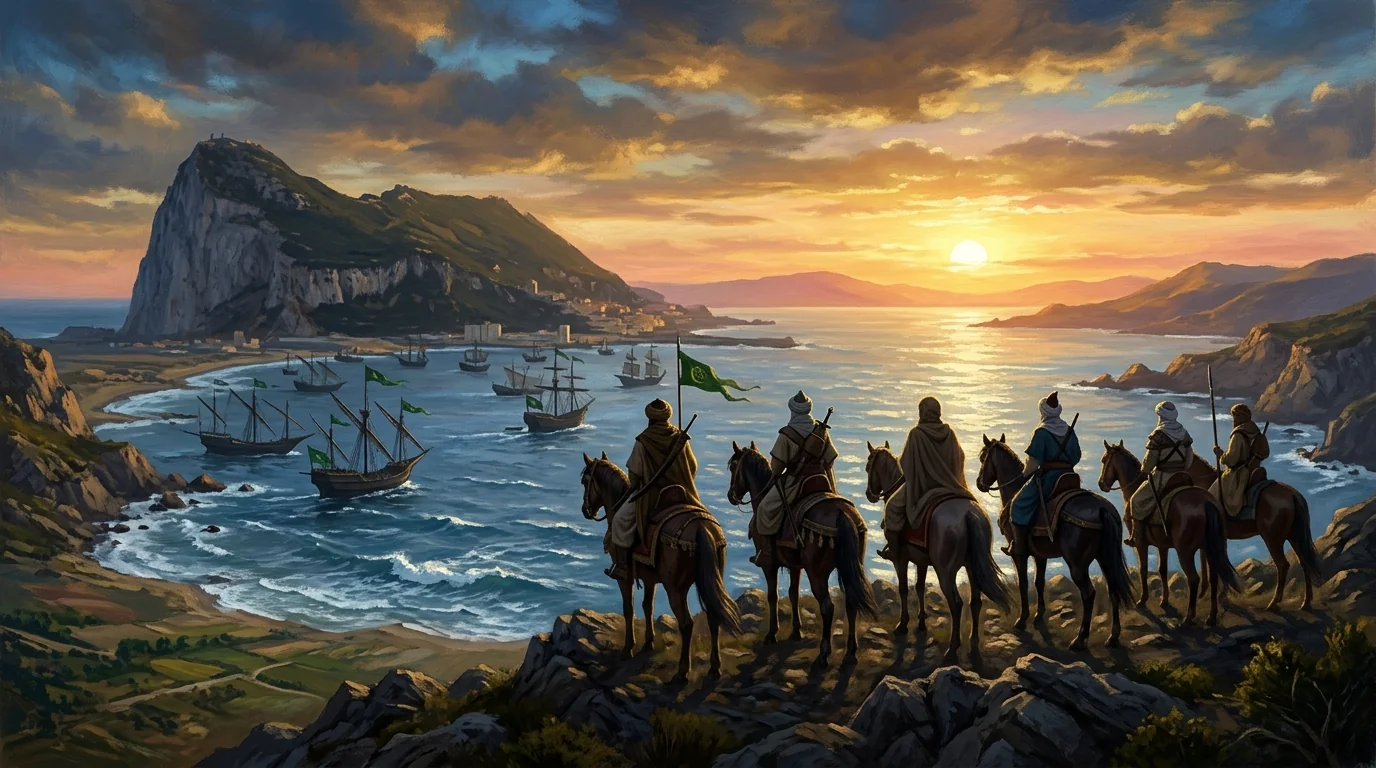
Scene 9
Al-Andalus, Monotheism's Last Stronghold
Al-Andalus was the last Arian stronghold in Europe until 586 CE, when King Reccared adopted Catholicism and imposed it by the sword, driving survivors into hiding. The author notes the Prophet ﷺ was then about twenty. Within years monotheism shone again, and the Berber Tariq ibn Ziyad carried that torch back to al-Andalus.
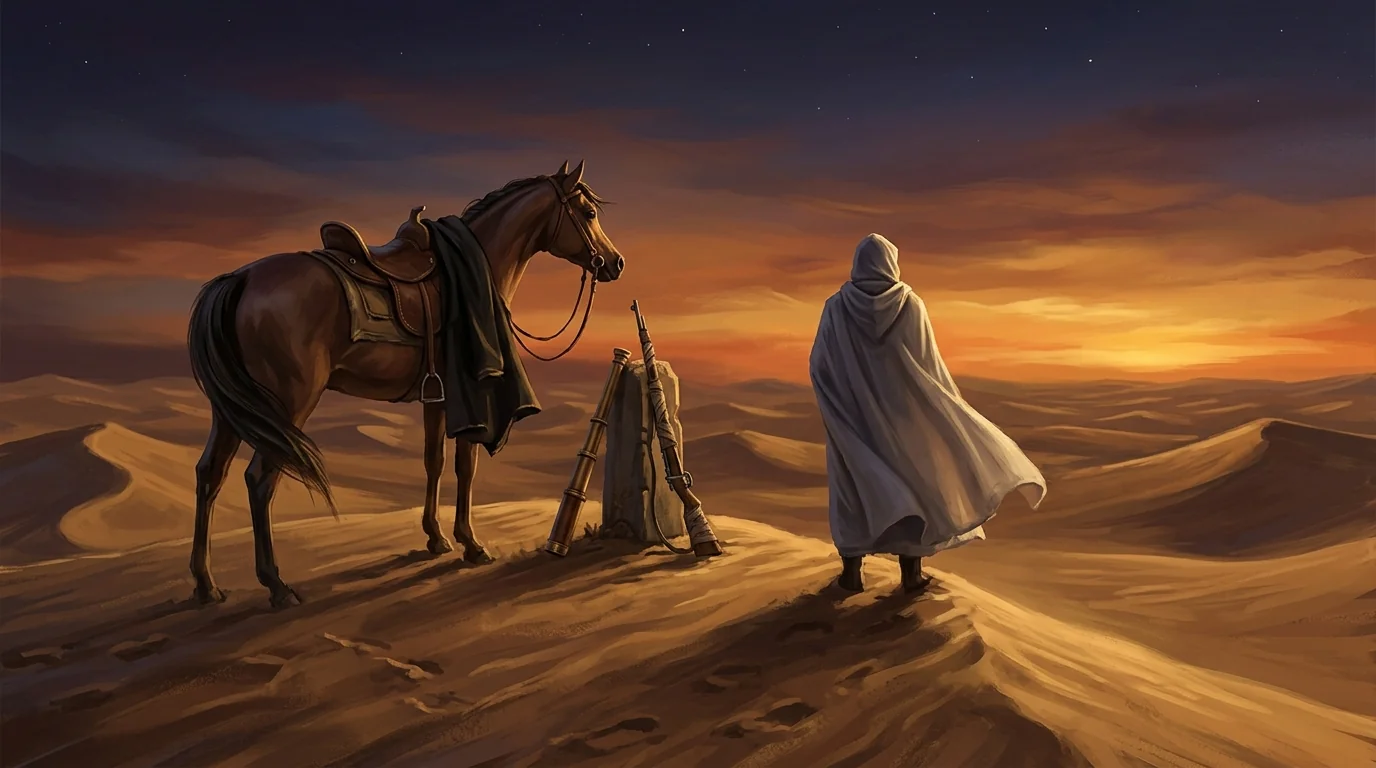
Scene 10
Libya, from Arius to the Lion of the Desert
Libya, the land that produced Arius, brought forth another giant of Islam from its desert, this time an Arab of Qurayshi descent. The author asks who the old Libyan was who took up arms at seventy and confounded the armies of Fascist Italy in the desert, after confounding those of France in Africa.
These are English scene notes. The full chapter text, as the author wrote it, is in the app.