


Scene 1
The Greatest Generation in Human History
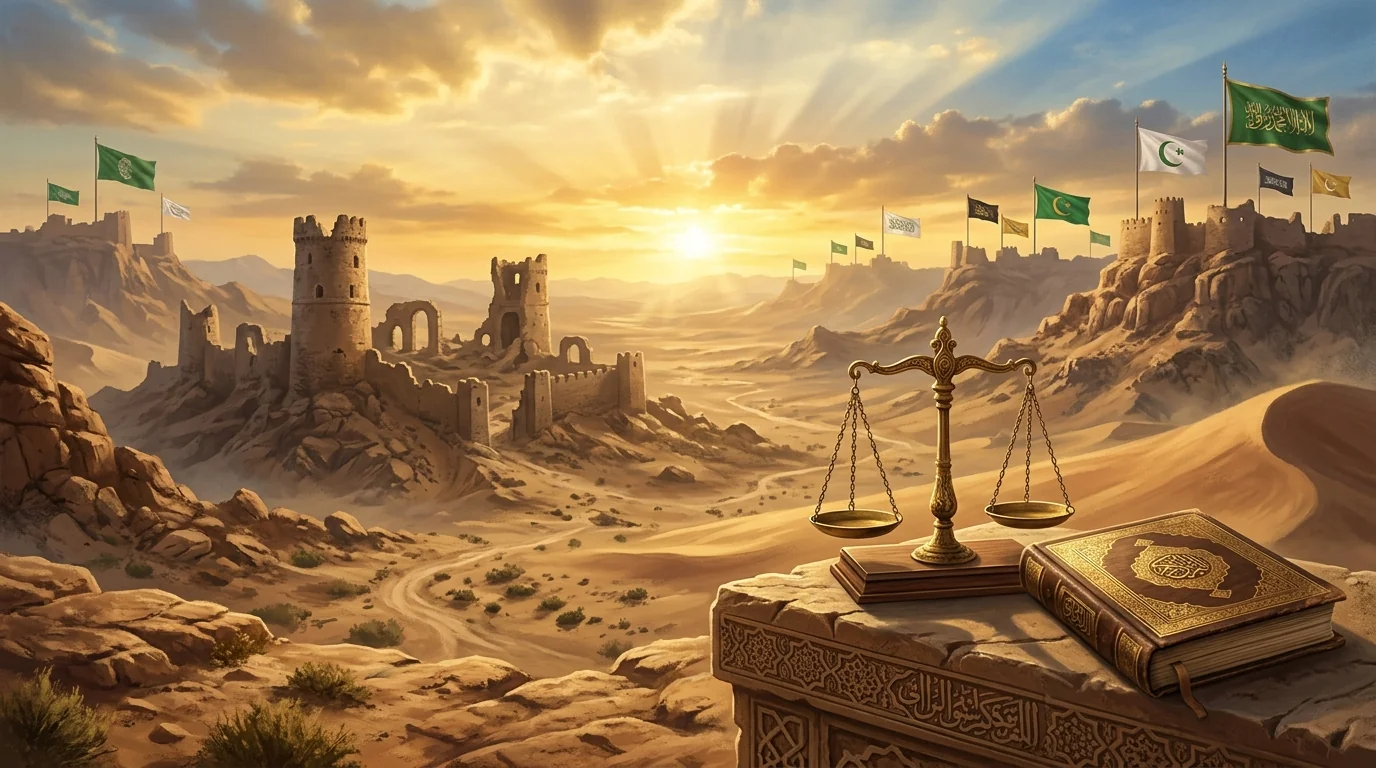
The author explains why the Companions take the lion's share of this book: in gratitude for what they gave the Prophet ﷺ. In a few years they spread the faith east and west and brought down the Persian and Roman empires at once, making them, he says, the greatest generation God ever created.
Scene 2
The Companions of God's Messenger, the Chosen Elite
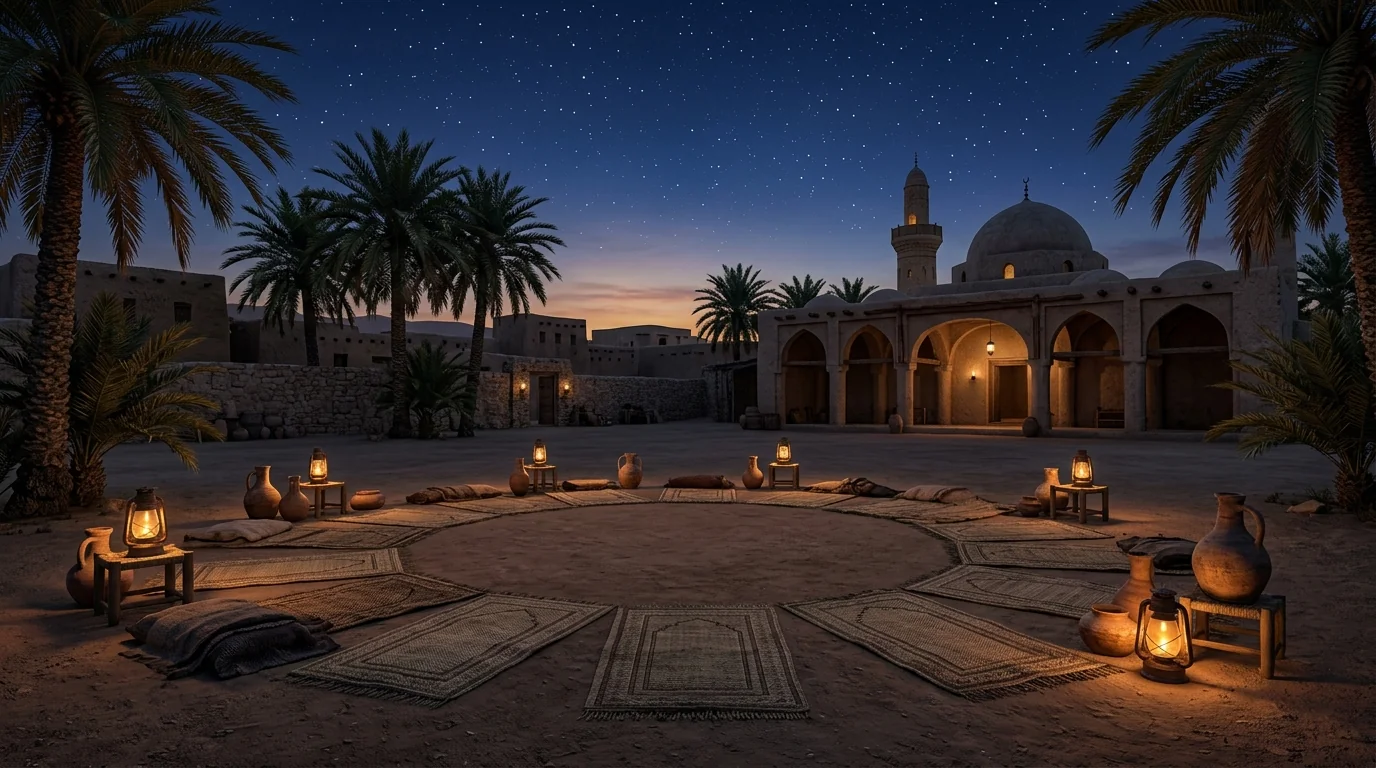
By a whole generation the author means every one of the more than one hundred thousand Companions, all of them upright before God, who chose them one by one. He warns the reader against speaking ill of any of them, while noting they were human beings who erred, yet came closest to human perfection after the prophets.
Scene 3
The Noble Companion Abu Sufyan ibn Harb
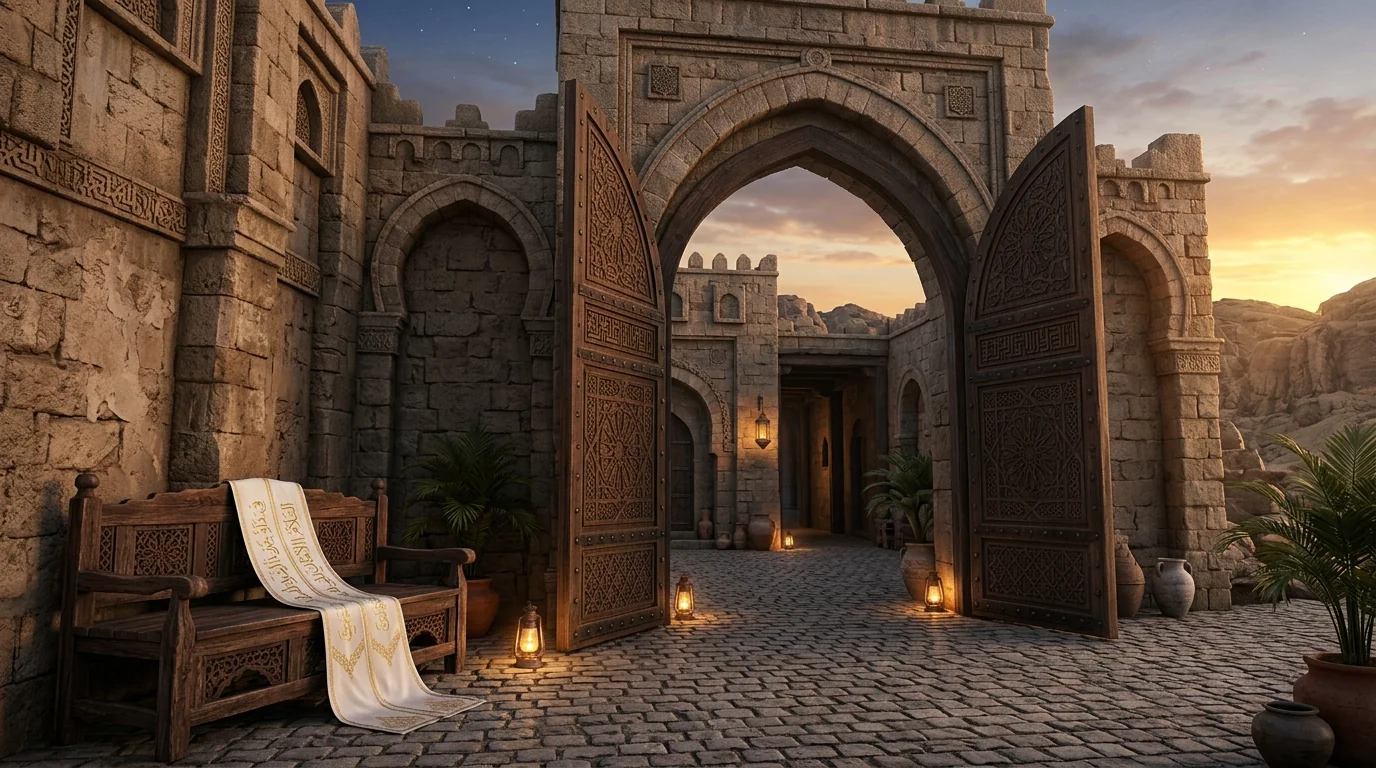
The author says he deliberately wrote "the noble Companion" before Abu Sufyan's name, to remind readers that after his conversion he was a Companion of the Prophet ﷺ. He was also the father of Umm Habiba, the Mother of the Believers whom the Prophet ﷺ married.
Scene 4
From Leader of Idolatry to the Embrace of Monotheism
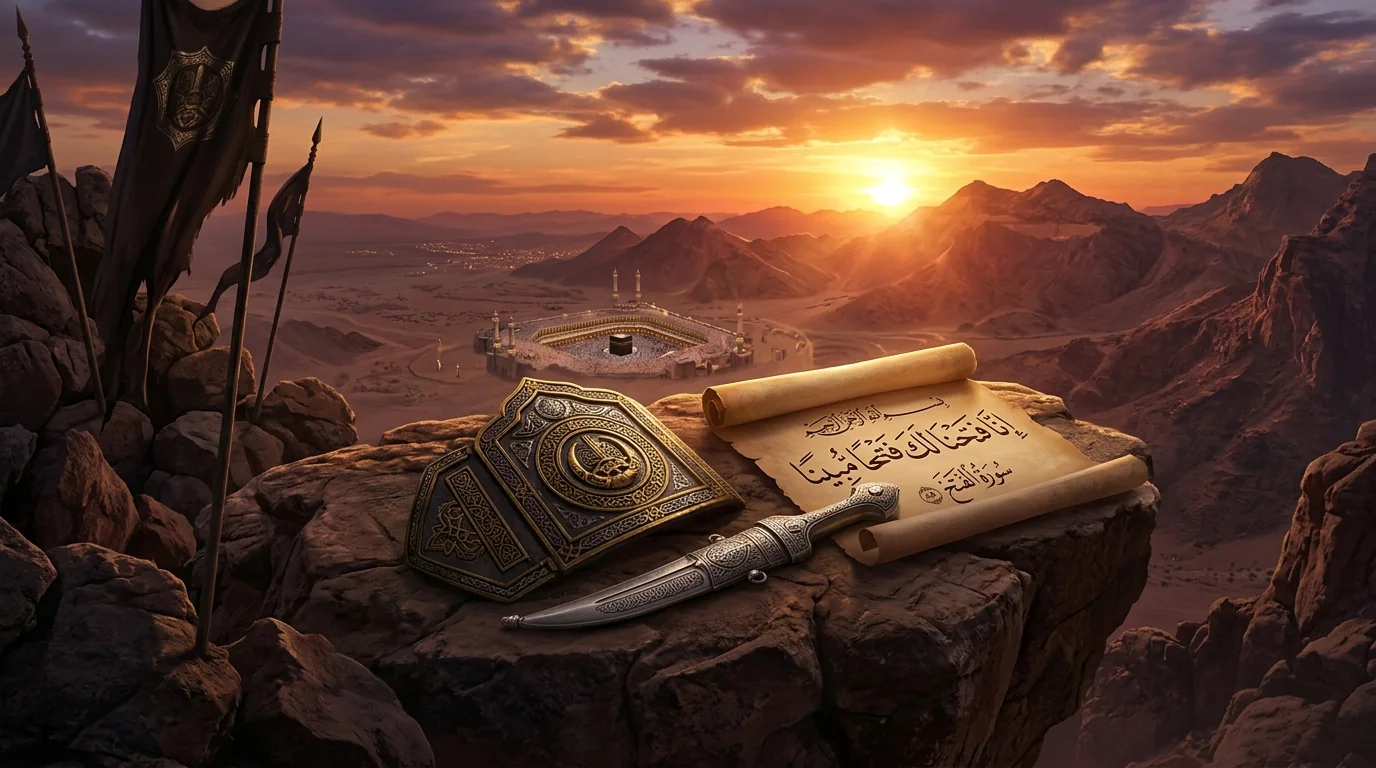
History books neglect Abu Sufyan because of his fierce enmity before Islam, yet Islam wipes away what came before it. The author says those twenty years leading the fight against the Muslims are exactly why he chose him: it was like the head of today's greatest hostile power embracing Islam, then striving sincerely for God.
Scene 5
Giving Both Eyes and Standing Firm at Yarmouk
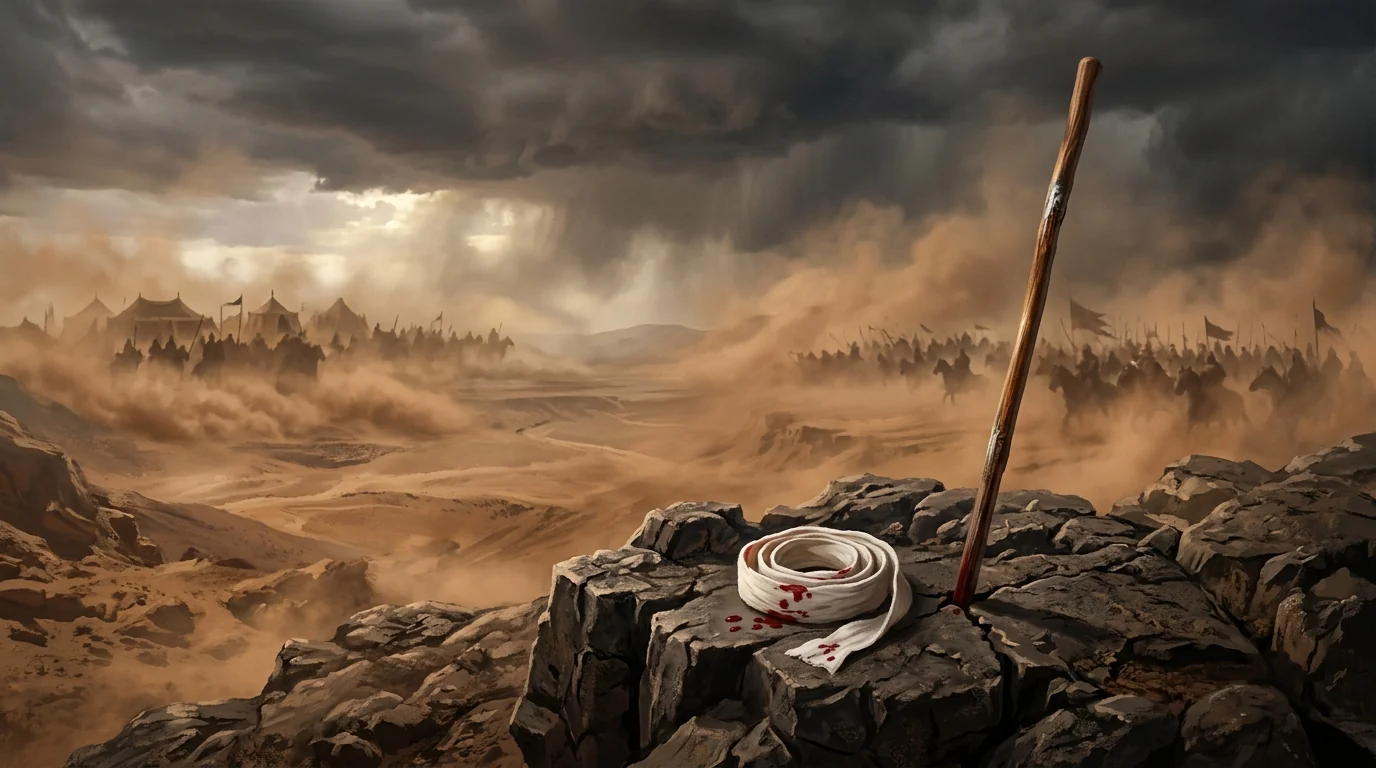
This man gave both his eyes for Allah: the first at Hunayn defending the Prophet ﷺ, the second at Yarmouk, where Khalid ibn al-Walid charged him with spreading the spirit of jihad. He and his wife, the Companion Hind bint Utbah, walked among the soldiers rousing them, until the Romans aimed their arrows and put out his second eye. Totally blind, the heroic old man bound his eyes with a white cloth that turned red and walked among the Muslim battalions reminding them of Paradise, crying across the valley: "O victory of Allah, draw near!"
Scene 6
The Cry of Victory and the Byzantine Collapse at al-Waqusa
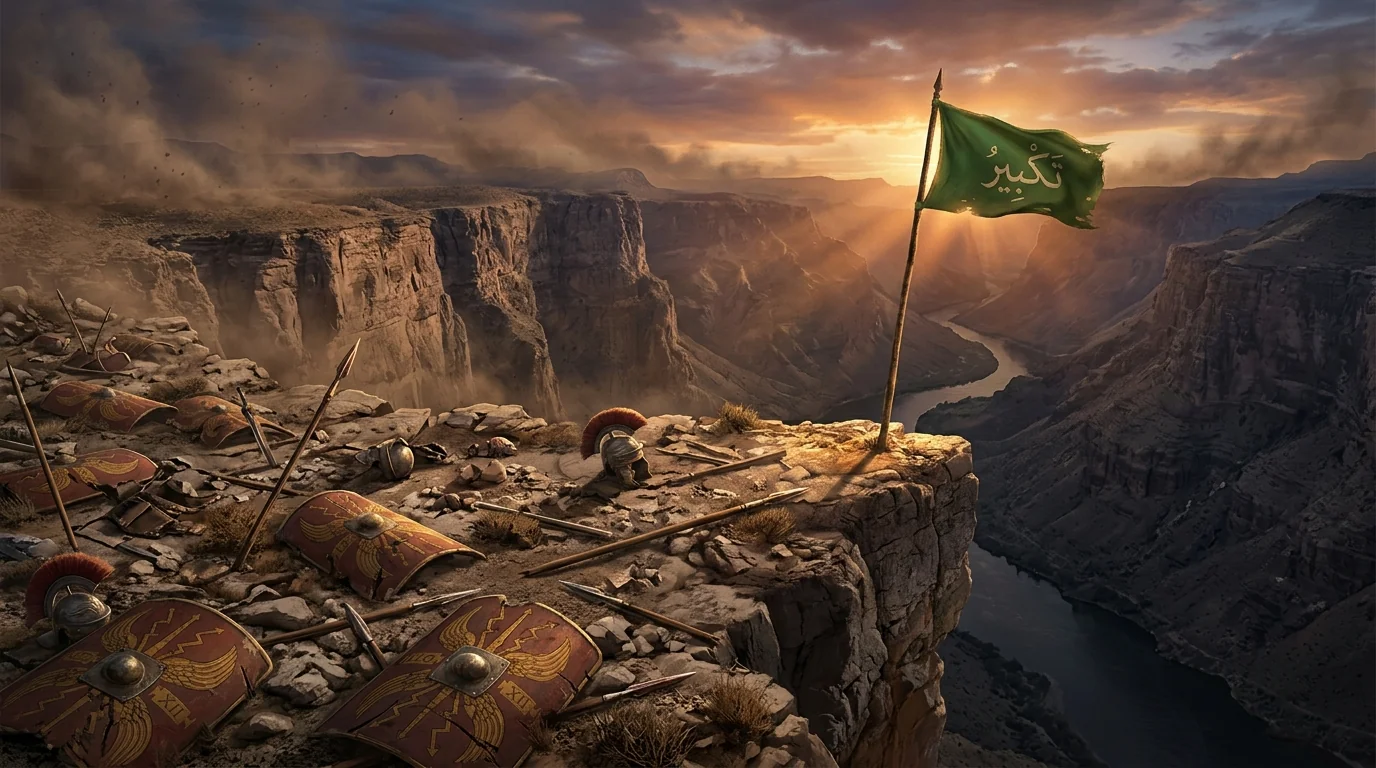
Victory came. A Muslim fighter broke into the heart of the huge Roman army and beheaded its war minister Vahan with one stroke, and cries of "God is greatest" spread terror. The retreating Romans threw themselves into the deep ravine of al-Waqusa, 120,000 died in a single day, and the Muslims won Yarmouk.
Scene 7
Tears of Conquest and Syria as a Lasting Home of Islam
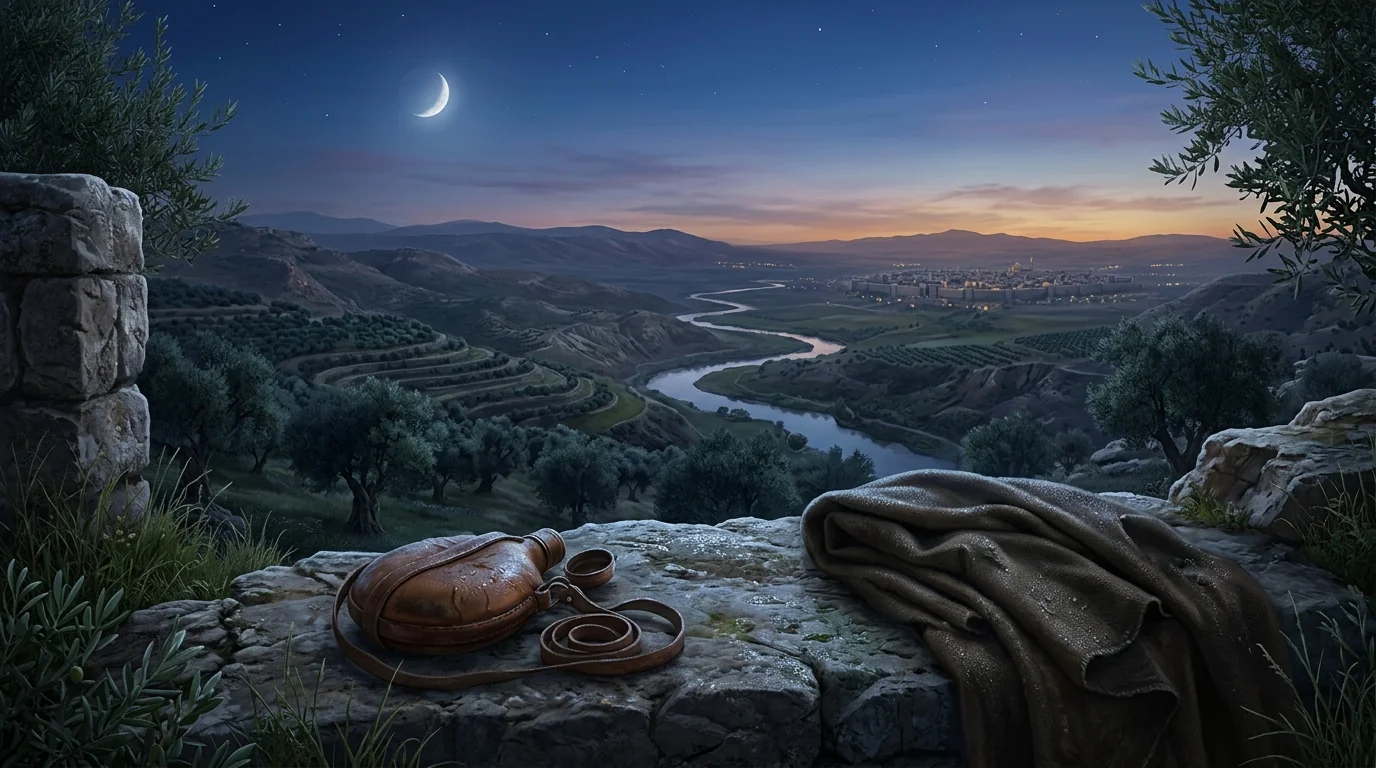
With the victory at Yarmouk, Roman power effectively collapsed, Syria became a home of Islam, and the prophecy of the Prophet ﷺ came true. Abu Sufyan wept at God's victory, his tears mingling with the blood of his eyes, and the author prays that God reward him for what he gave Islam.
Scene 8
The Dialogue with Heraclius and Tidings of an Immortal Hero
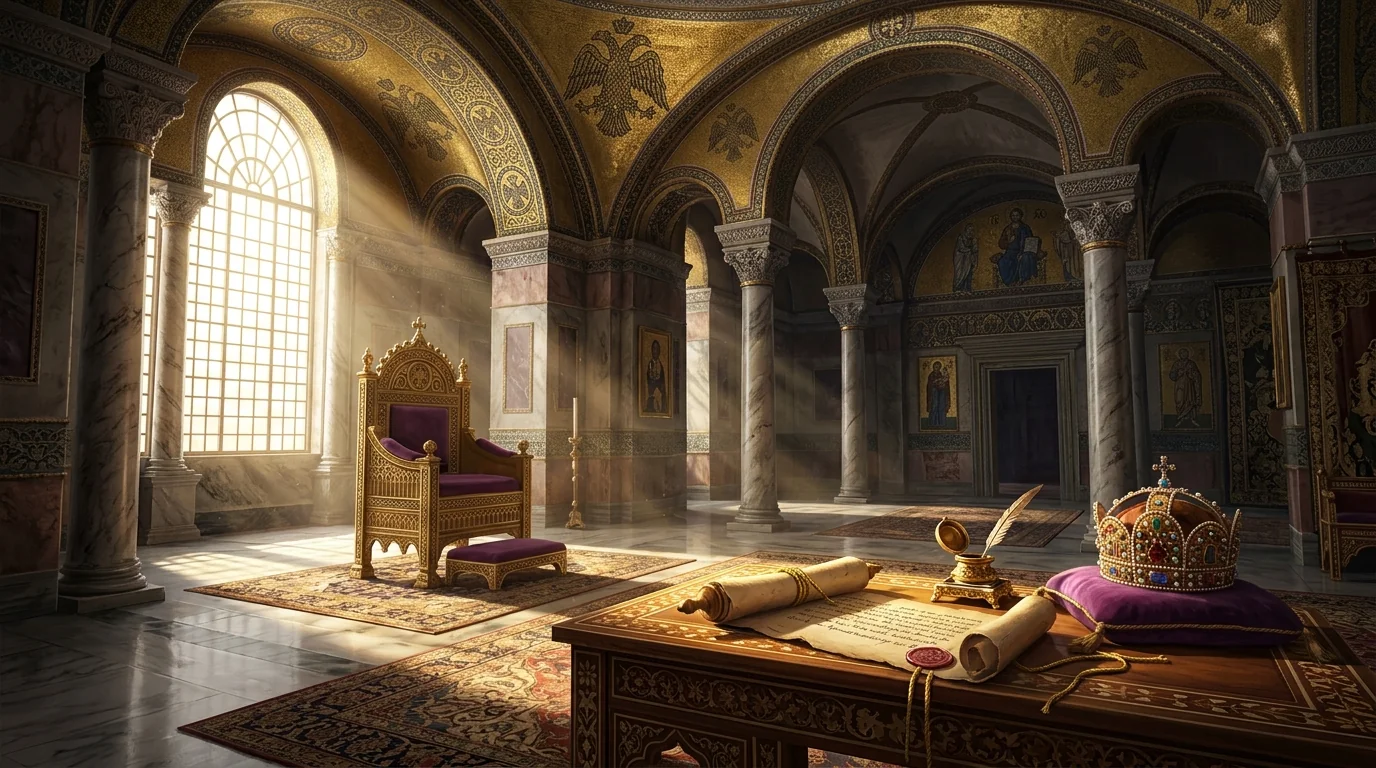
The author suggests it was divine wisdom that Abu Sufyan converted late, so he could relate a remarkable episode from his pagan days at the court of the Roman emperor Heraclius, recorded by al-Bukhari. How close did the emperor come to Islam, what stopped him, and who was the hero martyred before praying a single prayer?
These are English scene notes. The full chapter text, as the author wrote it, is in the app.