


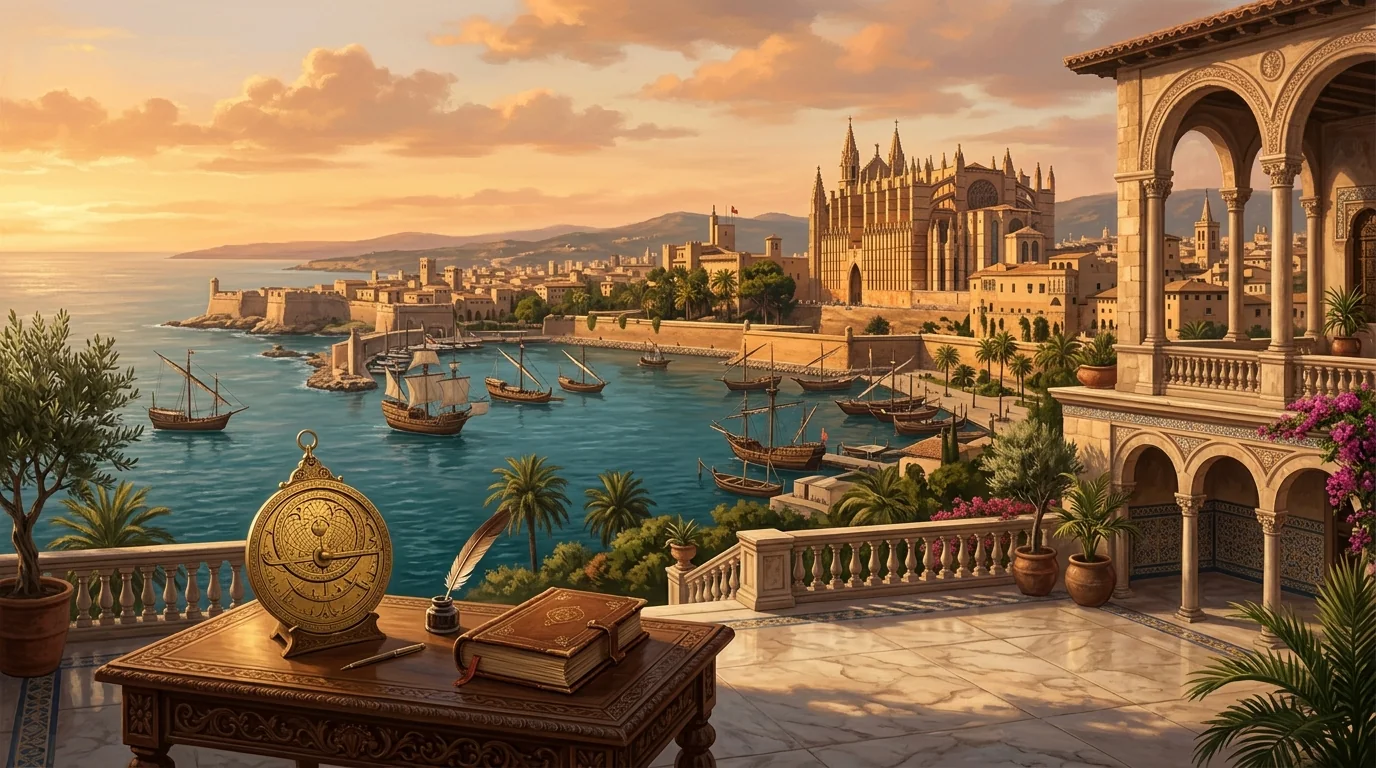
Scene 1
John's Prophecy and the Glad Tidings of the Paraclete
The author opens with an old method of hiding historical truth, first used by the historians of Egypt's New Kingdom. Archaeologists noticed inscriptions deliberately erased from temple walls and clumsily replaced with new ones. The erased name, he says, meant "son of the water": the child drawn from the Nile, Moses.
Scene 2
Altering the Words and the Struggle for Truth
The point of the introduction is to show how those who falsify history work: the pharaohs erased every inscription about Moses once he became Pharaoh's enemy. The author says falsifiers in every age use the same method, and that Muslims know the Torah and Gospel were altered, citing verse 79 of Surat al-Baqara.
Scene 3
The Torah Written Down Nine Centuries After Moses
The author argues alteration is a historical fact as well as a Quranic one: the Hebrews first wrote down the Old Testament more than 900 years after Moses, and the Gospel revealed to Jesus is lost. The oldest New Testament is in ancient Greek, so there he searched for the name "Ahmad" and turned to John 16:7.
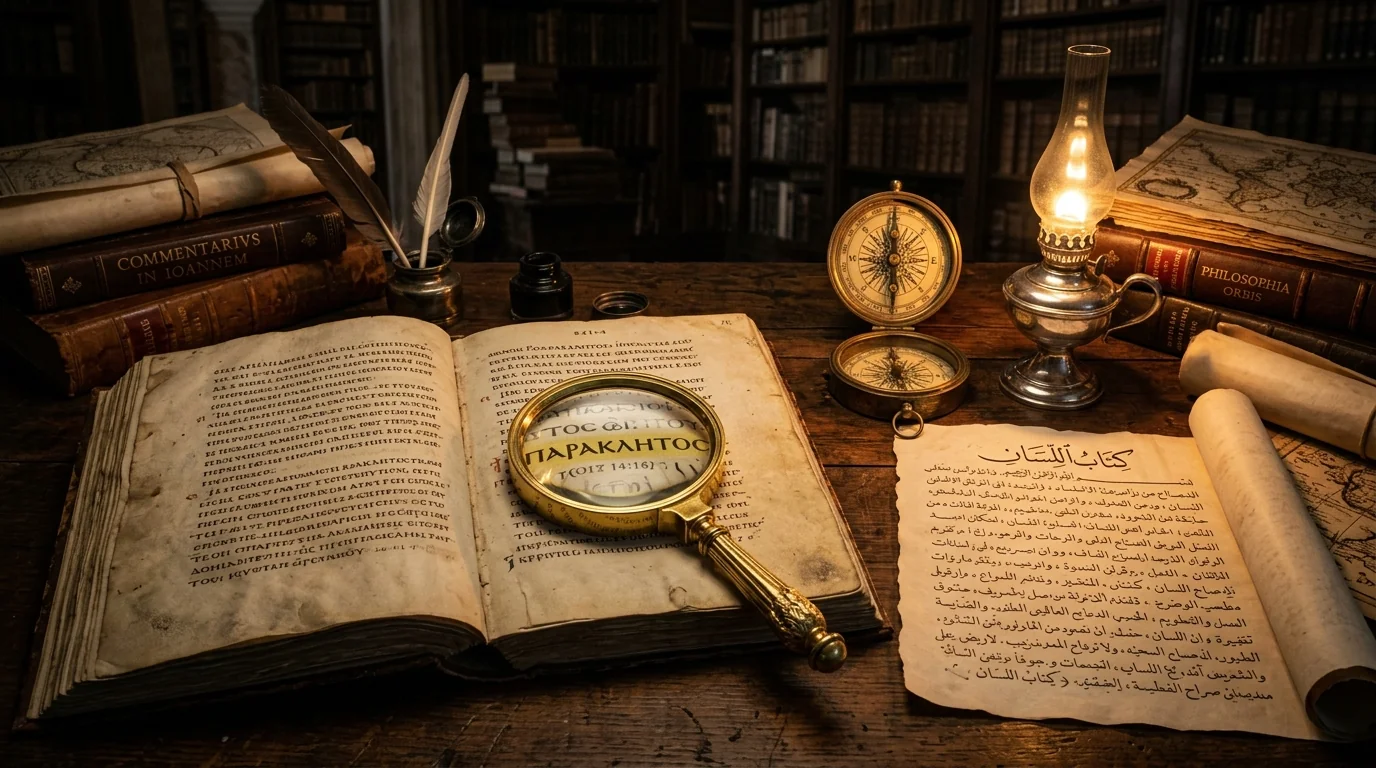
Scene 4
The Riddle of the Greek Manuscripts and the Comforter
John 16:7 speaks of "the Comforter", rendering the Greek "Paraclete", which the author says was altered from "periklutos", meaning most praised: Ahmad. To explain, he travels to Majorca to meet Abdullah al-Mayurqi, "the Translator", formerly the eminent Spanish priest Anselm Turmeda, who tells his own story in his book Tuhfat al-Arib.
Scene 5
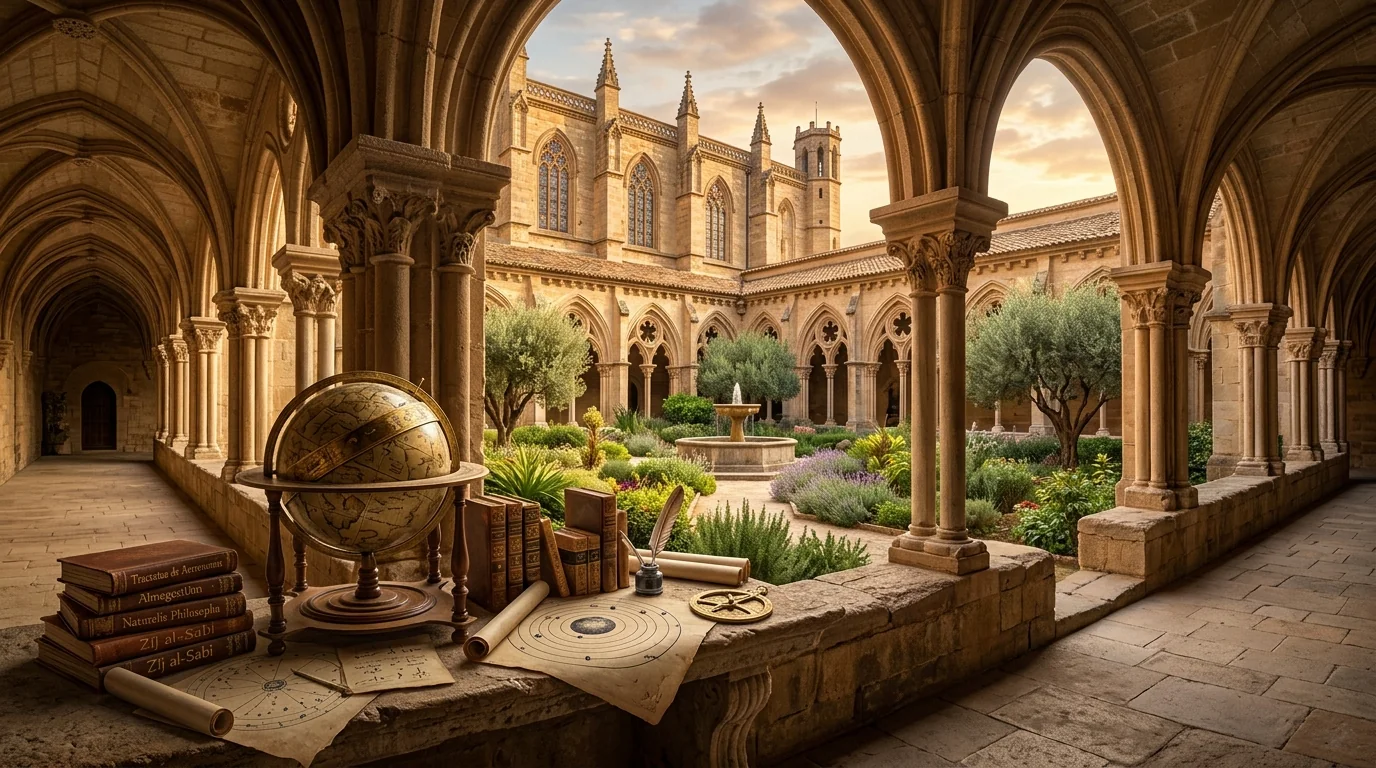
Anselm Turmeda's Upbringing in Majorca and Lleida
Turmeda relates that he was his father's only son in Majorca. Given to a priest at six, he memorised much of the Gospel, studied its language and logic, then natural science and astronomy in Lleida. He moved on to a great city of learning, where he served the revered old priest Nicolau Martel and was entrusted with his keys.
Scene 6
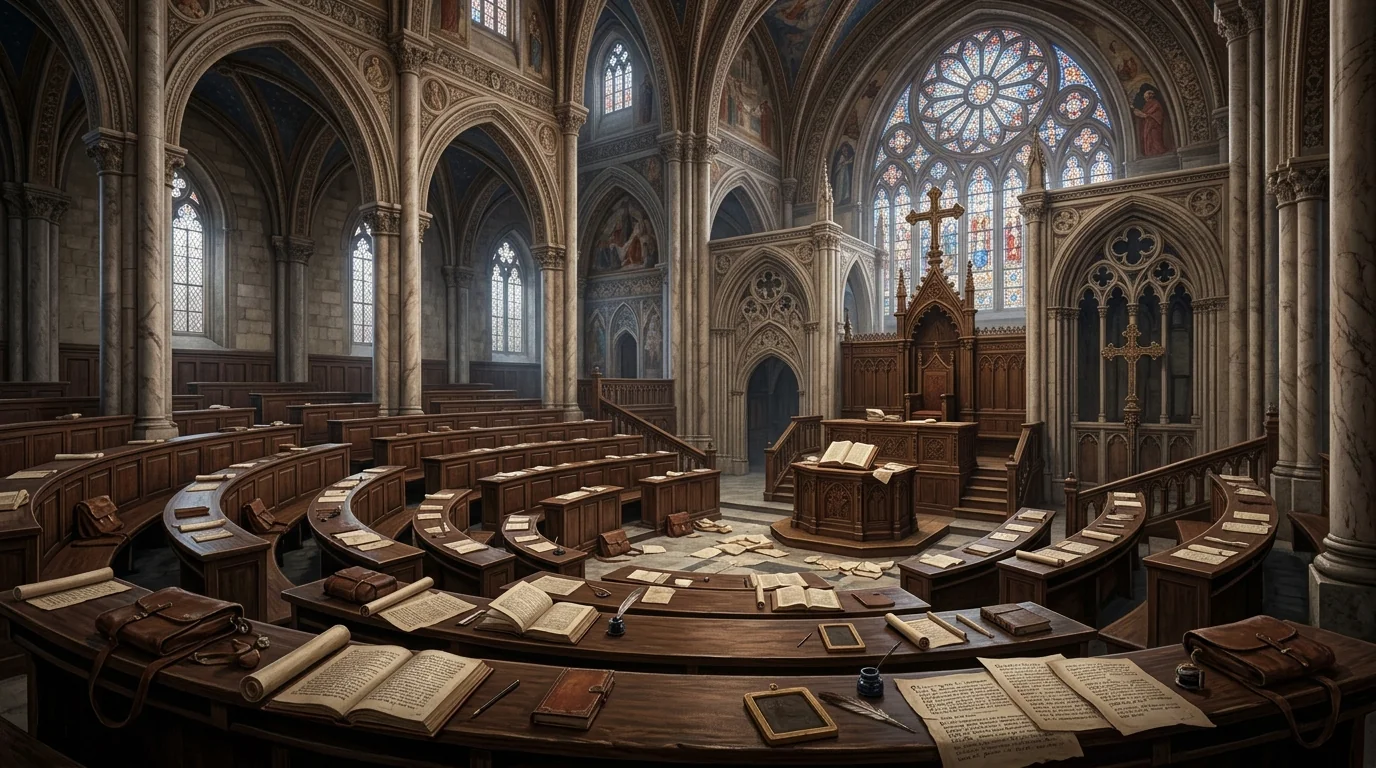
The University of Bologna and the Paraclete Debate
After ten years of study and service, the priest fell ill one day and his students debated who the prophet called the Paraclete, foretold by Jesus, might be, without agreeing. The priest told Turmeda all their answers were wrong. When Turmeda begged to know, he wept, fearing the Christians would kill him if it became known.
Scene 7
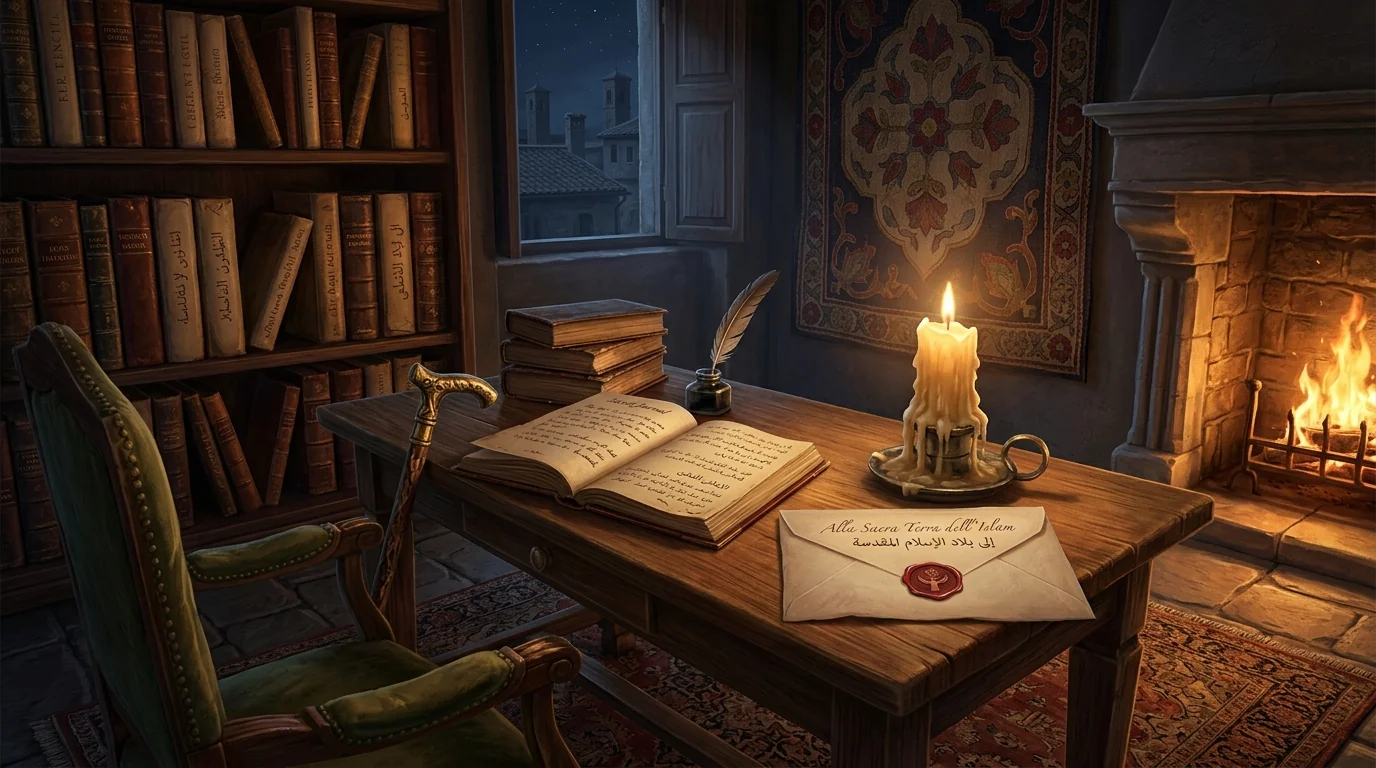
The Confession of the Priest Nicolau Martel
Sworn to secrecy, Turmeda heard the priest say that the Paraclete is one of the names of the Muslims' prophet Muhammad, whose religion is the true one. Had the Christians kept to the original religion of Jesus they would be on God's religion, but they changed it; salvation lies in entering Islam. Turmeda asked what held him back.
Scene 8
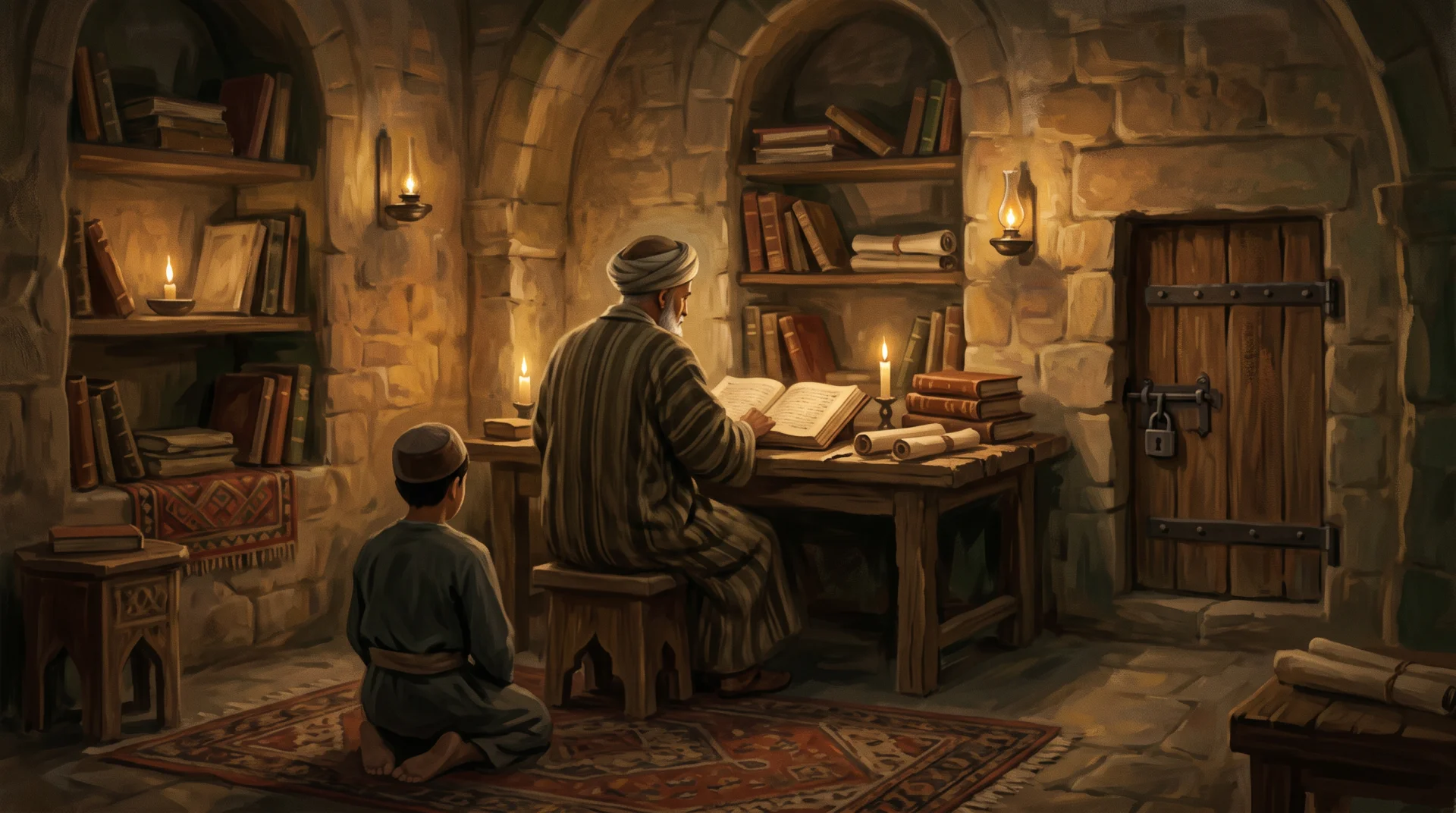
Why the Priest Kept His Religion Though He Knew the Truth
The priest answered that he learned the truth only in old age, and love of this world kept him: he enjoyed rank and wealth, feared being killed, and feared dying poor among Muslims at ninety. He advised Turmeda to hurry to the lands of Islam but keep it secret, warning he would deny everything if named.
Scene 9
Migration to Tunis and Meeting the Hafsid Sultan
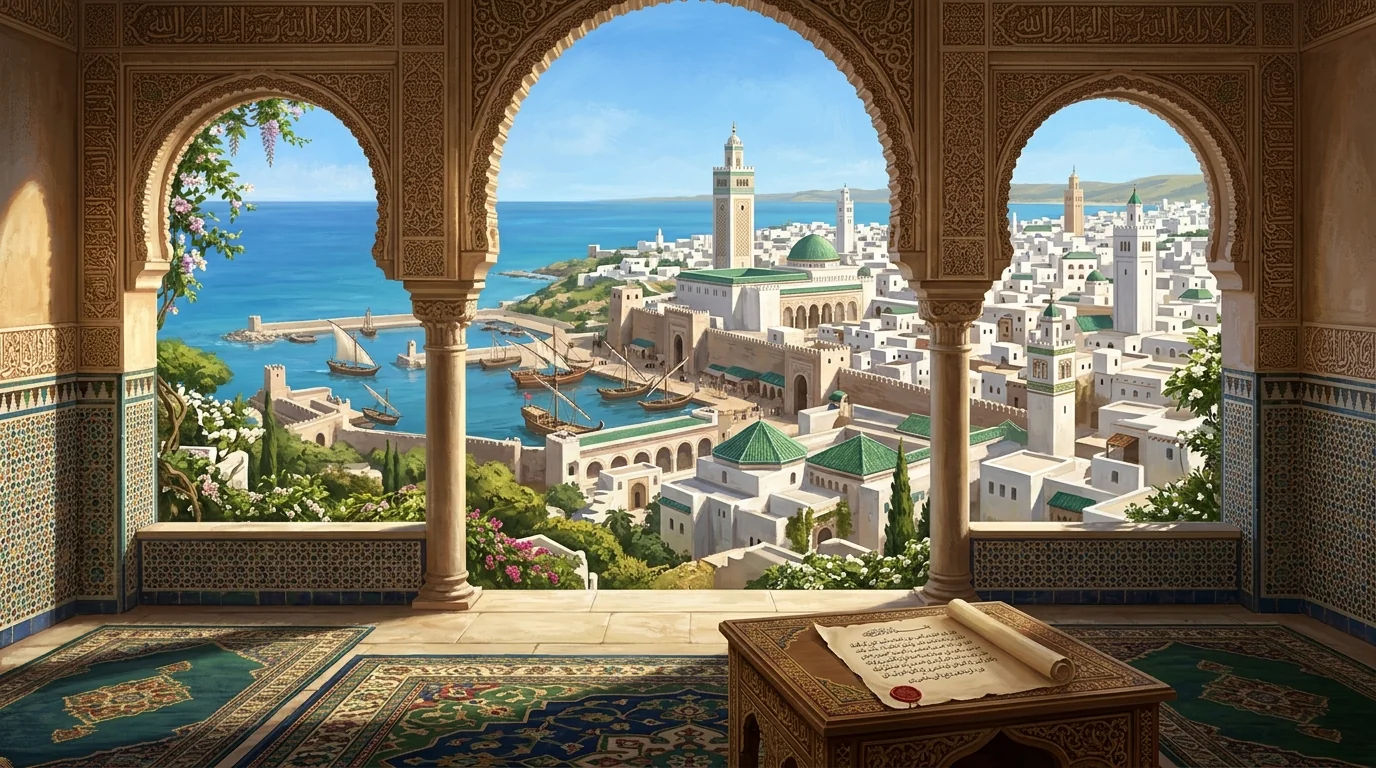
Turmeda took leave with fifty gold dinars, stayed six months in Majorca and five in Sicily, then sailed to Tunis, where Christians hosted him for four months. Through Yusuf, the sultan's physician, he reached Sultan Abu al-Abbas Ahmad. He asked that the Christians be questioned about him before he converted, as Abdullah ibn Salam once had.
Scene 10
Abdullah al-Tarjuman's Islam and Tuhfat al-Arib
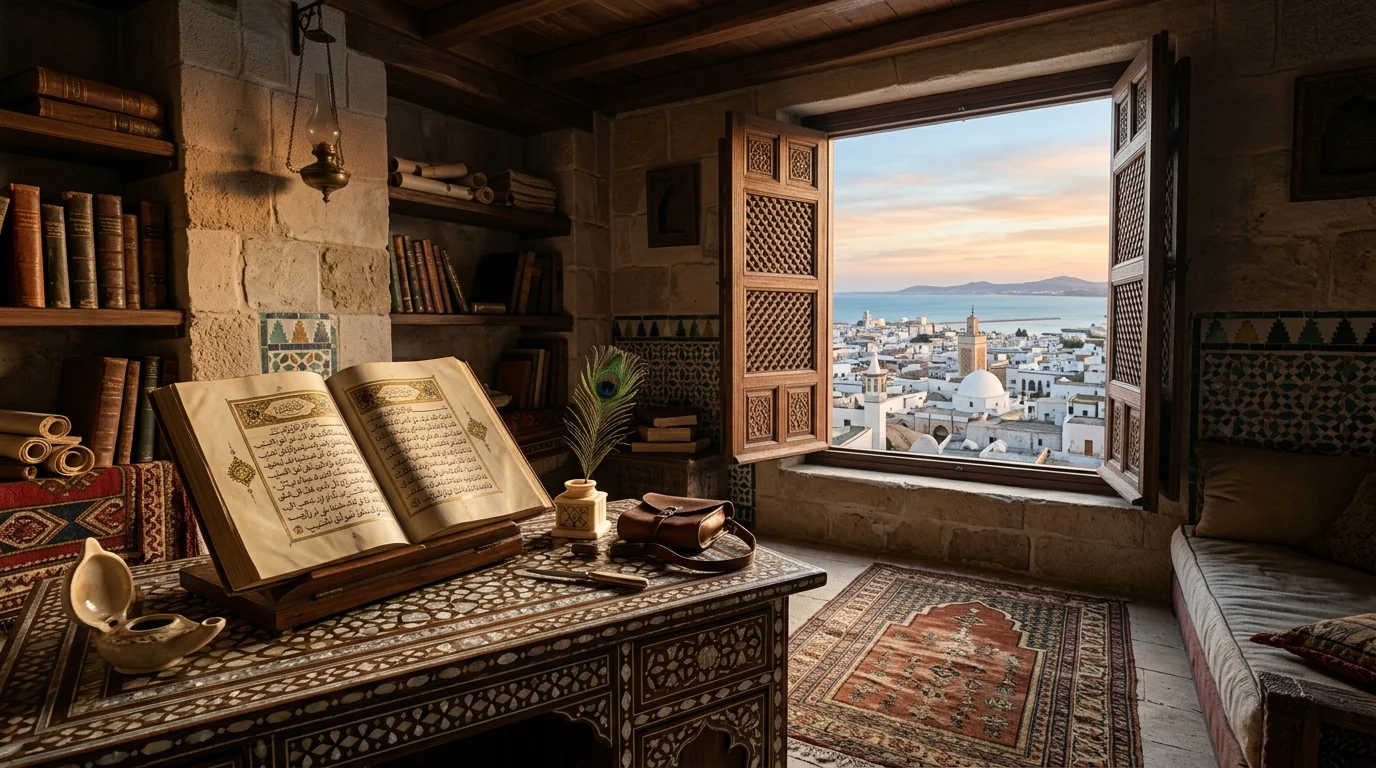
The Christians praised him as their greatest scholar; he then pronounced the testimony of faith before them, and they left grieving. The sultan gave him a stipend and a wife, and he named his son Muhammad. He learned Arabic and wrote Tuhfat al-Arib, proving the prophethood from the Bible. The author turns next to a Persian Companion.
These are English scene notes. The full chapter text, as the author wrote it, is in the app.