


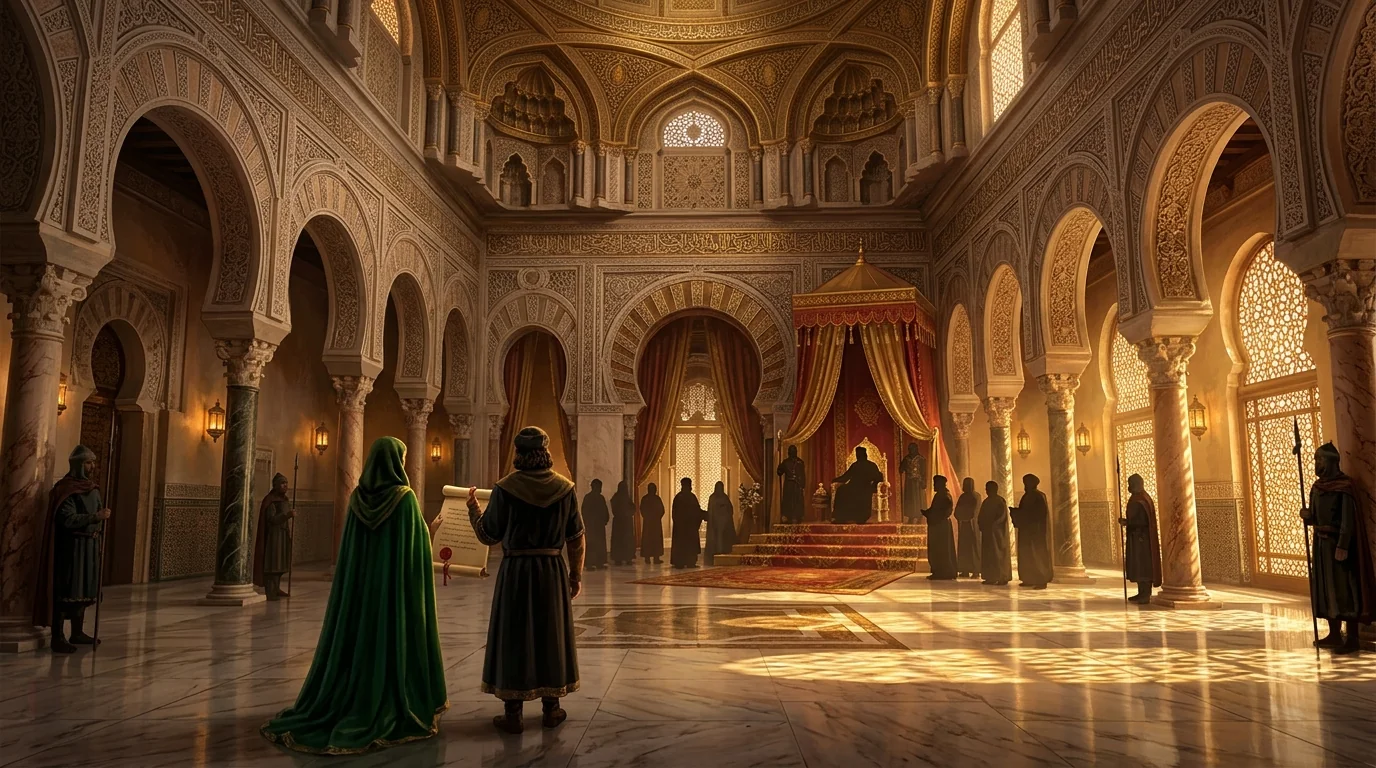
Scene 1
A Letter from the King of England to Cordoba's Caliph
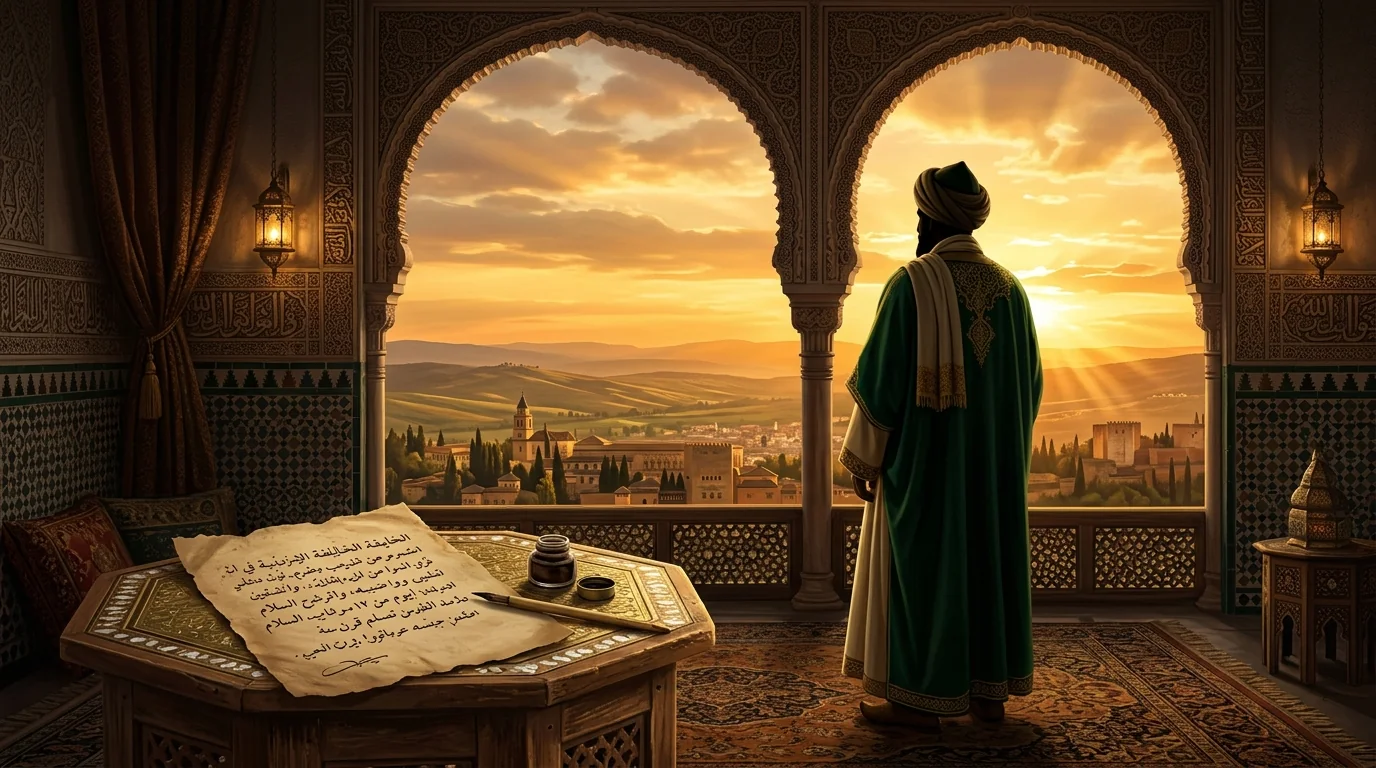
The chapter opens with a letter from George, king of England, to the Muslim caliph of al-Andalus. Having heard of the learning and industry flourishing there, he sends his niece Princess Dubant with a delegation of noble English girls to study under the caliph's care, with a gift, signing as his obedient servant.
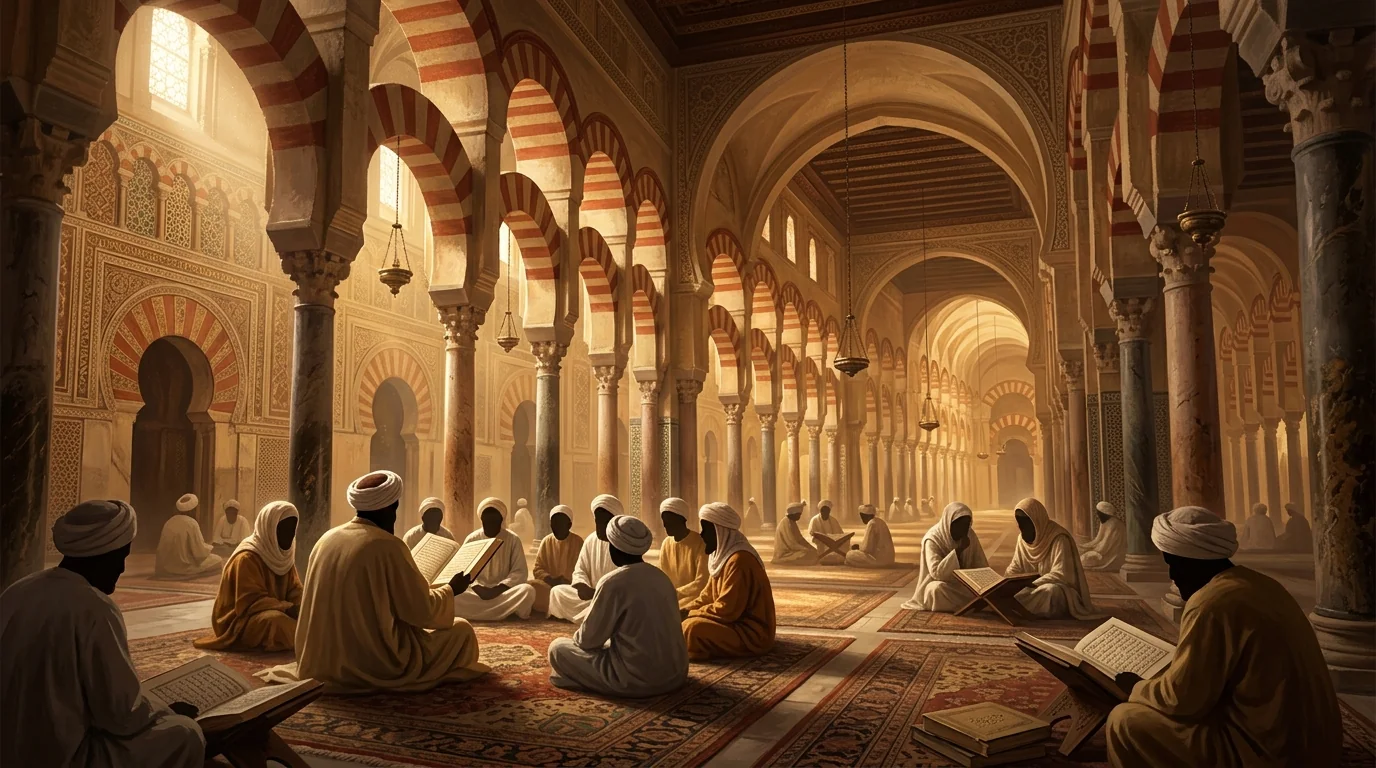
Scene 2
The Sun of Cordoba and a Golden Age
Abd al-Rahman al-Nasir was the greatest king medieval Europe knew and the strongest ruler of al-Andalus. He spread learning until illiteracy vanished, enlarged the mosque of Cordoba and established justice, so persecuted Jews and Christians and Muslim scholars flocked there. Cordoba became the world's second-largest city, with three thousand mosques.
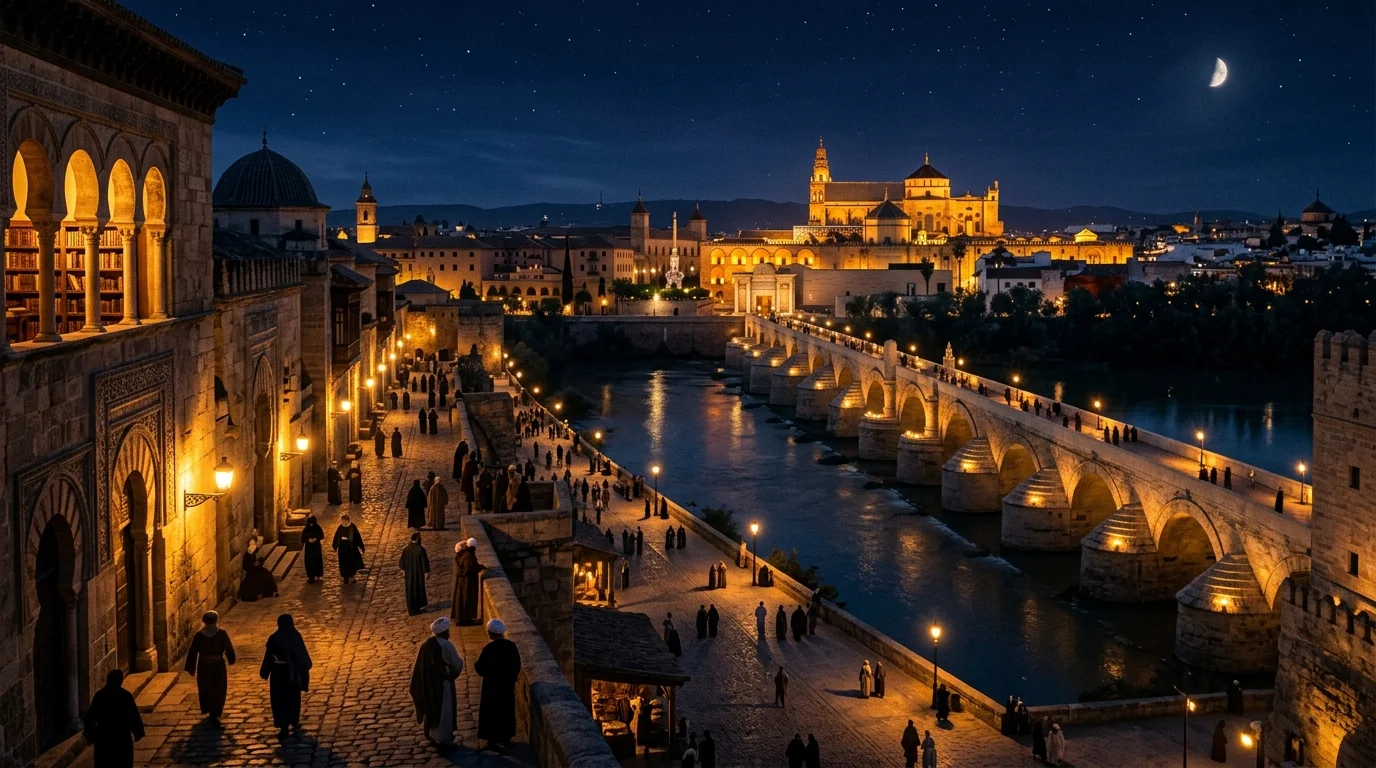
Scene 3
Europe's Jewel, Lit by Night
For the first time in human history, the author says, Cordoba became a city whose every street was lit at night, a shining jewel in the darkness of a Europe sunk in ignorance. Europeans sent study missions to Muslim lands, and hospitals and public libraries appeared for the first time in Europe.
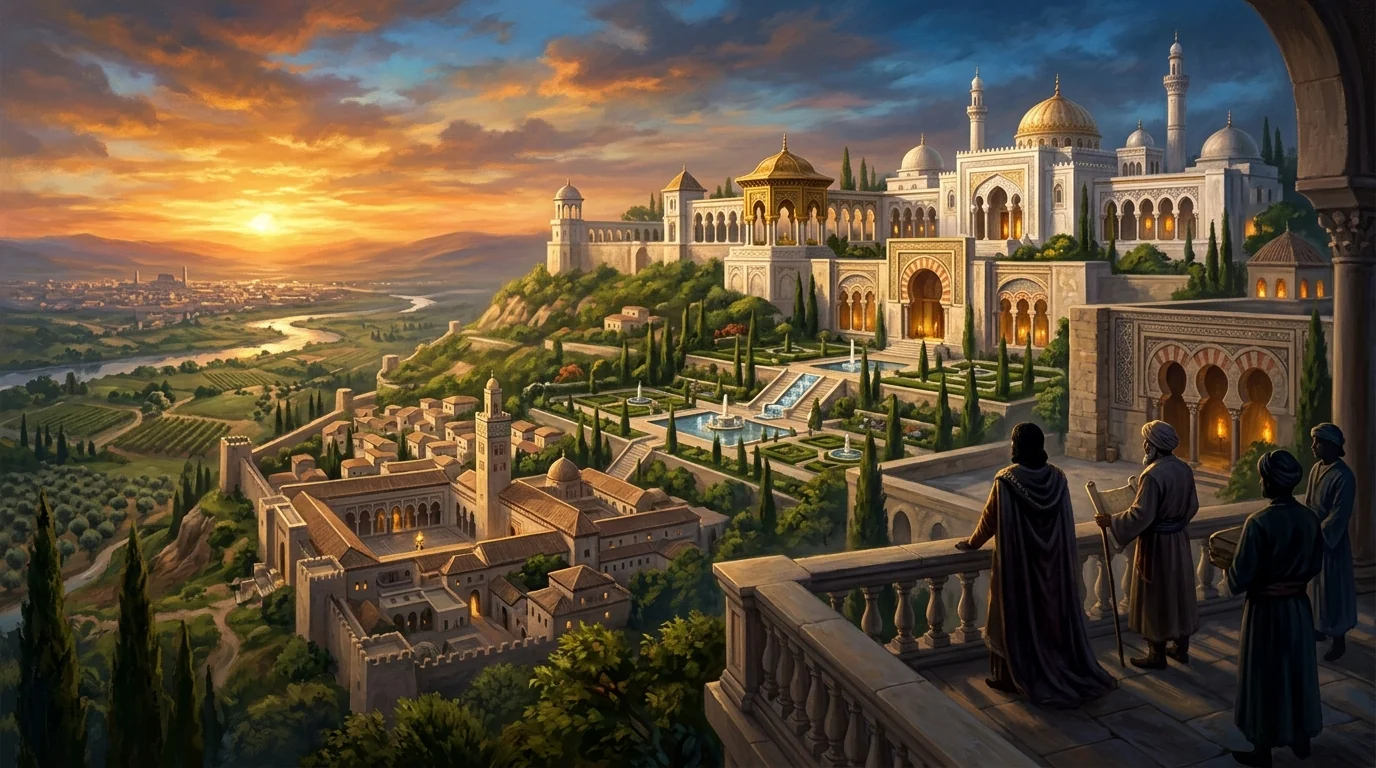
Scene 4
The Wonder of Madinat al-Zahra and Cordoba's Bridge
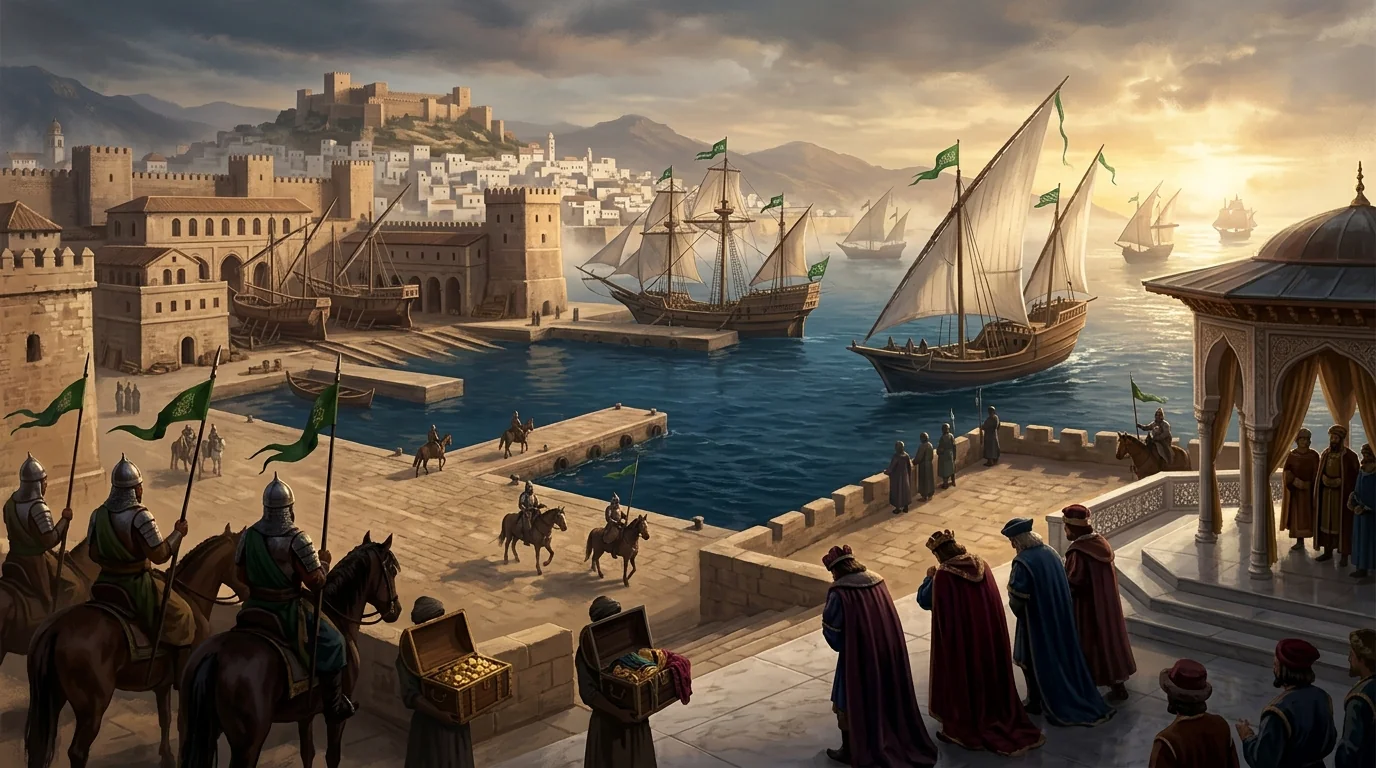
The caliph built Madinat al-Zahra, considered the most beautiful city in the world: a city upon a city in three walled tiers, with indescribable palaces at the top, orchards and gardens in the middle, and houses and the mosque below. In Cordoba the wondrous bridge was built, surpassing all others in beauty and craft.
Scene 5
A State of Justice and Care, and a Mighty Fleet
Wealth grew and services widened: free treatment, free schooling and monthly stipends for students. The author says Muslims introduced care for the elderly, with homes and attendants, and shelters for animals. Arsenals, ports and industries flourished, the army was Europe's strongest, and European kings' delegations brought gifts and tribute to Cordoba.

Scene 6
A Flame of Hope: The Rise of the Young Cordoban
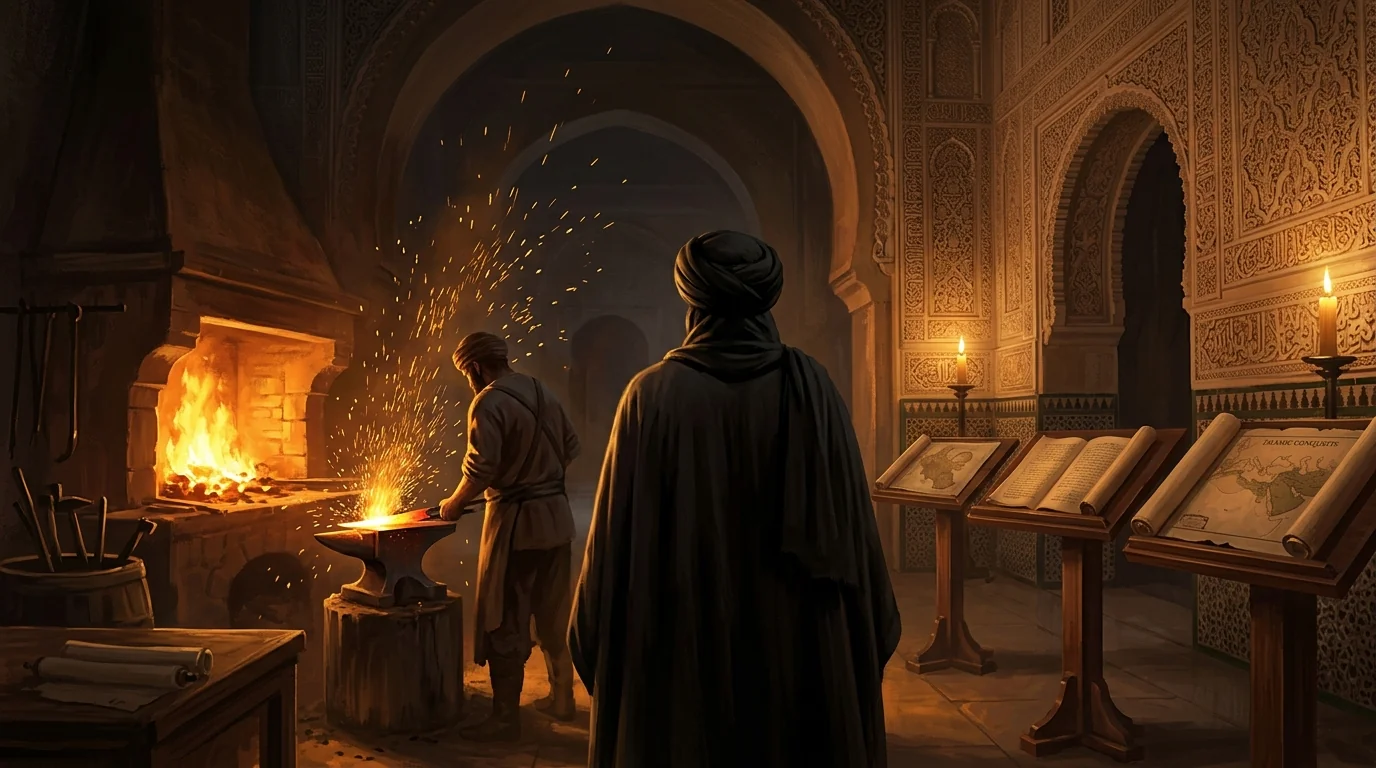
All this came only a few years before the Taifa kings. More astonishing was al-Andalus before him: so torn that his uncles and cousins all refused the emirate, unwilling to preside over its expected fall. Abd al-Rahman took it at twenty-one and changed the course of history in al-Andalus and Europe.
Scene 7
The Secret of Greatness and the Making of Heroes
His greatness, the author says, lies not in the strength of his era but in the weakness before it; the great are those who lift their peoples from humiliation to power. To learn how heroes are made in weak times like ours, he identifies three factors that made al-Nasir a great leader.
Scene 8
The Falcon of Quraysh and a Heritage of Heroism
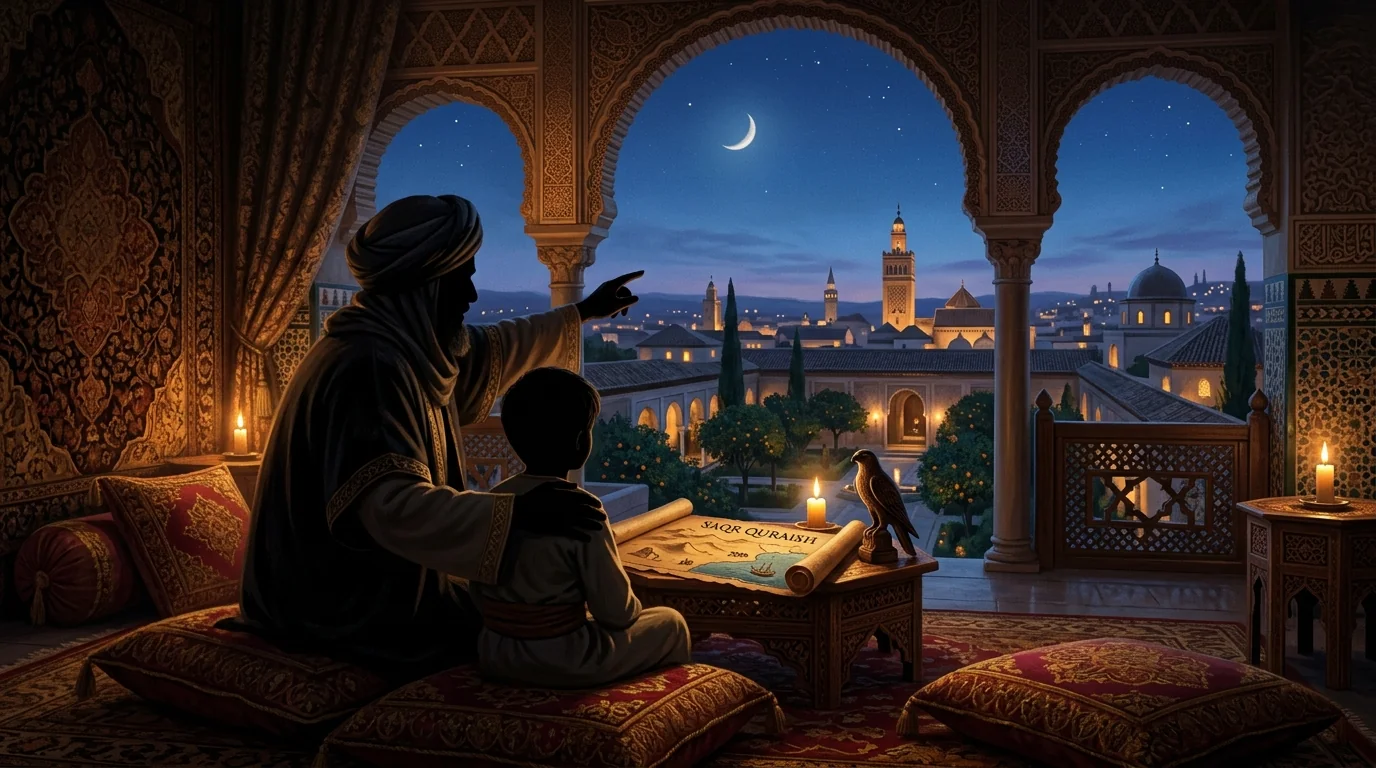
First, planting the spirit of heroism by recalling the nation's great figures. Al-Nasir's grandfather, Abdullah ibn Muhammad, told him from early childhood the exploits of his forefather Abd al-Rahman al-Dakhil, the Falcon of Quraysh, creating in the boy's imagination a world of heroism unlike the defeat surrounding him outside.
Scene 9
Putting Down Sedition and Ibn Hafsun's Betrayal
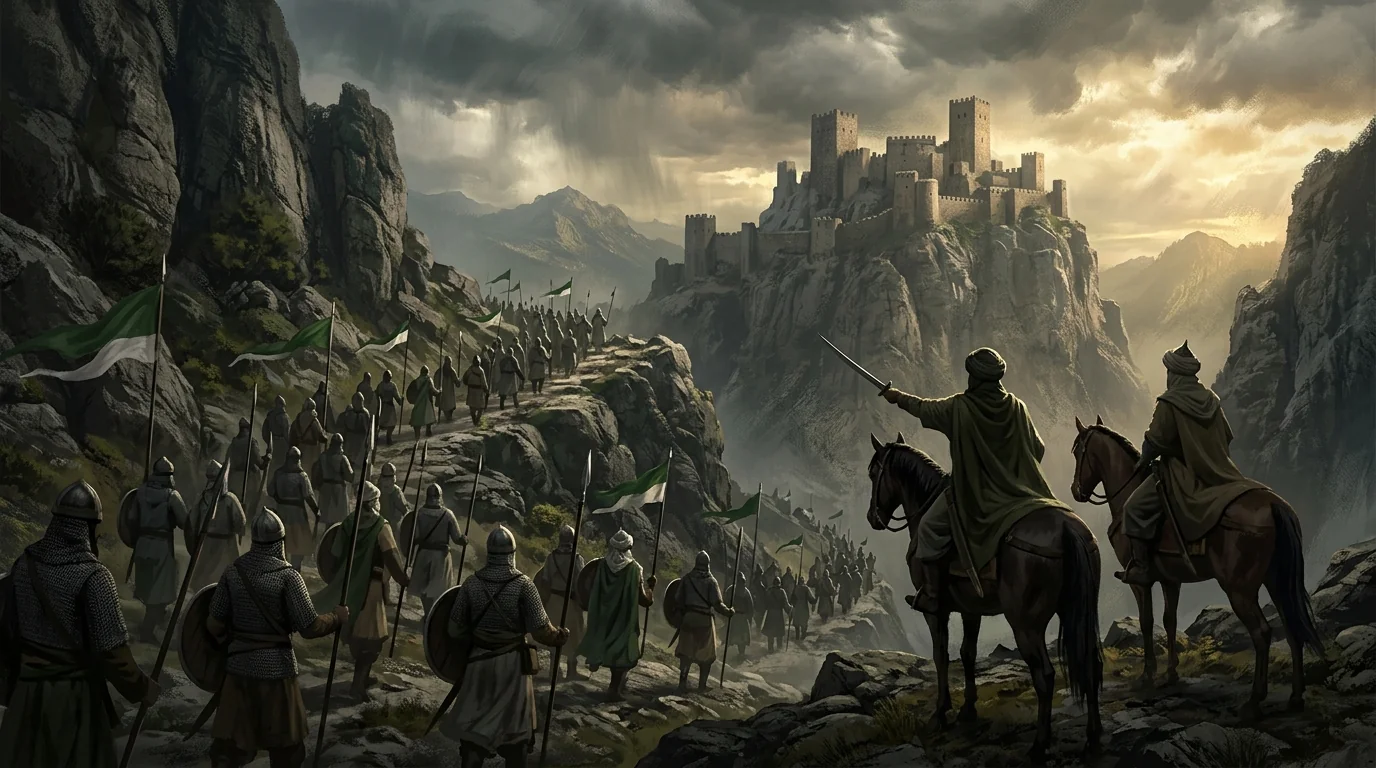
Second, knowing the real enemies: al-Nasir fought "the traitors of the Ubaydid Shia". As is the habit of "the Rafidi Shia", which the book says they cannot change from the dawn of Islam until the fall of Baghdad in 2003, the Ubaydid (Fatimid) Shia state that occupied the Maghreb supplied the Crusaders in Andalusia with weapons through "the Crusader" Samuel ibn Hafsun. The author promises further examples of the repeated betrayals of "those traitorous people" through every stage of the nation's history.
Scene 10
Al-Nasir's Asceticism and the Glory of the Umayyads
Third and most important, religious commitment. Despite the vast wealth of his reign al-Nasir was pious and ascetic; after his death a note in his own hand listed the days he had enjoyed untroubled, only fourteen. The author then asks which family he and al-Dakhil belonged to and why its history was distorted.
These are English scene notes. The full chapter text, as the author wrote it, is in the app.