


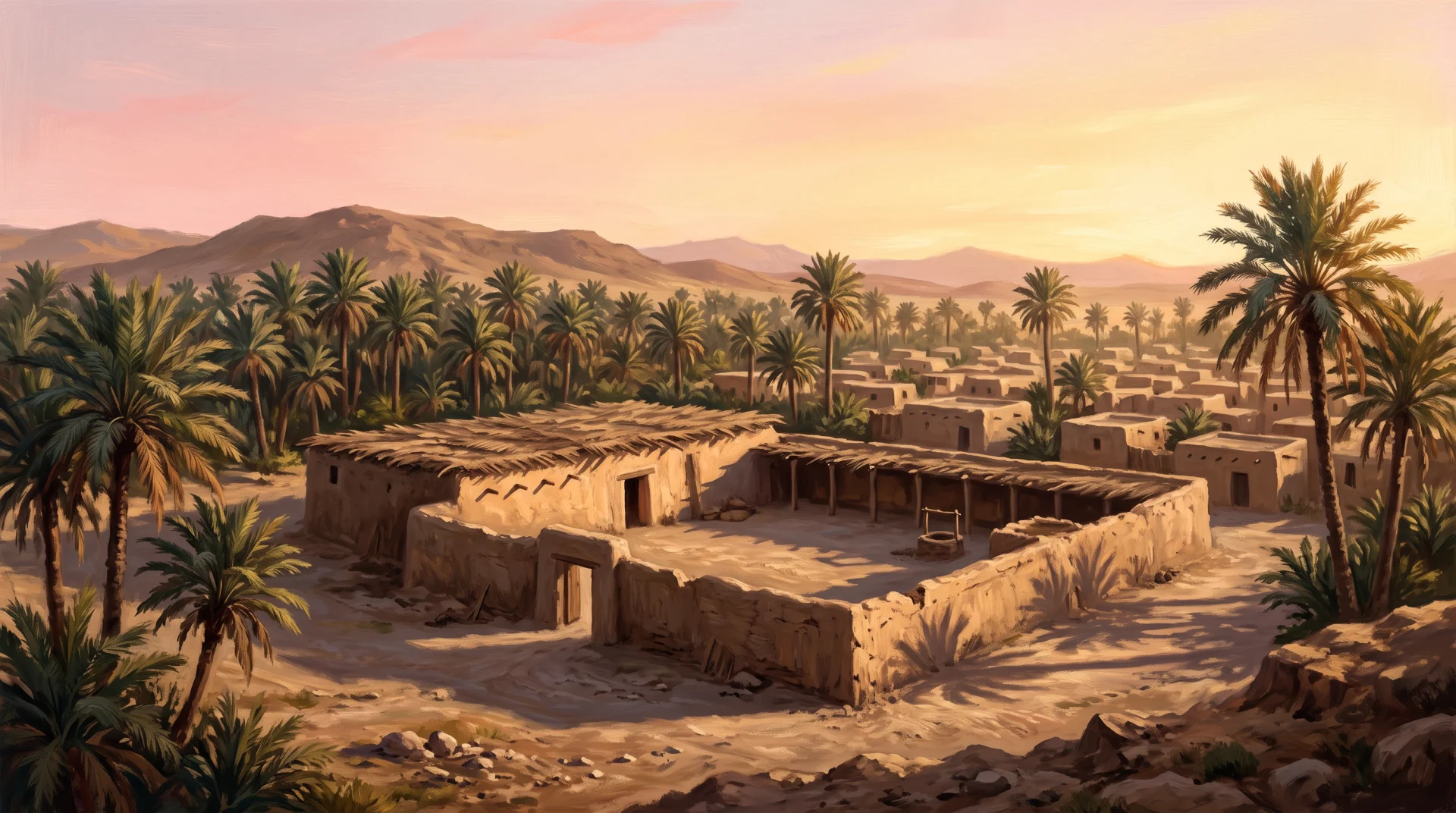
Scene 1
The Ministers of Information in Muhammad's Government
The chapter opens with the Prophet's words about the poets: these people are harder on Quraysh than the falling of arrows.
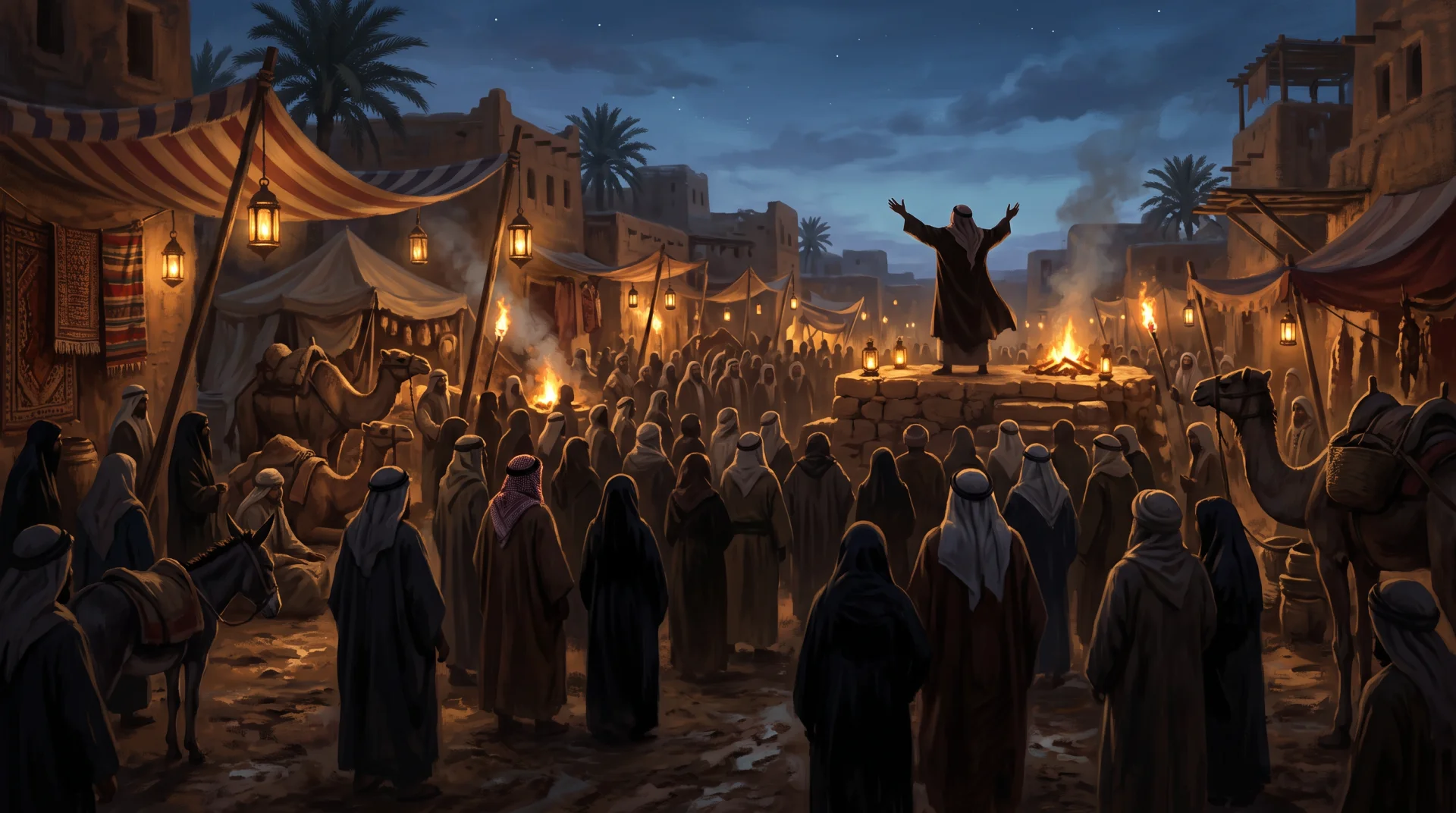
Scene 2
The Media War
Islam is the religion of the media par excellence. The real war the Prophet fought at the start of the call was the media war, a thousand times harder than conventional war, always open from the side hostile to Islam, whose enemy uses the fiercest weapons and often the dirtiest.
Scene 3
The Islamic Media Unit
The Prophet noticed this war and founded a unit of heroic fighters whose task often outweighed the other military missions: the Islamic media unit. He formed it from poets, because poetry was the only means of media among the Arabs. The author says that had there been newspapers in the Prophet's time, he would have recruited Islamic journalists for them.
Scene 4
The Power of the Word
The word in Islam is no less than the sword, and the Prophet described it as harder on the unbelievers than the spraying of camels, as the book prints it. Islam spread in Arabia by words, the world was ruled by the words of preachers, and the umma fell behind after neglecting the media. By the word Umar became Muslim, Khalid changed, Moses debated Pharaoh, Abraham called his father, Solomon's hoopoe flew to Bilqis, Jonah called on his Lord in the whale and Noah called his people for 950 years.
Scene 5
The Ministry of Fighting Media
The greatest political leader in human history formed a ministry of fighting Islamic media, to defend the reputation of Islam and the Muslims. The Prophet was not like the leaders of some Islamic groups who do nothing for the honour of the Companions and the Mothers of the Believers; he was protective of the honour of his companions and his wives. At once he formed a group of the best poets of Islam, headed by Hassan ibn Thabit, Abdullah ibn Rawaha, Ka'b ibn Malik and Ka'b ibn Zuhayr ibn Abi Sulma.
Scene 6
Poetry in Islam
These Islamic media men defended Islam and the Muslims with their words and poetry. Poetry is not forbidden in Islam, but Islam set the directions in which a Muslim may compose, summed up in the words of God in Surat al-Shu'ara: the poets are followed by the astray and wander in every valley and say what they do not do, except those who believe, do good deeds, remember God much and defend themselves after being wronged.
Scene 7
The Verses Apply to Every Media Worker
The author says these verses apply not only to poets but to all writers and authors and to all media workers: supporting Islam is a basic condition of the legitimacy of media work. Every writer, poet and broadcaster should ask himself whether his work supports Islam; if so, well and good, and if not he exposes himself to danger.
Scene 8
The Umma Must Rise in the Media
The author says the time has come for the Islamic umma to rise in the media and care for media faculties, because the enemies of Islam now use the media hideously to distort Islam and its Messenger while Muslims remain in deep sleep. He calls on the media men and writers of Islam to protect the Messenger with the media and asks whether there is anyone who will defend him.
Scene 9
The Poet Who Was Also a Warrior
Just as the Muslim poet was a great writer who wove words that shook the polytheists, the poet was also a great military fighter who carried arms when needed to defend God's religion with his soul. One commander and hero rose among the poets of the Messenger and carried the banner of Islam high.
Scene 10
Three Commanders Under One Banner
He watered the banner with his blood as he had earlier watered it with his ink in poetry. This poet was one of three Muslim commanders who gave their lives carrying the same banner, the greatest three commanders in human history to fall at once: the first was one of the ten given glad tidings of Paradise, the second was 'the Flyer', and the third was the Messenger's own poet. To be continued.
These are English scene notes. The full chapter text, as the author wrote it, is in the app.