


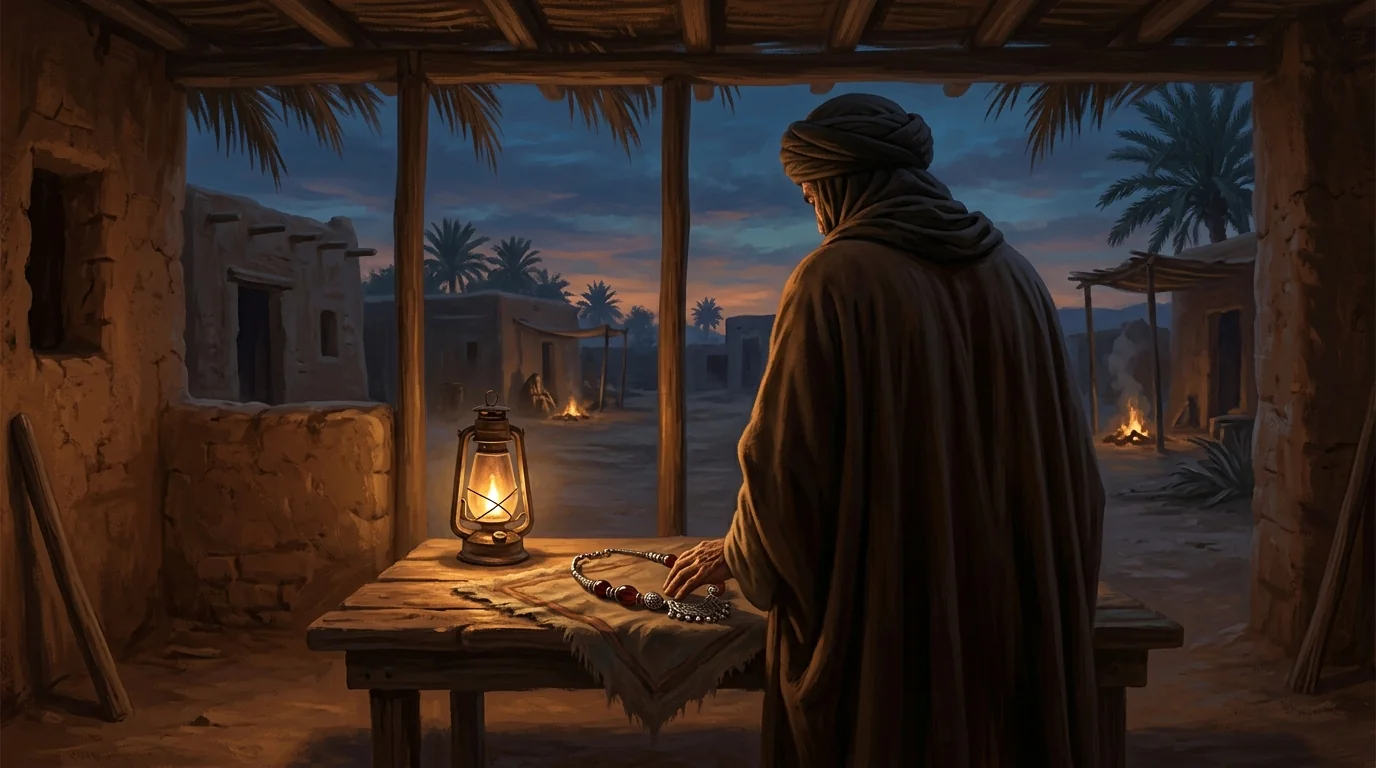
Scene 1
The Necklace of Badr and Memories of the First Revelation
After the battle of Badr, a man of Quraysh brings a necklace to ransom his captive brother, and the eyes of the Prophet ﷺ fill with tears as he turns it in his hands. It belonged to the woman who loved and comforted him, carried food up to the cave of Hira, and wrapped him after the first revelation.
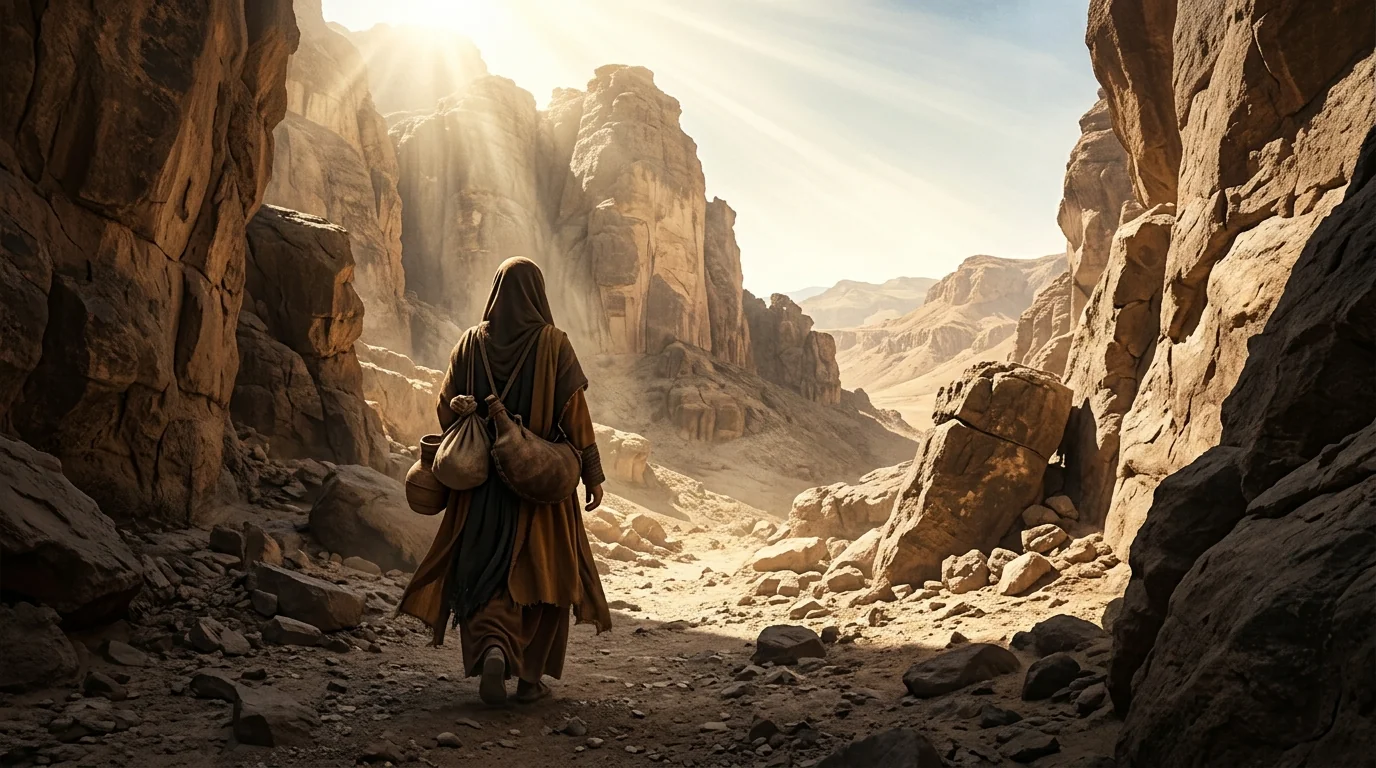
Scene 2
Comforting the Prophet and Patience in the Valley of Mecca
Holding the necklace, the Prophet ﷺ remembers the woman who consoled him each time the people of Mecca mocked him, who believed him when others called him a liar, who never raised her voice in a quarter-century of marriage, and who endured hunger and thirst beside him during the siege in the valley of Mecca.
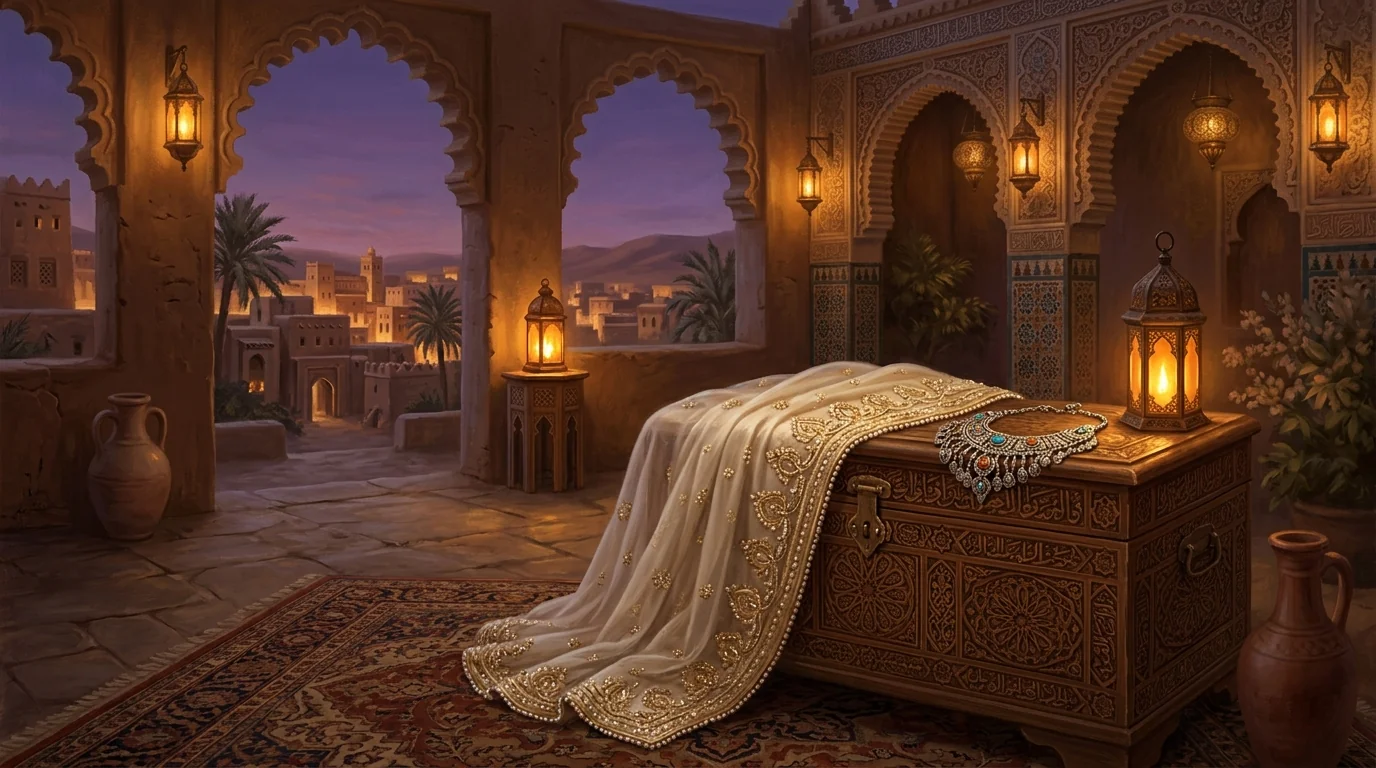
Scene 3
Zaynab's Gift and Tears of Loyalty for the Believers' Mother
He recalls the day she took the necklace from her own neck and placed it on their daughter Zaynab at her wedding, her smile filling the house with joy and making up for his orphaned childhood. His tears flow freely, for it is the necklace of his beloved, loyal wife Khadijah bint Khuwaylid.
Scene 4
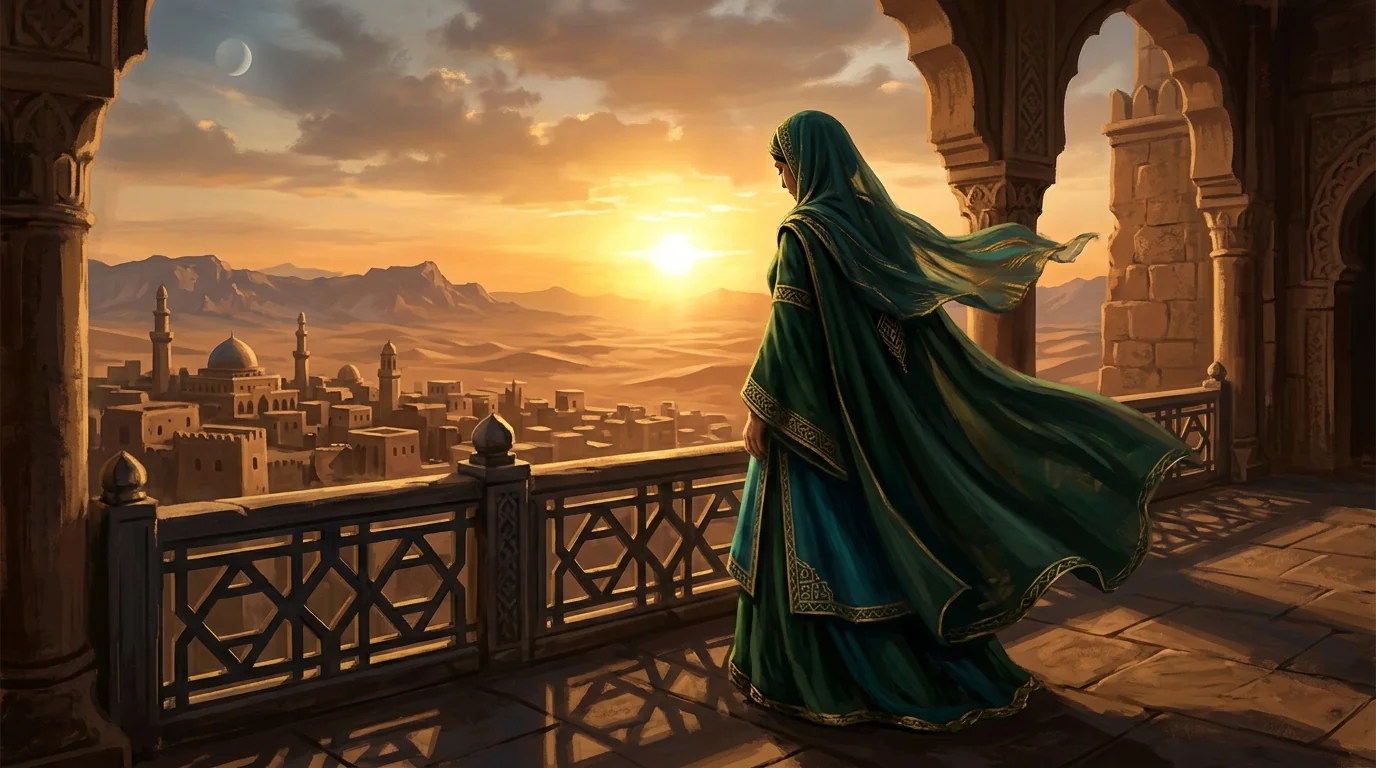
Behind Every Great Nation Is a Woman
The author admits that writing about Islam's great women proved far harder than writing about its men. He rejects the saying that behind every great man stands a woman as demeaning, and proposes instead that behind every great nation stands a woman: without Khadijah, he argues, the nation of Islam would not have arisen.
Scene 5
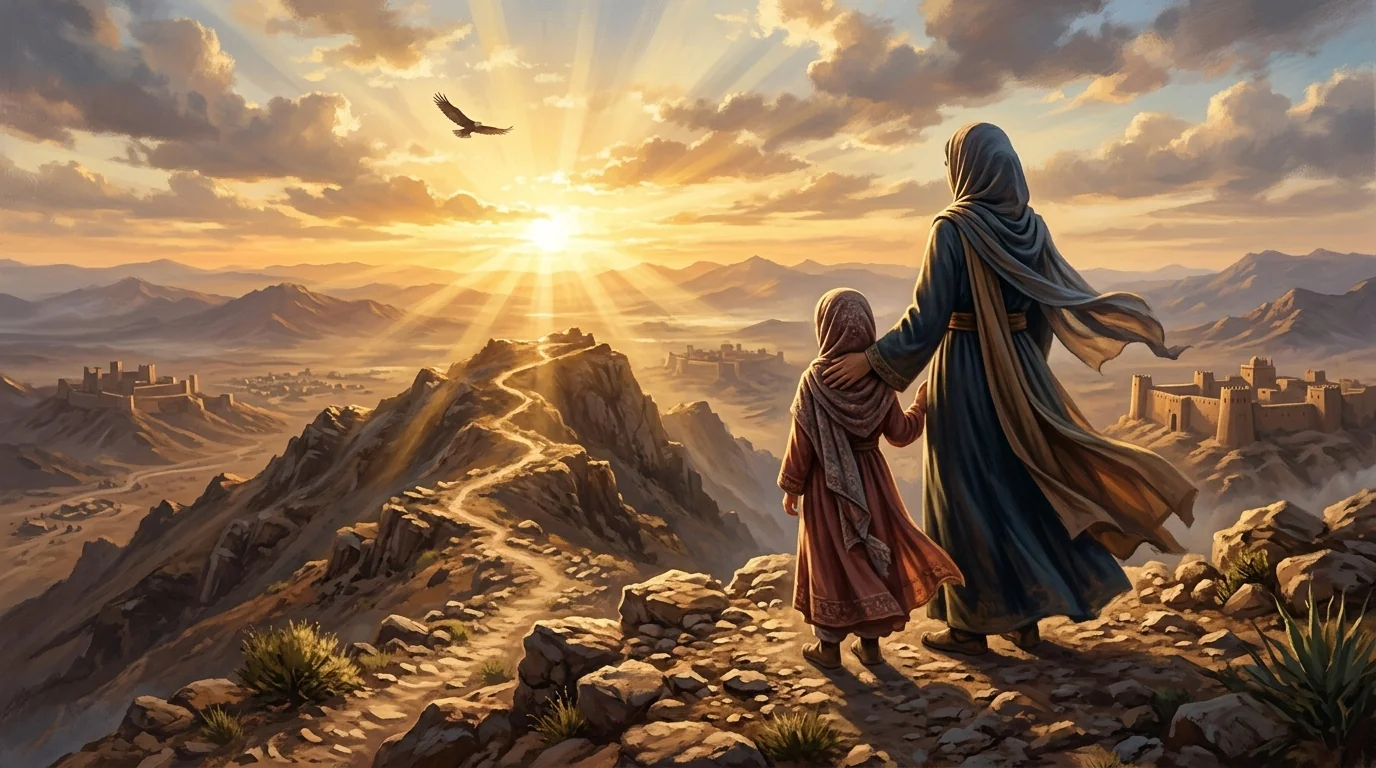
The Muslim Woman's Standing and the West's False Claims
The author argues that woman in Islam is the whole of society rather than half of it, and that her standing surpasses that of women in the developed world. He supports this with what he says he witnessed in Europe, where women had to undress for advertisements and magazines to earn a living.
Scene 6
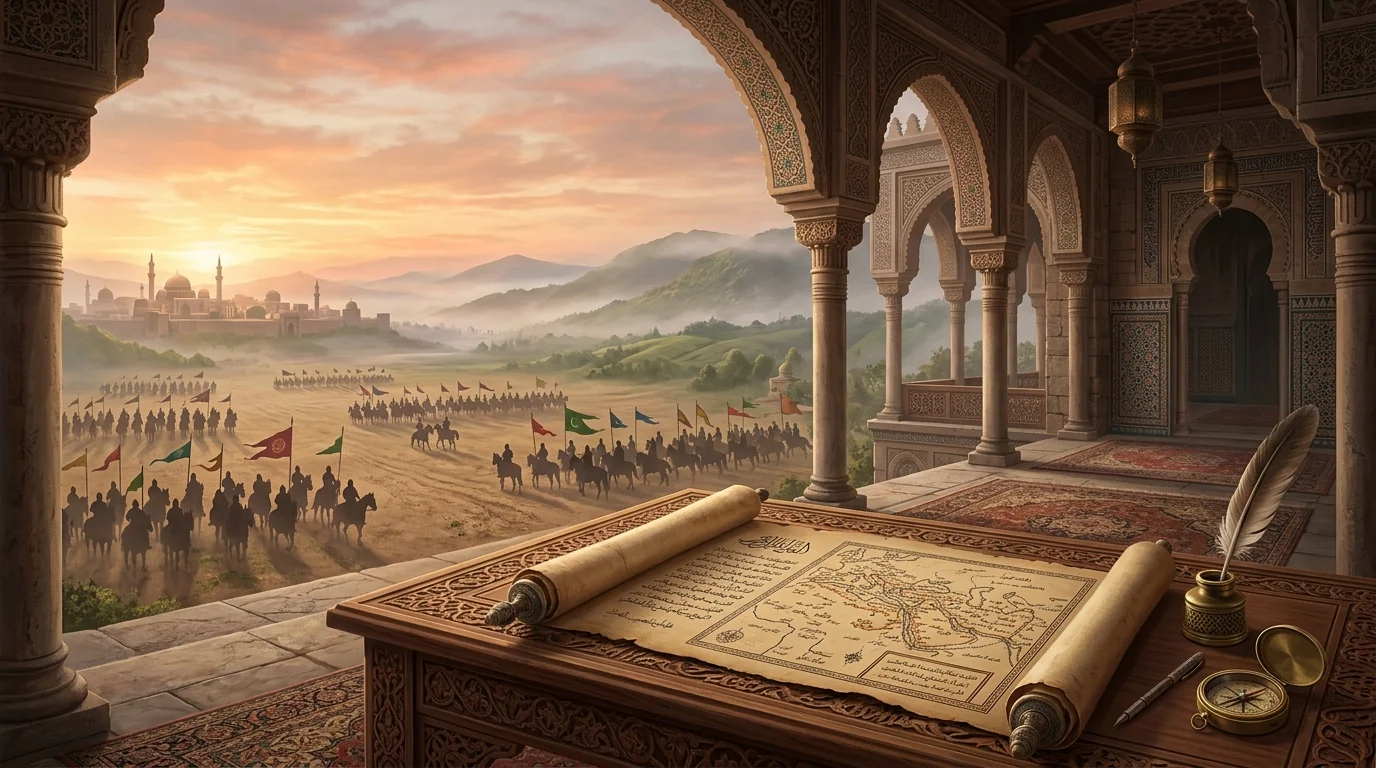
Hold Your Head High: You Are a Daughter of Khadijah
Addressing every Muslim girl and woman, the author tells her to hold her head high, for she is a daughter of Khadijah, to whom God sent greetings through Jibril. Her role, he says, exceeds that of men: she is the hero and the mother, wife, sister and teacher of heroes, and must now raise a leader.
Scene 7
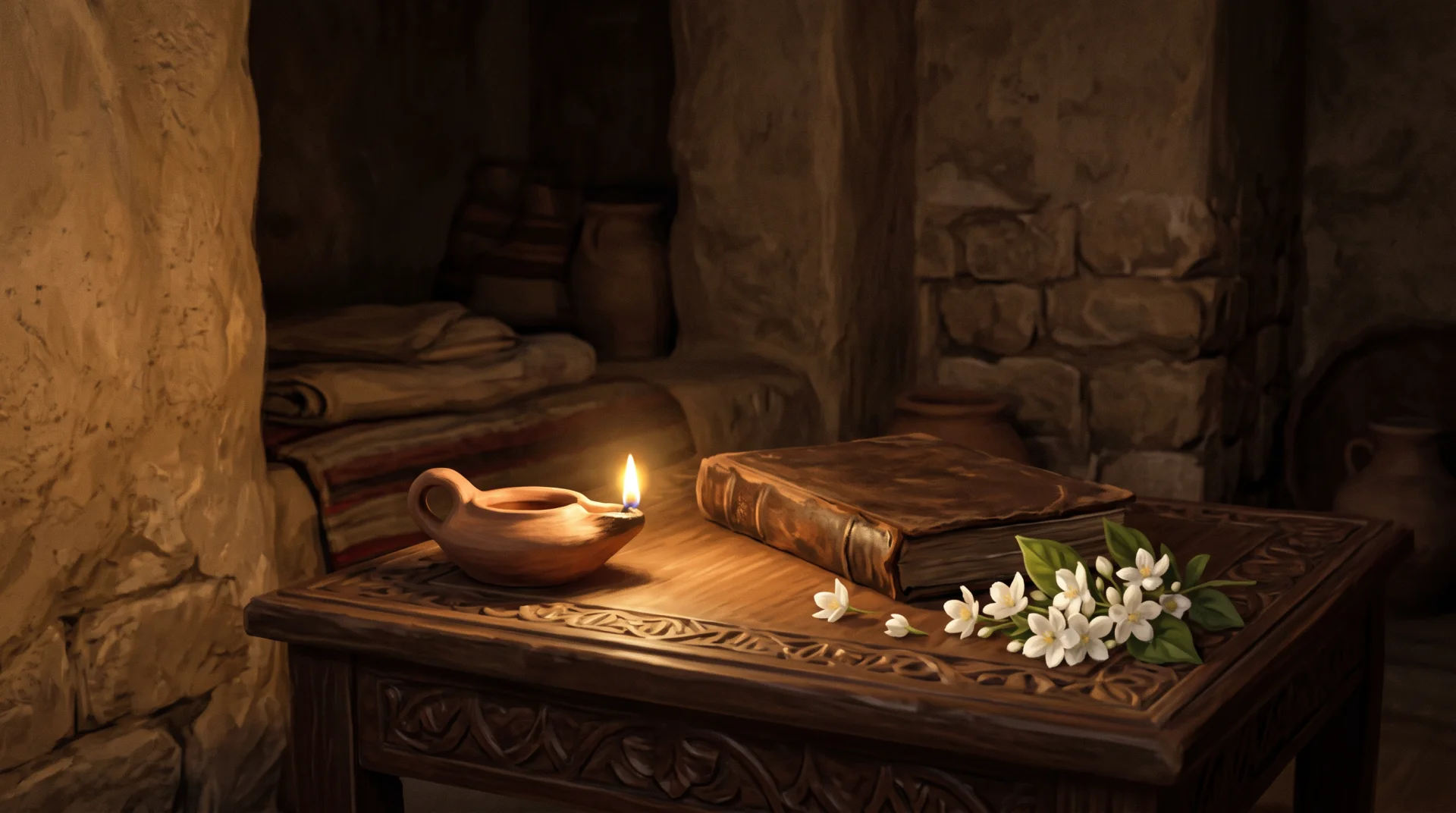
Making Leaders, Building Nations: Islam's Great Women
The author calls on Muslim women at a critical hour, arguing that the nation will rise only through women who carry the faith as Khadijah did. Saladin, Muawiyah and the Prophet ﷺ himself, he says, were sustained by great women. Khadijah should be their model, he concludes, in the art of building nations.
Scene 8
To Another Mother of the Believers, Slandered Today
From Khadijah, Mother of the Believers, to another Mother of the Believers: "to your mother", against whom, the book says, is now being waged the filthiest campaign of slander and defamation that any woman in history has suffered. What will you do when you learn that there are those who accuse your mother of being an adulteress? To be continued.
These are English scene notes. The full chapter text, as the author wrote it, is in the app.