



Scene 1
The Trustee of This Nation and the Towering Peaks
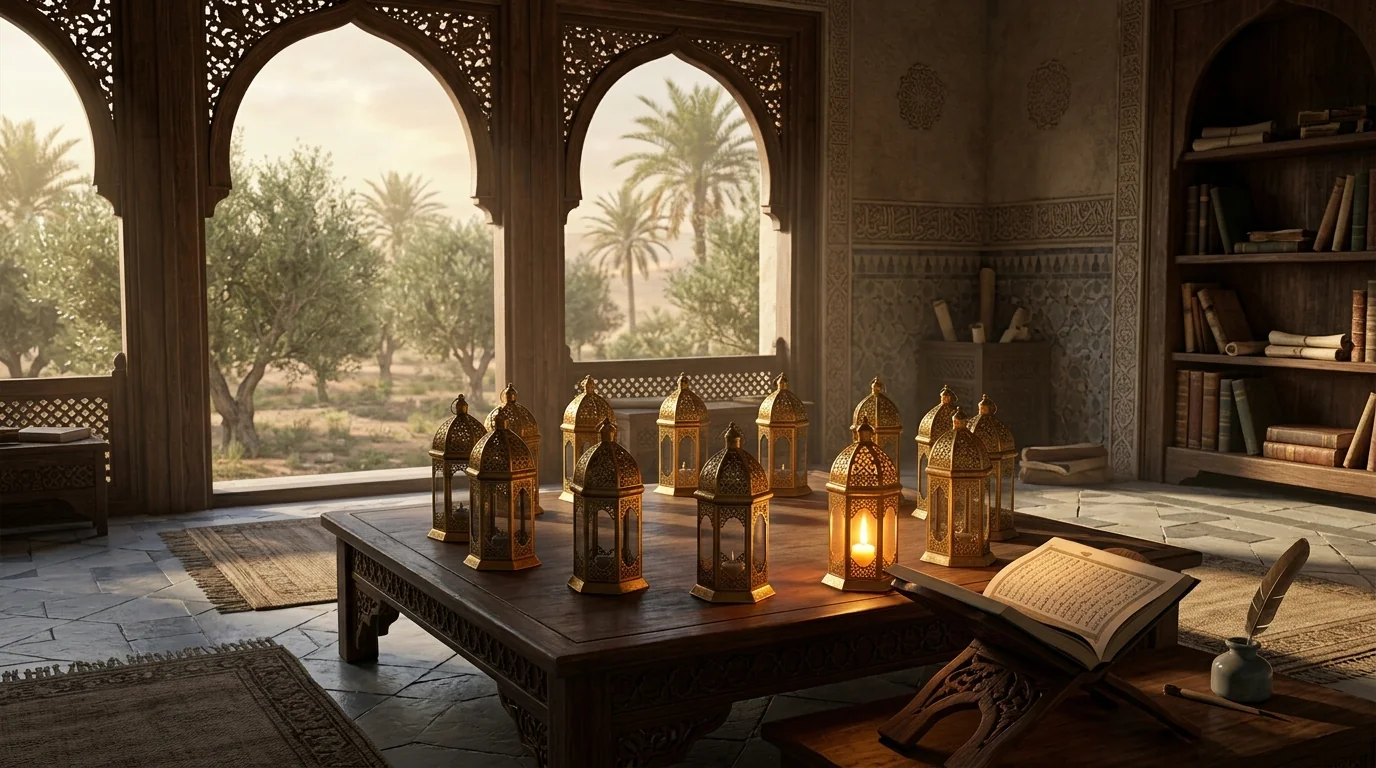
The chapter opens with the Prophet's ﷺ saying that every nation has a trustee, and that this nation's trustee is Abu Ubaida ibn al-Jarrah. The author describes a strange awe mixed with love as he begins, recalling how the name filled him with pride as a child, and wonders whether he can truly portray such towering figures.
Scene 2
The Trustee's Standing and the Humility of the Great
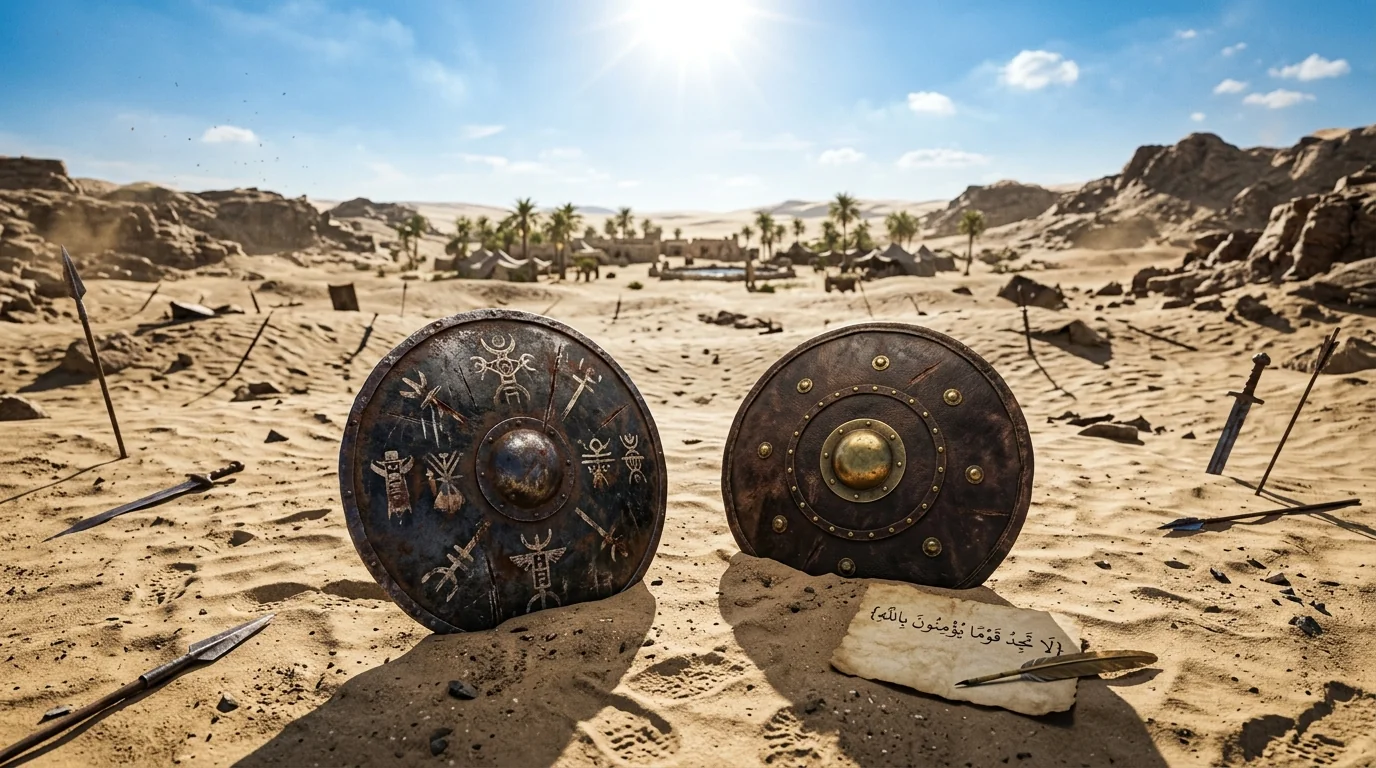
The author admits he overestimated his pen when he conceived a book on a hundred greats, and can only pick one flower from each one's garden. He then turns to Badr, where a man in the Qurayshi army kept pursuing Abu Ubaida to fight him, though Abu Ubaida tried hard to avoid him.
Scene 3
The Test of Badr and the Enduring Quranic Verse
Who was the man who sought to duel Abu Ubaida? Before naming him, the author presents the divine portrayal of the moment, which God immortalised in the Quran. He quotes the verse revealed about Abu Ubaida: believers in God and the Last Day do not befriend those who oppose God and His Messenger, even their own fathers.
Scene 4
The Creed of Monotheism and Sacrifice for the Faith
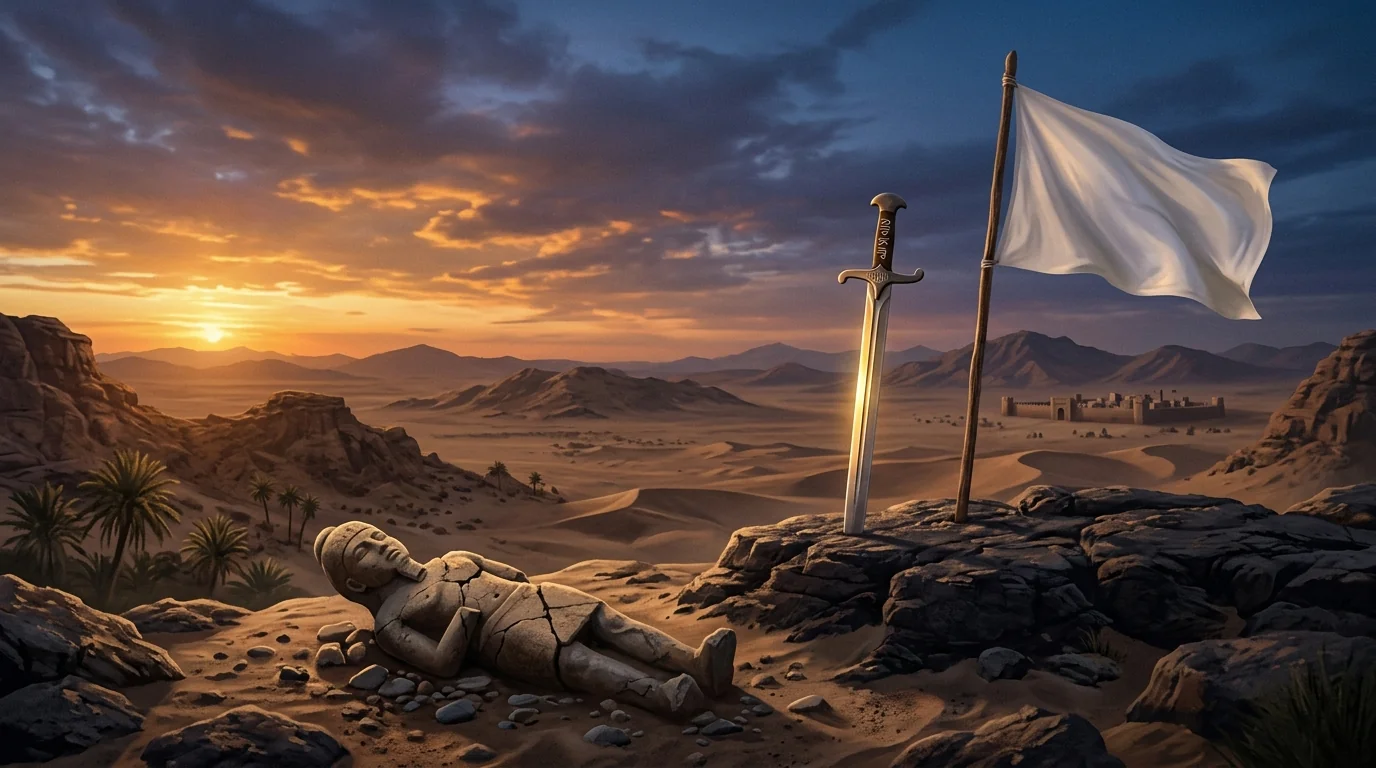
That pagan was al-Jarrah, Abu Ubaida's own father. Abu Ubaida killed his father or, as the author puts it, killed the disbelief within his father. He understood that he stood between two choices with no third, family or Islam, and the choice was never difficult for him: Abu Ubaida chose Islam.
Scene 5
Shielding the Prophet at Uhud and Removing the Helmet Rings
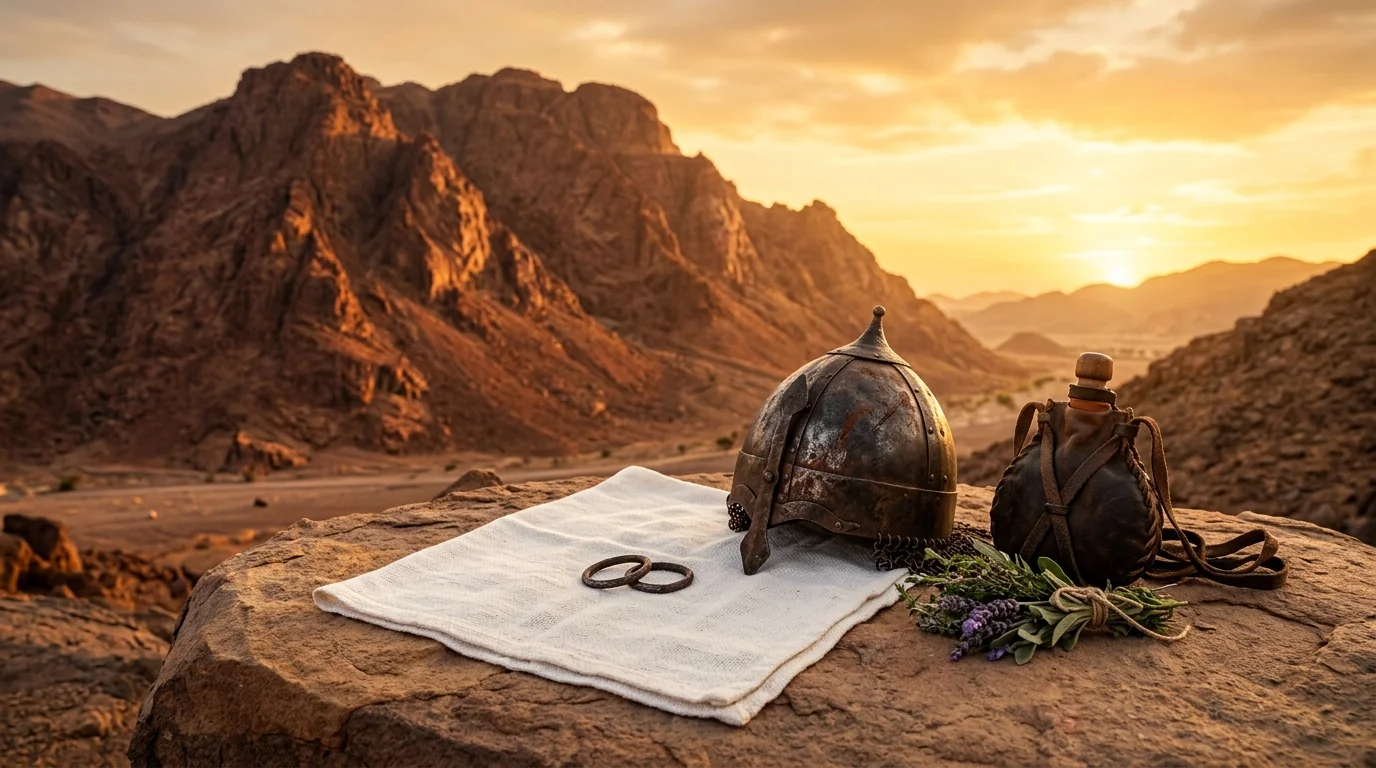
At Uhud, as Abu Bakr ran to the Prophet ﷺ, a tall, lean man came flying from the east: Abu Ubaida. Two rings of the Prophet's helmet had sunk into his cheeks. Abu Ubaida begged Abu Bakr to leave it to him and pulled each ring out with his teeth, losing two front teeth.
Scene 6
Command at Yarmouk and Loyalty in the Plague of Amwas
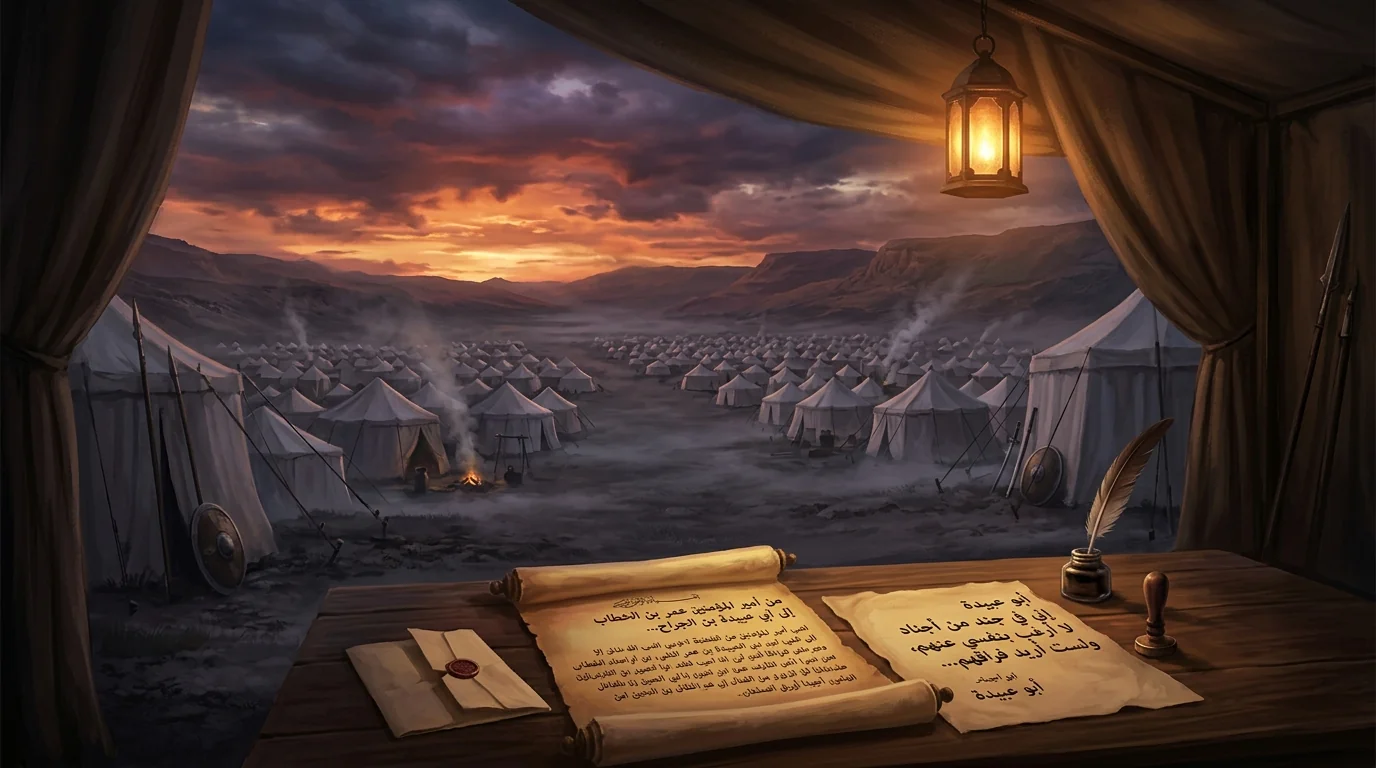
At Yarmouk Abu Ubaida was supreme commander, and the Muslims defeated half a million Romans. When the plague of Amwas spread through the Levant, Umar summoned him to Medina on a pretext to save him. Abu Ubaida understood and asked to be excused, unwilling to leave his soldiers, and Umar wept on reading his reply.
Scene 7
The Trustee's Martyrdom and His Lasting Reward in Syria
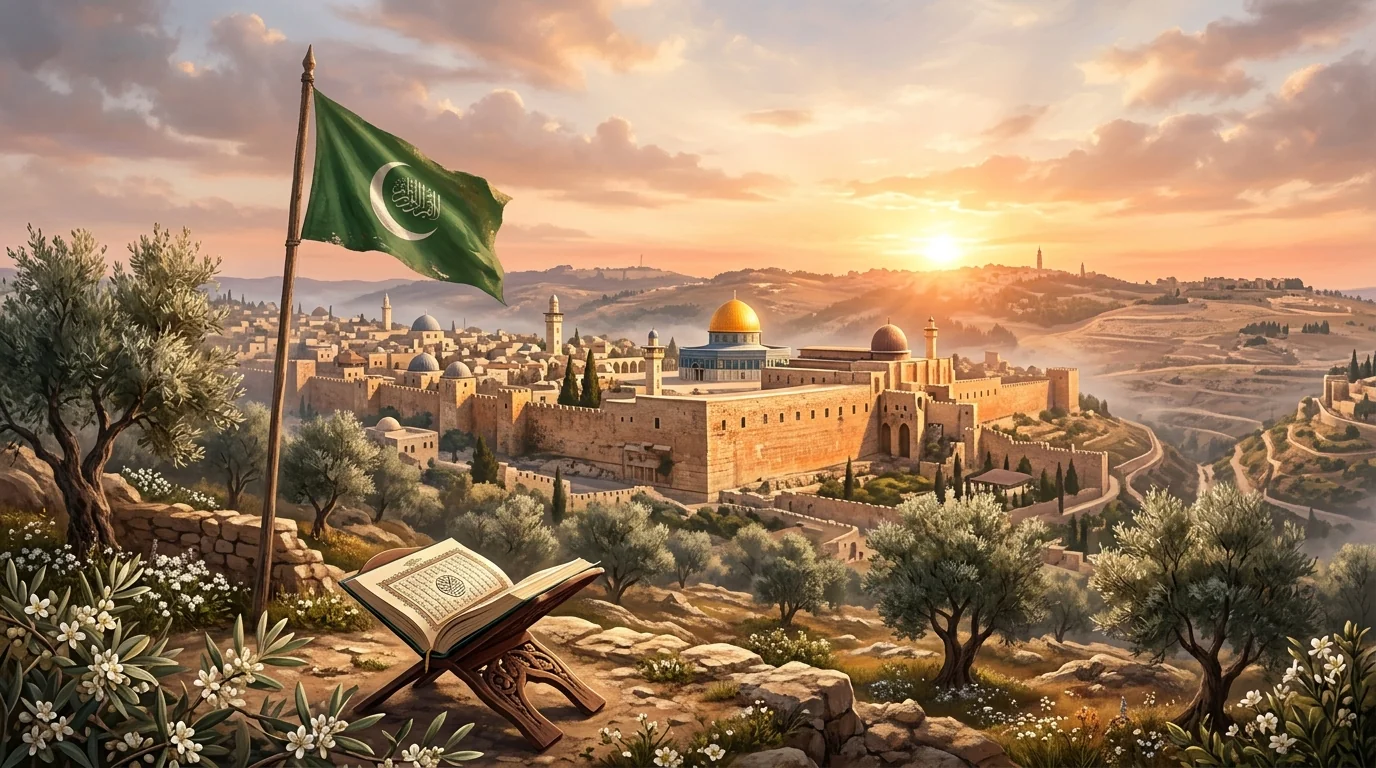
Within days the plague took hold of the trustee and he died a martyr, having carried the testimony of faith to the towns and villages of the Levant. The author says that for every prayer in Damascus, Amman or al-Aqsa, and every fighter in Gaza, Abu Ubaida receives an equal reward without theirs being lessened.
Scene 8
Secrets of Yarmouk and the Awaited Hero
The author closes with questions: what is the story of the battle of Yarmouk, and why was it one of God's immortal days? Who was the great Muslim who asked Abu Ubaida a strange question before walking to his death, why did Abu Ubaida weep at it, and why is he exceptional among the hundred?
These are English scene notes. The full chapter text, as the author wrote it, is in the app.