


Scene 1
The First of the Greats and Abu Bakr's Rank Among Them
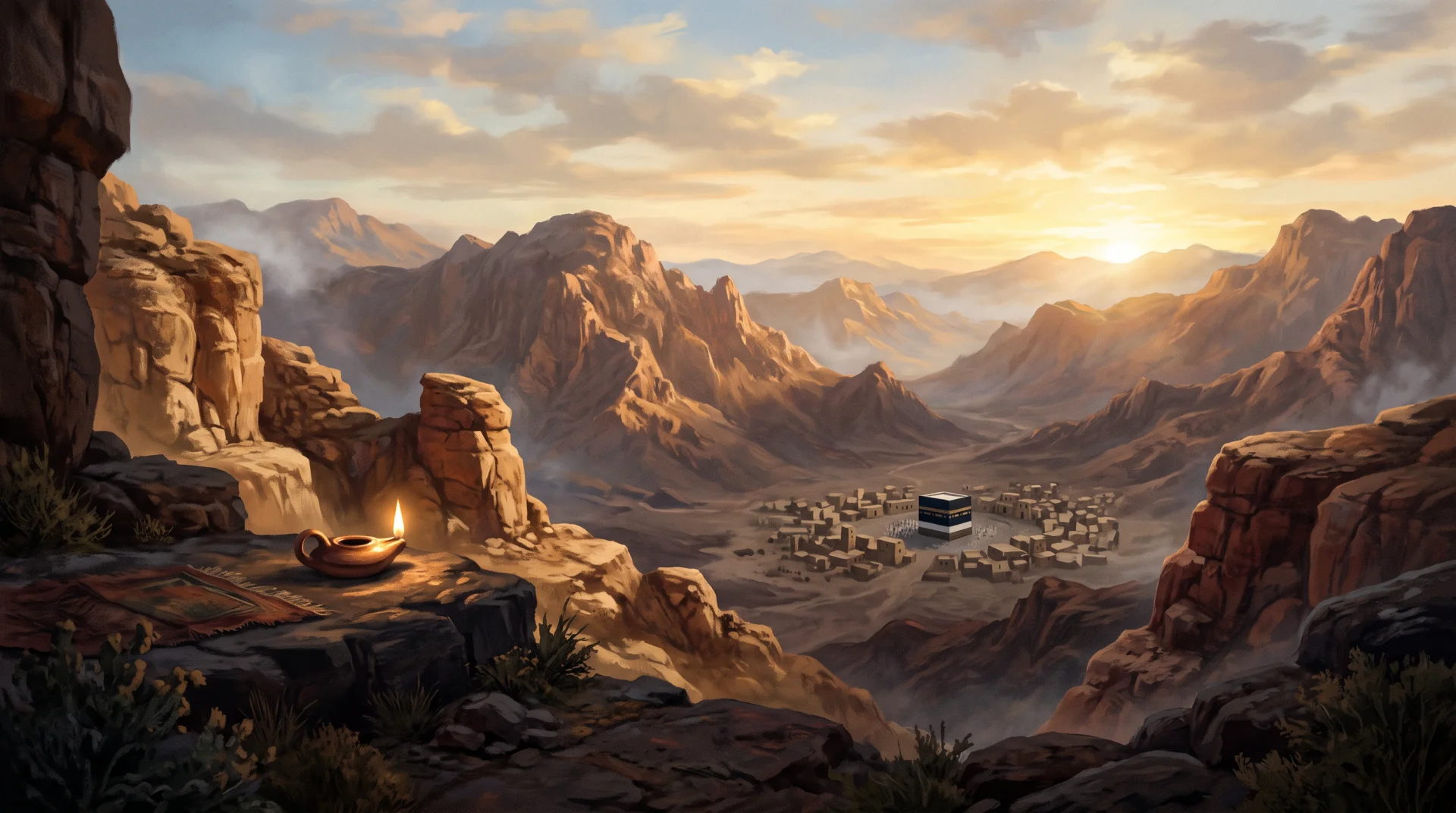
The author explains that he never meant to rank the hundred greats of the Muslim nation by merit, and that his order ignores differences of time, place and stature. Having set aside the prophets and messengers, the greatest of all creation, he arranges the rest as best suits this literary work.
Scene 2
The Prophet's Final Command and Abu Bakr's Leadership
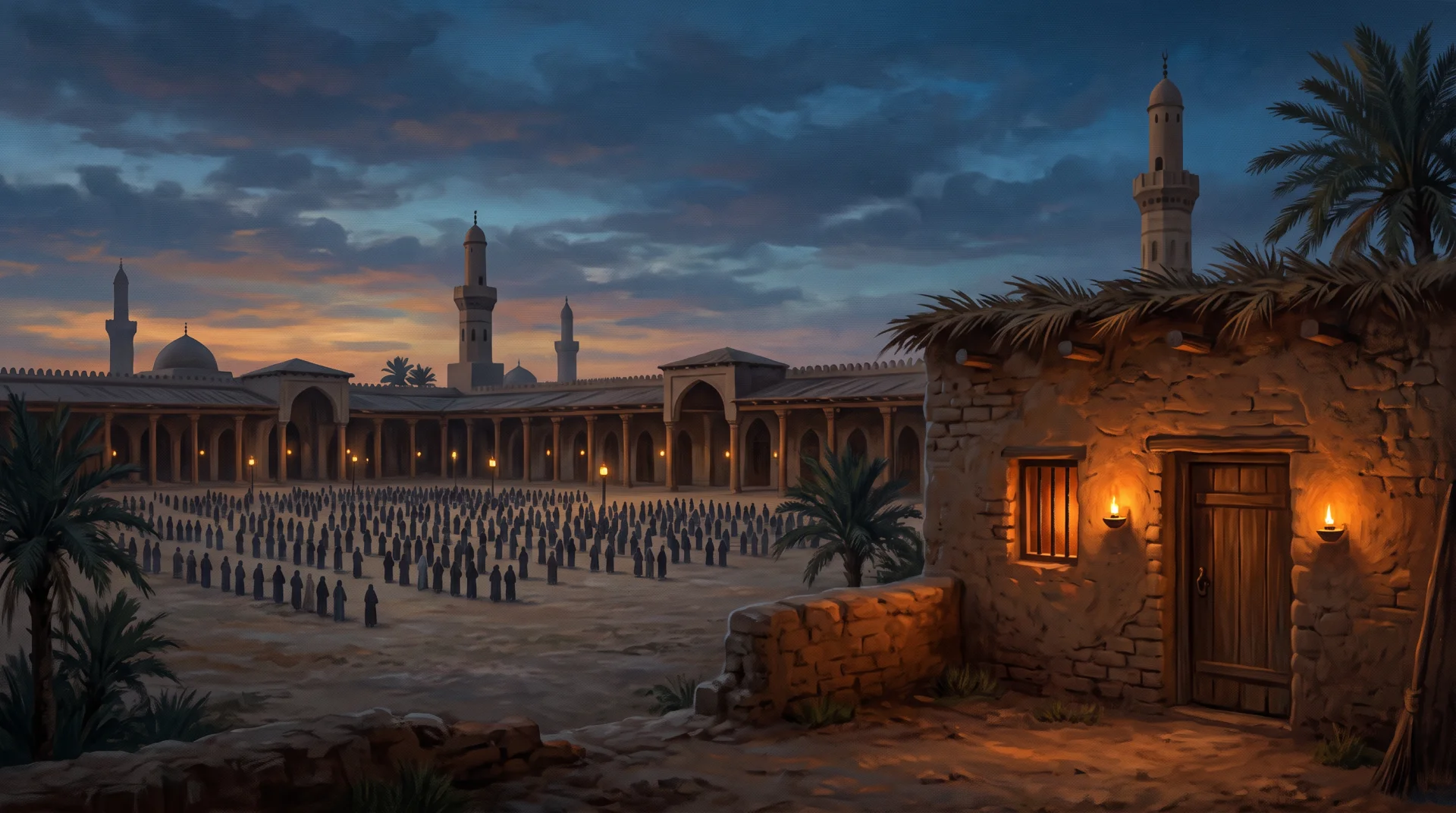
The author makes a single exception to his unranked order: Abu Bakr al-Siddiq must come first. He recalls the Prophet ﷺ on his deathbed insisting that Abu Bakr lead the prayer, and calls him the greatest human after the prophets, the first to carry the torch of monotheism they left behind.
Scene 3
Dawn of the Mission and the Eternal Lamp of Monotheism
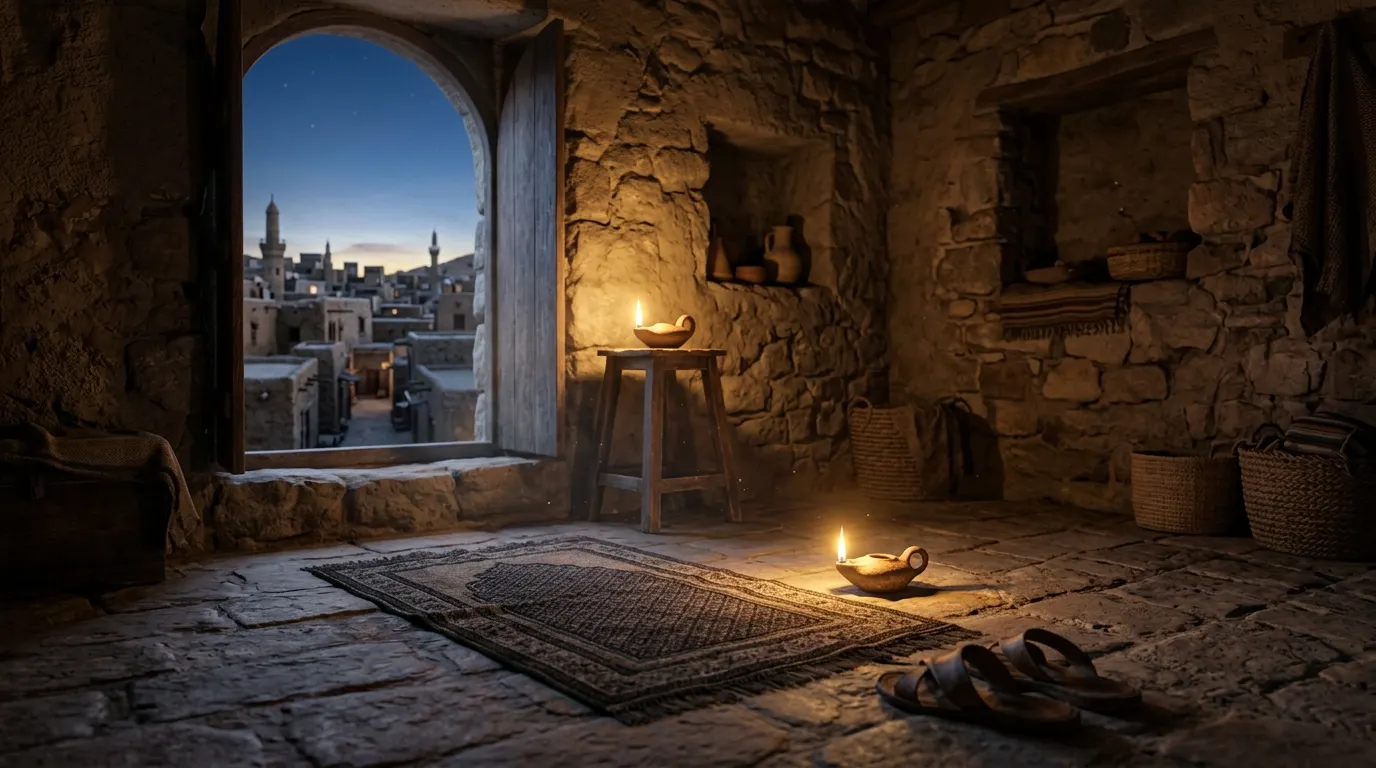
Abu Bakr was the Prophet's ﷺ companion before and after Islam, the one chosen to accompany him on the Hijra, and the first man to believe in his message. Five of the ten promised Paradise embraced Islam through him; he was the father of Aisha and the first caliph.
Scene 4
Abu Bakr's Standing in Mecca Before Islam
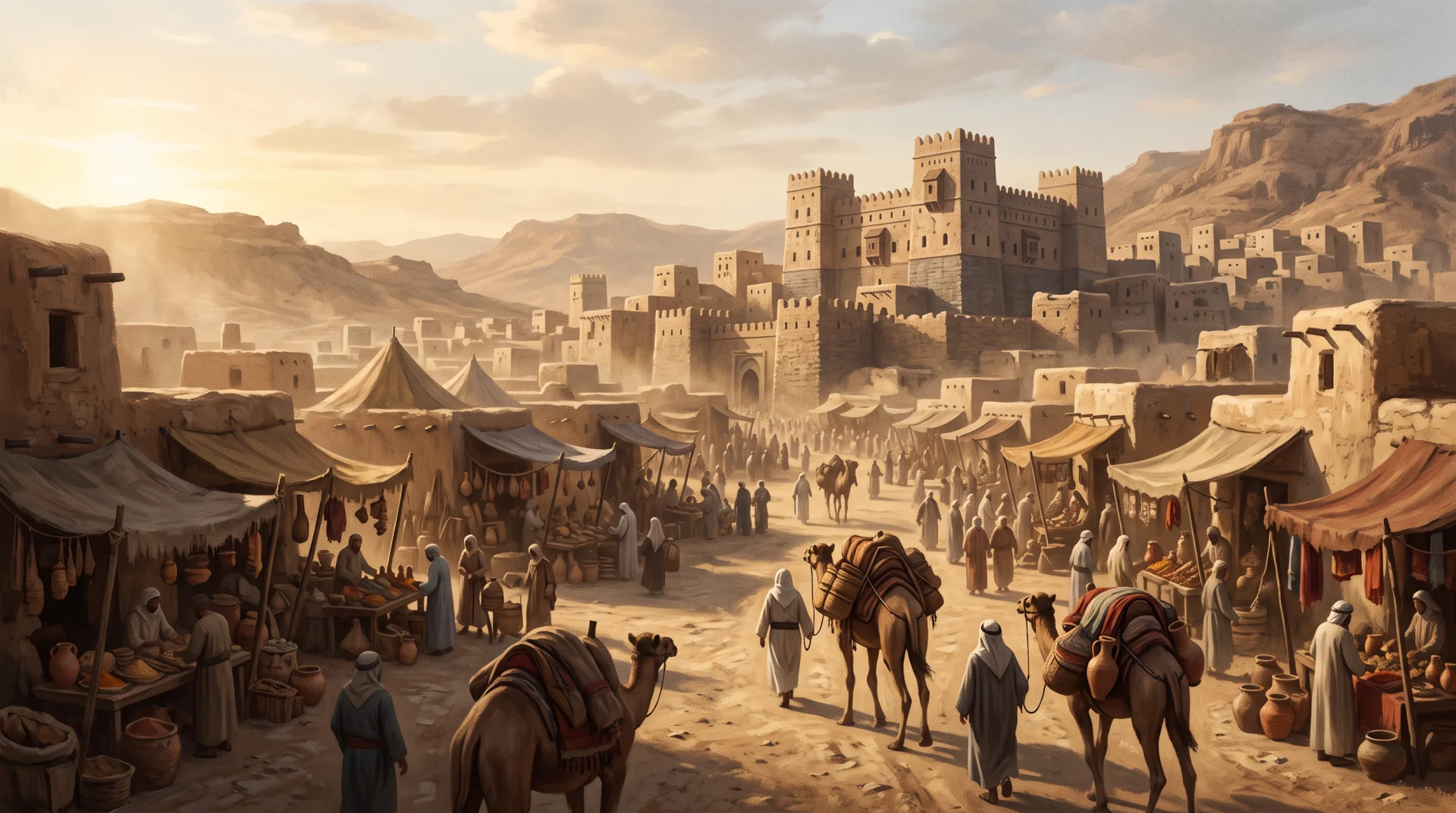
Abu Bakr's greatness did not begin with his conversion. Before Islam he was among the finest men of Mecca, one of the ten who shared its affairs, entrusted with blood money and guarantees for Quraysh, so that anyone wishing to borrow in Mecca first had to seek his surety.
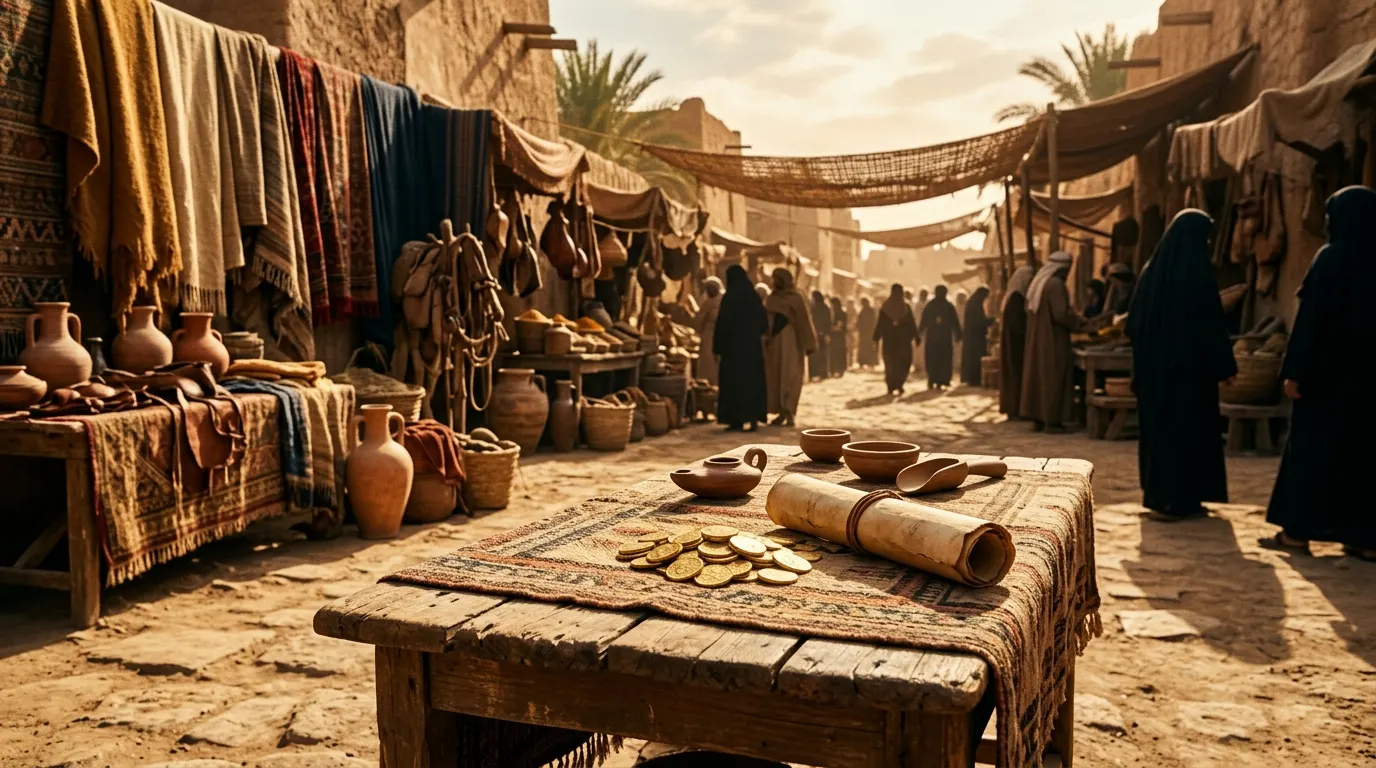
Scene 5
The Straying of Nations and the Loss of Earlier Messages
The author limits himself to two of Abu Bakr's merits, viewed from a human angle. The first is that he stood as a barrier against humanity's decline once revelation ended. Earlier communities, he notes, strayed after their prophets died, distorting their messages and turning to idols, saints and graves.
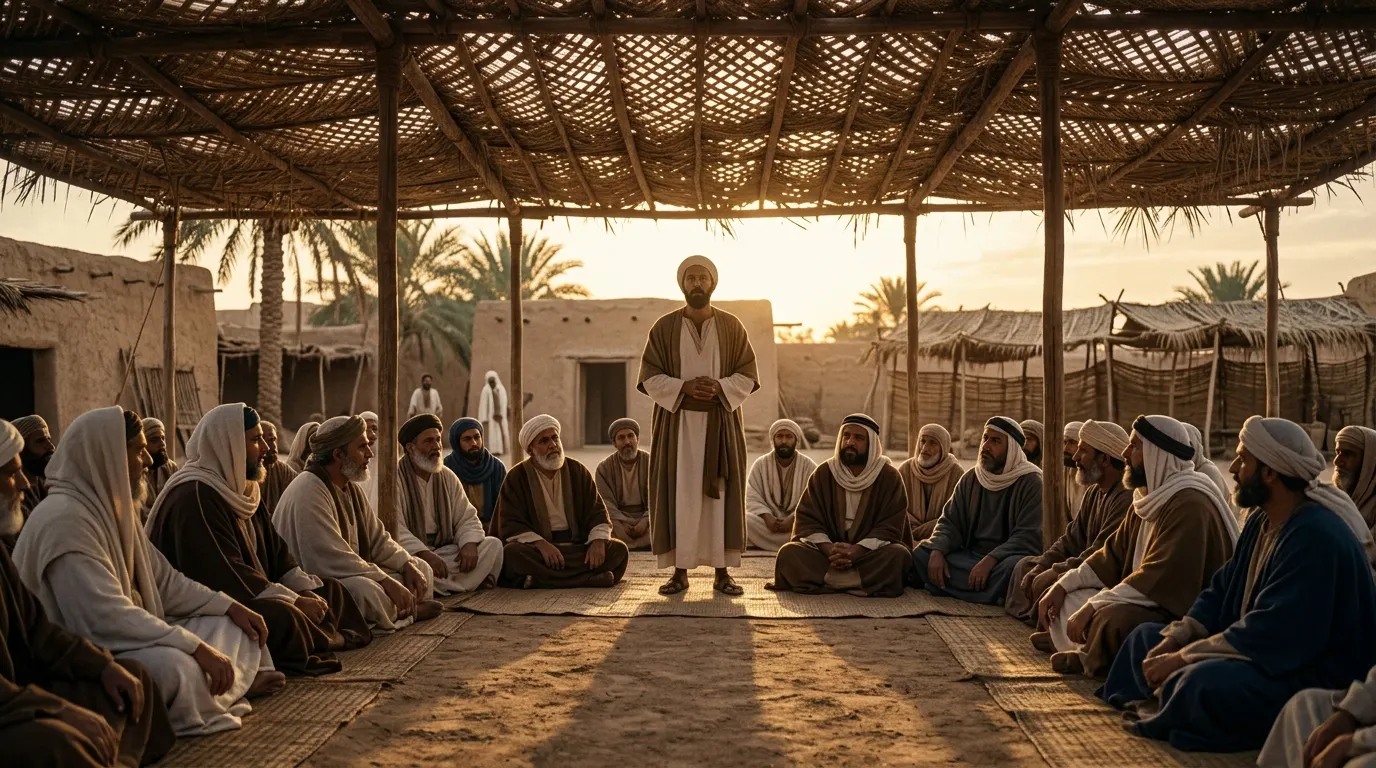
Scene 6
Al-Siddiq's Steadfastness and the Golden Rule
Because Muhammad's ﷺ message was the last sent to mankind, its loss would have meant the loss of humanity's future. The author says this nearly happened, until Abu Bakr stood after the Prophet's death and declared that whoever worshipped Muhammad should know he had died, while God lives and never dies.
Scene 7
Calling the Kings and the Might of the Two Empires
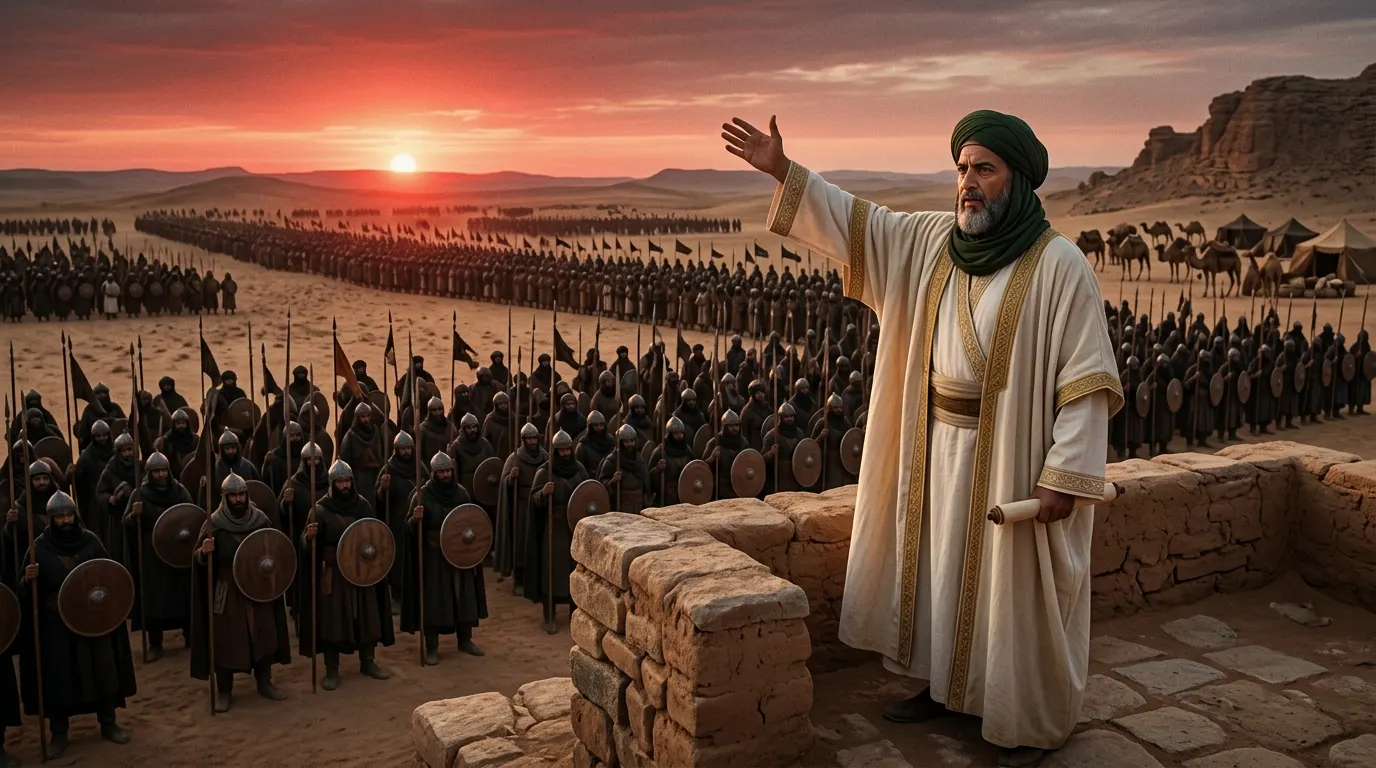
Abu Bakr's second merit is his victory over the Romans and Persians at once. The Prophet ﷺ had invited the world's kings to monotheism by peaceful letters, but they killed envoys and waged war: Khosrow tore up the letter and Heraclius fought Islam. Abu Bakr then defied the old rule against opening two fronts.
Scene 8
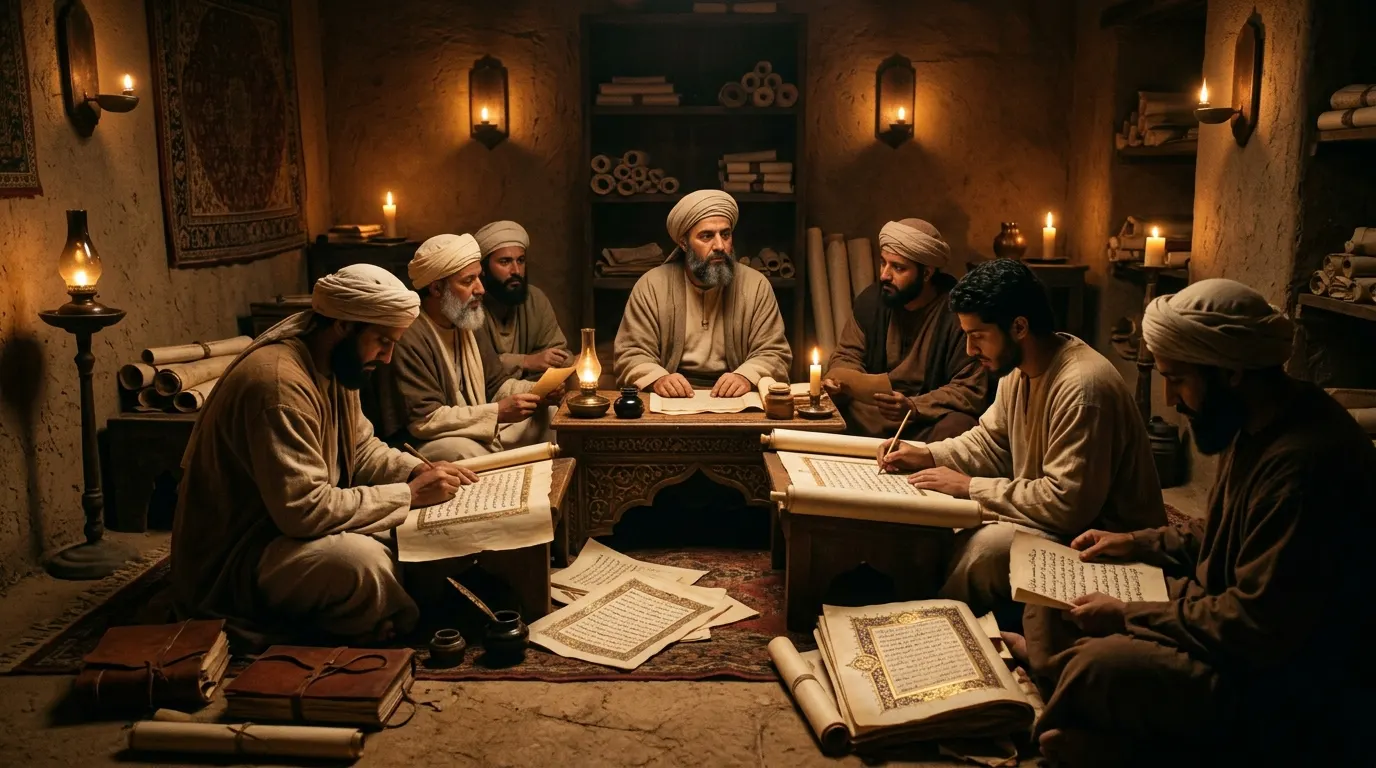
Breaking the Military Rule and Opening Two Fronts
Napoleon and Hitler were ruined by opening a second front, yet Abu Bakr fought the two greatest empires simultaneously. He sent Khalid ibn al-Walid against the Persians in the east and Abu Ubaida ibn al-Jarrah against the Romans in the west, and within a few years the Islamic state was the foremost in the world.
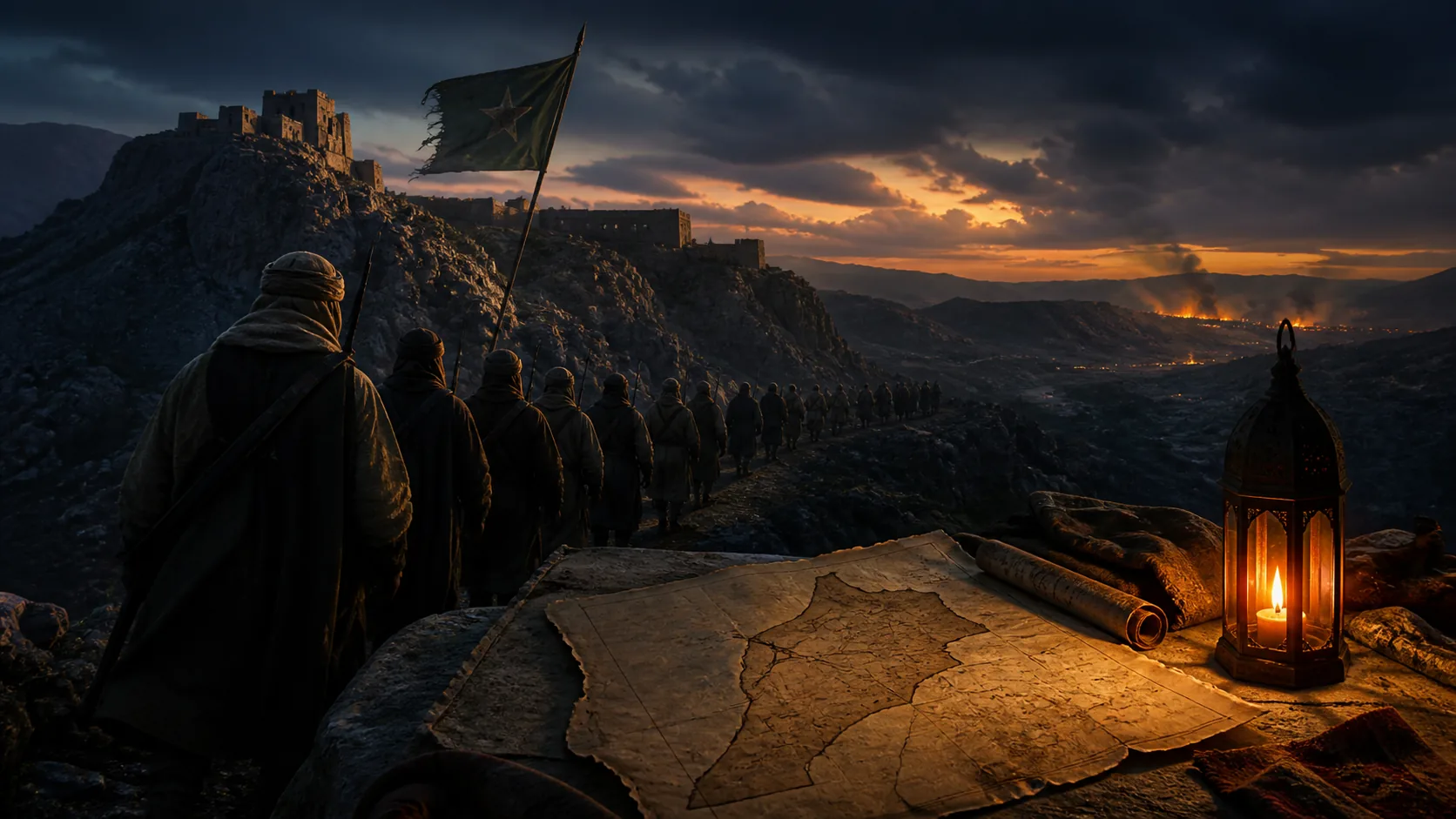
Scene 9
The Riddle of Anwal and the Coming Hero of the Rif
The same riddle surrounds a man who appeared in the far Maghreb more than 1,300 years after Abu Bakr and fought three great empires at once. The author asks who he was, how he inspired revolutionaries from Vietnam to Latin America, and what lay behind the battle of Anwal and a coded 1947 cable.
These are English scene notes. The full chapter text, as the author wrote it, is in the app.